Artwork
Riding in Spring
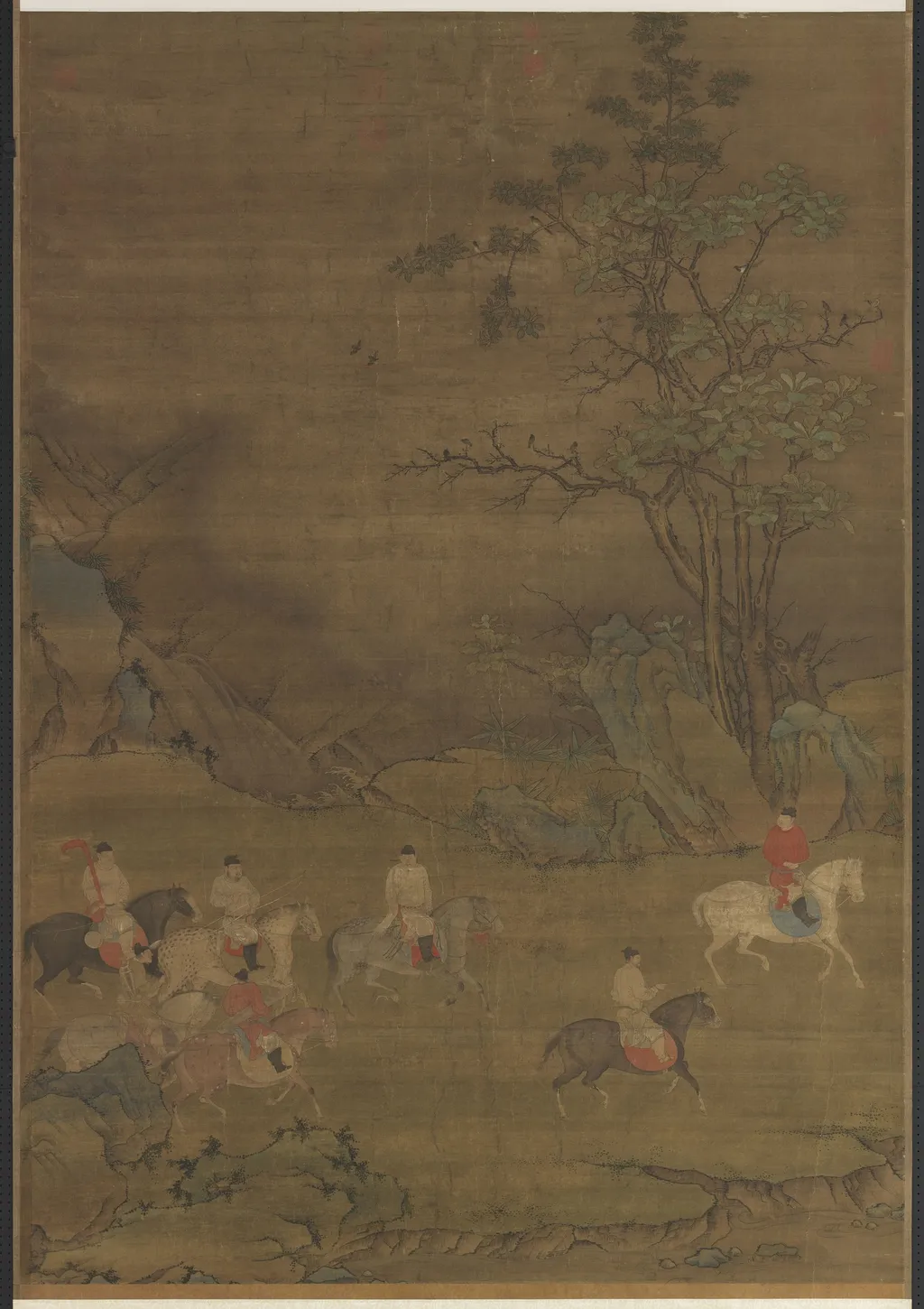
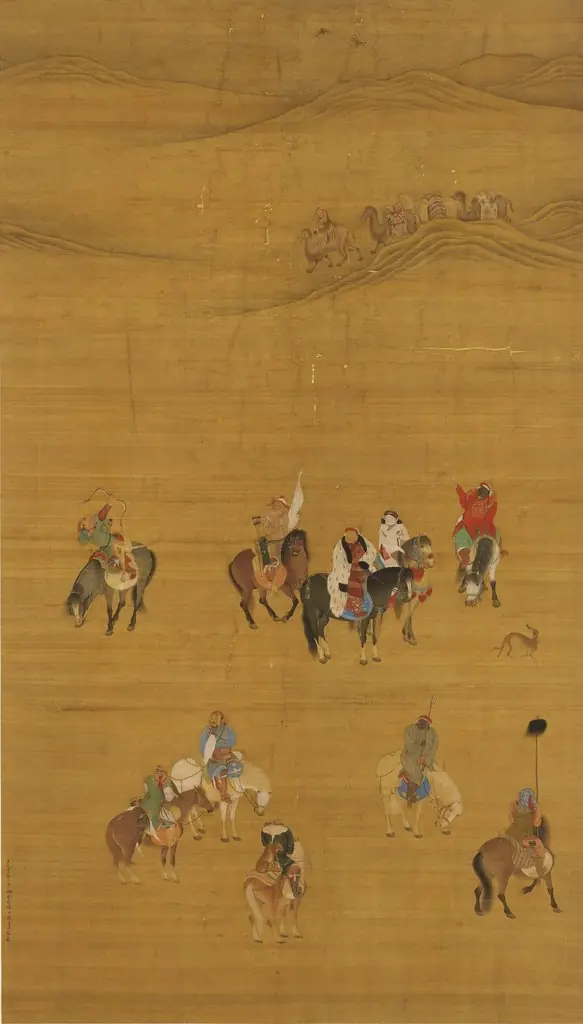
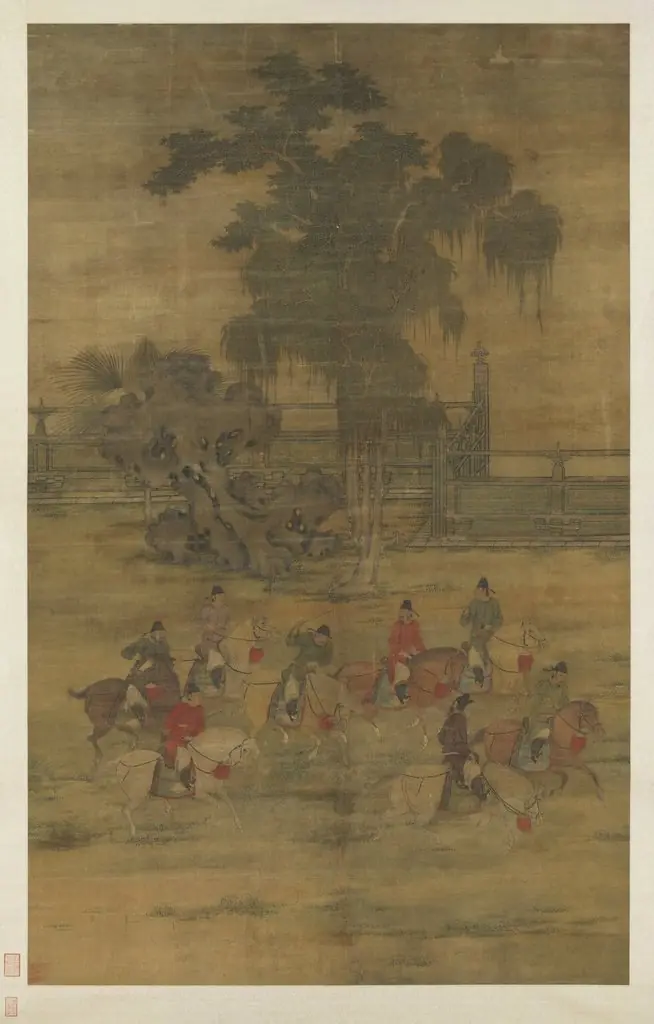
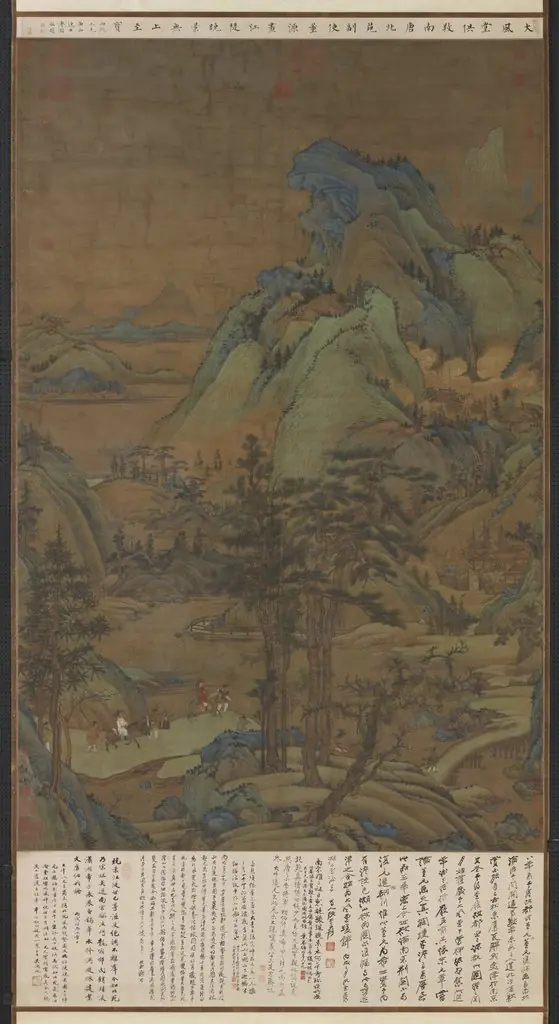
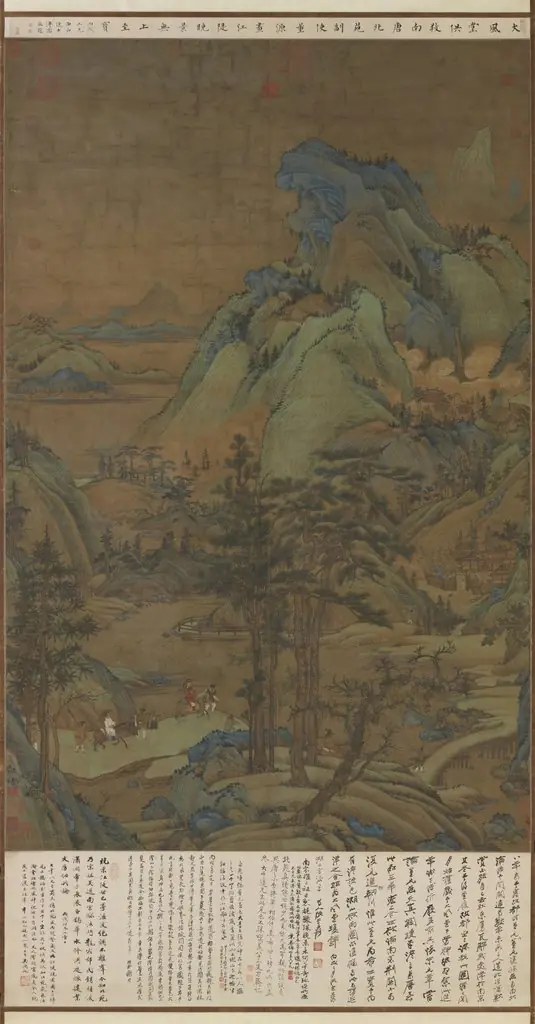
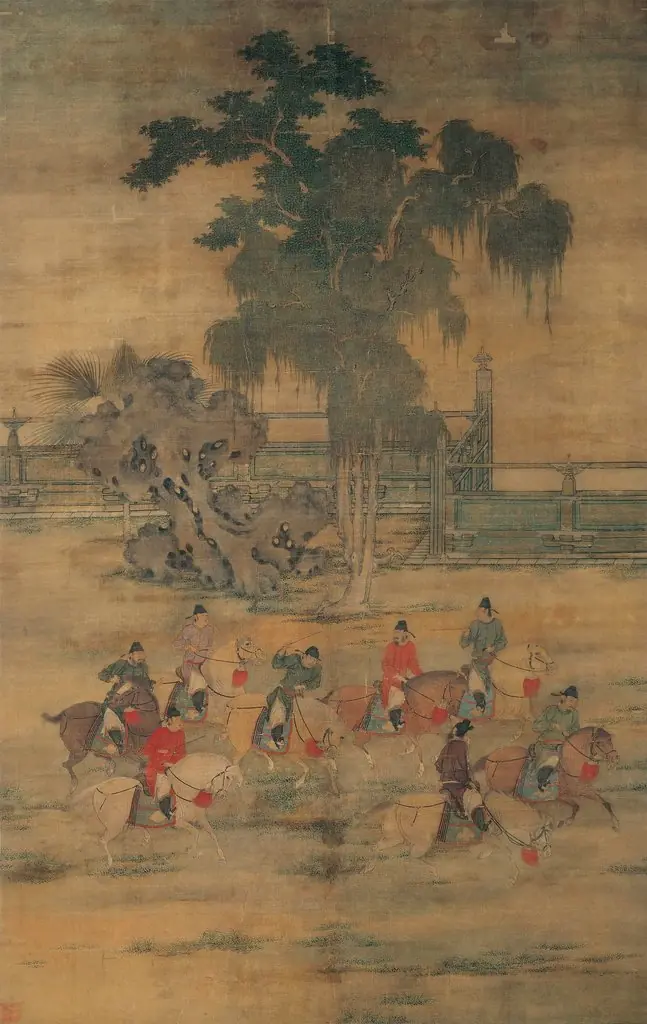
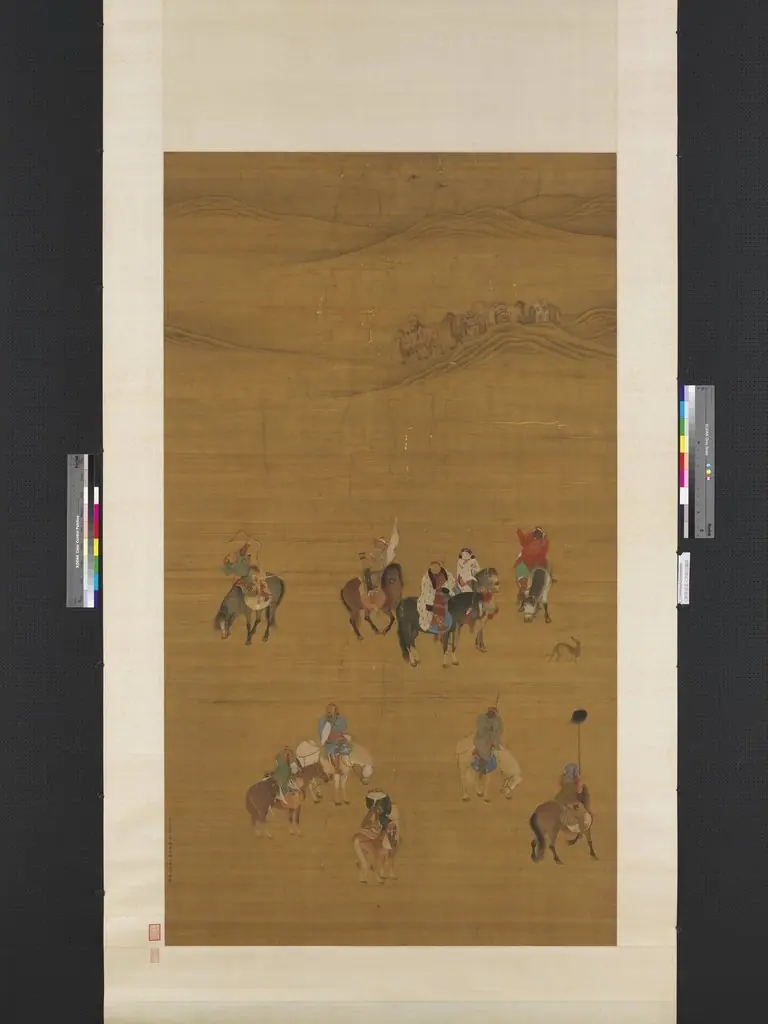
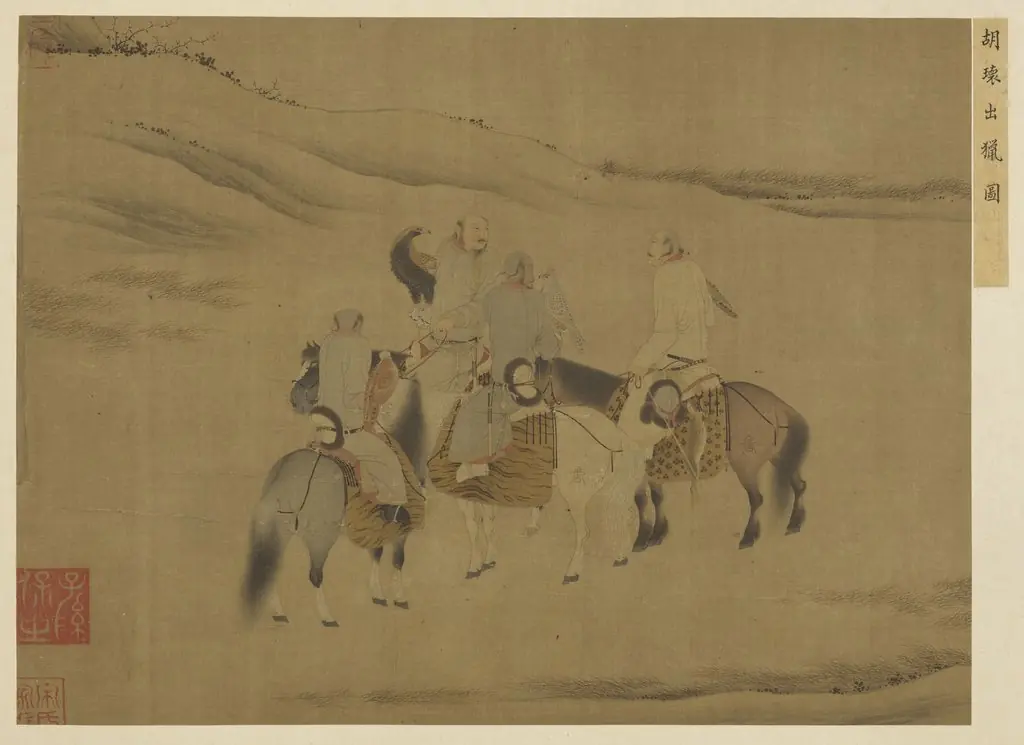
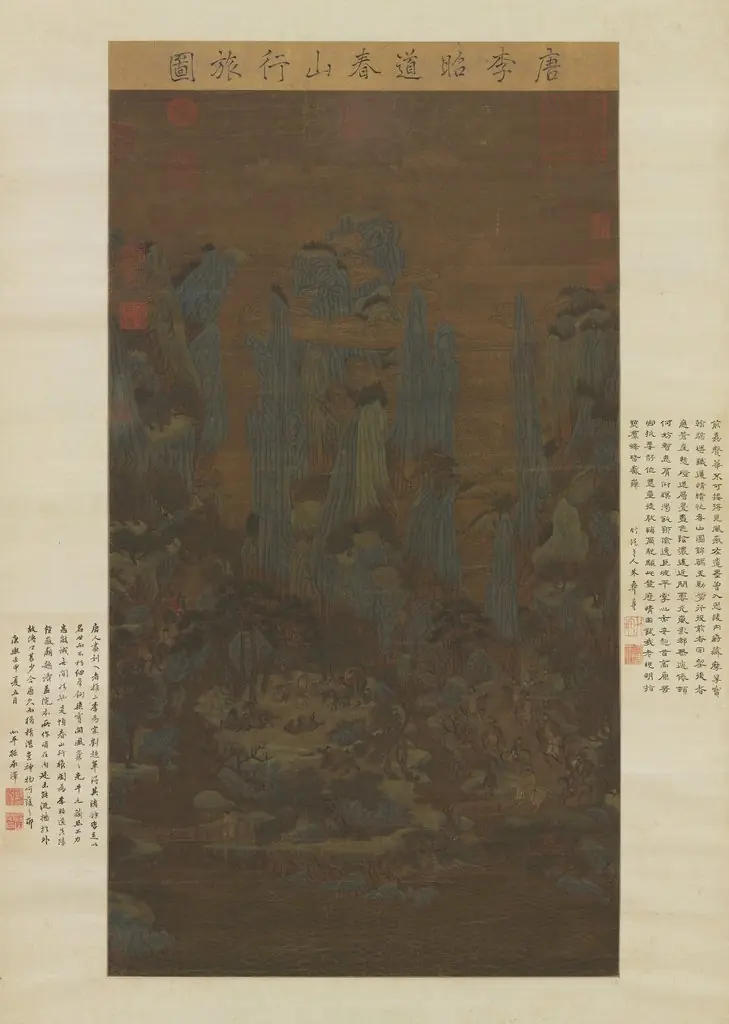
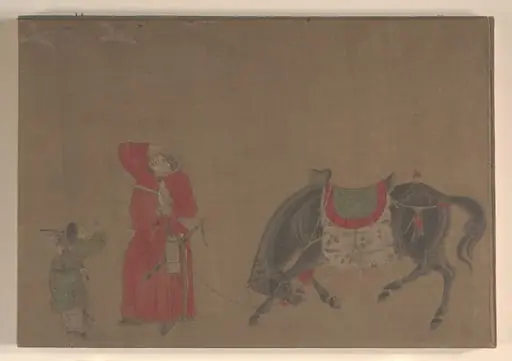
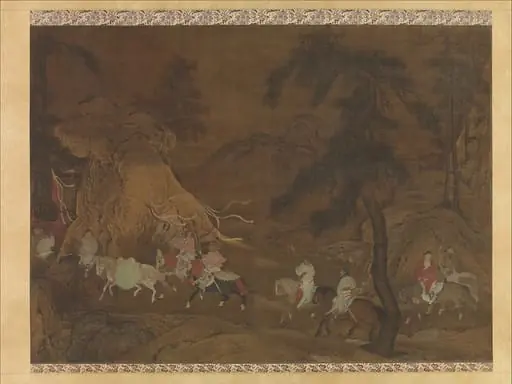
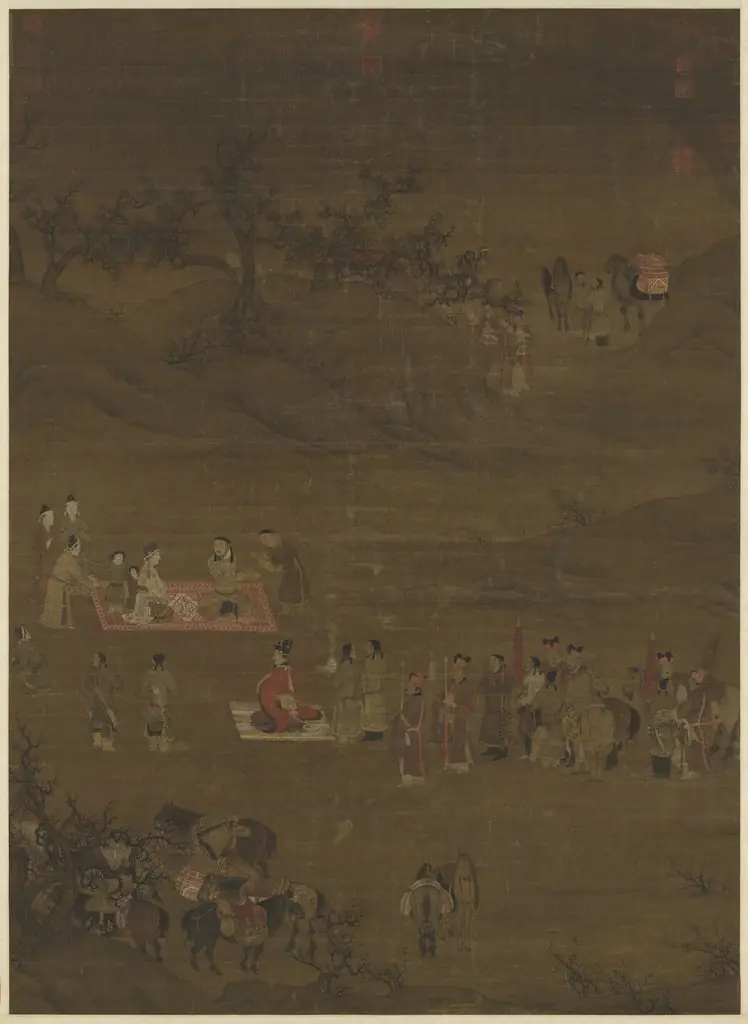
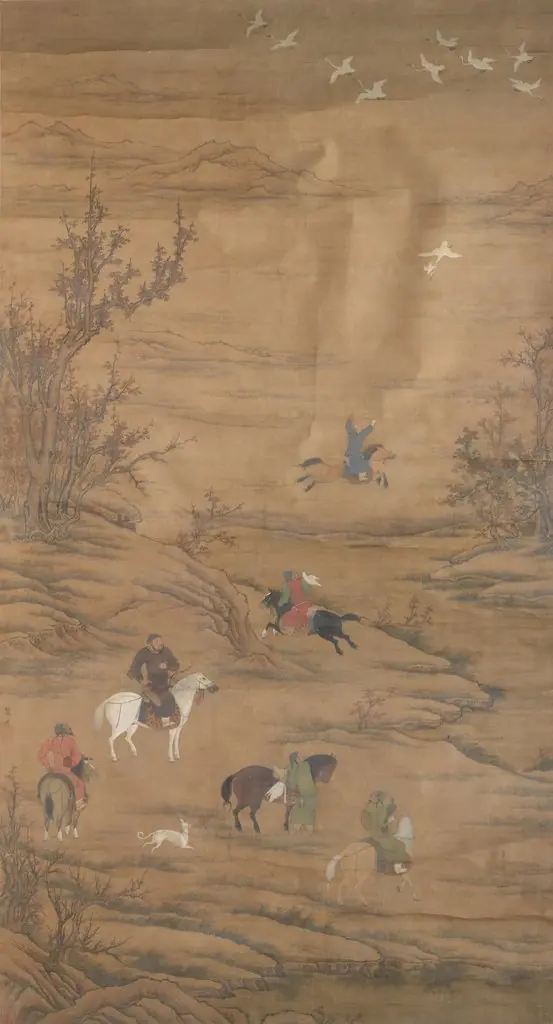
Riding in Spring is an unspecified painting by Unknown. It is held in the collection of the National Palace Museum. This silk painting depicts a figure in motion during springtime, rendered with delicate brushwork and restrained color.
About this work
Overview
This silk painting depicts a figure in motion during springtime, rendered with delicate brushwork and restrained color. The medium suggests it was created for intimate viewing, likely as part of a scroll or panel intended for private contemplation. The absence of elaborate detail points to an emphasis on atmosphere over narrative.
Subject & Meaning
The lone rider suggests solitude and quiet transit through a seasonal transition. Spring, implied by subtle floral elements or soft atmospheric tones, may symbolize renewal or fleeting time. The figure’s posture and direction evoke movement without clear destination, inviting reflection rather than storytelling.
Technique & Style
Painted on silk, the work employs fine ink lines and translucent washes to suggest form and motion. The artist favors economy of stroke, allowing the texture of the silk to interact with pigment. Composition is asymmetrical, with space left intentionally empty to enhance the sense of quiet movement.
History & Provenance
The painting’s origins are undocumented, but its materials and aesthetic align with late imperial Chinese or Japanese traditions of ink-on-silk portraiture. No known collector records or exhibition histories exist prior to its modern acquisition, suggesting it may have been privately held for generations.
Context
Silk painting in East Asia was often reserved for refined, small-scale works, distinct from public murals or woodblock prints. This piece reflects a tradition where nature and human presence were paired to express inner states, not just external scenes. It shares affinities with literati painting practices that valued restraint and suggestion.
Legacy
Though not widely reproduced or studied, the work contributes to the broader understanding of how silk as a surface influenced expressive limits in East Asian art. Its minimalism resonates with later modernist interests in abstraction and negative space, though its original intent remains rooted in pre-modern aesthetic principles.
Artist & collection

 Domestic Scene
 Giacomo and Cardinal Marco, investing Andrea, Abbot of San Zeno, with his Benefice
 The Nymph of Fontainebleau
 Portrait of a Woman
 Madonna and Child with Saints in the Enclosed Garden
 Venus and Minerva
 Family Group of Four on Sofa
 Wall painting from Room H of the Villa of P. Fannius Synistor at Boscoreale