Artwork
Tantric Manuscript "Sangrahani Sutra"
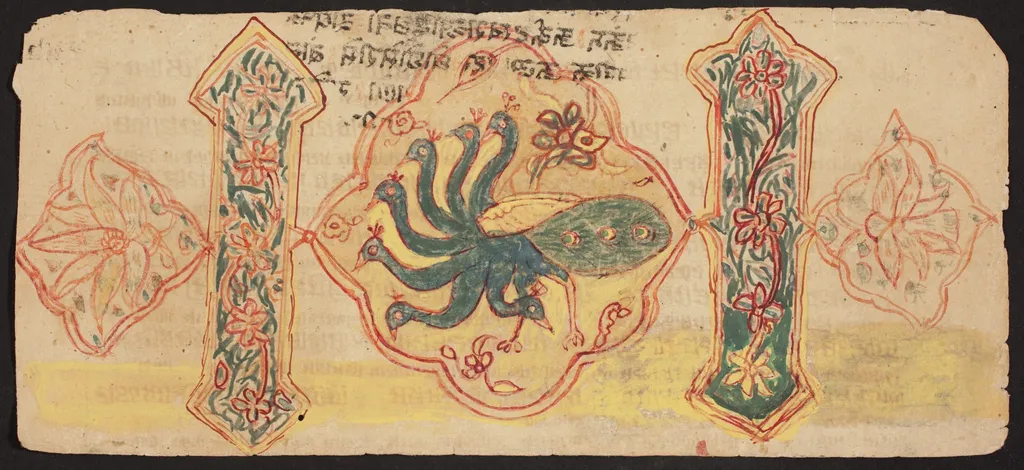
Tantric Manuscript "Sangrahani Sutra" is an unspecified painting by Unknown. It is held in the collection of the Detroit Institute of Arts. The work is a painted manuscript fragment titled “Sangrahani Sutra,” featuring a stylized peacock with its plumage fully displayed.
About this work
Overview
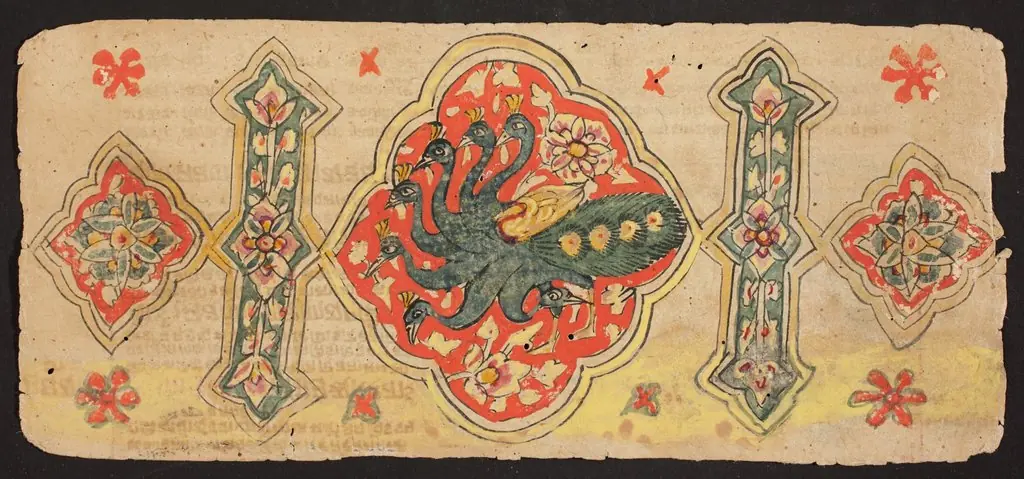
The work is a painted manuscript fragment titled “Sangrahani Sutra,” featuring a stylized peacock with its plumage fully displayed. The bird is rendered in blue‑green tones outlined in red, surrounded by a decorative array of flowers and foliage in reds, greens and yellows. The image occupies a yellowed paper or parchment background that also bears an undeciphered script.
Subject & Meaning
In tantric iconography, the peacock often symbolizes transformation and the subjugation of negative forces, its iridescent feathers representing the transmutation of desire. The surrounding flora may allude to the natural world’s role in spiritual practice, while the accompanying inscription likely contains a sutra text that contextualizes the visual motif within a ritual or meditative framework.
Technique & Style
The overall composition reflects a decorative, symbolic aesthetic rather than naturalistic representation, typical of devotional manuscripts from the region.
The painting employs mineral pigments applied with fine brushes, allowing precise line work and vivid color contrasts. Red outlines define the peacock’s form, a common technique in South Asian manuscript illumination to enhance visual separation. The overall composition reflects a decorative, symbolic aesthetic rather than naturalistic representation, typical of devotional manuscripts from the region.
History & Provenance
The fragment is part of the Detroit Institute of Arts’ collection, acquired through the museum’s Asian art acquisitions program. Its exact origin—geographic and chronological—has not been definitively established, though the style suggests a production within the broader tantric manuscript tradition of the Indian subcontinent.
Context
Manuscript pages such as this were traditionally used in monastic settings, serving both as textual carriers of sutras and as visual aids for contemplation. The integration of elaborate animal motifs with script reflects a pedagogical approach where imagery reinforces doctrinal teachings, a practice common in medieval tantric schools.
Artist & collection

 Domestic Scene
 Giacomo and Cardinal Marco, investing Andrea, Abbot of San Zeno, with his Benefice
 The Nymph of Fontainebleau
 Portrait of a Woman
 Madonna and Child with Saints in the Enclosed Garden
 Venus and Minerva
 Family Group of Four on Sofa
 Wall painting from Room H of the Villa of P. Fannius Synistor at Boscoreale
 Tantric Manuscript "Sangrahani Sutra"
 Tantric Manuscript "Sangrahani Sutra"
 Tantric Manuscript "Sangrahani Sutra"
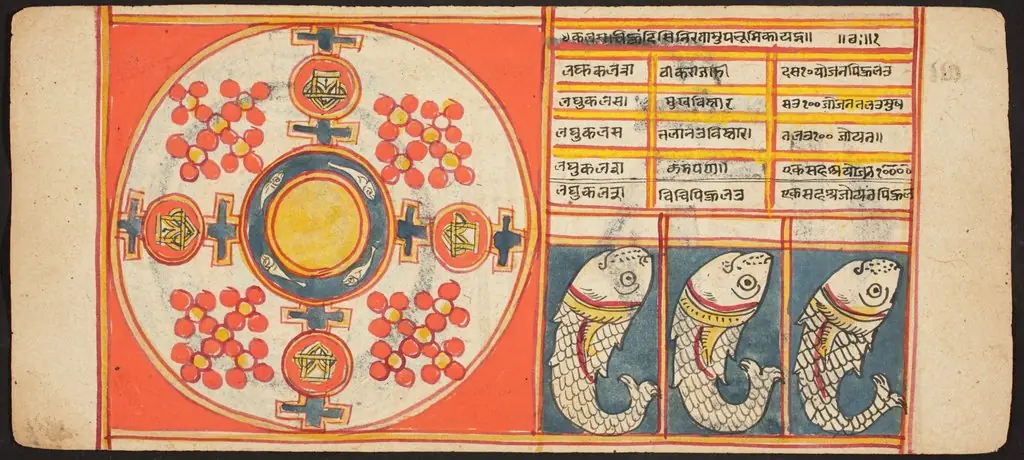 Tantric Manuscript "Sangrahani Sutra"
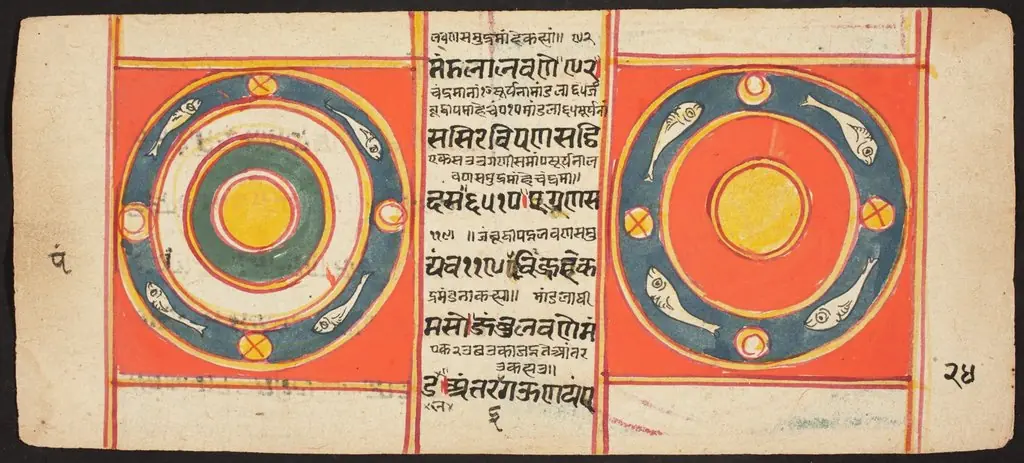 Tantric Manuscript "Sangrahani Sutra"
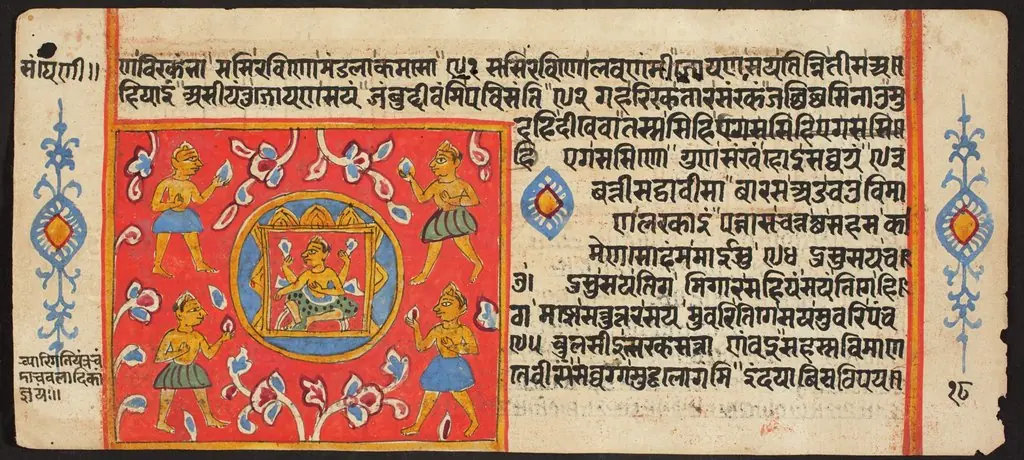 Tantric Manuscript "Sangrahani Sutra"
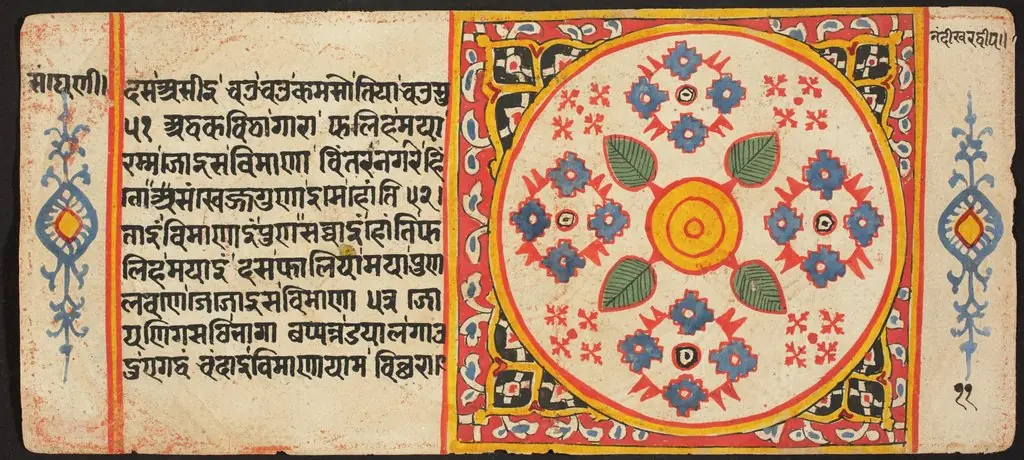 Tantric Manuscript "Sangrahani Sutra"
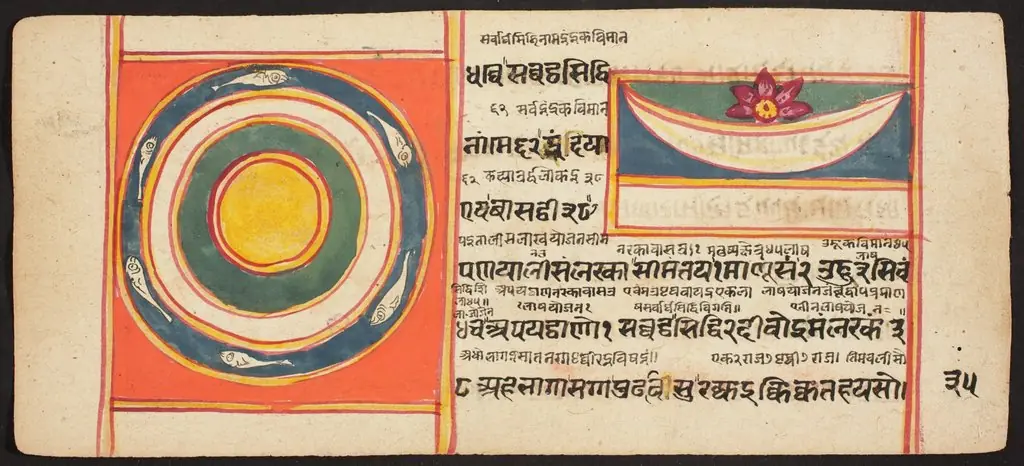 Tantric Manuscript "Sangrahani Sutra"
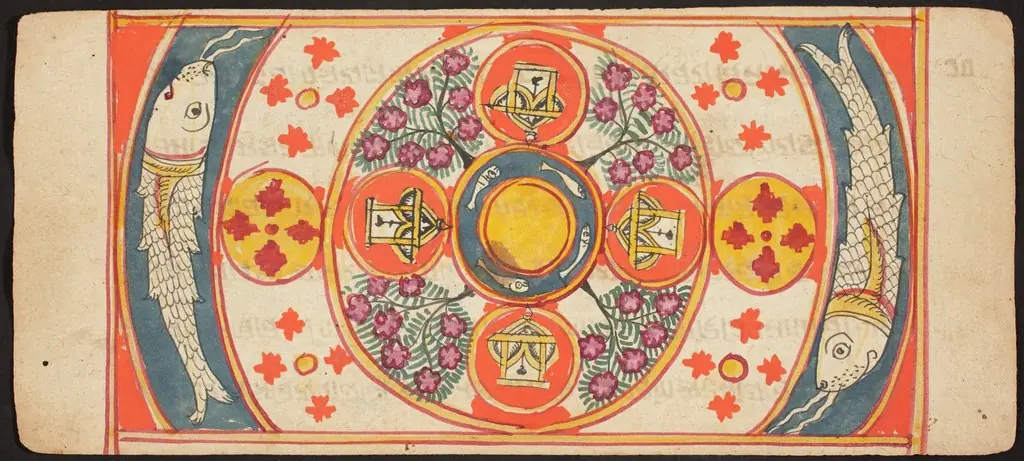 Tantric Manuscript "Sangrahani Sutra"
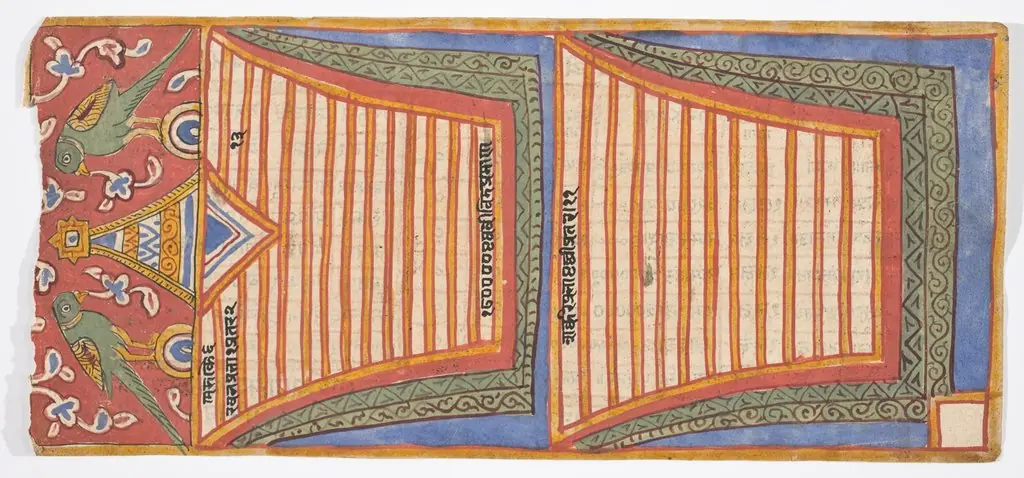 Tantric Manuscript "Sangrahani Sutra"
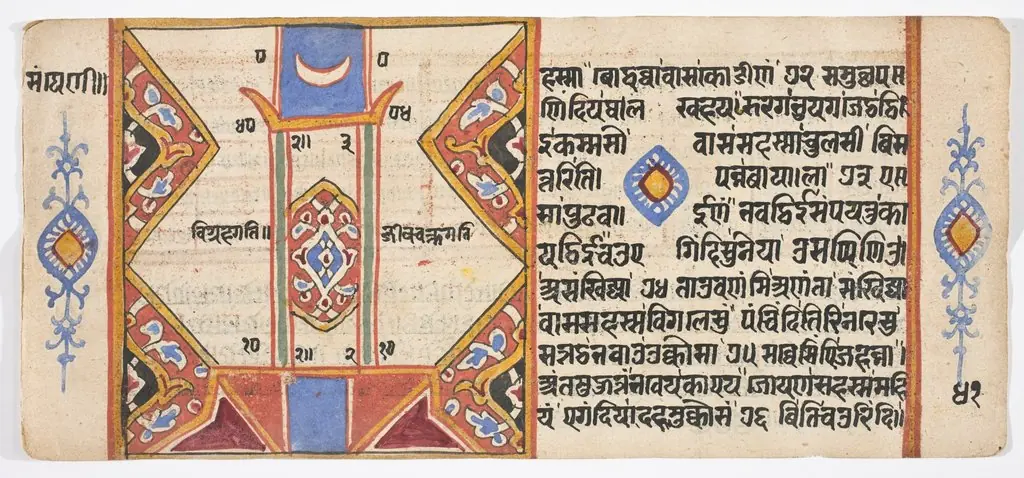 Tantric Manuscript "Sangrahani Sutra"
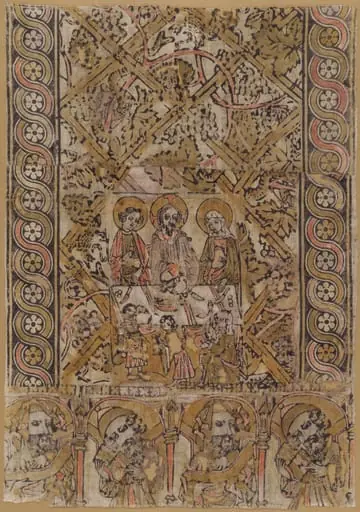 A Lectern Cloth with the Marriage at Cana