Artwork
The Adoration of the Magi
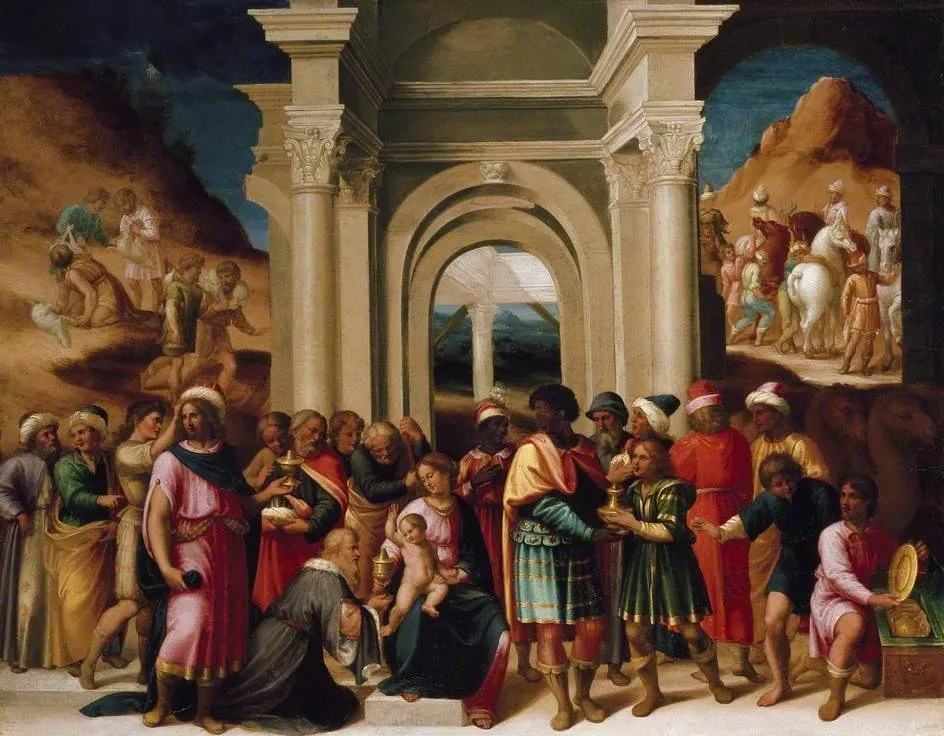
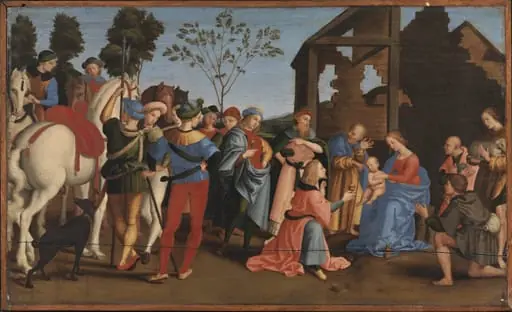
The Adoration of the Magi is an oil painting by the Mannerist artist Unknown. It dates from 1530 and is held in the collection of the Ashmolean Museum. This oil painting, held by the Ashmolean Museum, depicts the biblical scene of the Magi paying homage to the infant Jesus.
About this work
Overview
This oil painting, held by the Ashmolean Museum, depicts the biblical scene of the Magi paying homage to the infant Jesus. A crowd of figures in richly detailed garments surrounds the Virgin Mary, who kneels beside the child. The composition is arranged around a central axis, with architectural elements framing the group and distant riders suggesting a broader narrative context.
Subject & Meaning
The scene illustrates the moment when the Three Wise Men, guided by prophecy, present gifts to the newborn Christ. Their offerings—gold, frankincense, and myrrh—symbolize kingship, divinity, and mortality. The reverence in their postures and the quiet solemnity of the Virgin convey theological themes of humility and divine recognition.
Technique & Style
Oil paint is used to render intricate textures in fabrics, metallic surfaces, and architectural details. The figures are arranged in a shallow space, with layered arches and columns creating depth. Colorful robes contrast against muted backgrounds, drawing attention to the central figures. Light falls subtly, enhancing the solemnity without dramatic contrast.
History & Provenance
The painting has been part of the Ashmolean Museum’s collection since its early years, though its exact origin and artist remain uncertain. It likely dates to the late 15th or early 16th century, possibly from a Northern European workshop. Its preservation suggests it was valued as a devotional object before entering institutional care.
Context
During the late Middle Ages and Renaissance, depictions of the Adoration were common in both public and private worship. This version reflects a tradition of narrative clarity and symbolic richness, tailored for contemplation rather than spectacle. The inclusion of horses and distant figures aligns with contemporary interest in expanding sacred scenes into worldly settings.
Legacy
Though not attributed to a major master, the painting contributes to the understanding of regional devotional art in the early modern period. Its continued presence in a public museum underscores its role as a quiet witness to centuries of religious and artistic practice, offering insight into how sacred stories were visually sustained beyond canonical works.
Artist & collection

 Domestic Scene
 Giacomo and Cardinal Marco, investing Andrea, Abbot of San Zeno, with his Benefice
 The Nymph of Fontainebleau
 Portrait of a Woman
 Madonna and Child with Saints in the Enclosed Garden
 Venus and Minerva
 Family Group of Four on Sofa
 Wall painting from Room H of the Villa of P. Fannius Synistor at Boscoreale
 The Adoration of the Magi
 The adoration of the magi
 Anbetung der Könige
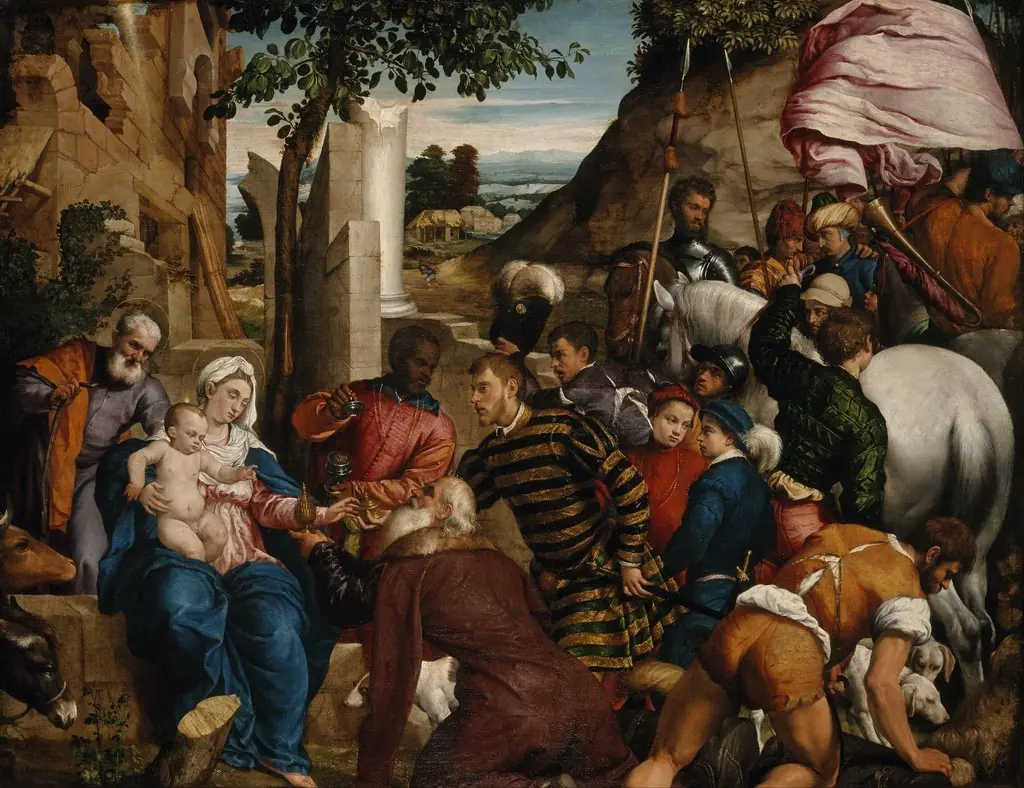 The Adoration of the Kings
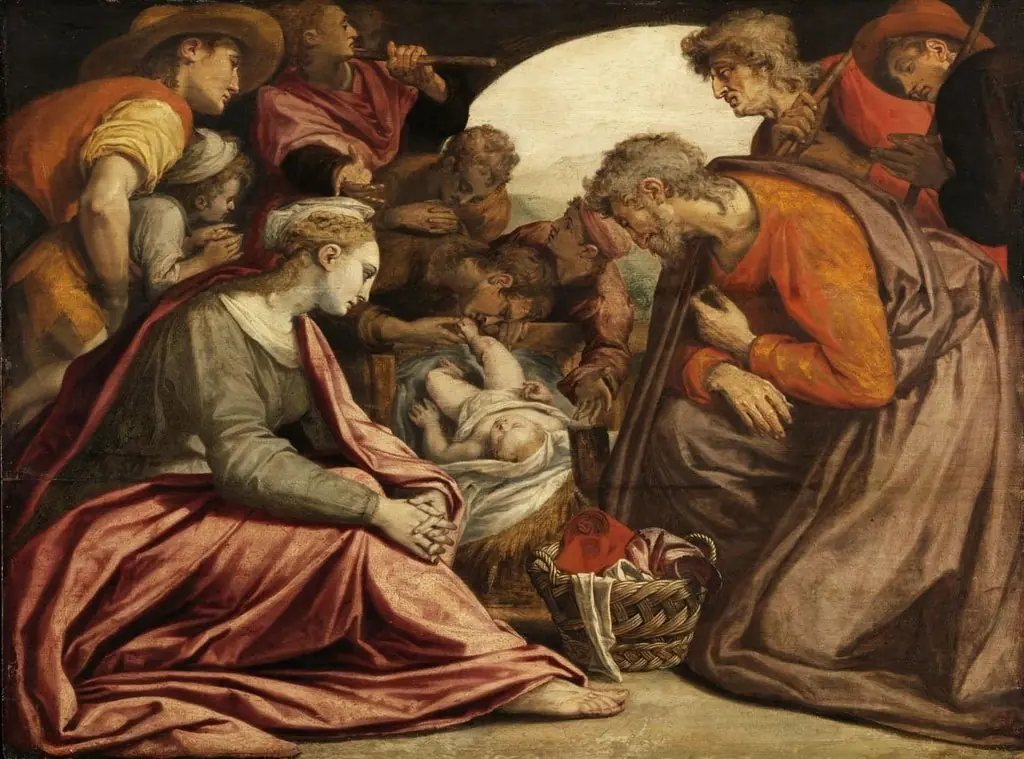 Adoration of the Shepherds
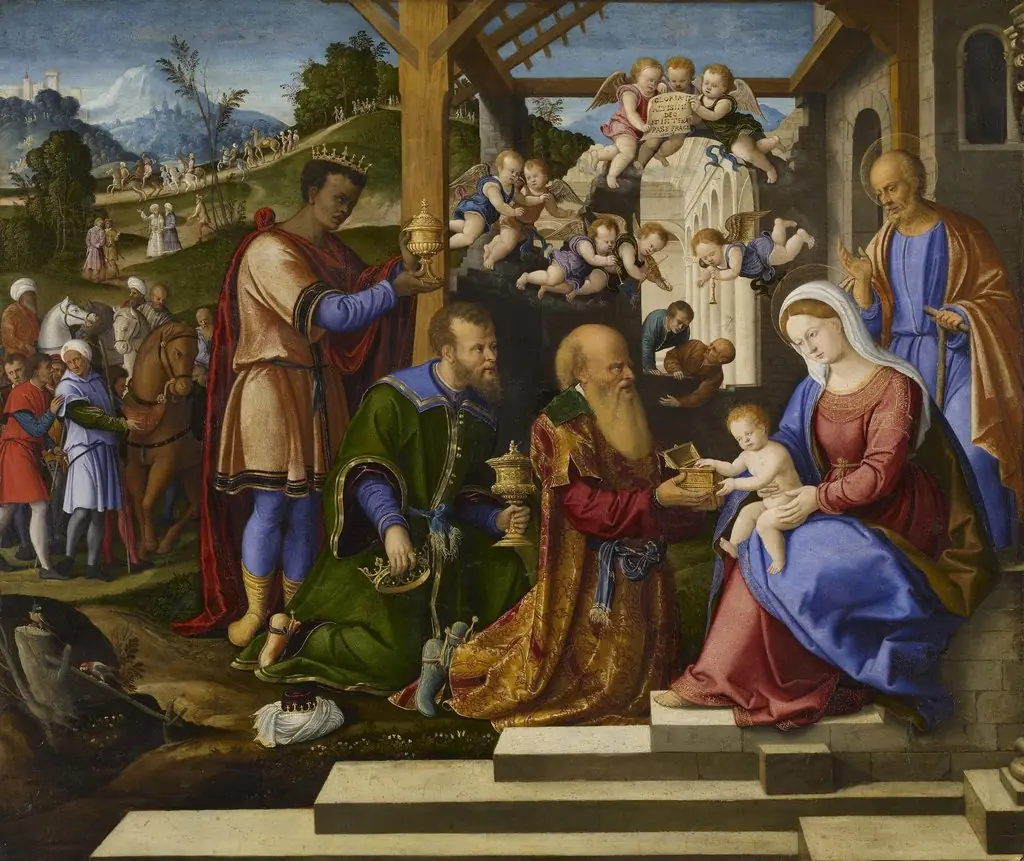 The Adoration of the Three Kings
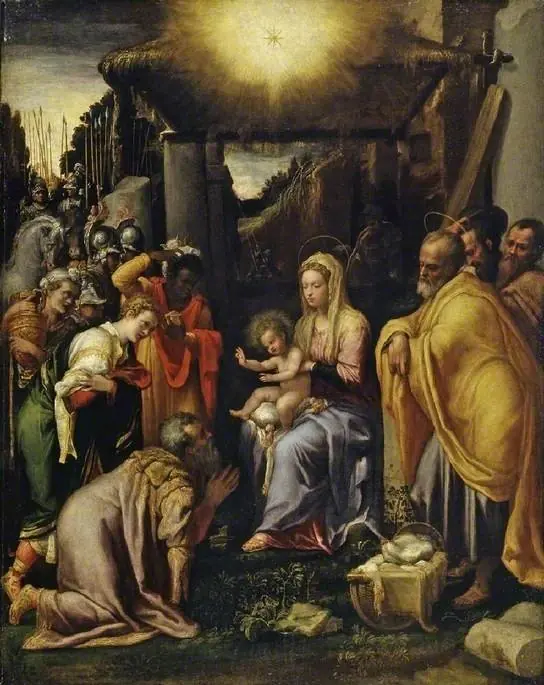 Adoration of the Kings
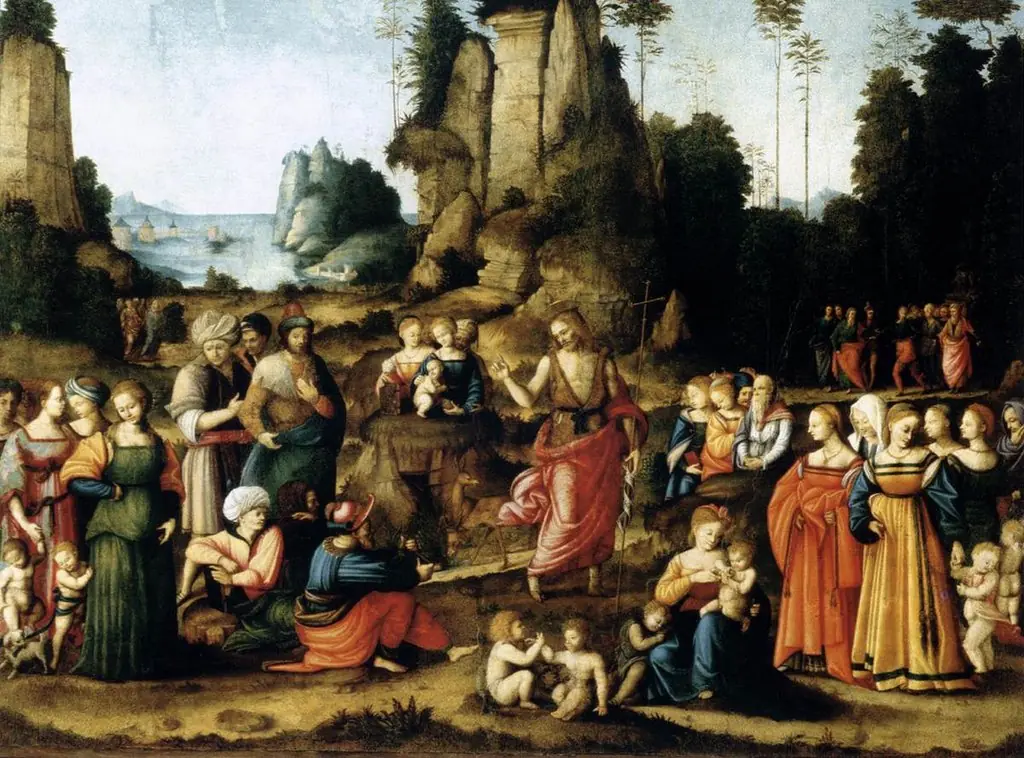 The Preaching of Saint John the Baptist
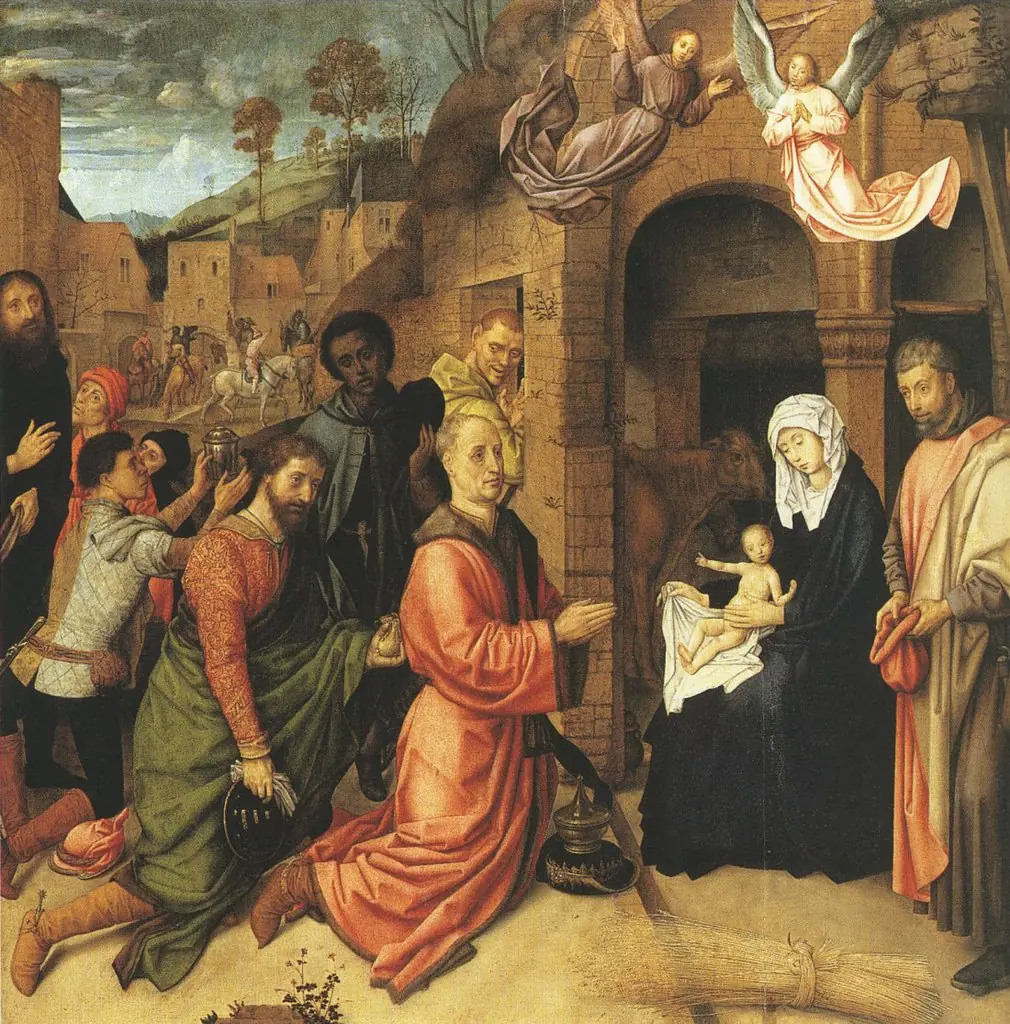 Adoration of the Magi before the stable on the hill
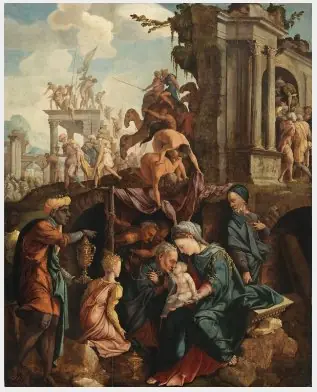 The Adoration of the Magi
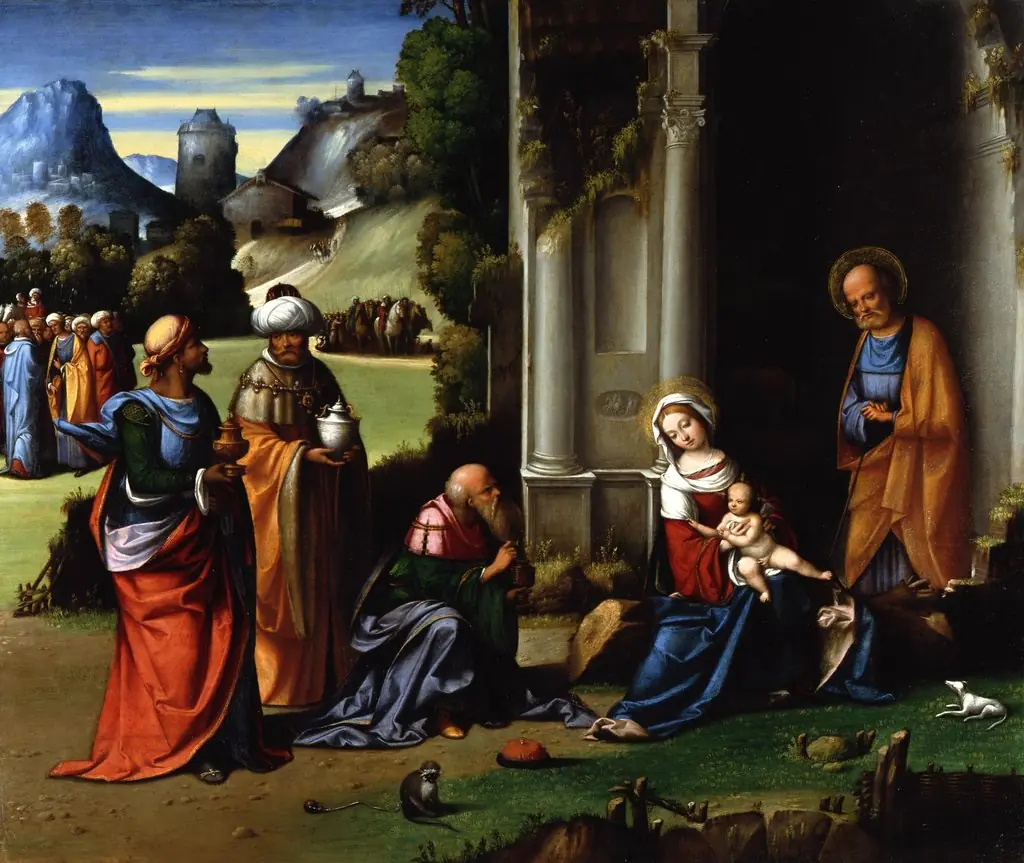 The Adoration of the Magi
 The Adoration of the Kings