Artwork
Axel Oxenstierna af Södermöre (1583-1654), greve, rikskansler
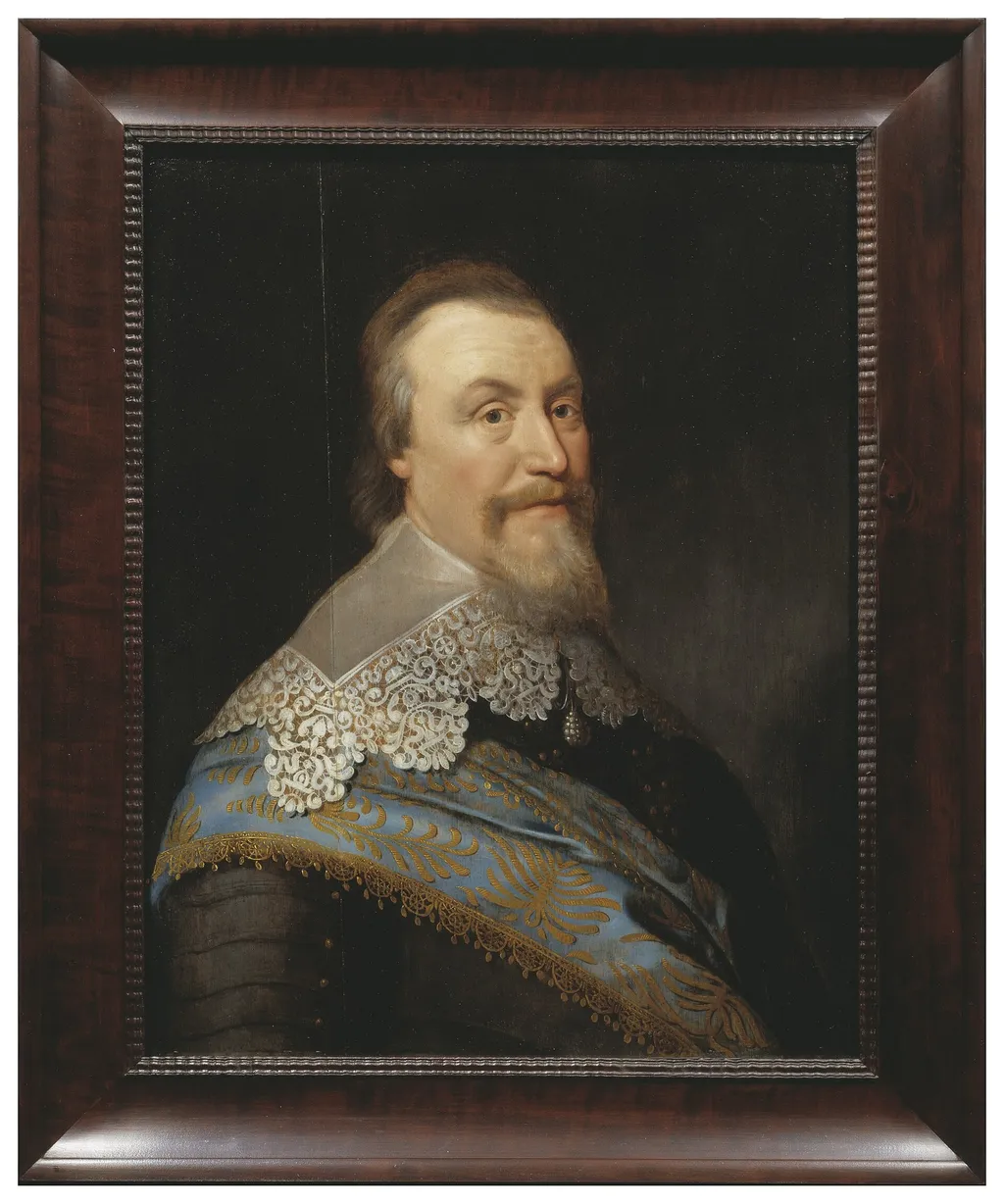
Axel Oxenstierna af Södermöre (1583-1654), greve, rikskansler is an oil painting by the Dutch Golden Age artist Unknown. It dates from 1635 and is held in the collection of the Nationalmuseum. This portrait is a 17th-century oil painting depicting a man of high social standing.
About this work
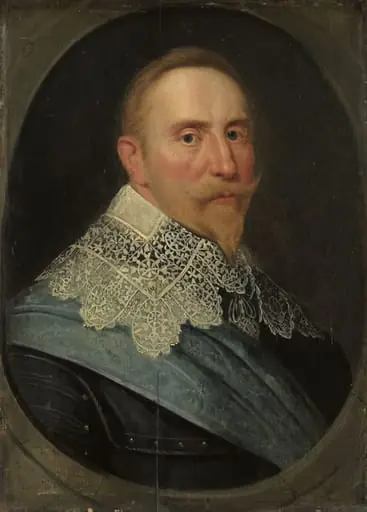
This portrait depicts a man with a long, brown beard and mustache, wearing a black shirt with a high collar and a blue and gold patterned cape.
This portrait depicts a man with a long, brown beard and mustache, wearing a black shirt with a high collar and a blue and gold patterned cape. The man's hair is brown and styled in a manner that was common during the 17th century. The background of the painting is dark, which helps to draw attention to the subject. The man's attire suggests that he was a person of high social status, possibly a noble or a member of the aristocracy. The painting's style and technique are reminiscent of the Baroque period, which was characterized by dramatic lighting and intense emotions.
Overview
This portrait is a 17th-century oil painting depicting a man of high social standing.
Subject & Meaning
The subject is Axel Oxenstierna, a Swedish count and statesman, identified by his attire and dignified demeanor. His black shirt and ornate cape signify nobility, while his styled brown hair and beard conform to the era's fashion.
Technique & Style
The painting's dark background and attention to detail in the subject's clothing and facial features are characteristic of Baroque portraiture, emphasizing the subject's presence through contrast and realism.
Artist & collection

 Domestic Scene
 Giacomo and Cardinal Marco, investing Andrea, Abbot of San Zeno, with his Benefice
 The Nymph of Fontainebleau
 Portrait of a Woman
 Madonna and Child with Saints in the Enclosed Garden
 Venus and Minerva
 Family Group of Four on Sofa
 Wall painting from Room H of the Villa of P. Fannius Synistor at Boscoreale
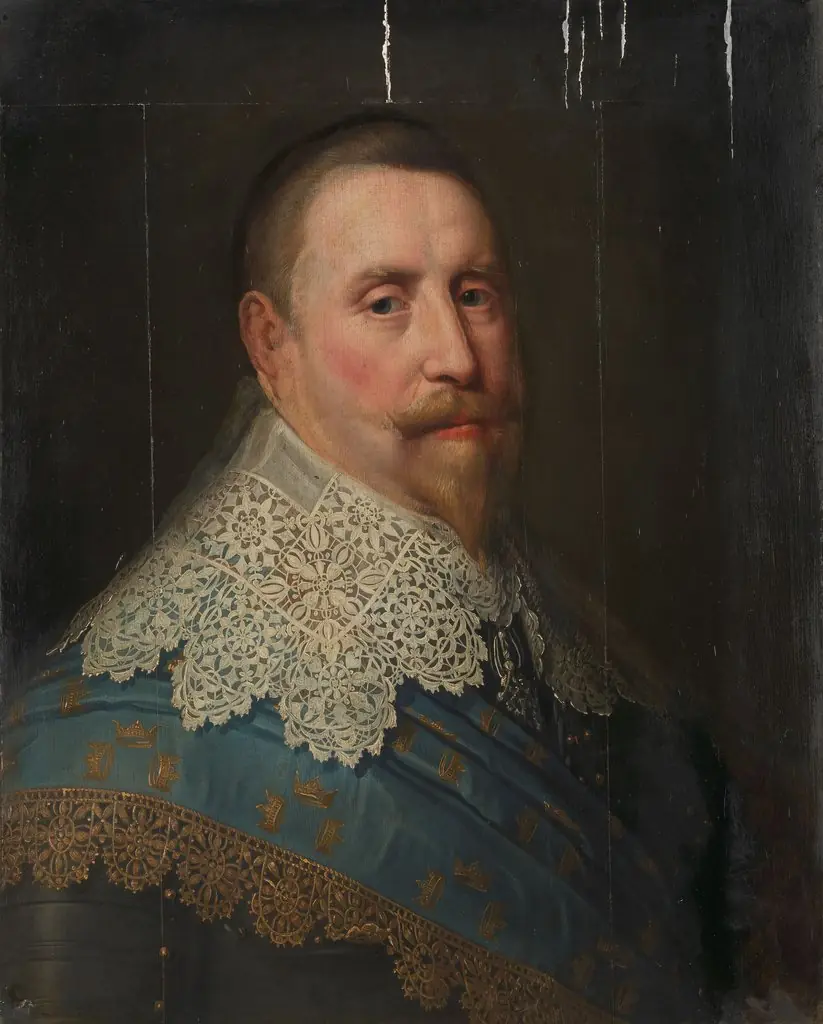 Portrait of Gustav II Adolf (1594-1632), King of Sweden
 Miehen muotokuva
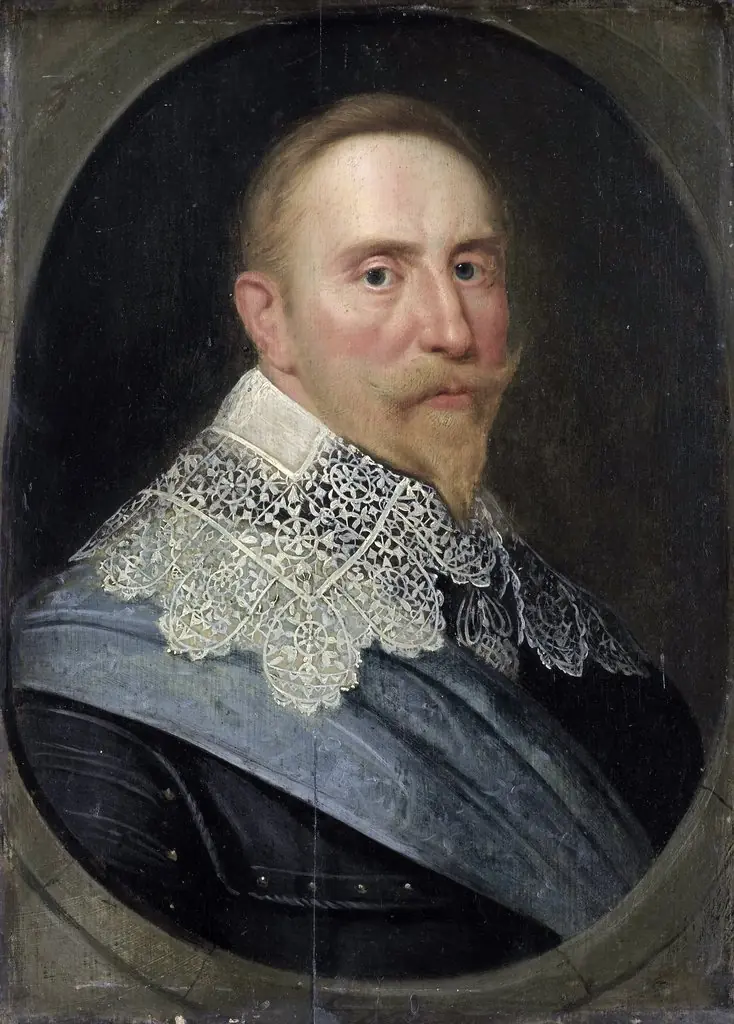 Portrait of Gustav II Adolf (1594-1632), King of Sweden
 Untitled
 Portrait of Adam van Westerwolt (1580-1639)
 Portrait of a Man
 The Dutch Poet and Historian Pieter Cornelisz Hooft (1581-1647)
 Portrait of Joannes Cools (born 1611), Jurist, Historian and Latin Poet in Hoorn
 Untitled
 Untitled
 Portrait of the painter Theodor Rombouts
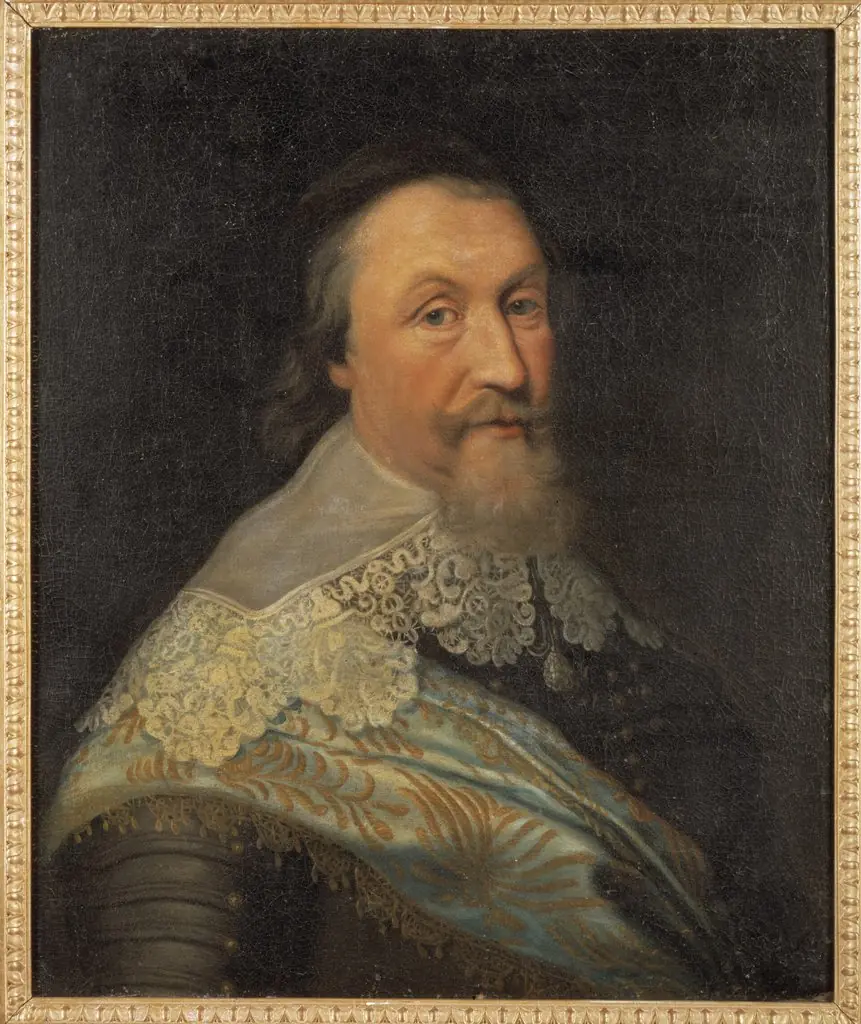 Axel Oxenstierna af Södermöre (1583-1654), Count and chancellor