Artwork
Portrait of a man
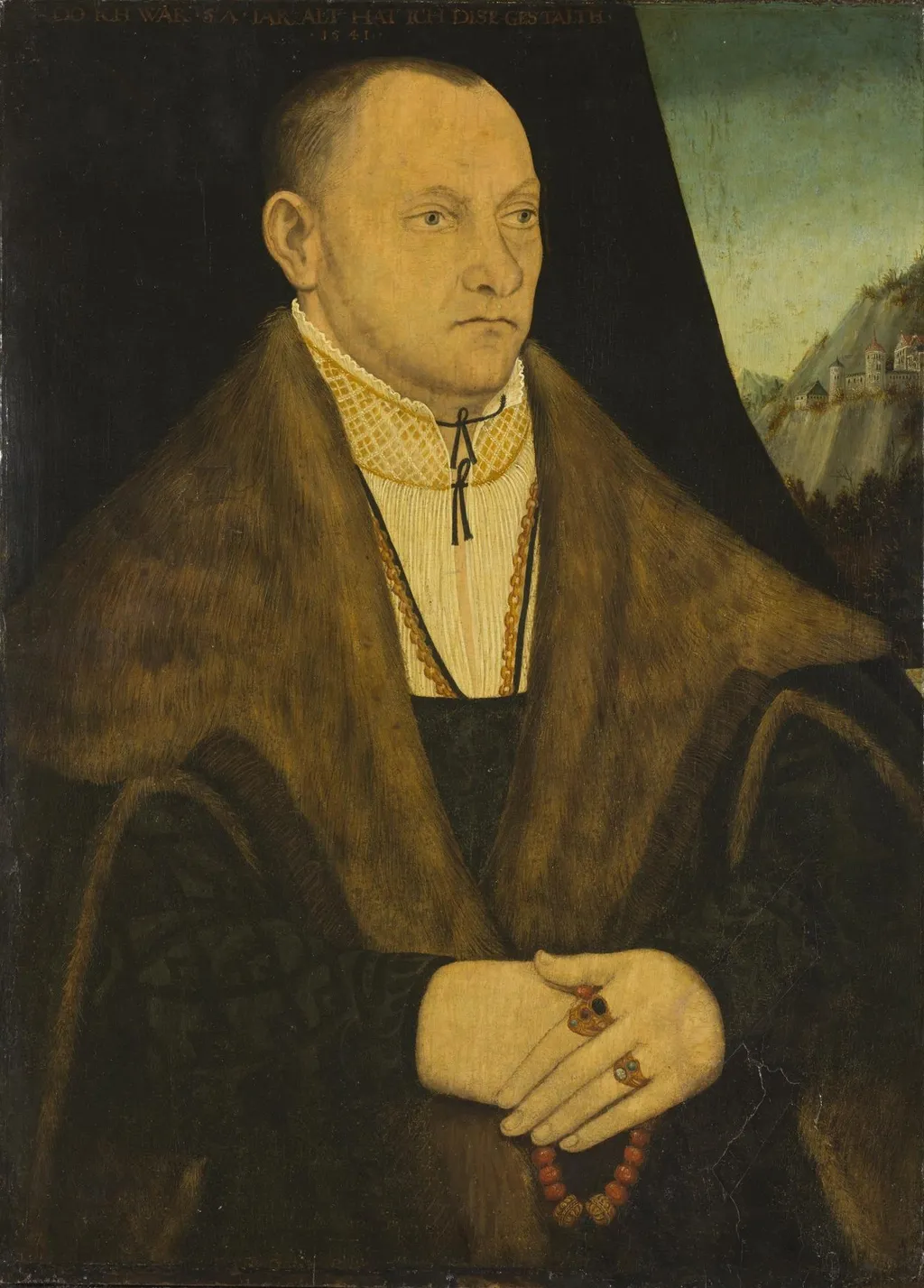
Portrait of a man is a paint painting by the Mannerist artist Unknown. It dates from 1541 and is held in the collection of the Hermitage Museum.
About this work
Overview
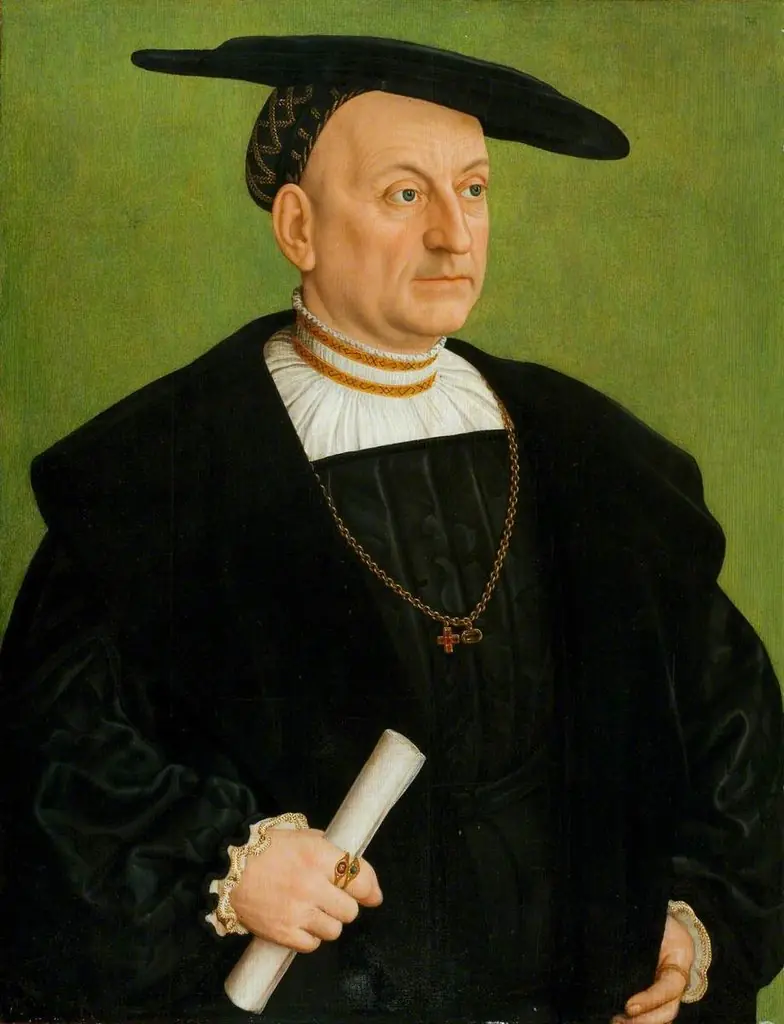
This oil painting presents a formal portrait of a man, rendered with quiet precision. The composition centers on his upper body, framed against a deep, unmodulated background that eliminates distraction. His clothing and personal items signal social standing, while the stillness of his pose conveys composure and introspection.
Subject & Meaning
The subject is depicted with symbols of piety and status: a rosary held in his right hand and a gold-embroidered neckpiece suggest religious devotion and affluence. The high collar and dark robe reflect conservative dress typical of elite men in early modern Europe. His calm demeanor and focused gaze imply a man of reflection, possibly clergy or a wealthy layperson engaged in private devotion.
Technique & Style
The artist employs subtle tonal gradations to model the face and fabric, using soft transitions between light and shadow. The texture of the robe is rendered with fine brushwork, while the metallic sheen of the neckpiece is suggested through precise highlights. The dark background enhances the three-dimensionality of the figure, drawing the viewer’s attention to the details of dress and gesture.
History & Provenance
The painting’s origin and early ownership are undocumented, but its style and materials align with Northern European portraiture of the late 15th or early 16th century. It likely belonged to a private collector or religious institution before entering its current collection, though no definitive records of its early history survive.
Context
During the period this work was made, portraits of wealthy individuals often included religious objects to convey moral character alongside social rank. The emphasis on personal devotion, rather than public display, reflects a broader cultural shift toward private spirituality in late medieval and early Renaissance society.
Legacy
Though unsigned and unattributed, the portrait remains a representative example of intimate, devotional portraiture from its era. Its restrained elegance and attention to symbolic detail offer insight into how identity and faith were visually negotiated among the elite before the rise of more flamboyant Renaissance styles.
Artist & collection

 Domestic Scene
 Giacomo and Cardinal Marco, investing Andrea, Abbot of San Zeno, with his Benefice
 The Nymph of Fontainebleau
 Portrait of a Woman
 Madonna and Child with Saints in the Enclosed Garden
 Venus and Minerva
 Family Group of Four on Sofa
 Wall painting from Room H of the Villa of P. Fannius Synistor at Boscoreale
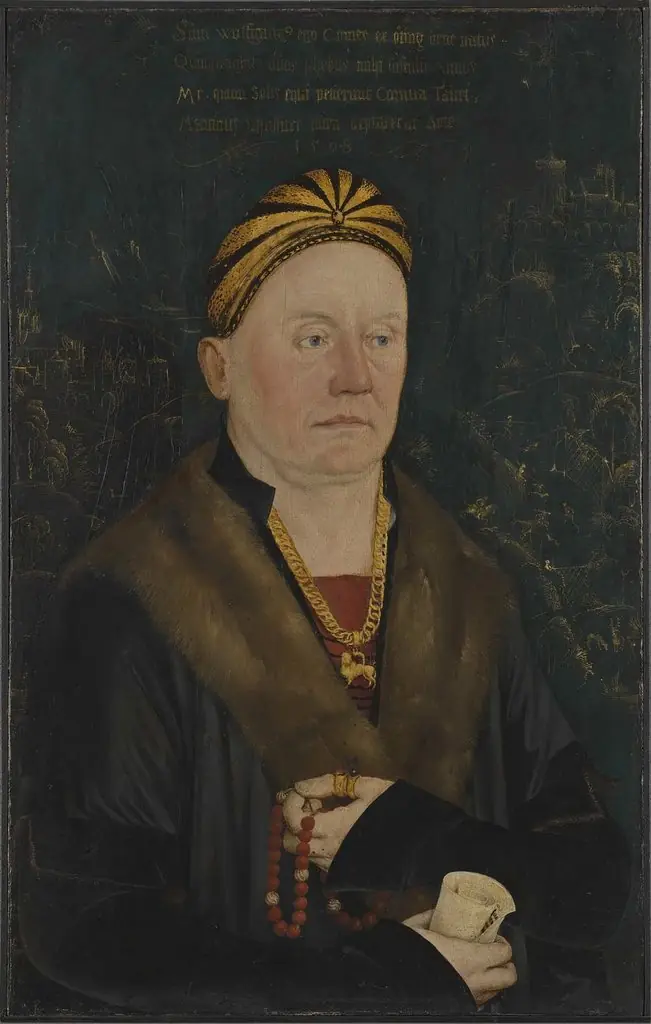 Wolfgang I. Graf von Oettingen
![A Member of the de Hondecoeter Family [obverse], by Antwerp 16th Century](https://artifactworldgallery.com/img/antwerp-16th-century--a-member-of-the-de-hondecoeter-family-obverse--56718cc2d35bf2df-w320.webp) A Member of the de Hondecoeter Family [obverse]
A Member of the de Hondecoeter Family [obverse]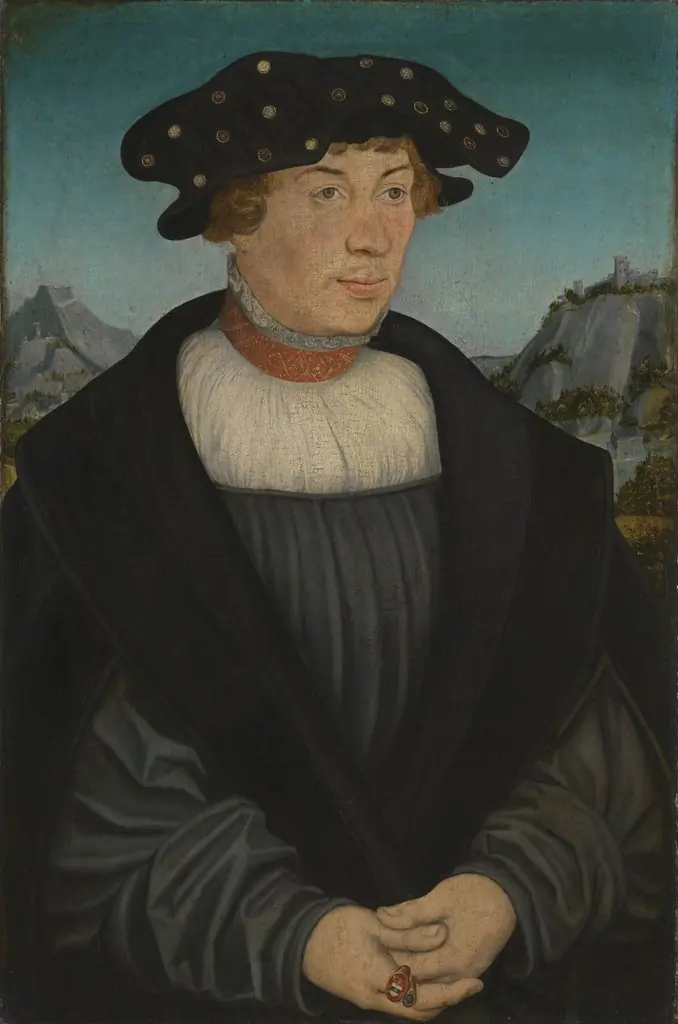 Hans Melber
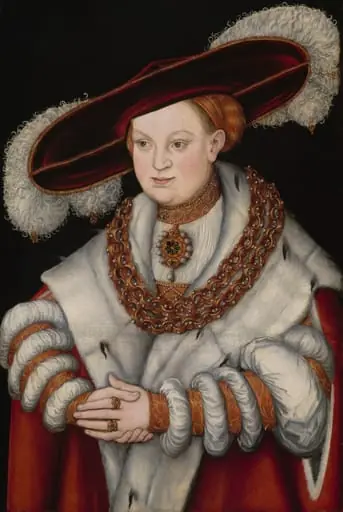 Portrait of Magdalena of Saxony, Wife of Elector Joachim II of Brandenburg
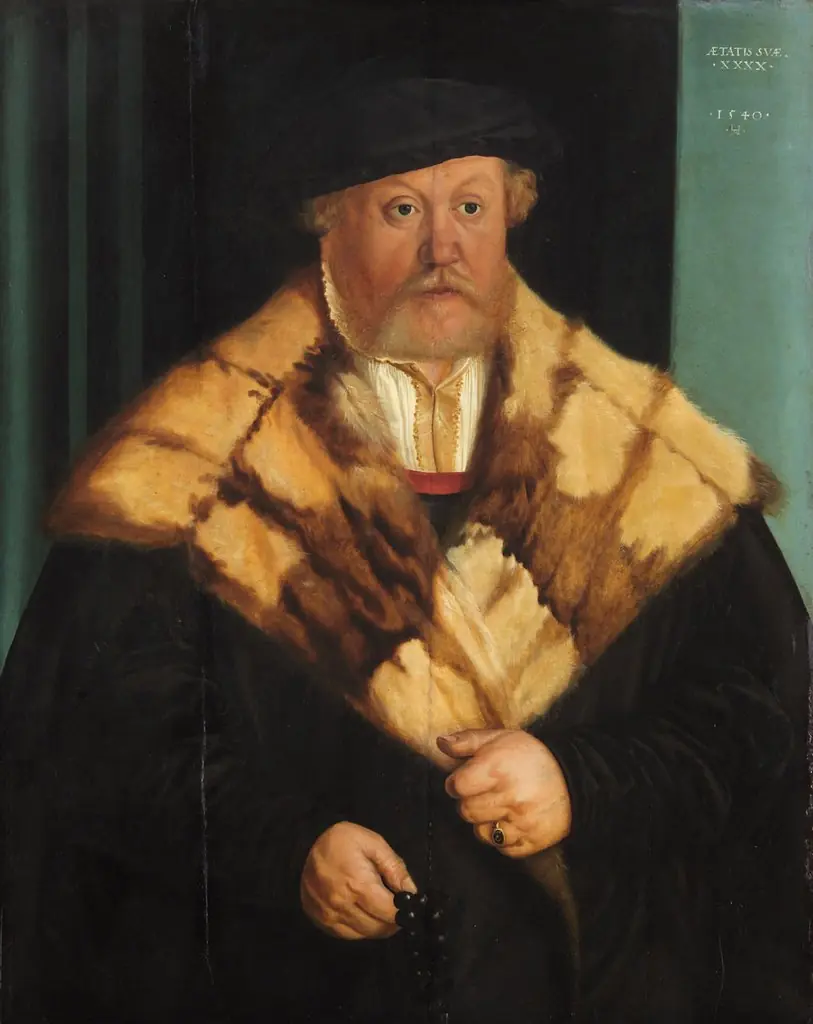 Hanns Mädl
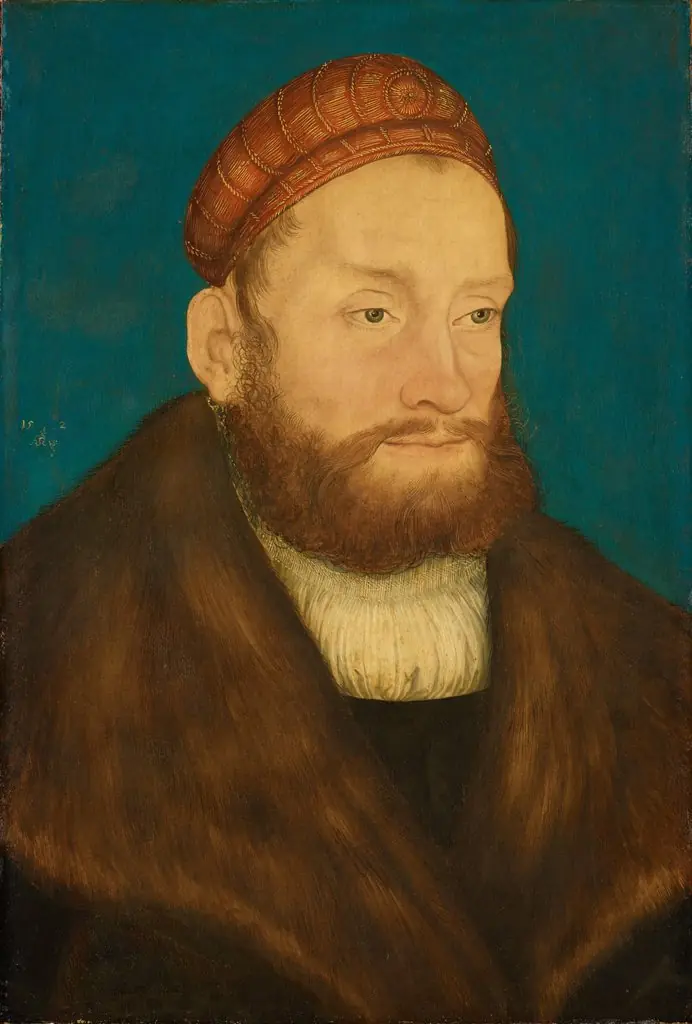 Portrait Margrave Casimir of Brandenburg-Kulmbach
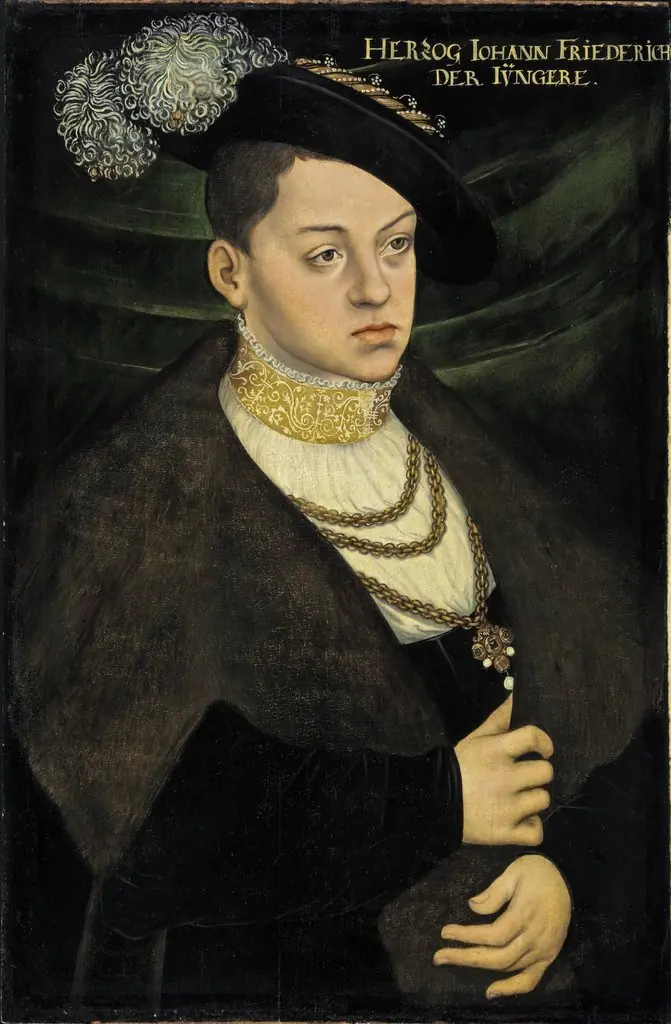 Johann Ernst, Duke of Saxe-Coburg
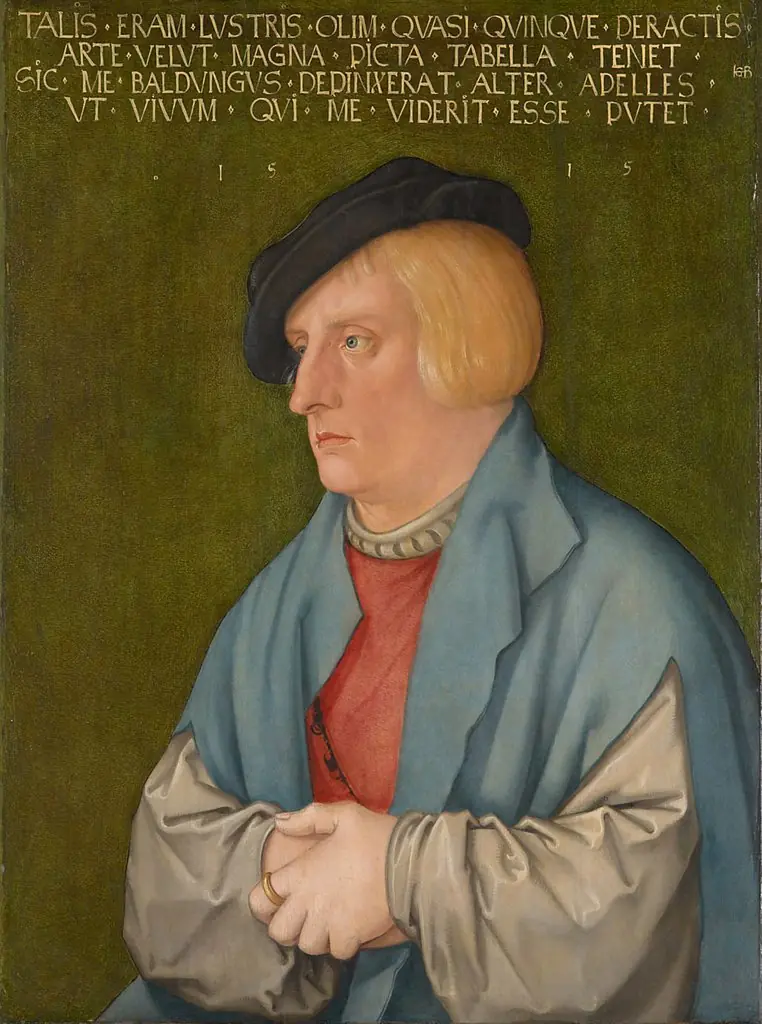 Portrait of a young man
 Portrait of Onophrius Scheit
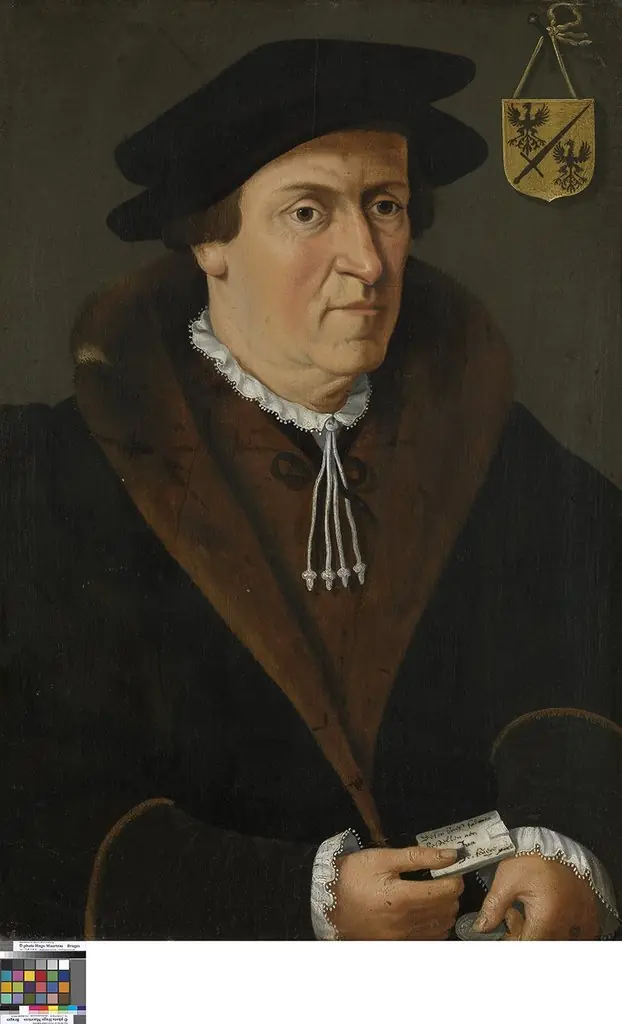 Portrait of Jan de Fevere
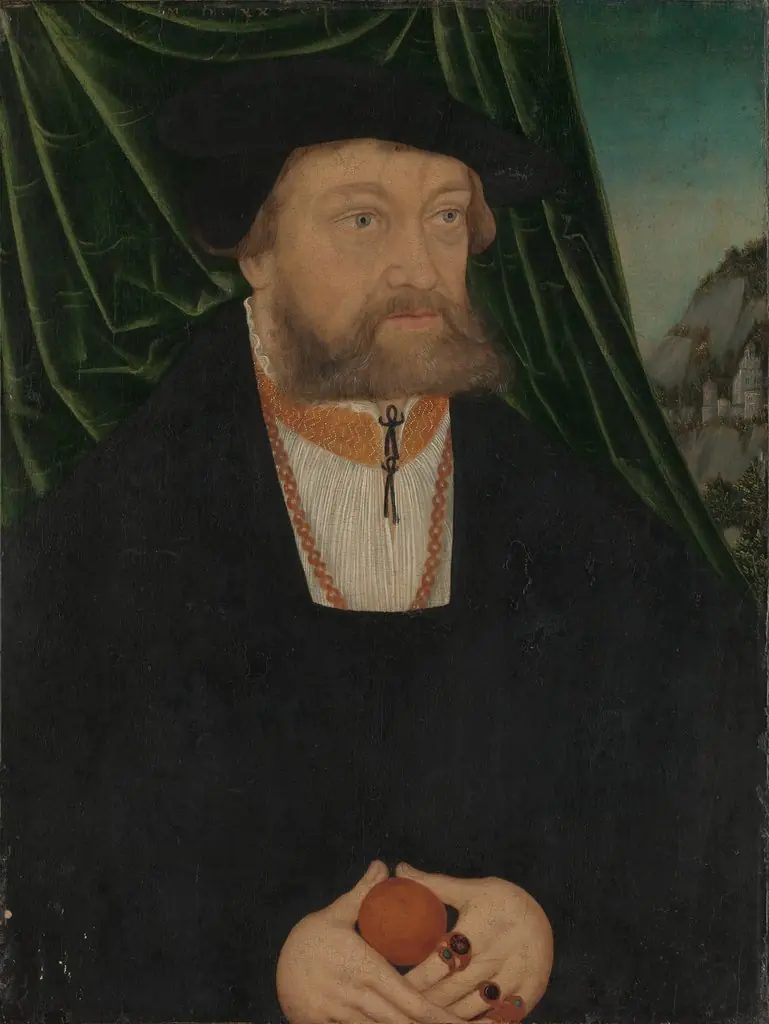 Portrait of a Man
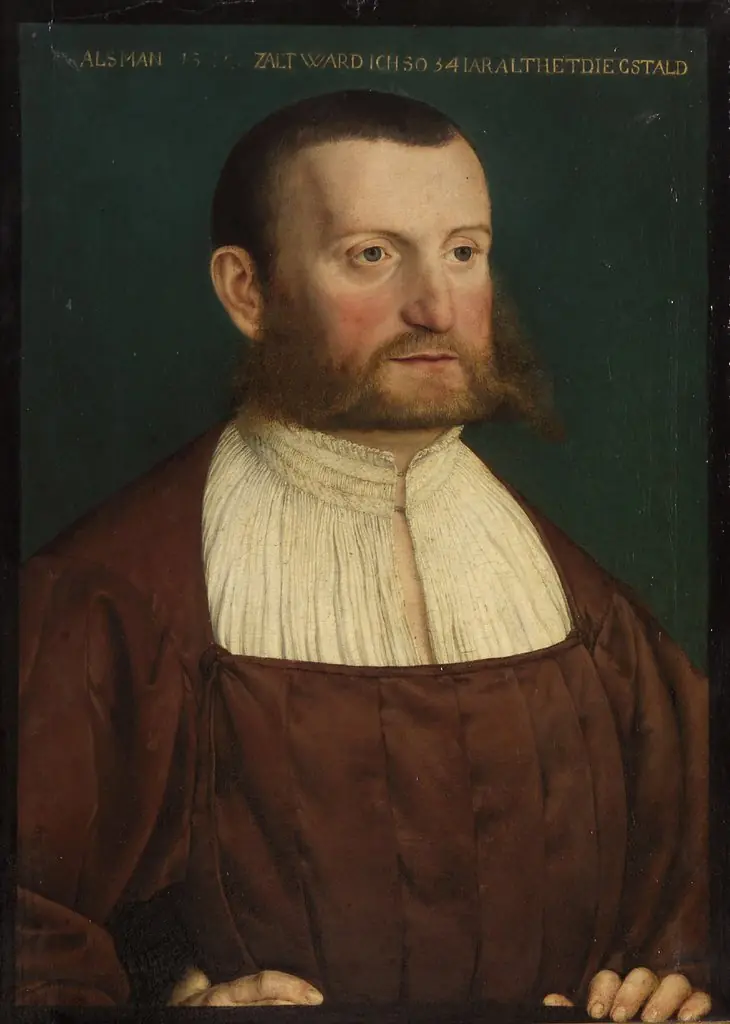 Bildnis eines bärtigen Mannes