Artwork
Tantric Manuscript, "Sangrahani Sutra"
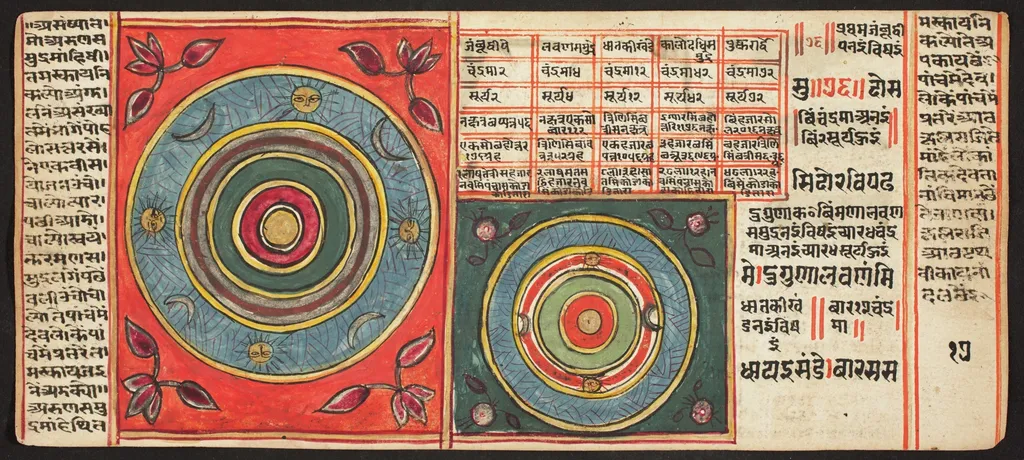
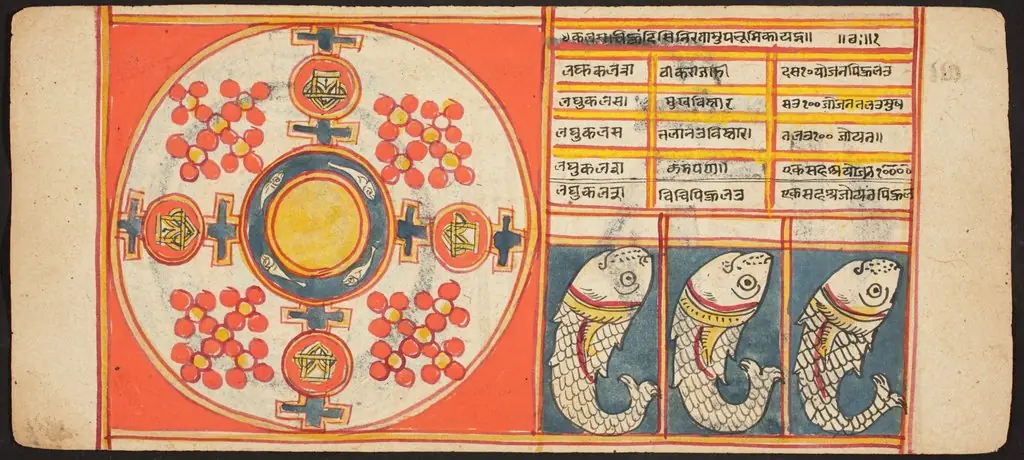
Tantric Manuscript, "Sangrahani Sutra" is an unspecified painting by Unknown. It is held in the collection of the Detroit Institute of Arts. This page comes from a handwritten Buddhist manuscript known as the Sangrahani Sutra, produced in medieval South Asia.
About this work
Overview
The designs are symmetrically arranged, each centered on a red dot and framed by concentric rings and ornamental motifs.
This page comes from a handwritten Buddhist manuscript known as the Sangrahani Sutra, produced in medieval South Asia. It features two elaborate mandala-like diagrams rendered in mineral pigments on palm leaf or paper. The designs are symmetrically arranged, each centered on a red dot and framed by concentric rings and ornamental motifs. To their right, a column of script in an undeciphered or obscure regional script runs vertically, suggesting ritual or doctrinal content accompanying the visual symbols.
Subject & Meaning
The circular forms likely represent mandalas—sacred geometric diagrams used in tantric Buddhist practice to symbolize the cosmos or the mind’s journey toward enlightenment. The red center may signify the essence of consciousness, while the surrounding rings and leaf motifs could denote layers of spiritual attainment or protective boundaries. These images functioned not as decoration but as meditative aids, guiding practitioners through visualized stages of inner transformation.
Technique & Style
The designs were executed with fine brushwork using natural pigments—blue, red, yellow, and green—applied with precision on a durable substrate. Concentric circles are rendered with geometric regularity, while small floral elements are delicately outlined. The red border framing both diagrams serves as a visual container, reinforcing the sacred space of the mandala. The script beside them is written in a dense, angular hand, typical of regional manuscript traditions from the eastern Indian subcontinent.
History & Provenance
The manuscript likely originated in a monastic center in eastern India or Nepal between the 10th and 13th centuries, a period when tantric Buddhism flourished. Such texts were copied and preserved by monastic scribes for ritual use. Its survival suggests it was carefully stored, possibly in a temple library or hidden cache. The absence of a clear provenance prior to modern collection reflects the common dispersal of South Asian manuscripts during colonial-era acquisitions.
Context
This page belongs to a broader tradition of tantric Buddhist manuscripts that combined visual symbolism with esoteric texts. Similar works were used in initiation rituals and meditative practices, where image and word were inseparable. The script’s obscurity may indicate a specialized dialect or cipher used within a particular lineage. These manuscripts were not public texts but tools for initiates, underscoring their role in closed, oral traditions.
Legacy
Though the specific lineage of this manuscript remains unclear, it contributes to the understanding of how visual language functioned within tantric Buddhism. Its preservation allows scholars to study the interplay of iconography and textual transmission in pre-modern South Asia. Today, such fragments inform both art historical research and contemporary interpretations of Buddhist meditative practices, bridging ancient ritual with modern academic inquiry.
Artist & collection

 Domestic Scene
 Giacomo and Cardinal Marco, investing Andrea, Abbot of San Zeno, with his Benefice
 The Nymph of Fontainebleau
 Portrait of a Woman
 Madonna and Child with Saints in the Enclosed Garden
 Venus and Minerva
 Family Group of Four on Sofa
 Wall painting from Room H of the Villa of P. Fannius Synistor at Boscoreale
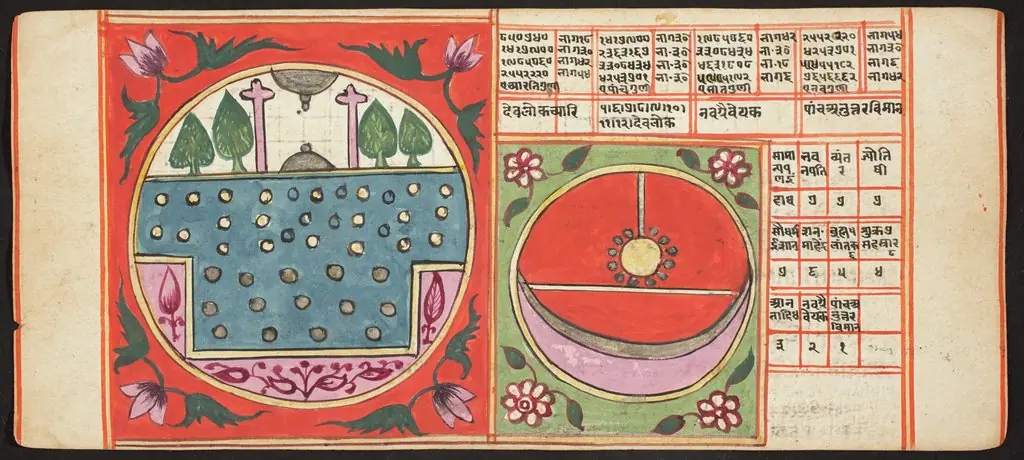 Tantric Manuscript, "Sangrahani Sutra"
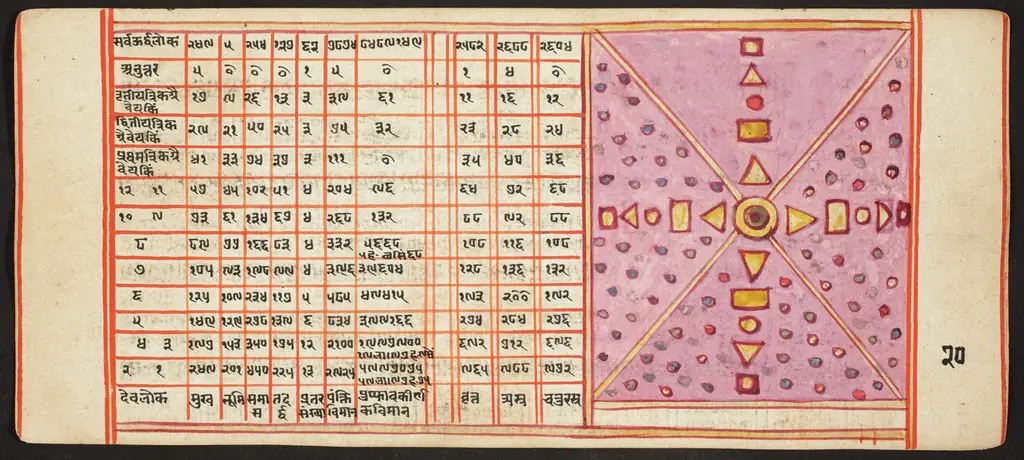 Tantric Manuscript, "Sangrahani Sutra"
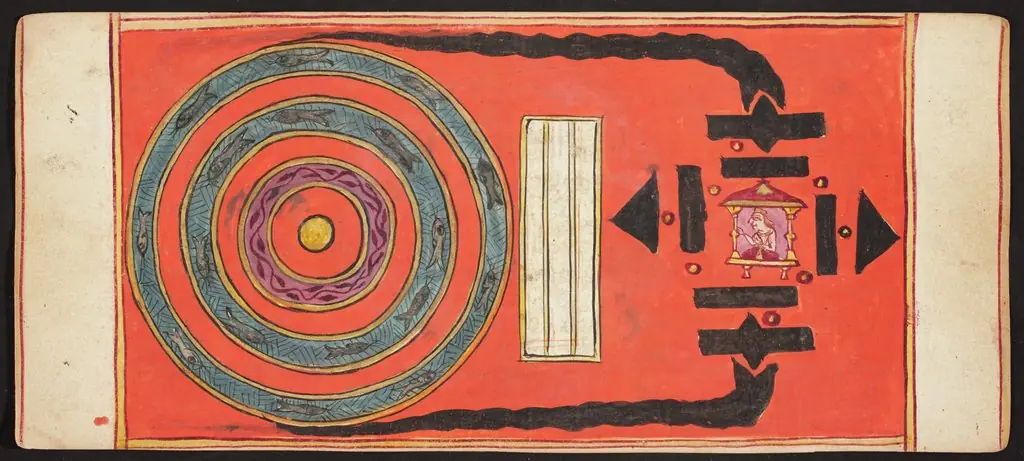 Tantric Manuscript, "Sangrahani Sutra"
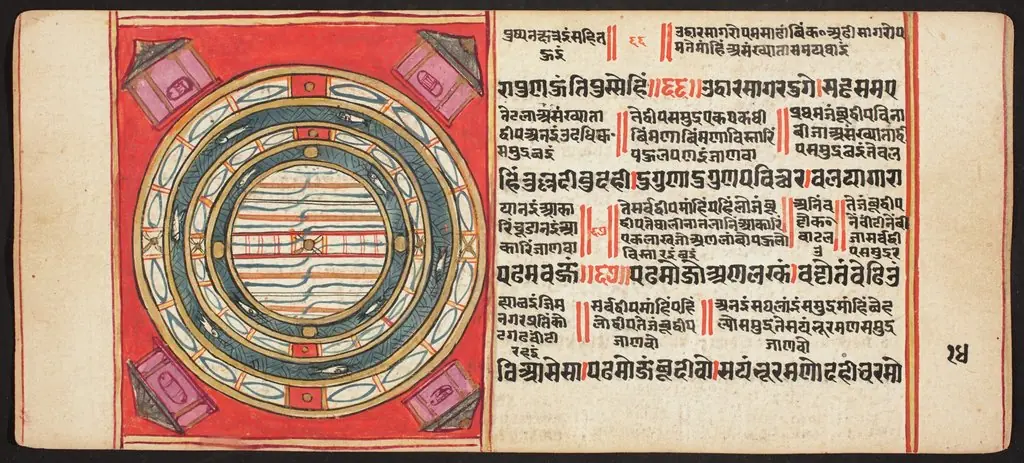 Tantric Manuscript, "Sangrahani Sutra"
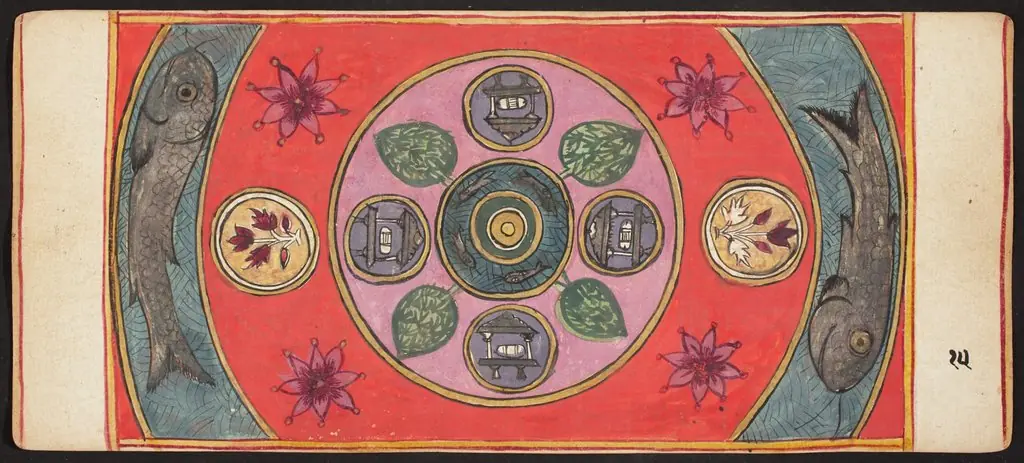 Tantric Manuscript, "Sangrahani Sutra"
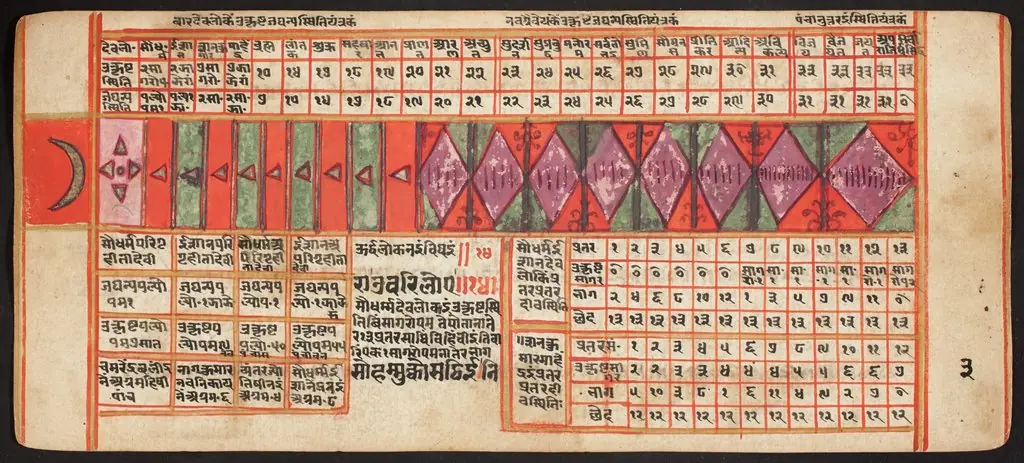 Tantric Manuscript, "Sangrahani Sutra"
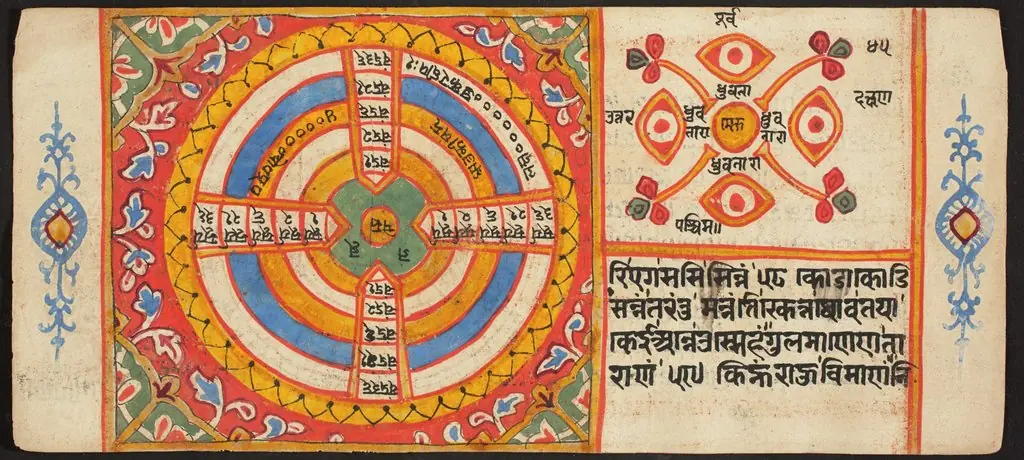 Tantric Manuscript "Sangrahani Sutra"
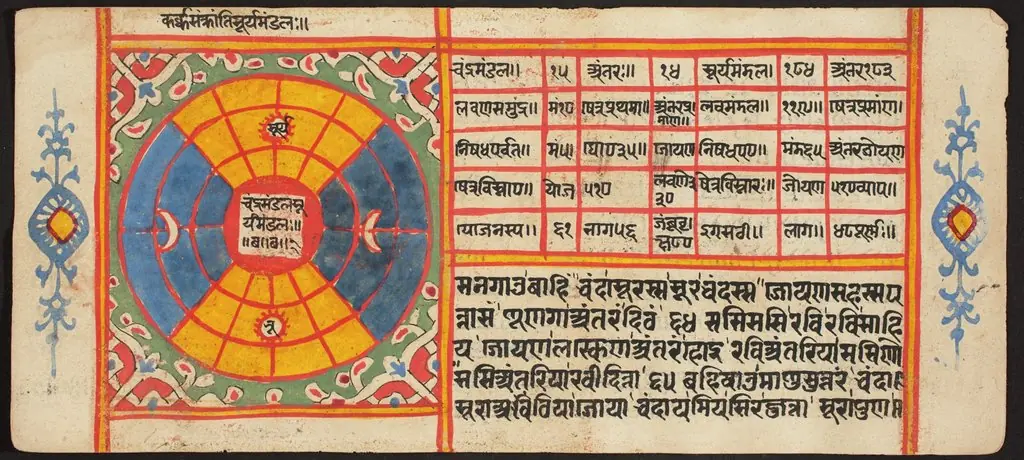 Tantric Manuscript "Sangrahani Sutra"
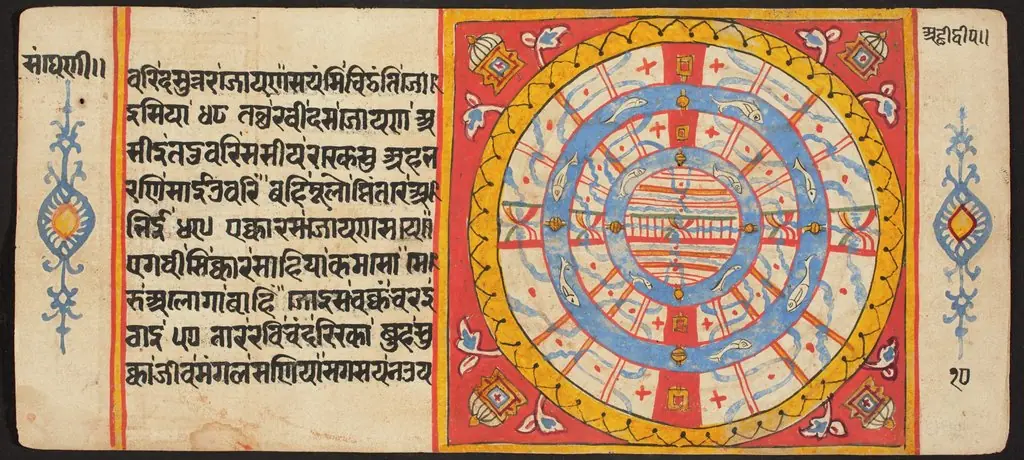 Tantric Manuscript "Sangrahani Sutra"
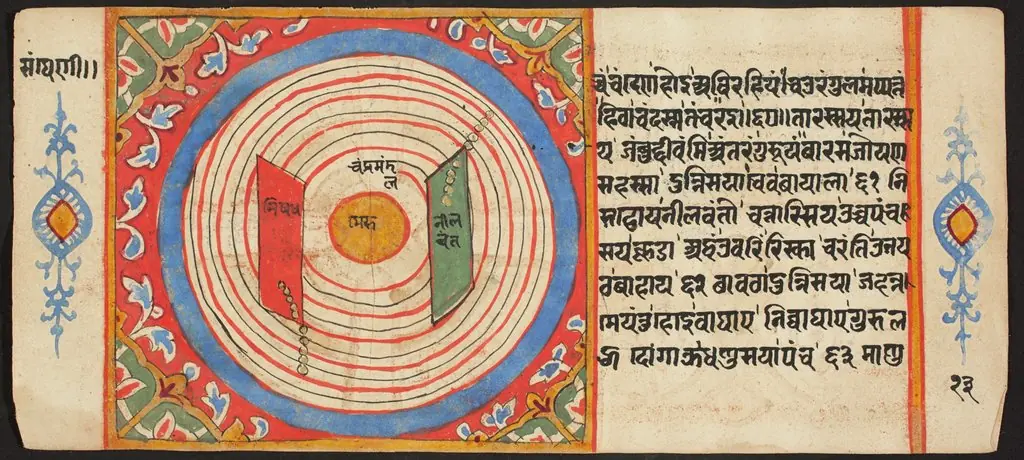 Tantric Manuscript "Sangrahani Sutra"
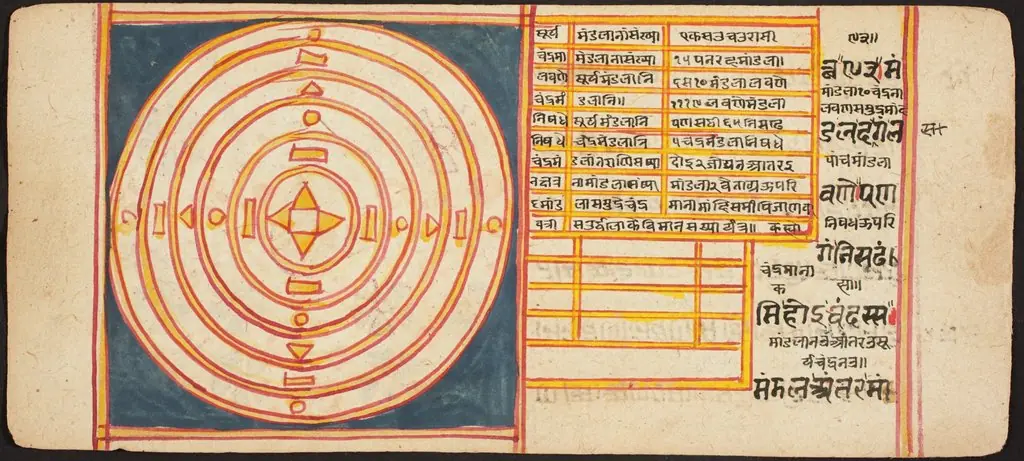 Tantric Manuscript "Sangrahani Sutra"
 Tantric Manuscript "Sangrahani Sutra"