Artwork
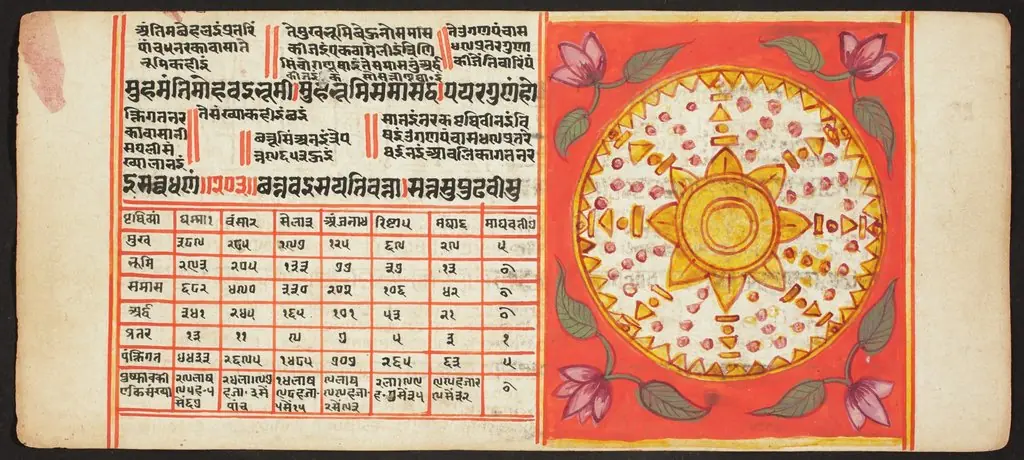
Tantric Manuscript, "Sangrahani Sutra"
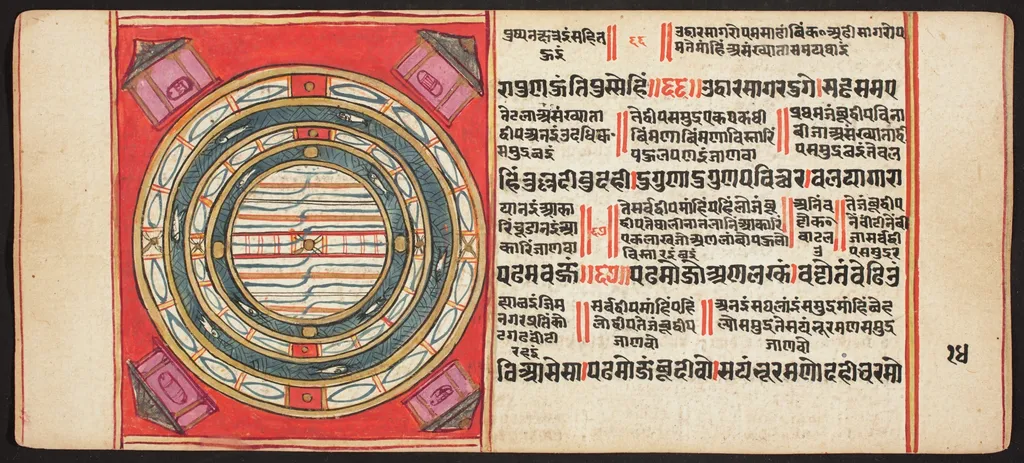
Tantric Manuscript, "Sangrahani Sutra" is an unspecified painting by Unknown. It is held in the collection of the Detroit Institute of Arts.
About this work
Overview
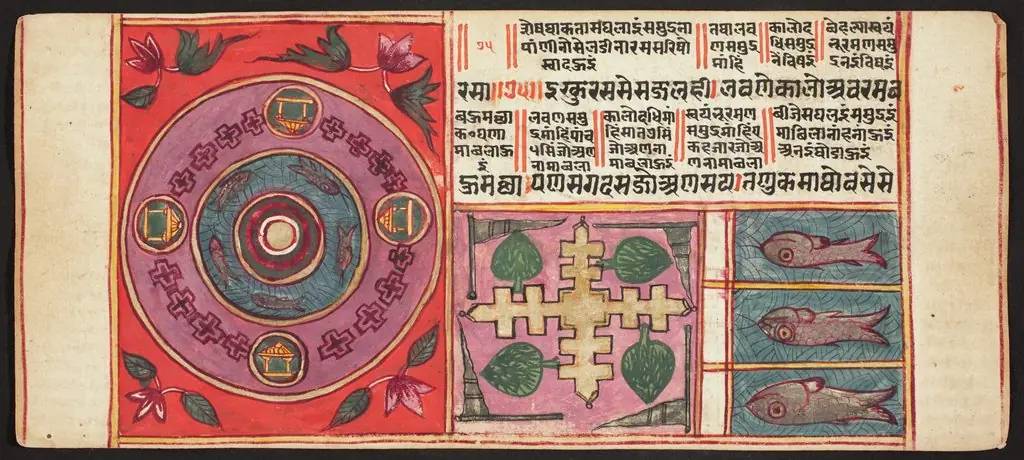
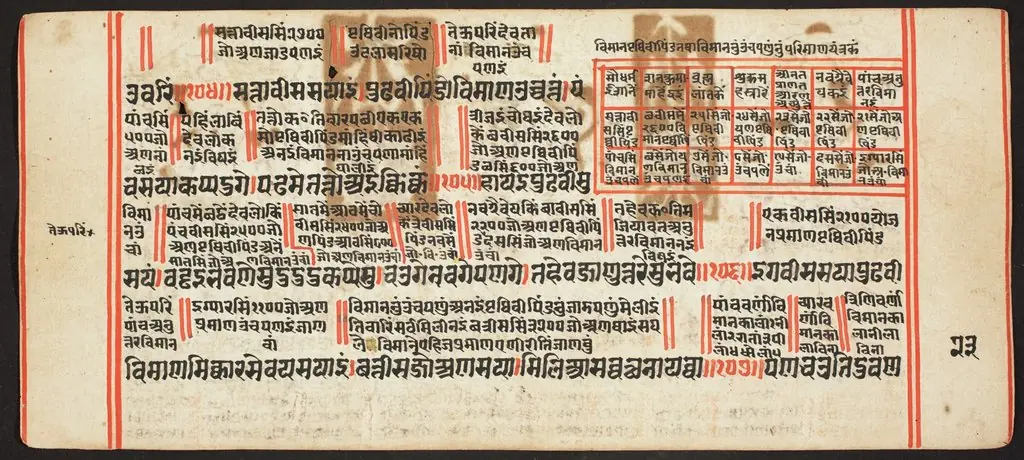
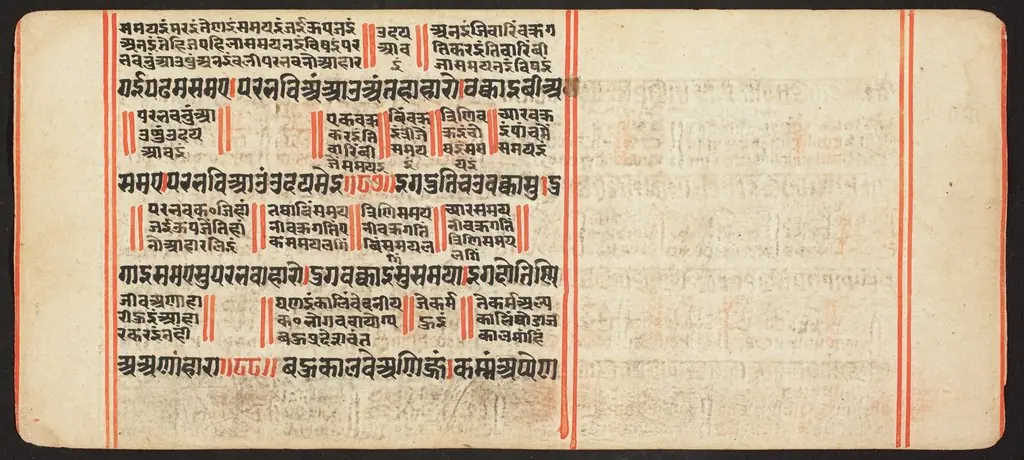
A painted manuscript folio from the Sangrahani Sutra, produced in medieval India, exemplifies the integration of religious text and visual symbolism in tantric Buddhist practice. Created on palm leaf or paper, it served as a devotional and instructional object, blending scriptural content with esoteric imagery to guide meditation and ritual understanding.
Subject & Meaning
The imagery depicts deities, mandalas, and symbolic motifs drawn from tantric cosmology, representing the union of wisdom and method. Each figure and geometric form corresponds to specific spiritual states or energies, designed to aid the practitioner in internalizing complex philosophical concepts through visual contemplation.
Technique & Style
The painting employs fine brushwork and mineral pigments, with precise lines and flat, saturated colors typical of regional manuscript traditions. Composition is symmetrical and hierarchical, emphasizing sacred geometry over naturalism. Gold leaf may be used sparingly to denote divine presence, enhancing the object’s ritual potency.
History & Provenance
This folio likely originated in eastern India or Nepal during the late medieval period, among monastic communities engaged in tantric study. Its survival suggests careful preservation within temple or monastery libraries, possibly passed between generations of practitioners before entering private or institutional collections.
Context
Produced during a time when tantric Buddhism flourished in monastic centers, such manuscripts were not merely texts but ritual tools. They coexisted with oral transmission and physical practice, reflecting a holistic approach to spiritual education where image, word, and ritual were inseparable.
Legacy
As surviving examples of tantric visual culture, these folios offer insight into non-literal modes of religious instruction. They remain valuable to scholars studying the intersection of art, ritual, and esoteric doctrine in South Asian Buddhism, informing contemporary understandings of medieval spiritual practice.
Artist & collection

 Domestic Scene
 Giacomo and Cardinal Marco, investing Andrea, Abbot of San Zeno, with his Benefice
 The Nymph of Fontainebleau
 Portrait of a Woman
 Madonna and Child with Saints in the Enclosed Garden
 Venus and Minerva
 Family Group of Four on Sofa
 Wall painting from Room H of the Villa of P. Fannius Synistor at Boscoreale
 Tantric Manuscript, "Sangrahani Sutra"
 Tantric Manuscript, "Sangrahani Sutra"
 Tantric Manuscript, "Sangrahani Sutra"
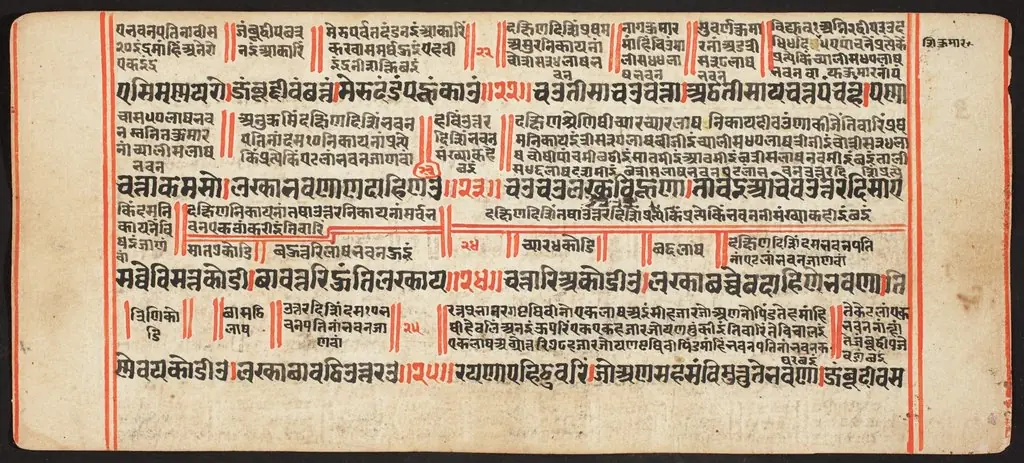 Tantric Manuscript, "Sangrahani Sutra"
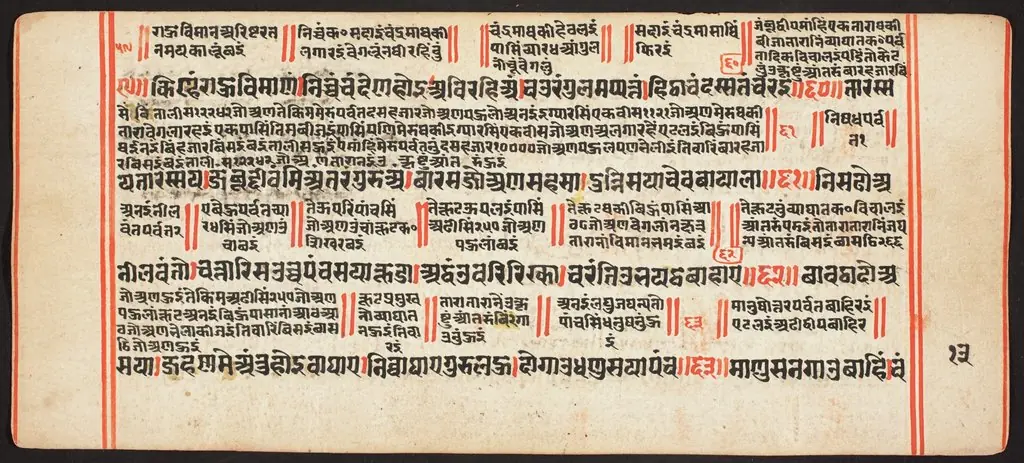 Tantric Manuscript, "Sangrahani Sutra"
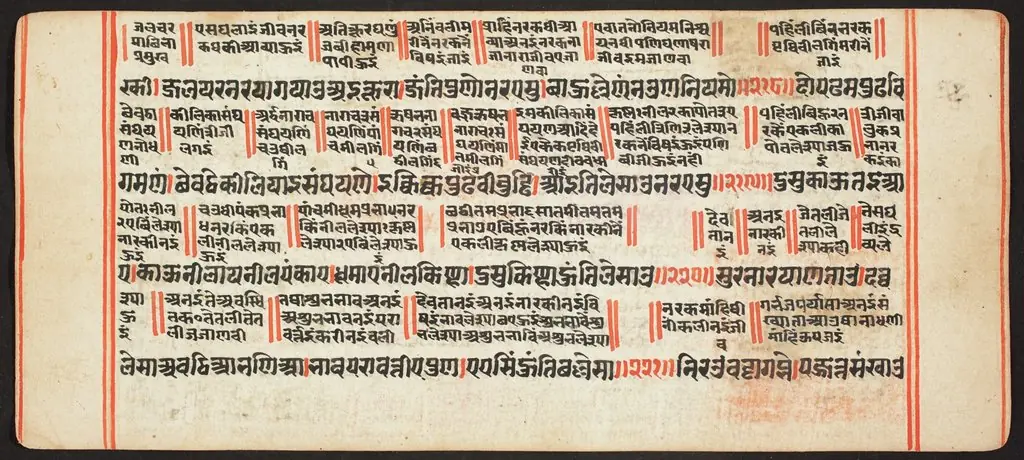 Tantric Manuscript, "Sangrahani Sutra"
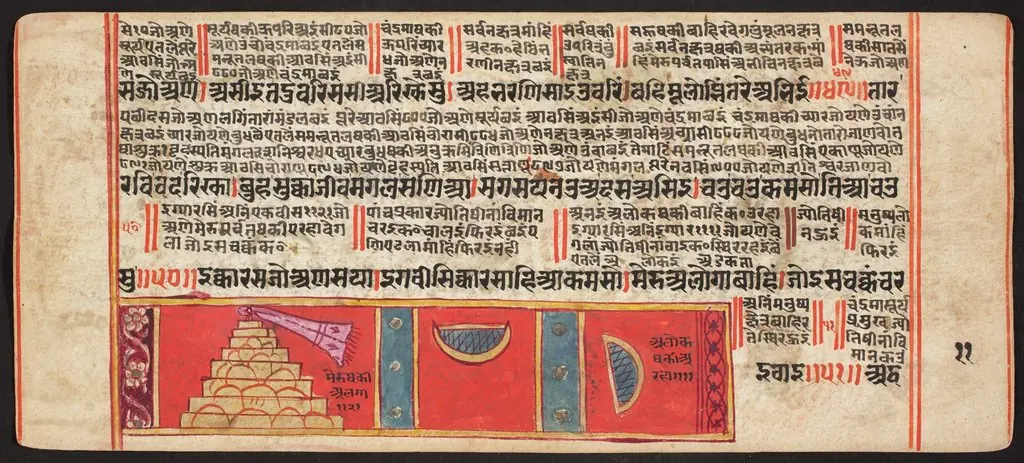 Tantric Manuscript, "Sangrahani Sutra"
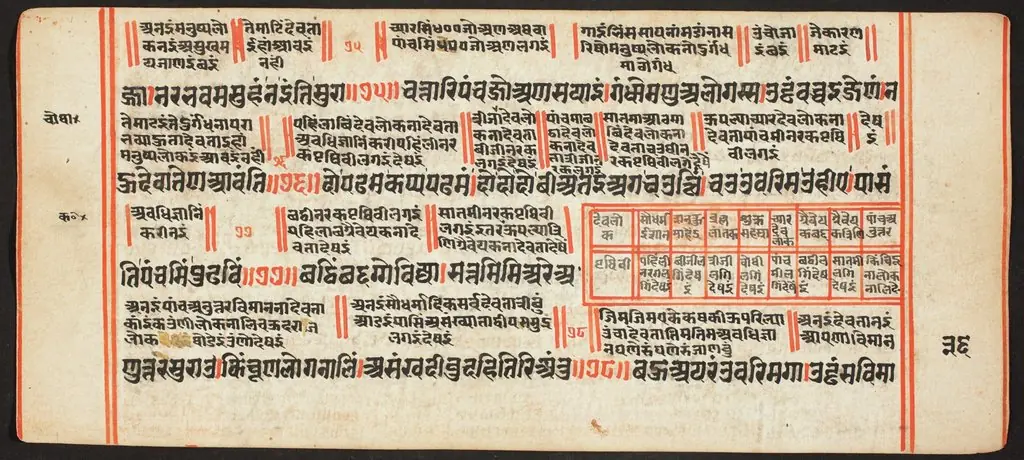 Tantric Manuscript, "Sangrahani Sutra"
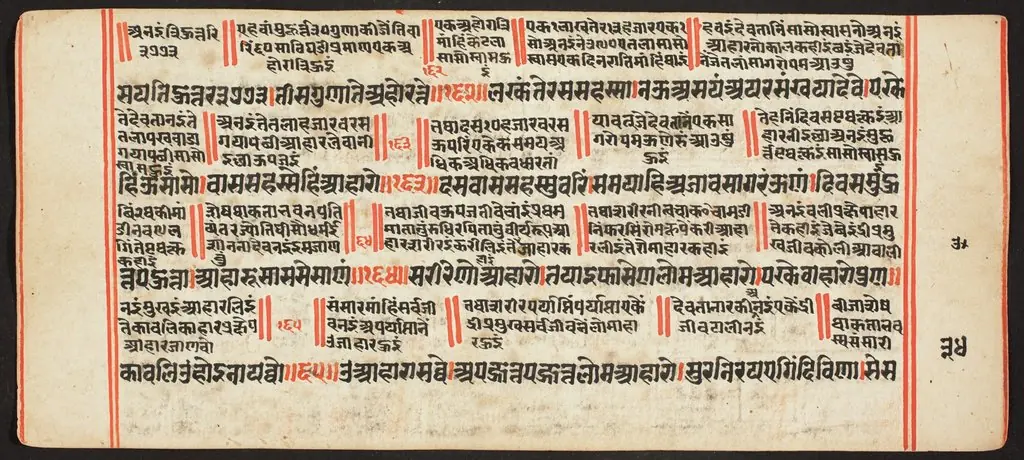 Tantric Manuscript, "Sangrahani Sutra"
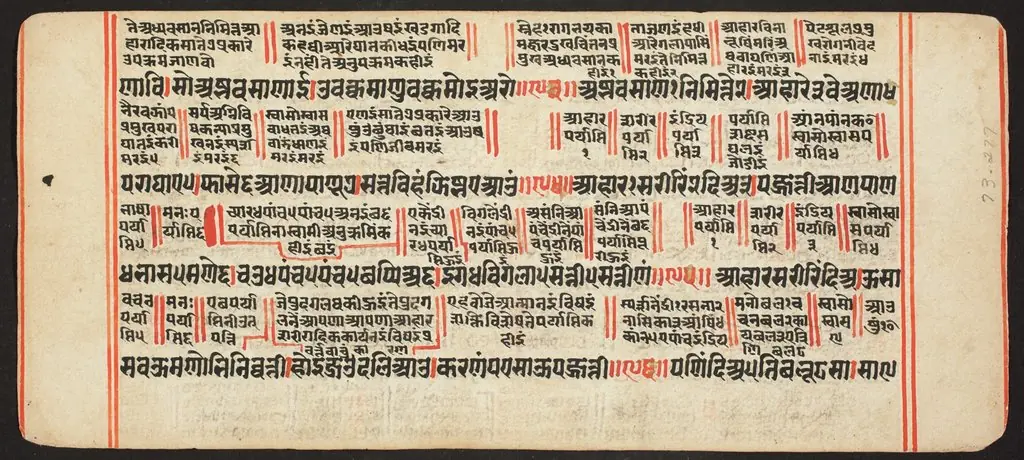 Tantric Manuscript, "Sangrahani Sutra"
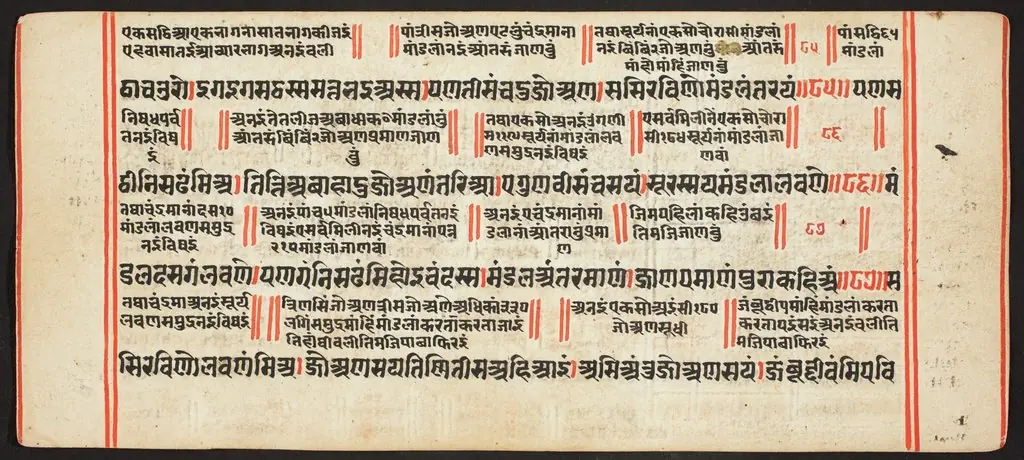 Tantric Manuscript, "Sangrahani Sutra"
 Tantric Manuscript, "Sangrahani Sutra"