Artwork
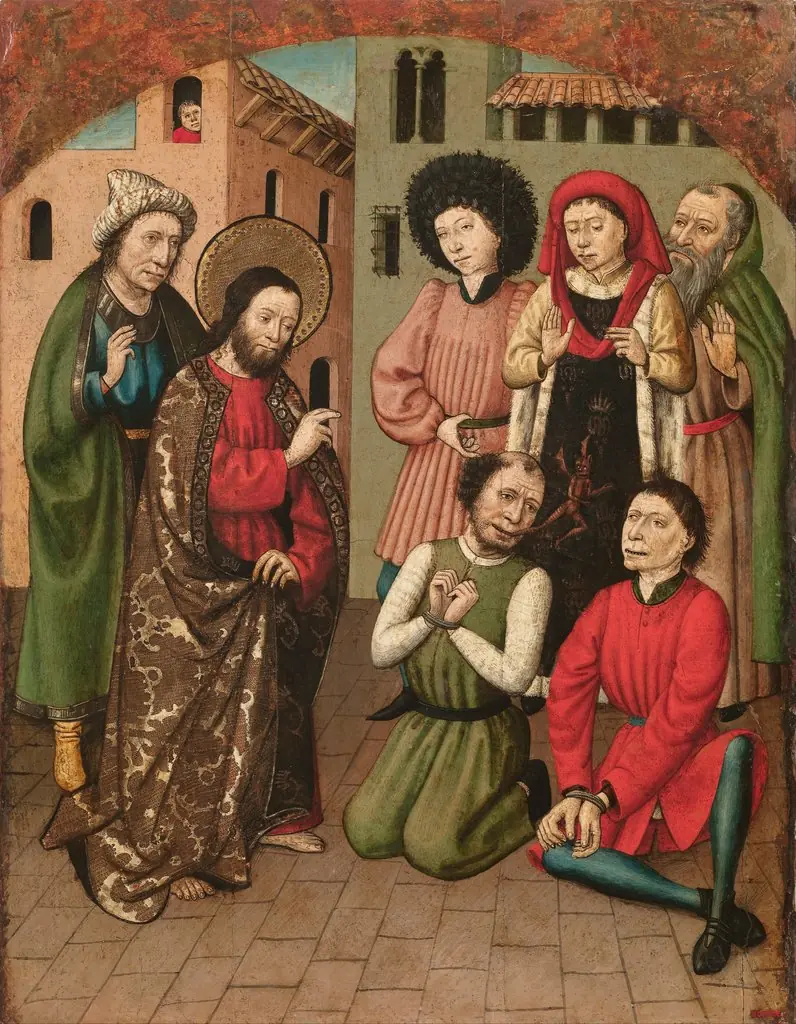
Martyrdom of Saints Cosmas and Damian with their Three Brothers, part of an altarpiece
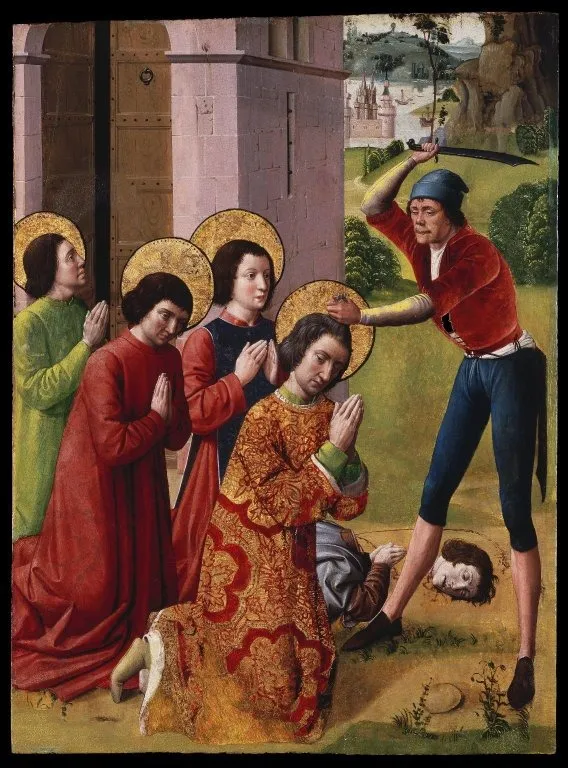
Martyrdom of Saints Cosmas and Damian with their Three Brothers, part of an altarpiece is an oil painting by the Northern Renaissance artist Unknown. It dates from 1490 and is held in the collection of the Brooklyn Museum.
About this work
Overview
The work portrays the martyrdom of Saints Cosmas and Damian alongside their three brothers, arranged as a central panel of a larger altarpiece.
The work portrays the martyrdom of Saints Cosmas and Damian alongside their three brothers, arranged as a central panel of a larger altarpiece. Six figures dominate the foreground, with a kneeling saint in a yellow robe illuminated against a darker backdrop, while an executioner in red and blue looms above, sword raised. The composition balances dramatic action with a tranquil landscape that recedes into hills, trees and water.
Subject & Meaning
The painting commemorates the violent death of the twin physicians Cosmas and Damian and their siblings, emphasizing their steadfast faith. The three brothers on the left, hands joined in prayer, underscore the theme of collective devotion and martyrdom, while the central kneeling figure embodies surrender to divine will despite impending death.
Technique & Style
Employing chiaroscuro, the artist creates stark contrasts between illuminated flesh and deep shadows, heightening the emotional intensity of the scene. The oil medium allows for smooth transitions in the background landscape, rendering atmospheric depth and a sense of calm that counterpoints the foreground violence.
History & Provenance
Originally part of a multi‑panel altarpiece, the panel depicting the martyrdom was later separated and entered private collections before being acquired by its present museum. Documentation traces its ownership through several European churches, reflecting the work’s devotional function and later appreciation as a standalone piece.
Context
Created during a period when the cult of Saints Cosmas and Damian was especially popular among physicians and merchants, the painting reflects the Counter‑Reformation emphasis on vivid, didactic imagery. Its narrative clarity and emotional appeal align with contemporary efforts to inspire piety through visual storytelling.
Artist & collection

 Domestic Scene
 Giacomo and Cardinal Marco, investing Andrea, Abbot of San Zeno, with his Benefice
 The Nymph of Fontainebleau
 Portrait of a Woman
 Madonna and Child with Saints in the Enclosed Garden
 Venus and Minerva
 Family Group of Four on Sofa
 Wall painting from Room H of the Villa of P. Fannius Synistor at Boscoreale
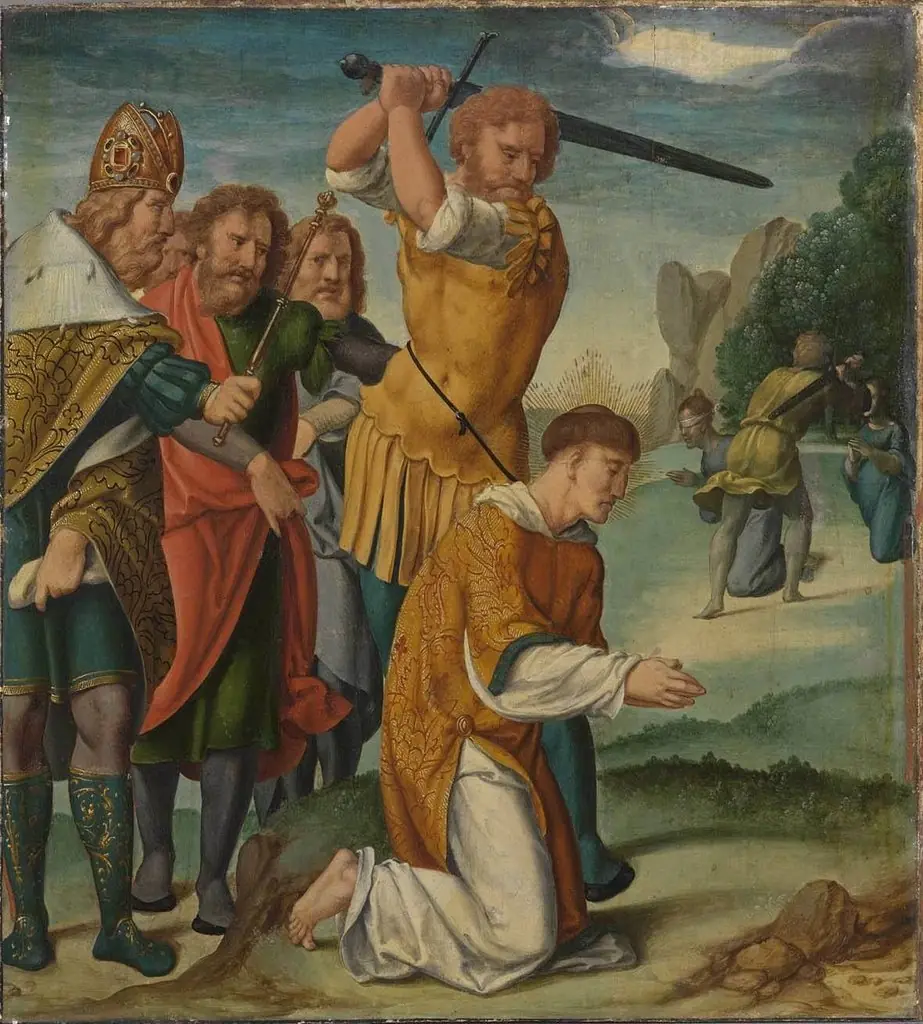 Cyriakus-Folge: Tod des hl. Cyriakus
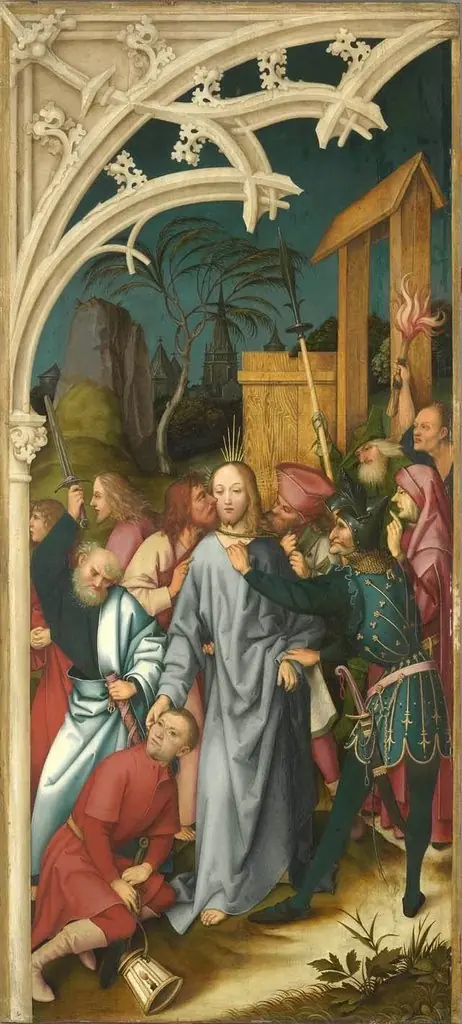 Kaisheimer Altar: Gefangennahme Christi
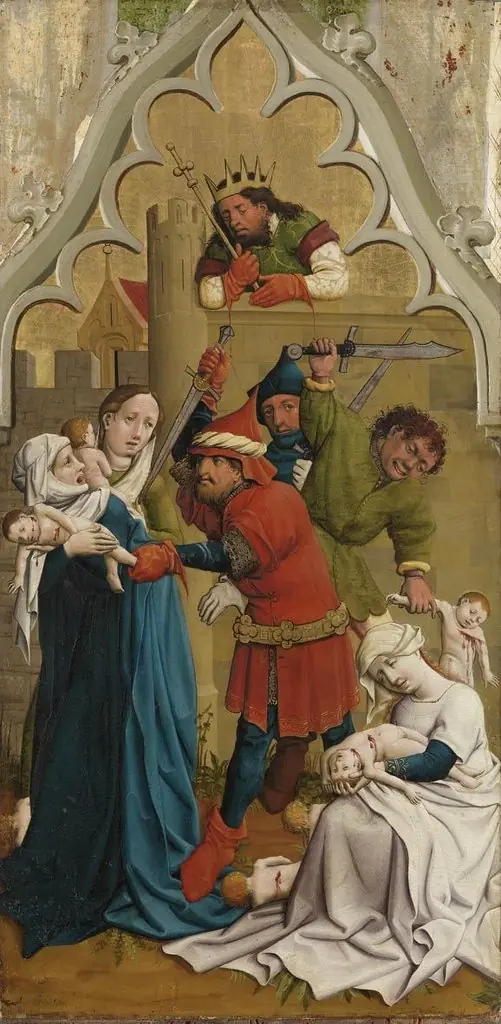 The massacre of the innocents at Bethlehem
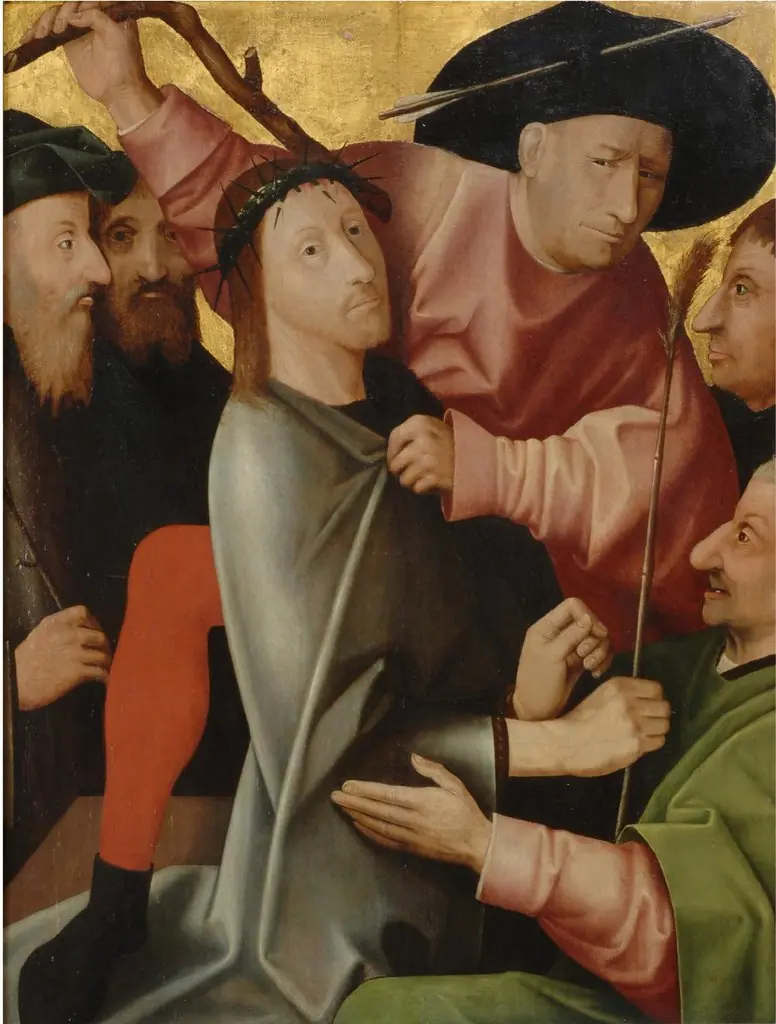 The Mocking of Christ
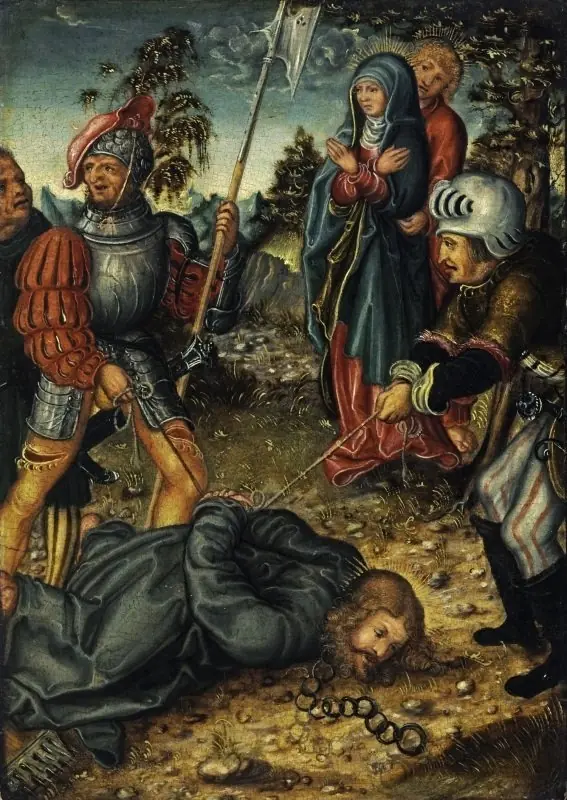 Christ on the road to Calvary
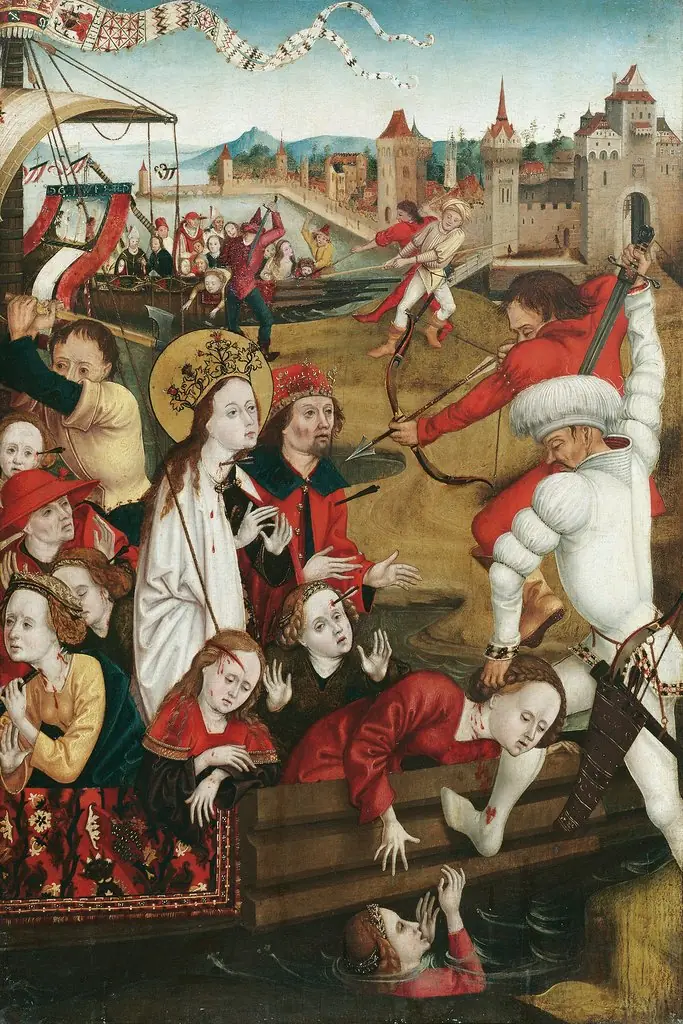 Martyrdom of Saint Ursula and her companions
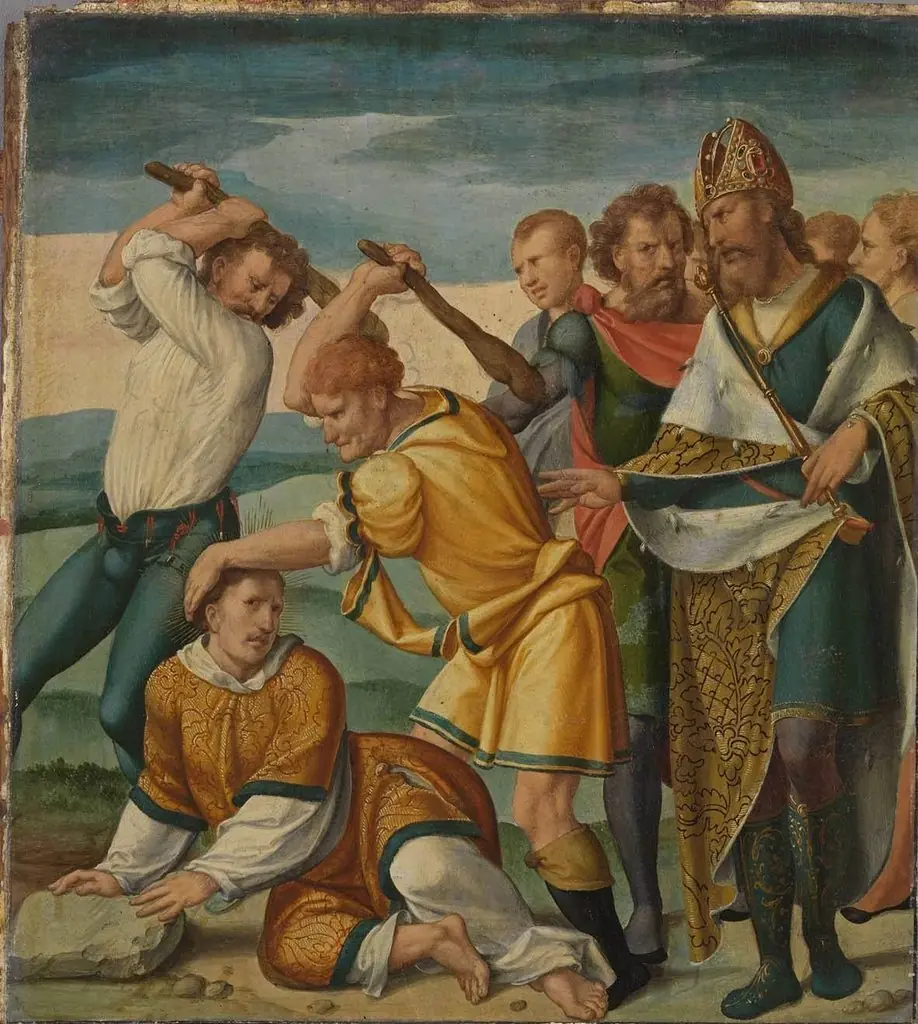 The martyrdom of Saint Cyriacus
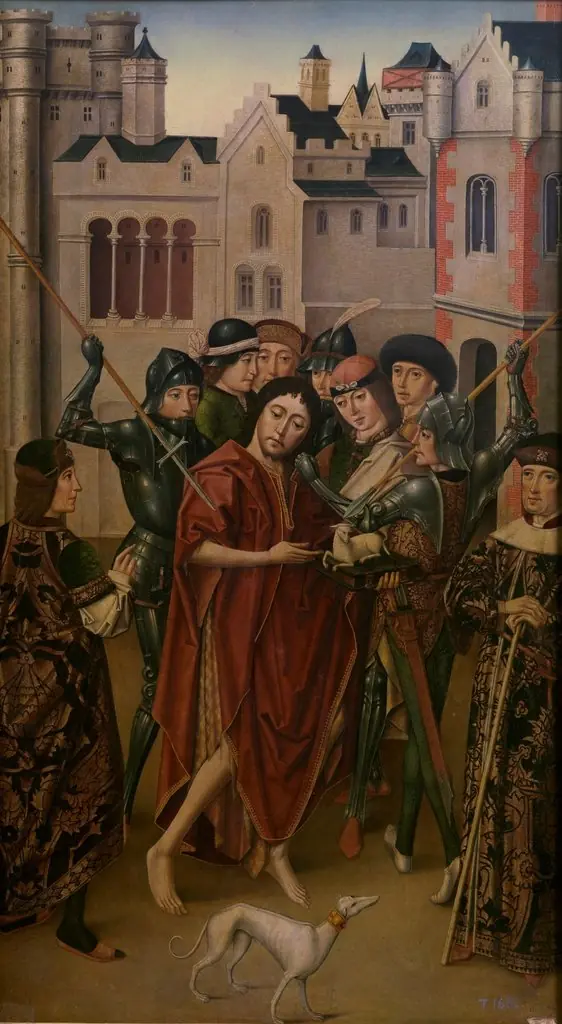 The Arrest of Saint John the Baptist
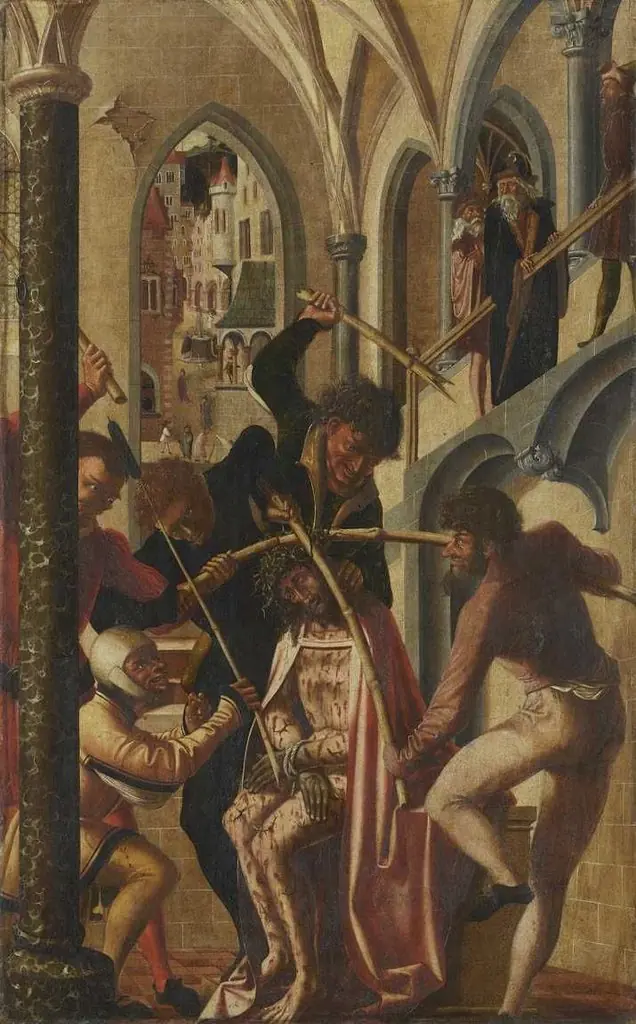 Jakobus-Stephanus-Altar: Dornenkrönung Christi
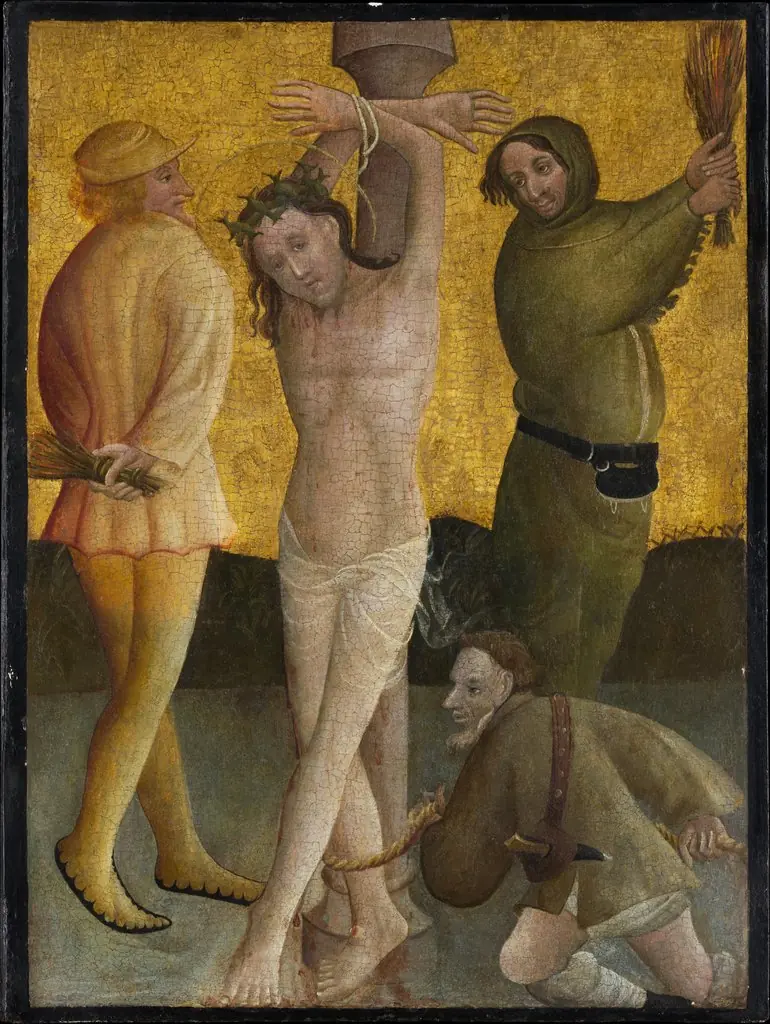 The Flagellation
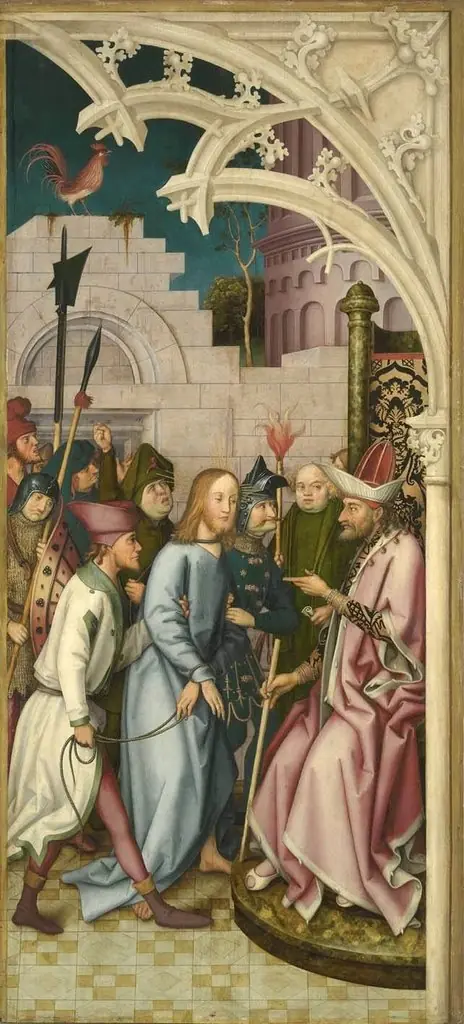 Kaisheimer Altar: Christus vor Pilatus
 Saint Bartholomew Exorcising