Artwork
The martyrdom of Saint Cyriacus
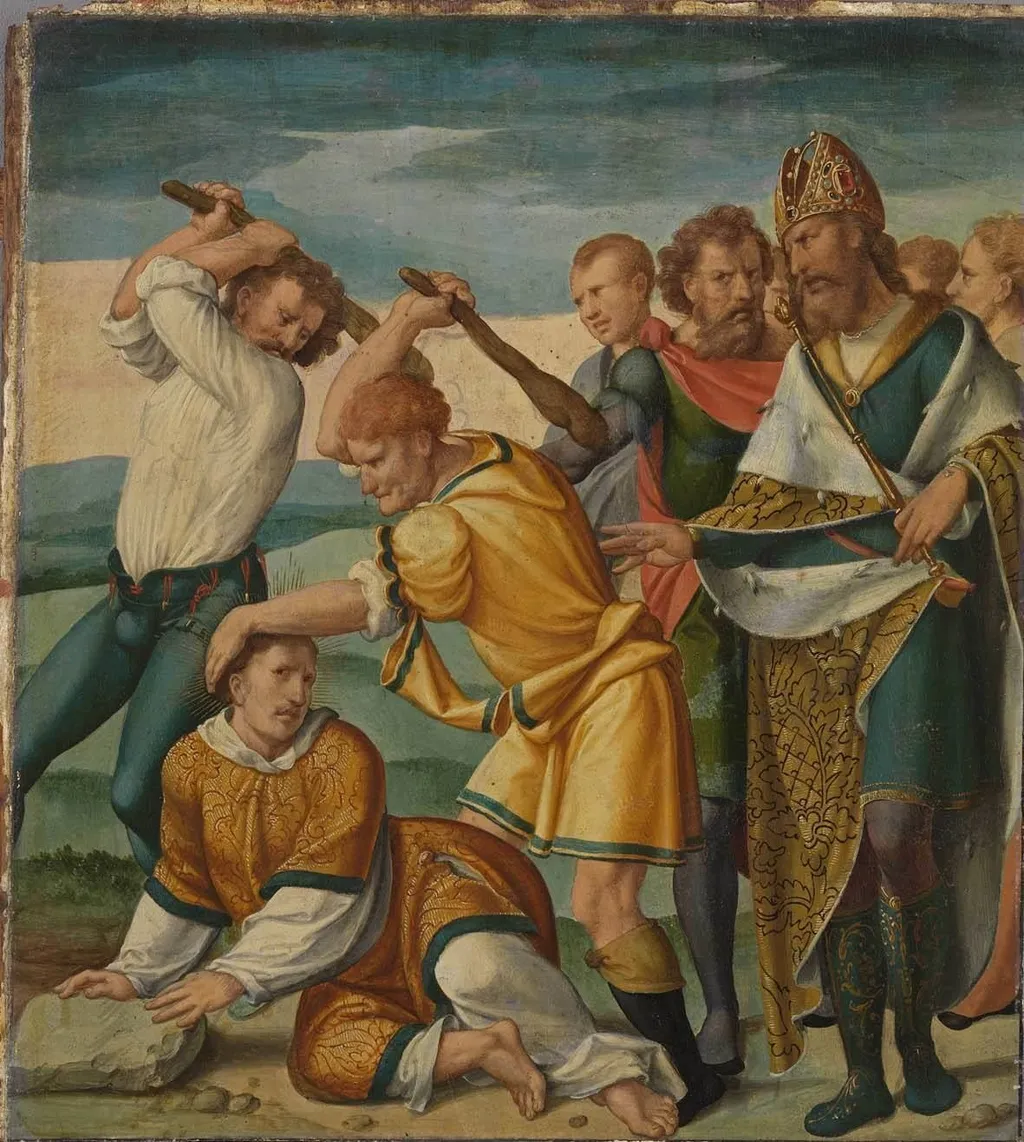
The martyrdom of Saint Cyriacus is an oil painting by the Early Baroque Italian artist Bartholomaeus Bruyn the Elder. It dates from 1532 and is held in the collection of the Bavarian State Painting Collections.
About this work
Overview
Bartholomaeus Bruyn the Elder, a Cologne‑based painter of the German Renaissance, completed The Martyrdom of Saint Cyriacus in 1532. Executed in oil on canvas, the work portrays a violent religious episode and is now part of the Alte Pinakothek’s collection.
Subject & Meaning
The composition shows a man in a yellow robe wielding an axe to behead a kneeling figure, whose head is tipped back to reveal his neck. A bishop in elaborate vestments watches from the right, while other onlookers stand behind, suggesting a public execution sanctioned by ecclesiastical authority.
Technique & Style
Bruyn employs chiaroscuro to heighten drama, contrasting illuminated figures against a darker backdrop. The landscape behind the scene, with rolling hills and a clear sky, provides depth, while the careful modeling of light on flesh and fabric enhances the emotional intensity of the moment.
History & Provenance
Although primarily known for portraits and altarpieces, Bruyn’s Saint Cyriacus reflects the early Baroque influences spreading from Italy to northern Europe. The painting entered the Alte Pinakothek’s holdings in the 19th century, where it remains displayed as an example of Cologne’s leading Renaissance output.
Artist & collection
Artist
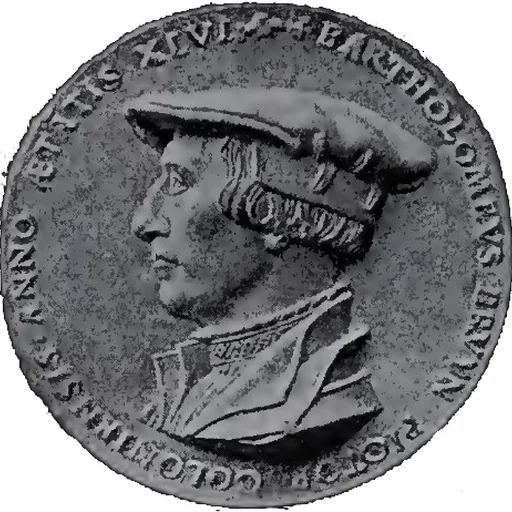
Bartholomäus Bruyn (1493–1555), usually called Barthel Bruyn or Barthel Bruyn the Elder, was a German Renaissance painter active in Cologne. He painted altarpieces and portraits, and was Cologne's foremost portrait painter of his day.

 Portrait of a Man
 Portrait of a Man
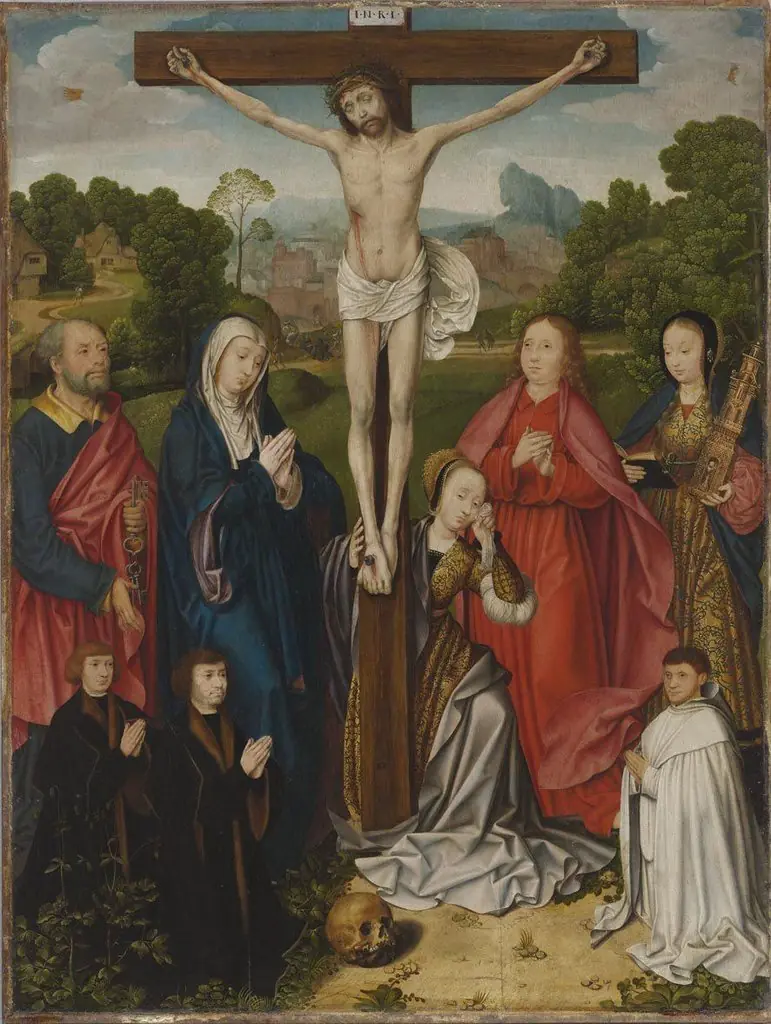 Christ on the cross with the saints Peter, Mary, Mary Magdalene, John the Evangelist and Barbara, with three donors
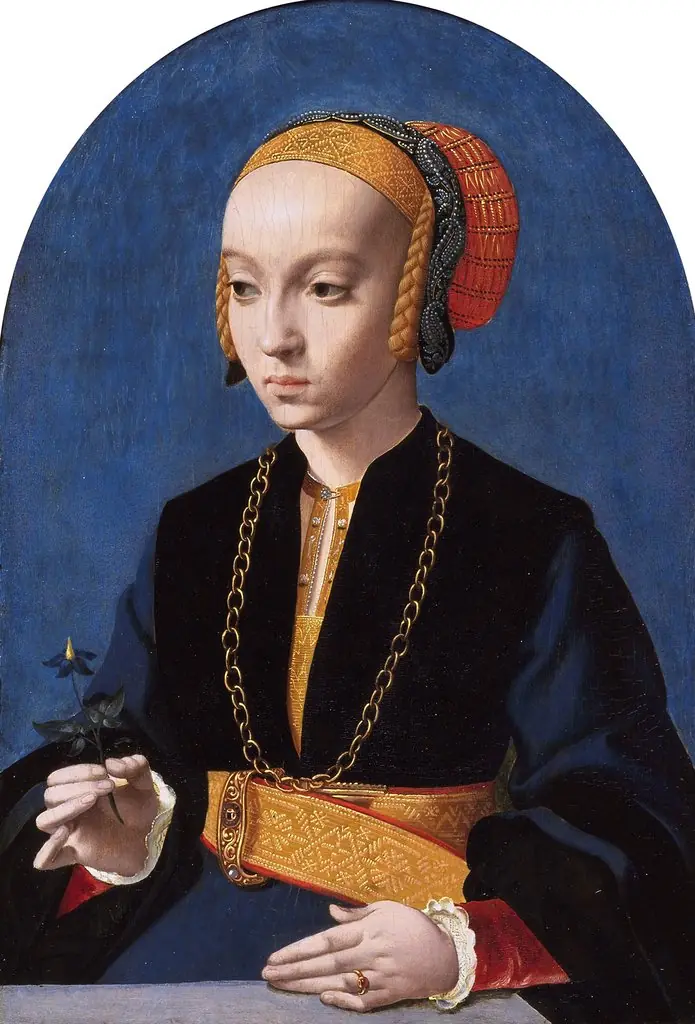 Portrait of Elisabeth Bellinghausen
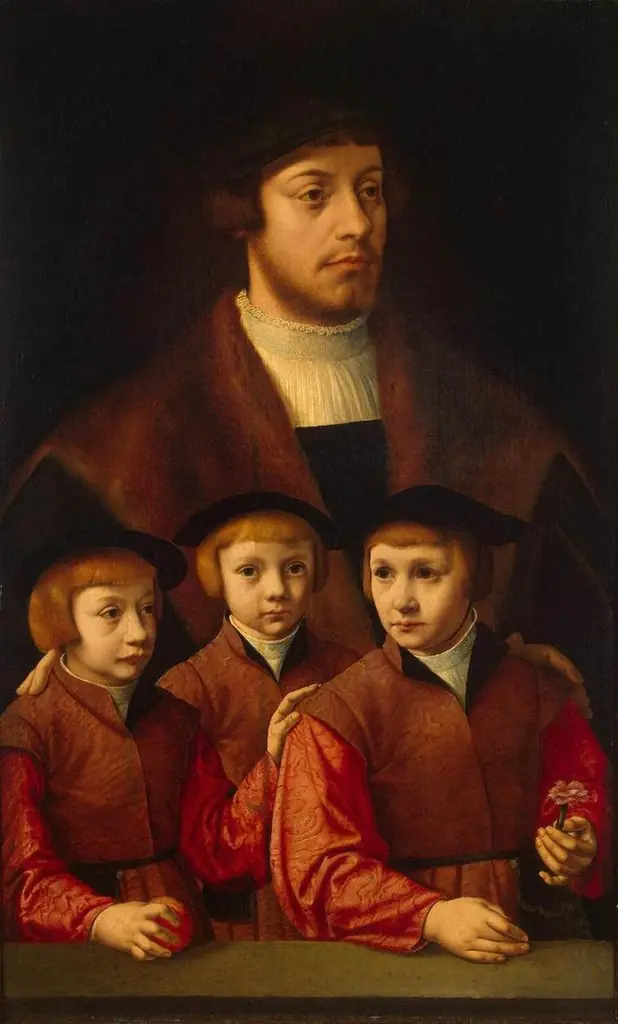 Portrait of a Man and His Three Sons
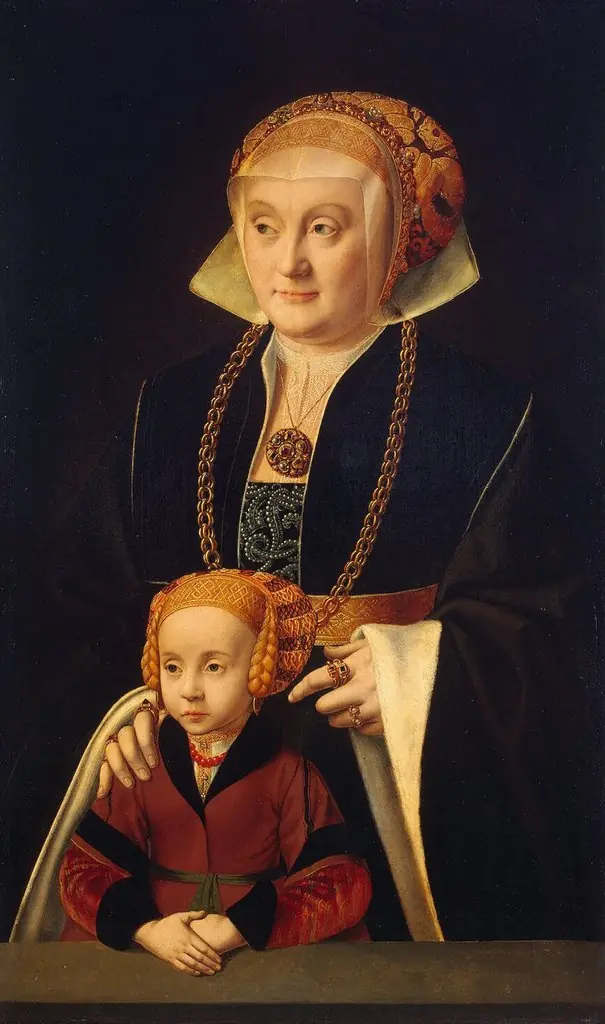 Portrait of a Lady and Her Daughter
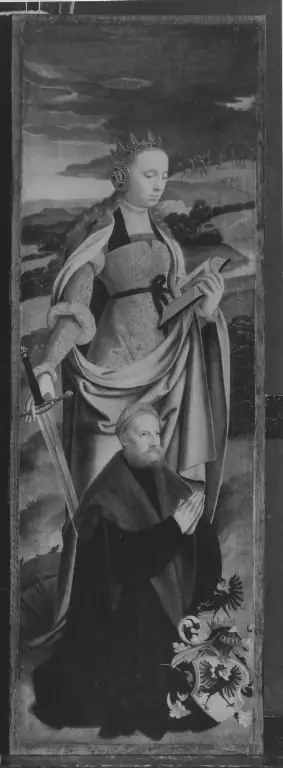 Rinck-Altar II:Saint Catherine with donor Hermann Rinck
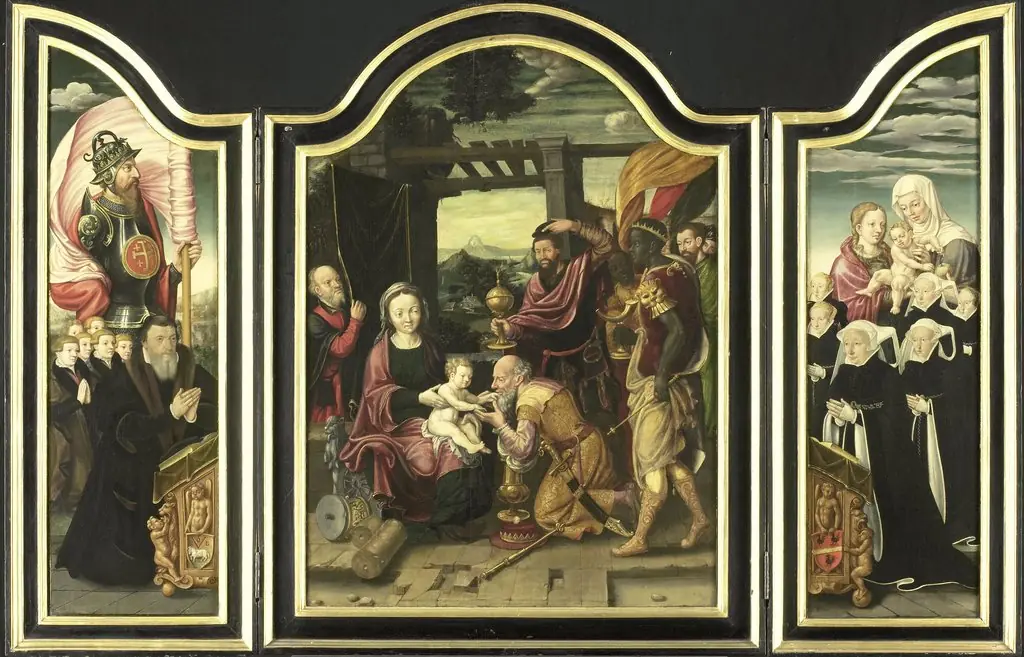 Triptych with the Adoration of the Magi
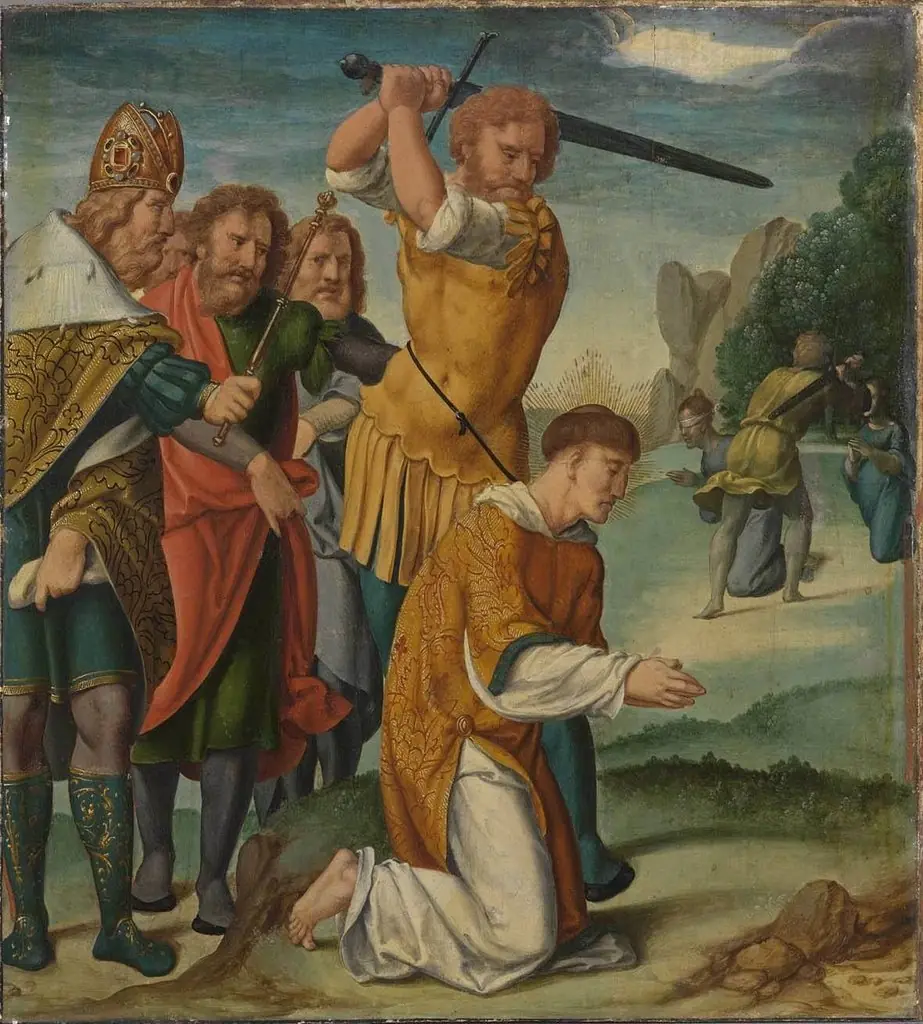 Cyriakus-Folge: Tod des hl. Cyriakus
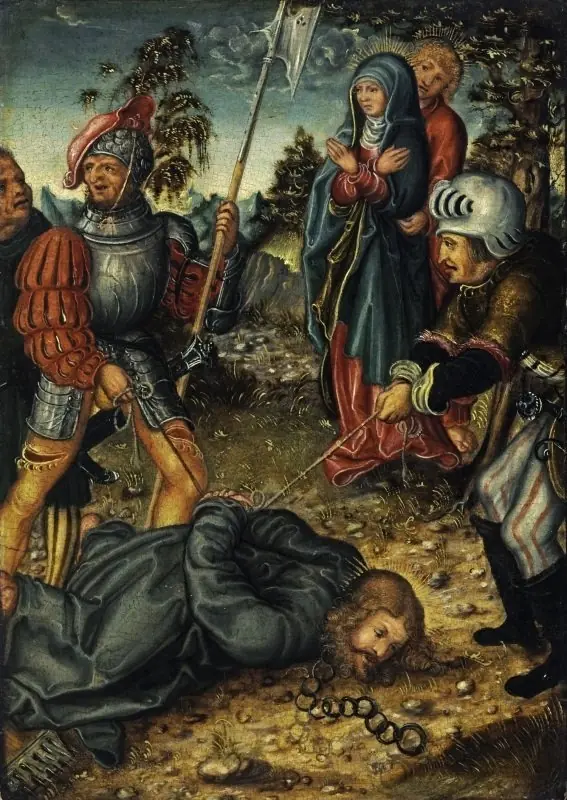 Christ on the road to Calvary
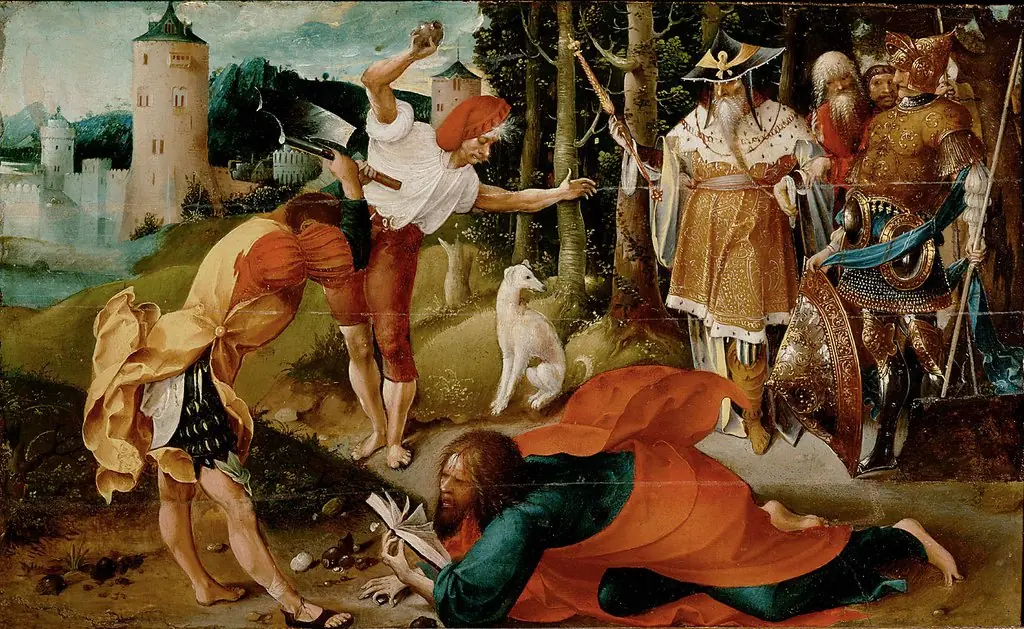 Marter des Apostels Matthias
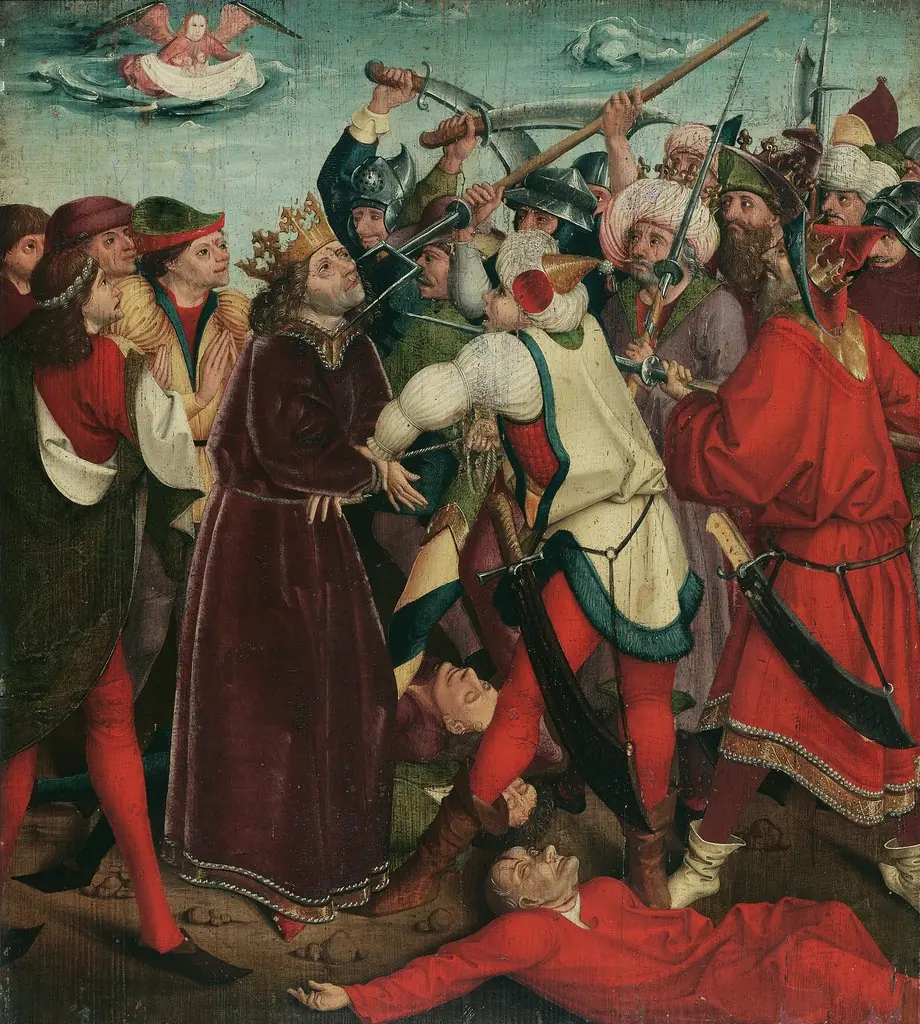 Martyrium des hl. Oswald in der Schlacht
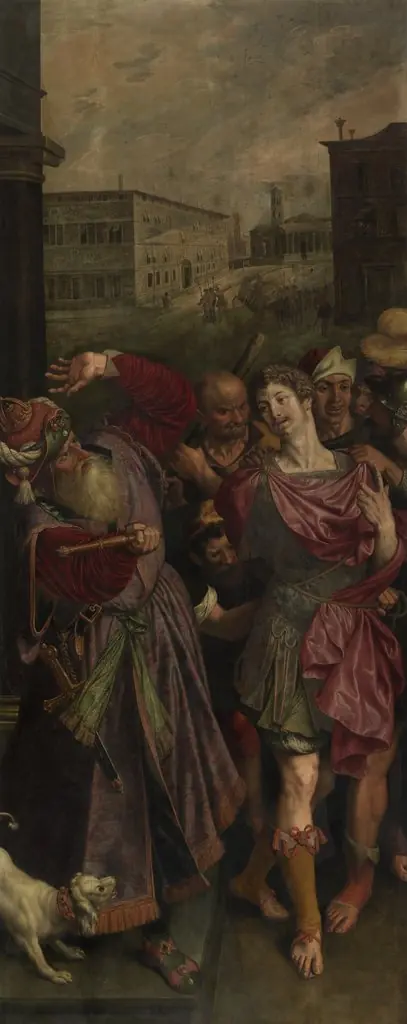 Sebastian of Rome Being Captured by Diocletian
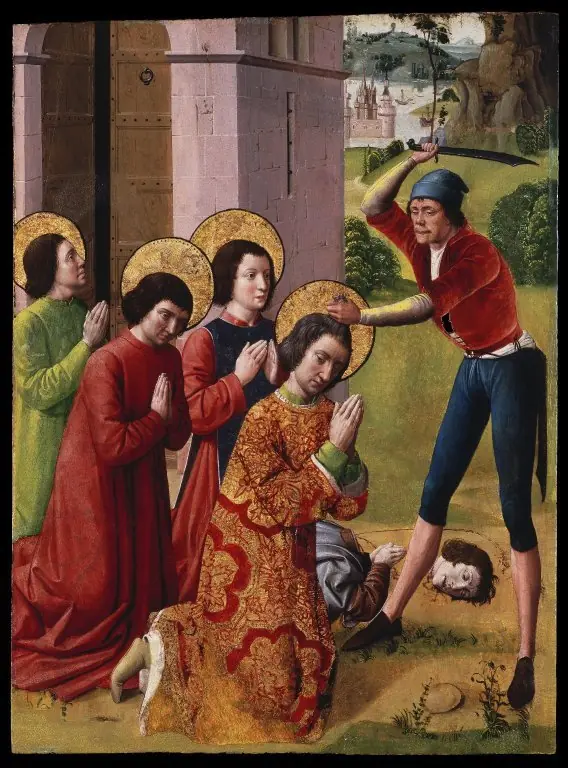 Martyrdom of Saints Cosmas and Damian with their Three Brothers, part of an altarpiece
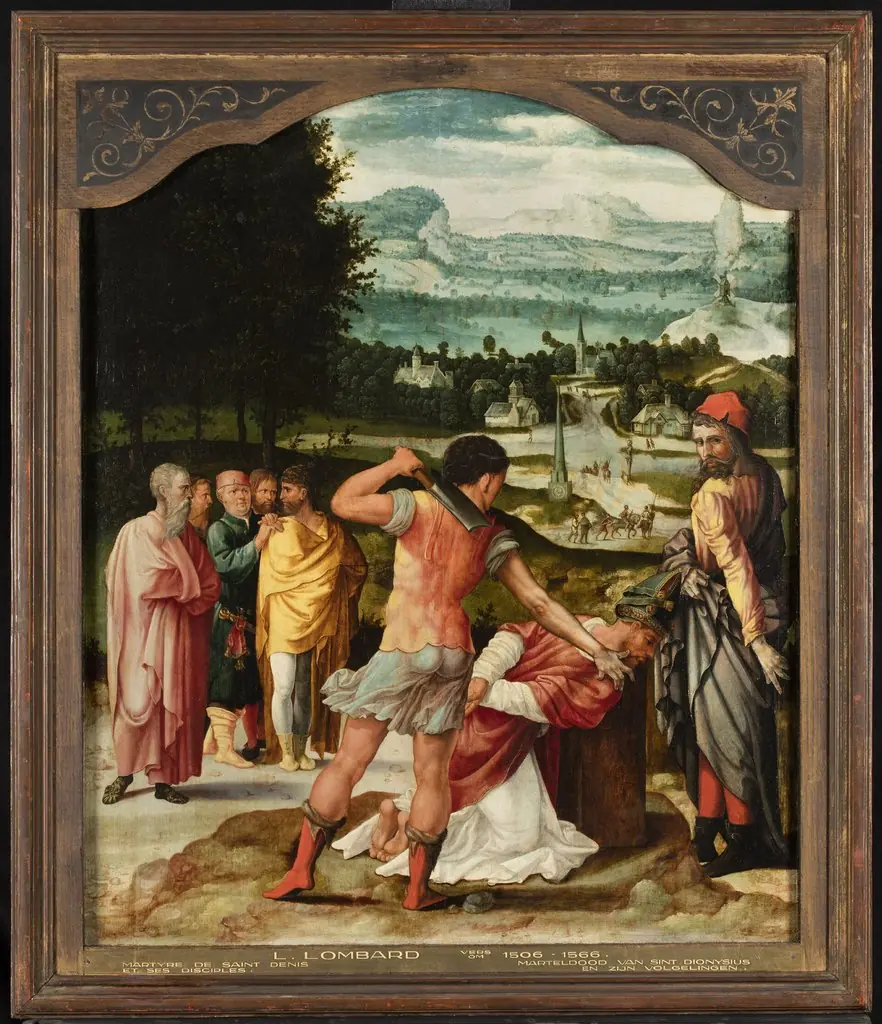 The Decapitation of Saint Denis
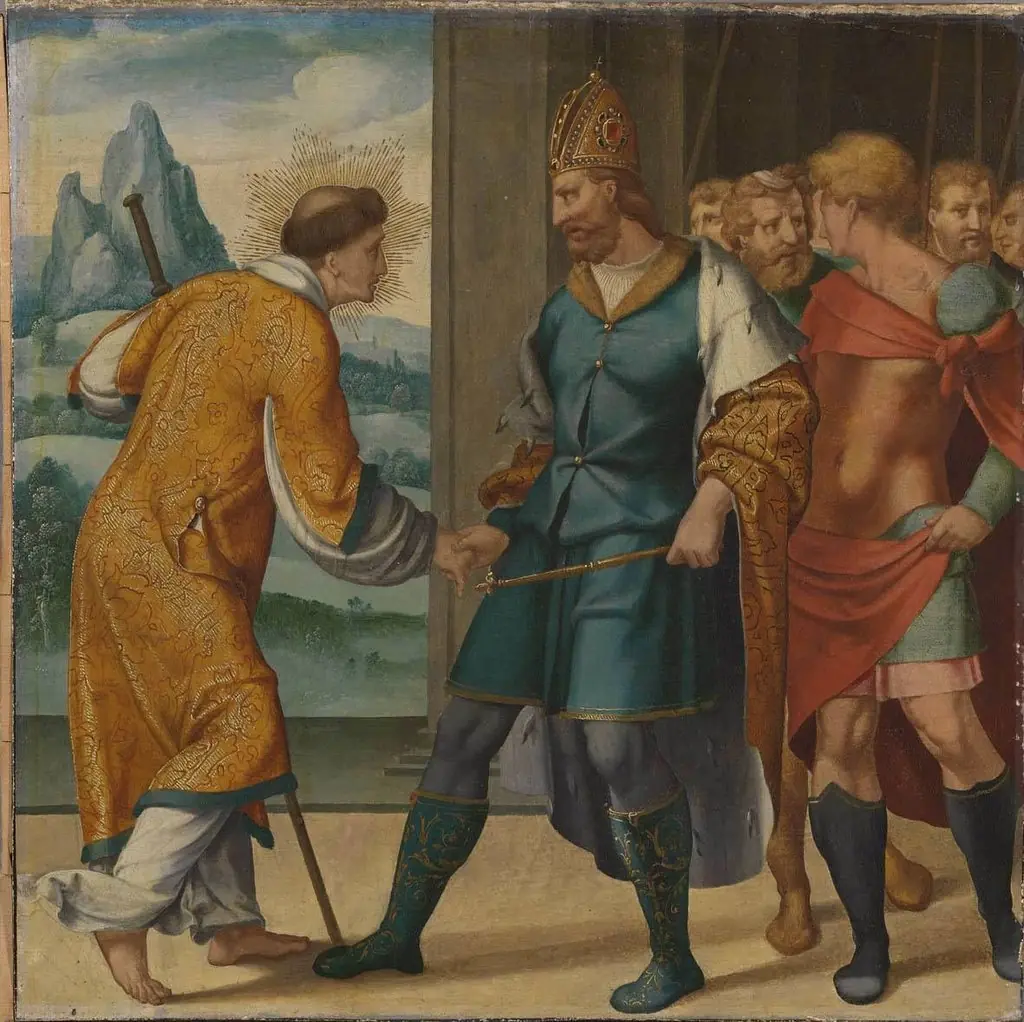 Cyriakus-Folge: Kaiser Diokletian reicht dem hl. Cyriakus die Hand
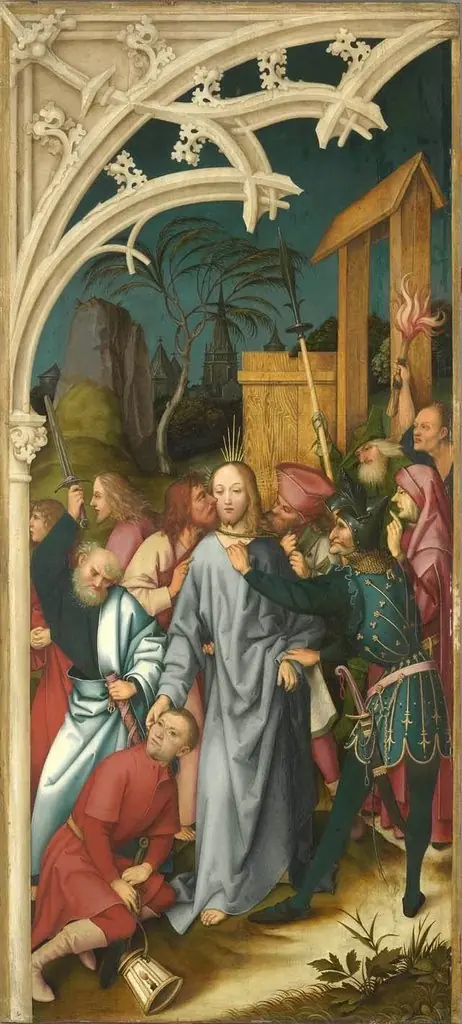 Kaisheimer Altar: Gefangennahme Christi
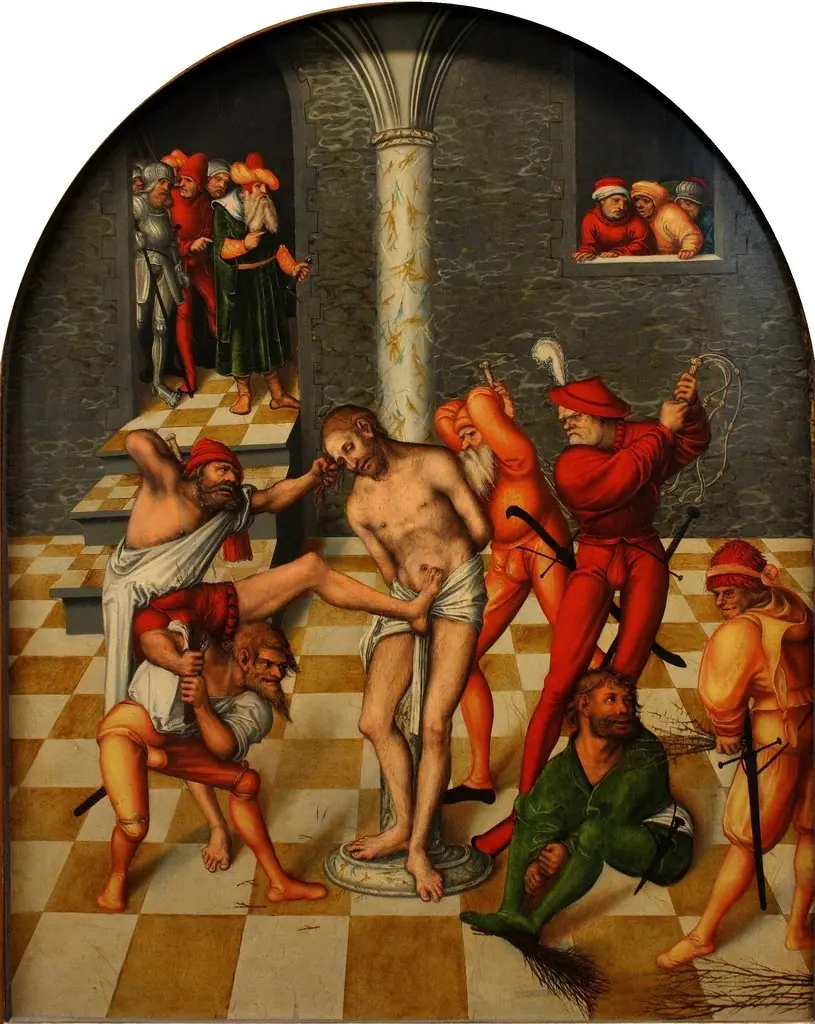 Flagellation of Christ
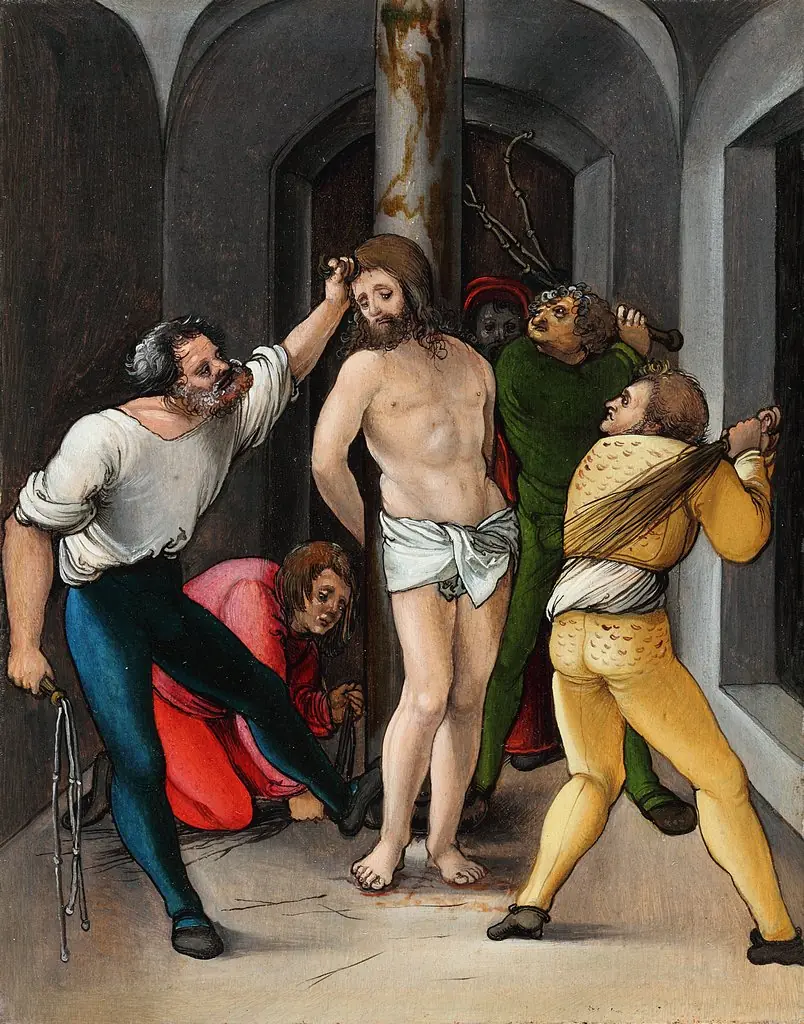 The Flagellation of Christ
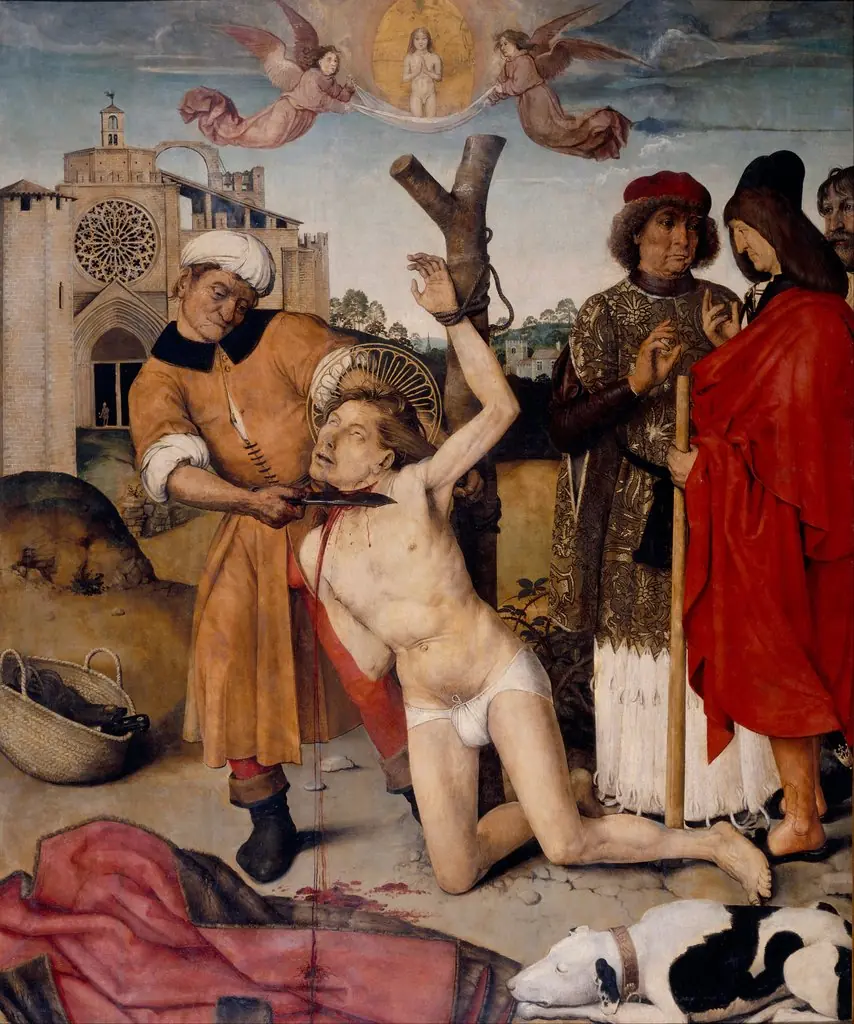 Martyrdom of Saint Cucuphas