Artwork
The Mocking of Christ
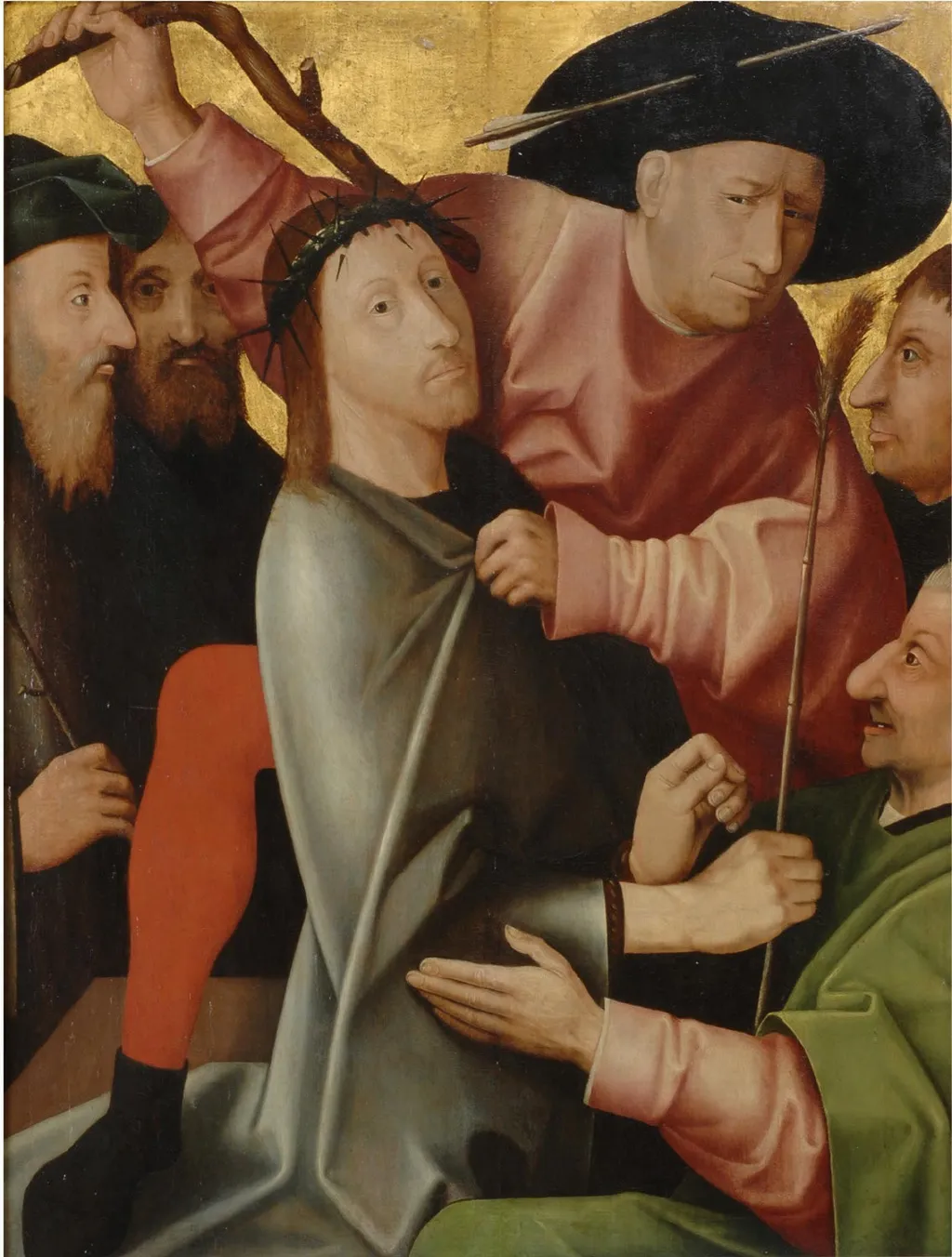
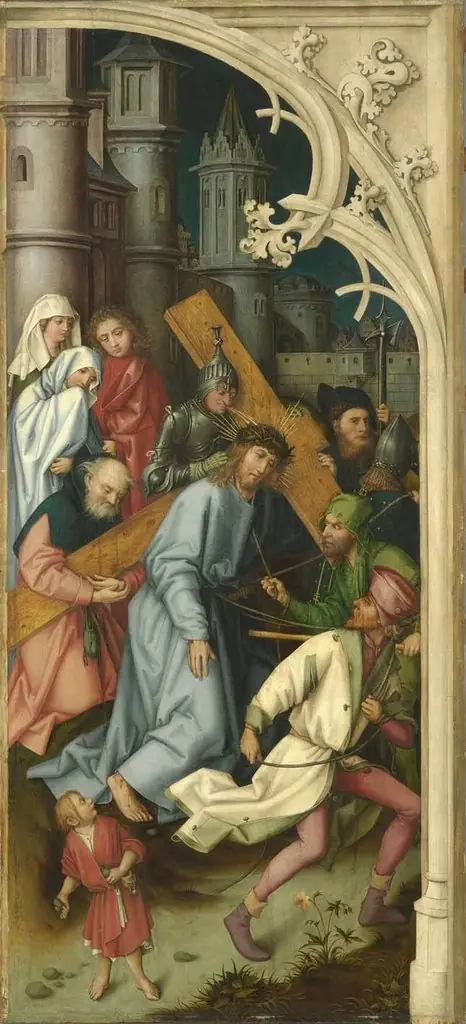
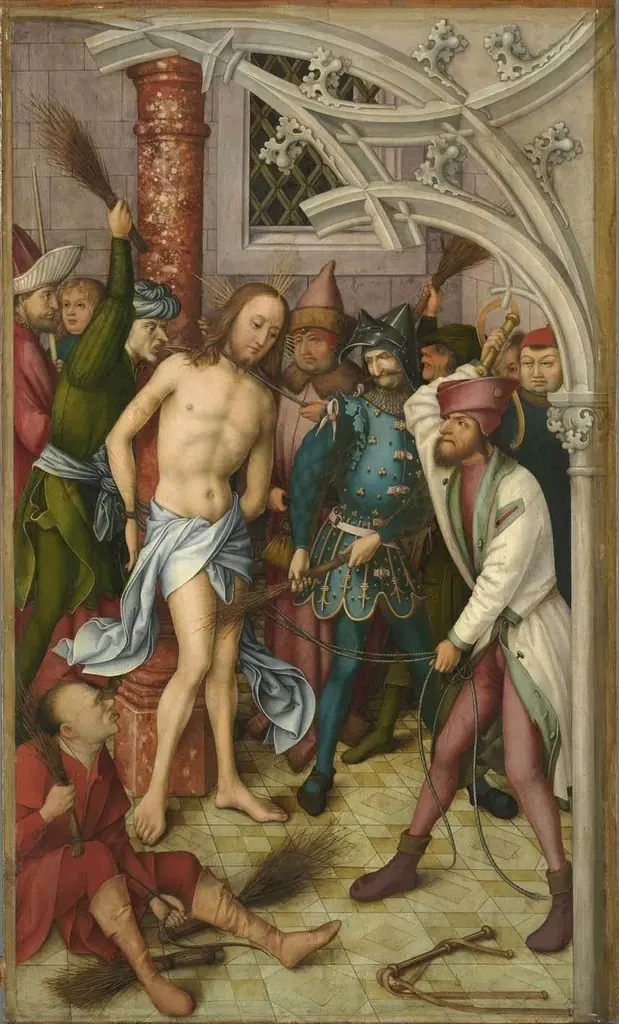
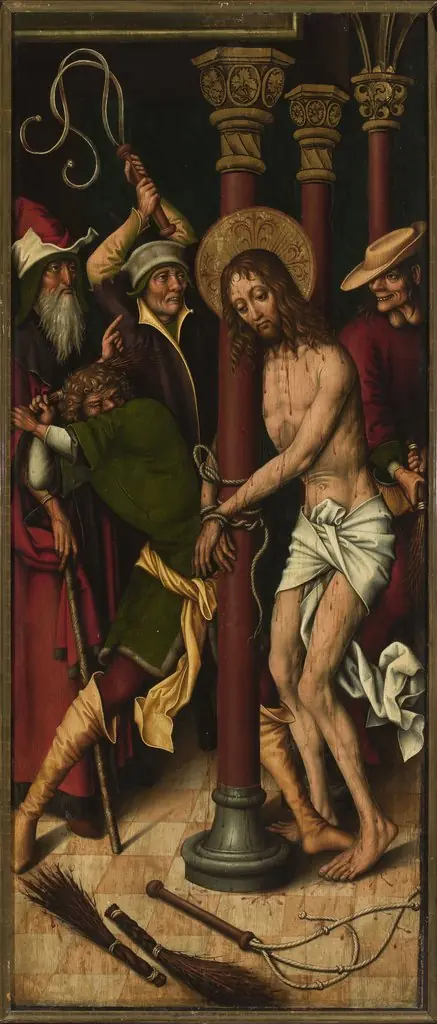
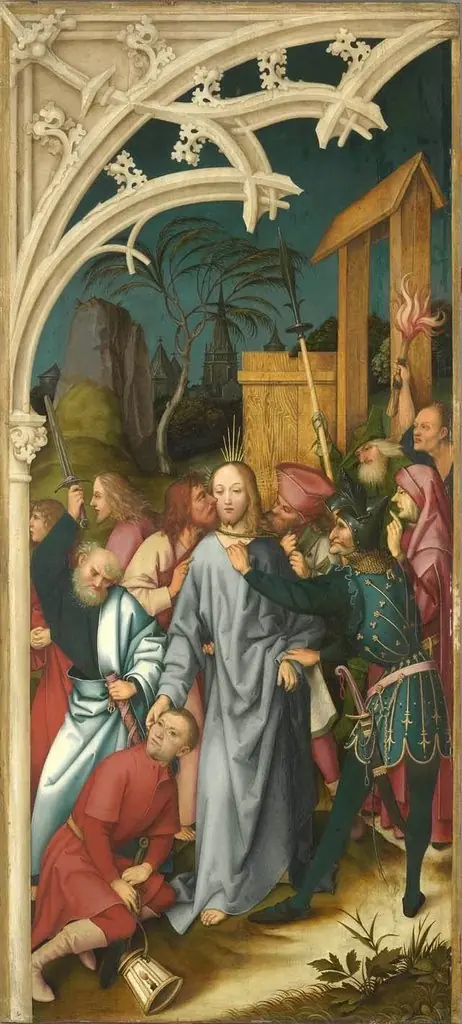
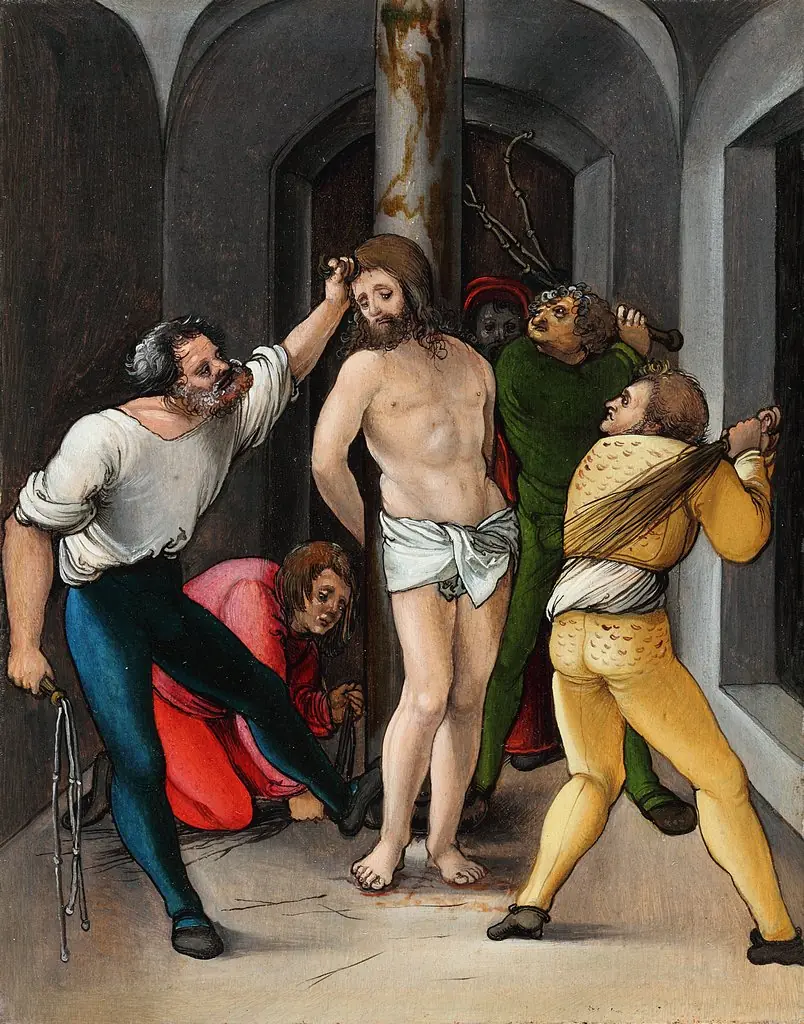
The Mocking of Christ is an oil painting by the Northern Renaissance artist Unknown. It dates from 1515 and is held in the collection of the Philadelphia Museum of Art. This oil painting portrays the moment of Christ’s humiliation following his condemnation, as described in the Gospels.
About this work
Overview
The composition is tightly focused, with no expansive landscape or architectural depth, emphasizing the intimacy and intensity of the abuse.
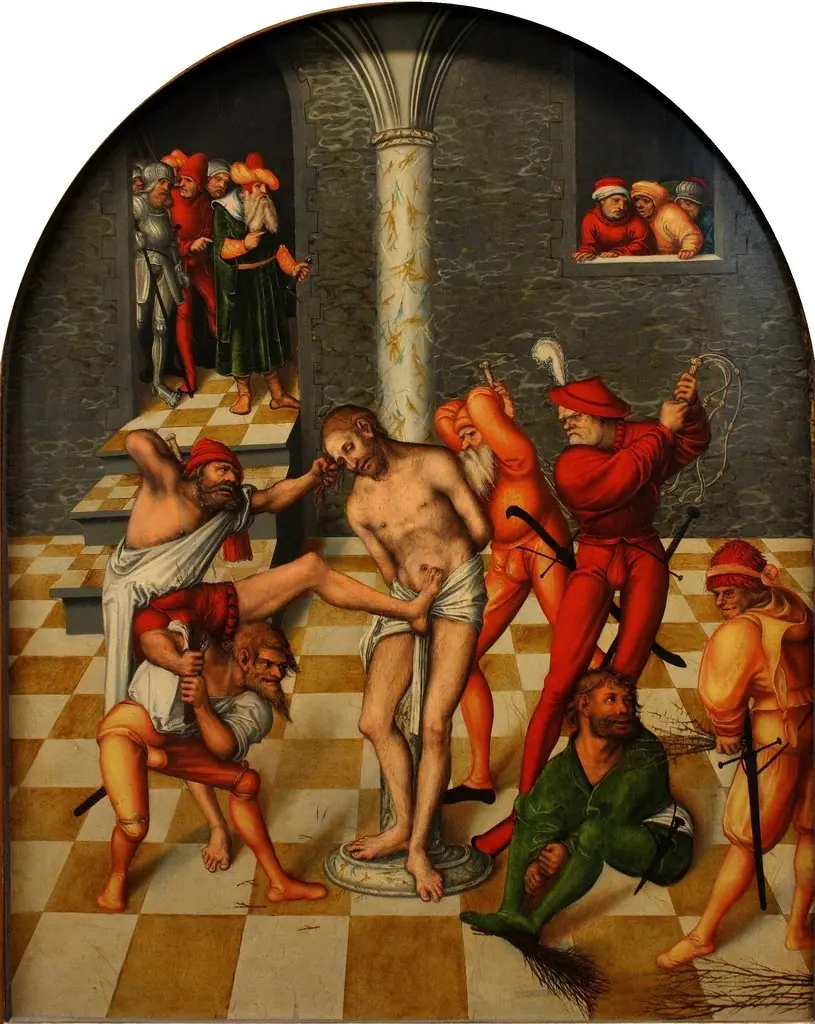
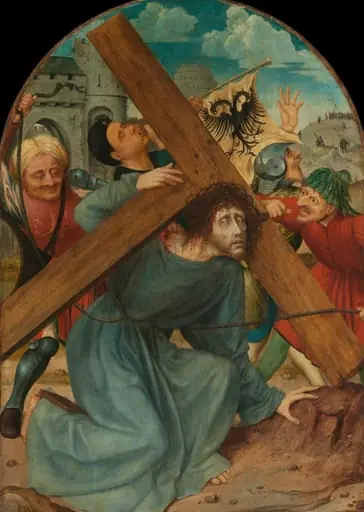
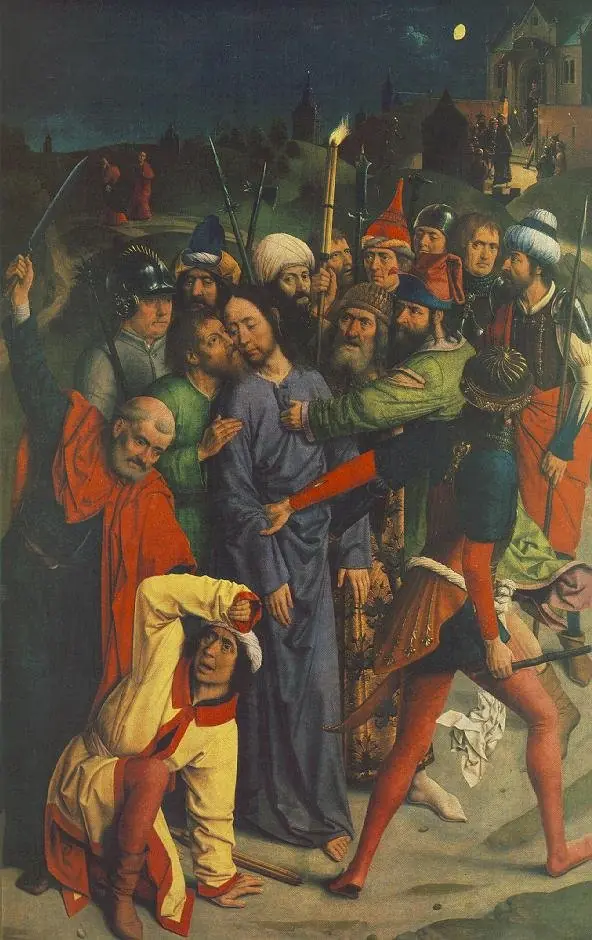
This oil painting portrays the moment of Christ’s humiliation following his condemnation, as described in the Gospels. A solitary figure, bound and crowned with thorns, stands at the center, surrounded by a group of onlookers engaged in derision. The composition is tightly focused, with no expansive landscape or architectural depth, emphasizing the intimacy and intensity of the abuse. The use of oil paint allows for nuanced rendering of textures and expressions, characteristic of early Northern European religious art.
Subject & Meaning
The scene illustrates the biblical account of Christ being mocked by Roman soldiers and bystanders, who dress him in a robe, place a crown of thorns on his head, and taunt him as a false king. The gestures and postures of the figures convey cruelty and mockery, while Christ’s quiet resignation underscores his acceptance of suffering. The painting functions as a devotional image, inviting contemplation of sacrifice and human cruelty in the face of divine innocence.
Technique & Style
The artist employs oil paint with meticulous attention to detail, particularly in the folds of fabric, the texture of the crown of thorns, and the varied expressions of the tormentors. Facial features are rendered with psychological realism, capturing scorn, indifference, and malice. The color palette is restrained, with the figures’ garments offering vivid contrasts against the muted tones of Christ’s robe and the gold background, which may symbolize divine presence amid human degradation.
History & Provenance
The painting’s origin is not definitively documented, but its style aligns with Northern Renaissance workshops active in the Low Countries or Rhineland during the late 15th or early 16th century. Similar compositions appear in the oeuvres of artists such as Matthias Grünewald or the Master of the Life of the Virgin. Its survival suggests it was likely commissioned for private devotion, possibly within a monastic or affluent lay context, though its early ownership remains untraced.
Context
During the late Middle Ages and early Renaissance, depictions of Christ’s Passion were common in Northern Europe, serving both liturgical and personal devotional purposes. Artists increasingly emphasized emotional realism and psychological depth, moving away from stylized Byzantine conventions. This work reflects a broader trend toward humanizing sacred narratives, making them more immediate and morally resonant for viewers seeking spiritual reflection.
Legacy
Though not attributed to a major named master, the painting contributes to the broader tradition of Northern Renaissance religious imagery that prioritized emotional authenticity and technical precision. Its preservation offers insight into the visual language of private piety during a period of religious upheaval. It stands as an example of how modestly scaled devotional works sustained spiritual discourse outside the grand altarpieces of cathedrals.
Artist & collection

 Domestic Scene
 Giacomo and Cardinal Marco, investing Andrea, Abbot of San Zeno, with his Benefice
 The Nymph of Fontainebleau
 Portrait of a Woman
 Madonna and Child with Saints in the Enclosed Garden
 Venus and Minerva
 Family Group of Four on Sofa
 Wall painting from Room H of the Villa of P. Fannius Synistor at Boscoreale