Artwork
Hl. Veronika
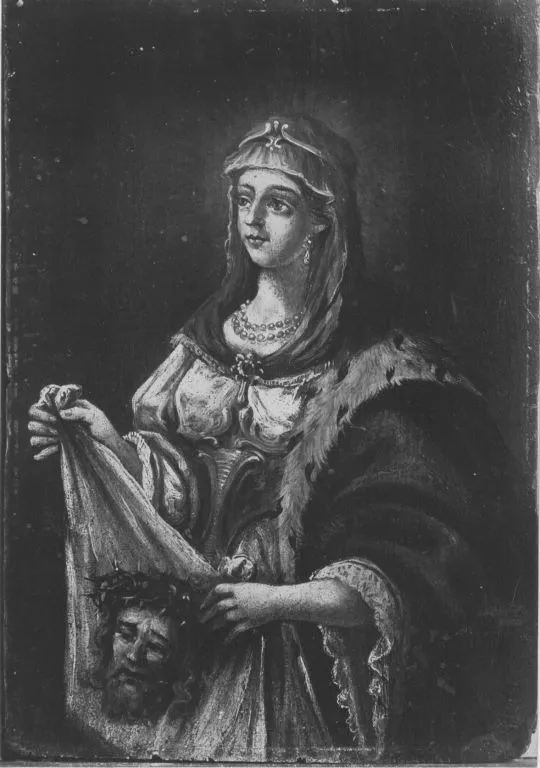
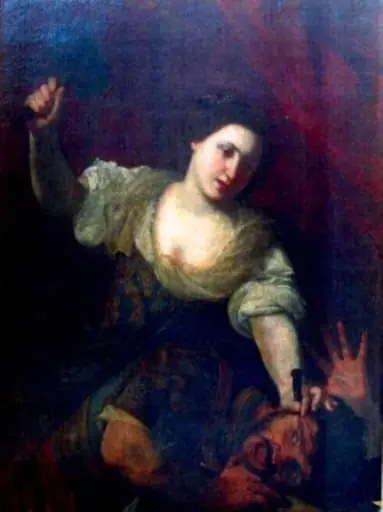
Hl. Veronika is an unspecified painting by the Flemish Baroque painting artist Unknown. It dates from 1690 and is held in the collection of the Bavarian State Painting Collections. This oil painting depicts Saint Veronica, a figure from Christian tradition associated with the Passion of Christ.
About this work
Overview
This oil painting depicts Saint Veronica, a figure from Christian tradition associated with the Passion of Christ. She is shown holding a cloth imprinted with the face of Jesus, though here it is rendered as a severed head. The composition isolates her against a deep, shadowed background, emphasizing her solemn presence and the starkness of the relic she bears.
Subject & Meaning
Veronica is traditionally linked to the moment she wiped Christ’s face on the way to Calvary, leaving his image on her veil. In this depiction, the severed head may symbolize the violence of the crucifixion or the physical reality of Christ’s suffering. Her crown and jewelry suggest divine favor, while her averted gaze conveys quiet contemplation rather than overt emotion.
Technique & Style
The artist uses chiaroscuro to heighten the contrast between the illuminated figure and the dark background. The light-colored dress and metallic adornments catch the light, drawing attention to Veronica’s form and the cloth she holds. The rendering of the head is restrained, avoiding graphic detail, focusing instead on the spiritual weight of the moment.
History & Provenance
The painting resides in the Alte Pinakothek in Munich, a collection known for its holdings of European Old Master works. Its origins are not fully documented, but stylistic elements suggest it was created in the late medieval or early Renaissance period, likely in a German-speaking region where devotion to Veronica was widespread.
Context
Devotion to Saint Veronica flourished in Northern Europe during the late Middle Ages, particularly in connection with the Stations of the Cross. Images of her holding the Veil of Veronica were common in altarpieces and private devotional objects, serving as aids for meditation on Christ’s suffering and the power of faith.
Legacy
This work contributes to a broader visual tradition that transformed a pious legend into a tangible object of reverence. While later depictions often showed the full face on the cloth, this version’s emphasis on the severed head reflects a more somber, visceral interpretation of the Passion, aligning with devotional practices that prioritized emotional engagement over idealization.
Artist & collection

 Domestic Scene
 Giacomo and Cardinal Marco, investing Andrea, Abbot of San Zeno, with his Benefice
 The Nymph of Fontainebleau
 Portrait of a Woman
 Madonna and Child with Saints in the Enclosed Garden
 Venus and Minerva
 Family Group of Four on Sofa
 Wall painting from Room H of the Villa of P. Fannius Synistor at Boscoreale
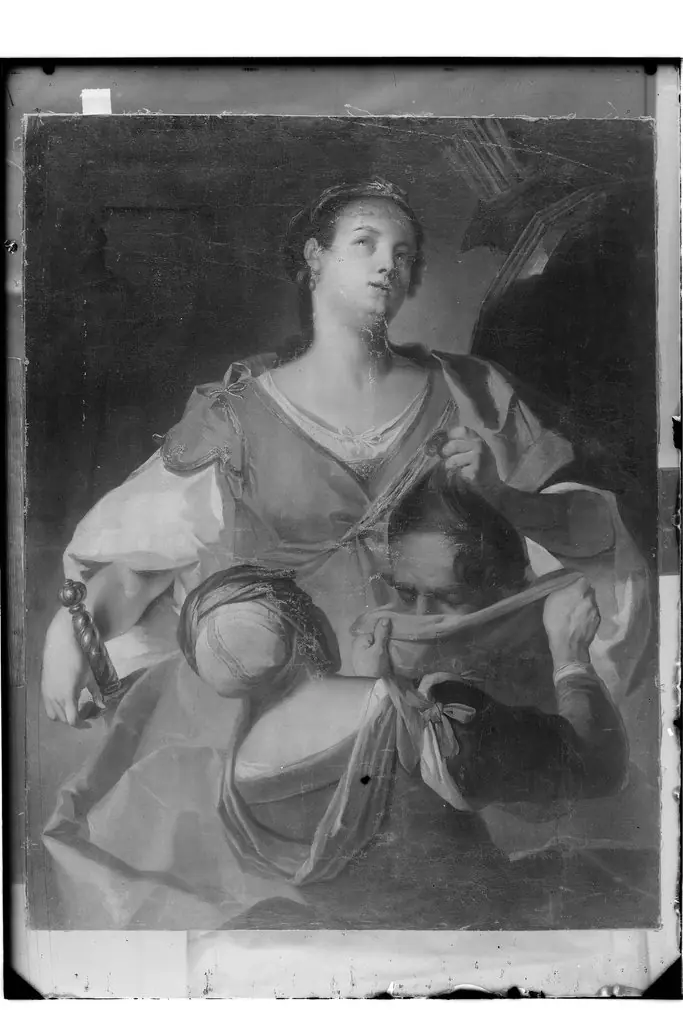 Judith with the head of Holofernes
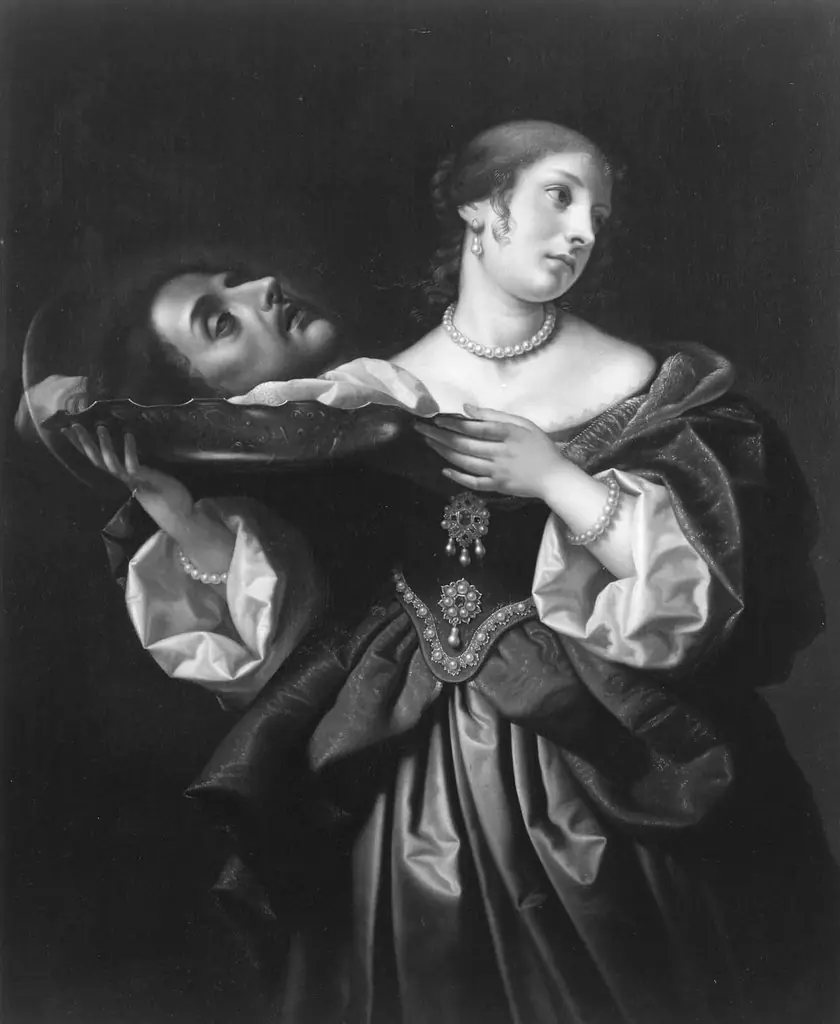 Salome with the Head of Saint John the Baptist
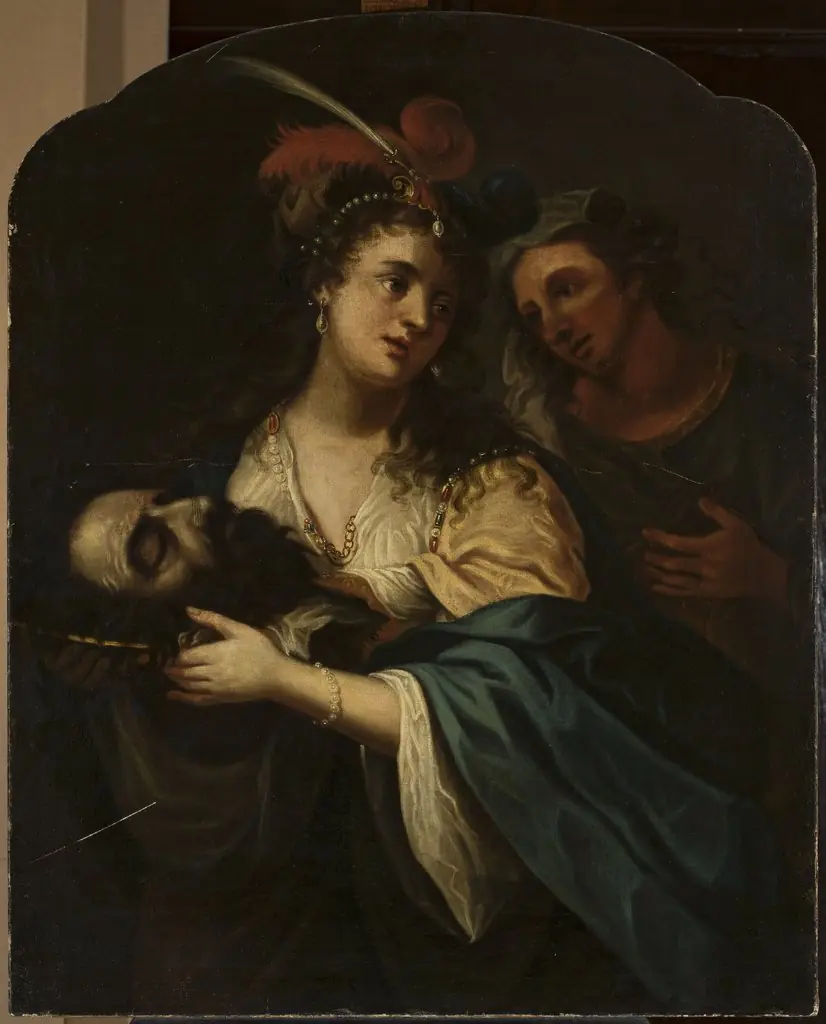 Salome with the head of St. John the Baptist
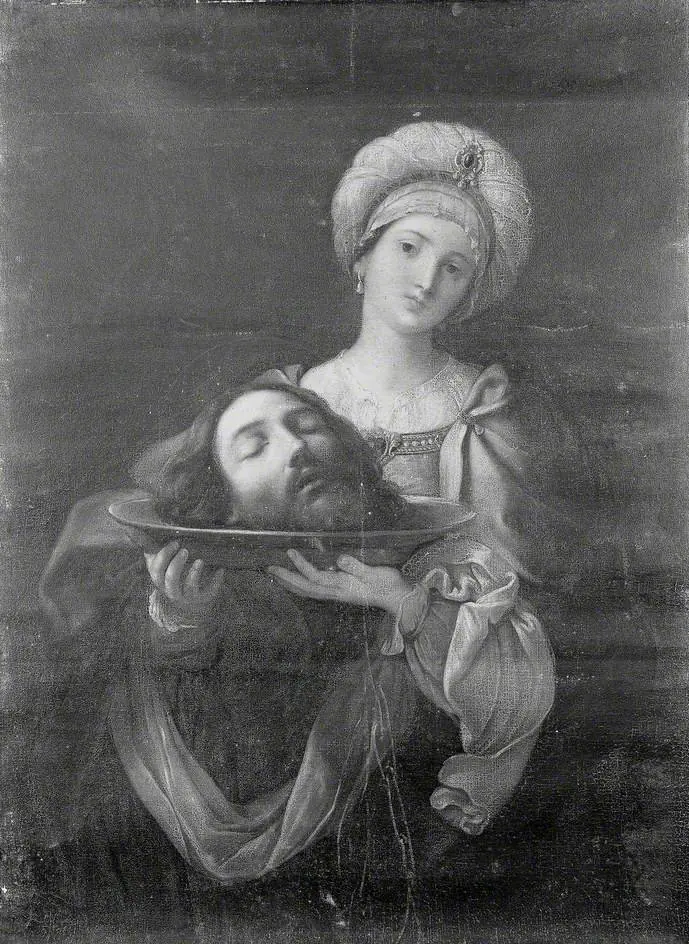 Salome with the Head of St John the Baptist
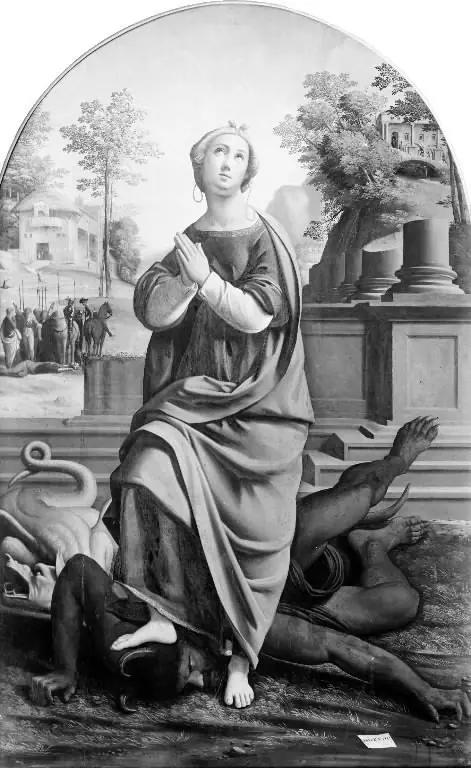 St Margaret
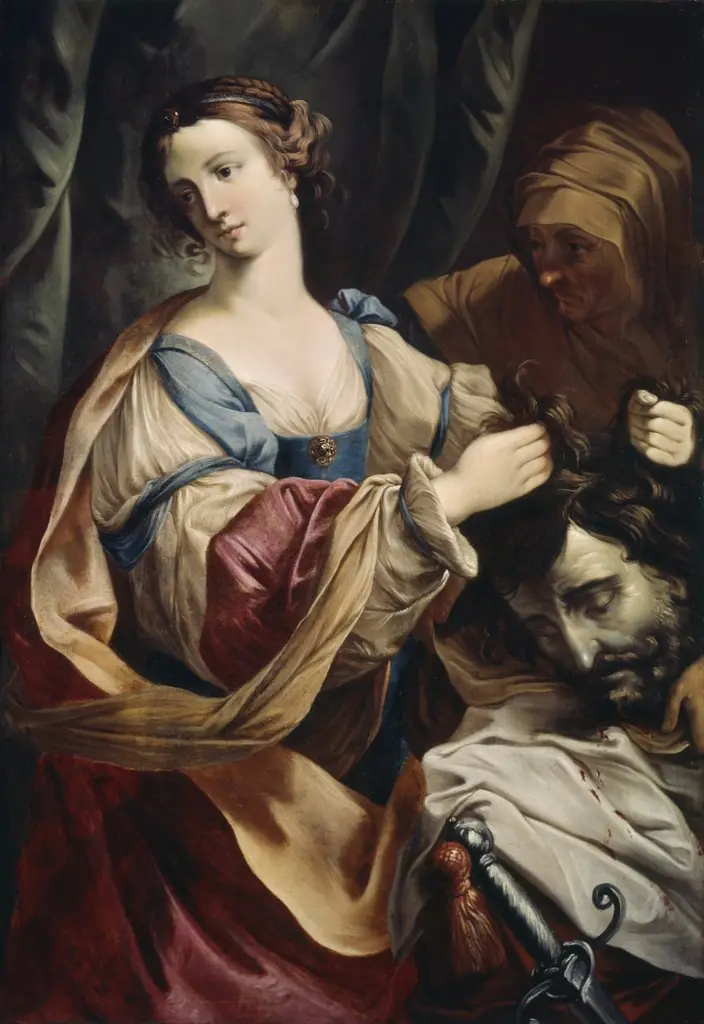 Judith with the Head of Holofernes
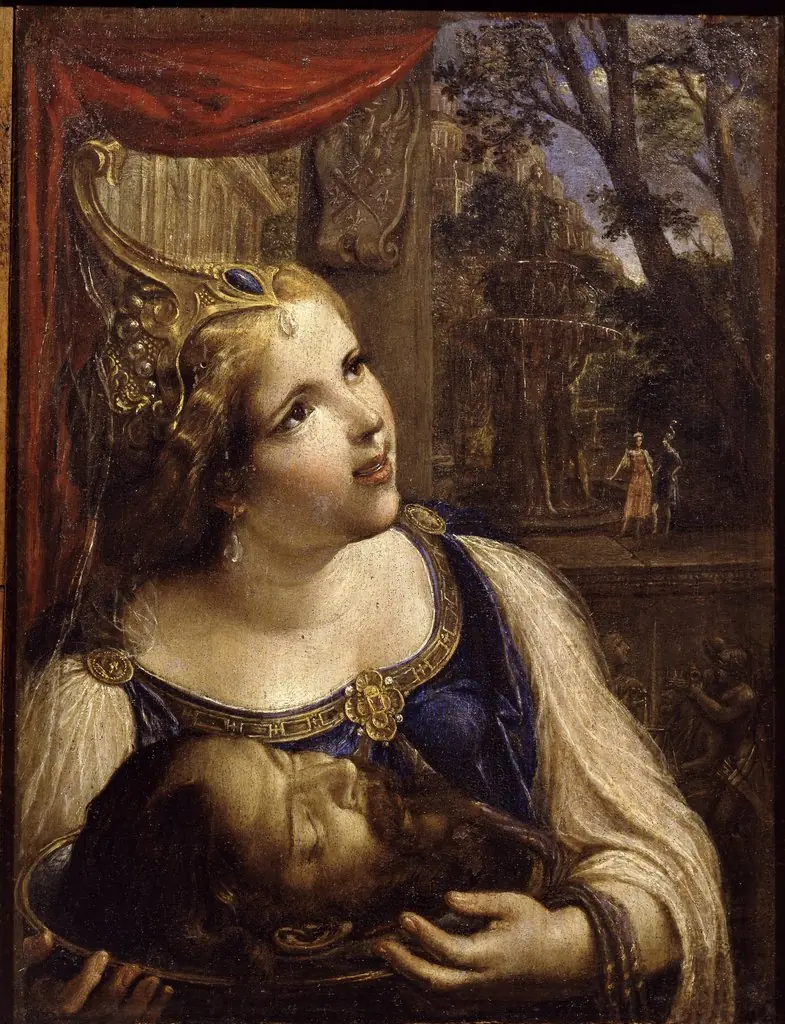 Salome with the head of St John the Baptist
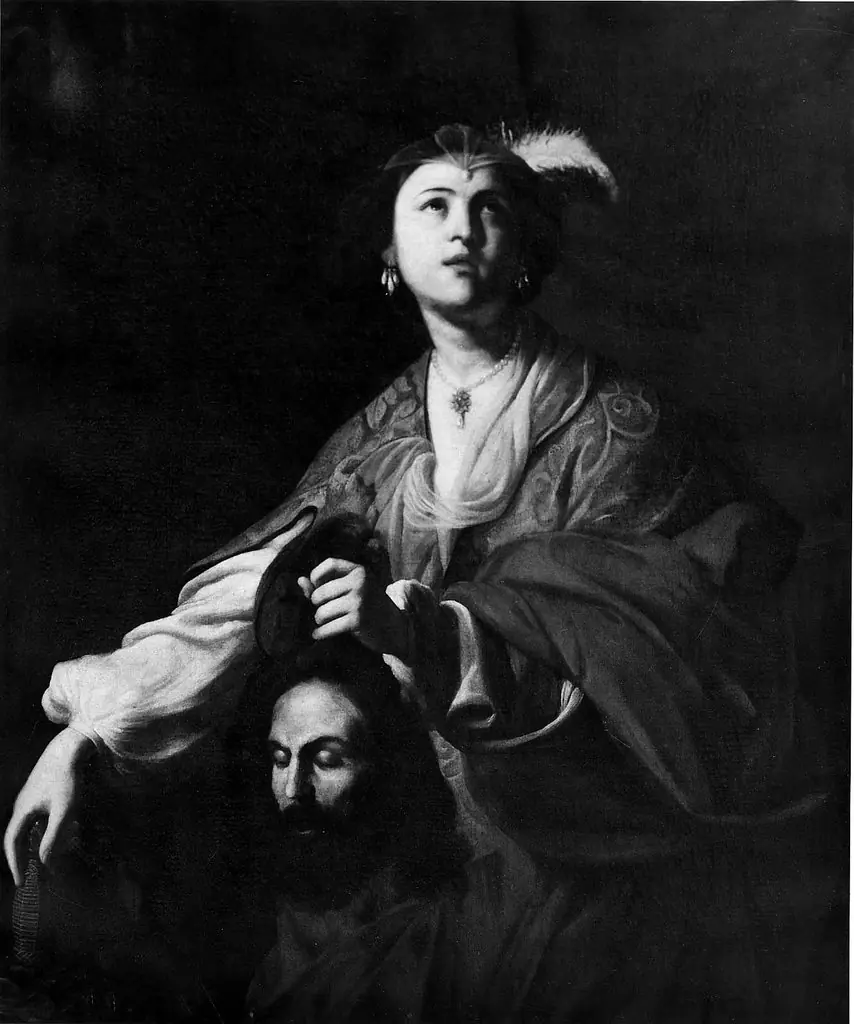 Judith with the Head of Holofernes
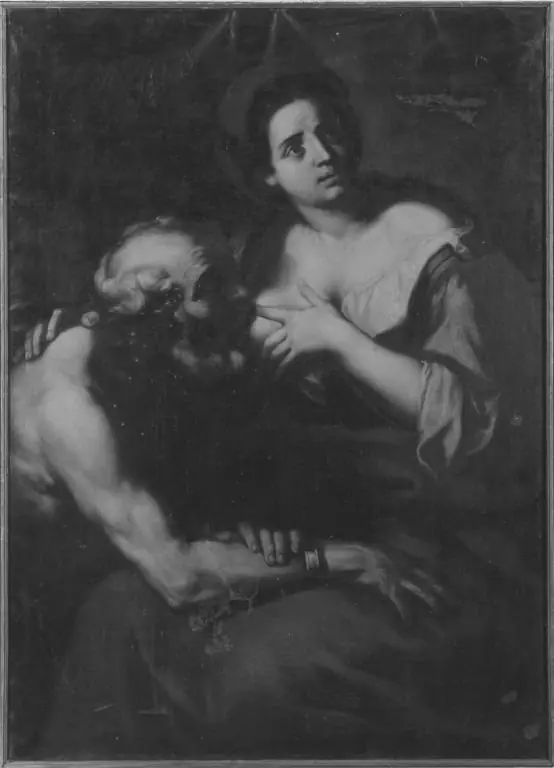 Cimon und Pera
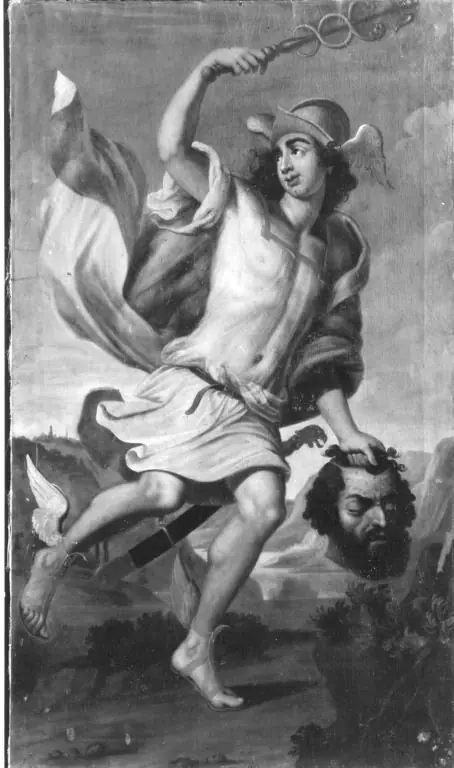 Mercury, God of Commerce and Messenger of the Gods
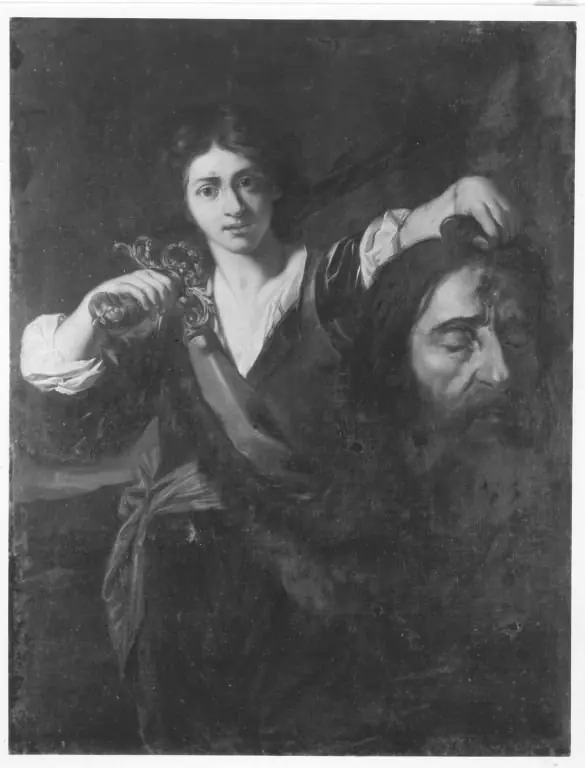 David mit dem Haupt des Goliath (?)
 Jahel omorând pe Sisara