Artwork
Mercury, God of Commerce and Messenger of the Gods
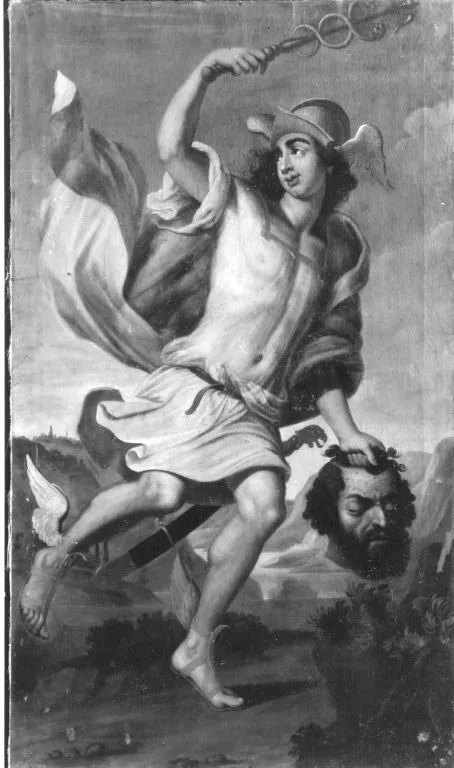
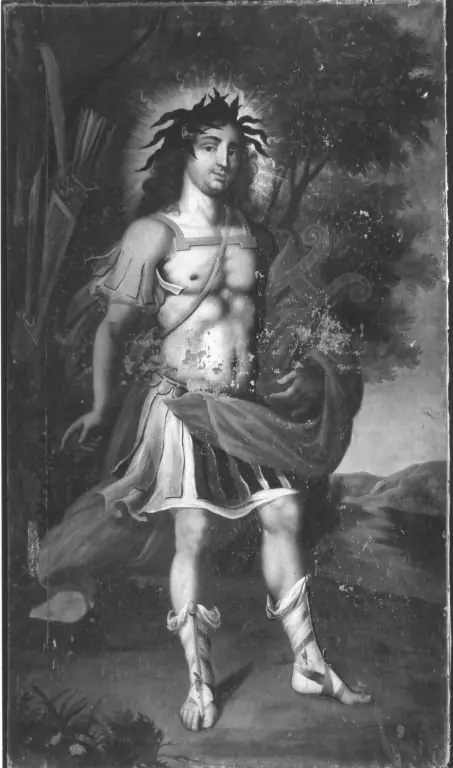
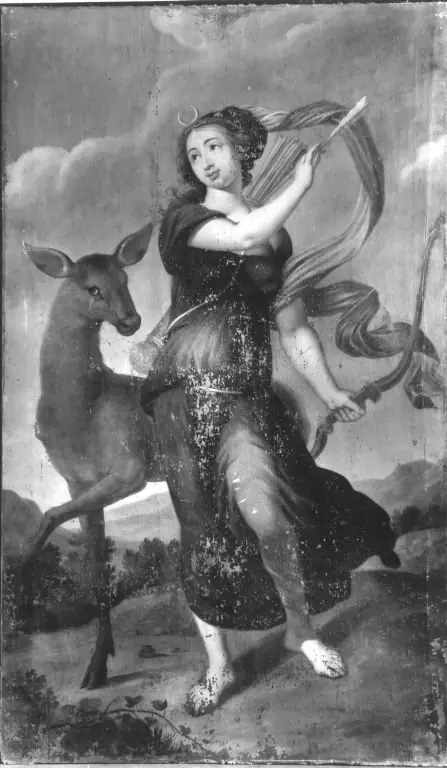
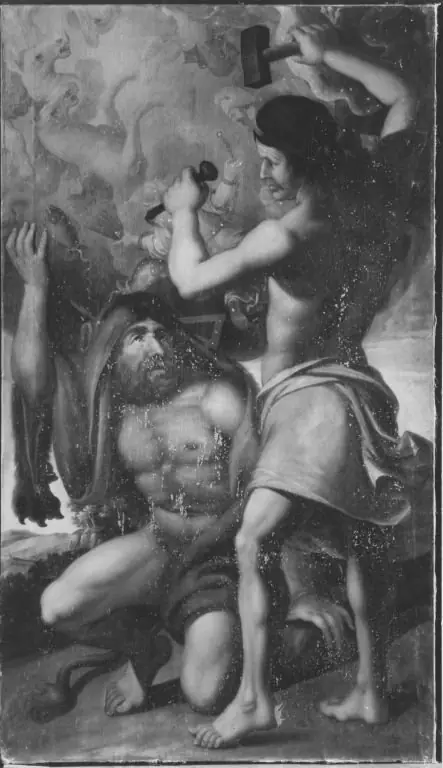
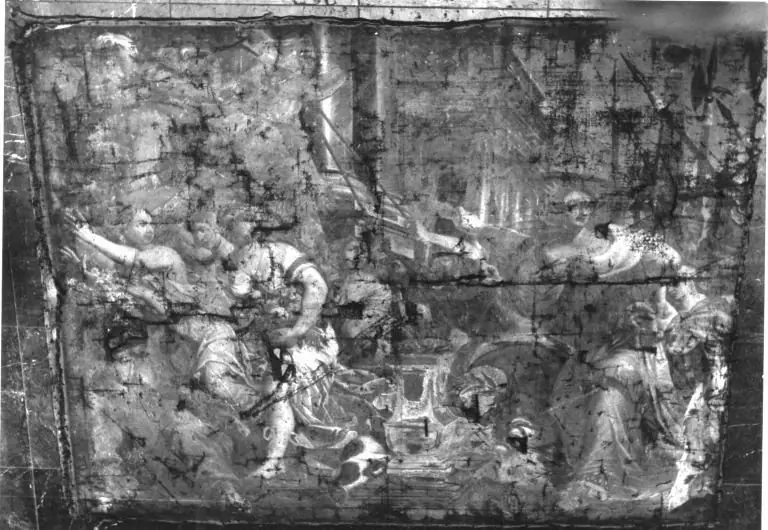
Mercury, God of Commerce and Messenger of the Gods is an oil painting by the Dutch Golden Age artist Jacob Potma. It dates from 1647 and is held in the collection of the Bavarian State Painting Collections.
About this work
Overview
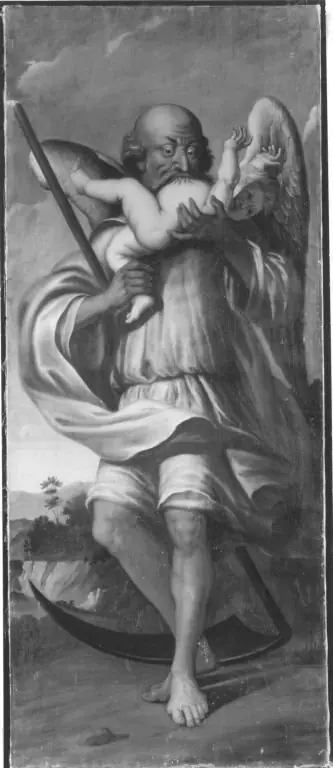
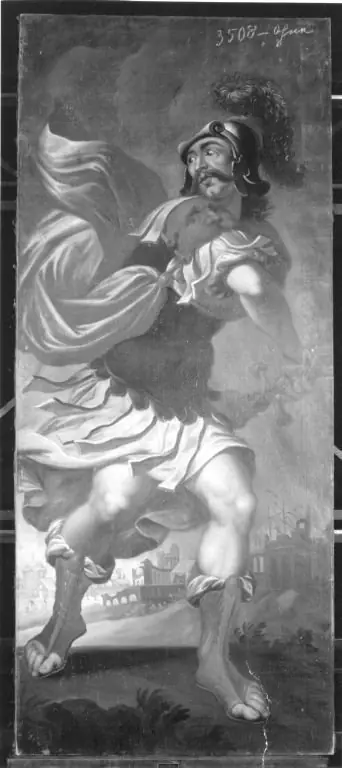
Painted in 1647 by Dutch artist Jacob Potma, this oil work portrays Mercury, the Roman deity associated with communication, travel, and commerce. The figure is shown in motion, suspended against a hazy sky, with a dramatic pose suggesting swift movement. The painting resides in the Alte Pinakothek in Munich, where it stands as one of the few known large-scale works by the artist.
Subject & Meaning
The key signifies his role as a guide between realms—earth and underworld, mortal and divine—while his winged attire emphasizes speed and divine authority.
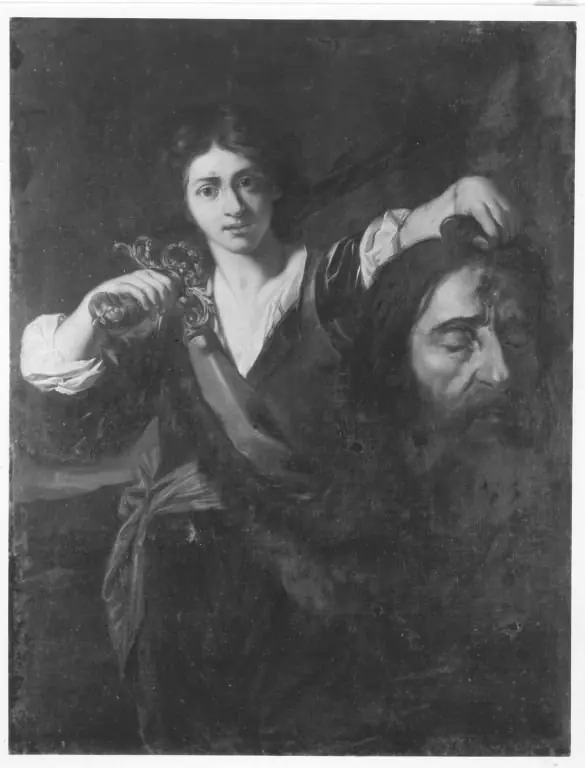
Mercury is depicted holding a severed head in his left hand and a key in his right, symbols that may reference mythological narratives of cunning and transition. The head could allude to the slaying of Argus, the many-eyed guardian, a key episode in Mercury’s myth. The key signifies his role as a guide between realms—earth and underworld, mortal and divine—while his winged attire emphasizes speed and divine authority.
Technique & Style
Potma employs chiaroscuro to heighten the figure’s three-dimensionality, with strong contrasts between light and shadow defining the musculature and drapery. The flowing cape and twisted posture convey kinetic energy, while the muted landscape recedes into atmospheric perspective. Colors are rich but restrained, focusing attention on the central figure’s dynamic form and the unsettling presence of the severed head.
History & Provenance
The painting was completed in 1647 and entered the collection of the Alte Pinakothek in the 19th century, likely through the Bavarian royal acquisitions. Little is documented about its early ownership, but its presence in Munich suggests it was valued by collectors interested in Northern European mythological subjects from the mid-17th century.
Context
Created during the Dutch Golden Age, the painting reflects a broader European fascination with classical mythology, even as Protestant regions often avoided overt religious imagery. Potma’s choice of Mercury aligns with secular humanist interests, where mythological figures served as vehicles for exploring human traits like wit, speed, and transition—themes resonant in a mercantile society.
Legacy
Though Jacob Potma is not widely known today, this work remains a rare example of his output and offers insight into how Dutch artists interpreted classical themes outside the dominant genres of portraiture or landscape. Its preservation in a major European museum underscores its historical significance as a distinctive, if unconventional, mythological painting of its era.
Artist & collection