Artwork
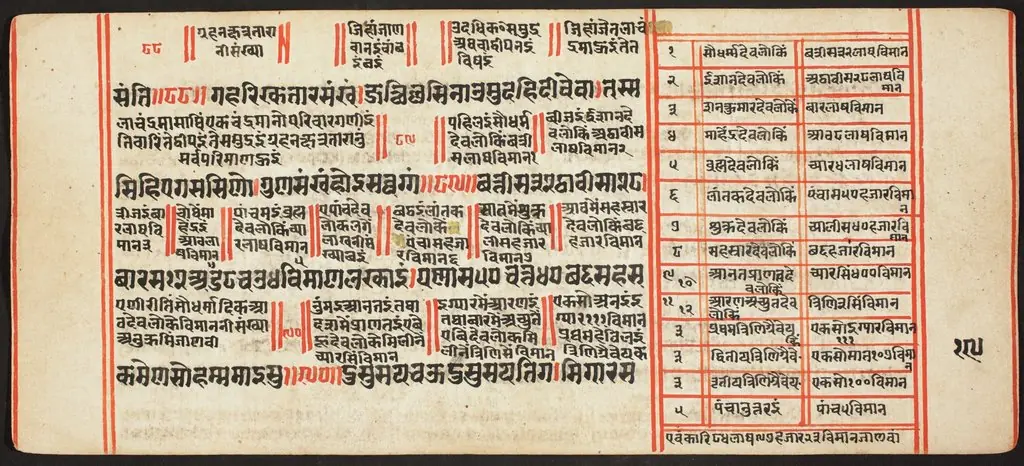
Tantric Manuscript, "Sangrahani Sutra"
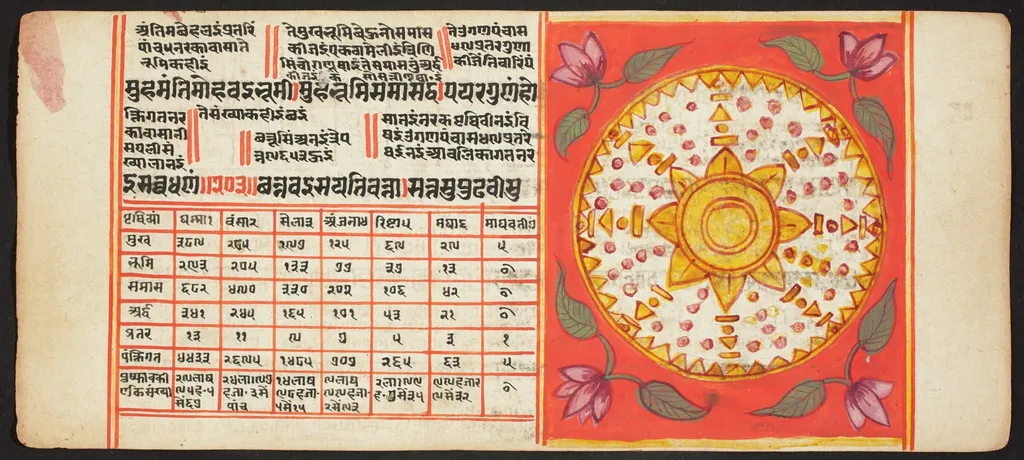
Tantric Manuscript, "Sangrahani Sutra" is an unspecified painting by Unknown. It is held in the collection of the Detroit Institute of Arts.
About this work
Overview
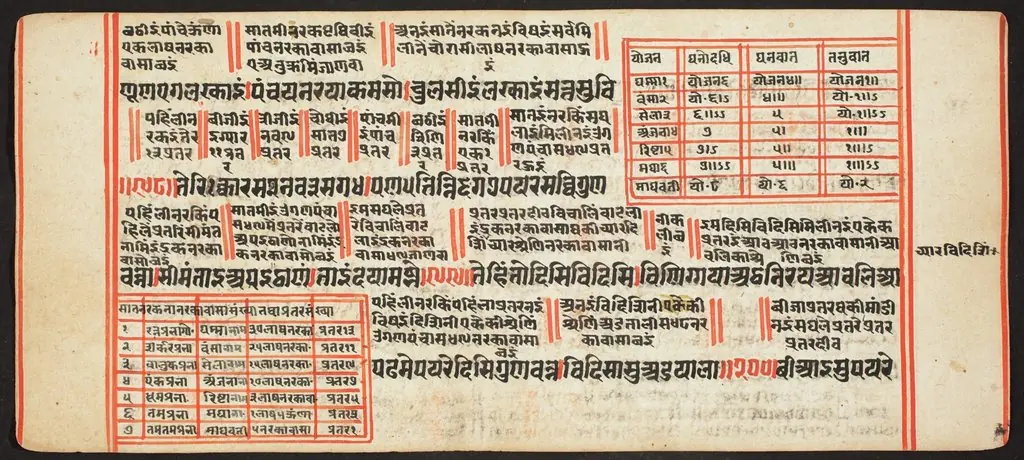
A painted manuscript leaf from the Sangrahani Sutra, produced in medieval India, exemplifies the integration of textual devotion and visual symbolism in tantric Buddhist practice. Created on palm leaf or paper, it served as a ritual object rather than a decorative piece, intended for meditative contemplation and esoteric instruction within monastic circles.
Subject & Meaning
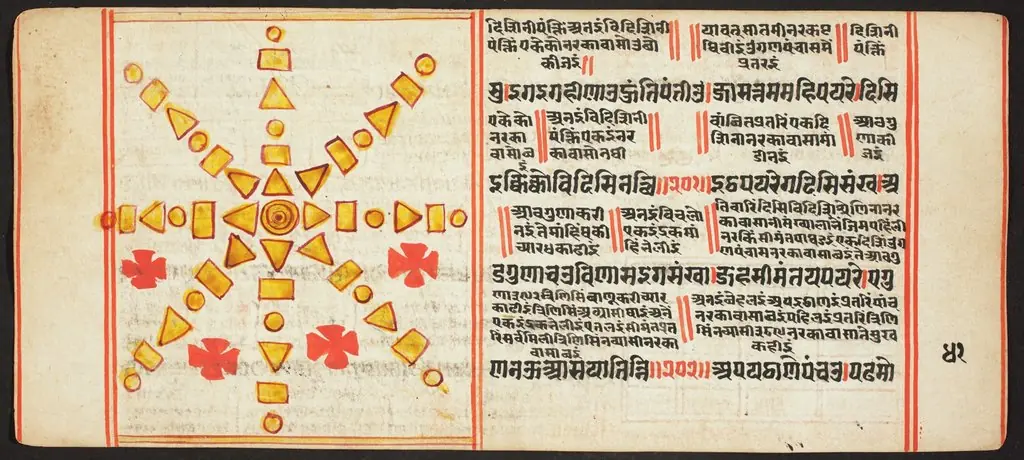
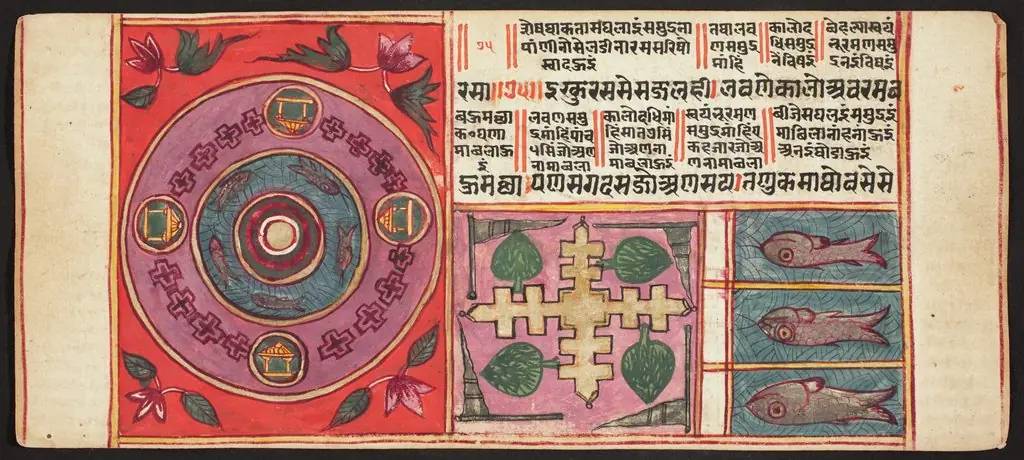
The imagery depicts deities and mandalas associated with the Sangrahani Sutra’s teachings, emphasizing protective and transformative energies. Figures are arranged in precise geometric patterns, reflecting tantric cosmology and the path to enlightenment through visualization. Each element corresponds to a spiritual principle, guiding the practitioner through symbolic stages of inner awakening.
Technique & Style
The painting employs mineral pigments and fine brushwork, with outlines rendered in ink and colors applied in flat, unmodulated planes. Composition is highly symmetrical, adhering to iconographic conventions passed down through lineages. Gold leaf may be used sparingly to denote sacredness, while the absence of perspective reinforces the transcendent, non-physical nature of the depicted realms.
History & Provenance
This manuscript leaf likely originated in eastern India or Nepal during the late medieval period, a time when tantric Buddhism flourished in monastic centers. It was probably copied and illuminated by trained scribes within a temple or monastery, preserved through generations before entering private or institutional collections in the modern era.
Context
Produced during a period when tantric traditions were gaining institutional support, such manuscripts were used in ritual settings alongside chanting and meditation. They reflect a synthesis of Indian Buddhist thought with local esoteric practices, serving as both sacred texts and visual aids for advanced practitioners seeking direct experiential insight.
Legacy
Surviving fragments like this one offer insight into the material culture of tantric Buddhism, a tradition often underrepresented in mainstream art histories. Their preservation allows scholars to trace the transmission of iconographic systems across regions and centuries, highlighting the continuity of ritual practice beyond textual scholarship.
Artist & collection

 Domestic Scene
 Giacomo and Cardinal Marco, investing Andrea, Abbot of San Zeno, with his Benefice
 The Nymph of Fontainebleau
 Portrait of a Woman
 Madonna and Child with Saints in the Enclosed Garden
 Venus and Minerva
 Family Group of Four on Sofa
 Wall painting from Room H of the Villa of P. Fannius Synistor at Boscoreale
 Tantric Manuscript, "Sangrahani Sutra"
 Tantric Manuscript, "Sangrahani Sutra"
 Tantric Manuscript, "Sangrahani Sutra"
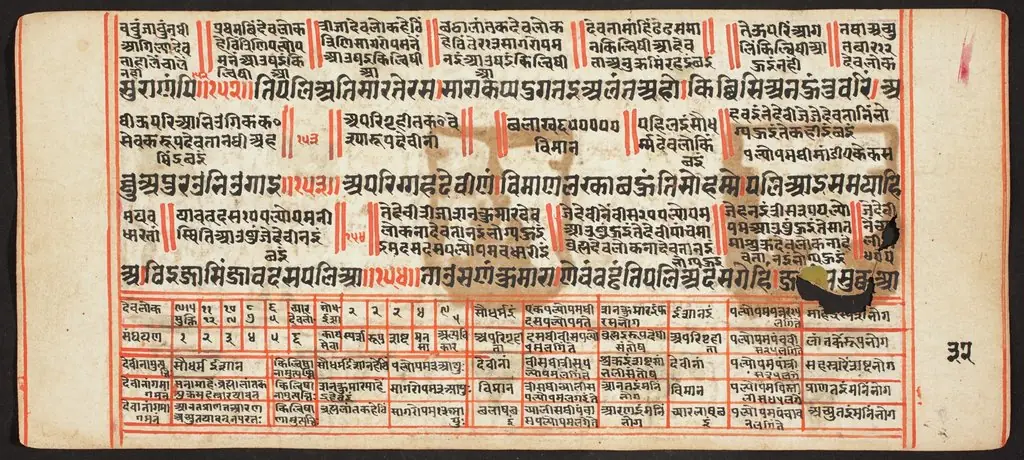 Tantric Manuscript, "Sangrahani Sutra"
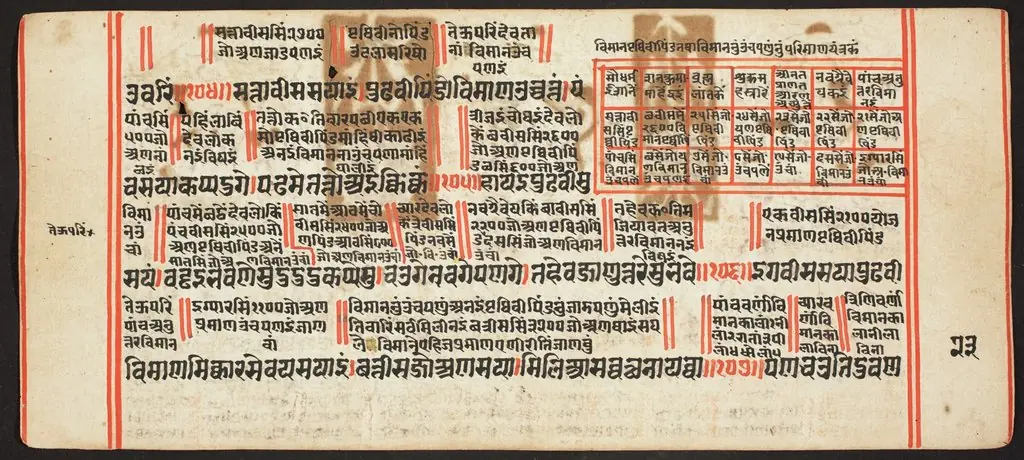 Tantric Manuscript, "Sangrahani Sutra"
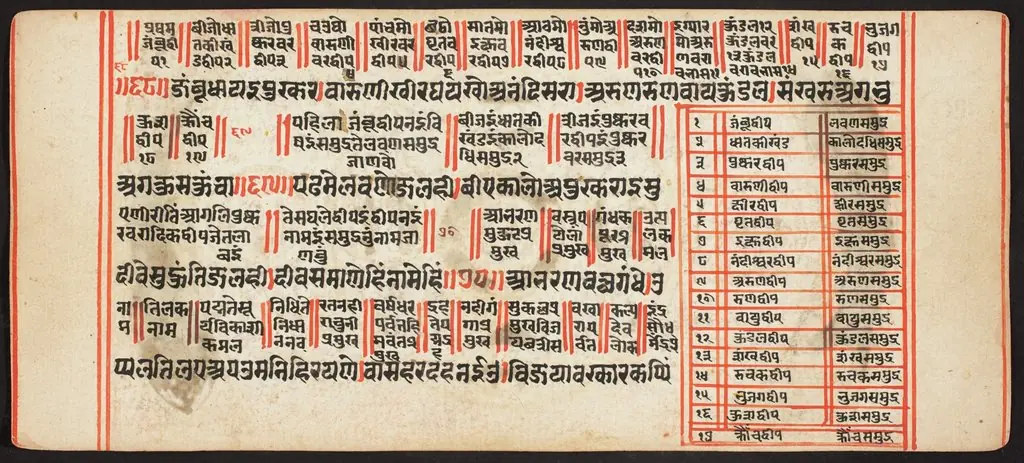 Tantric Manuscript, "Sangrahani Sutra"
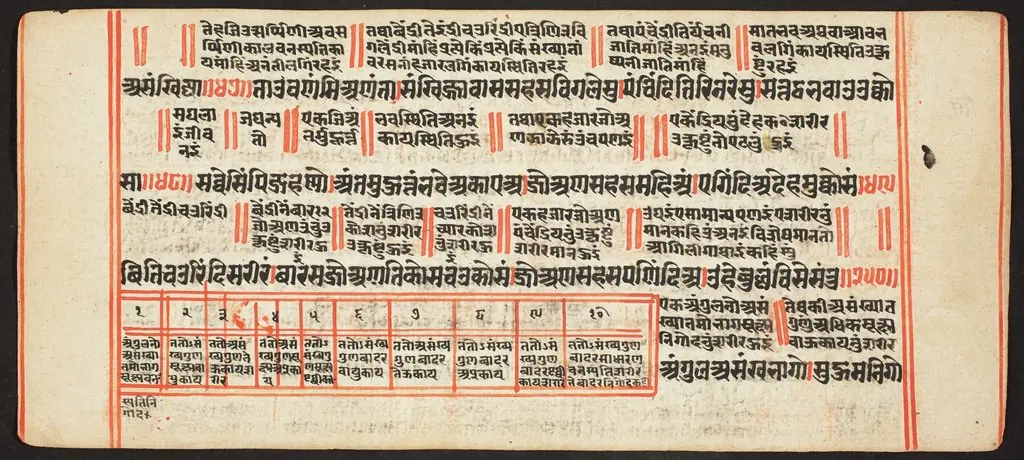 Tantric Manuscript, "Sangrahani Sutra"
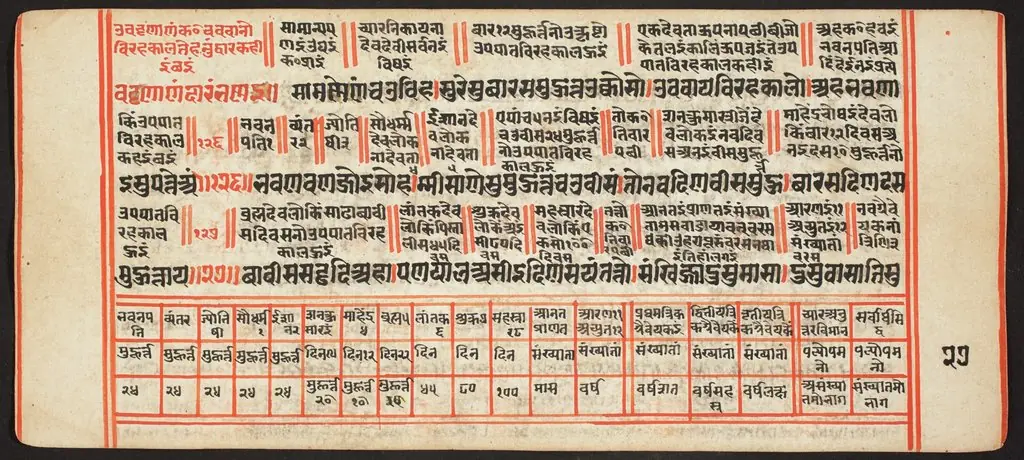 Tantric Manuscript, "Sangrahani Sutra"
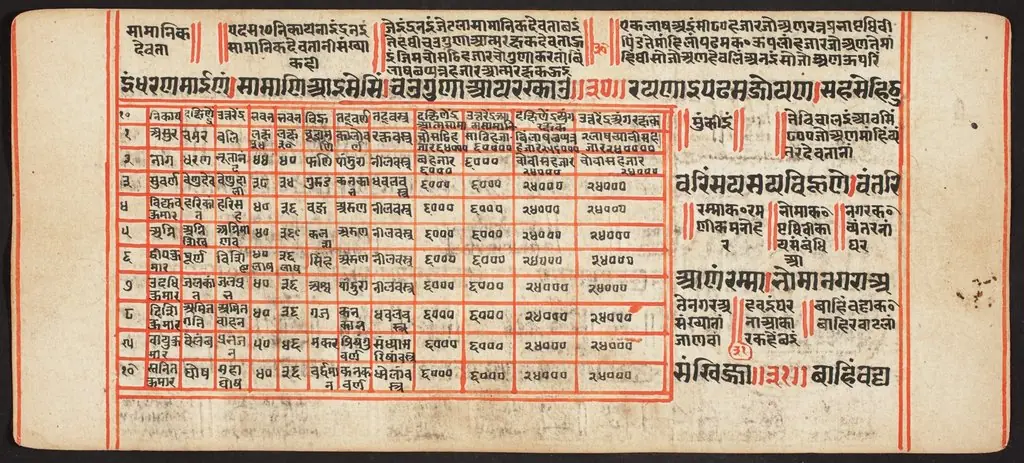 Tantric Manuscript, "Sangrahani Sutra"
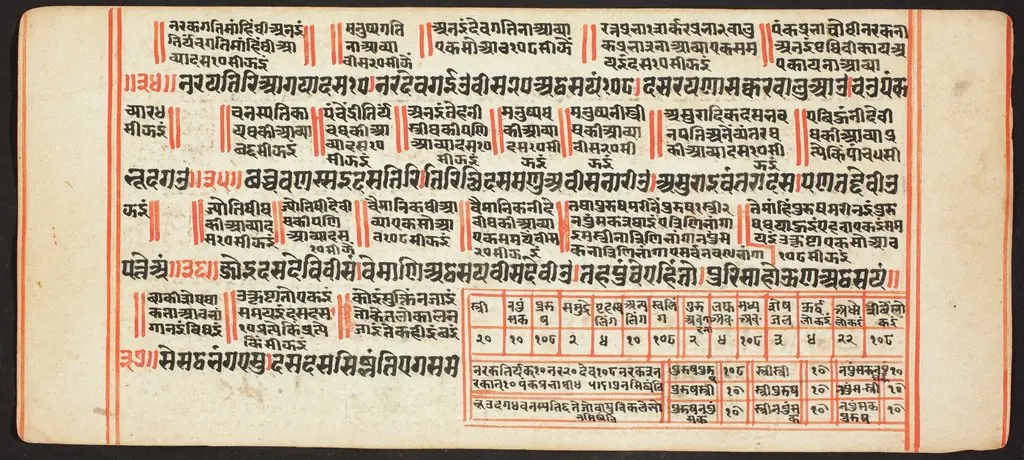 Tantric Manuscript, "Sangrahani Sutra"
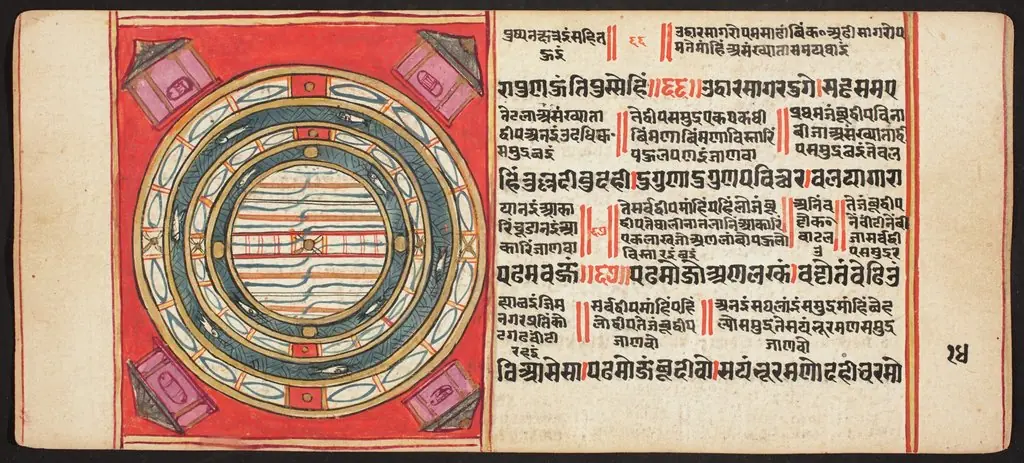 Tantric Manuscript, "Sangrahani Sutra"
 Tantric Manuscript, "Sangrahani Sutra"