Artwork
Profeta Isaías
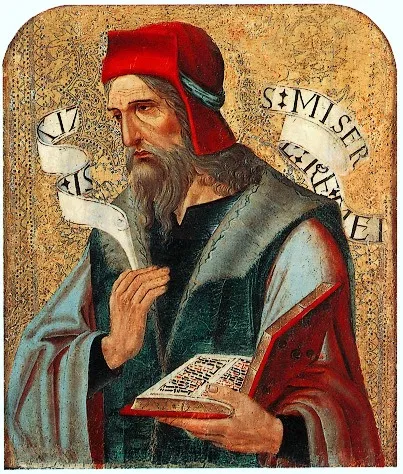
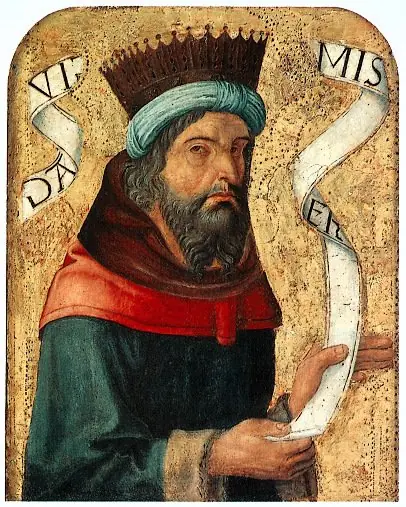
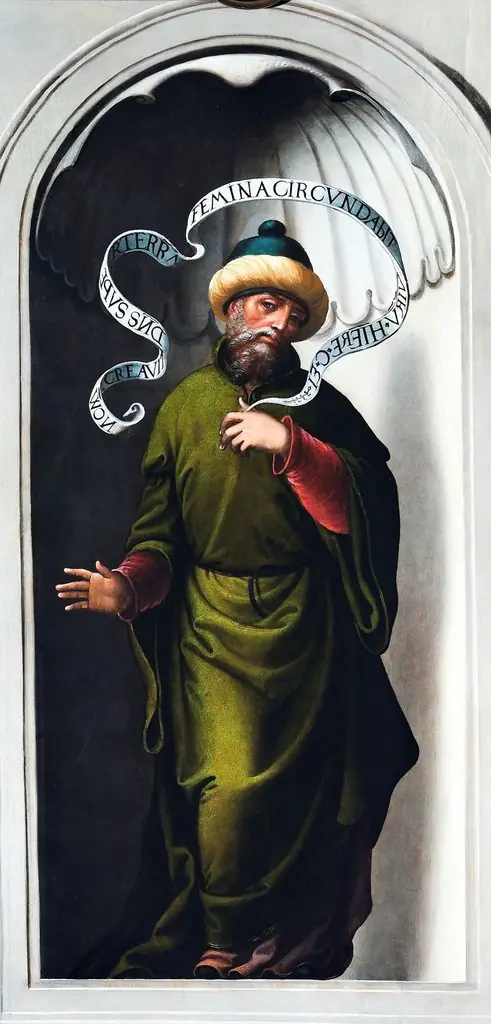
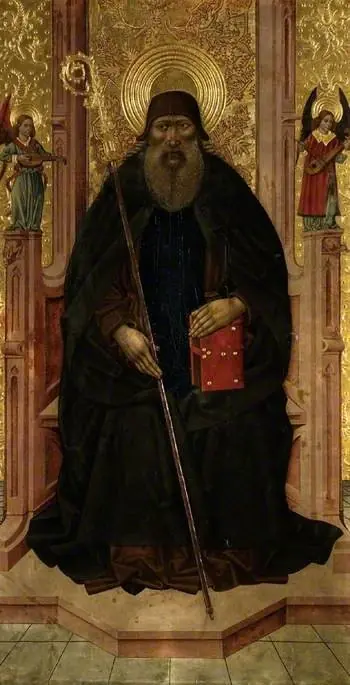
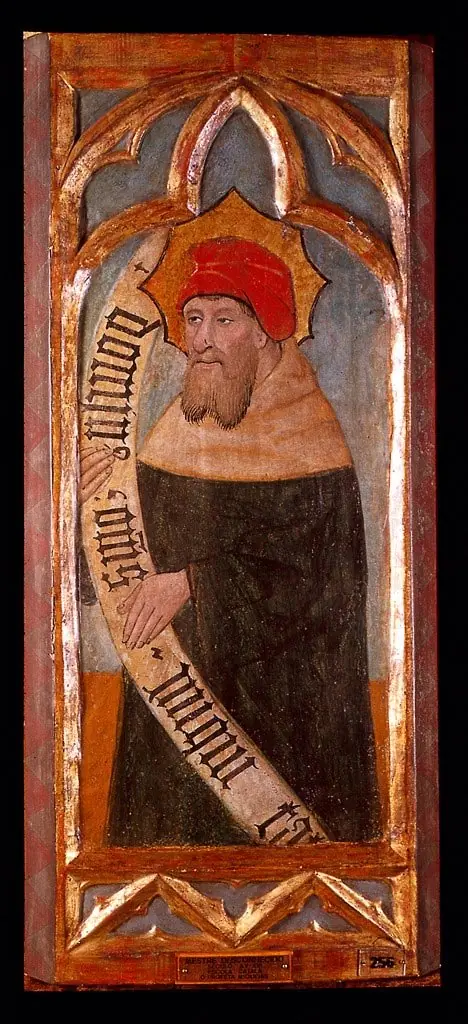
Profeta Isaías is a tempera painting by the Early Renaissance artist Unknown. It dates from 1500 and is held in the collection of the National Museum of Ancient Art. This tempera painting portrays a bearded male figure in richly colored garments, positioned centrally against a golden background.
About this work
Overview
This tempera painting portrays a bearded male figure in richly colored garments, positioned centrally against a golden background.
This tempera painting portrays a bearded male figure in richly colored garments, positioned centrally against a golden background. His posture and gesture suggest contemplation or recitation, aligning with traditional depictions of prophetic figures. The work’s formal simplicity and symbolic elements point to a devotional or liturgical purpose, likely created within a religious context during the late medieval or early Renaissance period.
Subject & Meaning
The figure is commonly interpreted as the Prophet Isaiah, identifiable by his attire and the book he holds, a conventional attribute in Christian iconography. His raised hand near the chest implies either prayer or the act of quoting sacred text. The book symbolizes divine revelation, reinforcing his role as a messenger of God’s word. The absence of narrative detail focuses attention on his spiritual presence rather than a specific event.
Technique & Style
Executed in tempera on a rigid support, the painting employs flat, opaque pigments with minimal shading, characteristic of pre-Renaissance methods. The gold background, subtly textured with incised lines, enhances luminosity and spiritual atmosphere. Drapery is rendered with stylized folds, emphasizing form over naturalism. The figure’s facial features are simplified, prioritizing symbolic presence over individualized portraiture.
History & Provenance
The painting’s origin is undocumented, but its materials and style suggest production in a monastic or ecclesiastical workshop in Italy or southern Europe between the 13th and 15th centuries. It likely served as part of a larger altarpiece or devotional panel. No early records of ownership are known, and its modern provenance begins in the 20th century with private collections before institutional acquisition.
Context
Created during a period when biblical figures were routinely depicted in liturgical art, this work reflects the enduring influence of Byzantine traditions in Western Europe. Prophets like Isaiah were frequently included in church decorations to prefigure Christ’s coming. The use of tempera and gold leaf was standard for sacred images, underscoring their role as objects of veneration rather than mere decoration.
Legacy
Though not attributed to a known master, the painting contributes to the broader understanding of devotional art in the late medieval period. Its preservation offers insight into regional iconographic practices and the continuity of symbolic language in religious imagery. It remains a quiet example of how spiritual authority was visually sustained through standardized forms before the rise of naturalistic representation.
Artist & collection

 Domestic Scene
 Giacomo and Cardinal Marco, investing Andrea, Abbot of San Zeno, with his Benefice
 The Nymph of Fontainebleau
 Portrait of a Woman
 Madonna and Child with Saints in the Enclosed Garden
 Venus and Minerva
 Family Group of Four on Sofa
 Wall painting from Room H of the Villa of P. Fannius Synistor at Boscoreale