Artwork
Tantric Manuscript "Sangrahani Sutra"
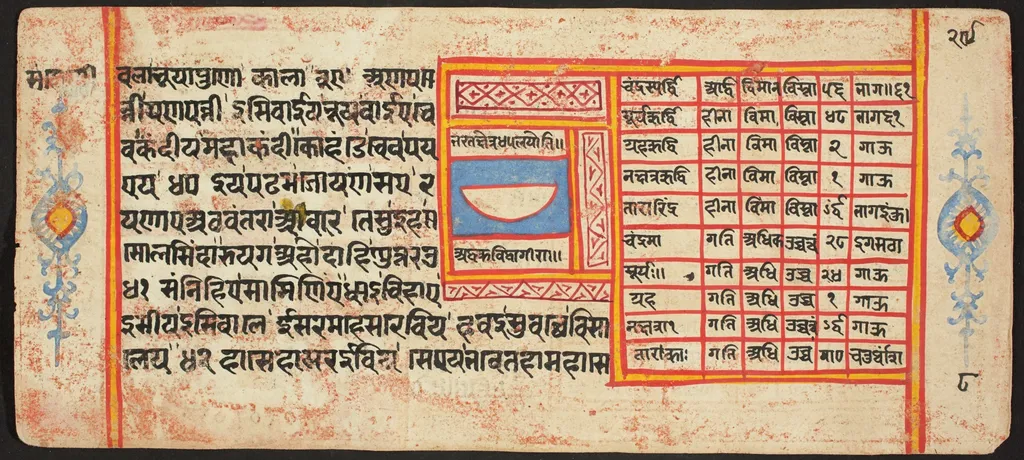
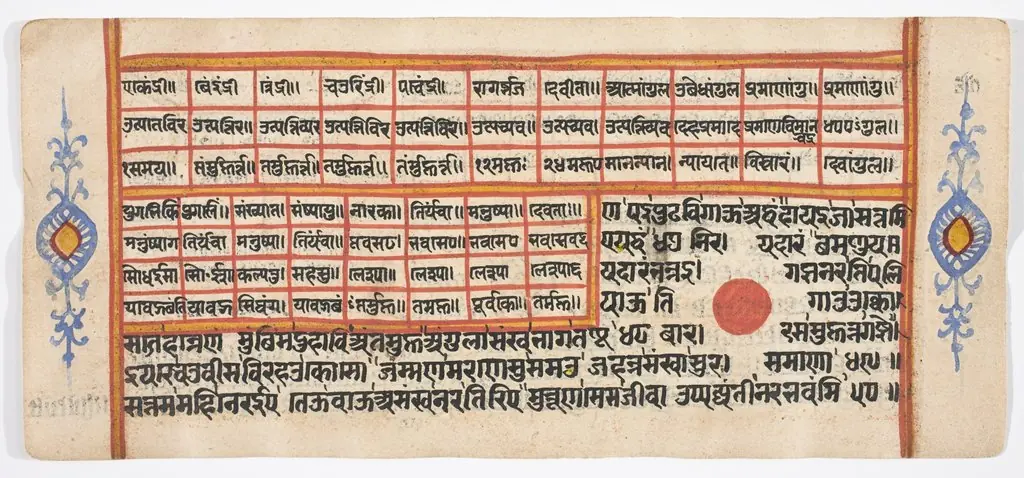
Tantric Manuscript "Sangrahani Sutra" is an unspecified painting by Unknown. It is held in the collection of the Detroit Institute of Arts. This painting is a folio from a Tantric Buddhist manuscript, likely the Sangrahani Sutra, produced in medieval India or Nepal.
About this work
Overview
It presents a structured layout of handwritten text in an unidentified script, arranged in a rectangular grid against a beige ground.
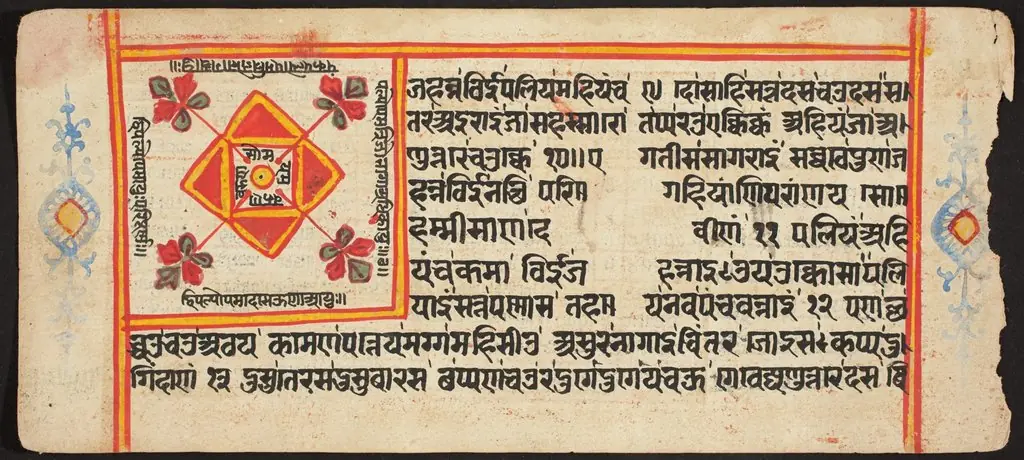
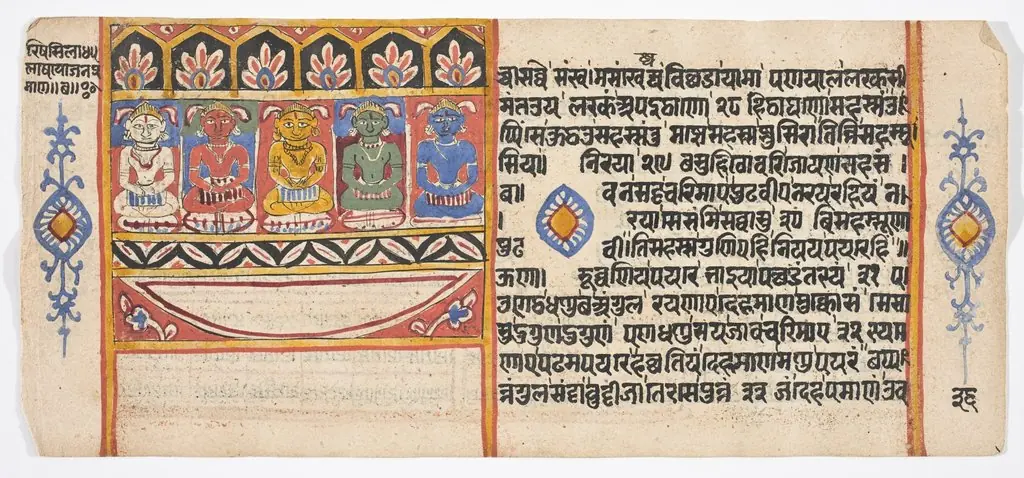
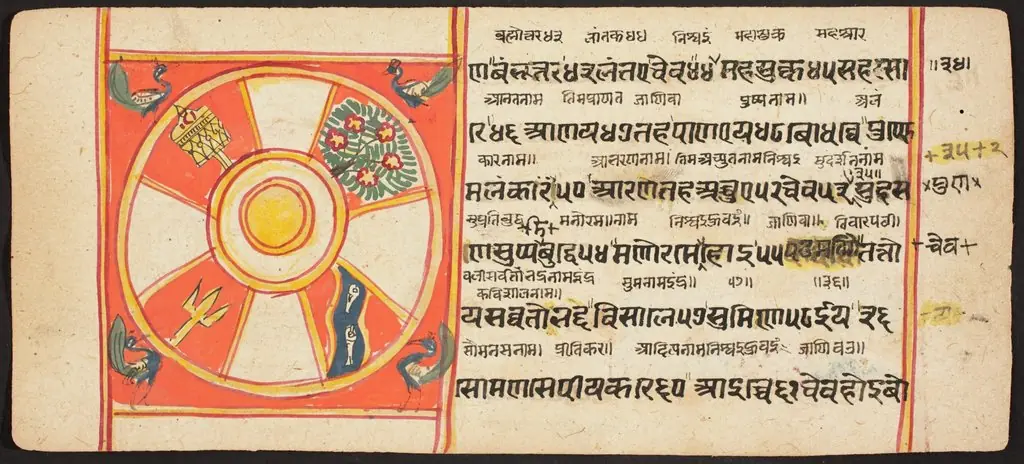
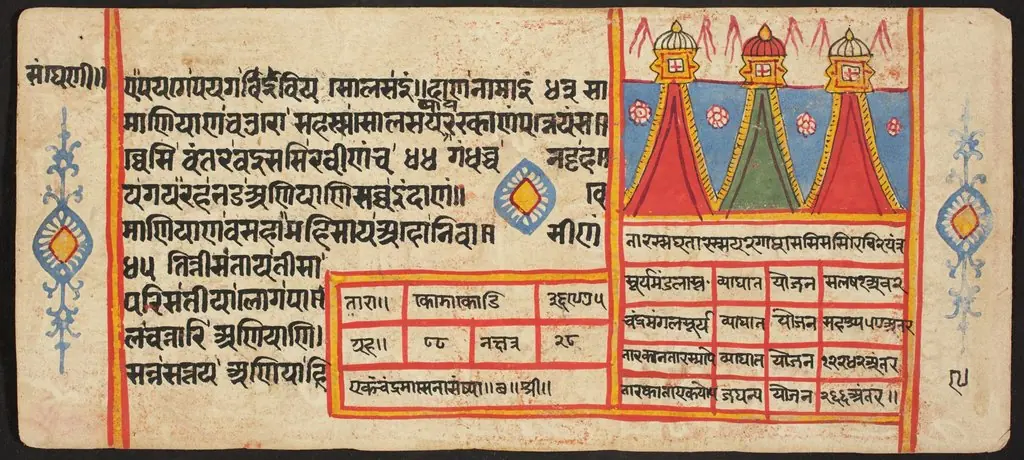
This painting is a folio from a Tantric Buddhist manuscript, likely the Sangrahani Sutra, produced in medieval India or Nepal. It presents a structured layout of handwritten text in an unidentified script, arranged in a rectangular grid against a beige ground. Decorative borders in red and yellow frame the text, while a small blue rectangle with a red outline holds a minimal depiction of a bowl, suggesting ritual symbolism.
Subject & Meaning
The content appears to be a liturgical or doctrinal text central to Tantric Buddhist practice, though the precise script and language remain undeciphered. The inclusion of a simple bowl image may reference ritual vessels used in offerings or meditative rites. The design prioritizes sacred function over narrative detail, emphasizing textual authority and symbolic containment rather than illustrative storytelling.
Technique & Style
The work employs fine black ink for script, applied with precision on handmade paper or cloth. Borders are rendered in flat, unmodulated red and yellow pigments, typical of early manuscript decoration in the region. The bowl illustration is rendered with minimal strokes, using blue pigment against the beige ground, reflecting a restrained aesthetic aligned with ritual object representation rather than naturalism.
History & Provenance
The folio originates from a larger manuscript tradition practiced in the eastern Indian or Nepalese Himalayan regions, likely between the 10th and 14th centuries. It entered the collection of the Detroit Institute of Arts through documented acquisition, though its earlier provenance prior to the 20th century remains undocumented. Its preservation suggests it was valued as a devotional object before becoming a museum artifact.
Context
This folio belongs to a broader corpus of Tantric Buddhist manuscripts that combined sacred texts with symbolic imagery to aid ritual practice and meditation. Such texts were often produced in monastic centers and used by practitioners for recitation and visualization. The emphasis on textual integrity over elaborate imagery reflects the esoteric nature of the tradition, where the word itself held spiritual power.
Legacy
As a surviving example of early Tantric manuscript art, it contributes to scholarly understanding of how religious knowledge was visually encoded in South Asian Buddhist traditions. Its preservation in a major museum allows for continued study of script, material culture, and ritual aesthetics, though its full textual meaning remains partially inaccessible without linguistic breakthroughs.
Artist & collection

 Domestic Scene
 Giacomo and Cardinal Marco, investing Andrea, Abbot of San Zeno, with his Benefice
 The Nymph of Fontainebleau
 Portrait of a Woman
 Madonna and Child with Saints in the Enclosed Garden
 Venus and Minerva
 Family Group of Four on Sofa
 Wall painting from Room H of the Villa of P. Fannius Synistor at Boscoreale
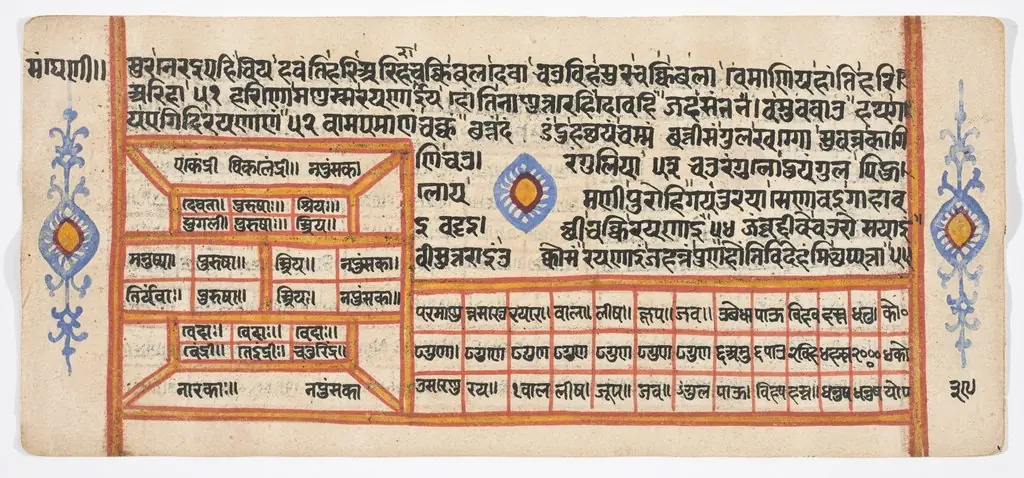 Tantric Manuscript "Sangrahani Sutra"
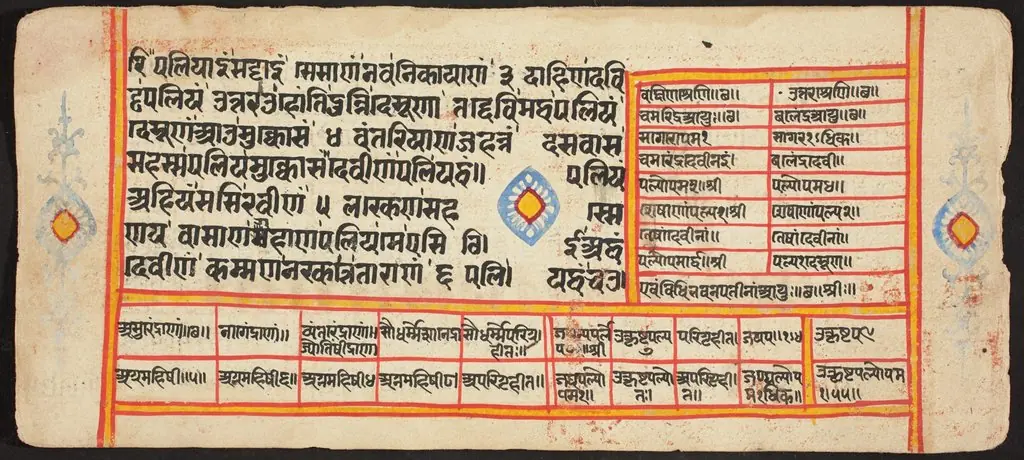 Tantric Manuscript "Sangrahani Sutra"
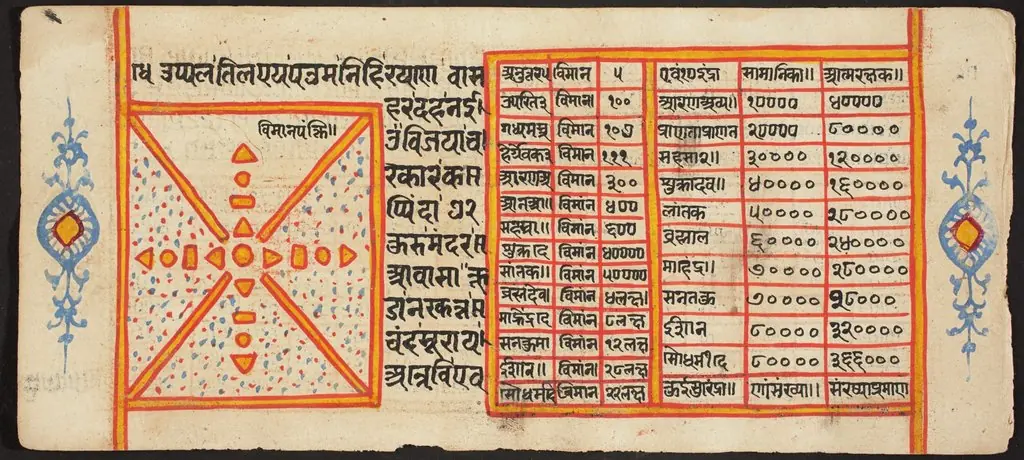 Tantric Manuscript "Sangrahani Sutra"
 Tantric Manuscript "Sangrahani Sutra"
 Tantric Manuscript "Sangrahani Sutra"
 Tantric Manuscript "Sangrahani Sutra"
 Tantric Manuscript "Sangrahani Sutra"
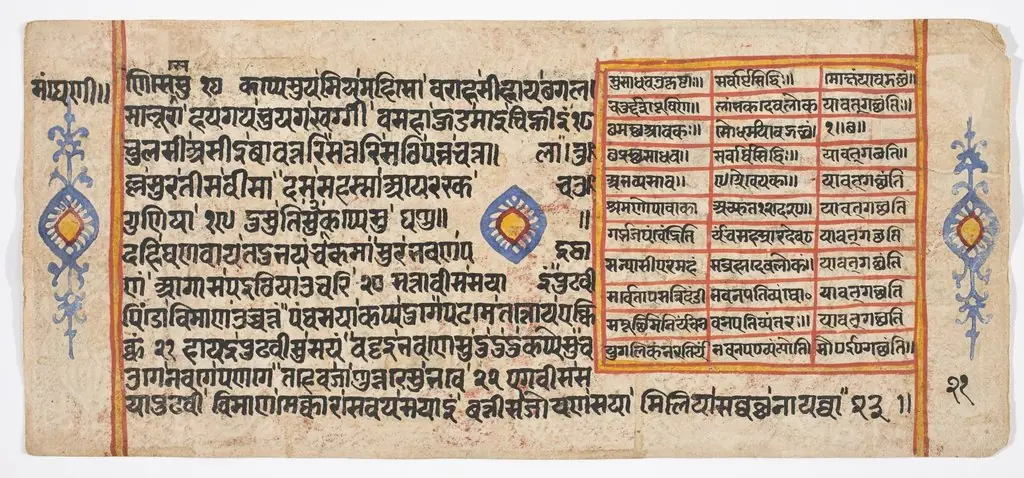 Tantric Manuscript "Sangrahani Sutra"
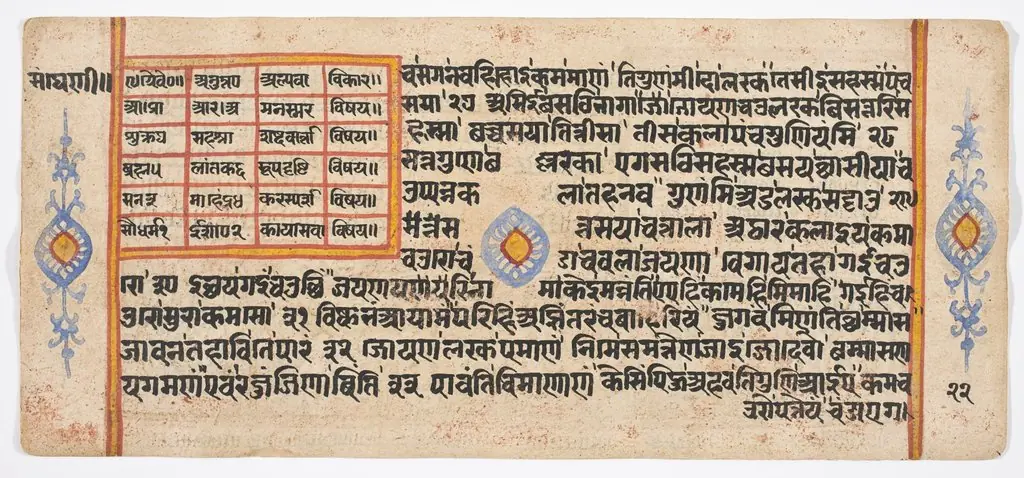 Tantric Manuscript "Sangrahani Sutra"
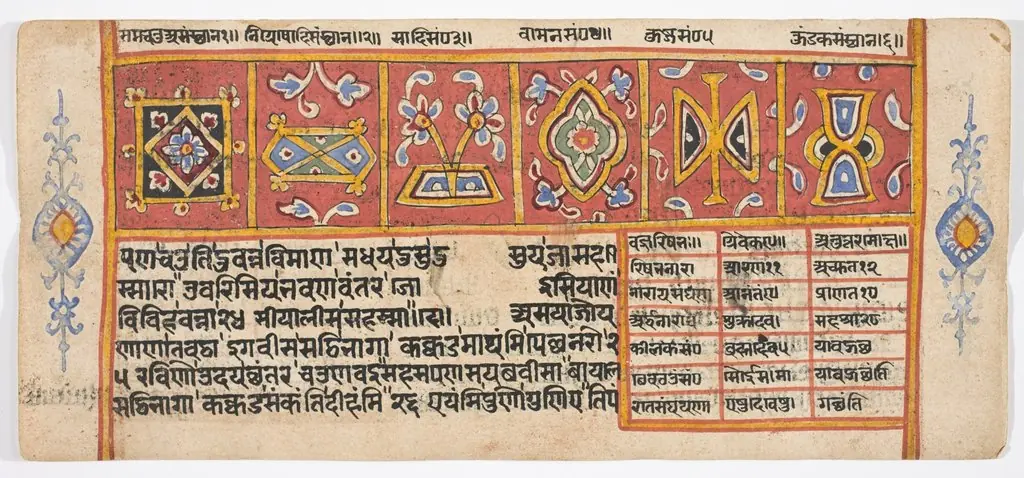 Tantric Manuscript "Sangrahani Sutra"
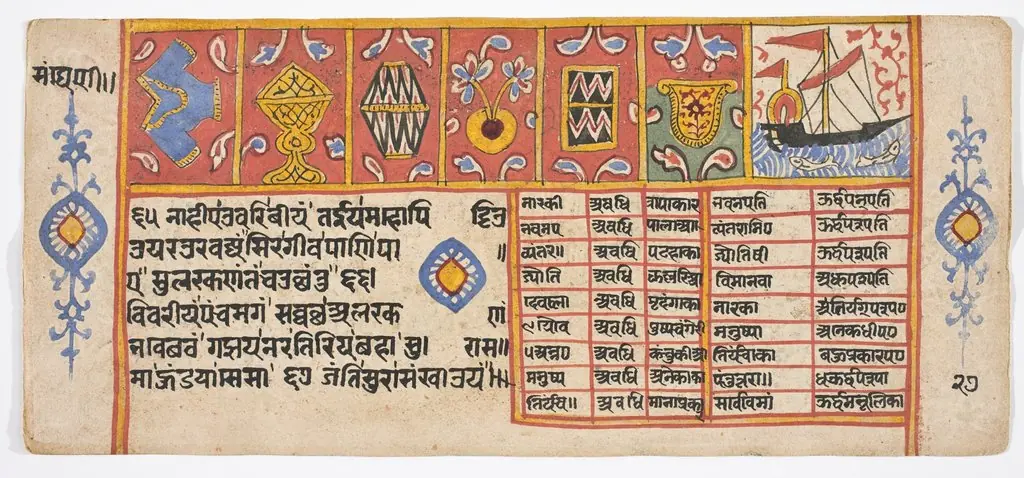 Tantric Manuscript "Sangrahani Sutra"
 Tantric Manuscript "Sangrahani Sutra"