Artwork
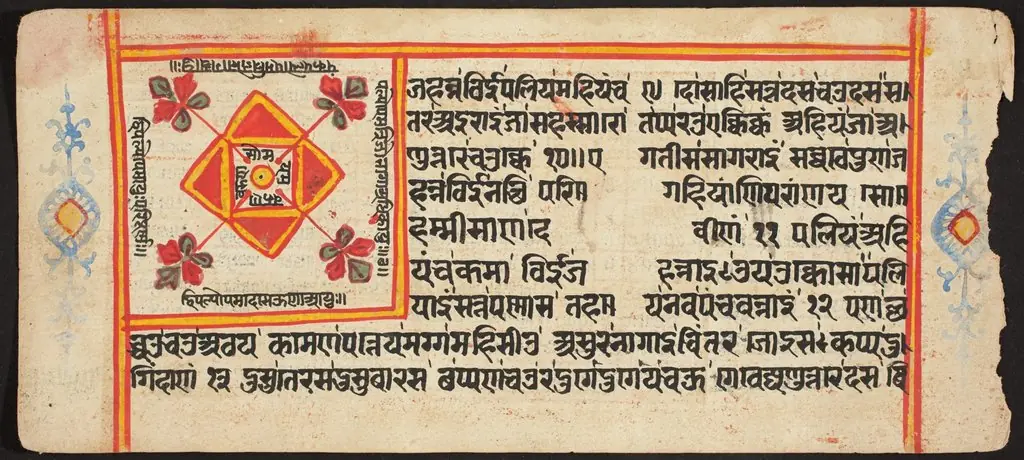
Tantric Manuscript "Sangrahani Sutra"
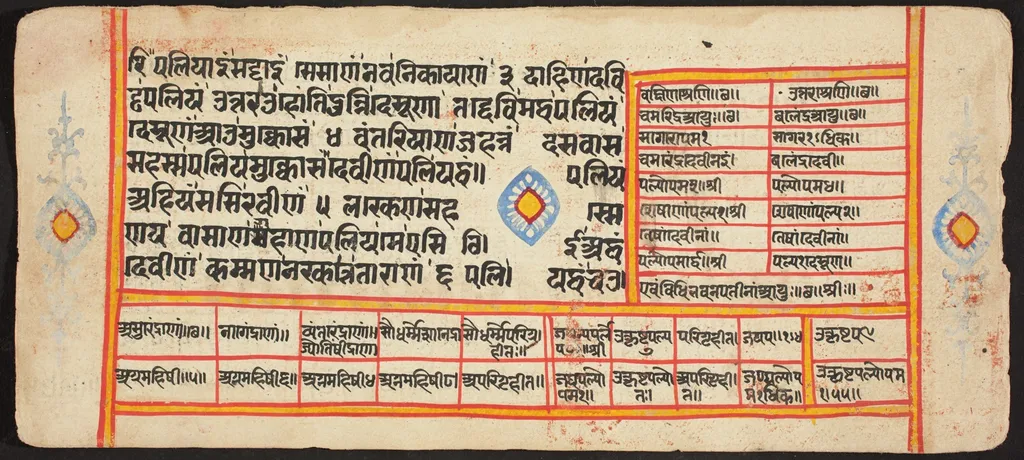
Tantric Manuscript "Sangrahani Sutra" is an unspecified painting by Unknown. It is held in the collection of the Detroit Institute of Arts.
About this work
Overview
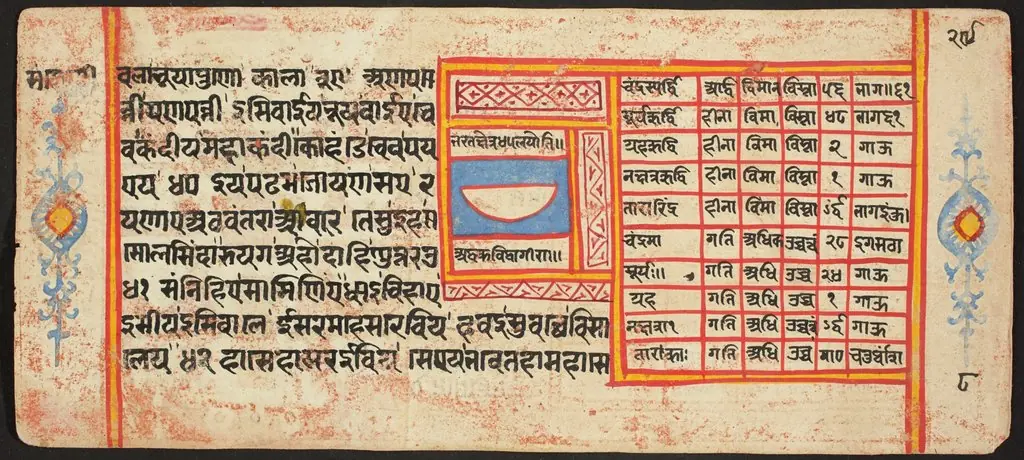
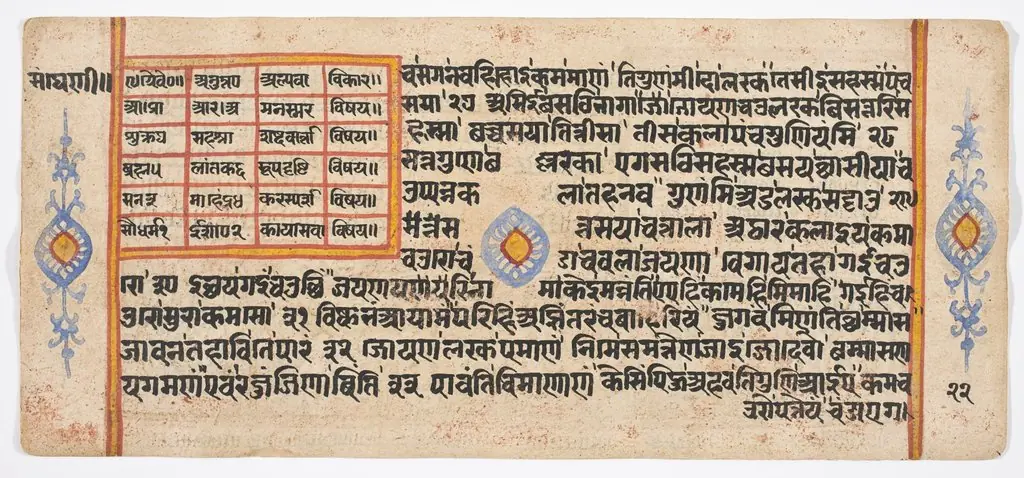
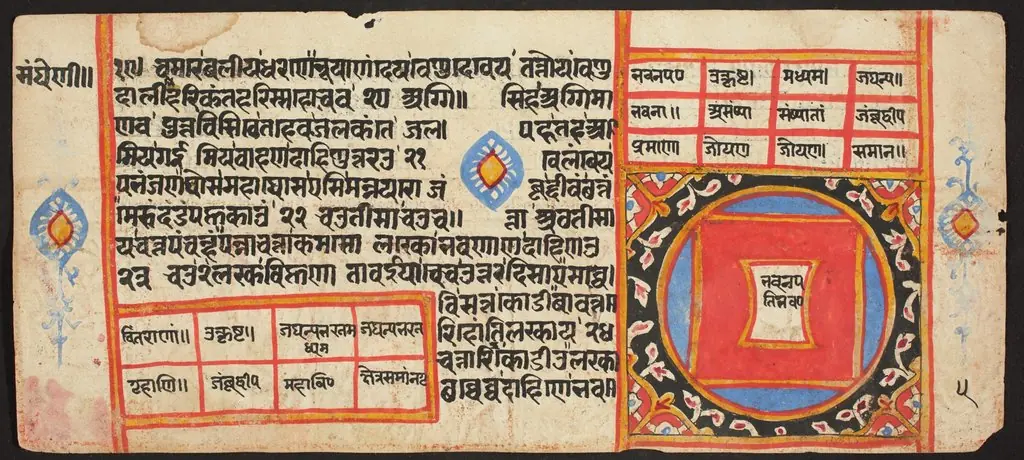
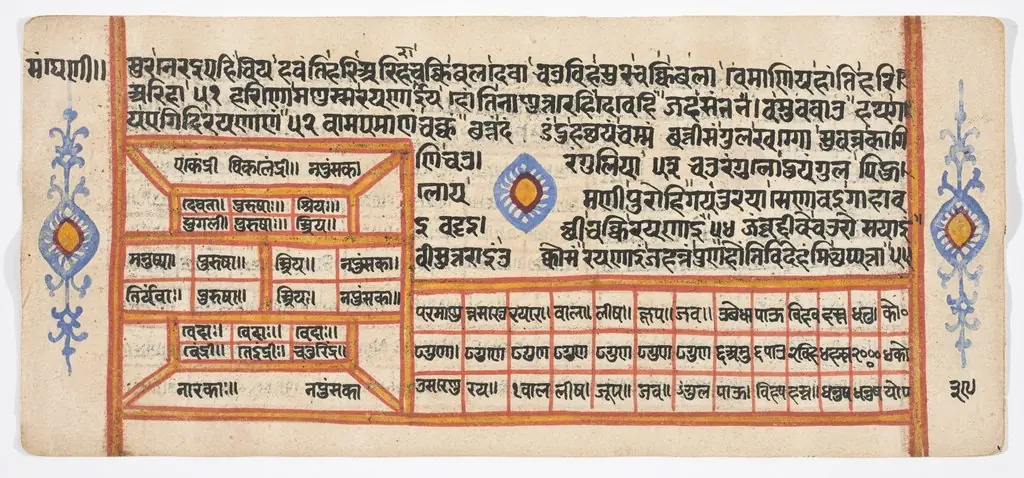
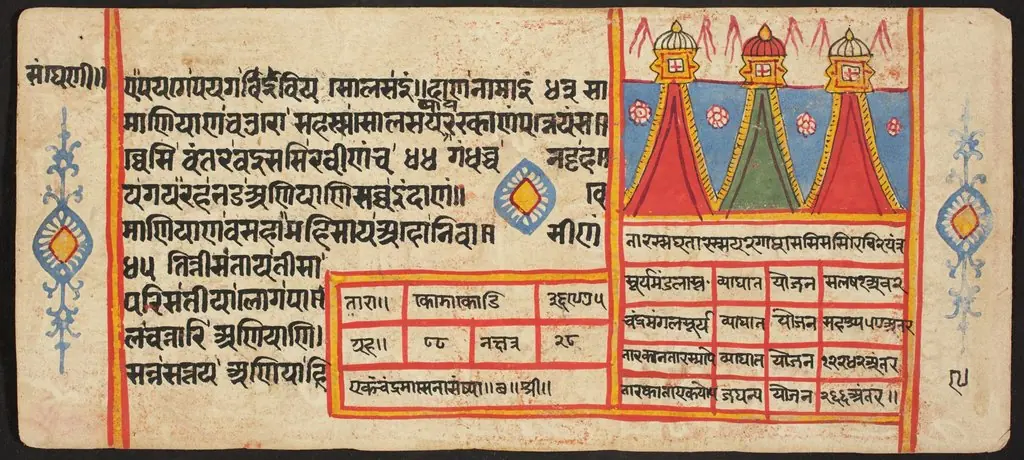
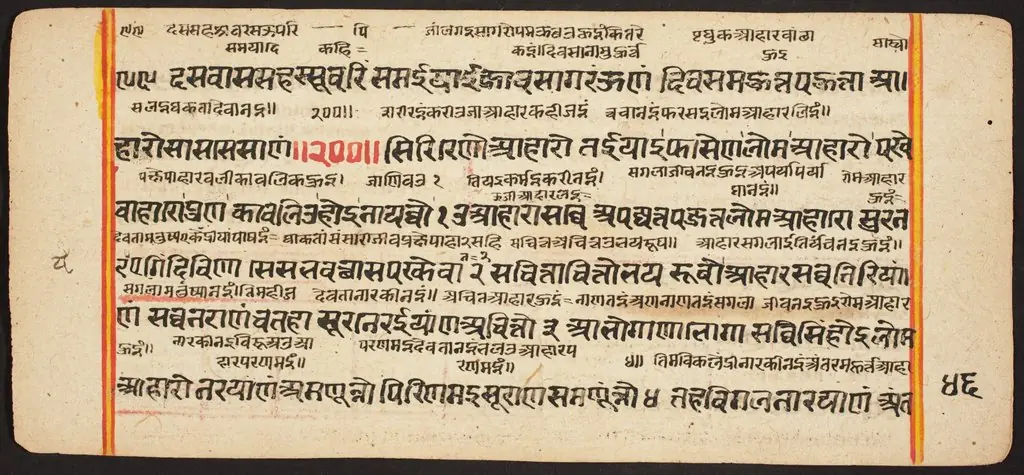
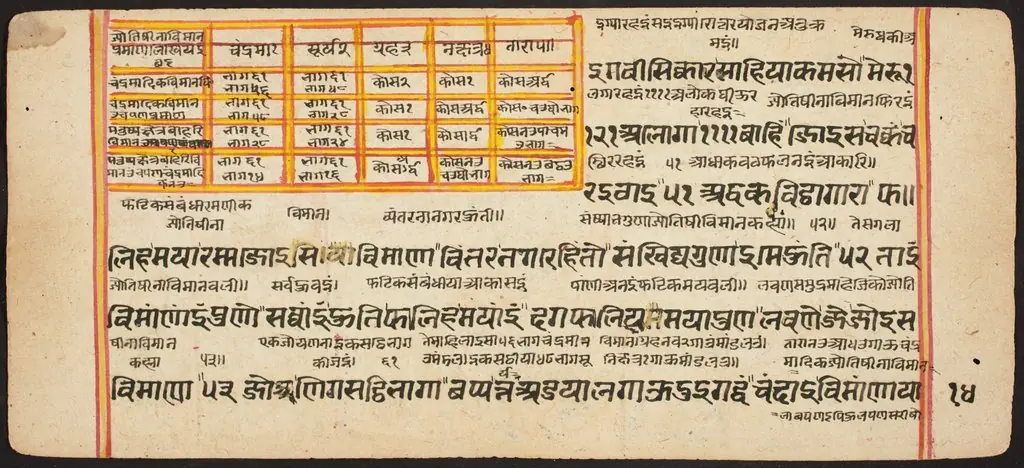
A painted manuscript leaf from the Sangrahani Sutra, produced in medieval India, exemplifies the integration of Buddhist textual tradition with esoteric visual symbolism. Created on palm leaf or paper, it served as a devotional and instructional object within tantric Buddhist practice, combining scriptural content with intricate iconography to guide meditation and ritual.
Subject & Meaning
The imagery depicts deities and mandalic forms associated with the Sangrahani Sutra’s tantric teachings, emphasizing cosmic order and inner transformation. Figures are arranged in symbolic configurations meant to represent spiritual energies and pathways to enlightenment, aligning visual elements with the sutra’s doctrinal framework for advanced practitioners.
Technique & Style
The painting employs fine brushwork and mineral pigments, with precise lines defining deities and geometric patterns. Color usage is restrained yet deliberate, often featuring reds, ochres, and blues to denote sacredness and hierarchy. Composition follows strict iconometric rules, reflecting tantric conventions of proportion and spatial symbolism.
History & Provenance
This manuscript leaf likely originated in eastern India or Nepal during the late medieval period, among communities practicing Vajrayana Buddhism. It was probably part of a larger codex used in monastic settings, later dispersed through trade or colonial collection. Its survival suggests careful preservation within ritual or scholarly contexts.
Context
Produced during a period when tantric Buddhism flourished in regional monasteries, the manuscript reflects a synthesis of Indian religious art and esoteric philosophy. It was not intended for public display but for use by initiated practitioners, linking visual representation to oral transmission and meditative discipline.
Legacy
As a surviving example of tantric manuscript painting, it contributes to the understanding of how Buddhist teachings were visually encoded. Modern scholarship values it for its role in documenting ritual aesthetics and the transmission of esoteric knowledge across South Asian Buddhist traditions.
Artist & collection

 Domestic Scene
 Giacomo and Cardinal Marco, investing Andrea, Abbot of San Zeno, with his Benefice
 The Nymph of Fontainebleau
 Portrait of a Woman
 Madonna and Child with Saints in the Enclosed Garden
 Venus and Minerva
 Family Group of Four on Sofa
 Wall painting from Room H of the Villa of P. Fannius Synistor at Boscoreale
 Tantric Manuscript "Sangrahani Sutra"
 Tantric Manuscript "Sangrahani Sutra"
 Tantric Manuscript "Sangrahani Sutra"
 Tantric Manuscript "Sangrahani Sutra"
 Tantric Manuscript "Sangrahani Sutra"
 Tantric Manuscript "Sangrahani Sutra"
 Tantric Manuscript "Sangrahani Sutra"
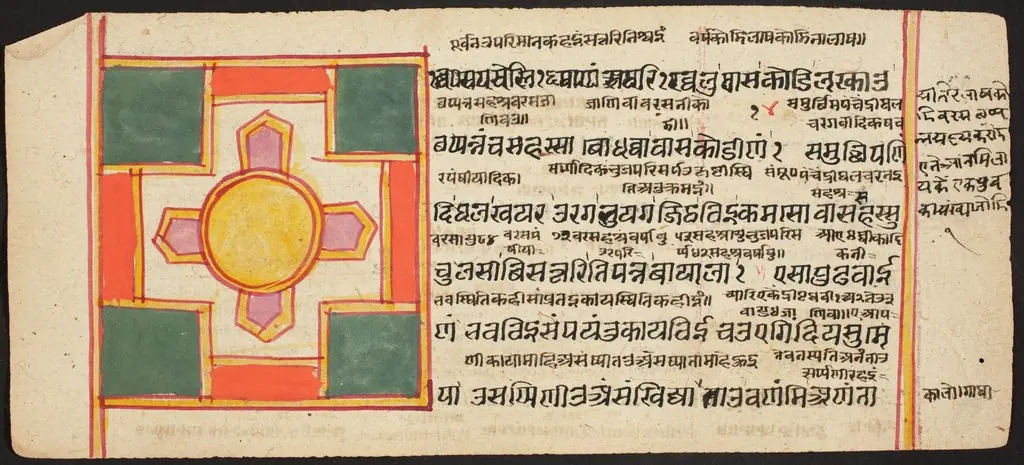 Tantric Manuscript "Sangrahani Sutra"
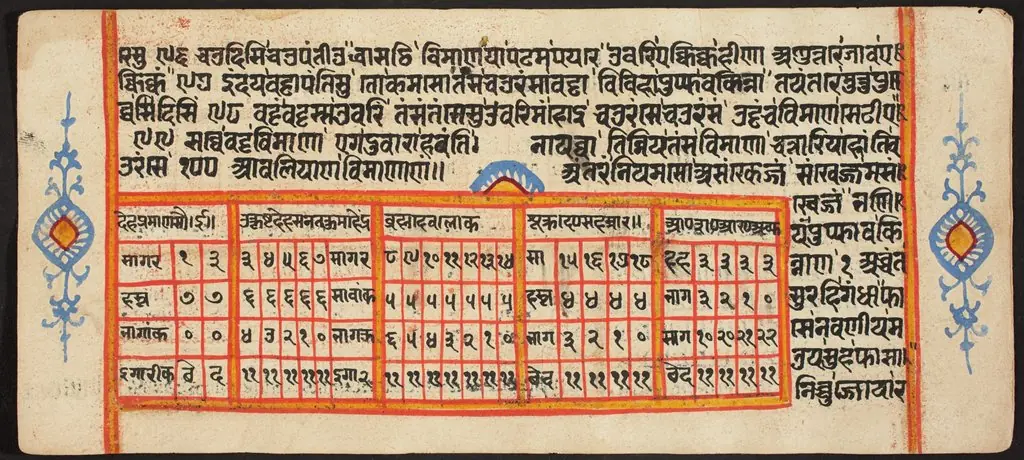 Tantric Manuscript "Sangrahani Sutra"
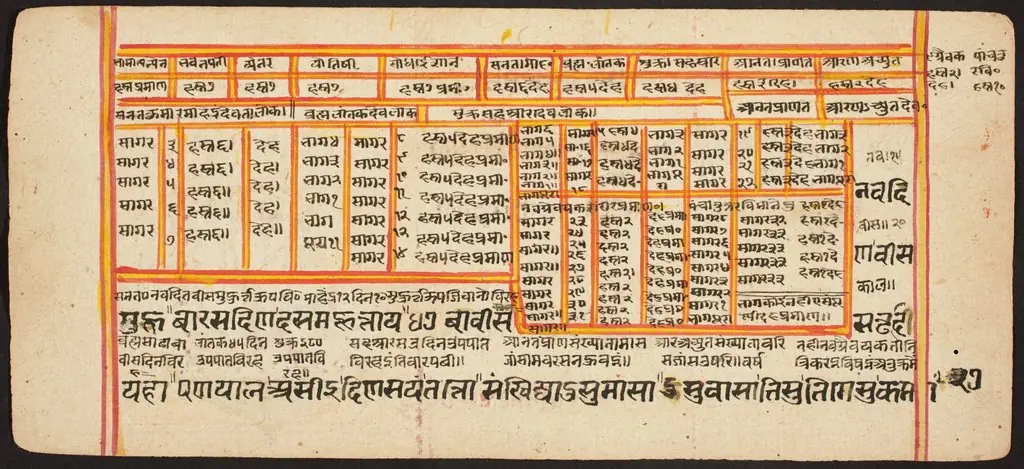 Tantric Manuscript "Sangrahani Sutra"
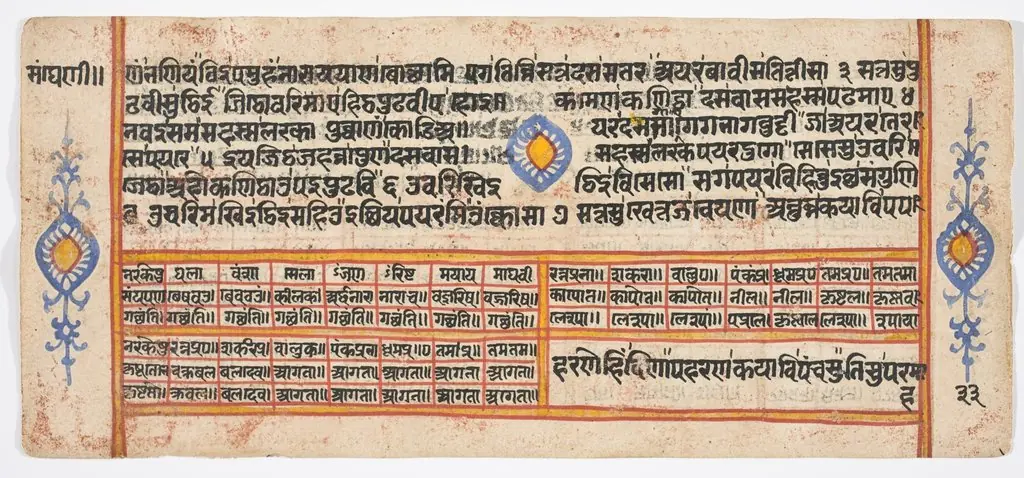 Tantric Manuscript "Sangrahani Sutra"
 Tantric Manuscript "Sangrahani Sutra"