Artwork
The Ascension
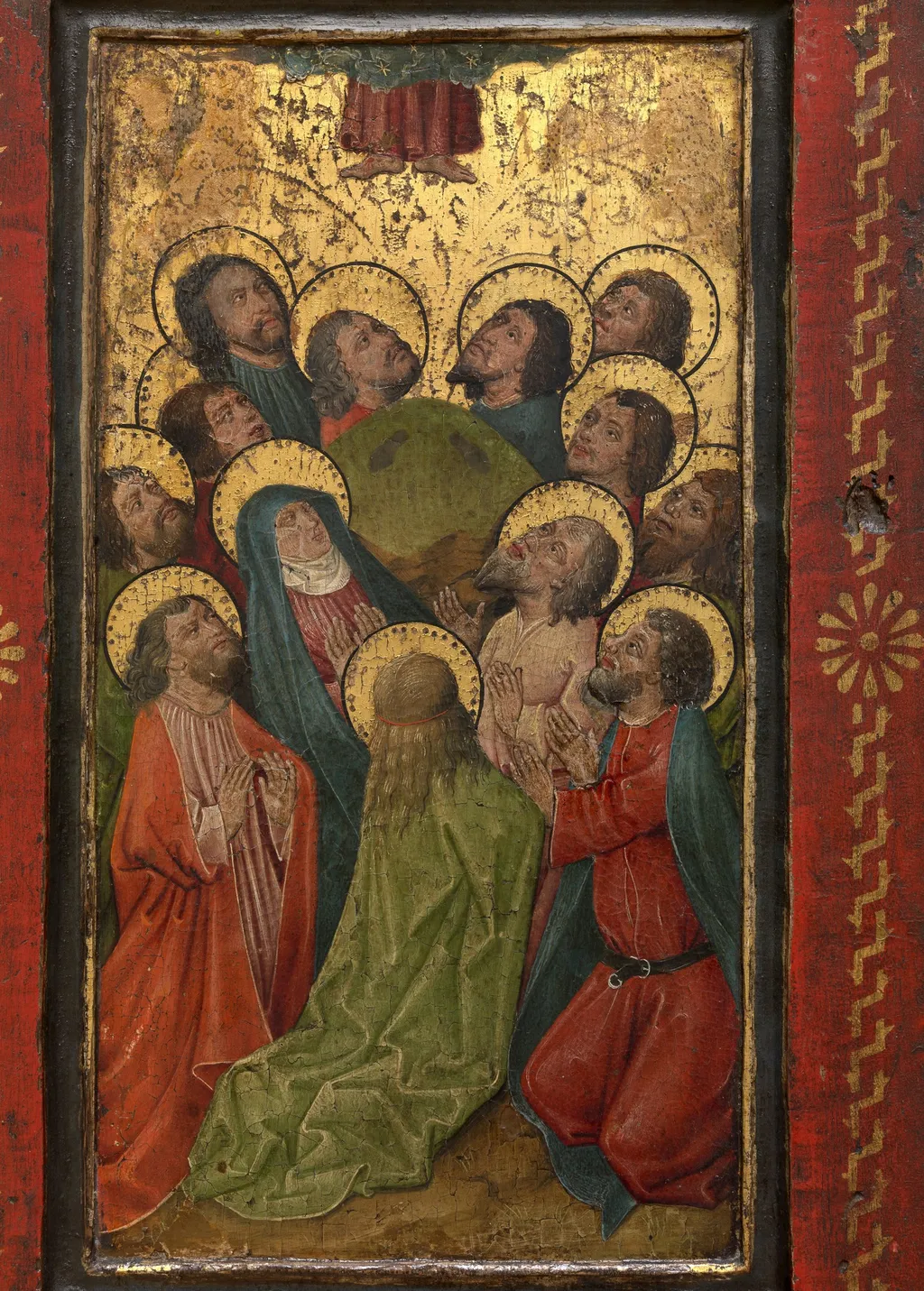
The Ascension is an oil painting by the Mannerist artist Unknown. It dates from 1550 and is held in the collection of the Royal Museum of Fine Arts Antwerp.
About this work
Overview
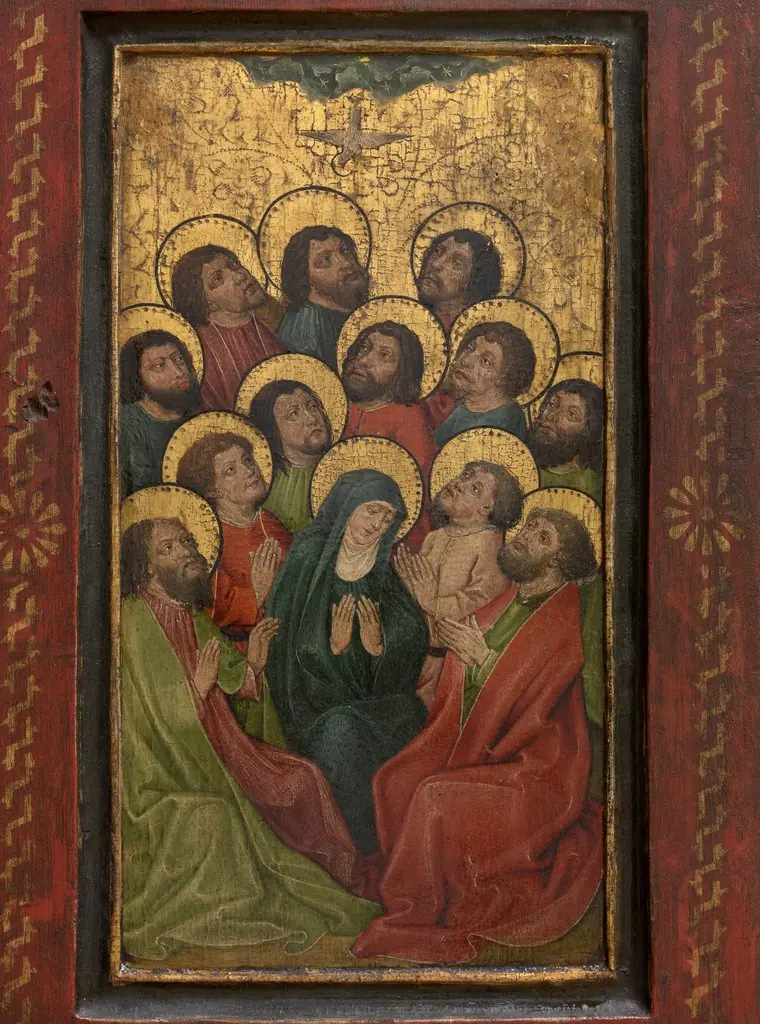
This oil painting captures a moment of spiritual elevation, likely the Ascension of Christ, rendered with quiet solemnity.
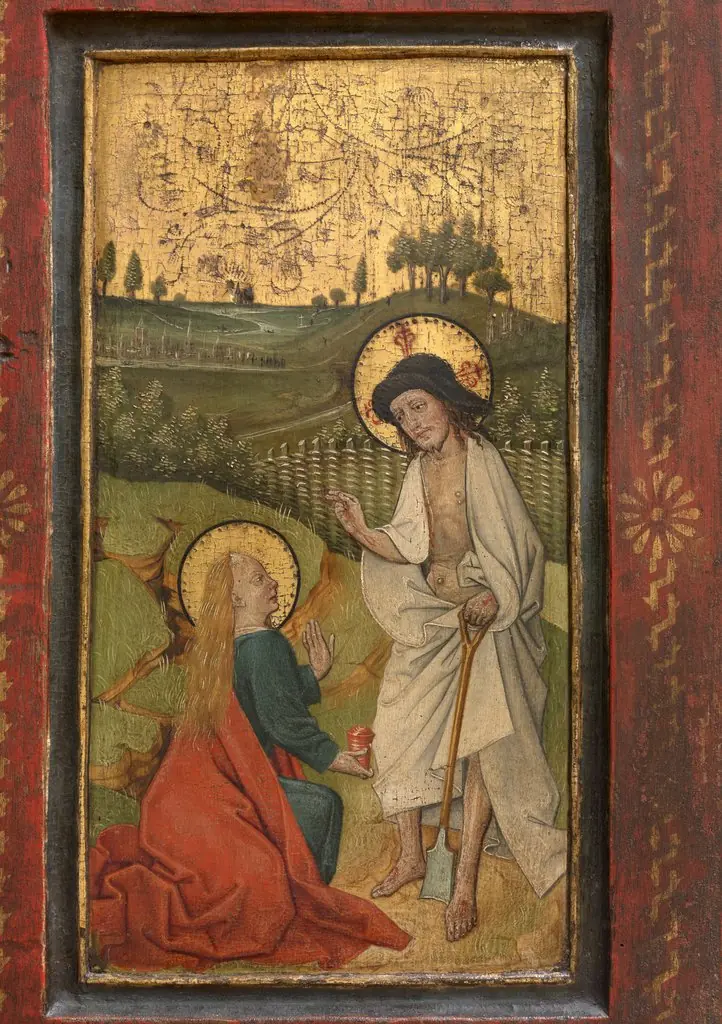
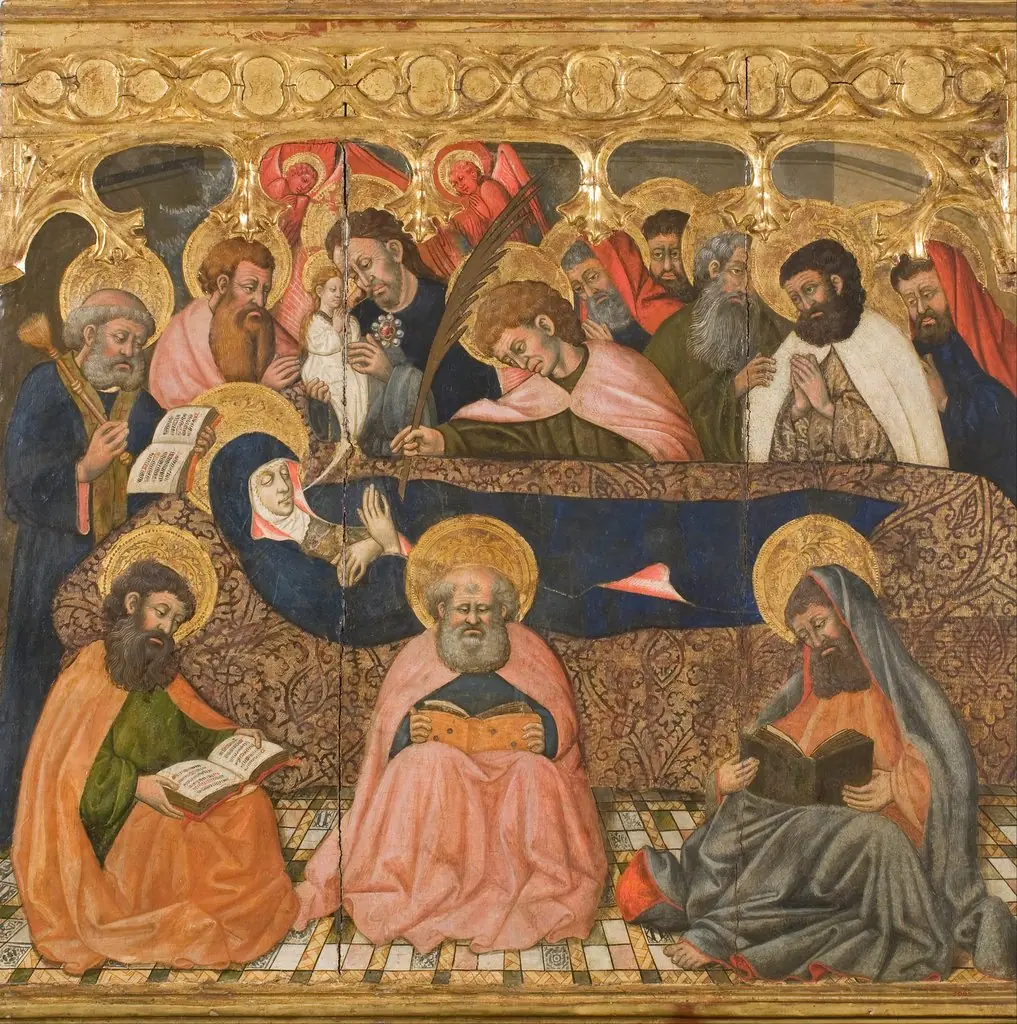
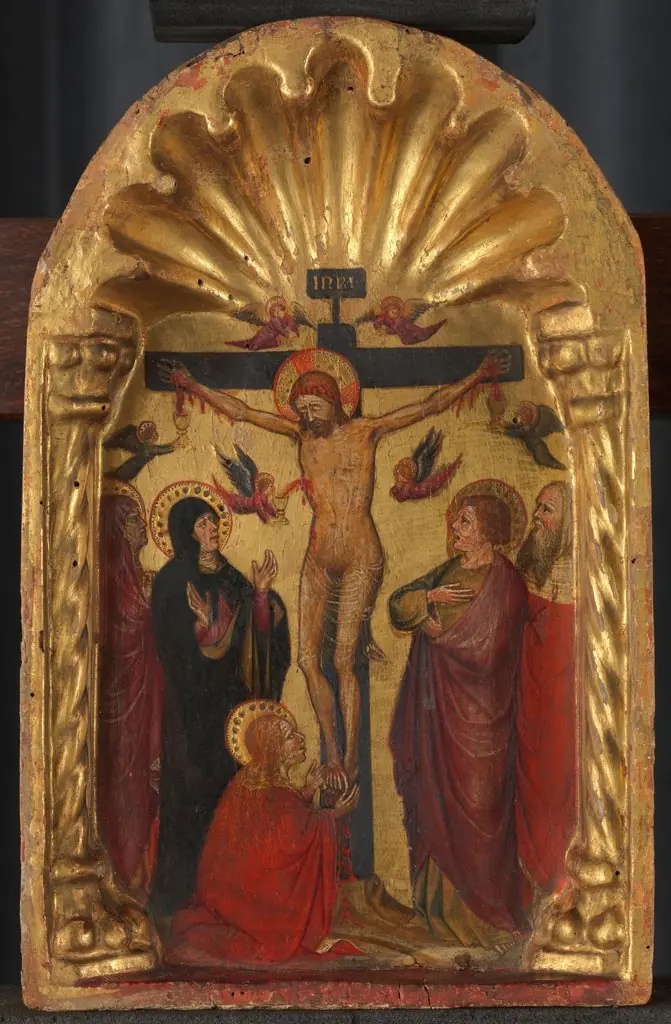
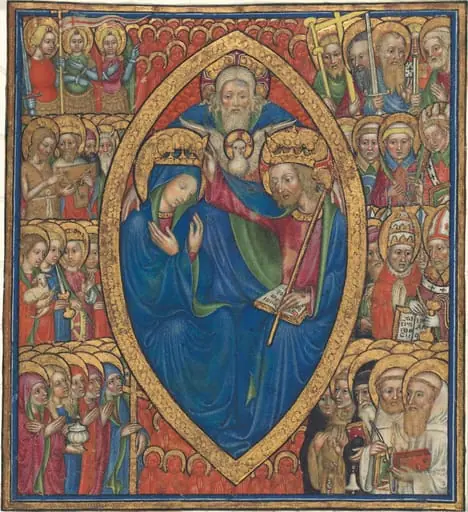
This oil painting captures a moment of spiritual elevation, likely the Ascension of Christ, rendered with quiet solemnity. A group of figures, distinguished by halos and richly colored garments, gather in a loose circular formation. Their postures—some kneeling, others standing—convey reverence. The warm, golden background and subtle textural brushwork emphasize the medium’s capacity for depth and luminosity, enhancing the scene’s contemplative atmosphere.
Subject & Meaning
The central figure, draped in green, is shown ascending, surrounded by witnesses whose gazes are fixed upward. The halos identify them as sacred beings, suggesting a divine moment witnessed by the faithful. The composition avoids overt drama, instead focusing on quiet awe, reinforcing the theological theme of transcendence and the community’s spiritual response to the event.
Technique & Style
The artist employs chiaroscuro to model forms with soft transitions between light and shadow, lending volume to the figures and enhancing their three-dimensionality. Oil paint allows for layered glazes that enrich the colors and create a luminous glow, particularly around the halos and the ascending figure. The brushwork is restrained, favoring clarity over flourish, aligning with devotional rather than theatrical intent.
History & Provenance
The painting’s origins are undocumented in public records, but its style and iconography suggest a late medieval or early Renaissance origin, possibly from a devotional context in Southern Europe. Its preservation indicates it was valued within a religious setting, though its specific commission or early ownership remains unknown.
Context
Created during a period when religious imagery was central to worship, the painting reflects liturgical needs for visual aids to meditation. The emphasis on collective witness and divine ascent aligns with contemporary theological teachings, particularly in monastic or parish communities where such scenes reinforced faith through visual narrative.
Legacy
Though not widely reproduced or studied, the work exemplifies a quiet tradition of devotional painting that prioritized spiritual resonance over spectacle. Its restrained use of light and composition influenced later regional styles that favored introspection, preserving a mode of sacred representation distinct from grander Baroque interpretations.
Artist & collection

 Domestic Scene
 Giacomo and Cardinal Marco, investing Andrea, Abbot of San Zeno, with his Benefice
 The Nymph of Fontainebleau
 Portrait of a Woman
 Madonna and Child with Saints in the Enclosed Garden
 Venus and Minerva
 Family Group of Four on Sofa
 Wall painting from Room H of the Villa of P. Fannius Synistor at Boscoreale