Artwork
Page from Tales of a Parrot (Tuti-nama): text page
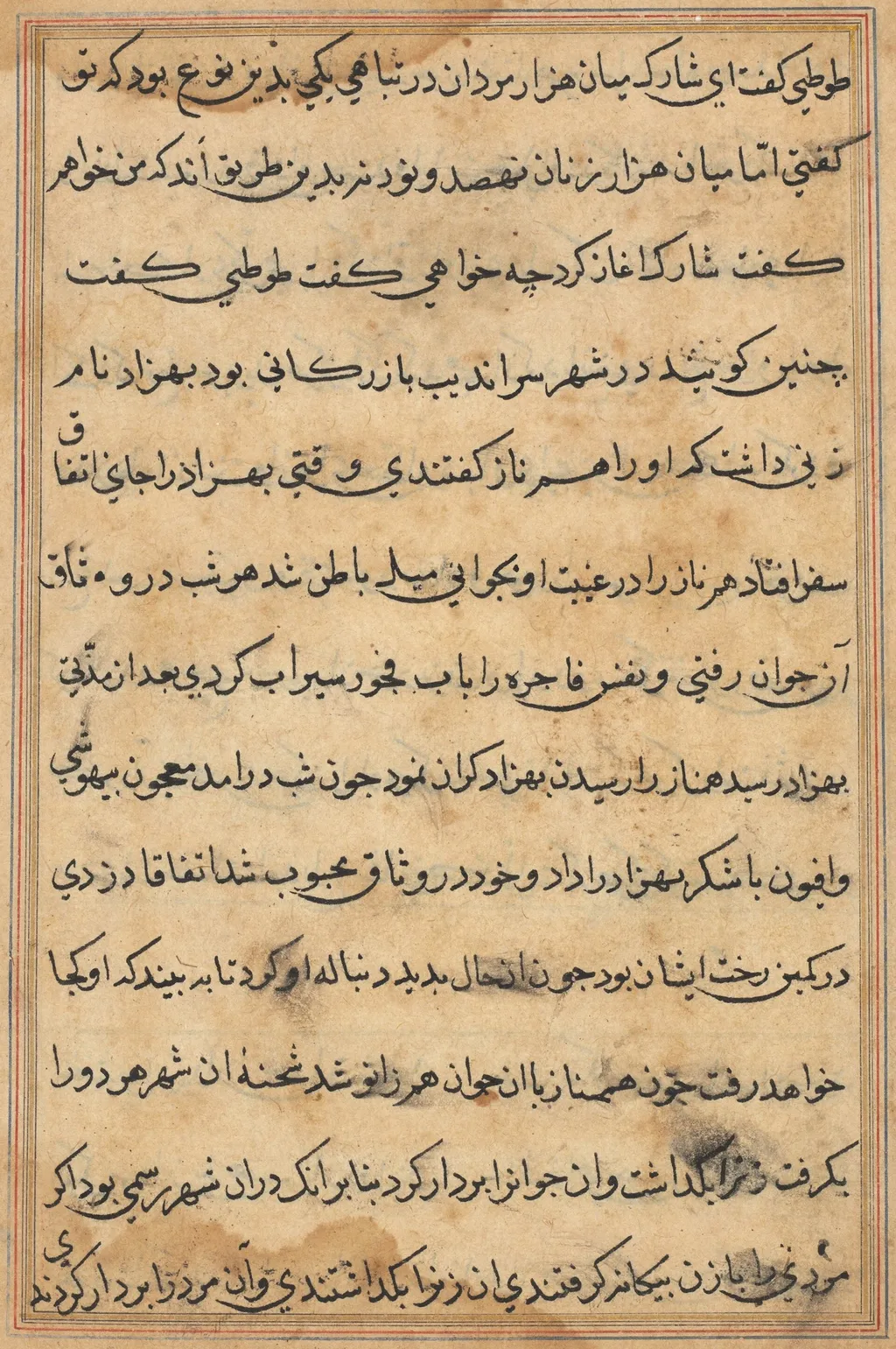
Page from Tales of a Parrot (Tuti-nama): text page is an unspecified painting. It dates from 1560 and is held in the collection of the Cleveland Museum of Art. This object is a painted page from the illustrated manuscript known as the *Tales of a Parrot* (Tuti‑nama).
About this work
Overview
This object is a painted page from the illustrated manuscript known as the *Tales of a Parrot* (Tuti‑nama). The sheet consists primarily of a block of text rendered in an elaborate, flowing hand, set against a light brown ground mottled with darker brown speckles. The work is part of the collection of the Cleveland Museum of Art.
Subject & Meaning
The page presents an excerpt of the narrative that gives the *Tuti‑nama* its name, a collection of moral and romantic stories traditionally recounted by a parrot. Although the script remains undeciphered, the dense, ornamental lettering suggests a literary focus, intended to convey sophisticated storytelling to an elite audience.
Technique & Style
Executed in pigment on a prepared surface, the artist employed a fine, fluid brushstroke to create a highly decorative script. The letters are linked and embellished with numerous flourishes, while the background’s muted brown tones and irregular darker spots provide a subtle contrast that enhances the visual rhythm of the text.
History & Provenance
The page was commissioned for Prince Salim, a royal patron whose identity situates the work within a courtly context. Over time it entered the holdings of the Cleveland Museum of Art, where it is displayed as part of the museum’s collection of South Asian manuscript art.
Context
The *Tuti‑nama* belongs to a tradition of illustrated literary codices produced for aristocratic patrons in the Indian subcontinent. Such manuscripts combined visual elegance with textual sophistication, reflecting the cultural values of refinement and erudition prized by princely courts during the period of its creation.
Artist & collection

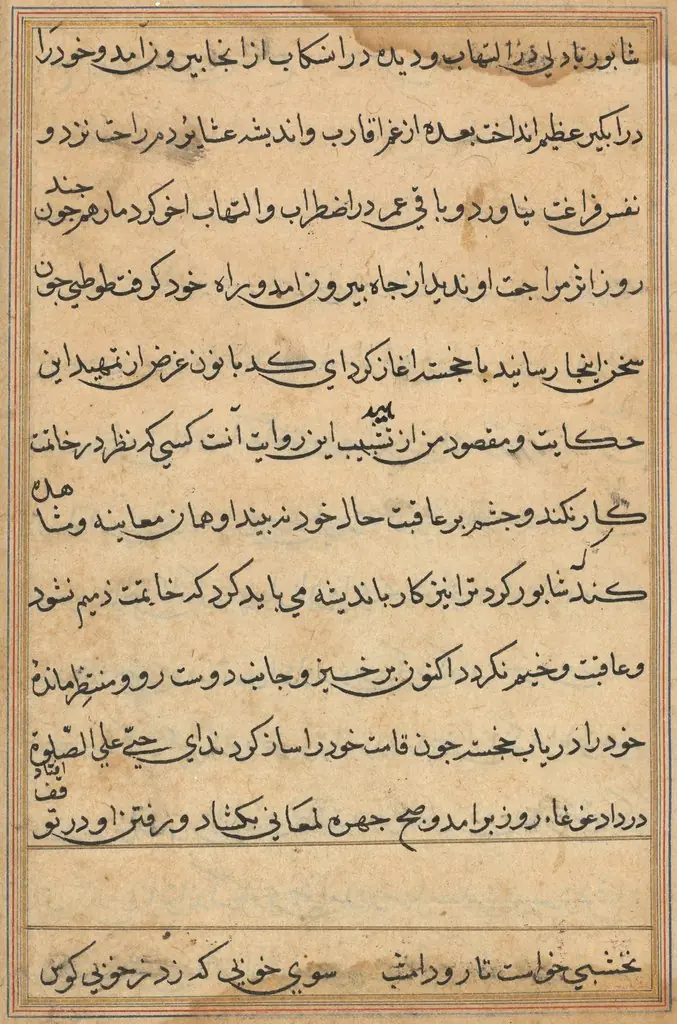 Page from Tales of a Parrot (Tuti-nama): text page
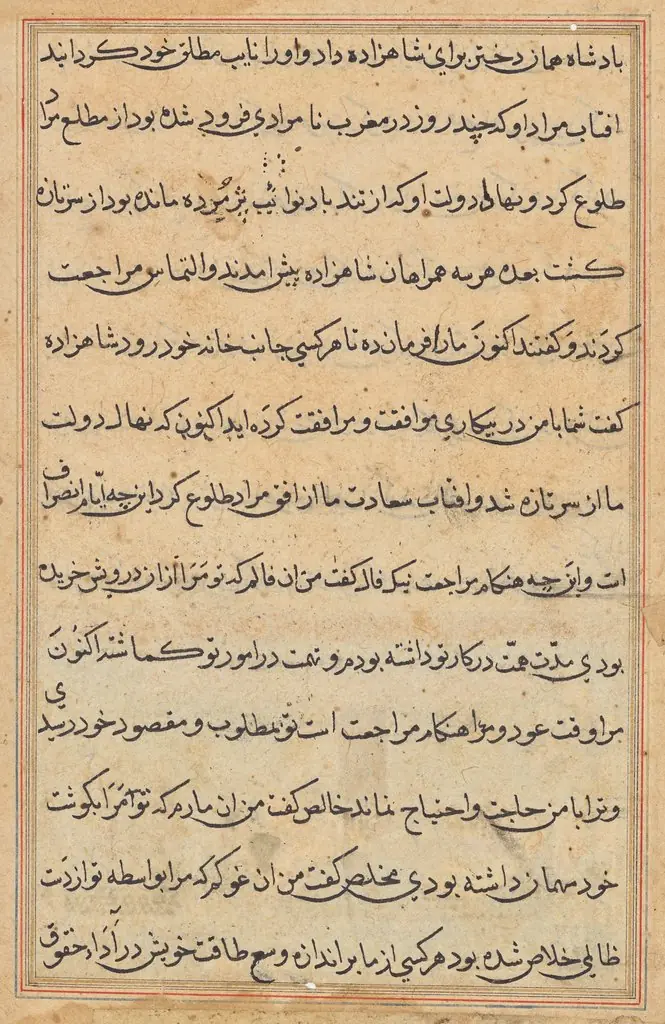 Page from Tales of a Parrot (Tuti-nama): text page
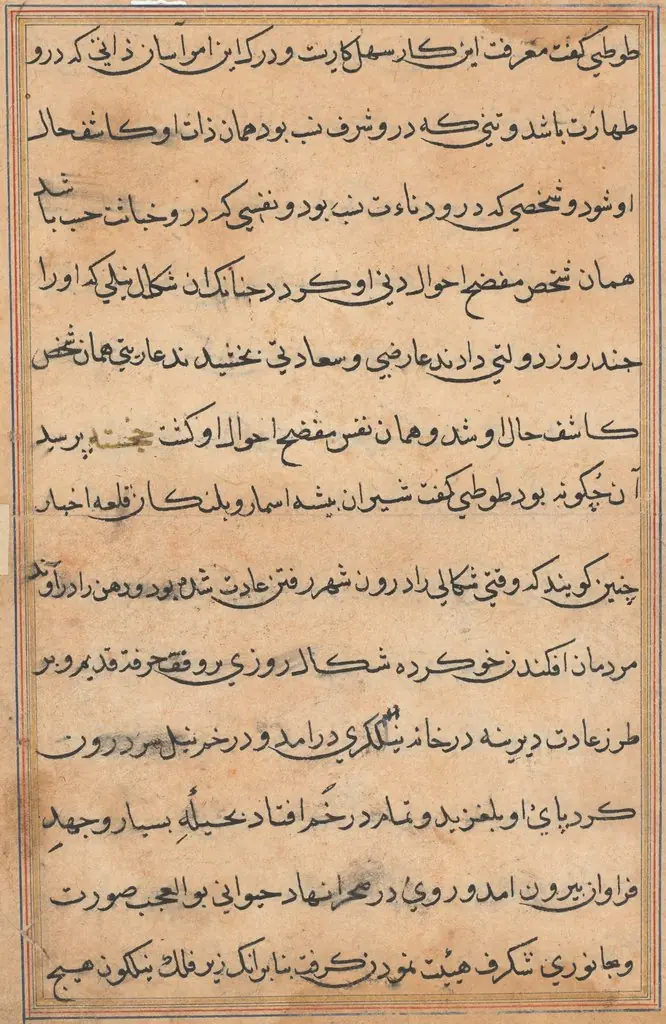 Page from Tales of a Parrot (Tuti-nama): text page
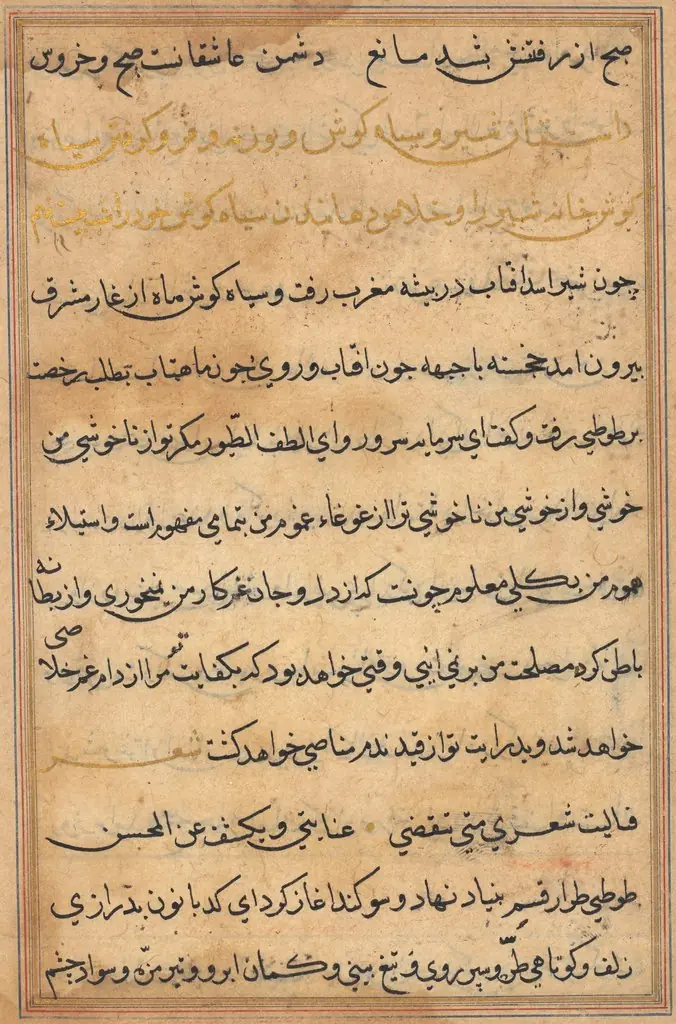 Page from Tales of a Parrot (Tuti-nama): text page
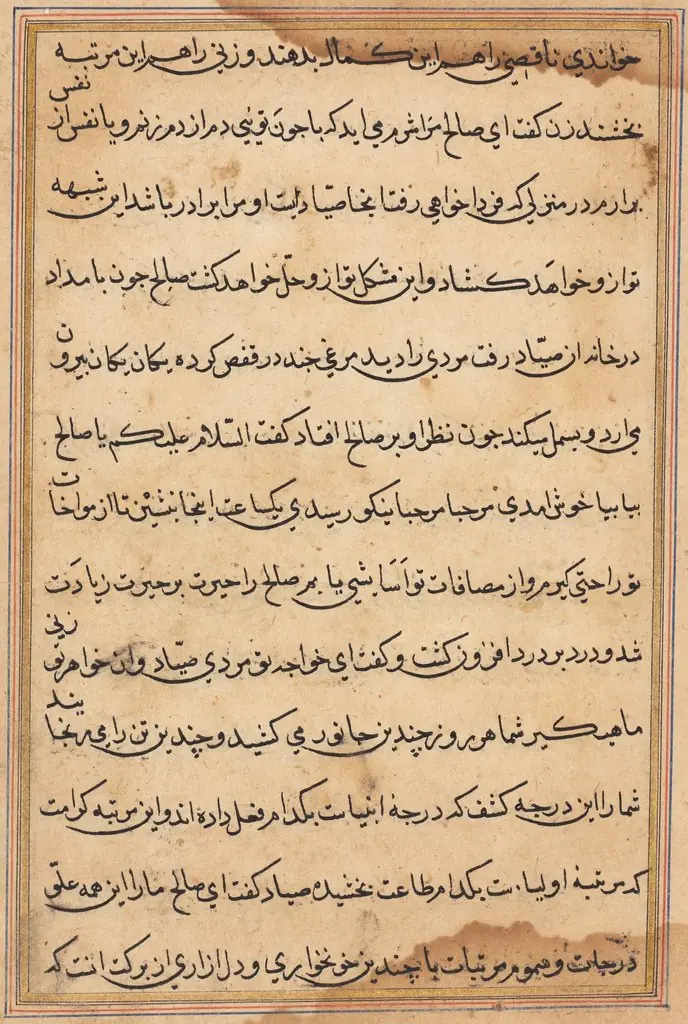 Page from Tales of a Parrot (Tuti-nama): text page
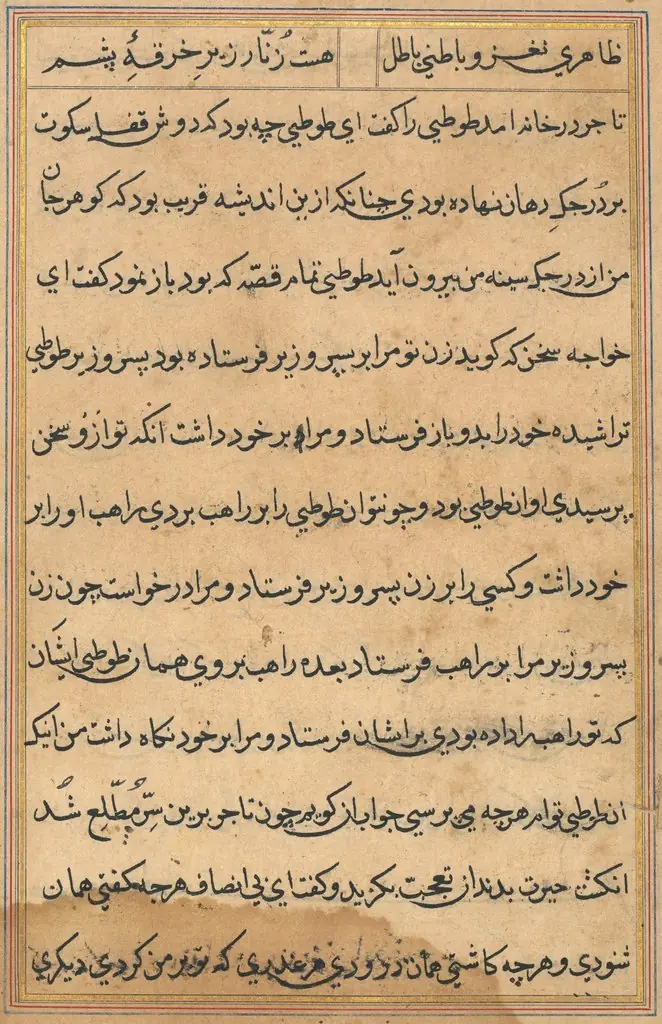 Page from Tales of a Parrot (Tuti-nama): text page
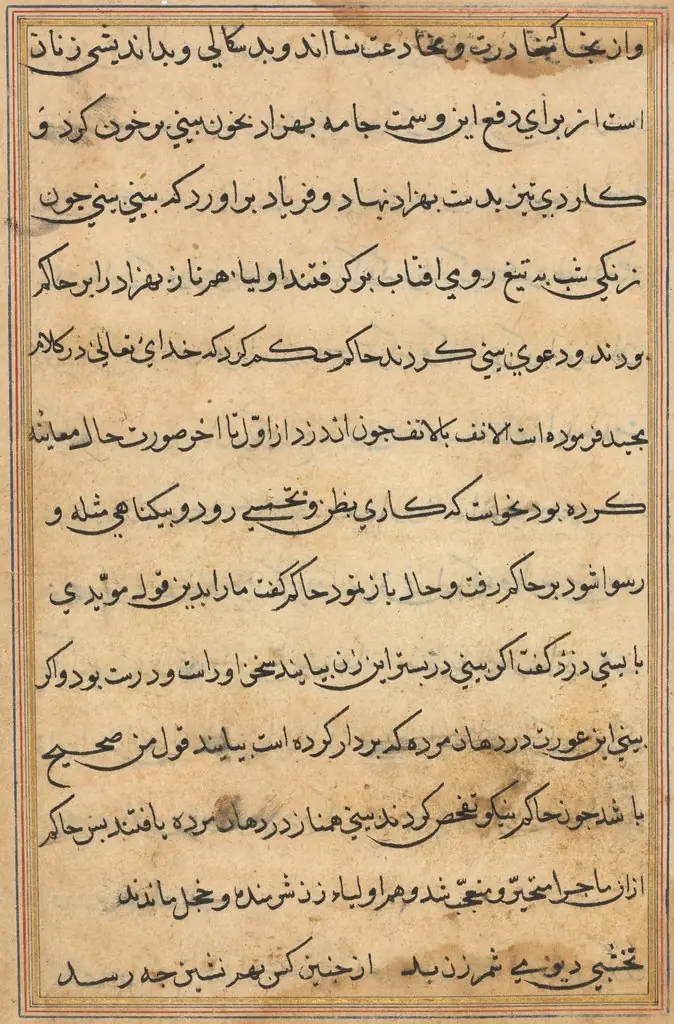 Page from Tales of a Parrot (Tuti-nama): text page
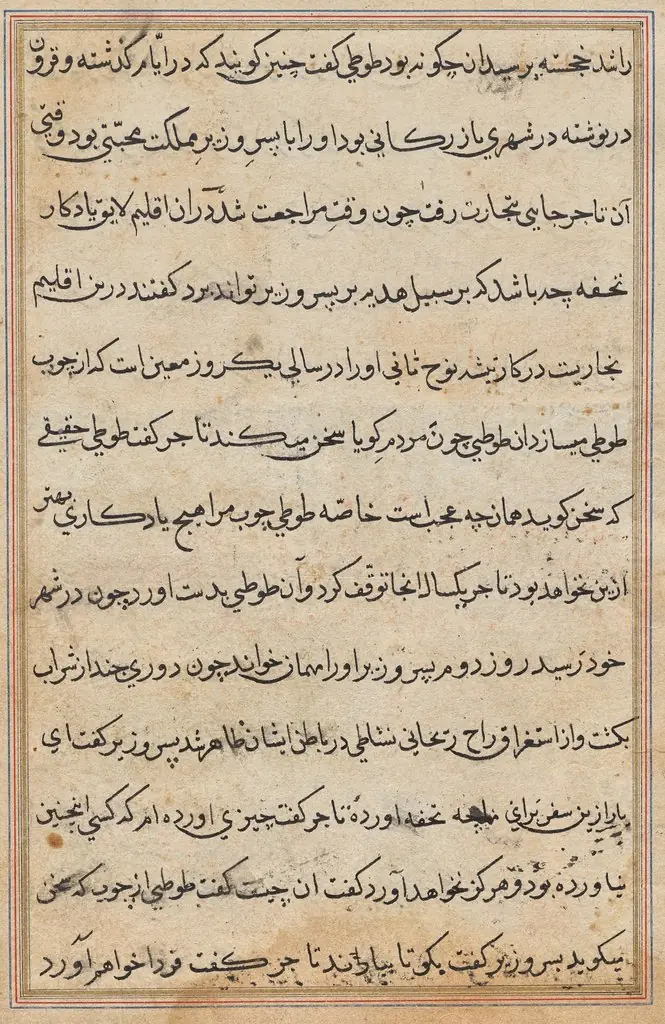 Page from Tales of a Parrot (Tuti-nama): text page
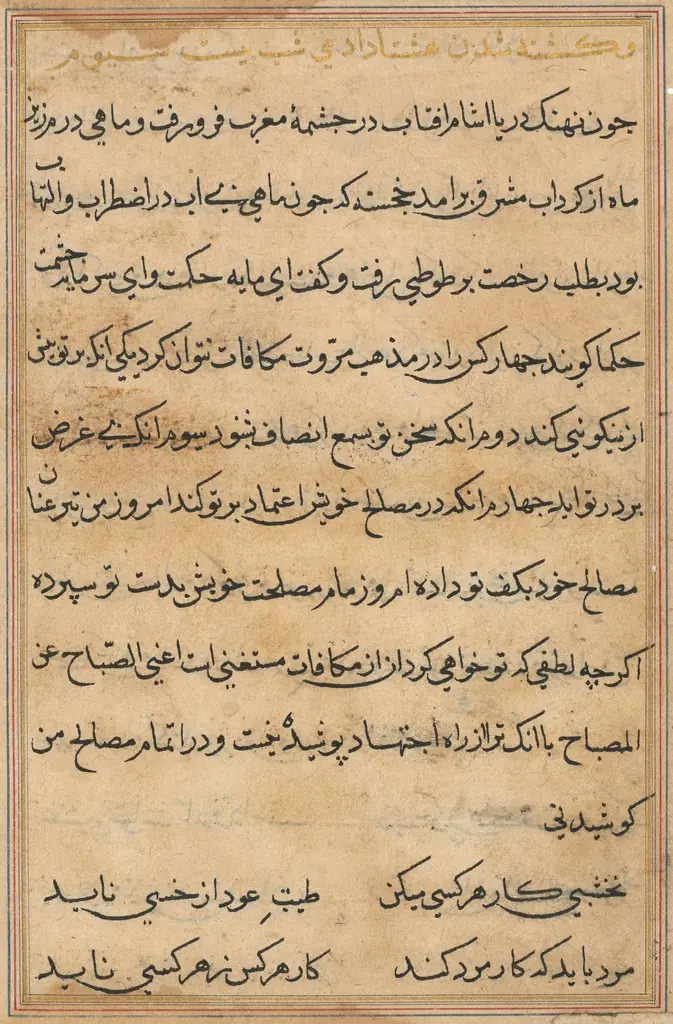 Page from Tales of a Parrot (Tuti-nama): text page
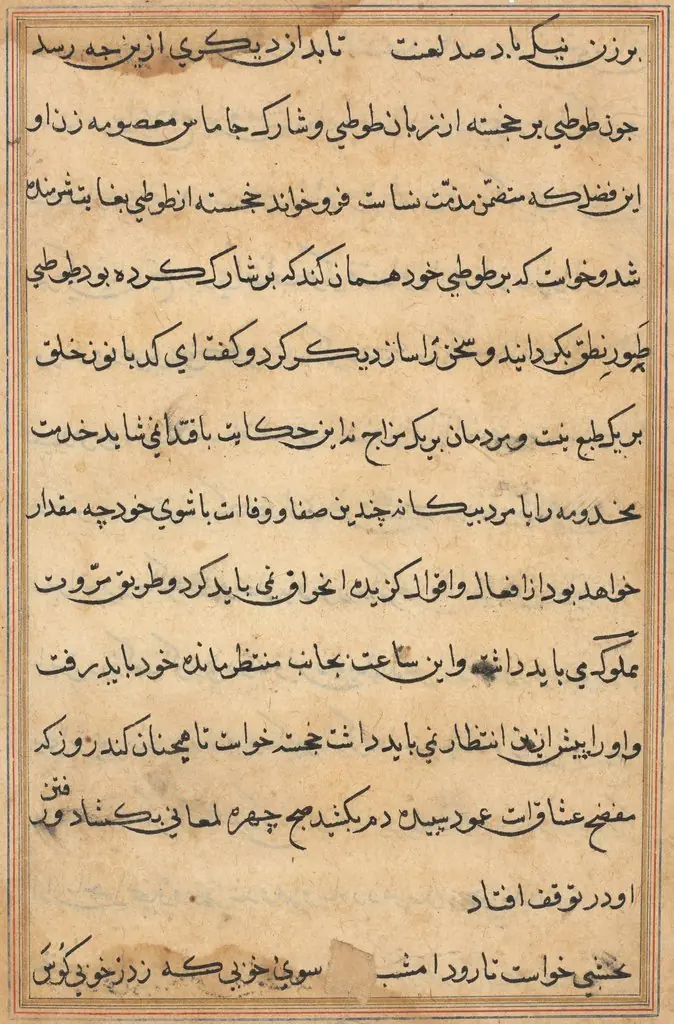 Page from Tales of a Parrot (Tuti-nama): text page
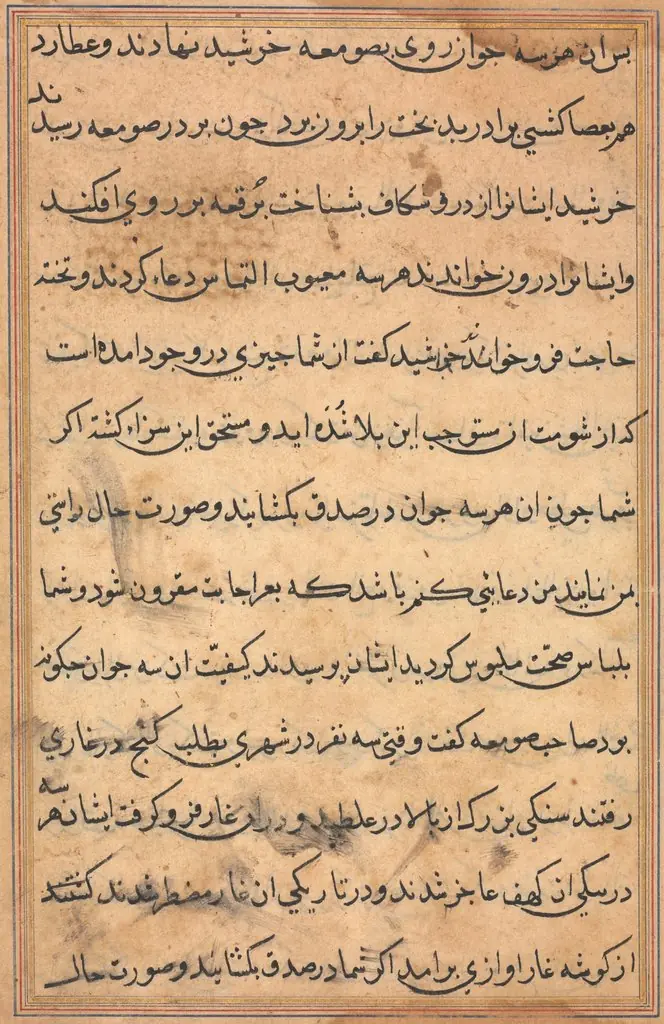 Page from Tales of a Parrot (Tuti-nama): text page