Artwork
São Jerónimo
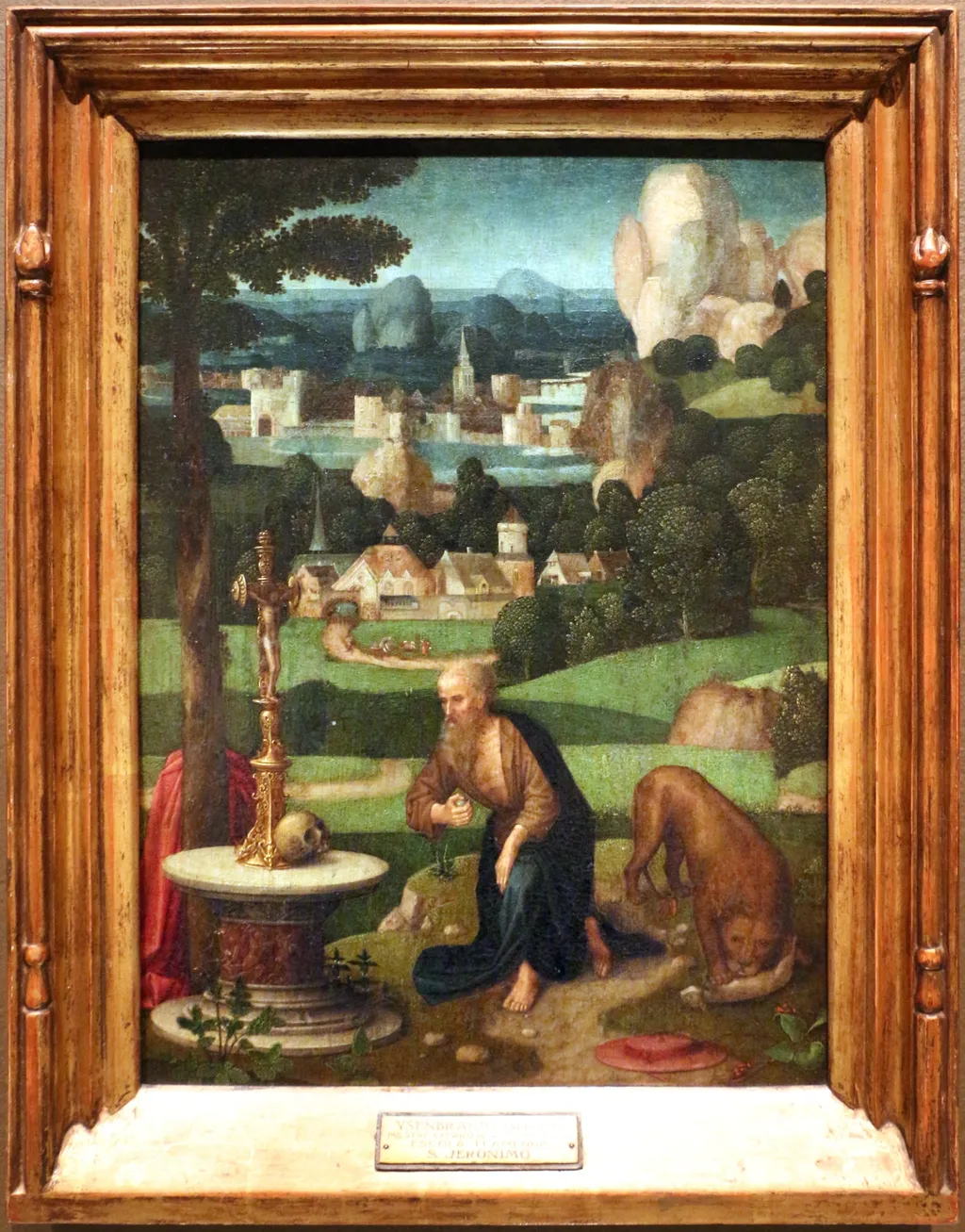
São Jerónimo is an unspecified painting by the Mannerist artist Unknown. It dates from 1550 and is held in the collection of the National Museum of Ancient Art. The work depicts a solitary figure kneeling on a stony path, accompanied by a dog.
About this work
Overview
The work depicts a solitary figure kneeling on a stony path, accompanied by a dog. He is barefoot, clothed in a brown tunic beneath a blue robe, and holds a small object in his right hand. To his left rests a skull on a white, round table, alongside a tall, ornate gold object. Behind them, a tranquil landscape of rolling hills, trees and a distant village extends.
Subject & Meaning
The kneeling man appears absorbed in contemplation, his gaze directed downward, suggesting meditation on mortality, reinforced by the presence of the skull—a traditional memento mori. The dog, often a symbol of fidelity, adds a domestic counterpoint, while the gold object may allude to spiritual or material wealth, juxtaposing earthly concerns with the transience of life.
Technique & Style
The painter employs a restrained palette of earth tones and muted blues, creating depth through subtle shifts in light and shadow. Careful modeling of forms and the use of chiaroscuro give the figures a three‑dimensional presence, while the atmospheric perspective in the background recedes the hills and village, enhancing the sense of space.
Context
The composition reflects the influence of late‑Renaissance and early Baroque devotional imagery, where solitary saints or hermits are shown in isolated, natural settings. The inclusion of symbolic objects such as the skull aligns the work with the vanitas tradition, reminding viewers of the fleeting nature of earthly existence.
Artist & collection

 Domestic Scene
 Giacomo and Cardinal Marco, investing Andrea, Abbot of San Zeno, with his Benefice
 The Nymph of Fontainebleau
 Portrait of a Woman
 Madonna and Child with Saints in the Enclosed Garden
 Venus and Minerva
 Family Group of Four on Sofa
 Wall painting from Room H of the Villa of P. Fannius Synistor at Boscoreale
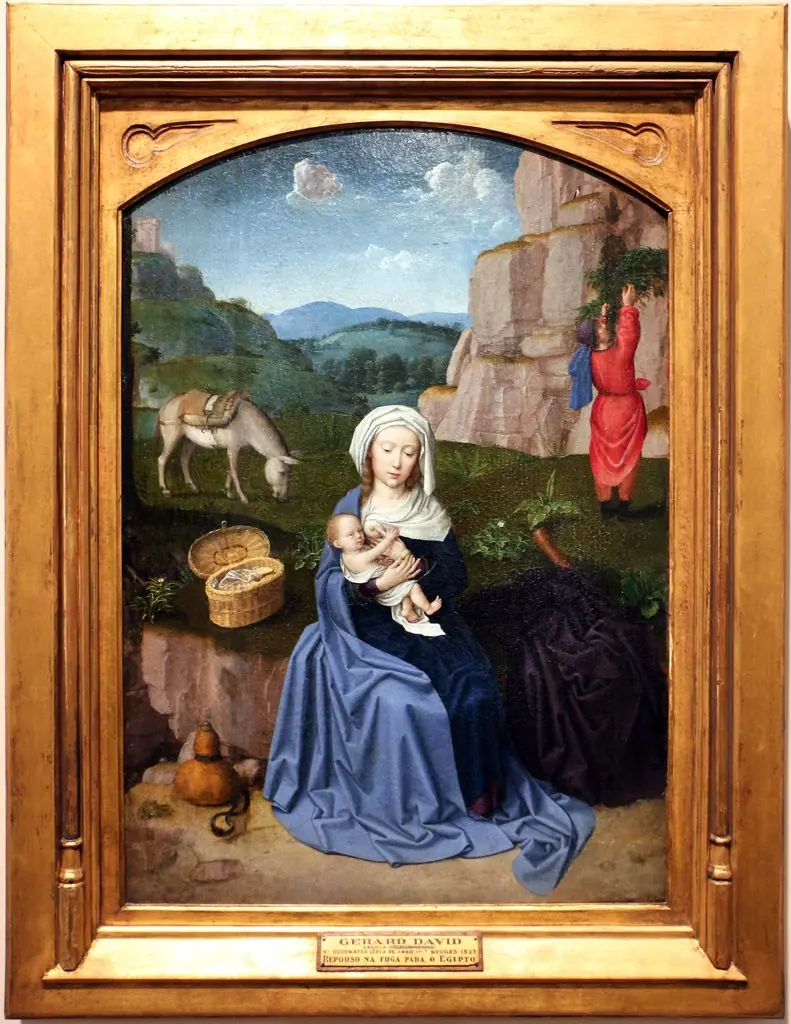 Rest on the Flight into Egypt
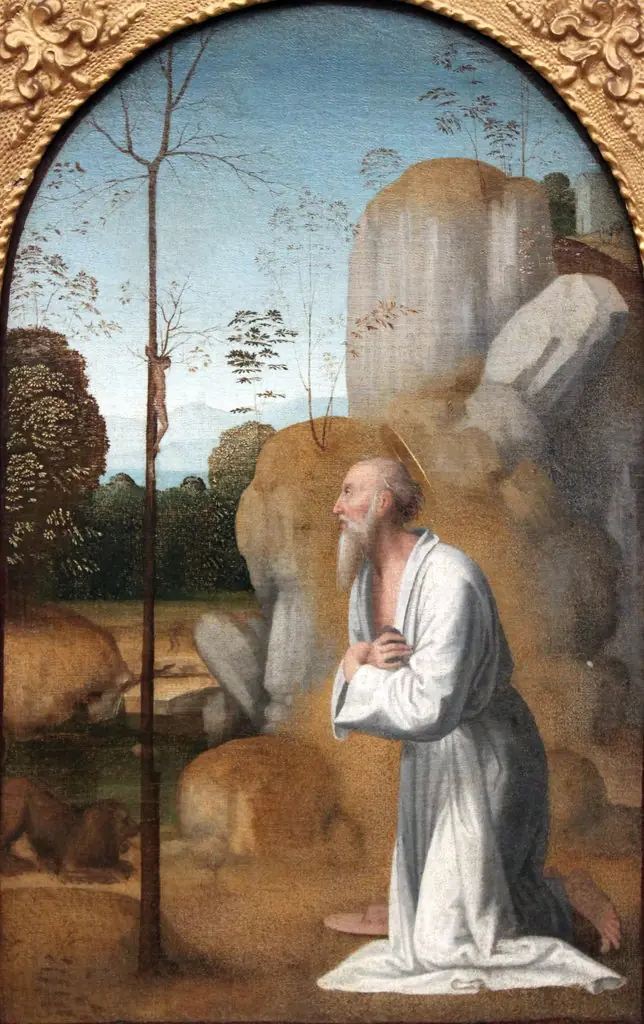 Penitent saint Jerome
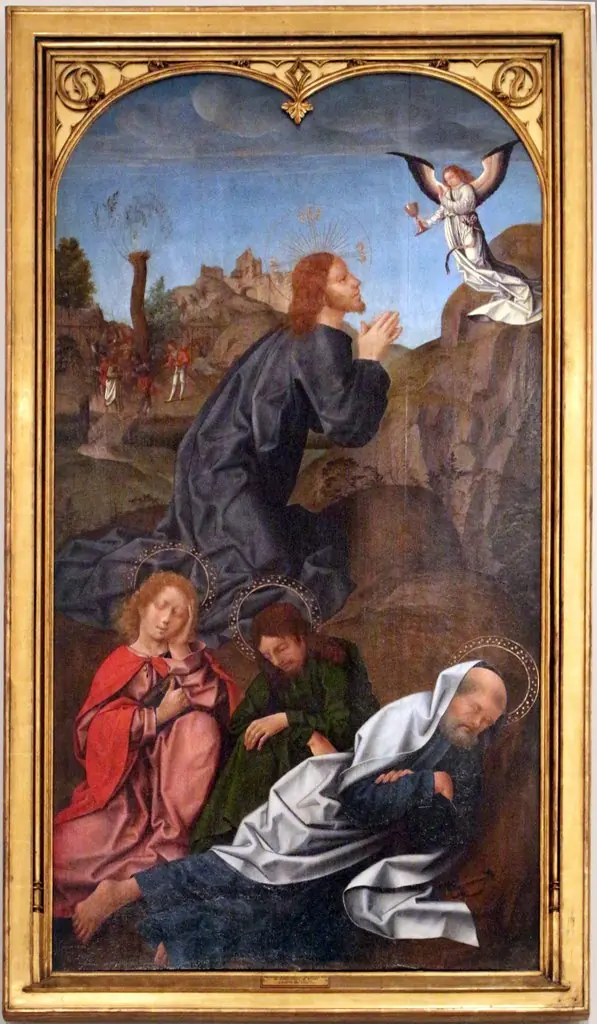 Cristo no Horto
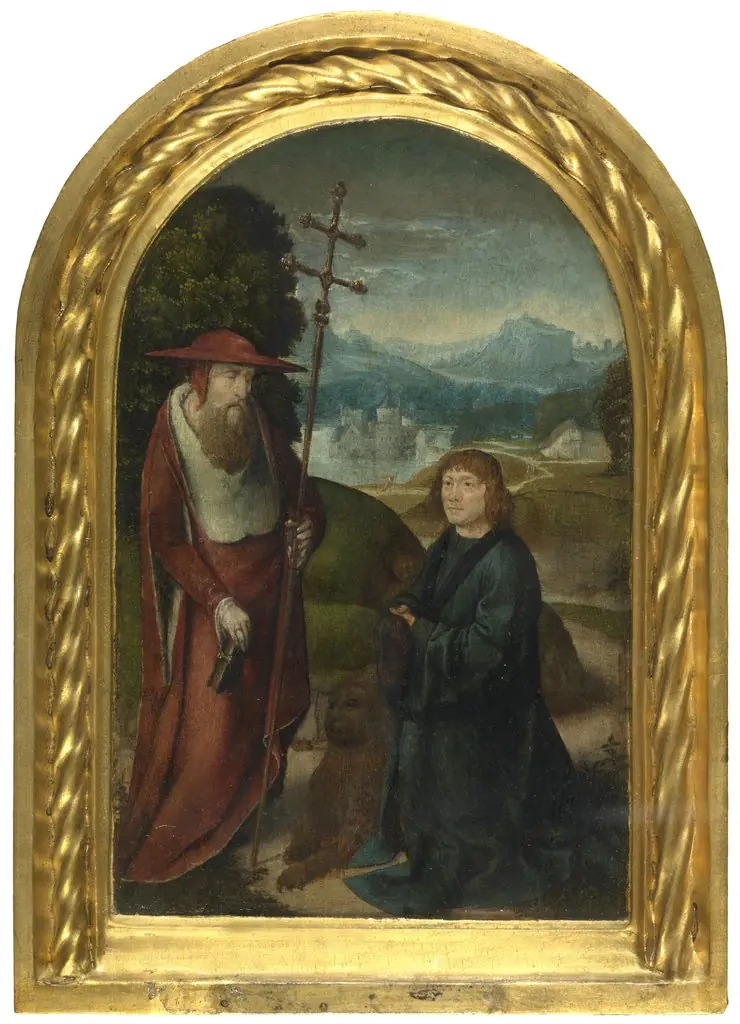 Saint Jerome and Donor
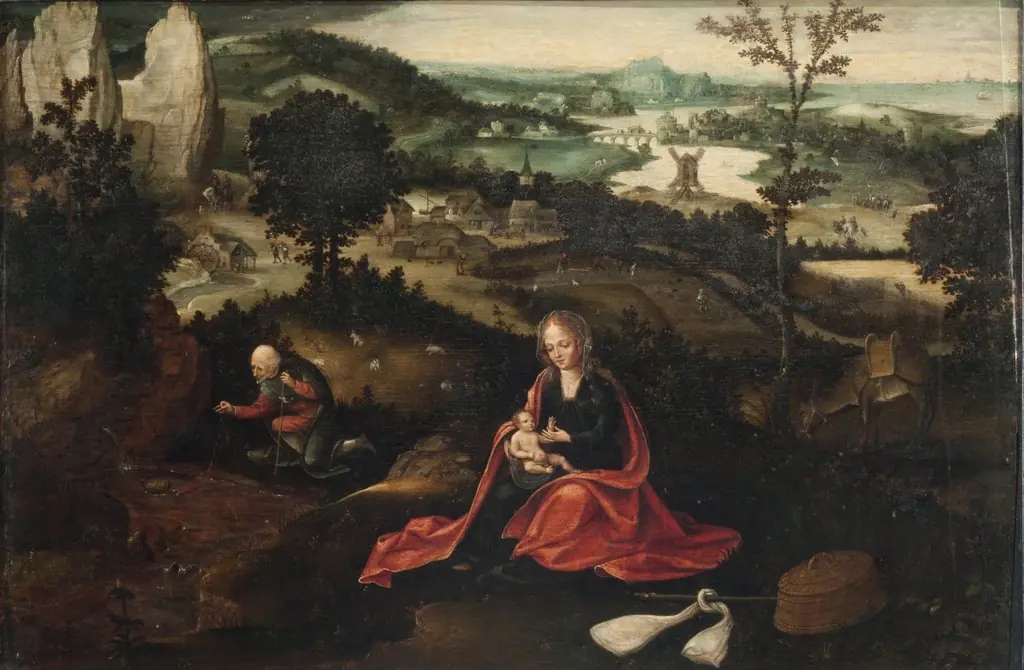 Rest on the Flight into Egypt
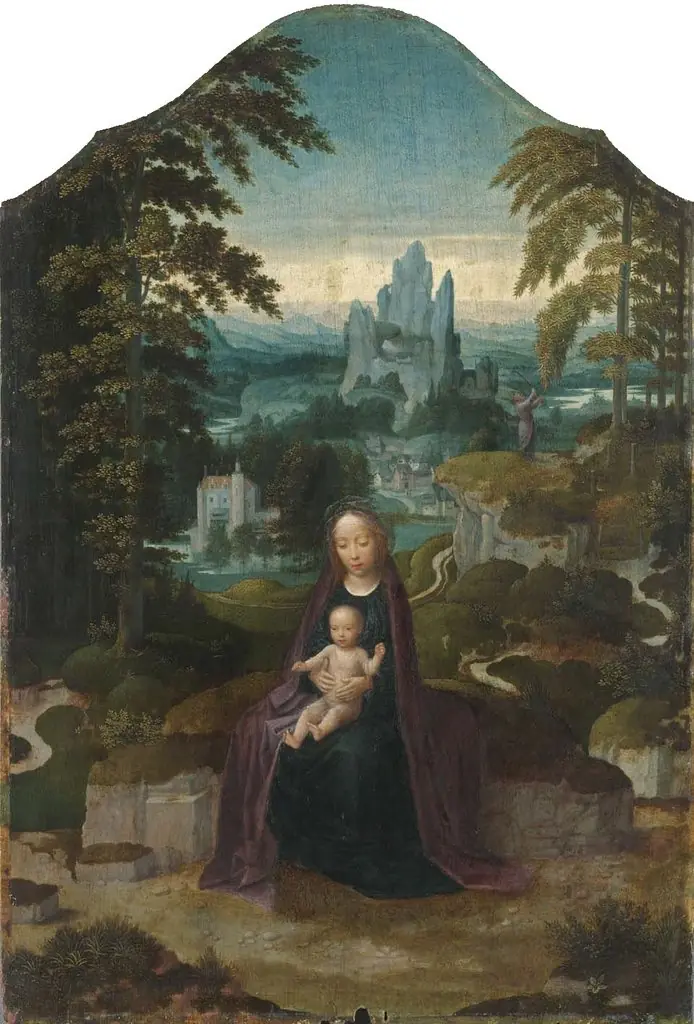 The Rest on The Flight into Egypt
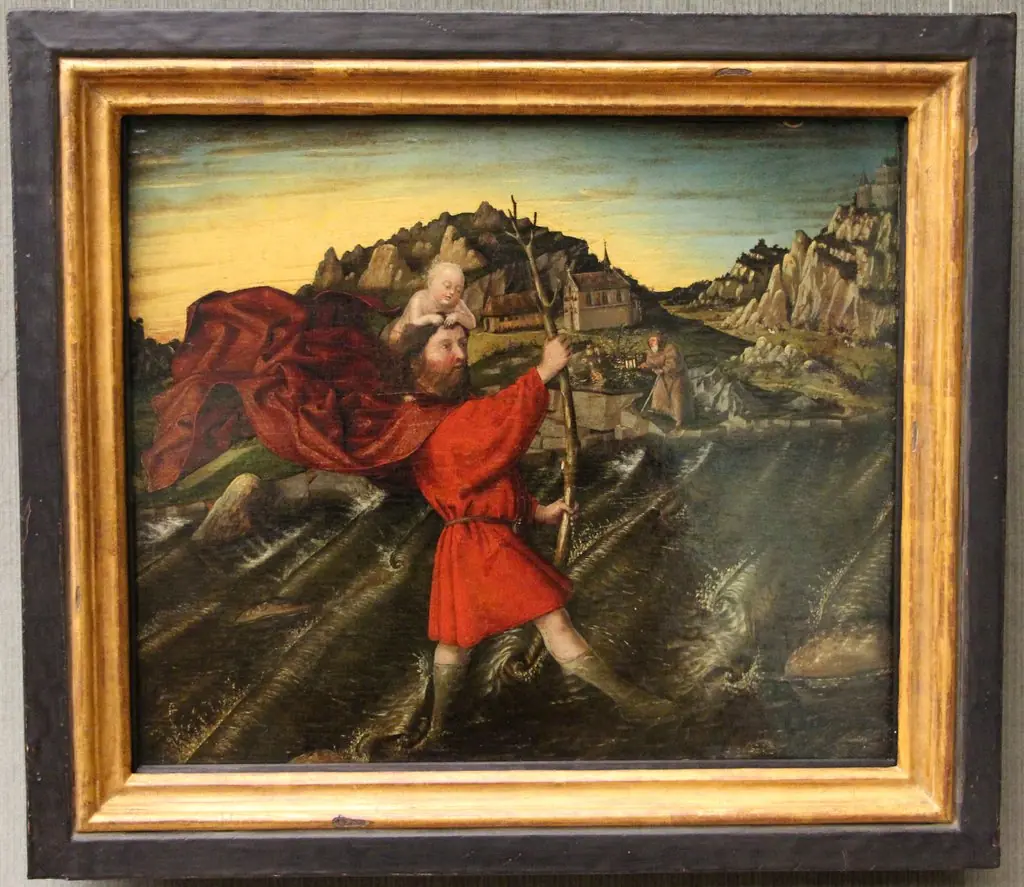 Saint Christopher (Berlin)
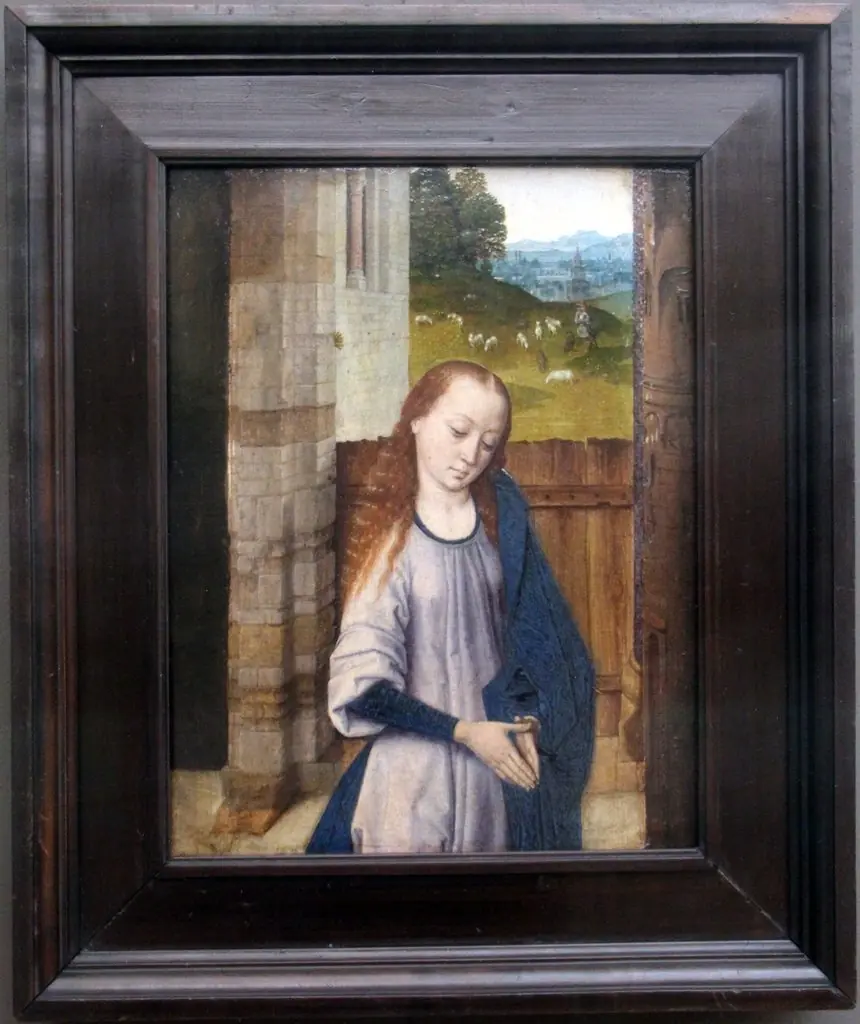 Maria in Prayer
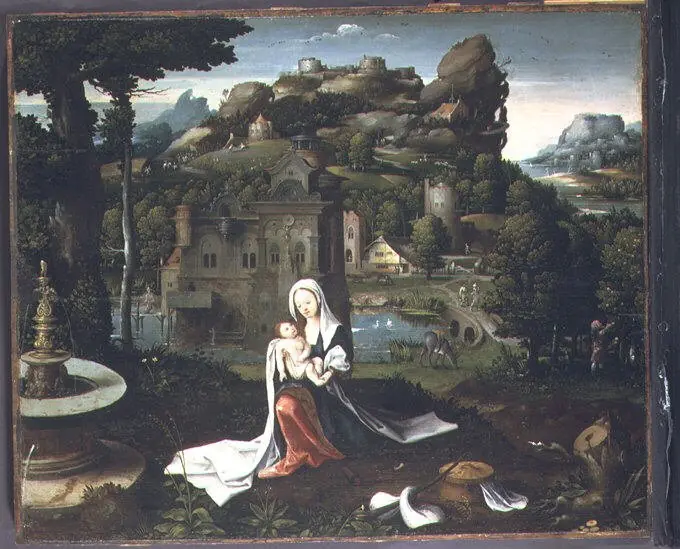 The Rest on the Flight into Egypt
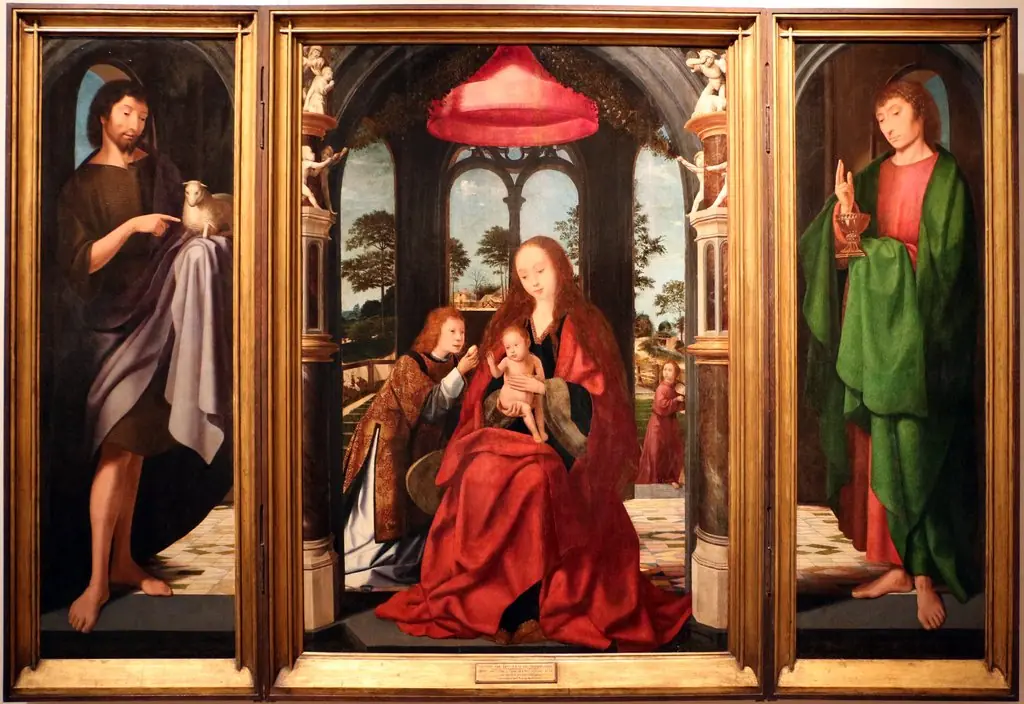 Triptych of the Virgin with the Child and Angels, St. John the Baptist and St. John the Evangelist
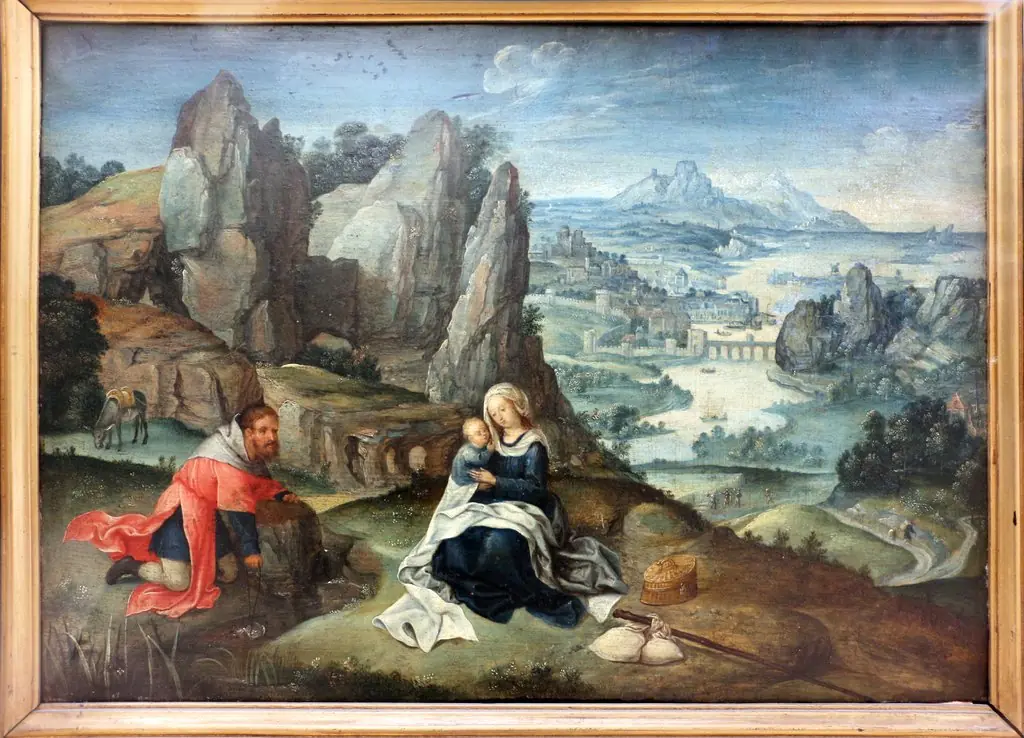 Rest on the Flight into Egypt
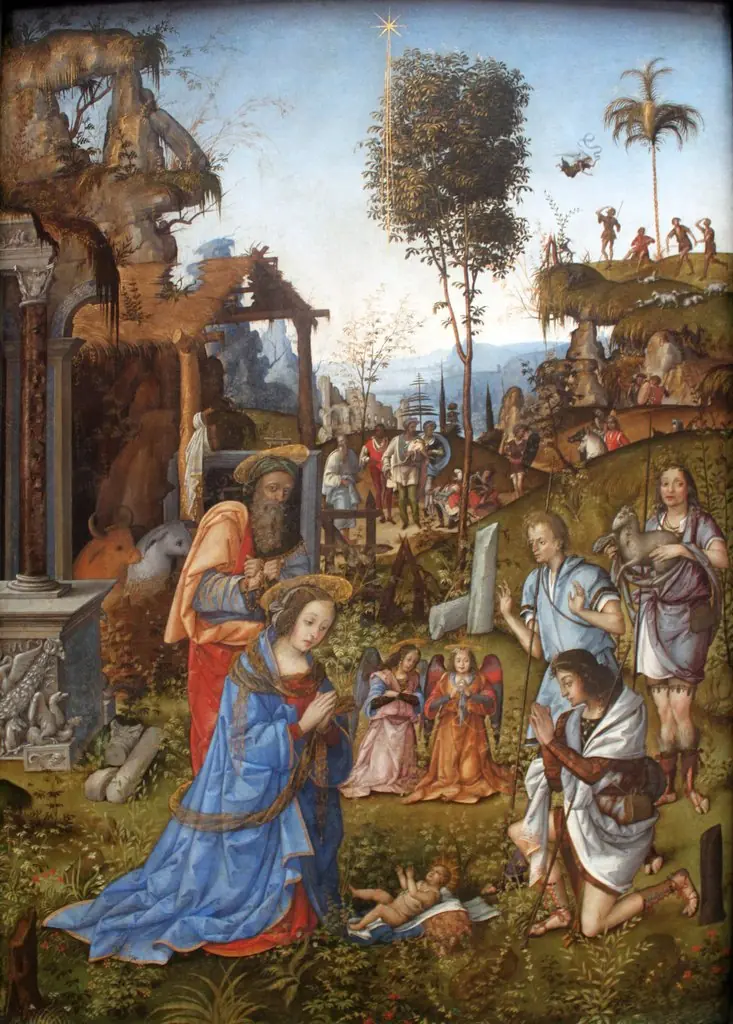 The Adoration of the Shepherds