Artwork
Coffered ceiling panel with palm leaf and interlacing motifs
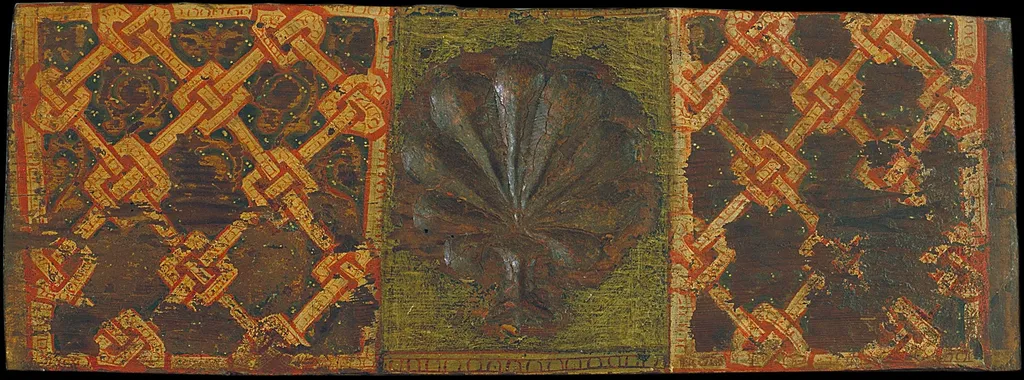
Coffered ceiling panel with palm leaf and interlacing motifs is an unspecified painting by Unknown. It dates from 1300 and is held in the collection of the Museu Nacional d'Art de Catalunya. The work is a painted ceiling panel dating from the 14th century.
About this work
The leaf is surrounded by a green border, and the rest of the panel is decorated with interlacing patterns in red and yellow.
This painting shows a ceiling panel with a large palm leaf in the center. The leaf is surrounded by a green border, and the rest of the panel is decorated with interlacing patterns in red and yellow. The patterns are made up of lines that weave in and out of each other, creating a sense of movement and energy. The painting is quite old, dating back to the 14th century. It's not clear what medium was used to create it, but it's likely that it was painted on wood or another durable material.
Overview
The work is a painted ceiling panel dating from the 14th century. Its central motif is a stylised palm leaf set against a surrounding green border, while the remaining surface is filled with interlacing geometric patterns rendered in red and yellow. The composition suggests a decorative scheme intended for an architectural interior.
Subject & Meaning
The dominant palm leaf may symbolize fertility, victory or a connection to the natural world, themes common in medieval decorative art. The surrounding interlaced bands, with their rhythmic crossing lines, function as ornamental filler, reinforcing a sense of continuity and visual movement across the ceiling surface.
Technique & Style
The panel was likely executed on a wooden substrate, a common support for large decorative surfaces in the period. Pigments in red, yellow and green were applied in a flat, opaque manner, creating bold contrasts. The interlacing motifs reflect a geometric style that parallels contemporary manuscript illumination and architectural ornamentation.
History & Provenance
Created in the 14th century, the panel’s original location is not documented, but its scale and subject matter indicate it was intended for a public or ecclesiastical building. The work has survived in relatively good condition, suggesting it was valued and preserved through successive generations.
Artist & collection

 Domestic Scene
 Giacomo and Cardinal Marco, investing Andrea, Abbot of San Zeno, with his Benefice
 The Nymph of Fontainebleau
 Portrait of a Woman
 Madonna and Child with Saints in the Enclosed Garden
 Venus and Minerva
 Family Group of Four on Sofa
 Wall painting from Room H of the Villa of P. Fannius Synistor at Boscoreale
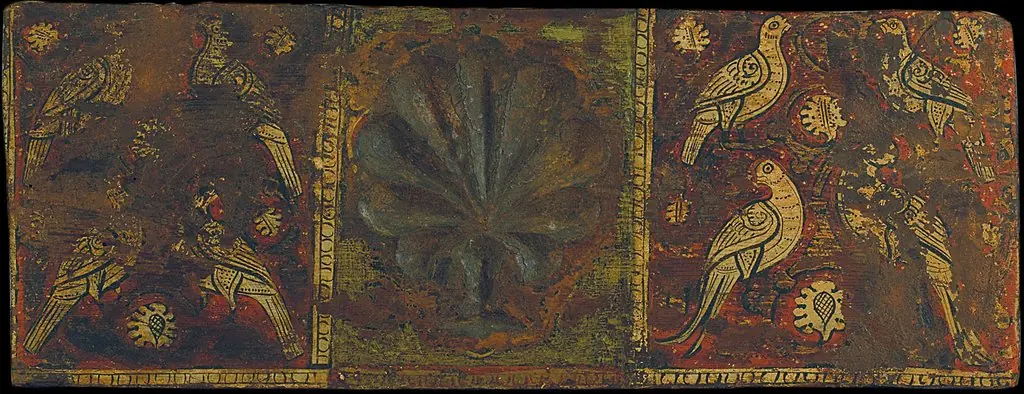 Coffered ceiling panel with palm leaf and birds
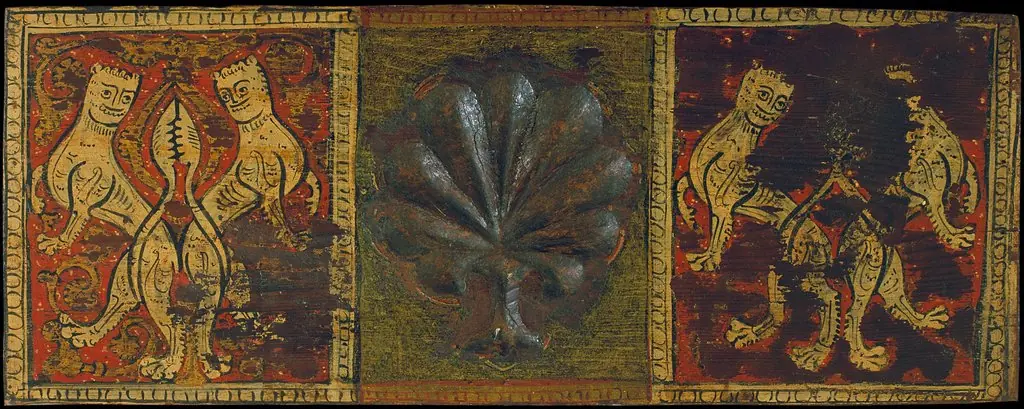 Coffered ceiling panel with palm leaf and fantastic animals
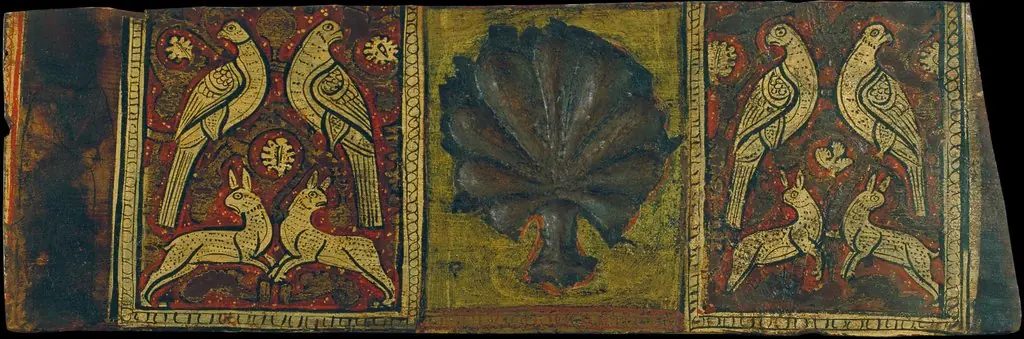 Ceiling panel with palm leaf, birds and four-legged animals
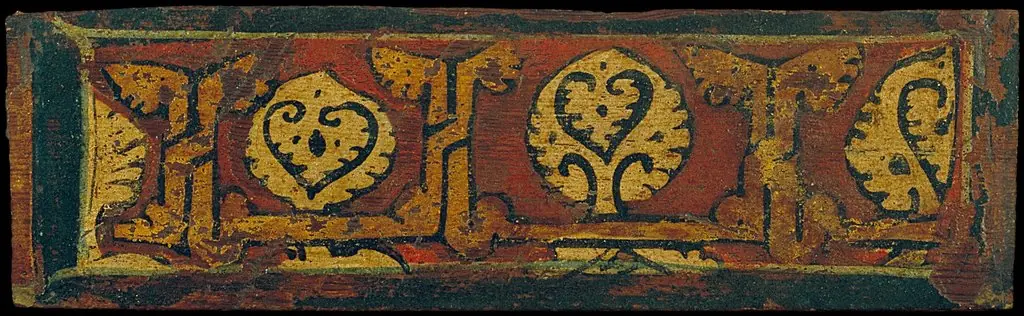 Small coffered ceiling panel with plant motifs
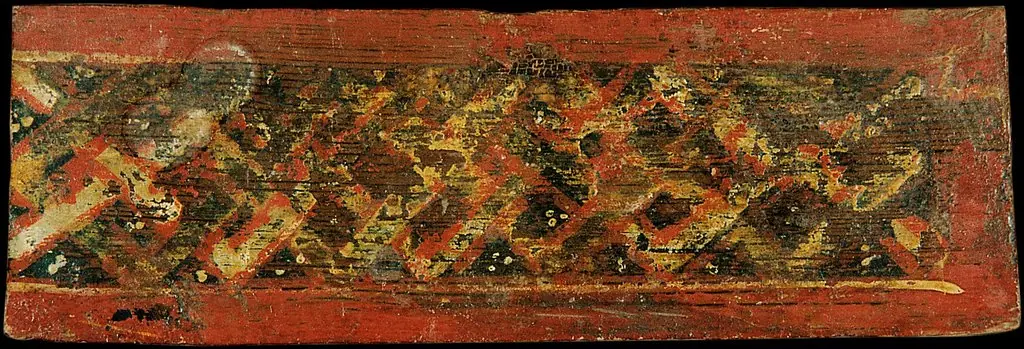 Coffered ceiling panel
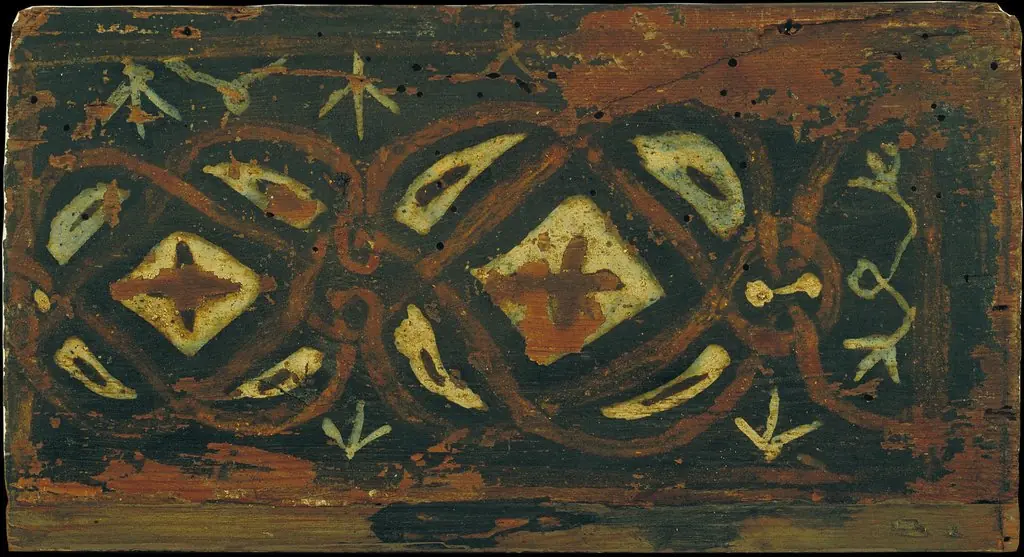 Small coffered ceiling panel with geometric motifs
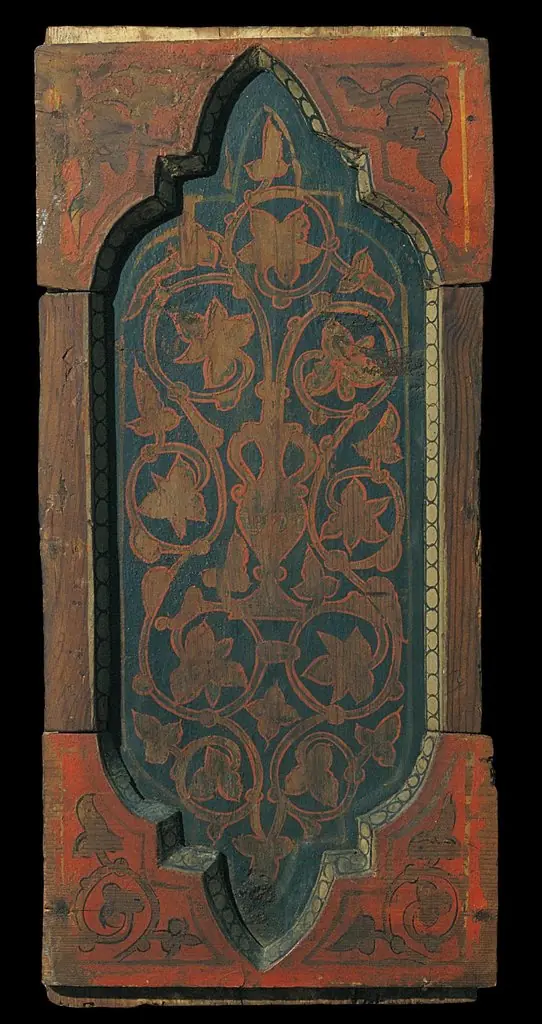 Coffered ceiling panel with plant motifs
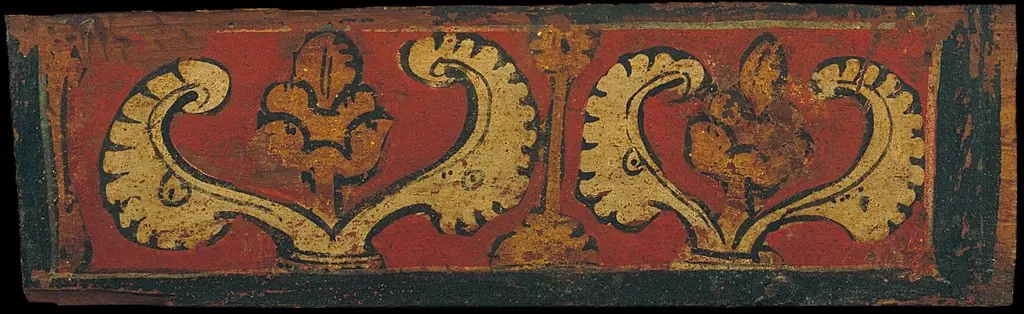 Small coffered ceiling panel with plant motifs
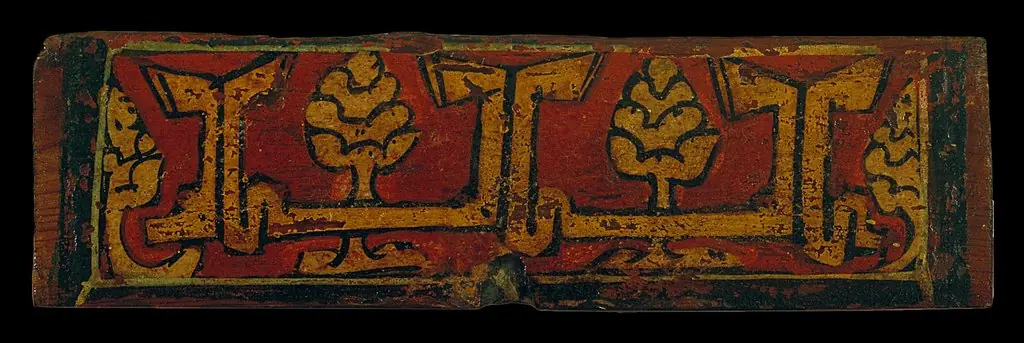 Small coffered ceiling panel with plant motifs
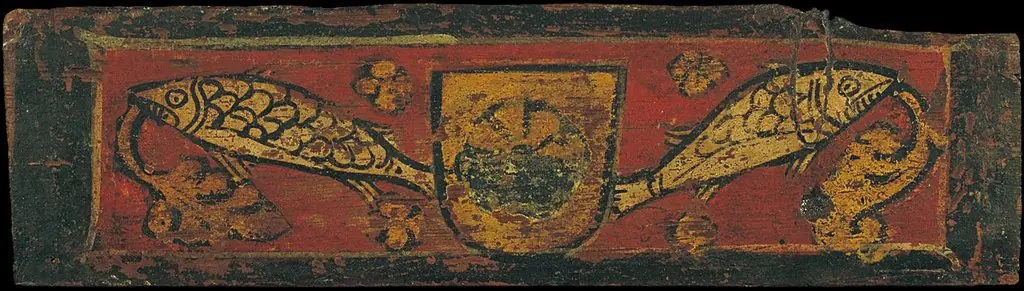 Small coffered ceiling panel with coat of arms and fishes devouring plant motifs
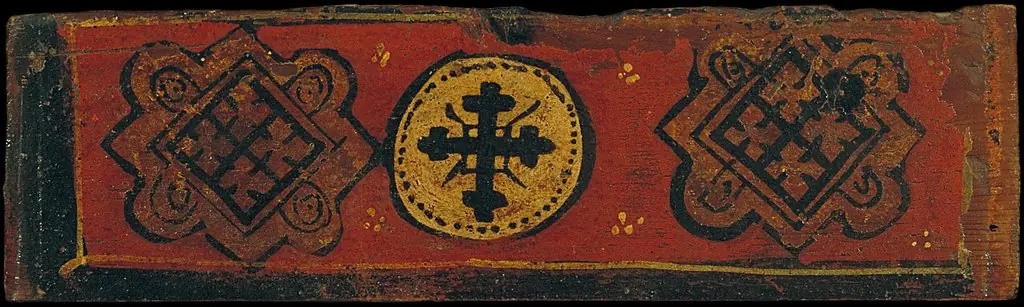 Small coffered ceiling panel with a cross and coats of arms in lozenge form