Artwork
Vanitas
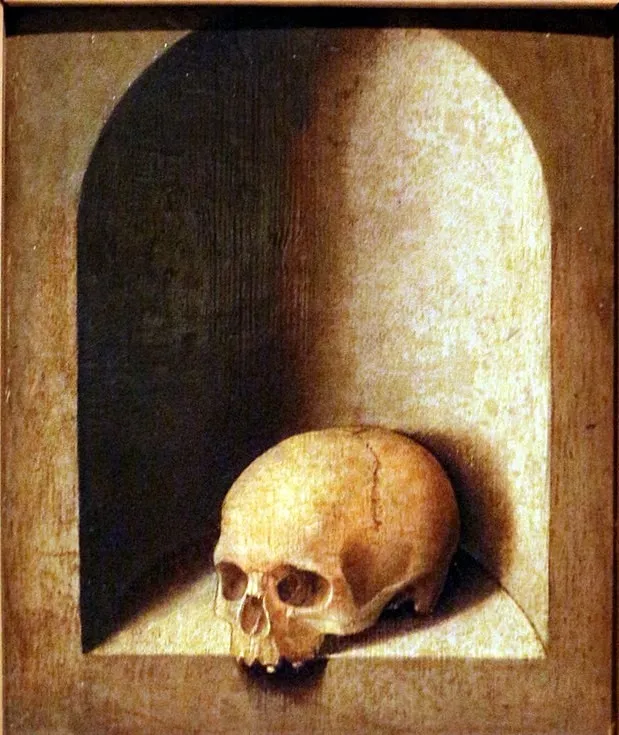
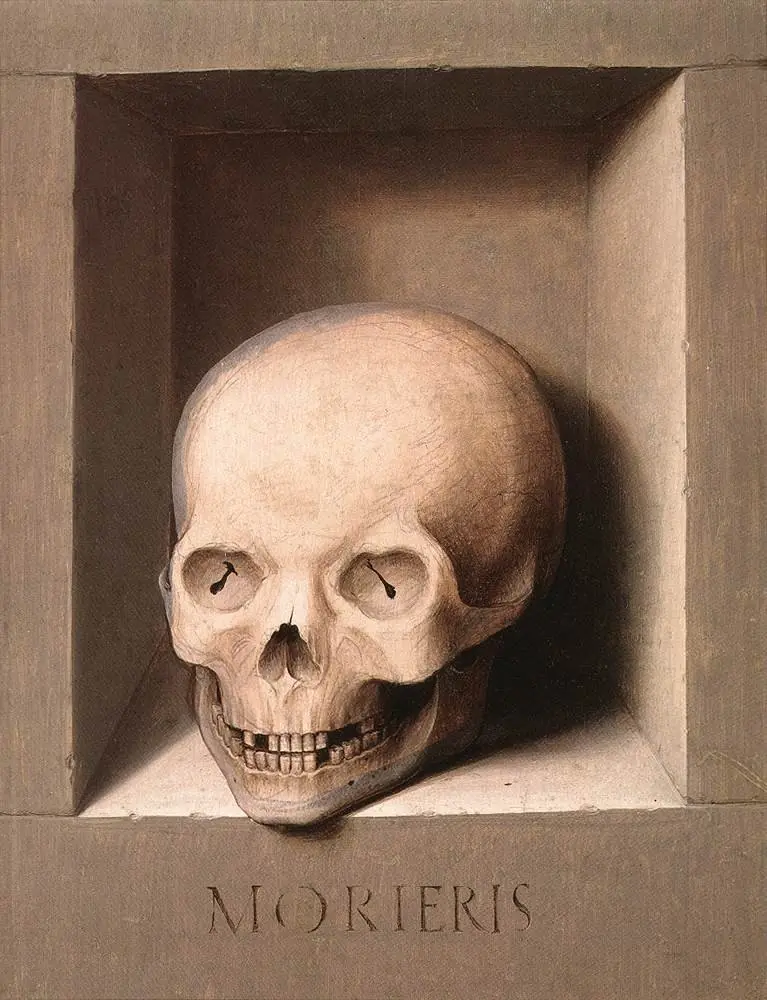
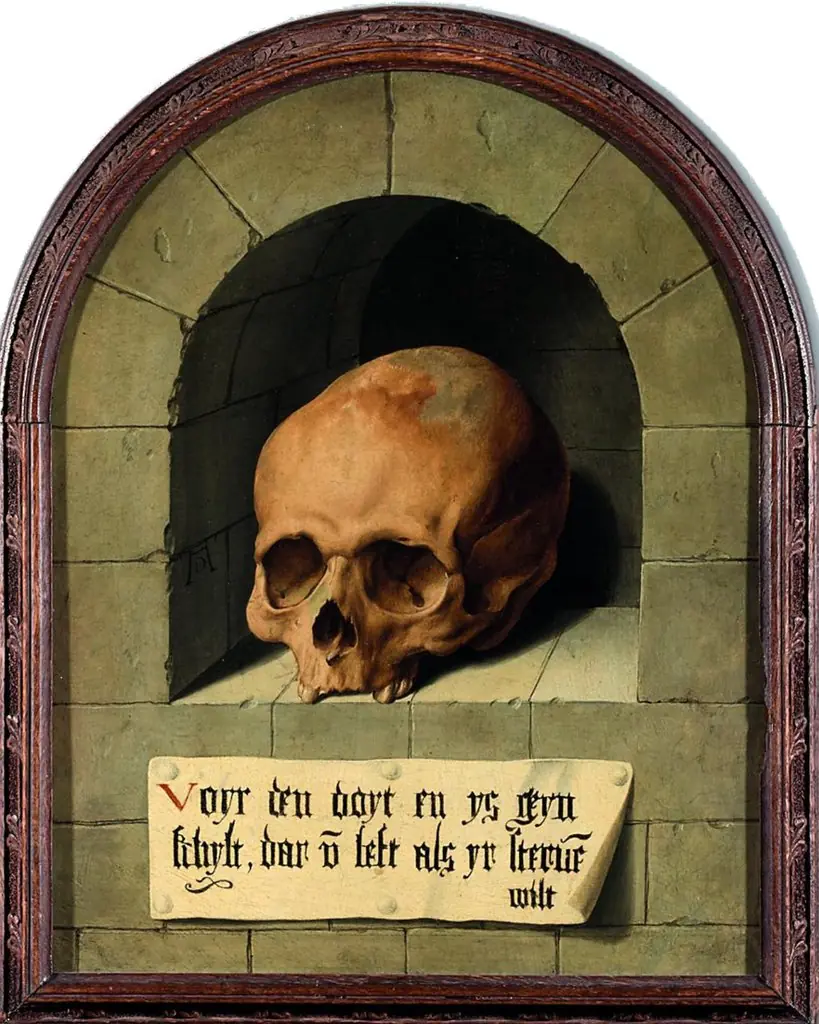
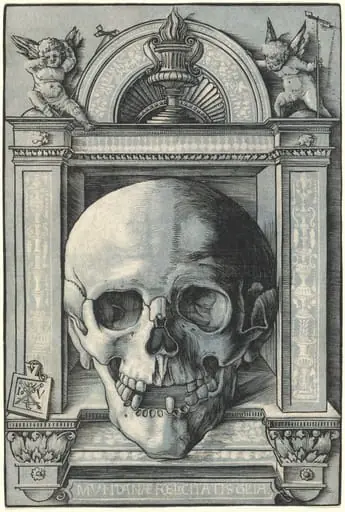
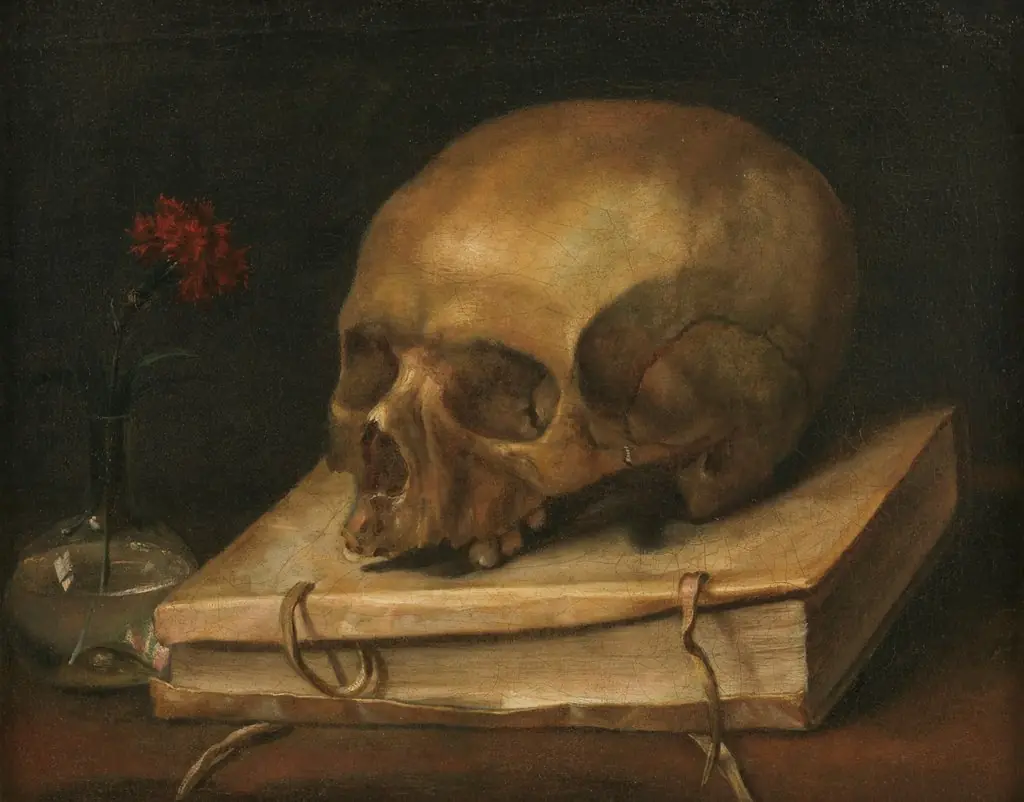
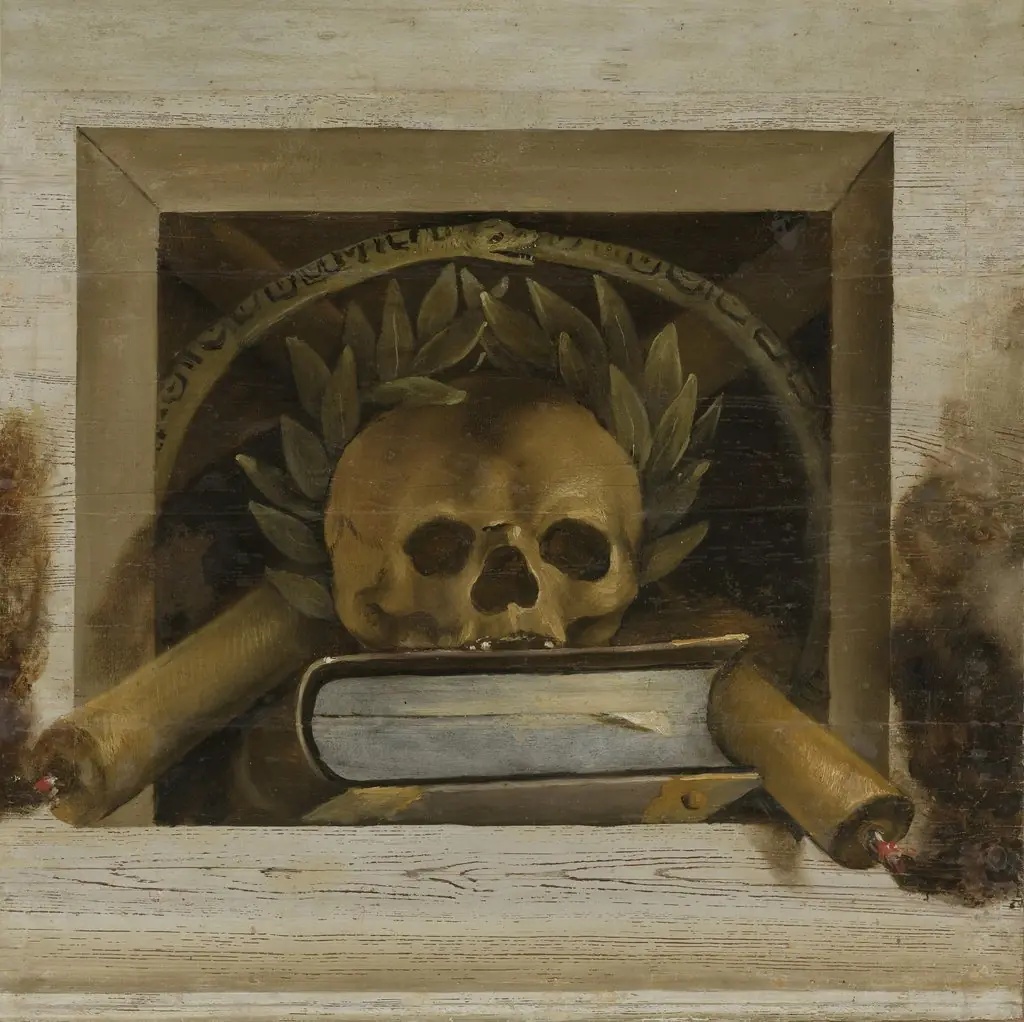
Vanitas is an unspecified painting by the Mannerist artist Unknown. It dates from 1520 and is held in the collection of the National Museum of Ancient Art. The work presents a solitary skull set within a shallow, arched niche.
About this work
Overview
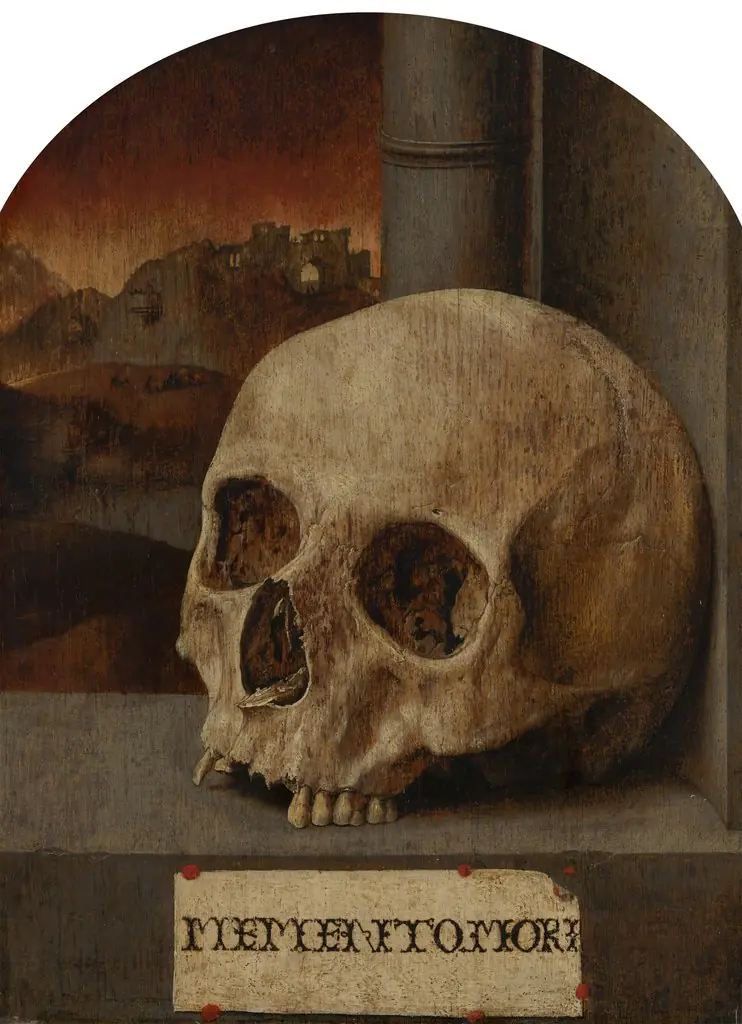
The work presents a solitary skull set within a shallow, arched niche. The niche is rendered in muted brown and beige tones, with a subtle shadow falling across its left side. The skull, rendered in a comparable brown hue, rests on a flat ledge and its lower jaw is slightly ajar, creating a quiet, contemplative composition.
Subject & Meaning
The central motif of a human skull evokes the traditional vanitas theme, reminding viewers of mortality and the transience of earthly existence. By isolating the bone in a simple architectural frame, the painting underscores the inevitability of death without overt symbolic accoutrements, inviting reflection on the fleeting nature of life.
Technique & Style
Executed in a realistic manner, the artist employs careful modeling of light and shadow to convey the texture of bone and the surface of the niche. Fine gradations of brown and beige produce a sense of depth, while the soft chiaroscuro on the left side enhances the three‑dimensionality of both skull and architectural setting.
Context
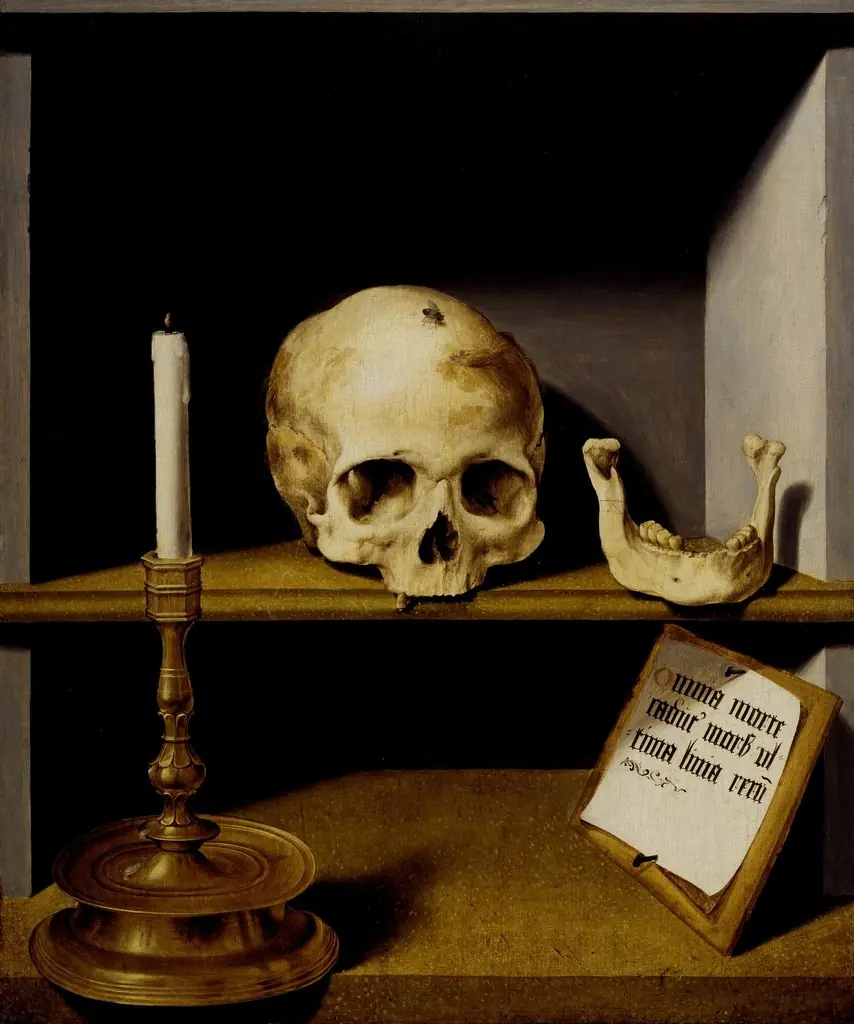
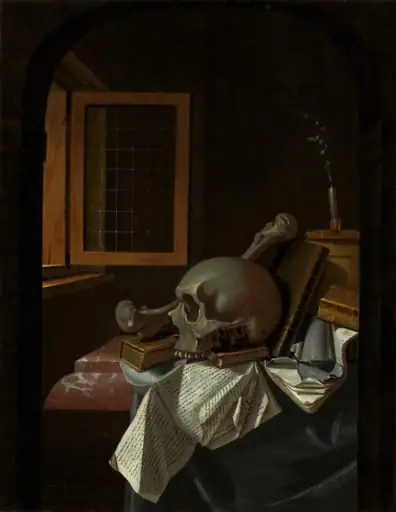
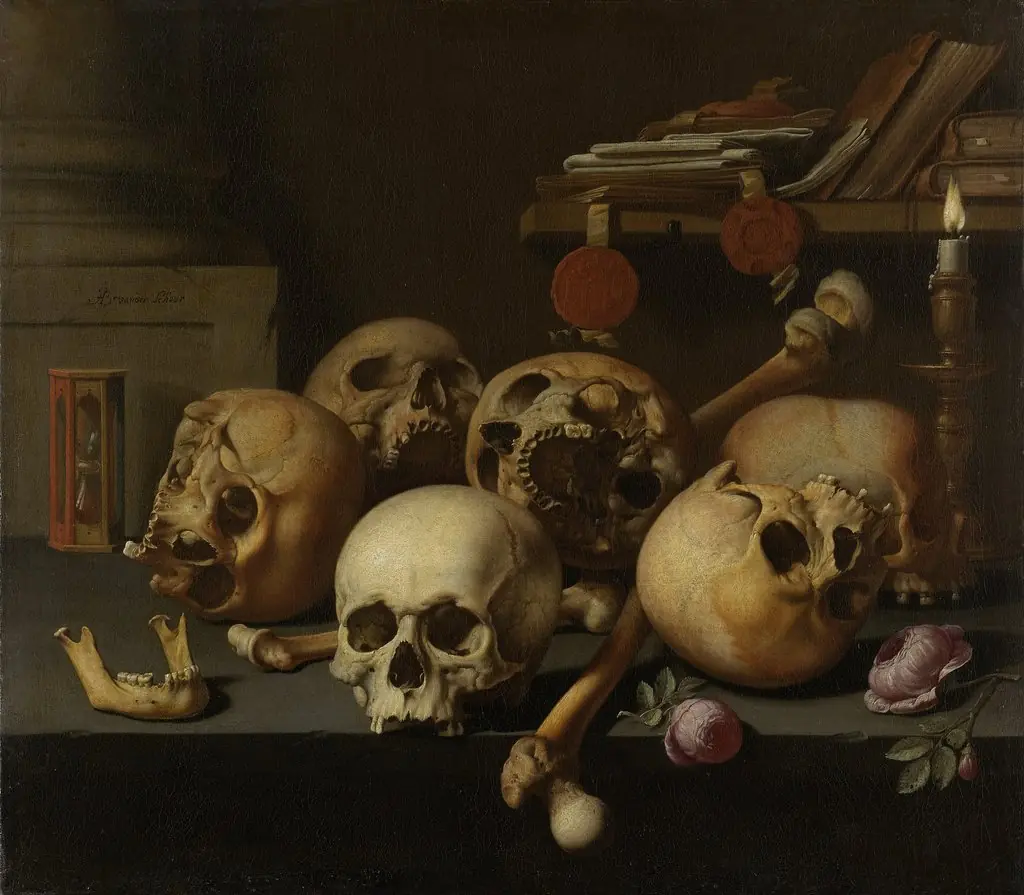
The composition aligns with the broader European tradition of still‑life and memento mori paintings that flourished from the 16th to the 18th centuries. Though lacking overt allegorical objects such as hourglasses or extinguished candles, the work’s restrained palette and focus on a single anatomical element reflect a later, more minimalist interpretation of the vanitas genre.
Artist & collection

 Domestic Scene
 Giacomo and Cardinal Marco, investing Andrea, Abbot of San Zeno, with his Benefice
 The Nymph of Fontainebleau
 Portrait of a Woman
 Madonna and Child with Saints in the Enclosed Garden
 Venus and Minerva
 Family Group of Four on Sofa
 Wall painting from Room H of the Villa of P. Fannius Synistor at Boscoreale