Artwork
Vanitas Still-Life
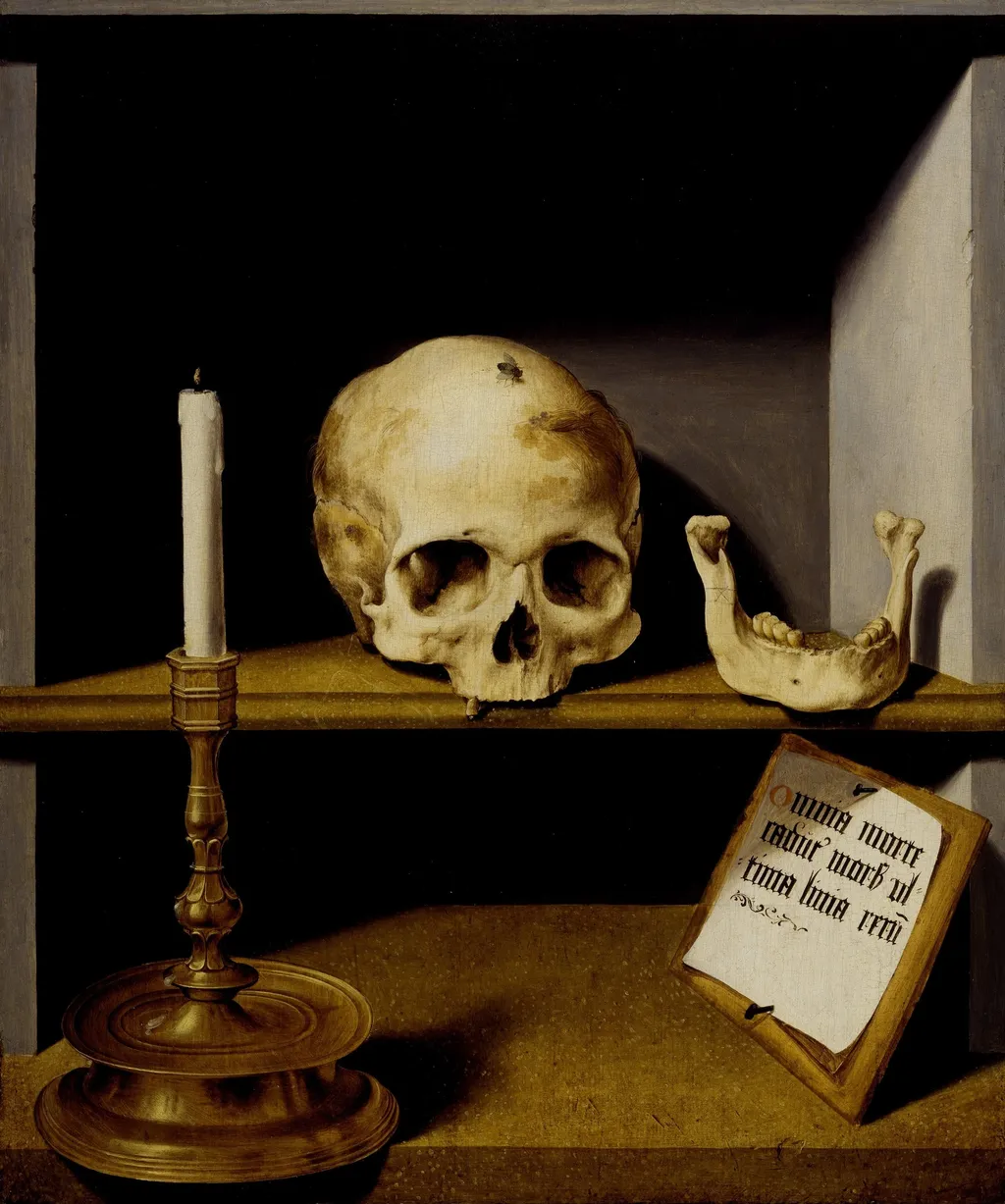
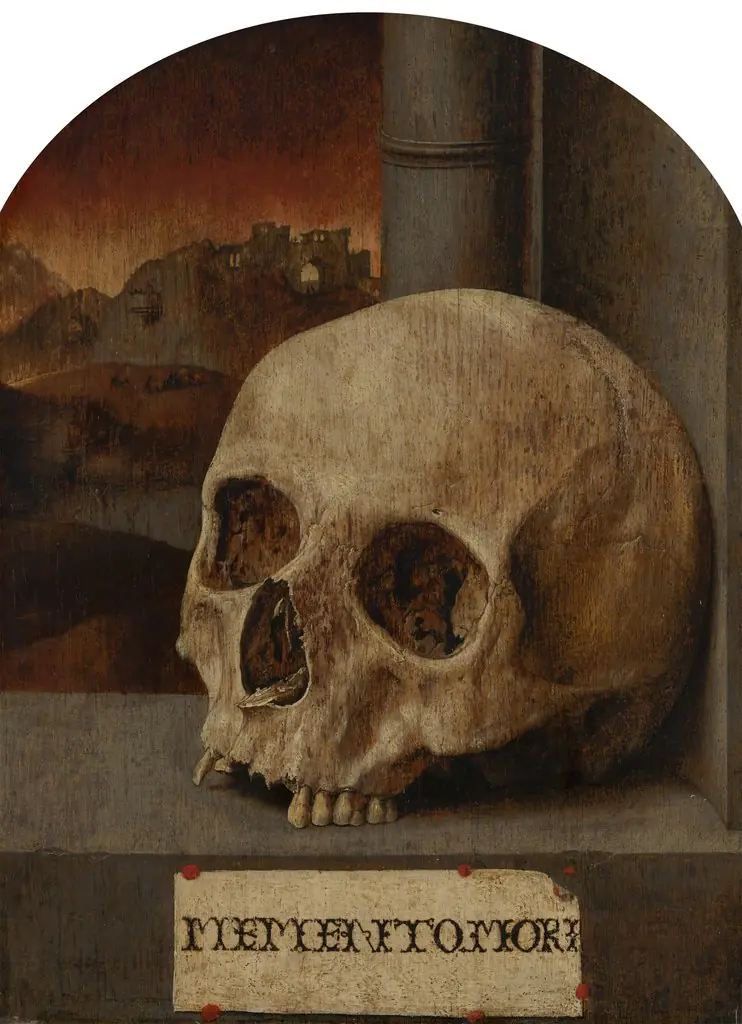
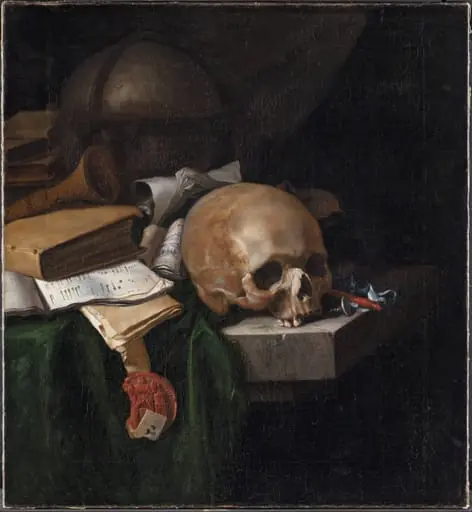
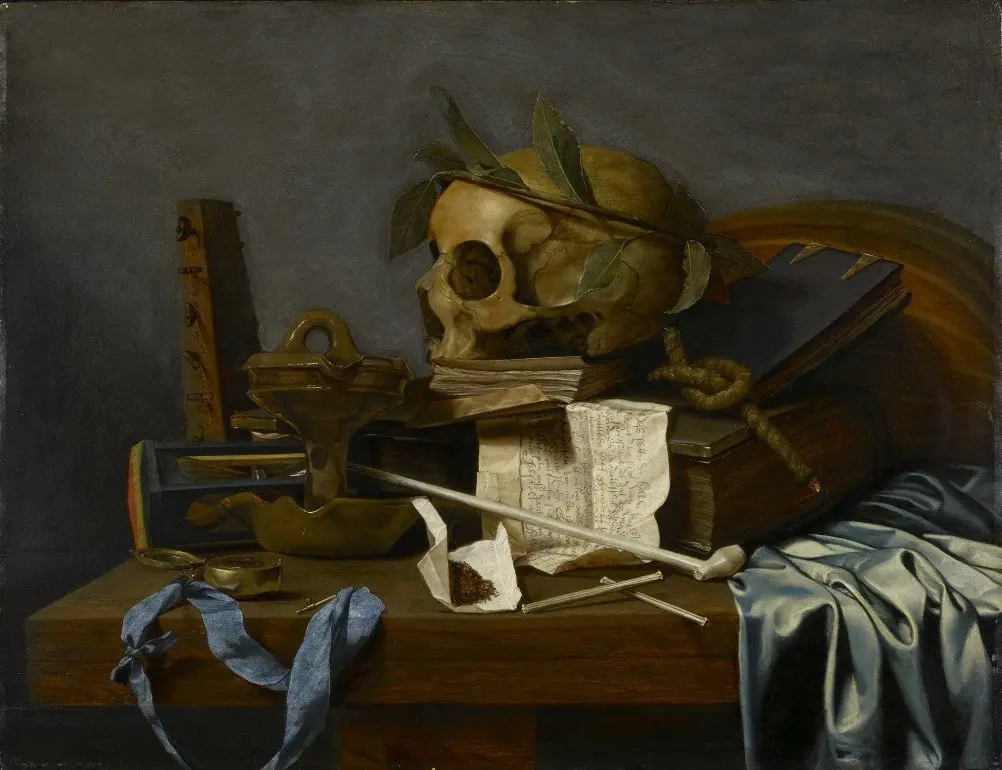
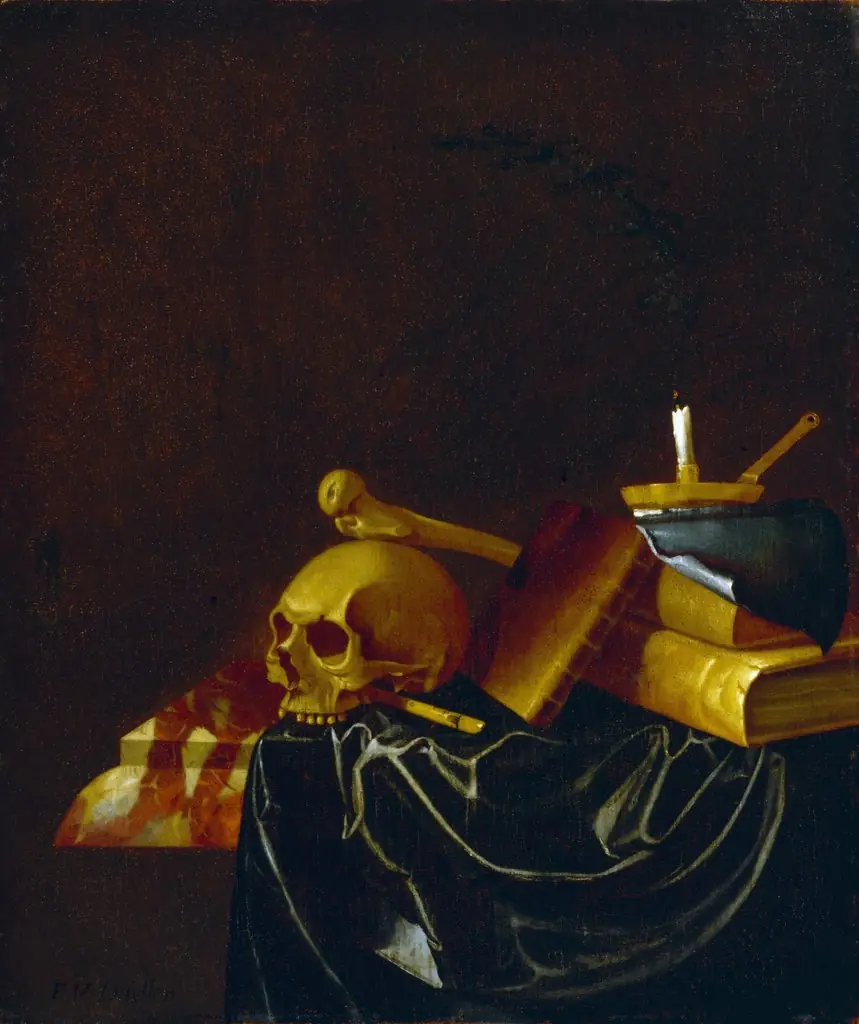
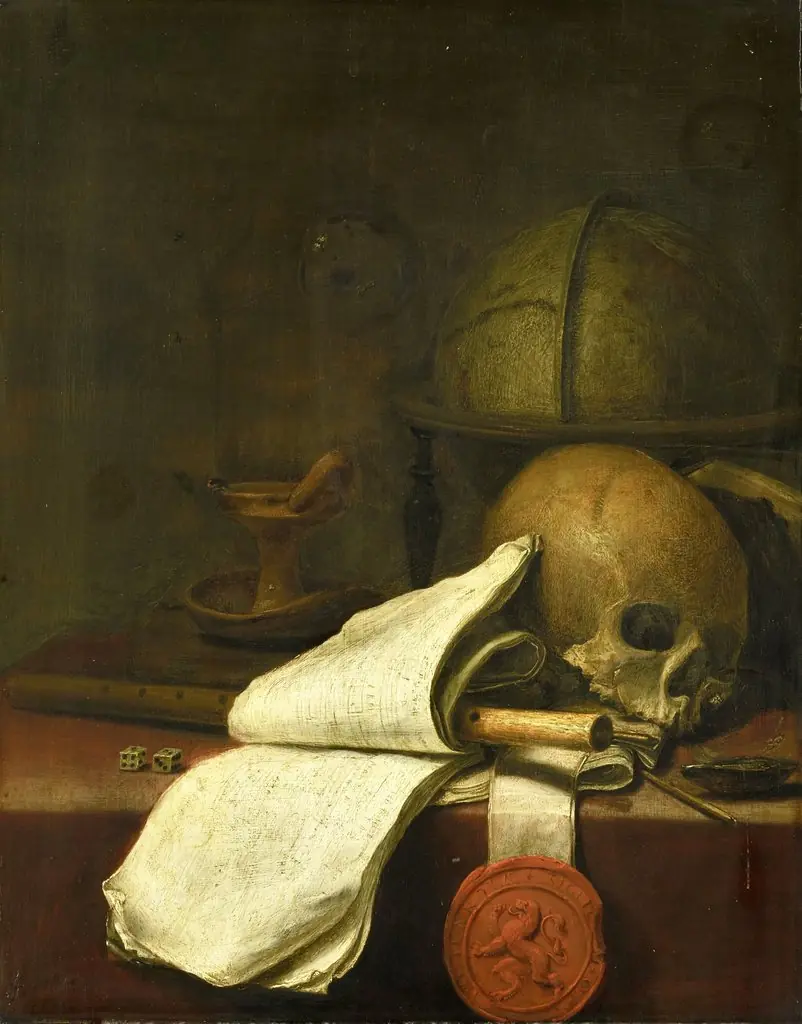
Vanitas Still-Life is an oil painting by the Early Baroque Italian artist Bartholomaeus Bruyn the Elder. It dates from 1524 and is held in the collection of the Kröller-Müller Museum.
About this work
Overview
Its composition is spare, anchored by a skull and extinguished candle, arranged with deliberate stillness against a dark background.
Painted in 1524 by Bartholomaeus Bruyn the Elder, this oil-on-panel still life is a meditation on transience. Though Bruyn was primarily known in Cologne for portraiture and religious panels, this work departs into symbolic territory, using everyday objects to convey a sobering message about the fleeting nature of life. Its composition is spare, anchored by a skull and extinguished candle, arranged with deliberate stillness against a dark background.
Subject & Meaning
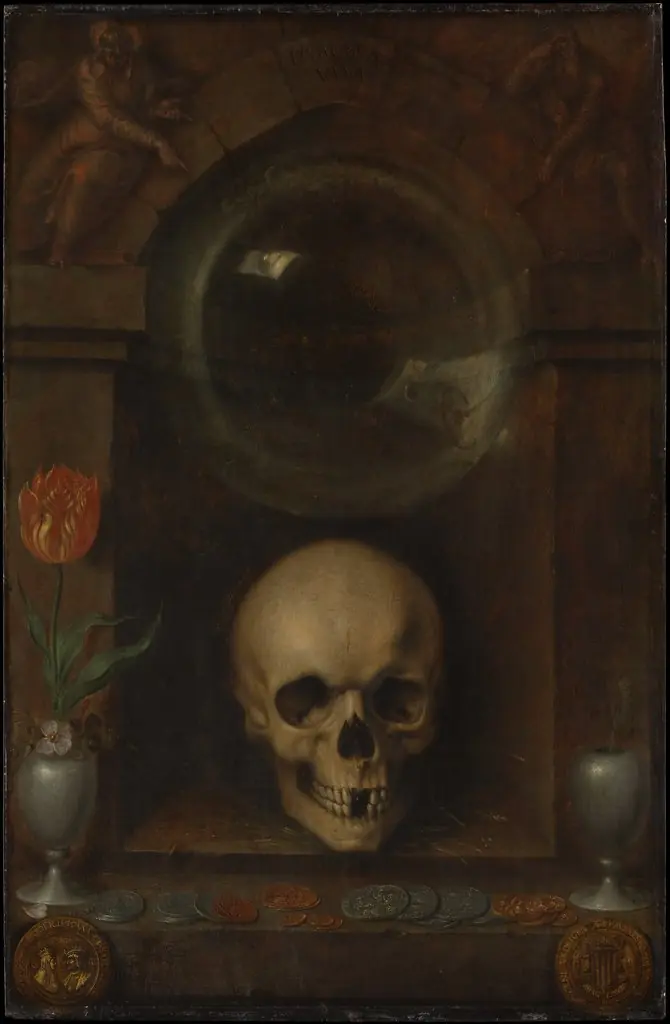
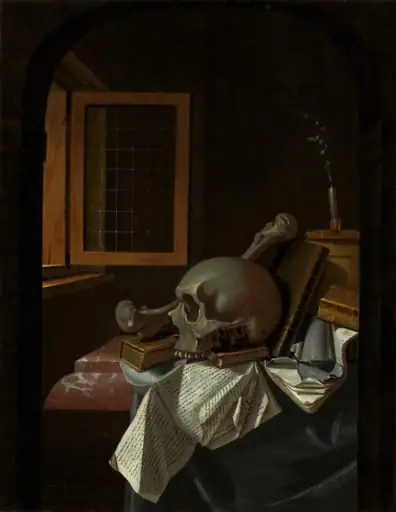
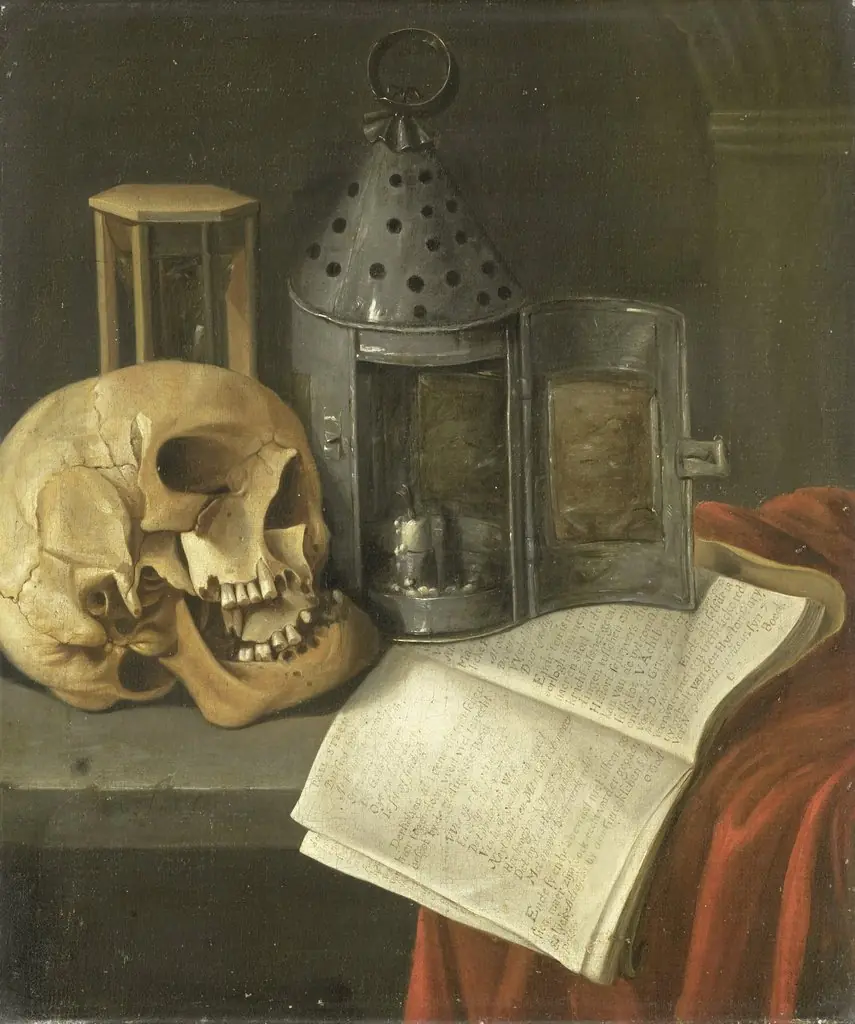
The painting’s elements—skull, mandible, candle, and inscribed paper—form a traditional vanitas ensemble. The skull and jawbone signify death’s inevitability; the candle, nearly spent, marks the passage of time. The fly resting on bone suggests decay, while the paper, likely bearing a Latin phrase or verse, reinforces moral reflection. Together, they compose a silent warning against earthly vanity, common in Northern European art of the period.
Technique & Style
Bruyn employs precise, muted oil technique to render textures with quiet realism: the chalky surface of bone, the waxy sheen of the candle, the fragile curl of paper. The black background isolates the objects, heightening their symbolic weight. Shadows fall naturally, grounding the scene in physical space while maintaining a contemplative stillness. The style reflects Northern Renaissance attention to detail, not yet influenced by the dramatic lighting of later Baroque traditions.
History & Provenance
Created in Cologne during Bruyn’s active years as a portraitist, the painting entered the Kröller-Müller Museum’s collection in the 20th century. Its early date places it among the first Northern European works to systematically employ vanitas motifs in secular still life. While little documentation survives about its early ownership, its preservation suggests it was valued by collectors attuned to moral allegory in art.
Context
In the early 16th century, religious upheaval and humanist thought encouraged a shift toward introspective imagery. Though Catholic traditions dominated Cologne, Protestant ideas about mortality and humility were gaining ground. This painting aligns with a broader trend in Northern Europe where artists used domestic objects to convey spiritual lessons, blending devotional themes with emerging secular genres like still life.
Legacy
Bruyn’s *Vanitas Still-Life* stands as an early example of symbolic still life in German art, predating the more elaborate Dutch examples of the 17th century. Its restrained composition and clear iconography influenced later Northern European painters who expanded vanitas themes. Though not widely known outside scholarly circles, it remains a significant artifact of early Reformation-era visual culture.
Artist & collection
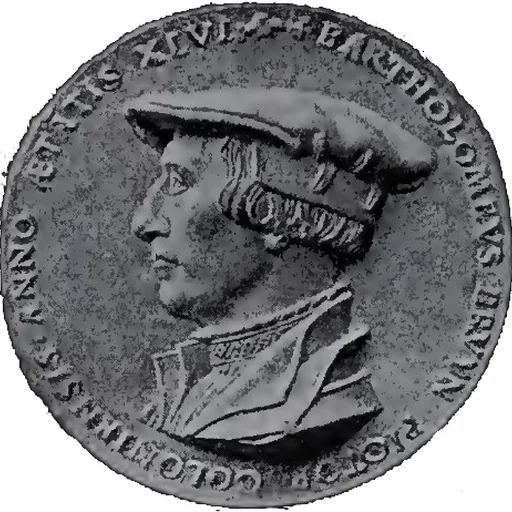
Artist
Bartholomäus Bruyn (1493–1555), usually called Barthel Bruyn or Barthel Bruyn the Elder, was a German Renaissance painter active in Cologne. He painted altarpieces and portraits, and was Cologne's foremost portrait painter of his day.

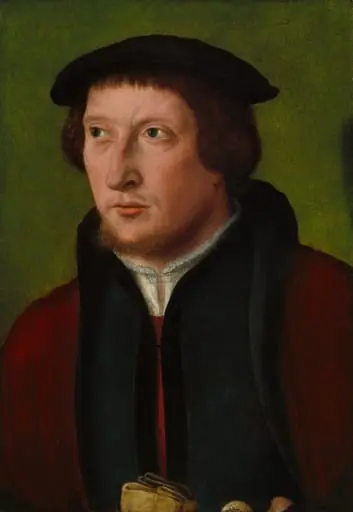 Portrait of a Man
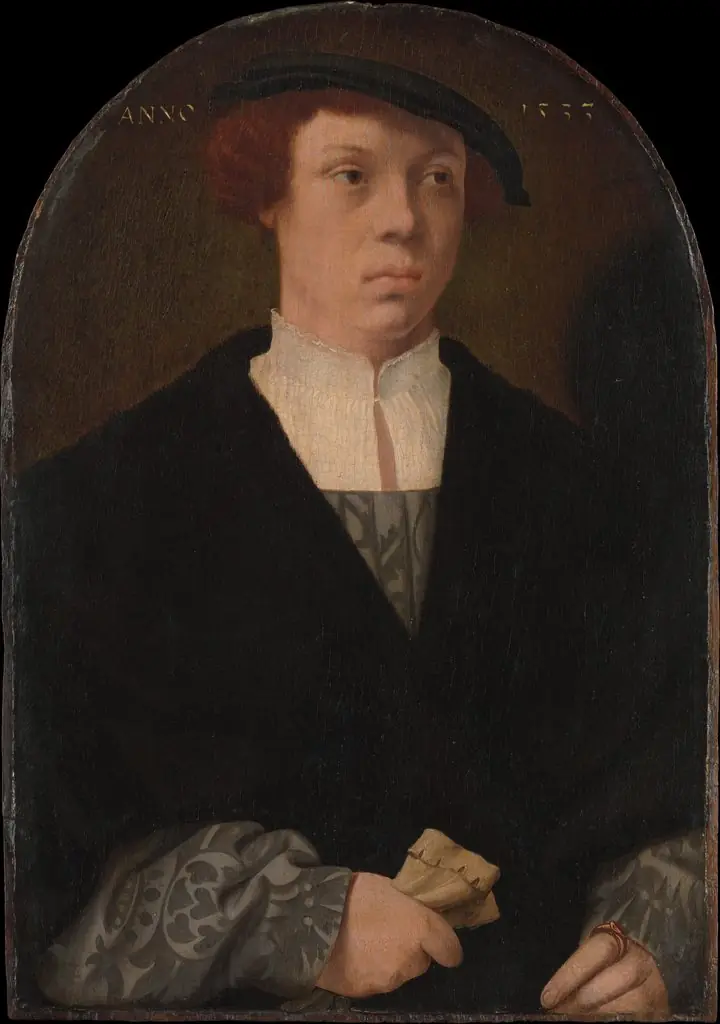 Portrait of a Man
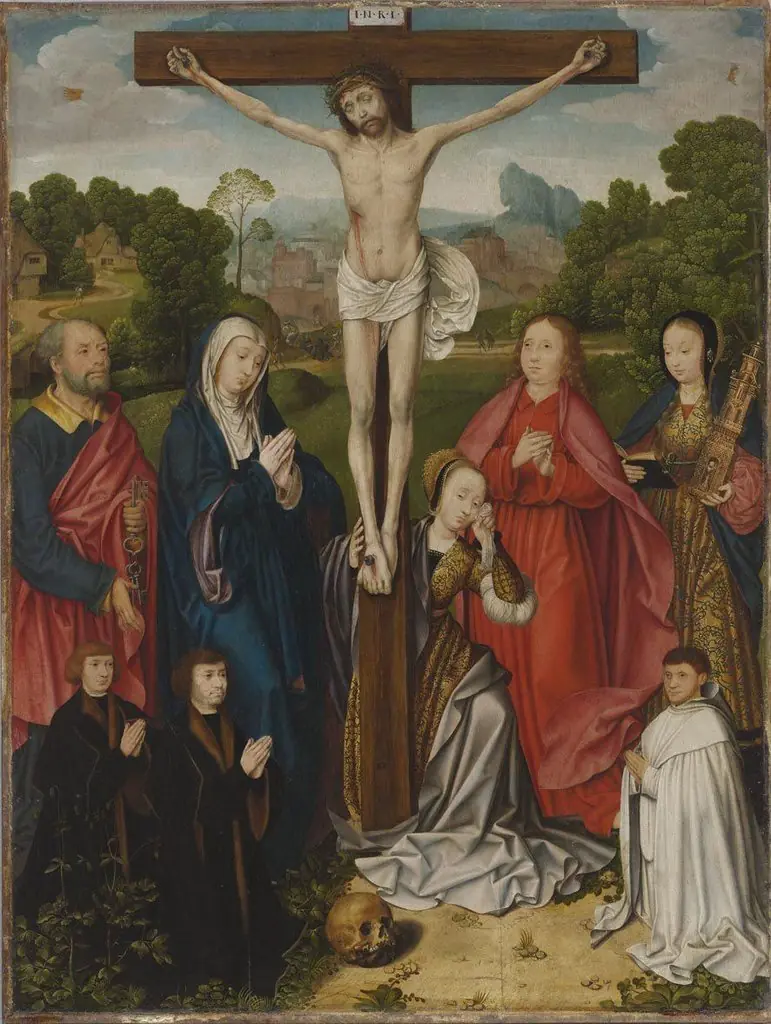 Christ on the cross with the saints Peter, Mary, Mary Magdalene, John the Evangelist and Barbara, with three donors
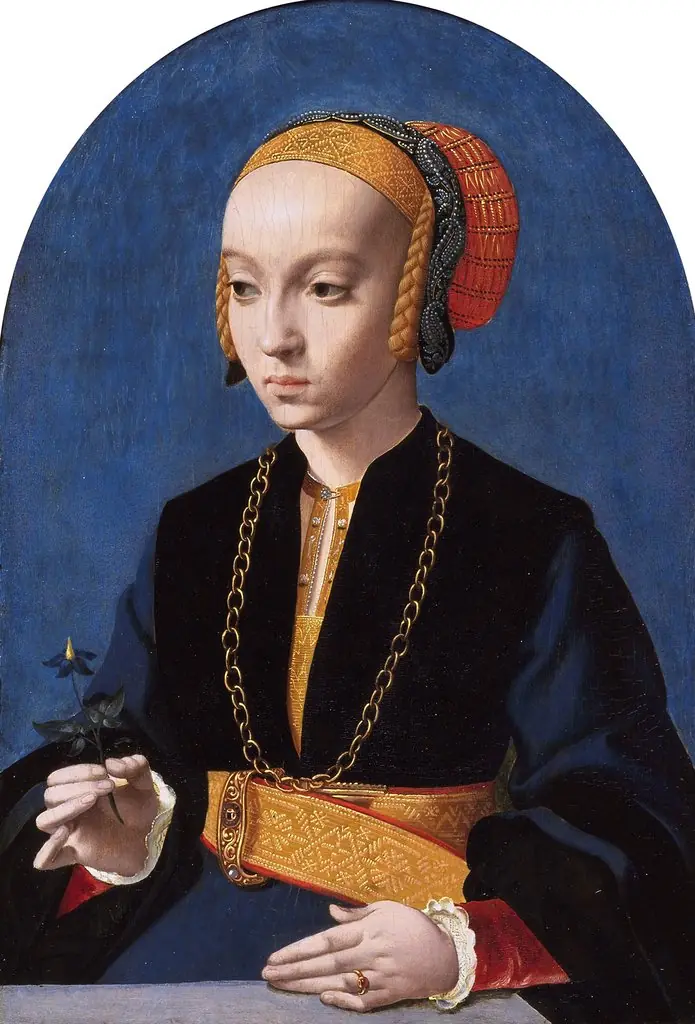 Portrait of Elisabeth Bellinghausen
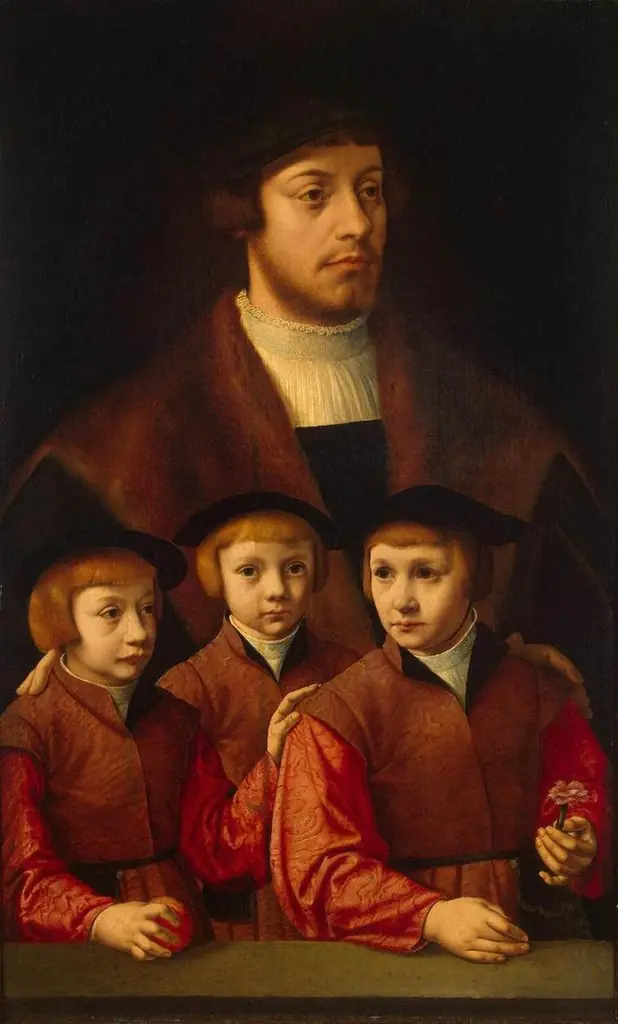 Portrait of a Man and His Three Sons
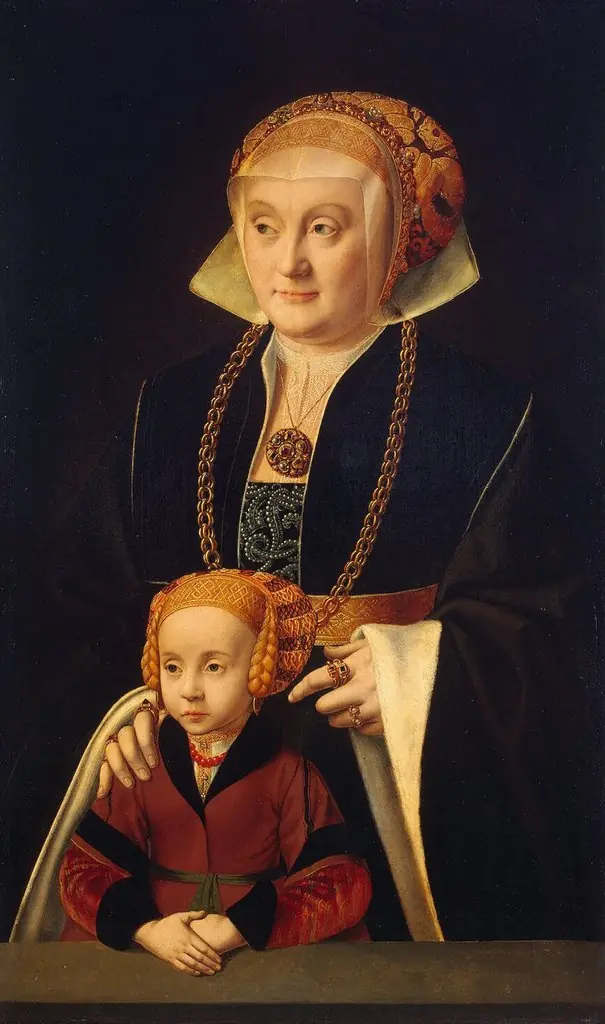 Portrait of a Lady and Her Daughter
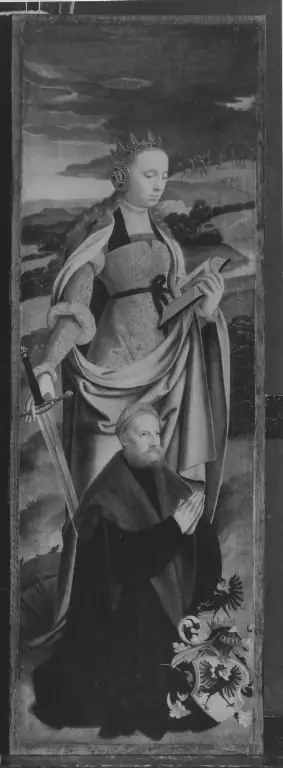 Rinck-Altar II:Saint Catherine with donor Hermann Rinck
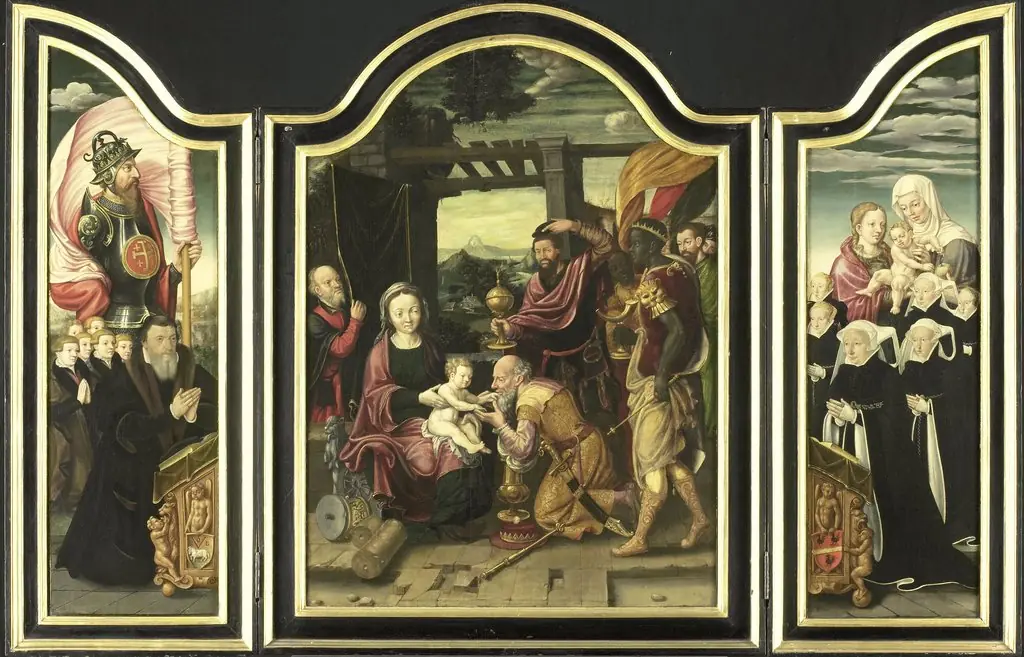 Triptych with the Adoration of the Magi