Artwork
Portrait of Konstancja Góra
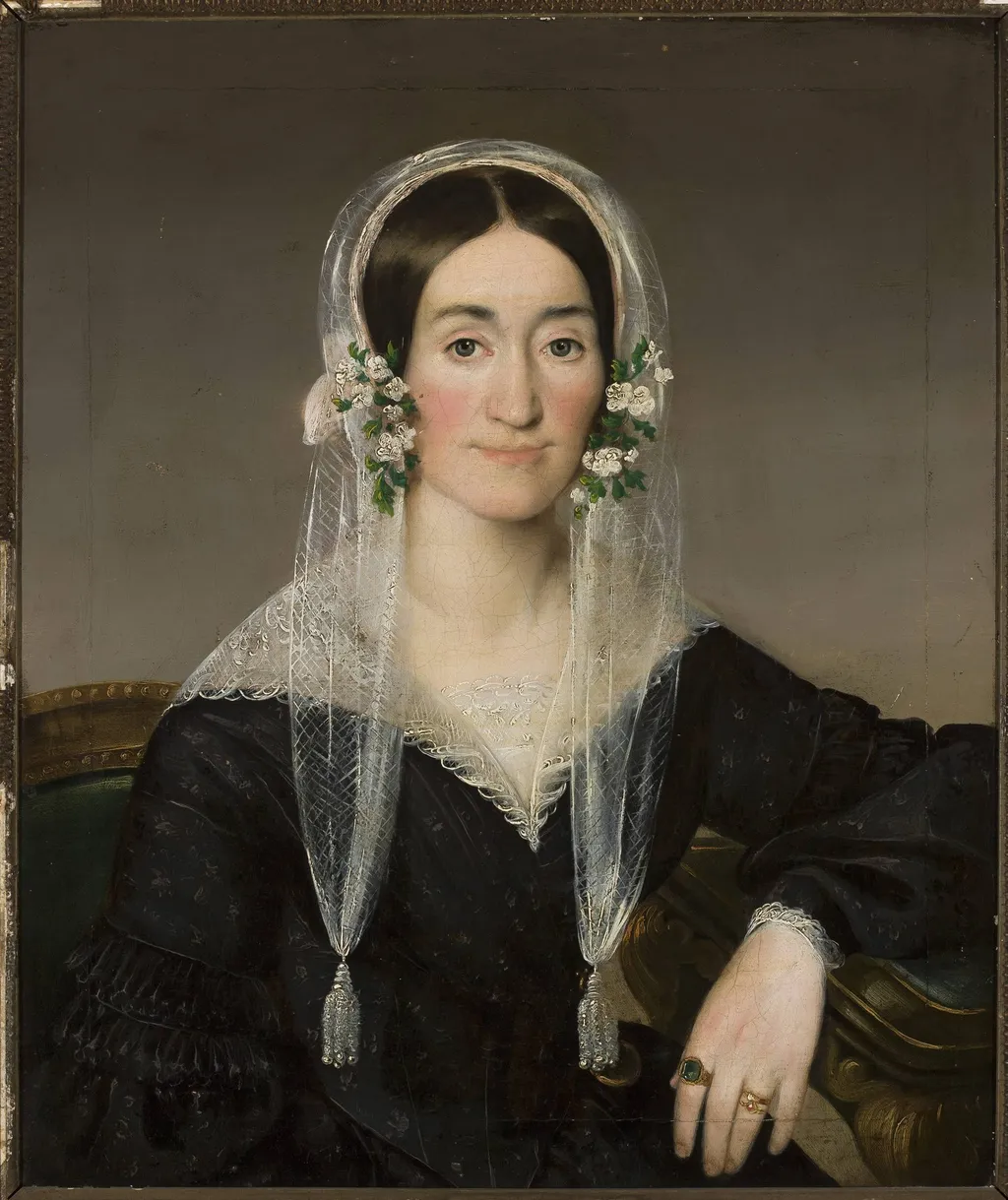
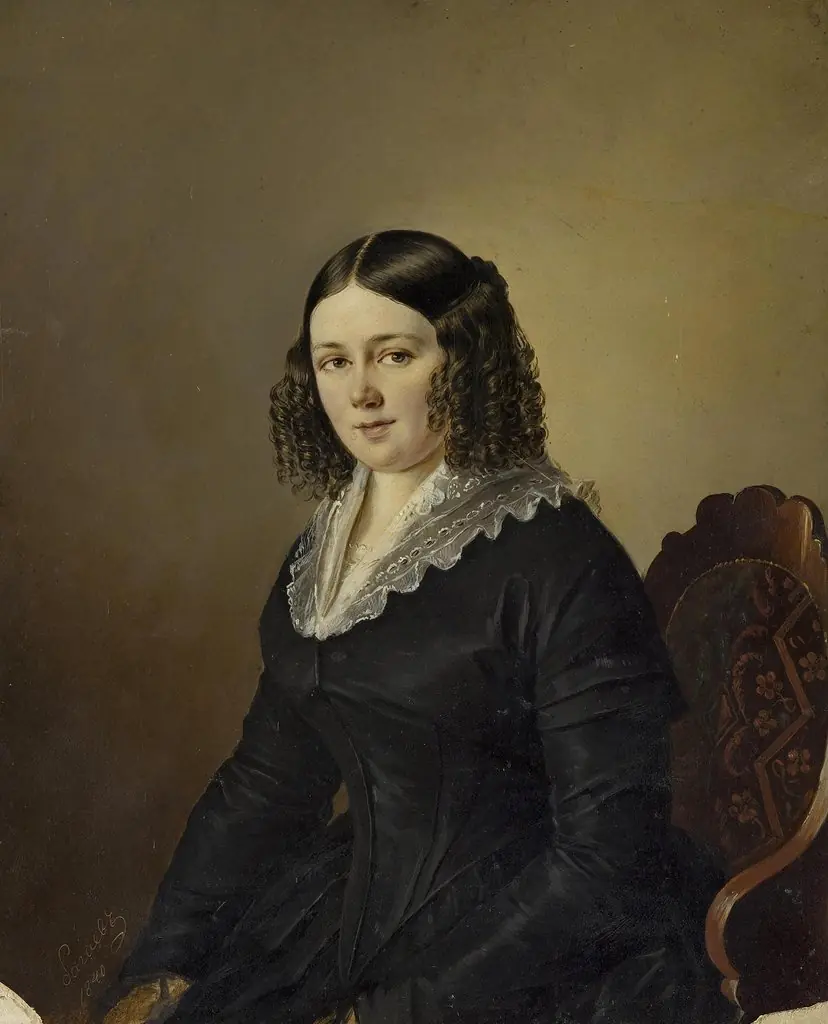
Portrait of Konstancja Góra is an oil painting by the Biedermeier artist Unknown. It dates from 1840 and is held in the collection of the National Museum in Warsaw. This oil painting depicts Konstancja Góra, a Polish noblewoman, seated in a modest interior.
About this work
Overview
This oil painting depicts Konstancja Góra, a Polish noblewoman, seated in a modest interior. The composition focuses tightly on her figure, framed by a dark, unadorned space that eliminates distraction. Her attire and posture convey quiet dignity, while the lighting emphasizes the tactile qualities of fabric and veil. The work is a restrained portrait, prioritizing presence over ornamentation.
Subject & Meaning
The plain ring and relaxed hand position hint at intimacy rather than ceremonial formality, suggesting a private moment captured with sensitivity.
Konstancja Góra is portrayed with stillness and composure, her gaze direct but unassuming. The black velvet gown and delicate lace suggest aristocratic status, while the sheer veil adorned with small white flowers introduces a subtle note of personal refinement. The plain ring and relaxed hand position hint at intimacy rather than ceremonial formality, suggesting a private moment captured with sensitivity.
Technique & Style
The artist employs soft, directional light to model the contours of the gown and veil, enhancing their texture without harsh contrast. The chiaroscuro technique is used gently, creating depth through subtle gradations rather than dramatic shadows. Brushwork is controlled and precise, particularly in rendering the translucency of the veil and the sheen of velvet, reflecting a refined approach to surface and form.
History & Provenance
The painting’s origins are tied to Polish noble circles in the late 18th or early 19th century, though the artist remains unidentified. It passed through private collections before entering a public institution. Documentation is limited, but its craftsmanship and subject suggest it was commissioned as a personal portrait, likely for domestic display rather than public commemoration.
Context
In the era of its creation, portraiture among Polish nobility often balanced European stylistic influences with local traditions of understated elegance. Unlike grand state portraits, this work reflects a quieter aesthetic—emphasizing individuality and quiet refinement over heraldic display. The simplicity of the setting aligns with emerging tastes favoring sincerity over theatricality in domestic imagery.
Legacy
The portrait endures as an example of intimate, non-idealized portraiture from a period when such personal depictions were becoming more common among the gentry. Its restrained composition and attention to material detail offer insight into the visual culture of Polish aristocracy beyond formal court art. It remains a quiet testament to individual presence in an age of political upheaval.
Artist & collection

 Domestic Scene
 Giacomo and Cardinal Marco, investing Andrea, Abbot of San Zeno, with his Benefice
 The Nymph of Fontainebleau
 Portrait of a Woman
 Madonna and Child with Saints in the Enclosed Garden
 Venus and Minerva
 Family Group of Four on Sofa
 Wall painting from Room H of the Villa of P. Fannius Synistor at Boscoreale
 Portrait of Teresa Żebrawska née Hanowicz
 Portrait of Maria Christina Nijssen, Wife of Anthonie van der Hout
 Actress Anna Nielsen
 Skuespilleren Anna Nielsen
 Portrait of Countess Yulia Stroganova
 Portrait of ES Zhadimerovskaya
 Cecilia Lindroos (os. Meyer) nuorena.
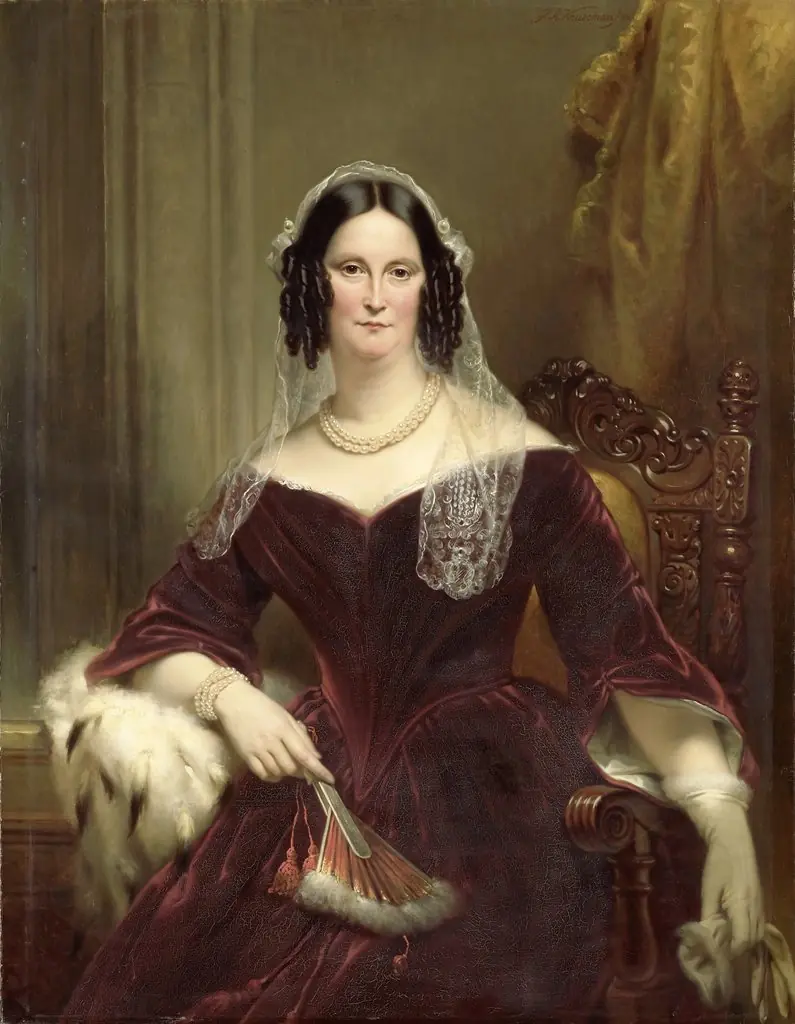 Portrait of Dieuwke Fontein, second Wife of Adriaan van der Hoop
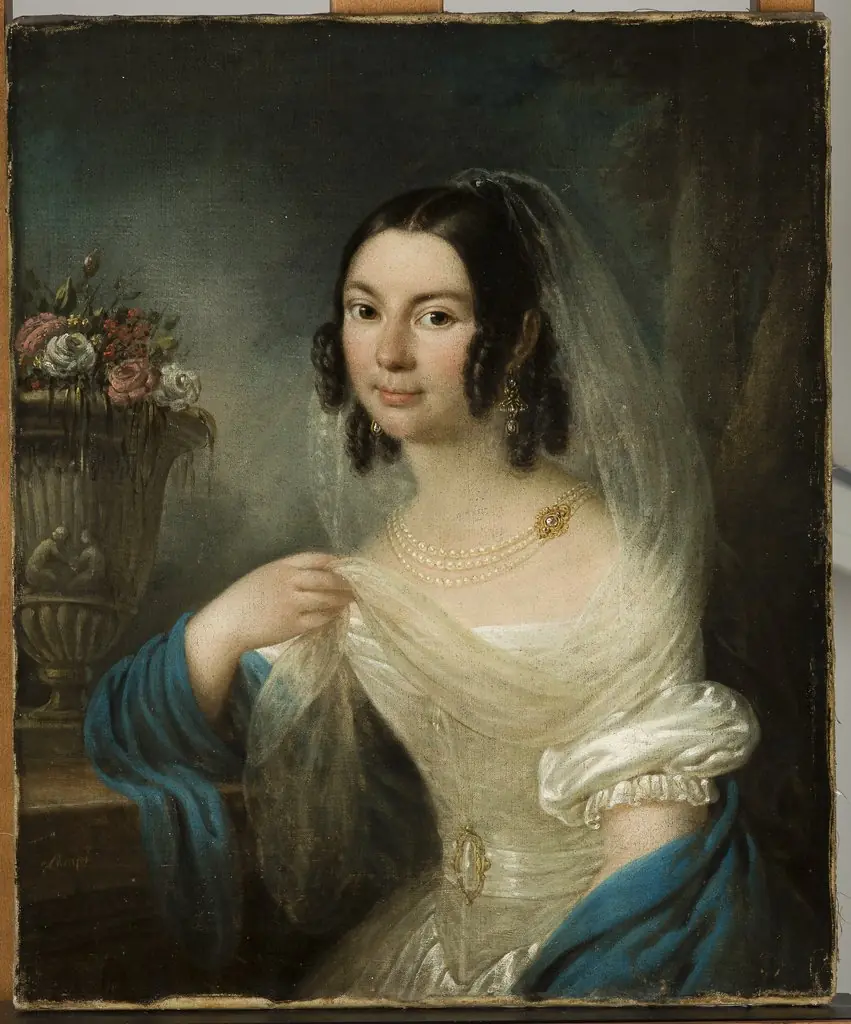 Portrait of Senator Chądzyński's Wife
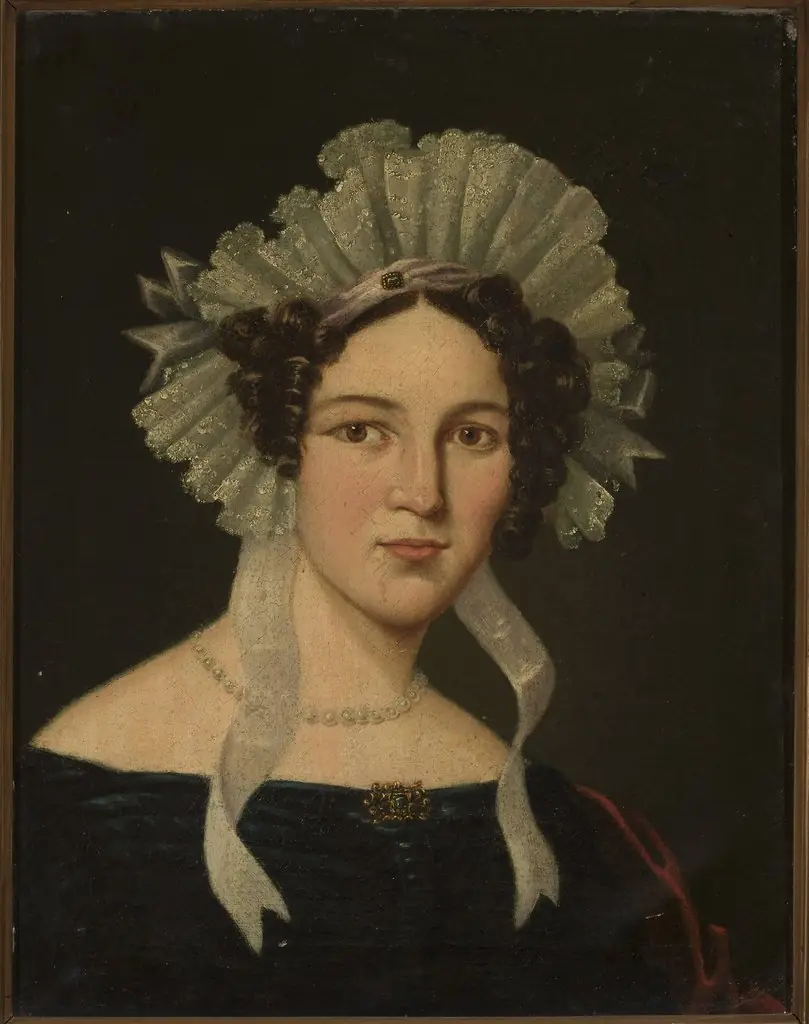 Portrait of a lady in a cap
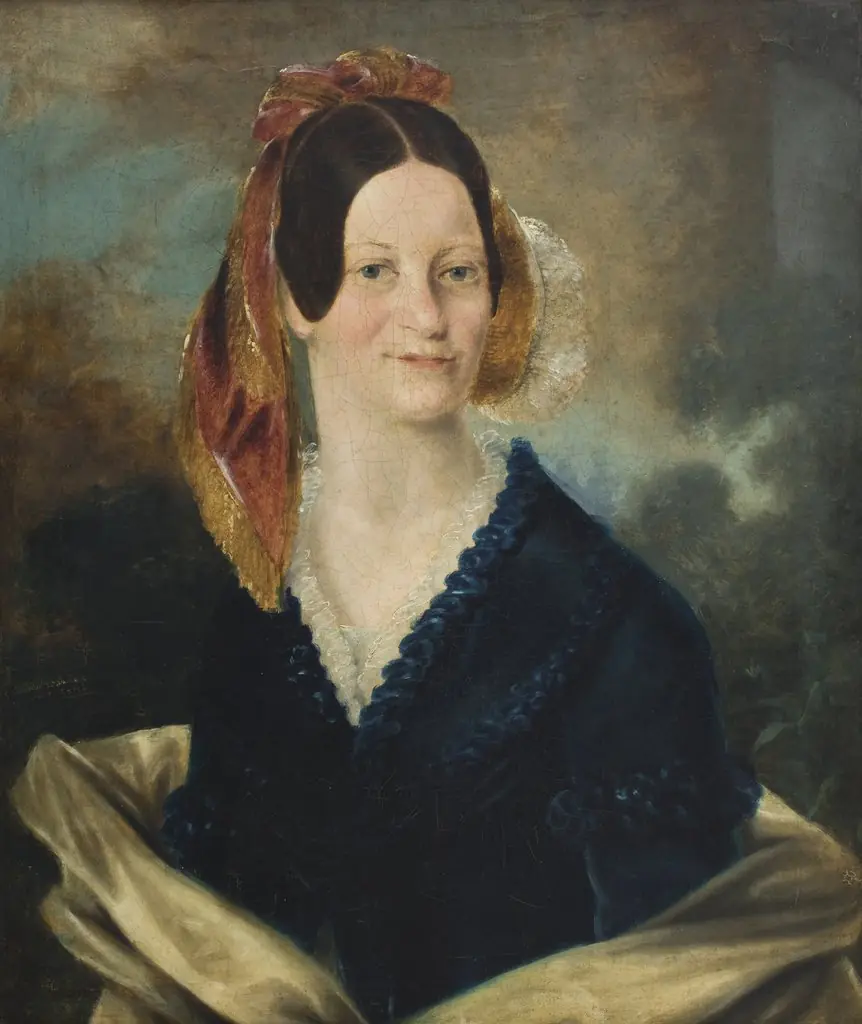 Portrait of Pristella Krasuska née Abraniecka
 Portrait of A.I. Kolychiova