Artwork
Catherine-Charlotte de Gramont, princesse de Monaco, duchesse de Valentinois
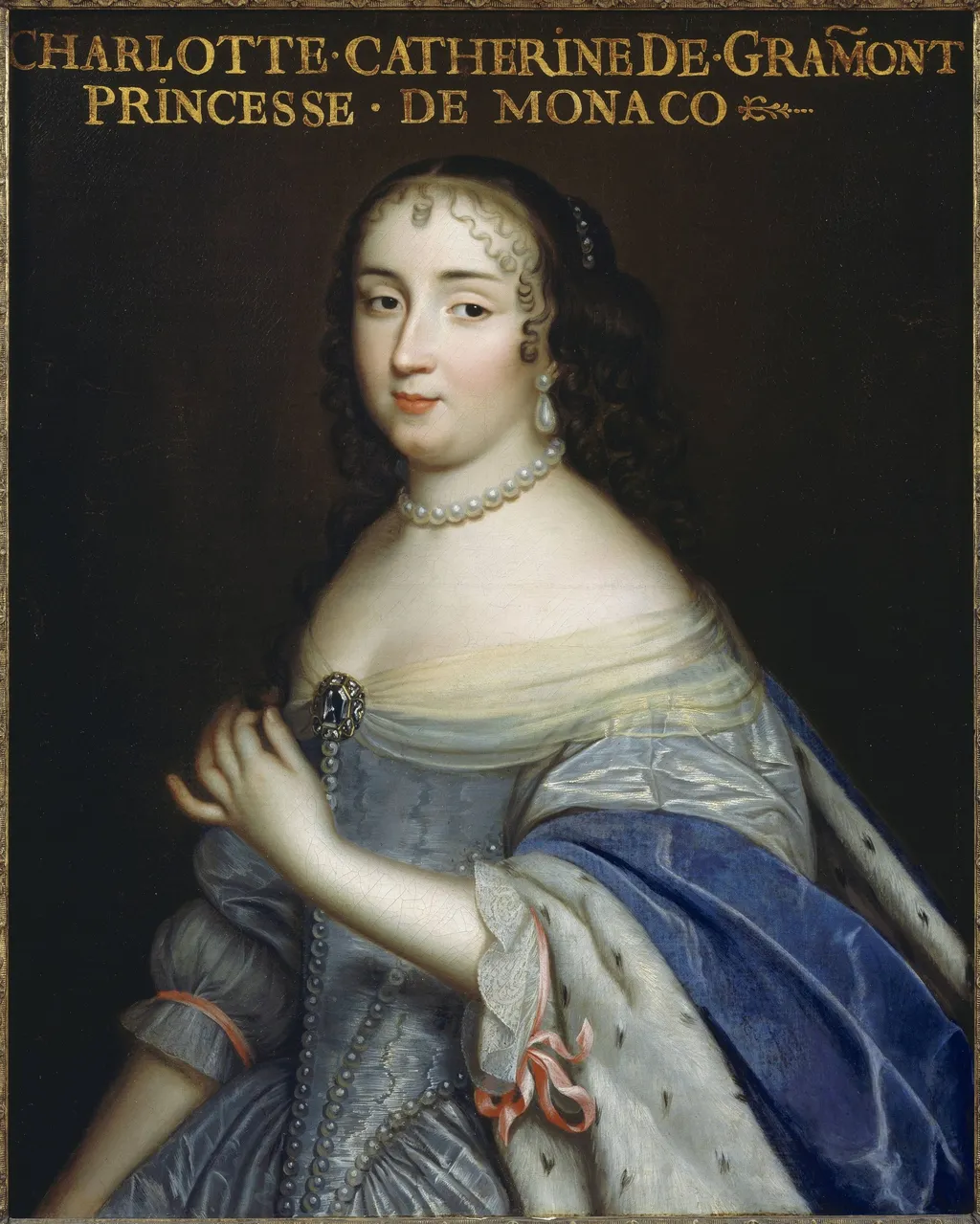
Catherine-Charlotte de Gramont, princesse de Monaco, duchesse de Valentinois is an oil painting by Unknown. It dates from 1650 and is held in the collection of the Palace of Versailles.
About this work
Overview
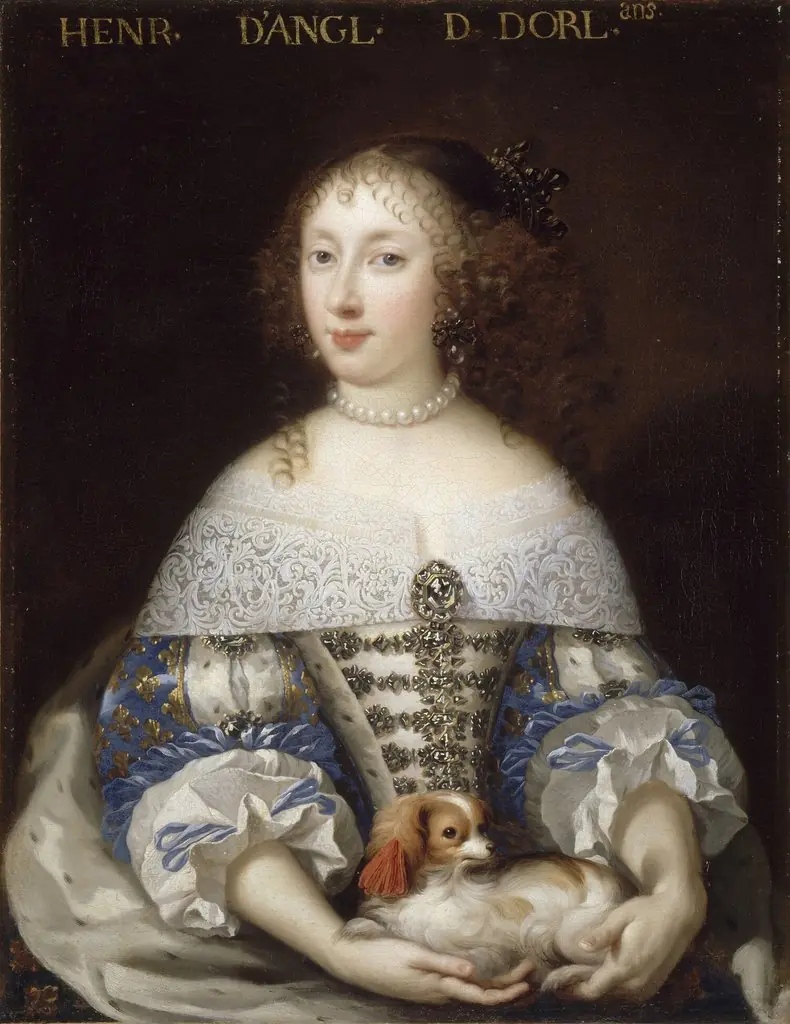
This oil painting portrays Catherine-Charlotte de Gramont, a noblewoman of the early modern period, depicted in formal attire that reflects her elevated status.
This oil painting portrays Catherine-Charlotte de Gramont, a noblewoman of the early modern period, depicted in formal attire that reflects her elevated status. Rendered against a dark, unobtrusive background, the focus remains on her figure and adornments. The composition emphasizes elegance through restrained detail and careful attention to texture, particularly in fabric and jewelry, conveying dignity without overt grandeur.
Subject & Meaning
Catherine-Charlotte de Gramont, Princess of Monaco and Duchess of Valentinois, is presented not as a mythic or allegorical figure, but as a real aristocrat of her time. Her pearls, fine blue dress, and draped shawl signify wealth and social position, while her composed expression suggests poise and restraint. The portrait functions as a statement of lineage and status, aligning her with the refined ideals of courtly femininity in 17th-century Europe.
Technique & Style
The artist employs subtle gradations of light to define the contours of the figure and the sheen of pearls and silk. The dark background enhances the luminosity of the subject’s attire, drawing attention to the intricate rendering of fabric folds and jewelry. Brushwork is precise yet unobtrusive, avoiding theatricality in favor of quiet realism. The palette is muted, dominated by deep blues and silvery whites, reinforcing the portrait’s understated sophistication.
History & Provenance
Painted during Catherine-Charlotte’s lifetime in the mid-17th century, the work likely originated in the French or Monégasque court. It remained within noble collections for generations, possibly as a family heirloom or diplomatic gift. Its survival through centuries reflects its perceived importance as a record of aristocratic identity, though its exact early ownership and exhibition history remain partially undocumented.
Context
In the 17th century, portraits of noblewomen often served to affirm dynastic prestige and marital alliances. Catherine-Charlotte’s marriage to Louis I of Monaco linked the French Gramont family to the sovereign house of Monaco. Her depiction in pearls and fine textiles aligns with contemporary norms where jewelry and fabric were visual markers of political and social capital, especially for women whose influence was exercised through lineage rather than public office.
Legacy
The portrait endures as a quiet testament to the visibility of aristocratic women in early modern Europe. Though not widely reproduced or celebrated in public discourse, it remains a valuable artifact for understanding how elite women were visually constructed within courtly culture. Its preservation allows scholars to study fashion, symbolism, and portraiture practices among minor noble families connected to major European courts.
Artist & collection

 Domestic Scene
 Giacomo and Cardinal Marco, investing Andrea, Abbot of San Zeno, with his Benefice
 The Nymph of Fontainebleau
 Portrait of a Woman
 Madonna and Child with Saints in the Enclosed Garden
 Venus and Minerva
 Family Group of Four on Sofa
 Wall painting from Room H of the Villa of P. Fannius Synistor at Boscoreale
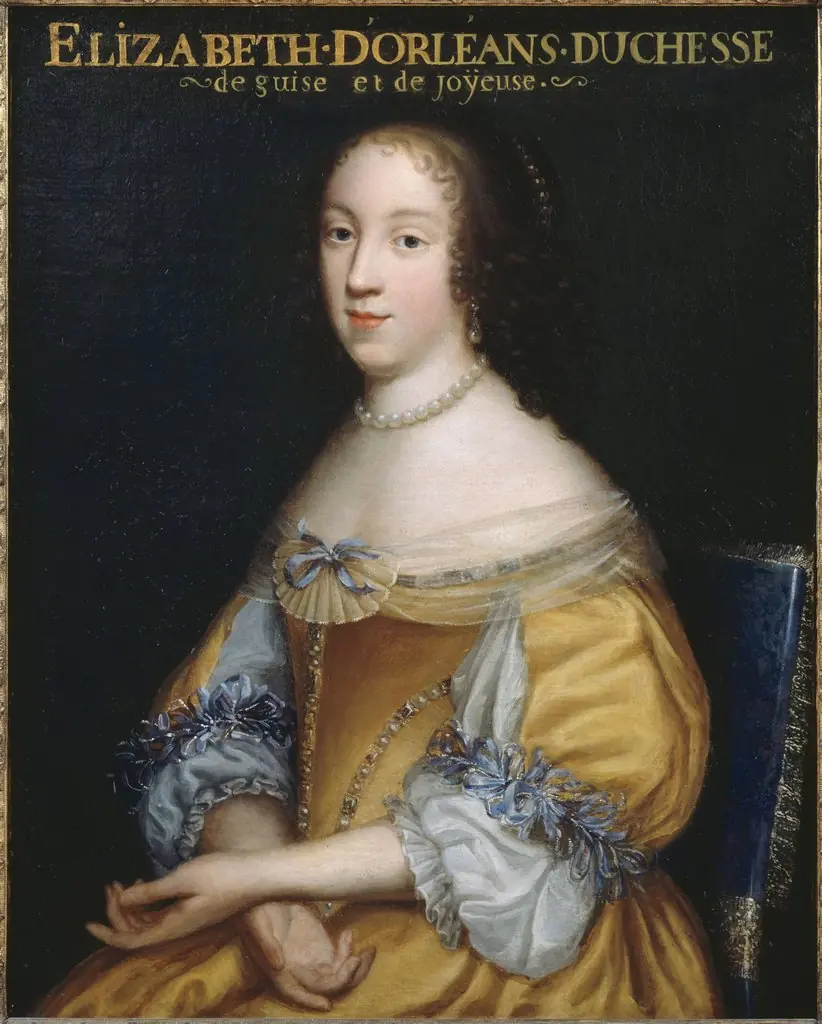 Elisabeth of Orleans, Duchess of Guise
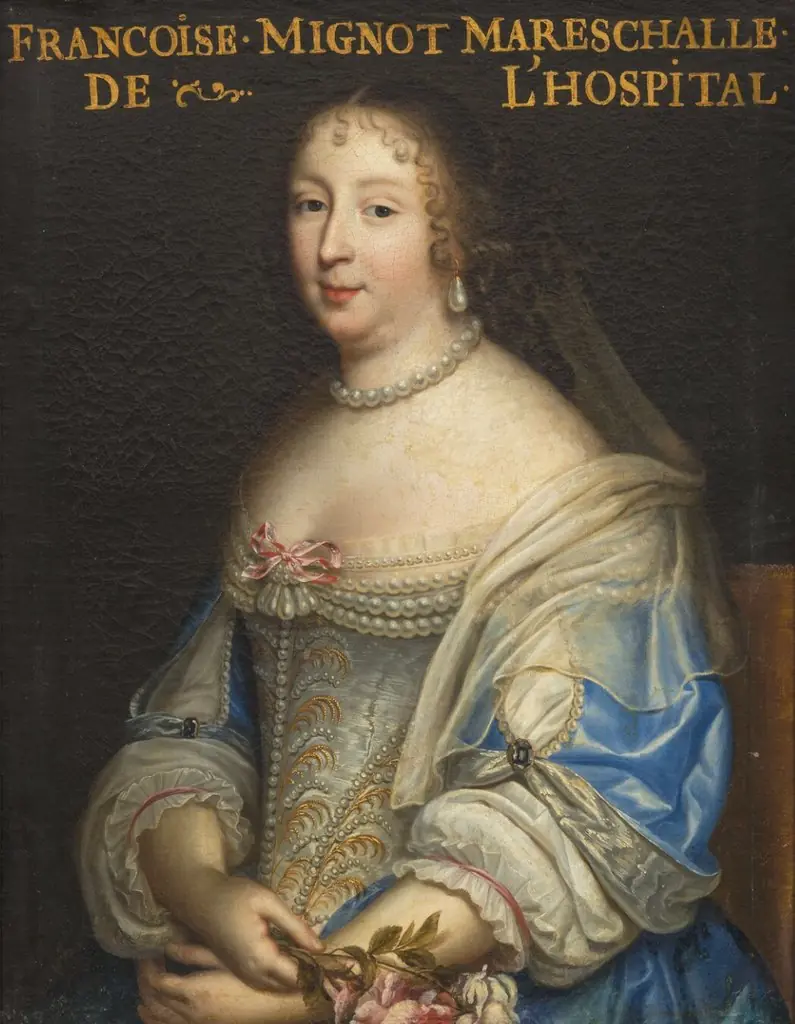 Françoise-Marie Mignot, maréchale de l'Hôpital (1624-1711)
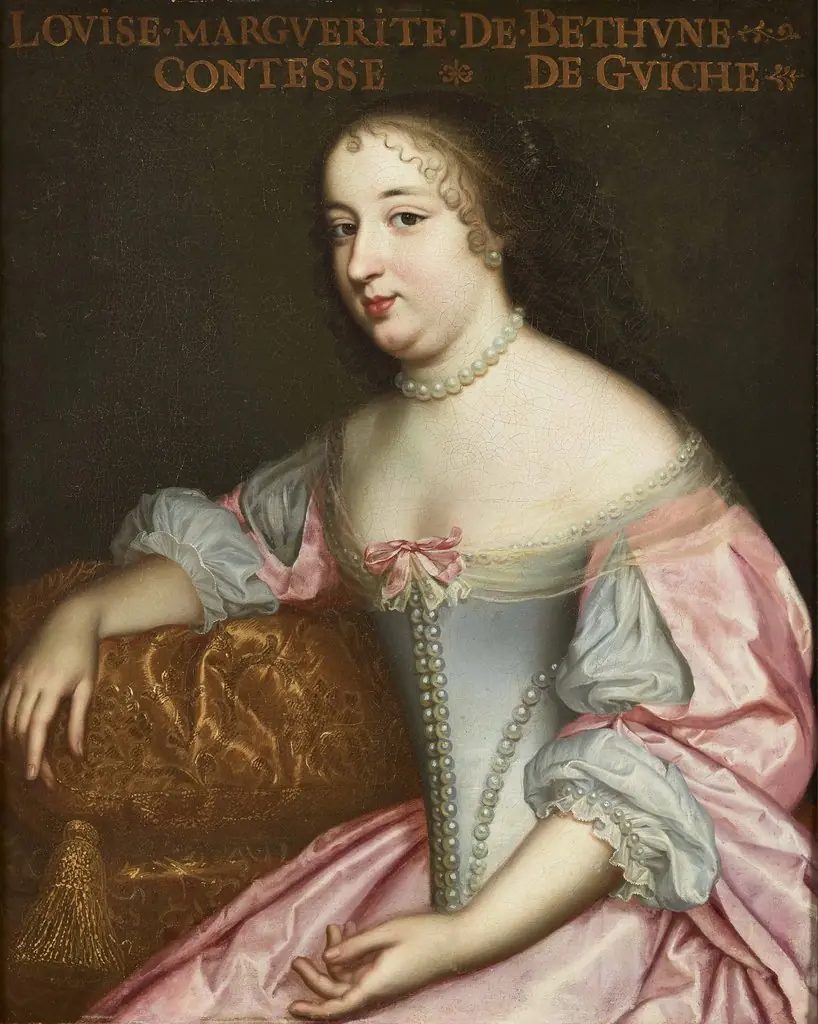 Portrait of Marguerite-Louise-Suzanne de Bethune Sully, Duchess of Lude
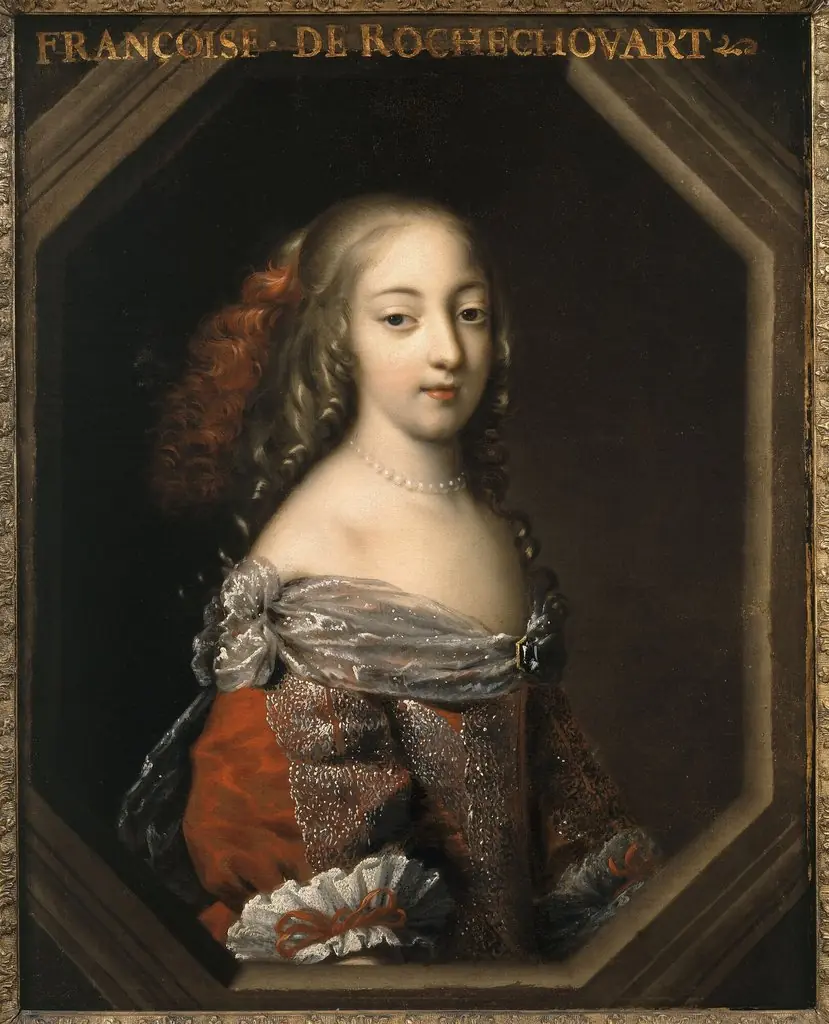 Françoise de Rochechouart
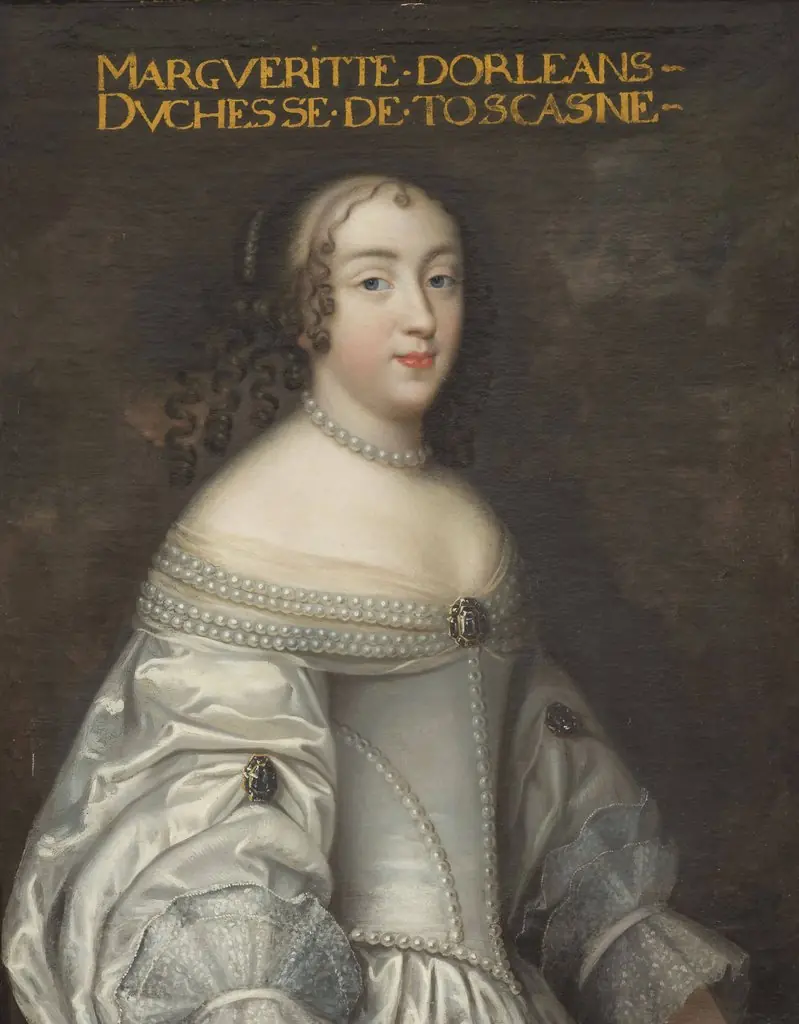 Marguerite Louise d'Orléans, Grand Duchess of Tuscany (1645-1721)
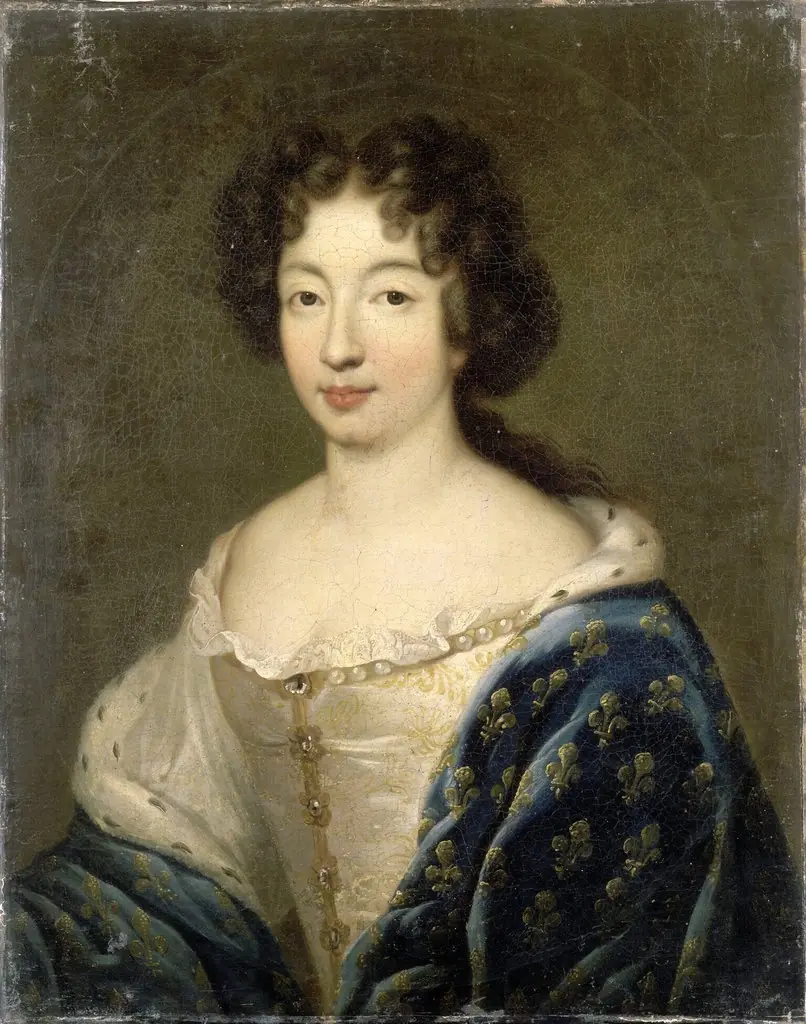 Marie-Anne-Christine-Victoire de Bavière, Dauphine (1660-1690)
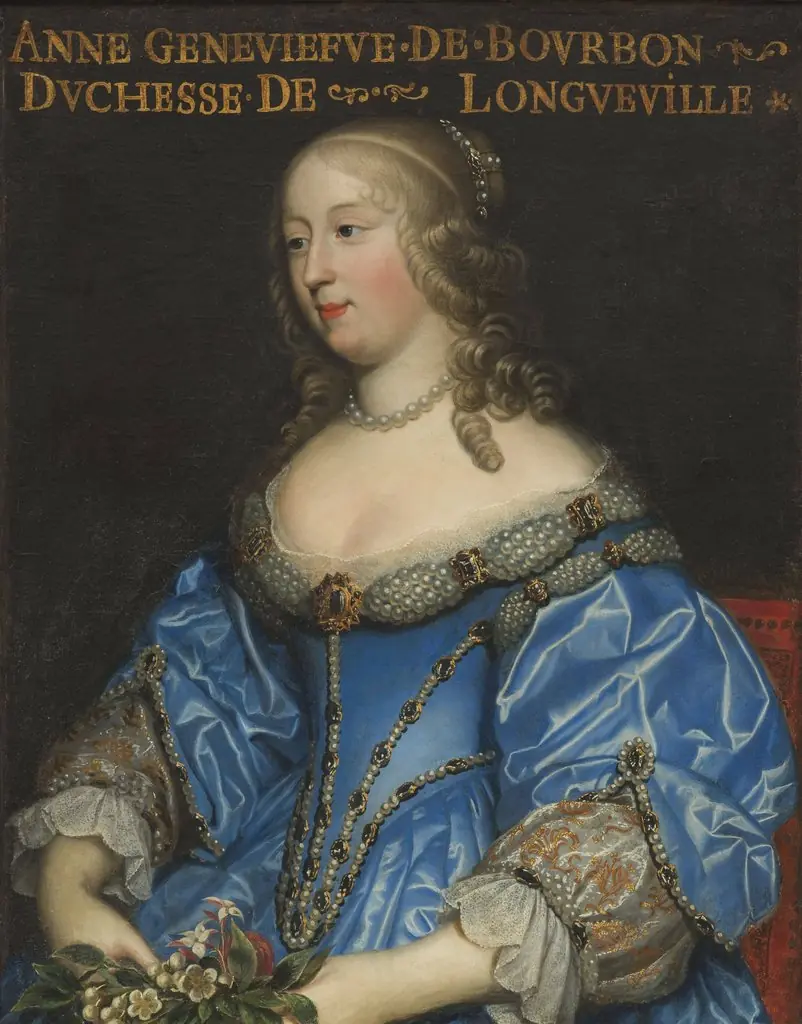 Anne-Genneviève de Bourbon-Condé, Duchess of Longueville
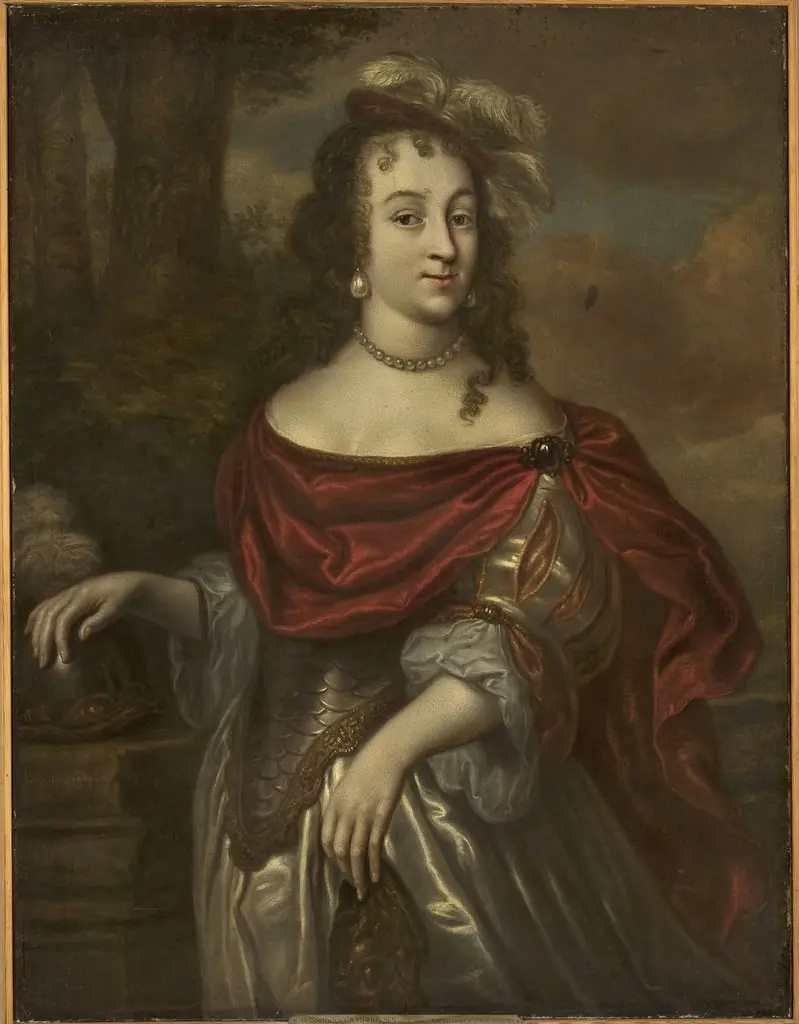 Portrait of a woman in Minerva’s costume
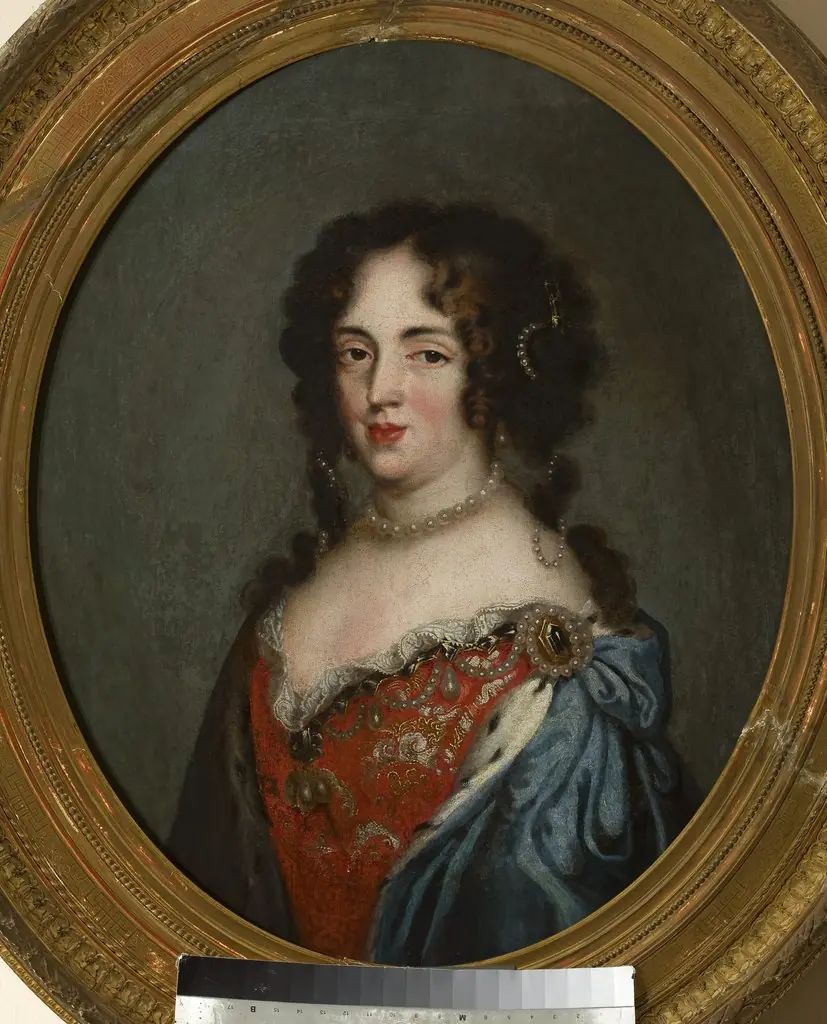 Portrait of Maria Kazimiera Sobieska
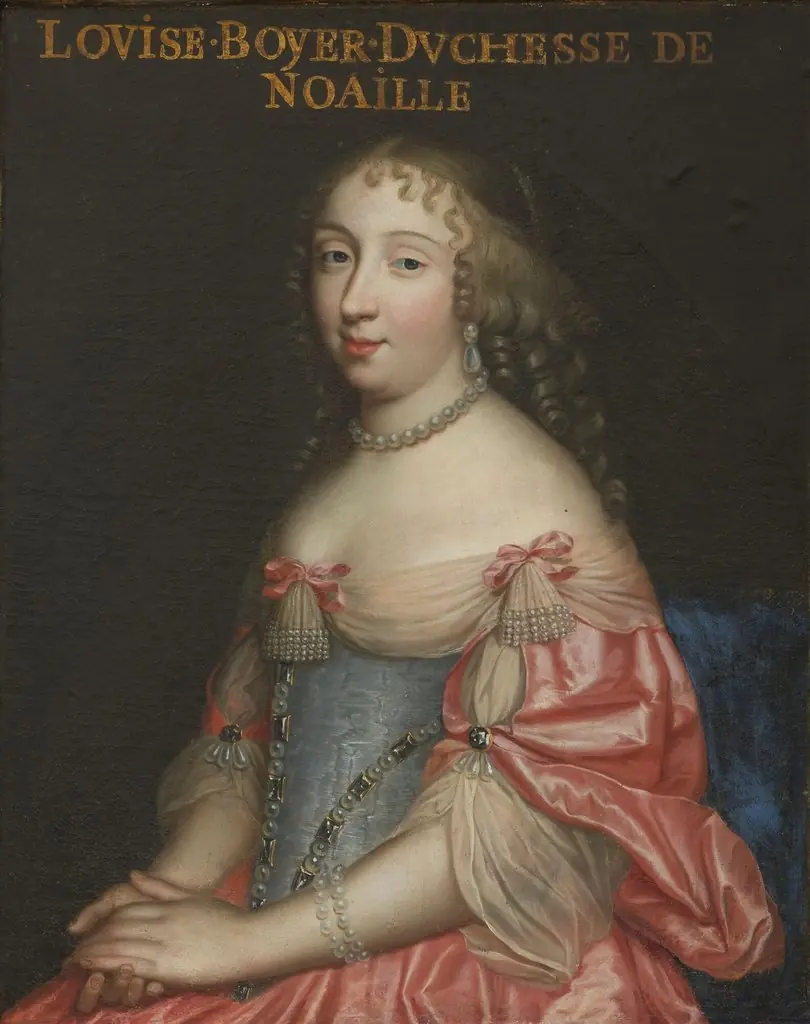 Louise Boyer, Duchess of Noailles (1632-1697)
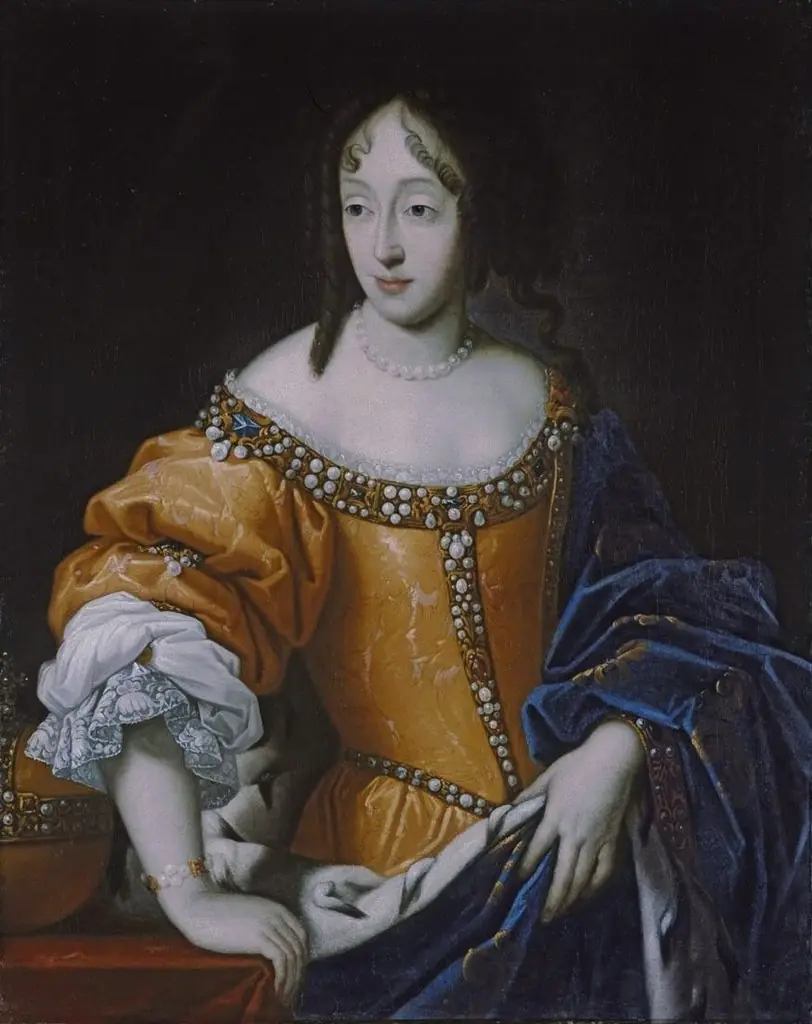 Kurfürstin Henriette Adelaide von Savoyen
 Henriette-Anne of England, Duchess of Orleans, known as Madame (1644-1670)