Artwork
Francis Williams (1702–1770), the Scholar of Jamaica
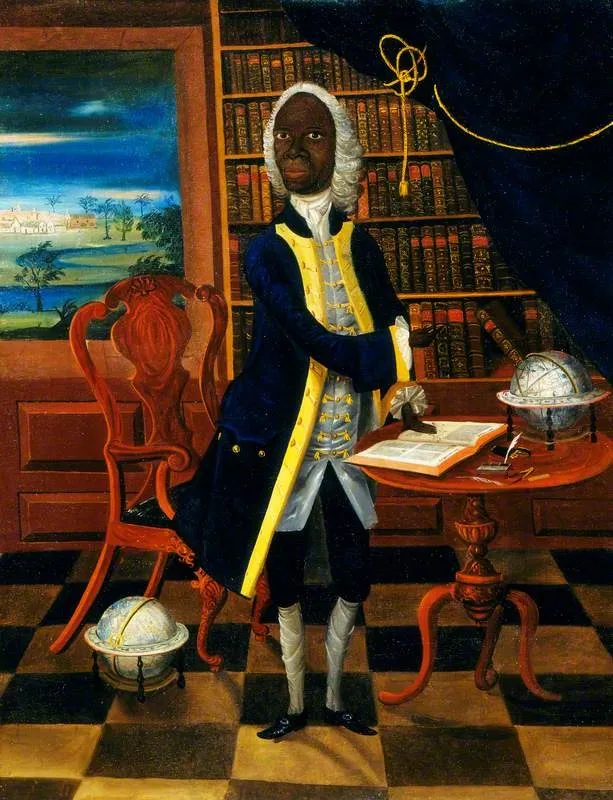
Francis Williams (1702–1770), the Scholar of Jamaica is an oil painting by the Rococo painting artist Unknown. It dates from 1745 and is held in the collection of the Victoria and Albert Museum. This oil painting depicts Francis Williams, an 18th-century Jamaican intellectual, portrayed in formal attire within a scholarly interior.
About this work
Overview
Dressed in a blue coat with gold buttons and a yellow sash, he stands beside a table bearing a globe, flanked by a bookshelf and a second globe on the floor.
This oil painting depicts Francis Williams, an 18th-century Jamaican intellectual, portrayed in formal attire within a scholarly interior. Dressed in a blue coat with gold buttons and a yellow sash, he stands beside a table bearing a globe, flanked by a bookshelf and a second globe on the floor. The room’s checkered flooring and soft daylight from a left-side window suggest a cultivated domestic space, reinforcing his identity as a learned man.
Subject & Meaning
Francis Williams was a free Black man of African descent who studied at Cambridge and returned to Jamaica to advocate for education and intellectual independence. The painting’s composition—books, globes, and scholarly objects—affirms his erudition and challenges contemporary racial stereotypes. His poised stance and direct gaze assert authority, positioning him not as an exotic figure but as a man of reason and learning within the Enlightenment tradition.
Technique & Style
The artist employs a restrained, naturalistic style typical of British portraiture of the period. Light falls gently across the figure, highlighting textures of fabric, wig, and wood. The background is rendered with subtle detail: the checkered floor, the framed artwork on the wall, and the globes are carefully modeled to suggest depth. The palette is muted yet deliberate, with the blue coat and yellow sash drawing attention to the subject without theatricality.
History & Provenance
The painting was likely commissioned during Williams’s lifetime, possibly by family or associates who wished to document his status. It entered the Victoria and Albert Museum’s collection in the 19th century, where it remains today as one of the earliest known portraits of a free Black intellectual from the British Caribbean. Its preservation reflects a growing 19th-century interest in documenting non-European figures in scholarly contexts.
Context
In early 18th-century Jamaica, free Black individuals like Williams were rare in positions of intellectual prominence. His education in England and subsequent role as a schoolmaster in Jamaica placed him at the intersection of colonial power and African diasporic agency. The portrait’s existence signals a moment when Black achievement, though exceptional, was visually acknowledged within elite British artistic conventions.
Legacy
The portrait endures as a quiet testament to intellectual resistance in a slave society. It offers visual evidence of Black intellectual life in the Atlantic world, countering narratives that marginalized or erased such figures. Today, it serves as a reference point in discussions about representation, race, and education in colonial art and history.
Artist & collection

 Domestic Scene
 Giacomo and Cardinal Marco, investing Andrea, Abbot of San Zeno, with his Benefice
 The Nymph of Fontainebleau
 Portrait of a Woman
 Madonna and Child with Saints in the Enclosed Garden
 Venus and Minerva
 Family Group of Four on Sofa
 Wall painting from Room H of the Villa of P. Fannius Synistor at Boscoreale
 Merchant with a Slave
 Portrait of Jan Pranger and an Enslaved Servant
 Boy of the Crossfield Family (Possibly Richard Crossfield)
 Boy in Blue Coat
 Portrait of a Black Sailor (Paul Cuffe?)
 Don Juan Lorenzo Gutiérrez Altamirano de Velasco y Flores
 Elijah Boardman
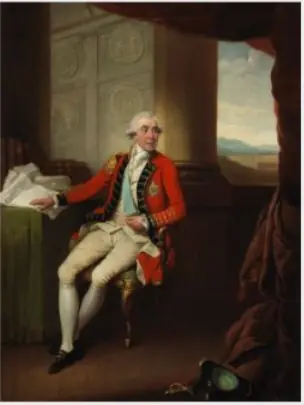 Portrait of James Caulfield, 1st Earl of Charlemont (1728-1799)
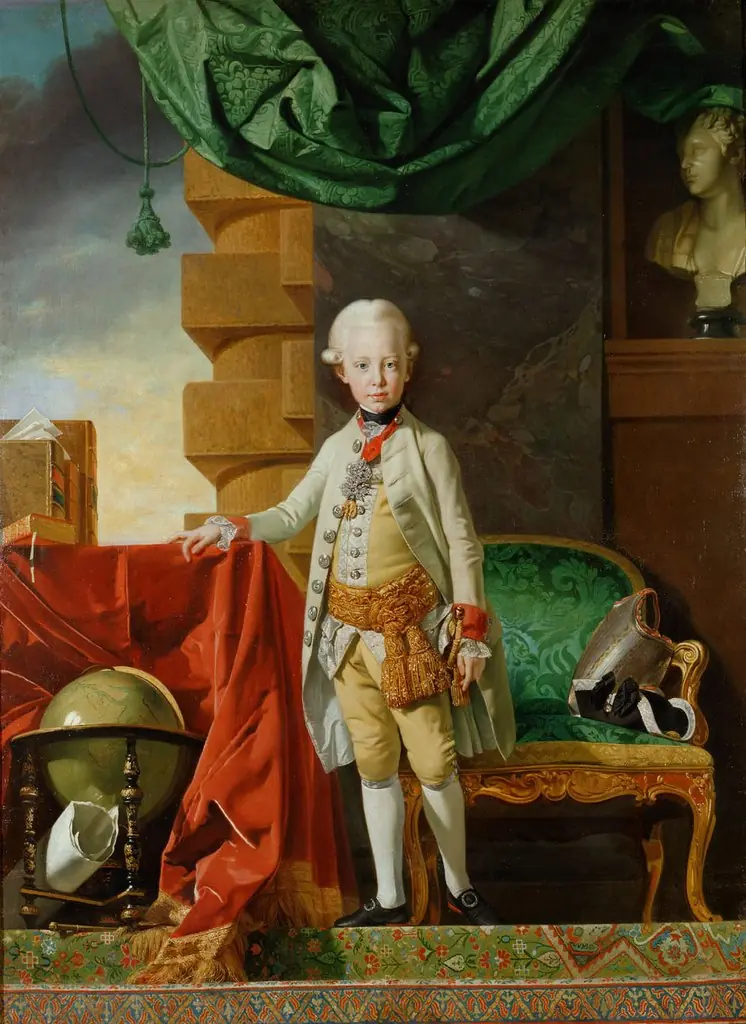 Portrait of Francis of Austria (1768-1835)
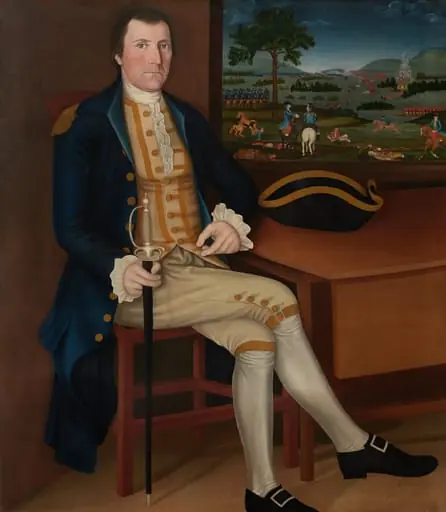 Captain Samuel Chandler
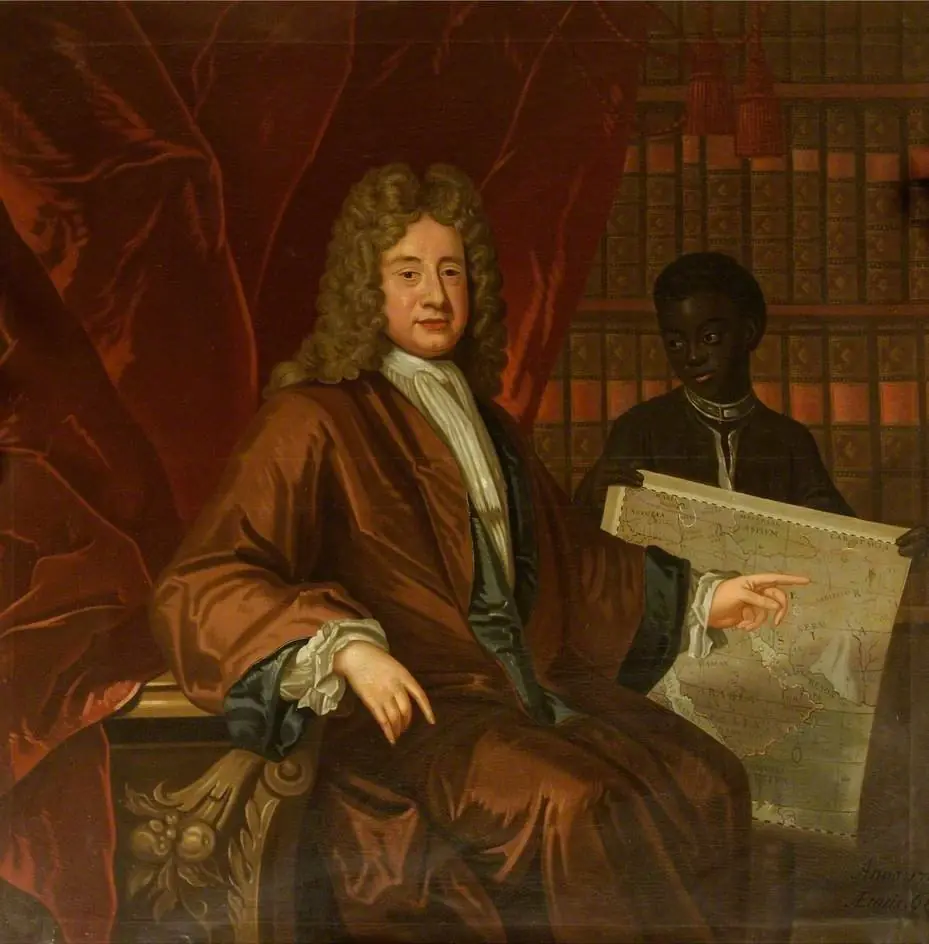 Sir John Chardin
 Portrait of Joseph, Prince of Brasil and Beira