Artwork
A Landscape with Judith and Holofernes
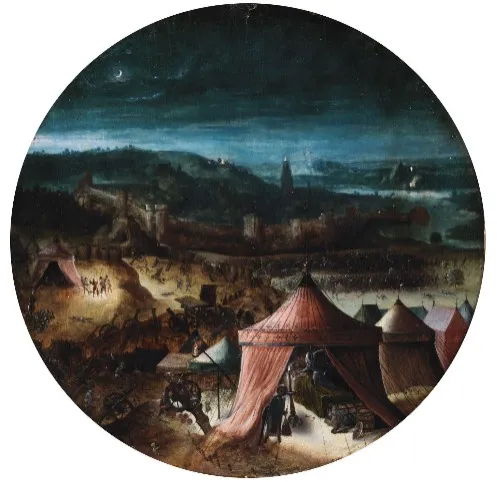
A Landscape with Judith and Holofernes is an oil painting by the Mannerist artist Unknown. It dates from 1540 and is held in the collection of the National Gallery of Ireland. This oil painting presents a dramatic nocturnal landscape centered on a biblical narrative.
About this work
Overview
The composition is structured by stark contrasts of light and dark, guiding the viewer’s eye through the scene with deliberate intensity and spatial depth.
This oil painting presents a dramatic nocturnal landscape centered on a biblical narrative. A sprawling tented encampment dominates the foreground, surrounded by figures and livestock, while a distant city and expanse of water recede into shadow. The composition is structured by stark contrasts of light and dark, guiding the viewer’s eye through the scene with deliberate intensity and spatial depth.
Subject & Meaning
The scene illustrates the moment after Judith beheads the Assyrian general Holofernes, as recounted in the deuterocanonical Book of Judith. The red tent likely marks the site of the act, while the surrounding chaos of the encampment suggests the aftermath—soldiers asleep or unaware. The quiet violence of the event is underscored by the stillness of the landscape, emphasizing moral triumph amid turmoil.
Technique & Style
The artist employs bold, expressive brushwork to convey texture in fabric, skin, and terrain, lending dynamism to the scene. Chiaroscuro is used with precision: deep shadows envelop the periphery while focused light illuminates key figures and the central tent, enhancing emotional weight. The layered application of paint creates a tactile surface, reinforcing the painting’s atmospheric gravity.
History & Provenance
The painting’s early ownership is undocumented, but its style aligns with early 17th-century Northern European traditions influenced by Caravaggisti. It likely originated in the Netherlands or Flanders during a period when biblical scenes set in dramatic landscapes were popular among private collectors. Its survival through centuries suggests it was valued for its technical command and narrative clarity.
Context
Created during a time when religious themes were frequently depicted with psychological realism, this work reflects broader trends in post-Reformation art. Artists turned to intimate, emotionally charged moments from scripture to engage viewers morally and visually. The inclusion of a detailed landscape—rather than a staged interior—signals a shift toward naturalism and environmental storytelling.
Legacy
Though not widely exhibited today, the painting exemplifies how Northern painters adapted Italian chiaroscuro to local narrative sensibilities. Its composition influenced later genre scenes that merged biblical drama with everyday realism. Scholars note its role in demonstrating how light could be used not just for effect, but as a moral and spatial guide within complex narratives.
Artist & collection

 Domestic Scene
 Giacomo and Cardinal Marco, investing Andrea, Abbot of San Zeno, with his Benefice
 The Nymph of Fontainebleau
 Portrait of a Woman
 Madonna and Child with Saints in the Enclosed Garden
 Venus and Minerva
 Family Group of Four on Sofa
 Wall painting from Room H of the Villa of P. Fannius Synistor at Boscoreale
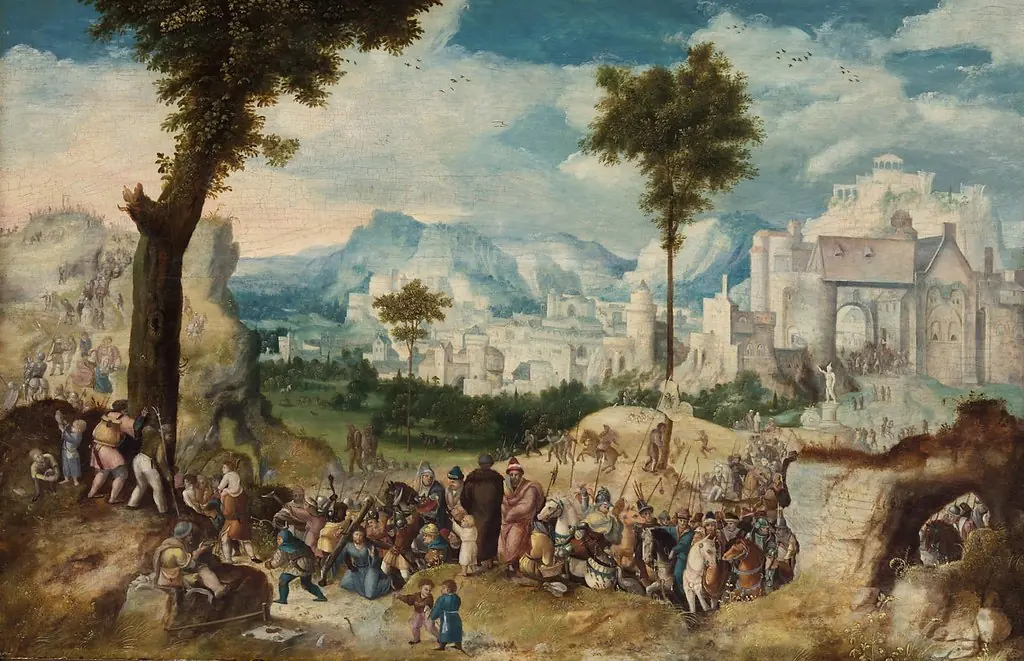 Kreuztragung Christi
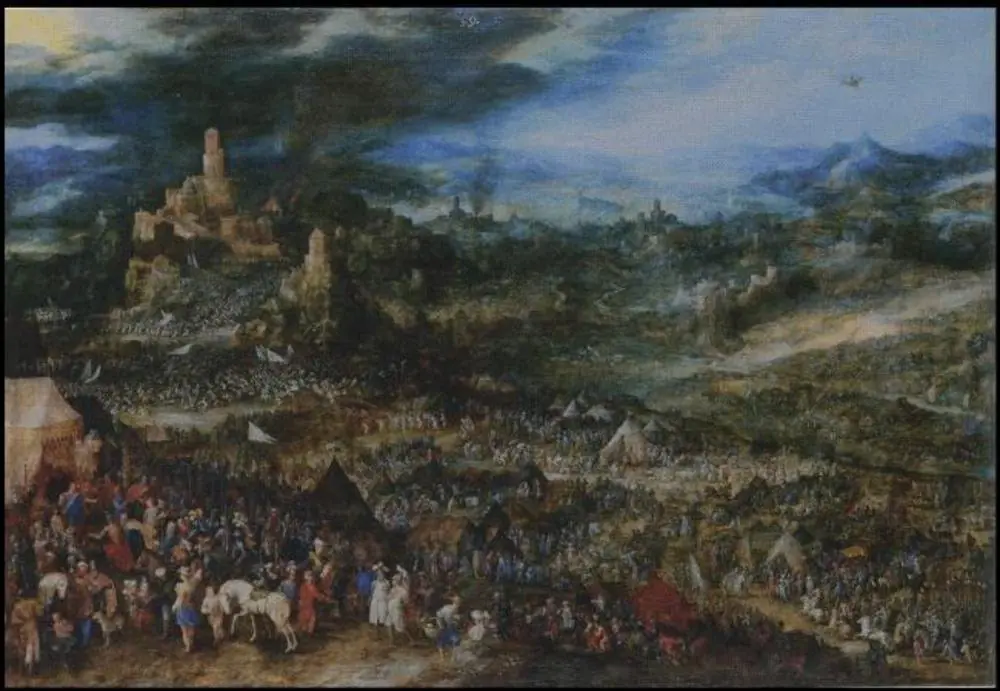 The continence of Scipio (Livius 26:50)
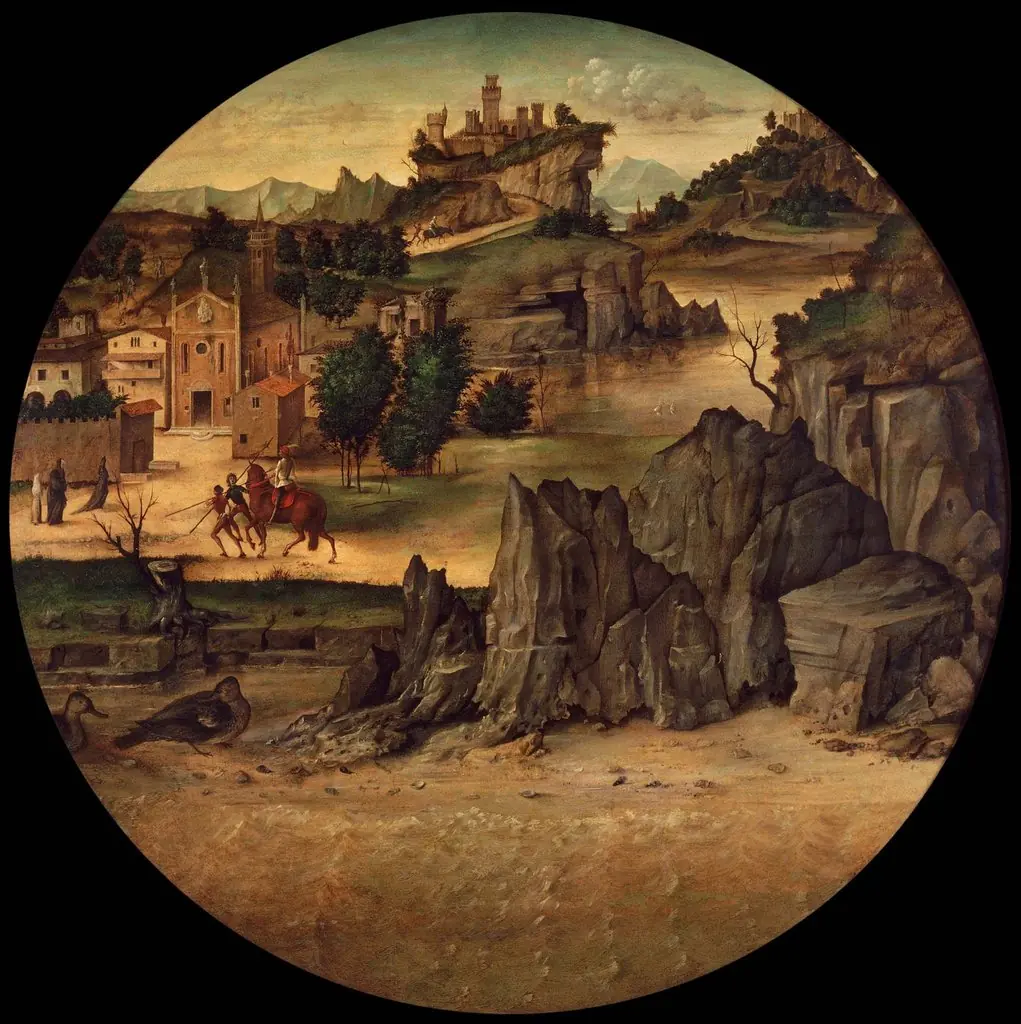 Landscape with Castles
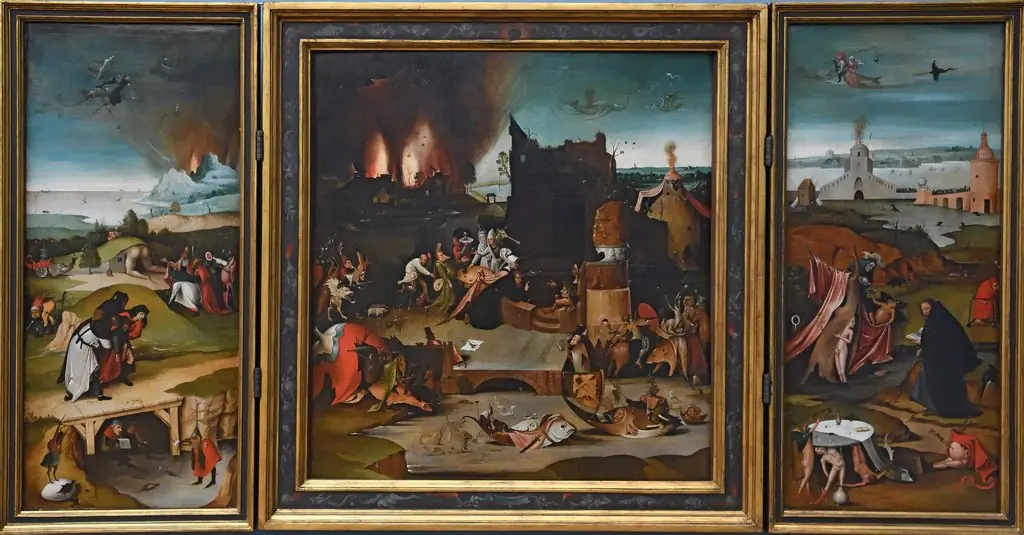 The Temptation of St. Anthony
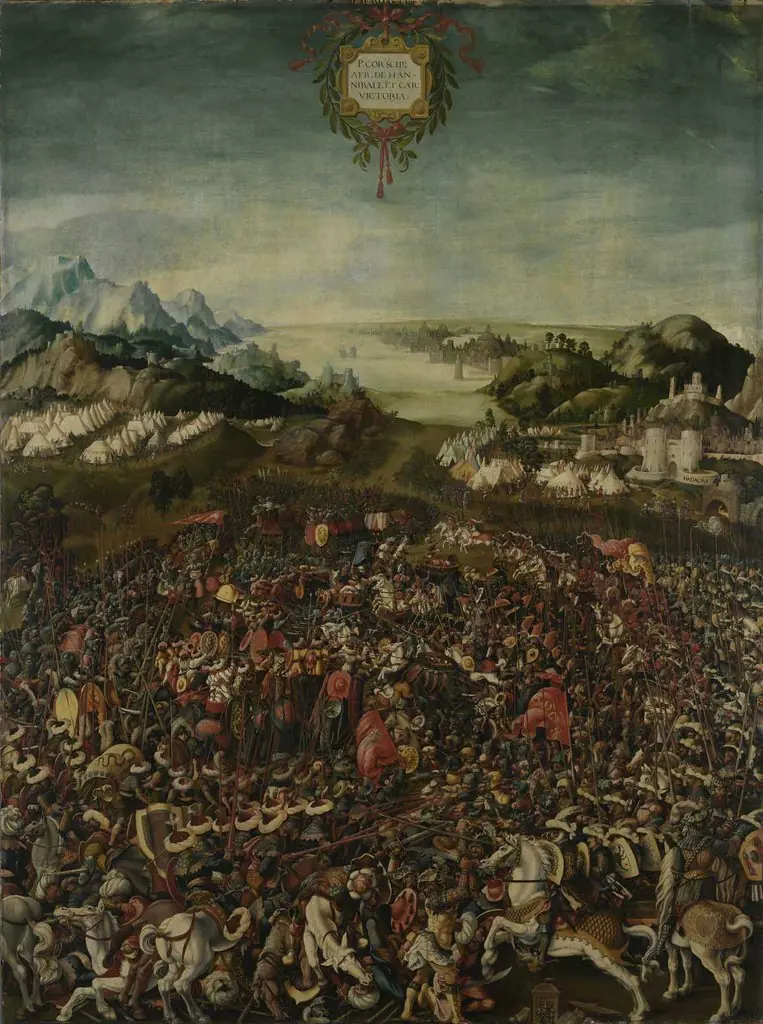 Historienzyklus: Der Sieg des P. Cornelius Scipio über Hannibal in der Schlacht bei Zama
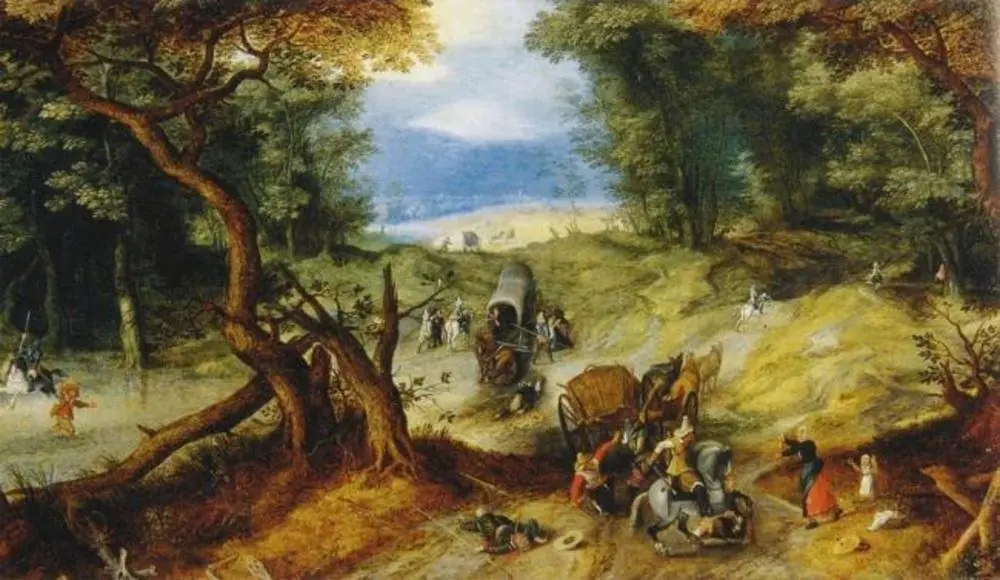 Wooded landscape with a robbery on a forestpath
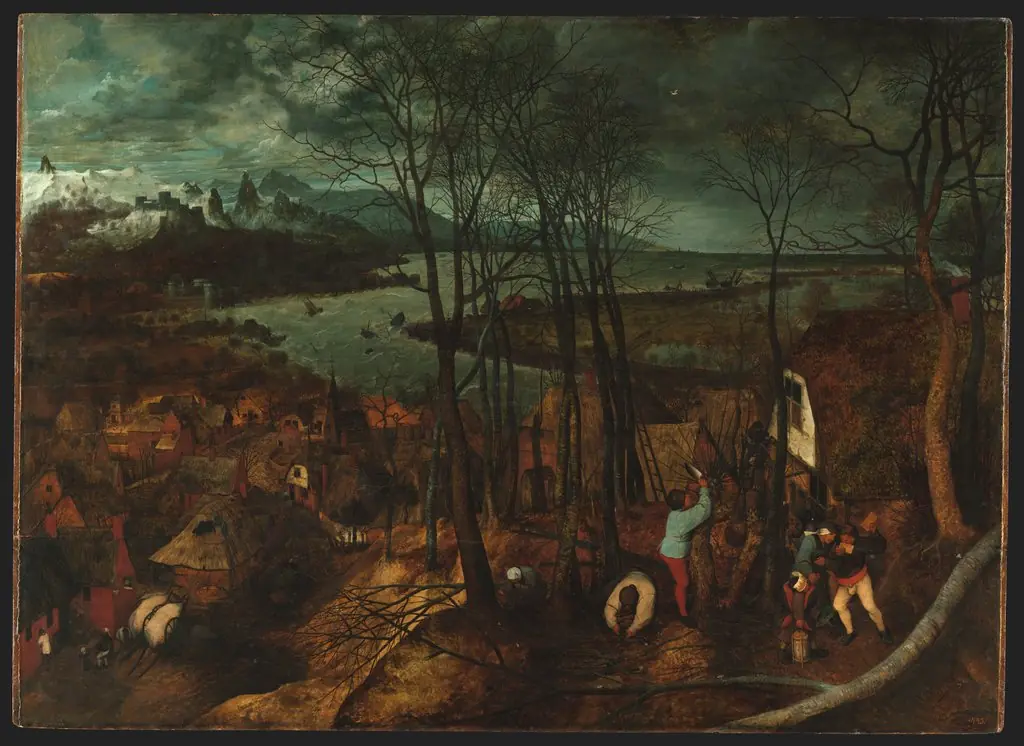 The Gloomy Day
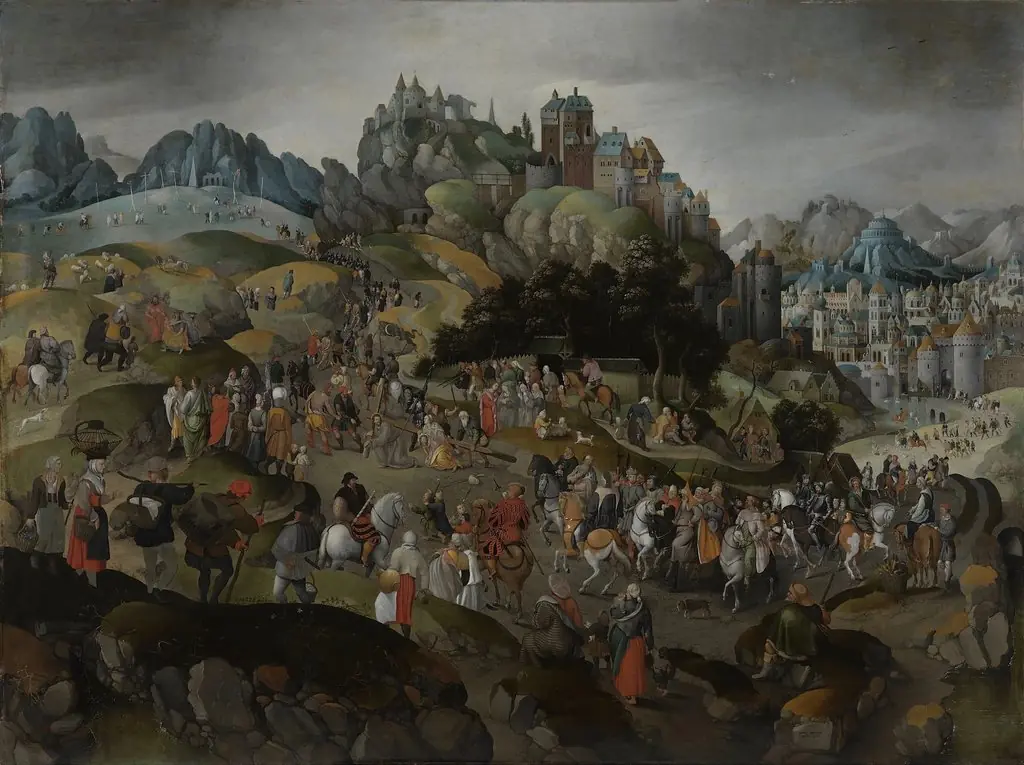 Christ carrying the Cross
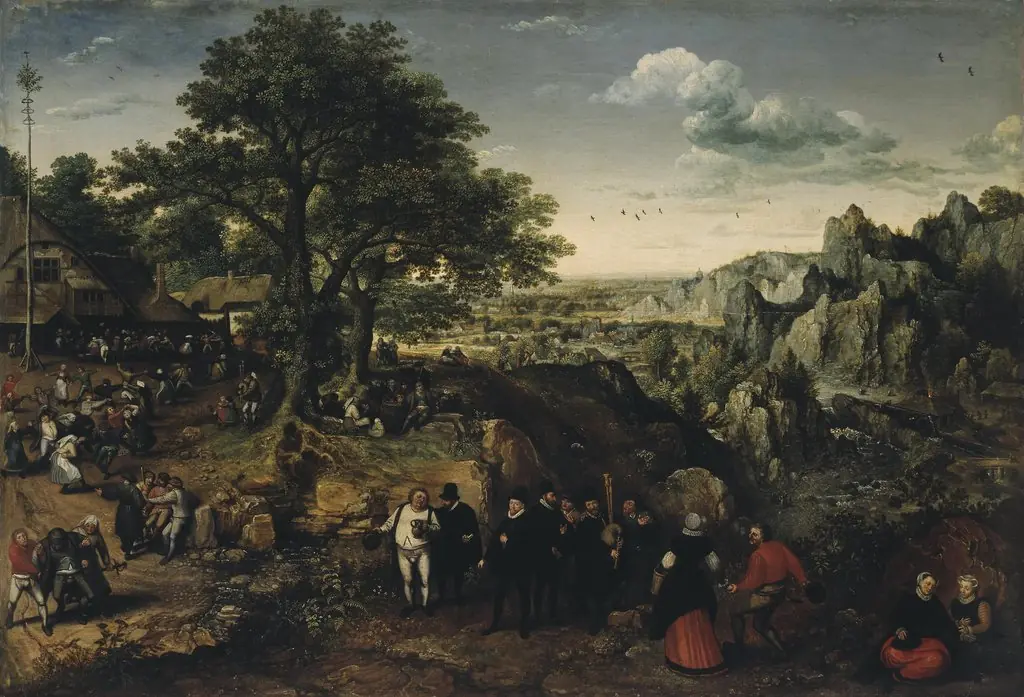 Landscape with a Rural Festival
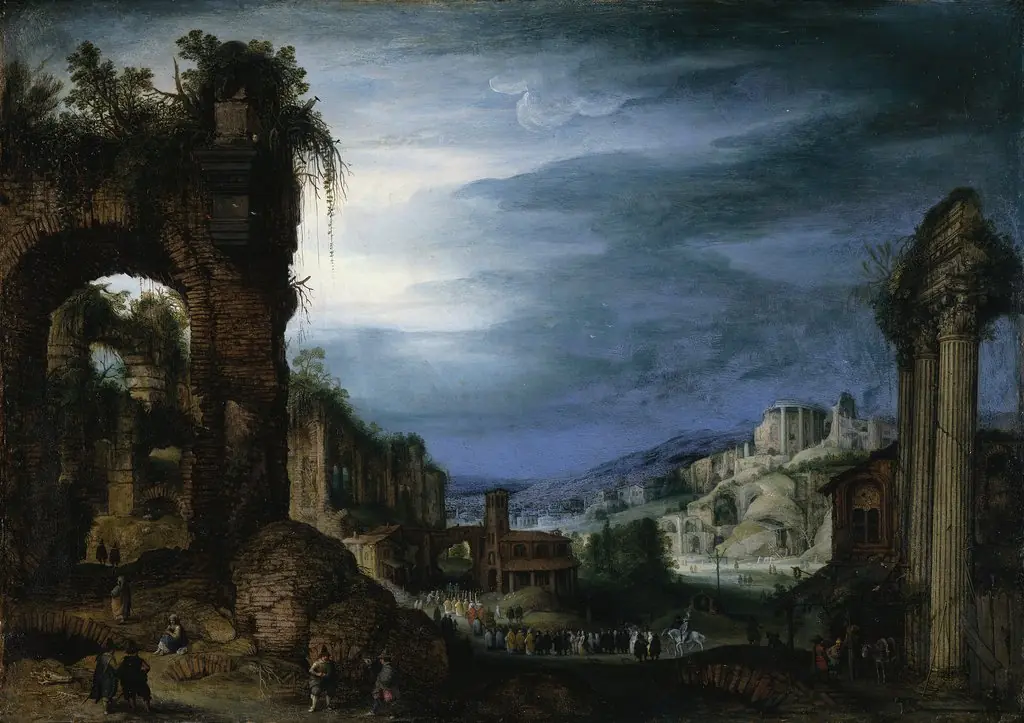 Landscape with Roman Ruins and a Procession
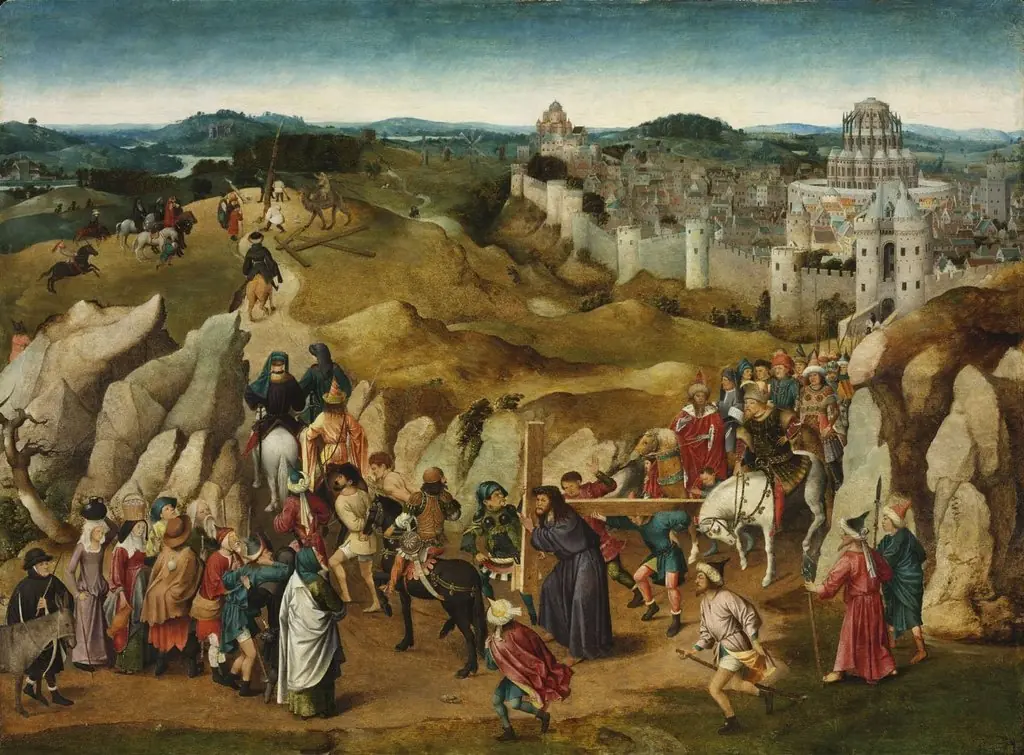 Christ Carrying the Cross
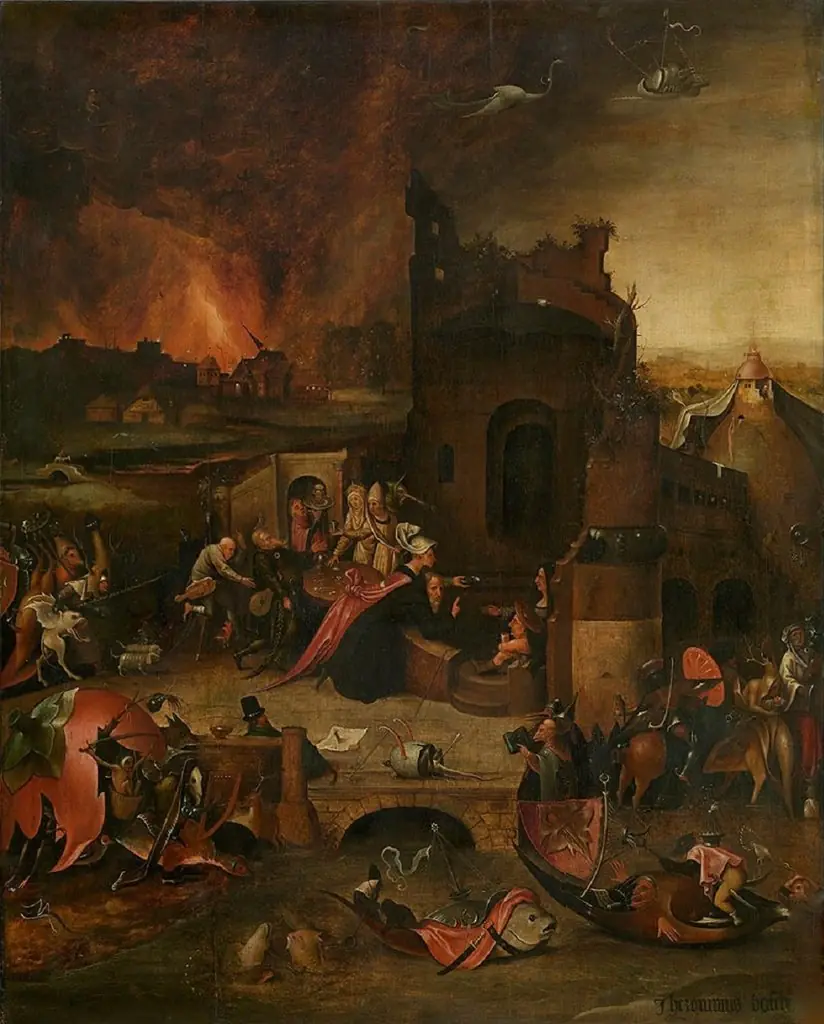 The Temptation of Antony Abbot of Egypt