Artwork
The continence of Scipio (Livius 26:50)
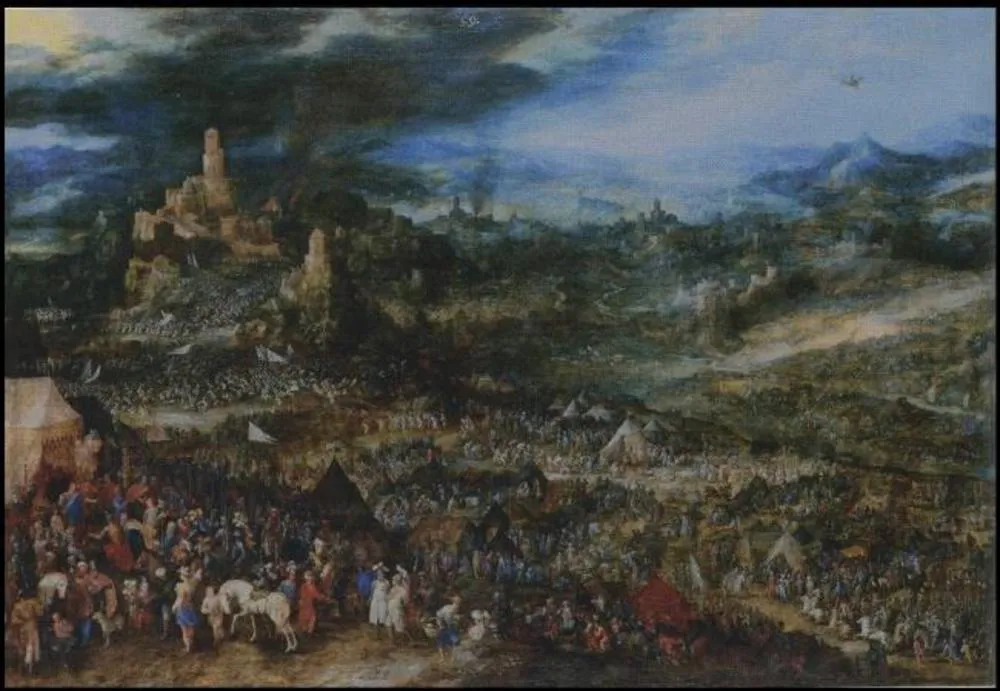
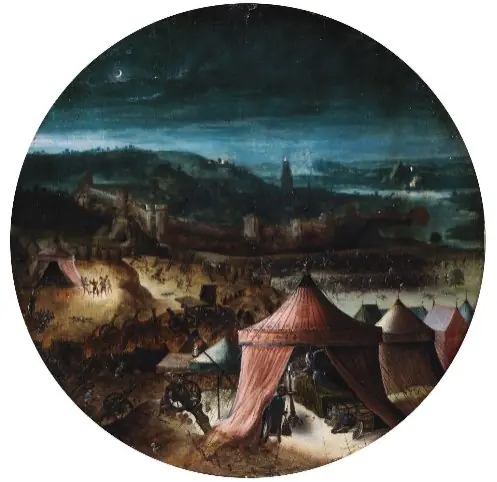
The continence of Scipio (Livius 26:50) is an oil painting by the Early Baroque Italian artist Unknown. It dates from 1600 and is held in the collection of the Staatliche Kunstsammlungen Dresden. The canvas presents a bustling tableau populated by numerous figures in period attire, clustered around a series of tents in the foreground.
About this work
Overview
The canvas presents a bustling tableau populated by numerous figures in period attire, clustered around a series of tents in the foreground. Beyond them rise a rugged mountain range crowned by a castle perched on a hill, all set beneath a brooding, cloud‑filled sky. Muted browns and grays dominate the palette, lending the scene a restrained, atmospheric quality.
Subject & Meaning
The composition depicts the legendary episode of Scipio Africanus’s continence, a moment when the Roman general, after capturing Carthaginian territory, refused to claim a captive woman as a prize, instead returning her to her family. The multitude of onlookers and the presence of military tents suggest a celebratory yet solemn gathering, emphasizing themes of restraint, honor, and civic virtue.
Technique & Style
Fine brushwork renders intricate details of clothing and architecture, while broader strokes convey the atmospheric depth of the distant mountains.
Executed in oil, the work relies on layered glazing to achieve subtle tonal variations across the landscape and figures. Fine brushwork renders intricate details of clothing and architecture, while broader strokes convey the atmospheric depth of the distant mountains. The overall visual approach aligns with a restrained, academic realism that prioritizes narrative clarity over dramatic coloration.
Context
The painting draws on a classical literary source, Livius’ account of Scipio’s act of continence, a story frequently employed in Renaissance and Baroque art to illustrate moral exemplarity. By situating the episode within a detailed, historically resonant setting, the artist engages with a longstanding tradition of using antiquarian subjects to reflect contemporary values of self‑control and civic duty.
Artist & collection

 Domestic Scene
 Giacomo and Cardinal Marco, investing Andrea, Abbot of San Zeno, with his Benefice
 The Nymph of Fontainebleau
 Portrait of a Woman
 Madonna and Child with Saints in the Enclosed Garden
 Venus and Minerva
 Family Group of Four on Sofa
 Wall painting from Room H of the Villa of P. Fannius Synistor at Boscoreale
 The victory of death
 View of a Port city
 Kreuztragung Christi
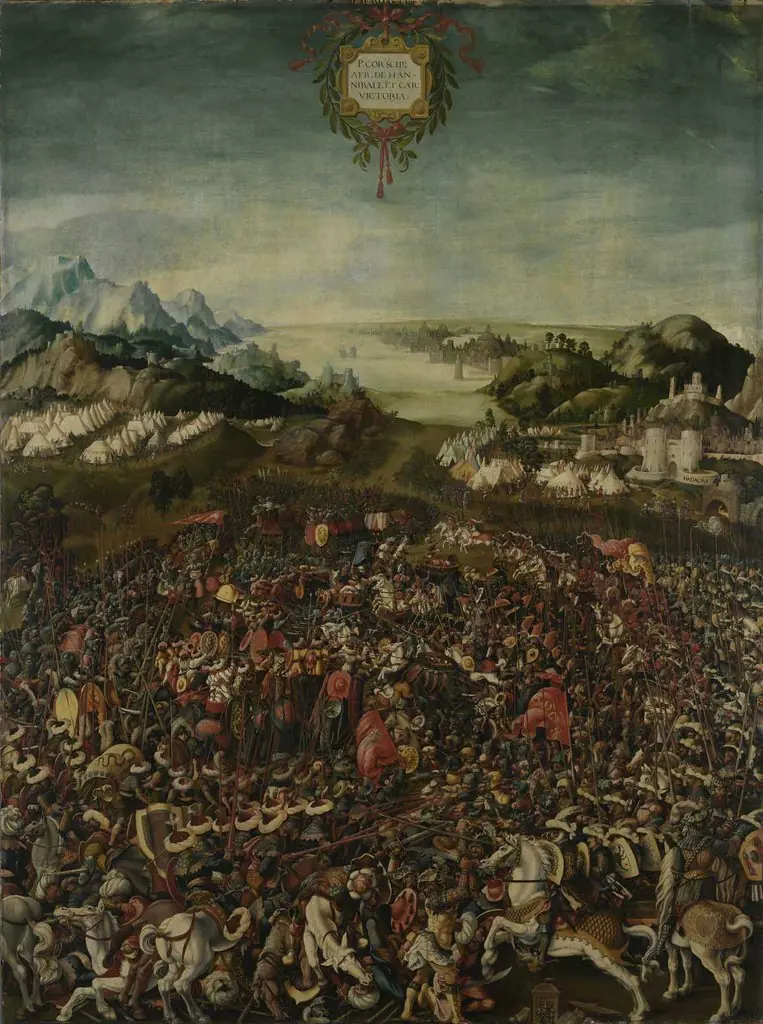 Historienzyklus: Der Sieg des P. Cornelius Scipio über Hannibal in der Schlacht bei Zama
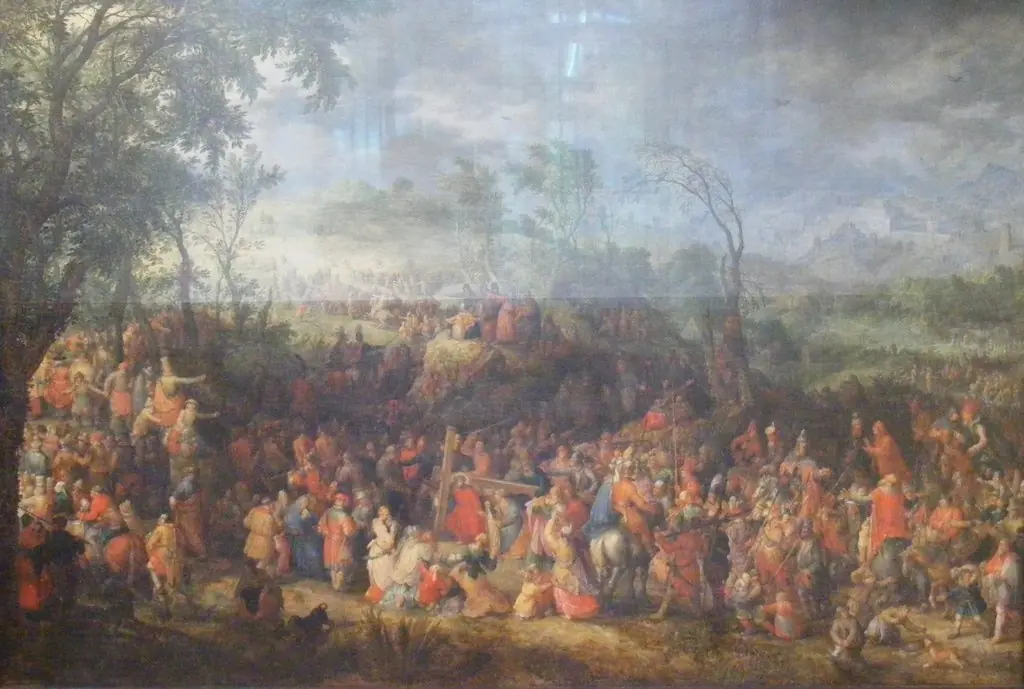 Kreuztragung Christi
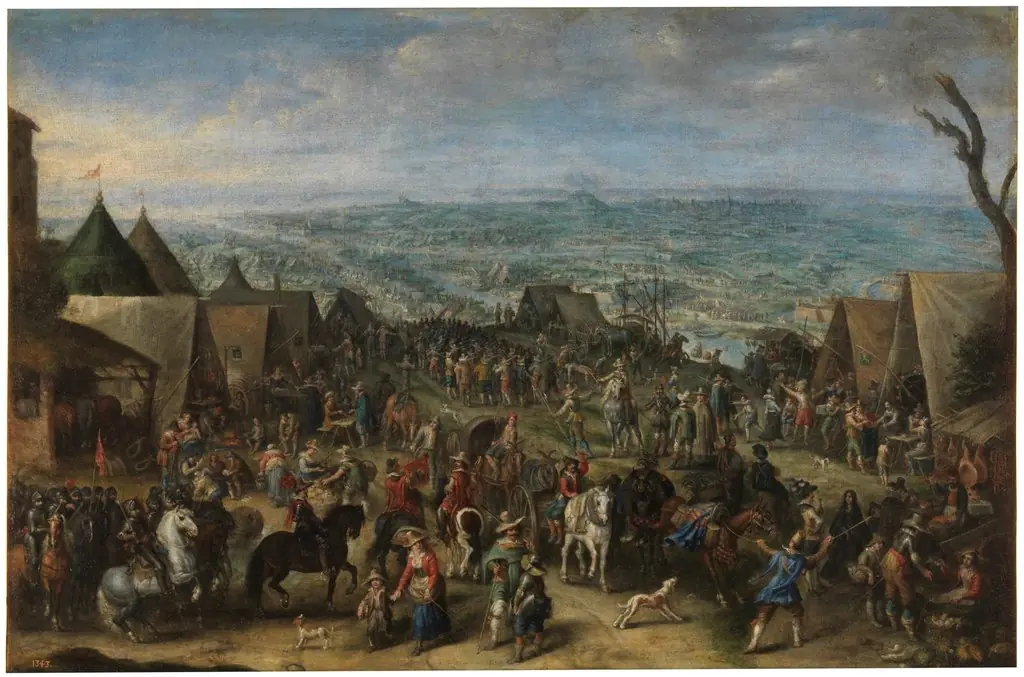 Sitio de Ostende
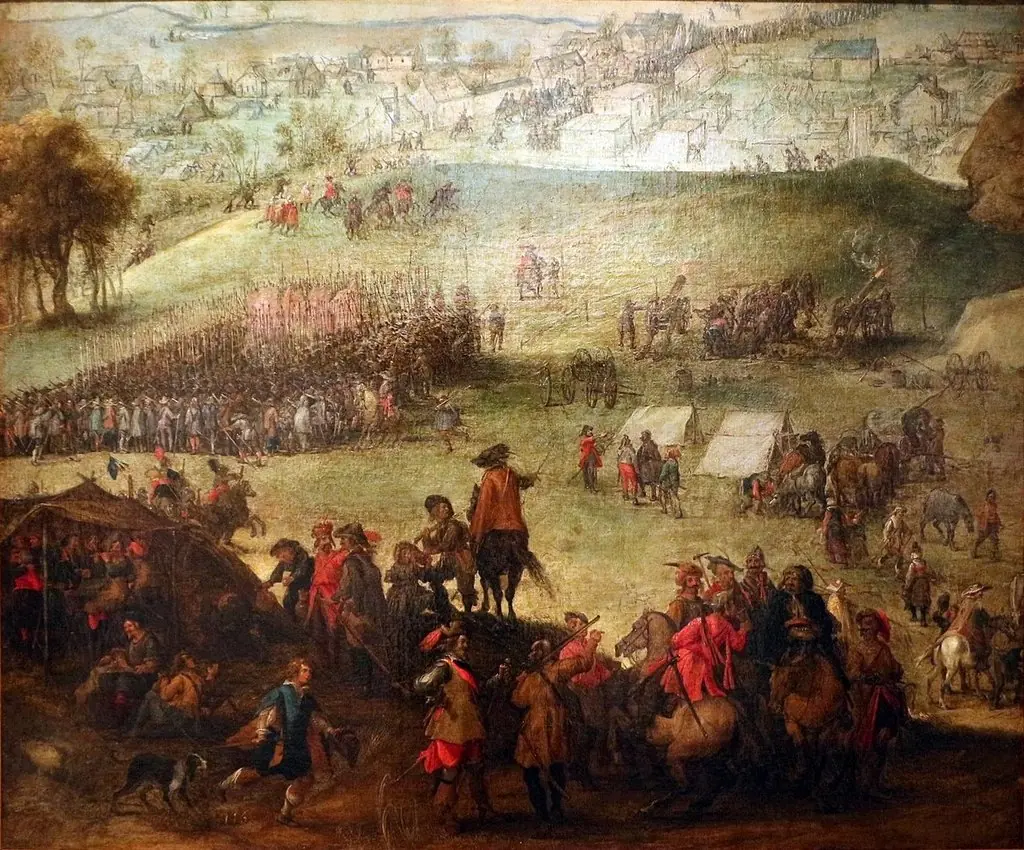 Rendição de uma cidade
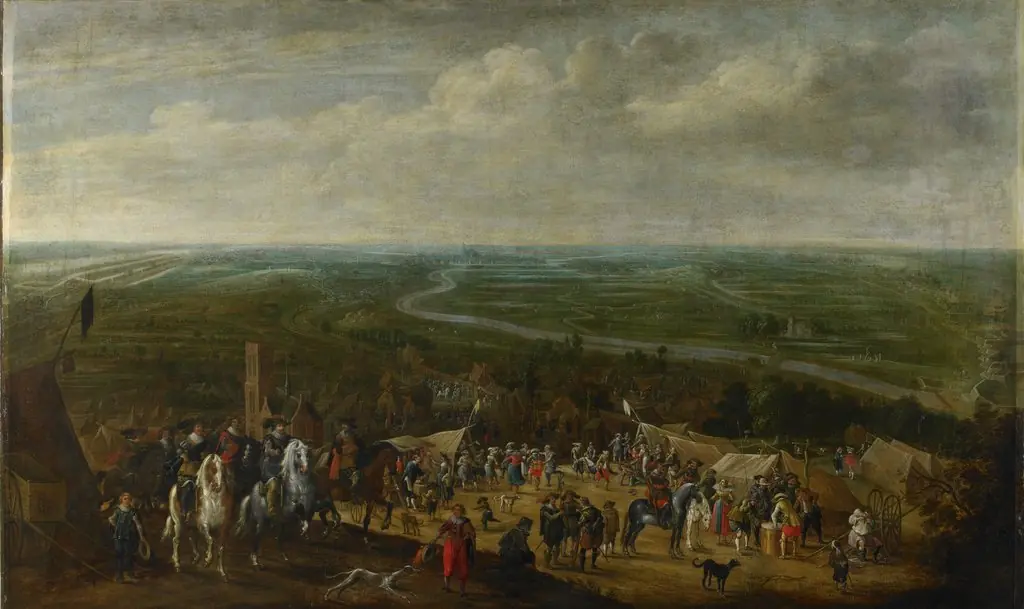 Prince Frederik Hendrik at the siege of 's-Hertogenbosch, 1629
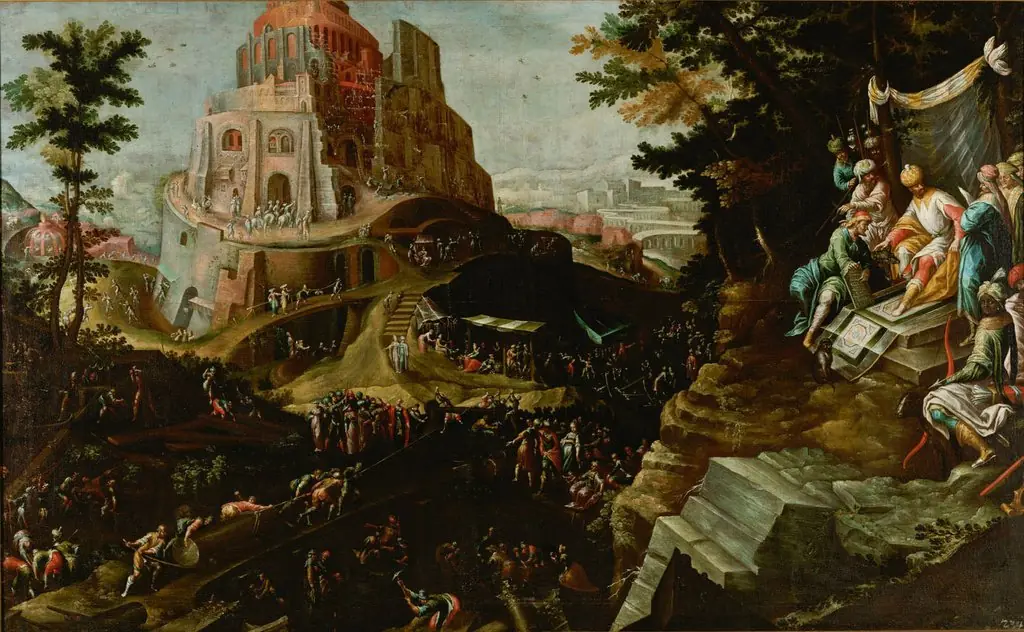 The Construction of the Tower of Babel
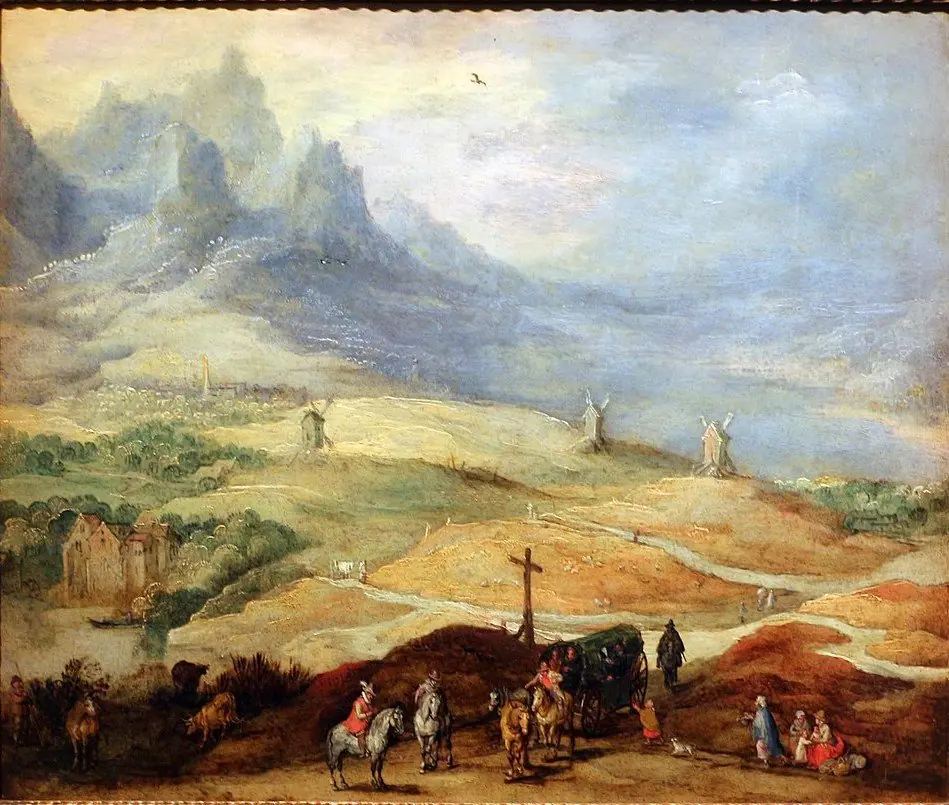 Paisagem com figuras
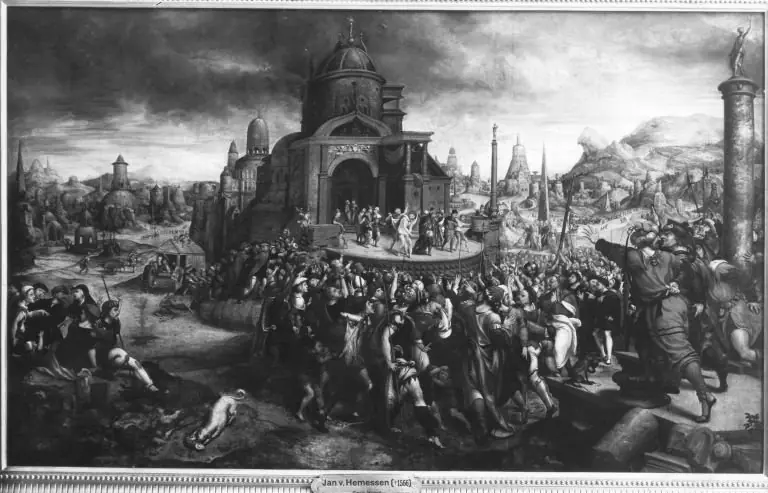 Ecce homo
 A Landscape with Judith and Holofernes