Artwork
Kaiserin Amalie Wilhelmine (1673-1742) von Braunschweig-Lüneburg, Gemahlin von Joseph I.
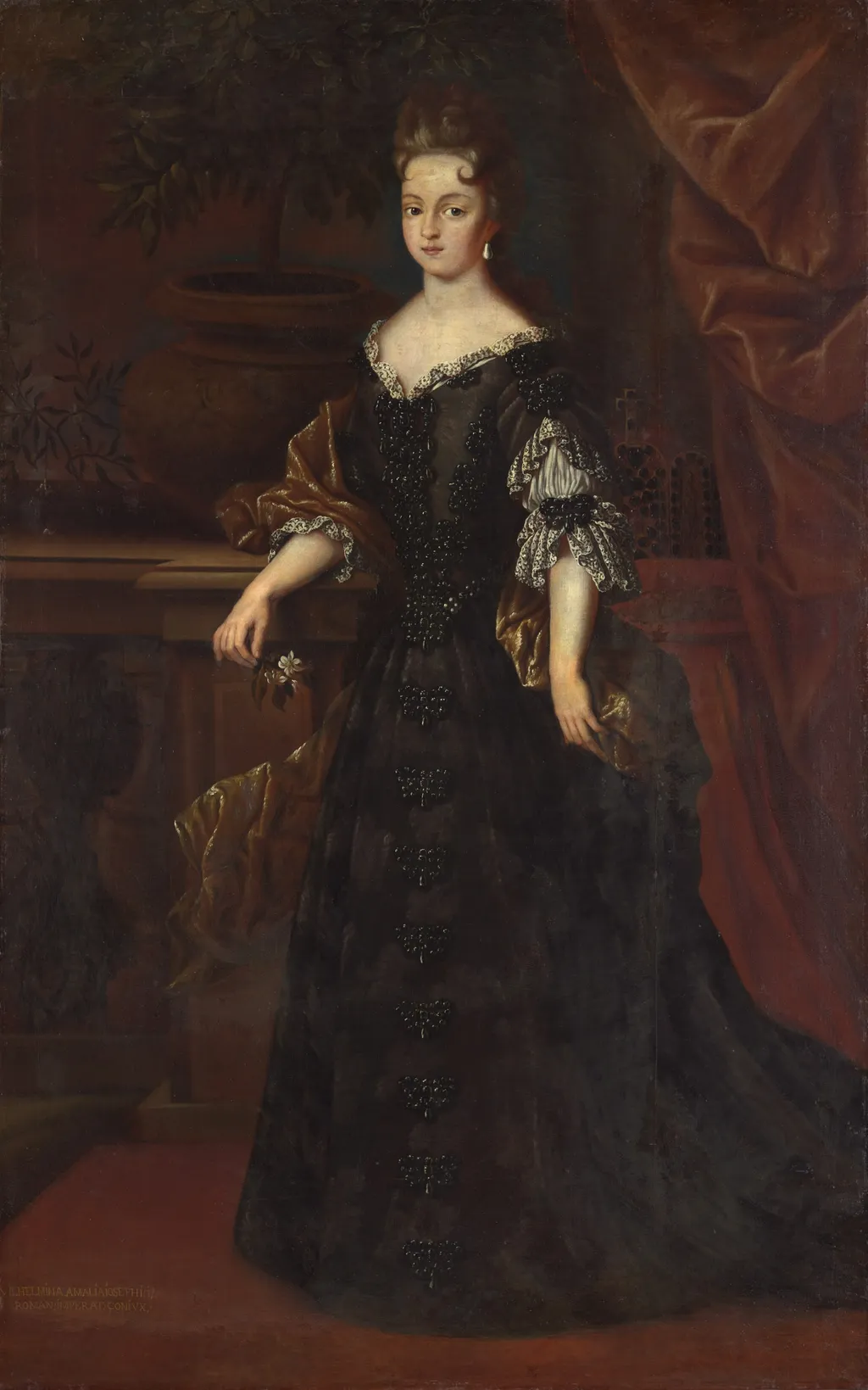
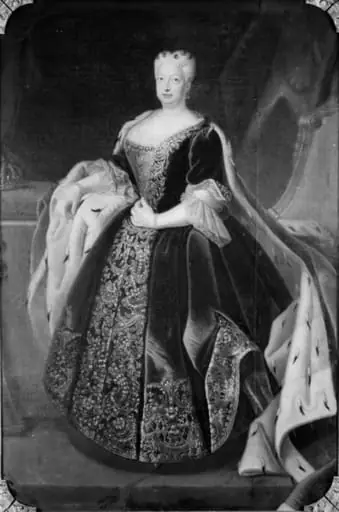
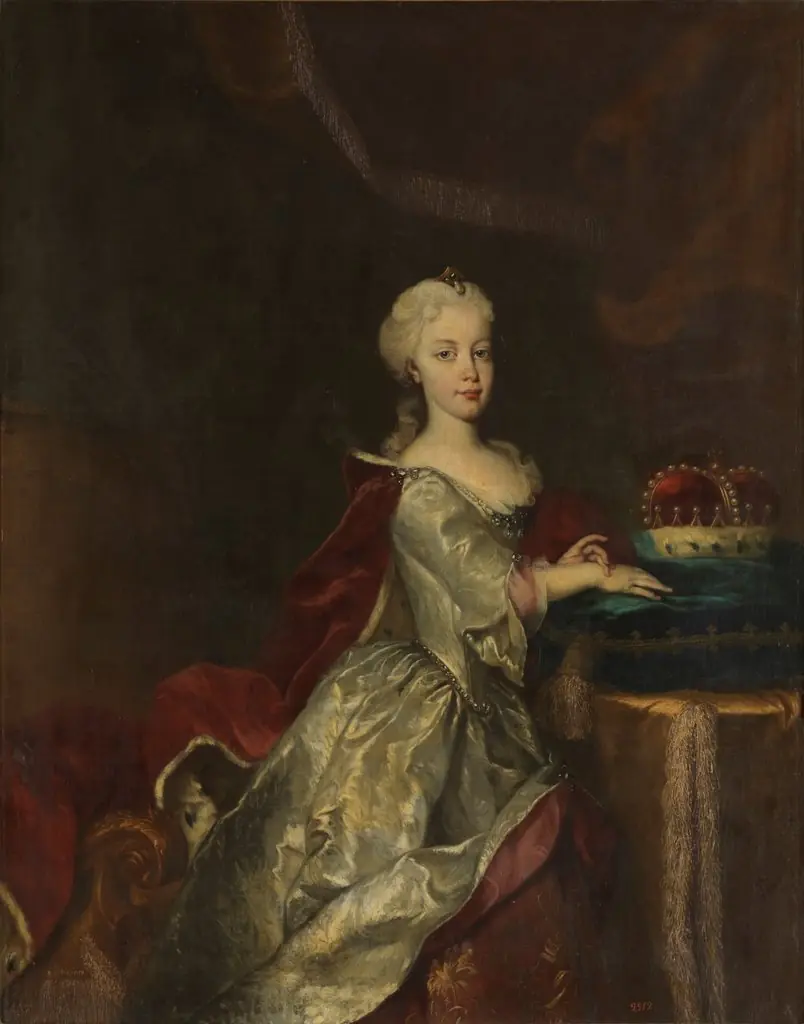
Kaiserin Amalie Wilhelmine (1673-1742) von Braunschweig-Lüneburg, Gemahlin von Joseph I. is an oil painting by Unknown. It dates from 1800 and is held in the collection of the Kunsthistorisches Museum. This oil painting depicts Amalie Wilhelmine of Brunswick-Lüneburg, consort to Holy Roman Emperor Joseph I.
About this work
Overview
Rendered in the early 18th century, it presents her in formal court attire, capturing her status through meticulous detail and controlled lighting.
This oil painting depicts Amalie Wilhelmine of Brunswick-Lüneburg, consort to Holy Roman Emperor Joseph I. Rendered in the early 18th century, it presents her in formal court attire, capturing her status through meticulous detail and controlled lighting. The composition emphasizes dignity and restraint, typical of imperial portraiture of the period, with a focus on the sitter’s presence rather than elaborate scenery.
Subject & Meaning
Amalie Wilhelmine is portrayed not as a private individual but as a symbol of dynastic authority. Her poised posture, the fan held with deliberation, and the rich fabric of her dress convey imperial dignity. The absence of overt symbols of power—like crowns or regalia—suggests a preference for quiet authority, aligning with Habsburg ideals of refined monarchy rather than flamboyant display.
Technique & Style
The artist employs chiaroscuro to model the sitter’s face and hands, drawing attention to her expression and gesture while submerging the background in shadow. The texture of lace, embroidery, and heavy silk is rendered with fine brushwork, suggesting material weight and luxury. The dark, muted tones and soft transitions between light and shadow reflect a Baroque sensibility rooted in realism and psychological subtlety.
History & Provenance
Commissioned during Joseph I’s reign, the portrait likely originated in the Viennese court and remained within imperial collections. Its survival through centuries suggests it was valued as a record of Habsburg lineage. While its exact provenance before modern institutional custody is not fully documented, its style and subject align with other court portraits from Vienna in the early 1700s.
Context
In early 18th-century Europe, imperial consorts were often depicted in formal portraiture to reinforce political alliances and dynastic continuity. Amalie Wilhelmine’s image would have circulated among noble courts, affirming her role in the Habsburg network. The restrained elegance of the portrait contrasts with more ornate French or Italian styles, reflecting the more austere aesthetic favored in Vienna at the time.
Legacy
The portrait endures as a quiet testament to the role of women in Habsburg governance—not as rulers, but as essential figures in the maintenance of imperial identity. Its understated power lies in its avoidance of theatricality, offering instead a nuanced representation of aristocratic presence that influenced later court portraiture in Central Europe.
Artist & collection

 Domestic Scene
 Giacomo and Cardinal Marco, investing Andrea, Abbot of San Zeno, with his Benefice
 The Nymph of Fontainebleau
 Portrait of a Woman
 Madonna and Child with Saints in the Enclosed Garden
 Venus and Minerva
 Family Group of Four on Sofa
 Wall painting from Room H of the Villa of P. Fannius Synistor at Boscoreale
 Portrait of Louise Christina Trip (died 1733), Wife of Gerrit Sichterman
 Portret van keizerin Maria Theresia
 Anna Sophie Agnes von Lehwald, born von Buddenbrock (1699-1773)
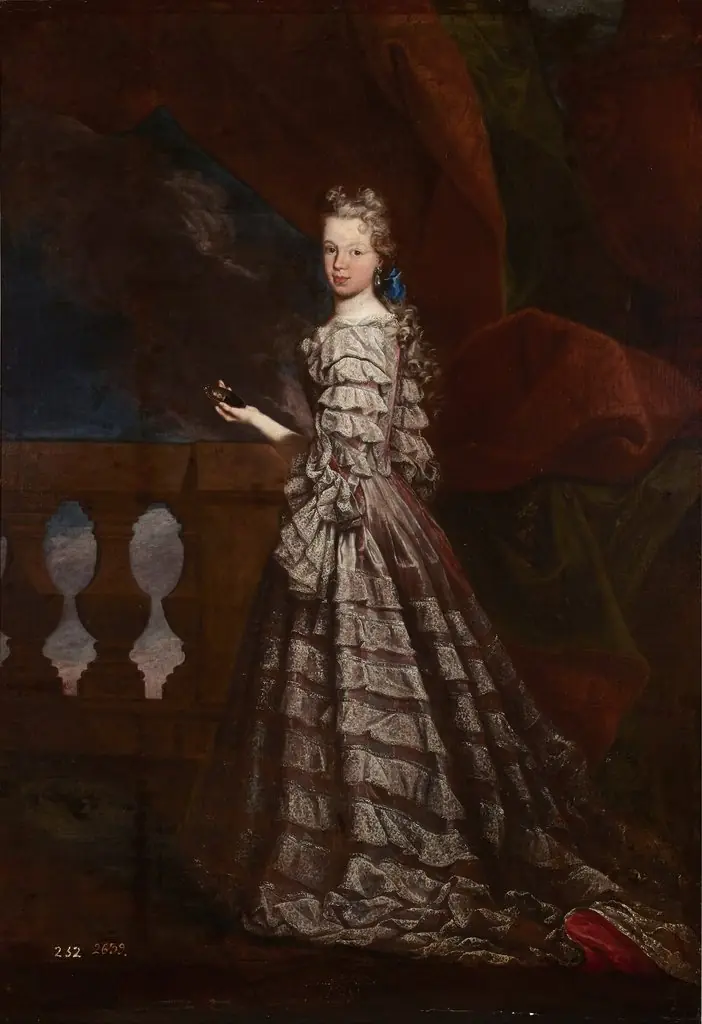 Portrait of Maria Luisa of Savoy, Queen of Savoy
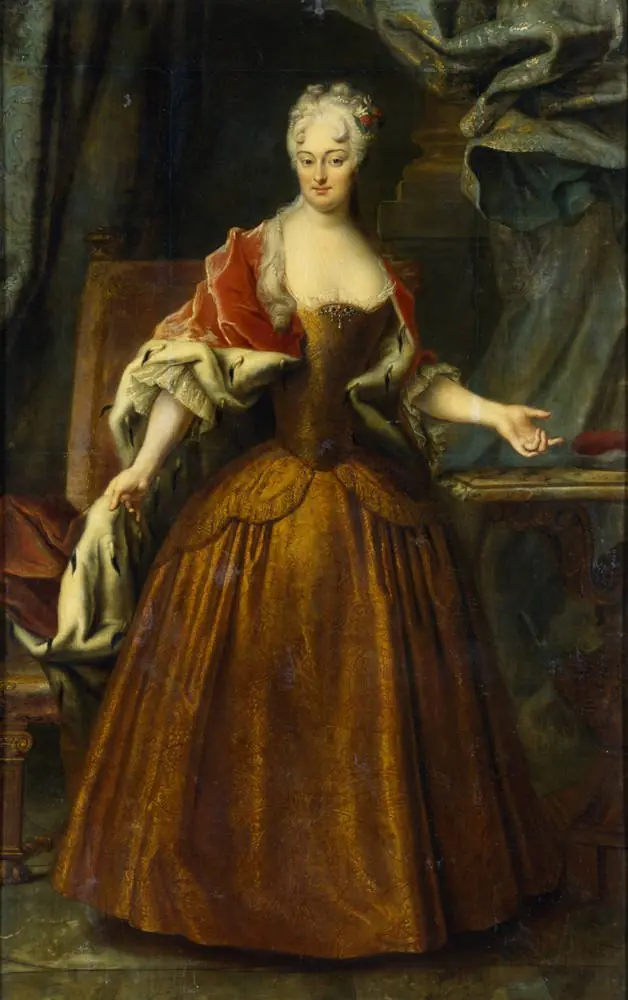 Sophie, Markgräfin von Brandenburg-Bayreuth, geb. Herzogin Sachsen-Weißenfels (1684-1752)
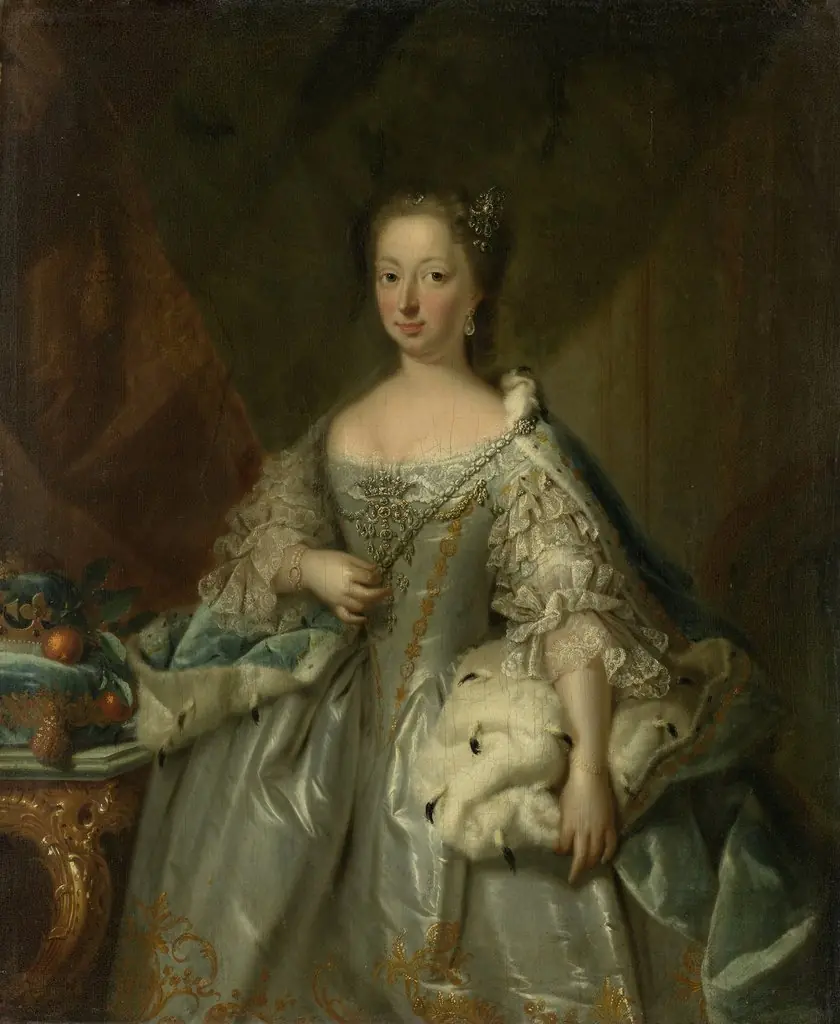 Anna of Hanover
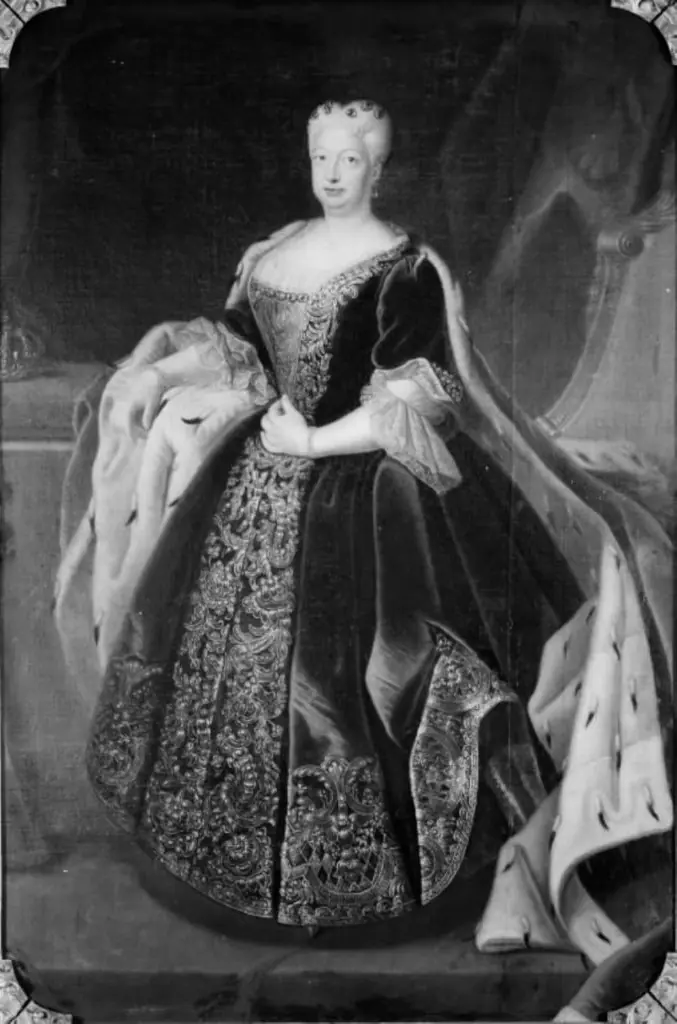 Portrait of Sophie Dorothea of Prussia
 Portrait of Sophie Dorothea of Prussia
 Henriette Adelaide
 Portrait of a Woman
 María Luisa Gabriela de Saboya primera esposa de Felipe V
 María Teresa archiduquesa de Austria