Artwork
Portrait of Maria de´ Medici
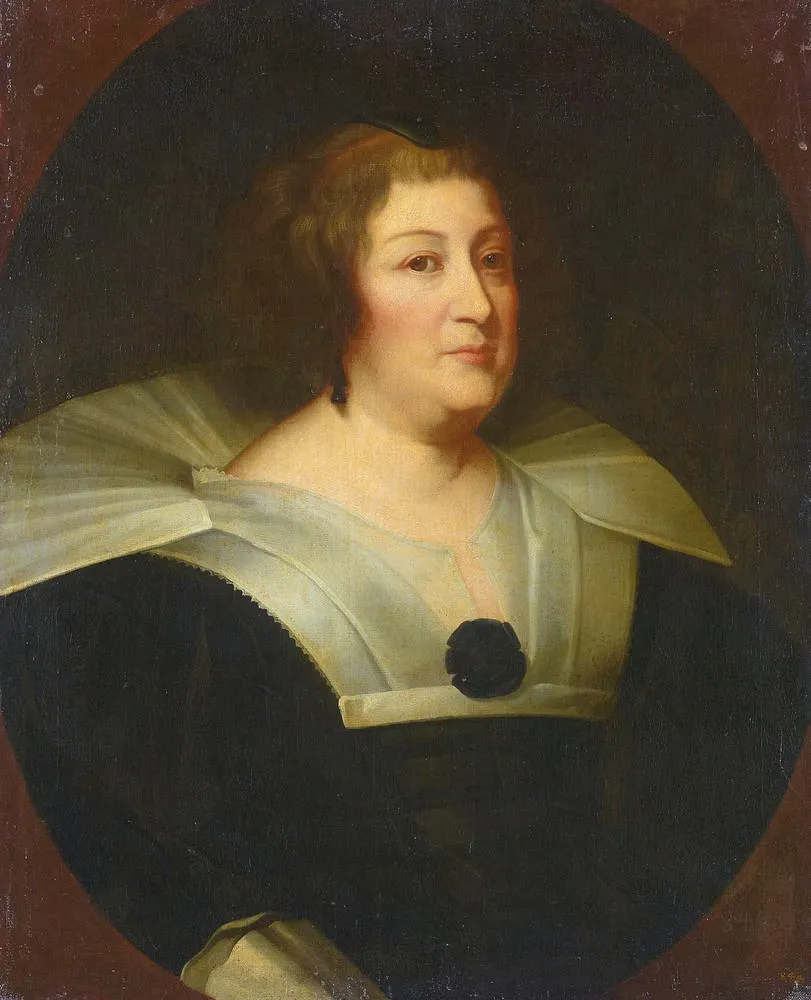
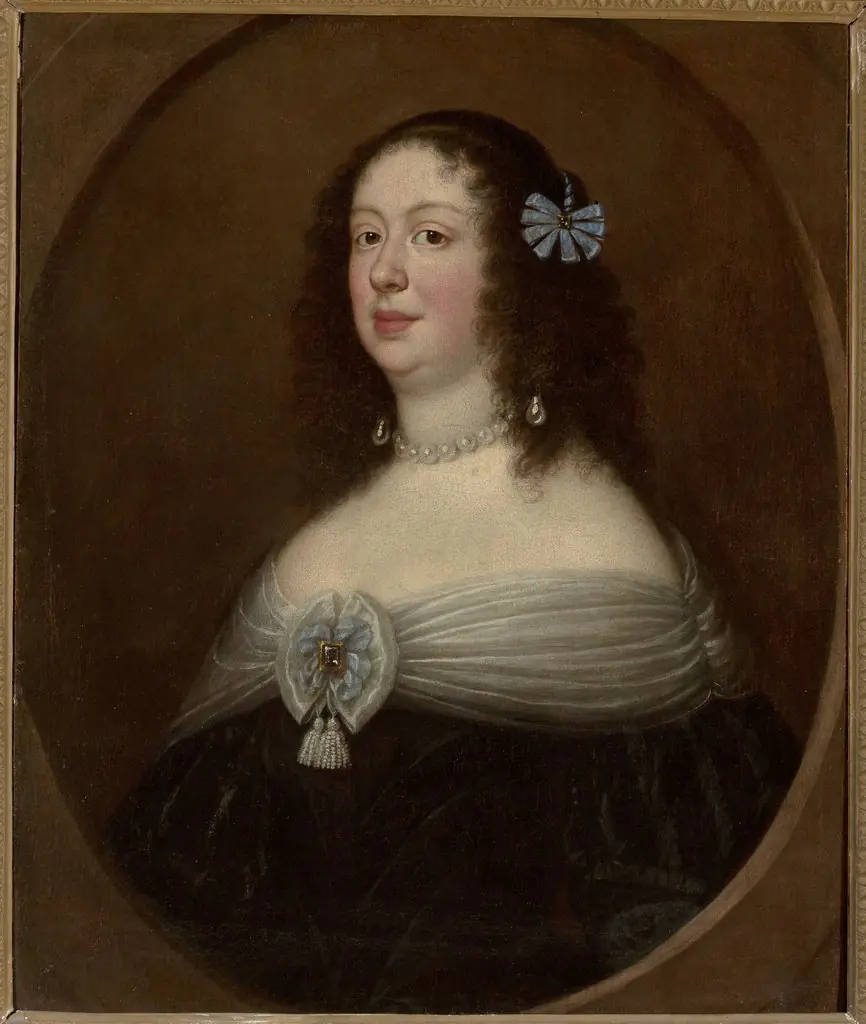
Portrait of Maria de´ Medici is an oil painting by Unknown. It dates from 1650 and is held in the collection of the Staatliche Kunstsammlungen Dresden.
About this work
The painting features a woman with short, curly brown hair, wearing a black dress with a white collar and a black flower at the center.
The painting features a woman with short, curly brown hair, wearing a black dress with a white collar and a black flower at the center. She is set against a dark background, with her face turned slightly to the right. The woman's attire and hairstyle suggest a formal portrait from the 17th century. The dark background and the use of chiaroscuro, a technique that uses strong contrasts between light and dark, create a sense of depth and drama in the painting.
Overview
This oil painting presents a seated woman with short, curly brown hair, dressed in a black gown trimmed with a white collar and centered by a black flower. Her head is turned slightly to the right, set against a deep, dark background that emphasizes the figure through strong light‑dark contrast.
Subject & Meaning
The sitter appears to be a noblewoman, suggested by the formal attire and composed pose typical of 17th‑century portraiture. The restrained palette and modest accessories focus attention on her facial expression and status rather than narrative symbolism.
Technique & Style
The work employs chiaroscuro, using pronounced illumination on the face and dress against a shadowed backdrop to model form and create spatial depth. The brushwork is smooth in the flesh tones, while the fabric is rendered with finer, controlled strokes that convey texture.
History & Provenance
Identified as a portrait of Maria de’ Medici, the painting aligns with the visual conventions of early modern European court portraiture. Its attribution and ownership trail remain limited to museum records, with no documented exhibition history provided.
Context
Portraits of the Medici family were common in the 1600s, serving both personal commemoration and political representation. This piece reflects the period’s emphasis on dignified presentation, aligning with contemporary conventions of aristocratic image-making.
Artist & collection

 Domestic Scene
 Giacomo and Cardinal Marco, investing Andrea, Abbot of San Zeno, with his Benefice
 The Nymph of Fontainebleau
 Portrait of a Woman
 Madonna and Child with Saints in the Enclosed Garden
 Venus and Minerva
 Family Group of Four on Sofa
 Wall painting from Room H of the Villa of P. Fannius Synistor at Boscoreale
 Anna von Österreich (1601-1666) (Umkreis)
 Portrait of Anne of Austria (1601-1666)
 Bildnis der Maria de Medici
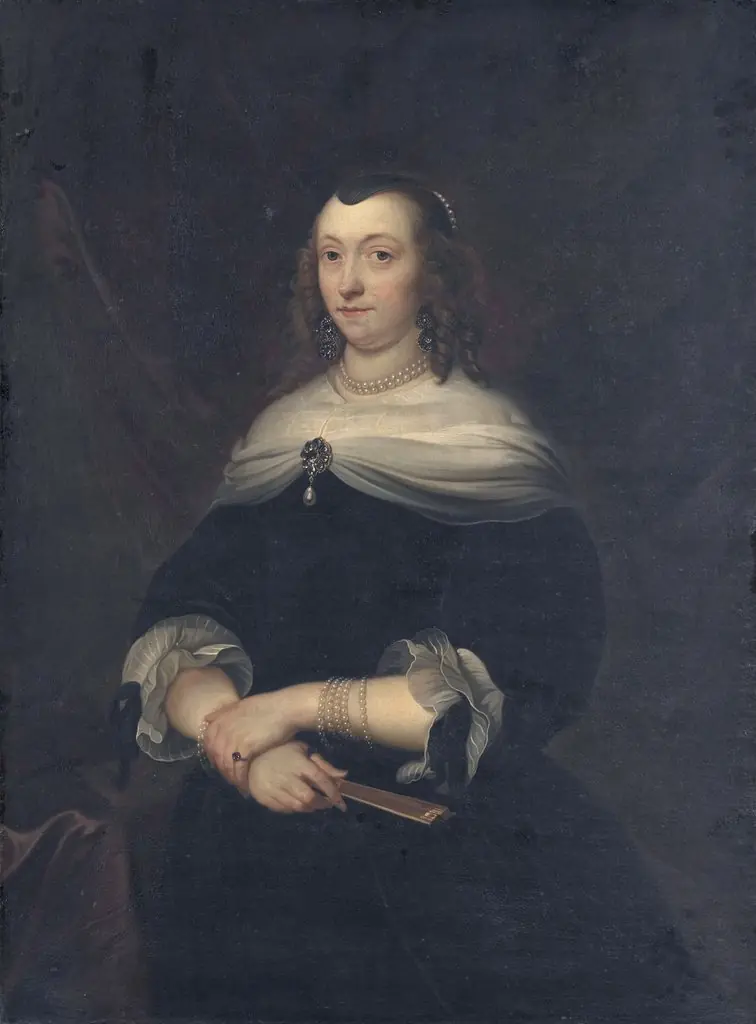 Portrait of a woman, thought to be Lucretia Boudaen
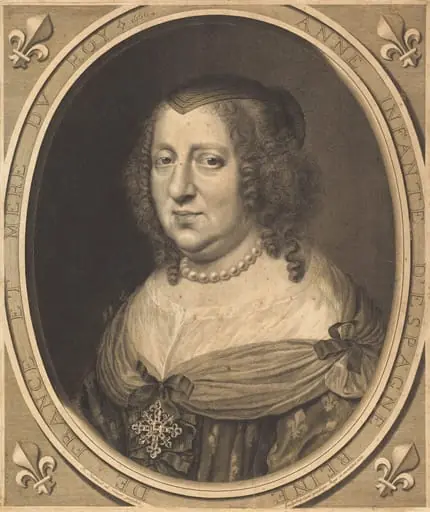 Anne of Austria, Queen of France and Navarre
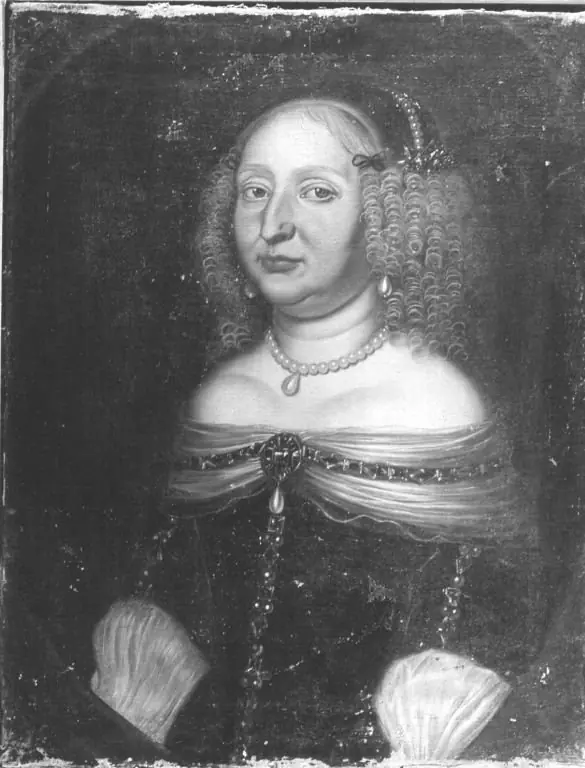 Bildnis der Sophie Eleonore von Sachsen, Landgräfin von Hessen-Darmstadt, Gemahlin des Landgrafen Georg II. (1609-1671) (?)
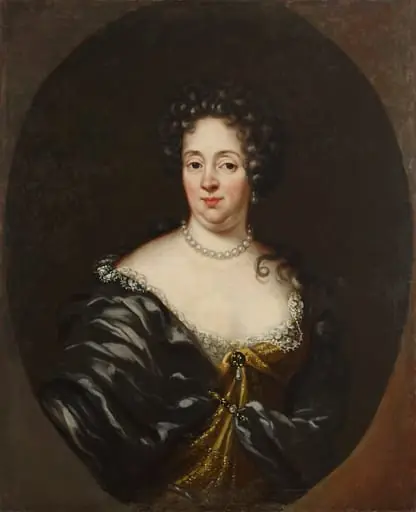 Jennings-suvun jäsen
 Marie de Medici, Queen of France
 Françoise-Marie Mignot, maréchale de l'Hôpital (1624-1711)
 Portret de femeie
 Marie-Anne-Christine-Victoire de Bavière, Dauphine (1660-1690)
 Portrait of princess Anna de Medici