Artwork
Portrait of Vasily P. Obolensky (1780-1834)
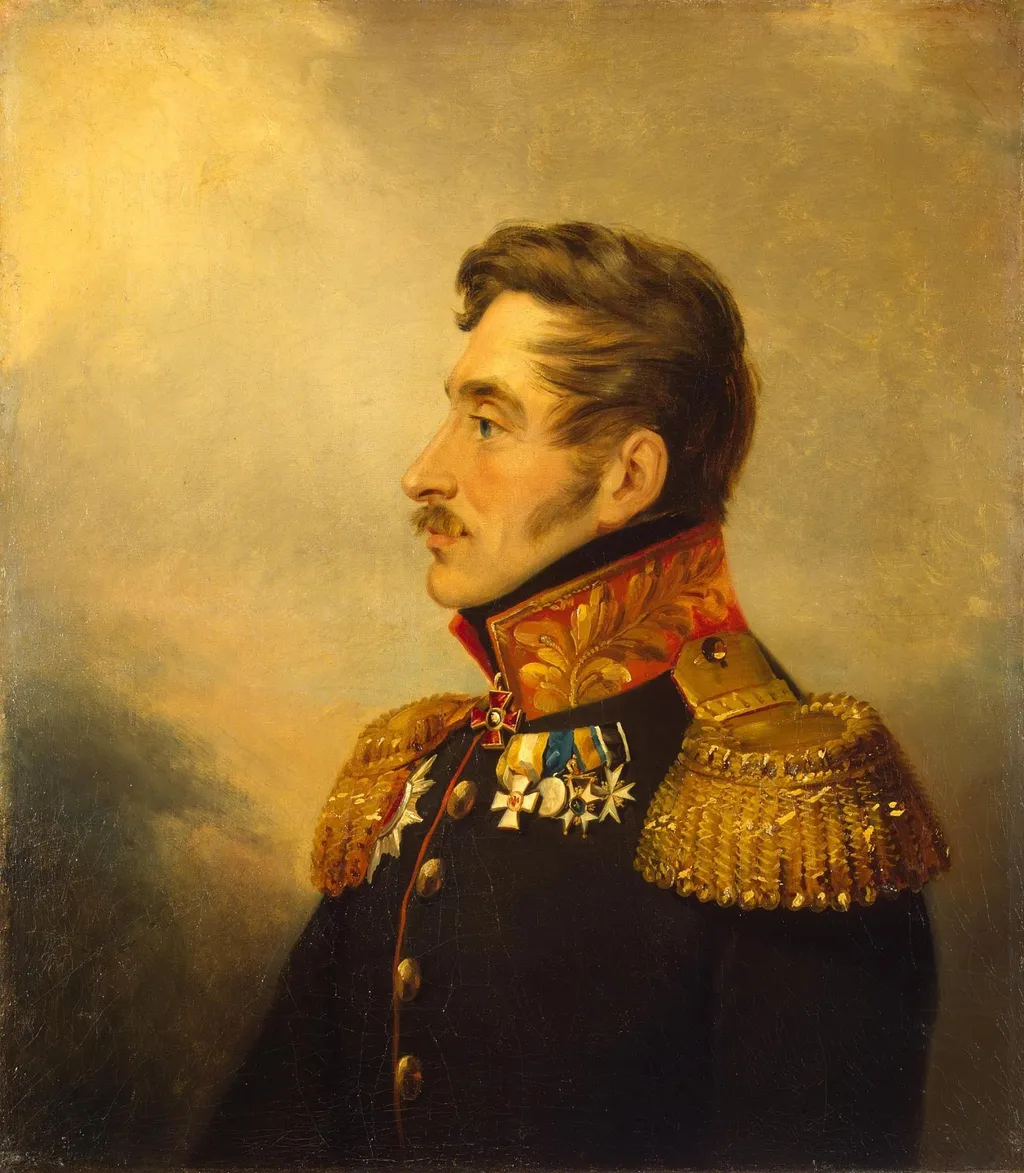
Portrait of Vasily P. Obolensky (1780-1834) is an oil painting by Unknown. It dates from 1823 and is held in the collection of the Hermitage Museum. Painted in 1823, Portrait of Vasily P.
About this work
Obolensky was a notable figure, and this portrait might be one of the few artworks that feature him as the main subject.
The painting is called Portrait of Vasily P. Obolensky.
It was made in 1823.
The State Hermitage Museum holds this oil paint work, and it depicts a marshal.
Vasily P. Obolensky was a notable figure, and this portrait might be one of the few artworks that feature him as the main subject.
This portrait is a part of history, showing us what people looked like back then.
You can learn more about this type of art at the State Hermitage Museum.
Overview
Painted in 1823, Portrait of Vasily P. Obolensky is an oil-on-canvas work housed at The State Hermitage Museum. It portrays Vasily P. Obolensky, a distinguished military figure who held the rank of marshal.
Subject & Meaning
The subject, Vasily P. Obolensky (1780-1834), is depicted in his capacity as a marshal, highlighting his professional stature. As one of the few known portraits of Obolensky, it provides a rare visual record of the individual.
Technique & Style
While specific stylistic attributes of the painting are not detailed, its creation in 1823 situates it within the early 19th-century European portrait tradition, characterized by realism and attention to detail in capturing sitters' statuses.
History & Provenance
The painting's history prior to its acquisition by The State Hermitage Museum is not specified. It is currently part of the museum's collection, indicating its recognized historical and artistic value.
Context
This portrait reflects the artistic practices of its time, using realism to document the appearance and status of esteemed individuals like Obolensky, offering a glimpse into early 19th-century societal values.
Legacy
As part of The State Hermitage Museum's holdings, the portrait contributes to the museum's educational role, illustrating historical attire and military rank for visitors. Its legacy is tied to its informational and archival value rather than widespread artistic renown.
Artist & collection

 Domestic Scene
 Giacomo and Cardinal Marco, investing Andrea, Abbot of San Zeno, with his Benefice
 The Nymph of Fontainebleau
 Portrait of a Woman
 Madonna and Child with Saints in the Enclosed Garden
 Venus and Minerva
 Family Group of Four on Sofa
 Wall painting from Room H of the Villa of P. Fannius Synistor at Boscoreale
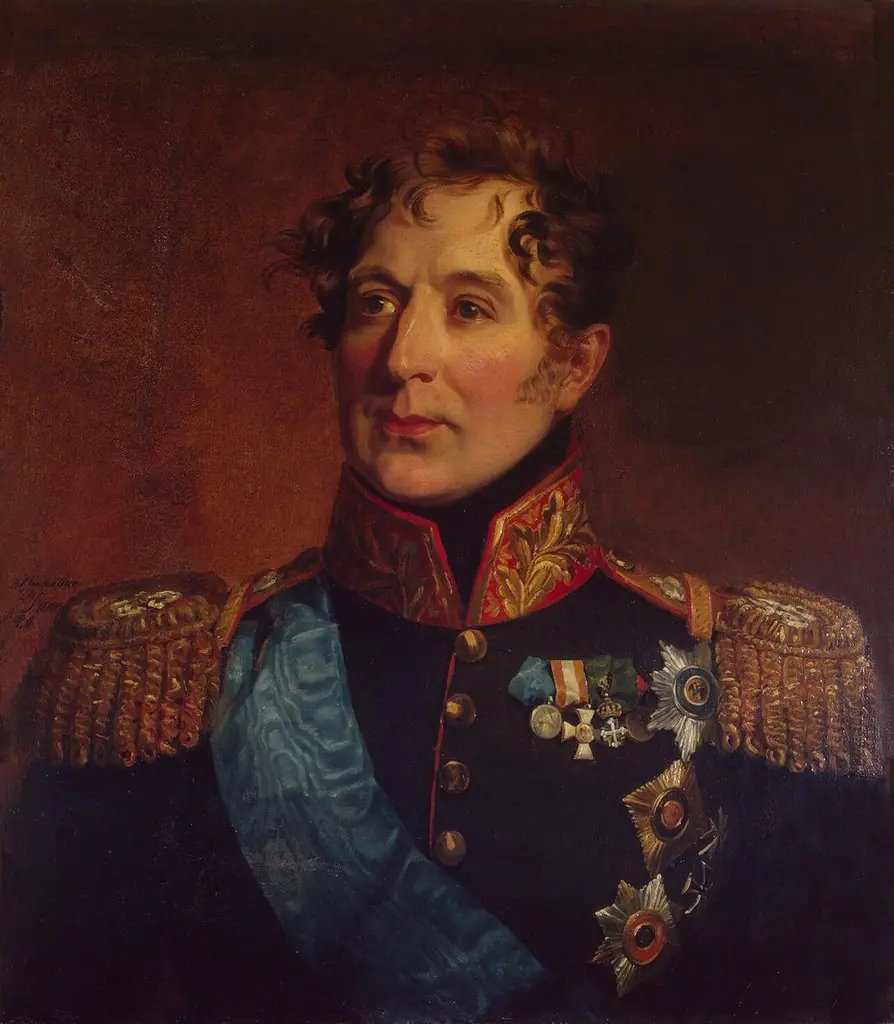 Portrait of Mikhail A. Miloradovich (1771-1825)
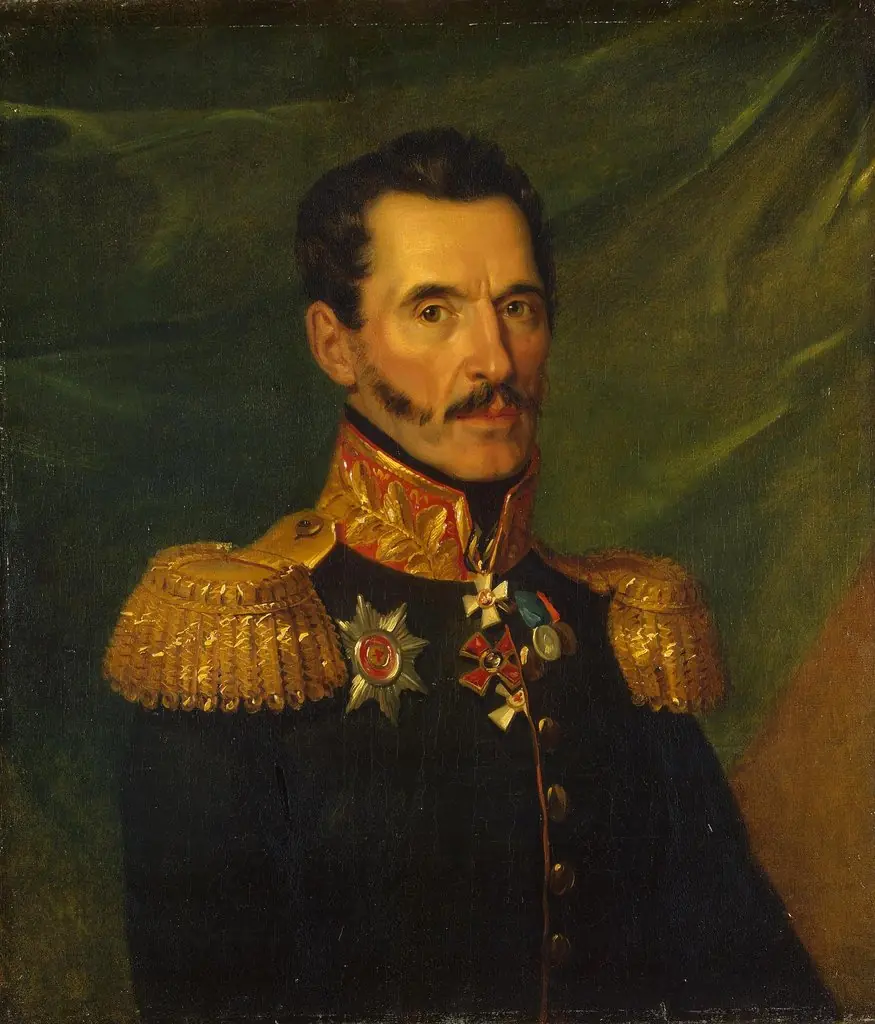 Portrait of Stepan Ya. Repninsky (1773-1851) (1st)
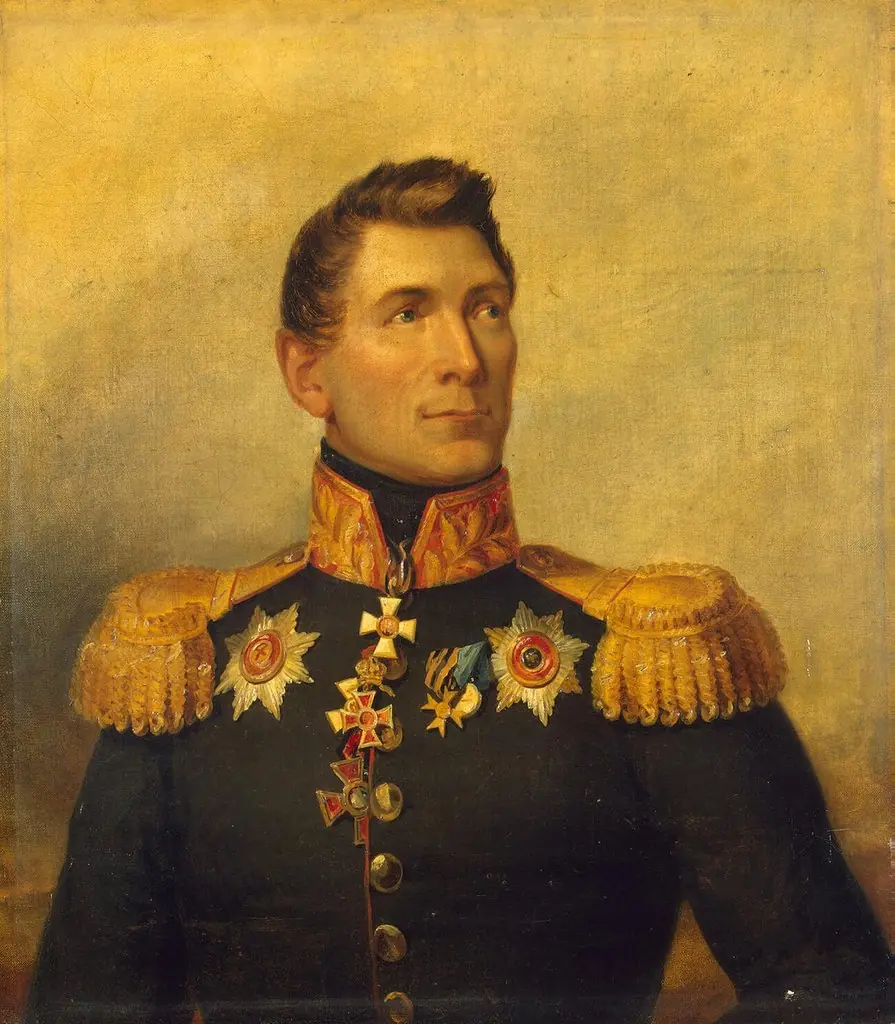 Portrait of Bogdan B. Helfreich (1776-1843)
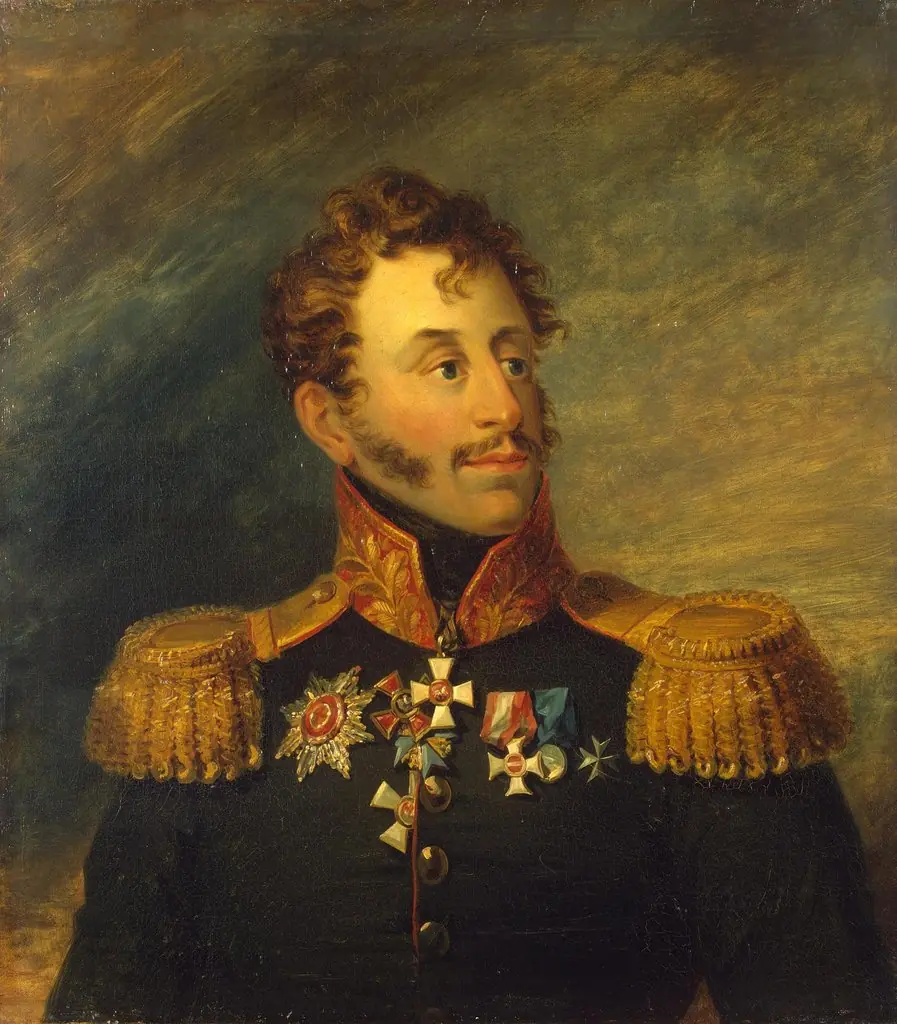 Portrait of Karl B. von Knorring (1774-1817) (3rd)
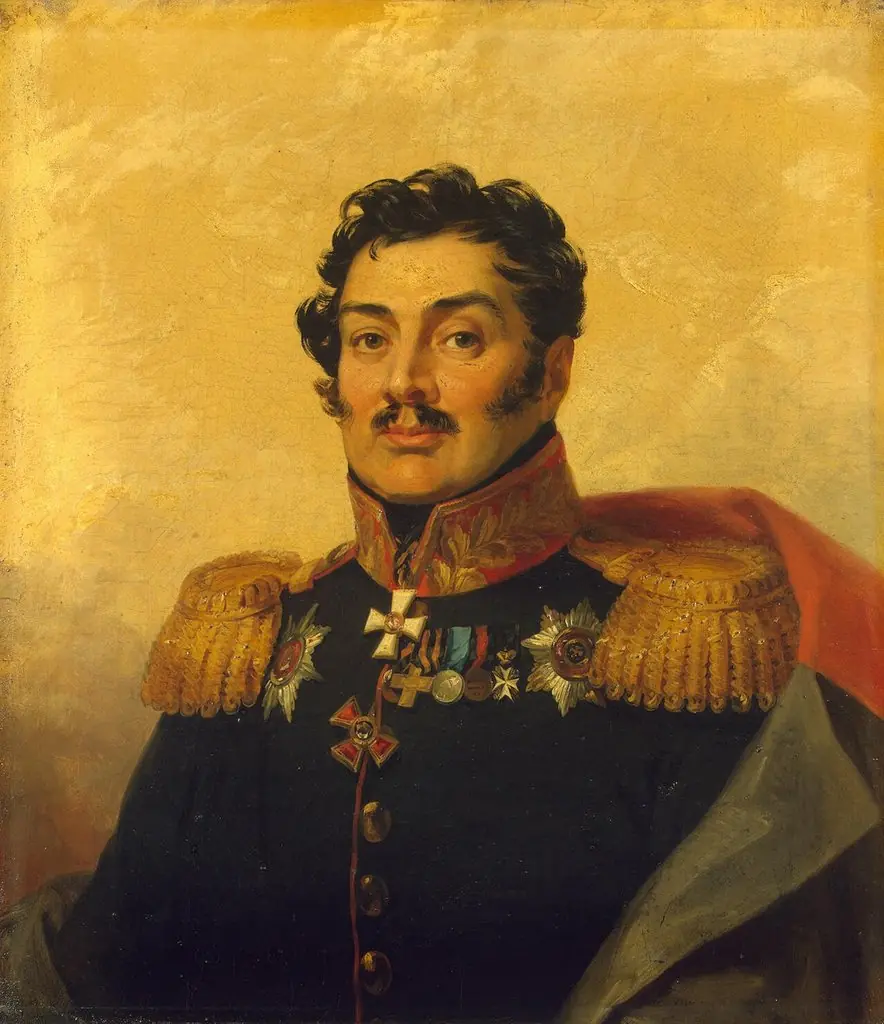 Portrait of Dmitry D. Shepelev (1771-1841)
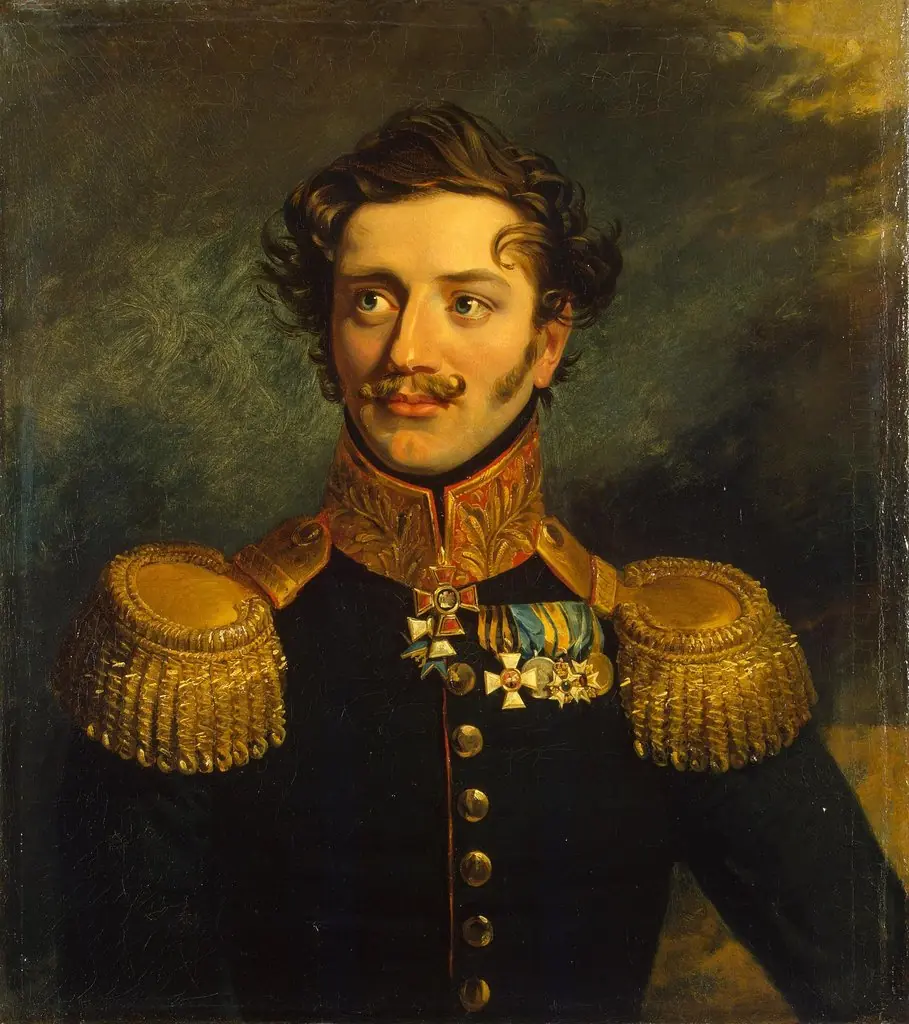 Portrait of Pavel P. Suchtelen (1788-1833) (2nd)
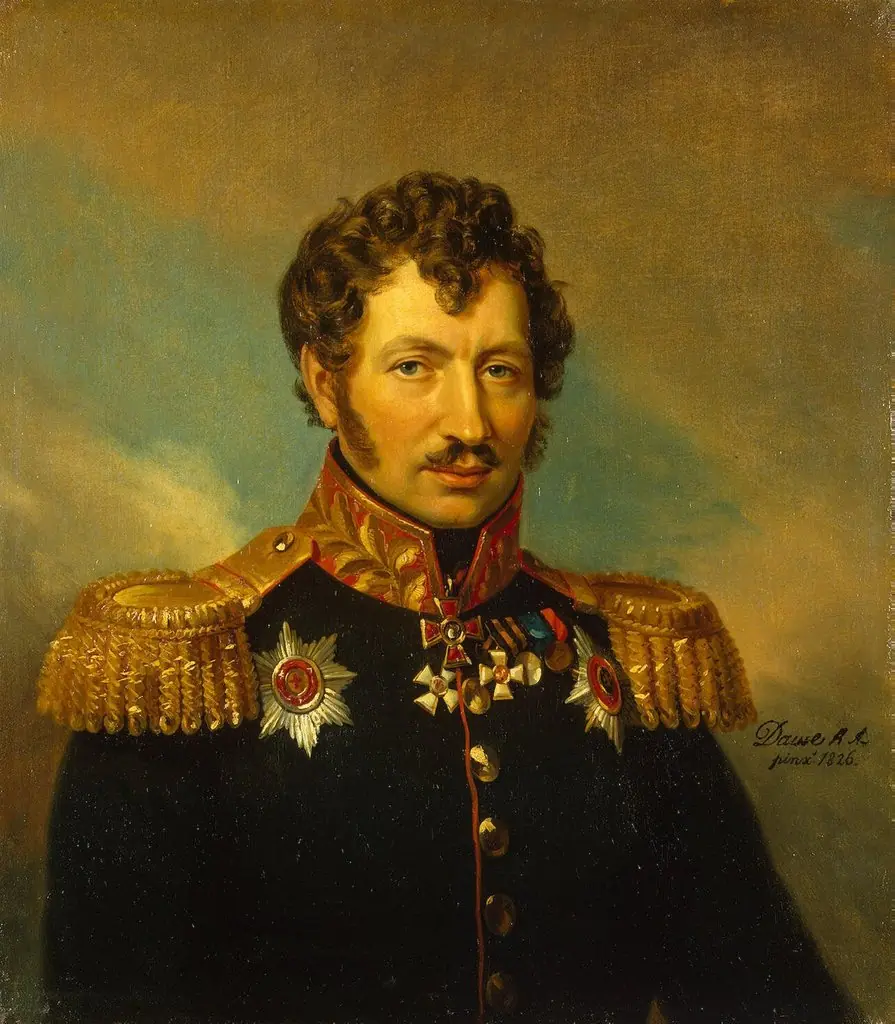 Portrait of Cyprian A. von Kreuz (1778-1850)