Artwork
Portrait of Rembrandt
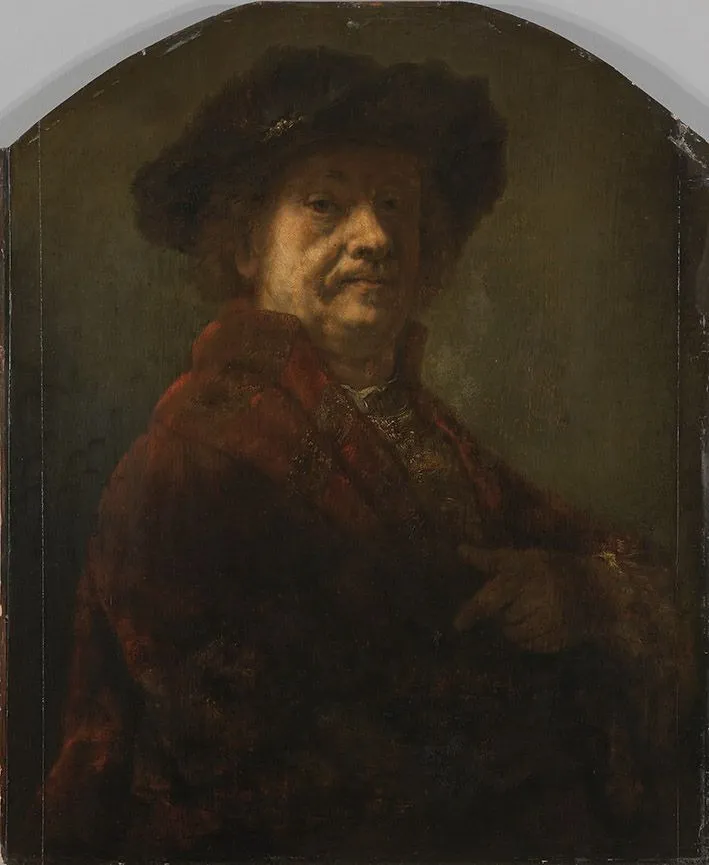
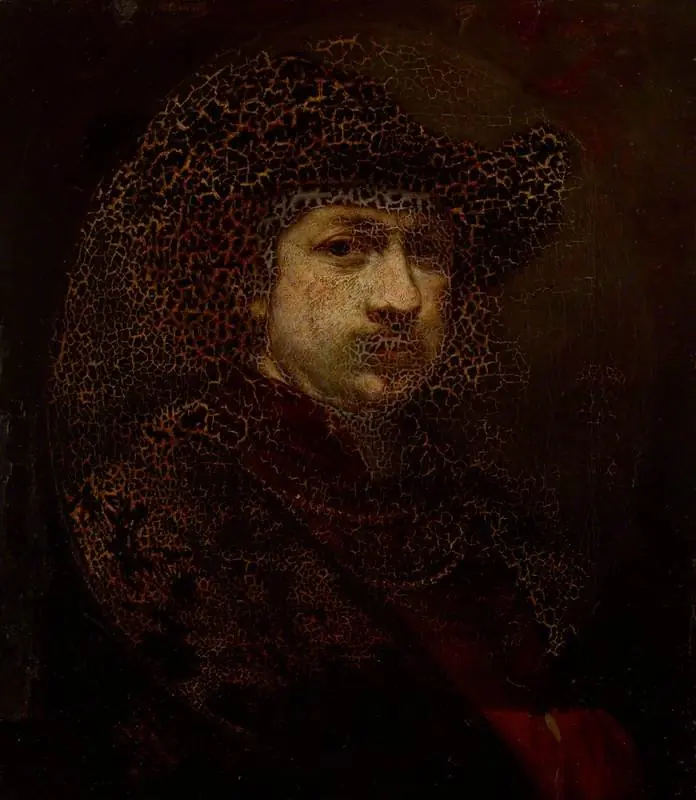
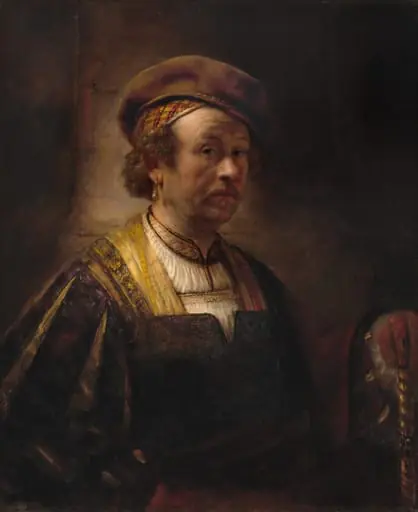
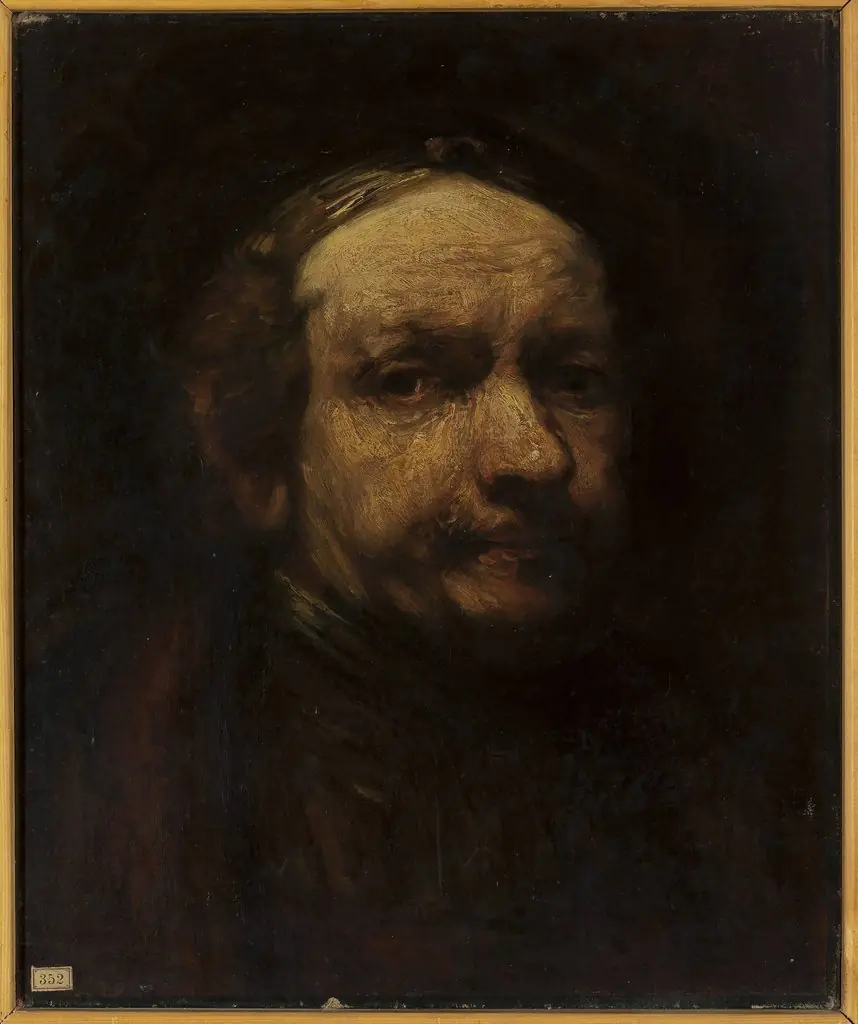
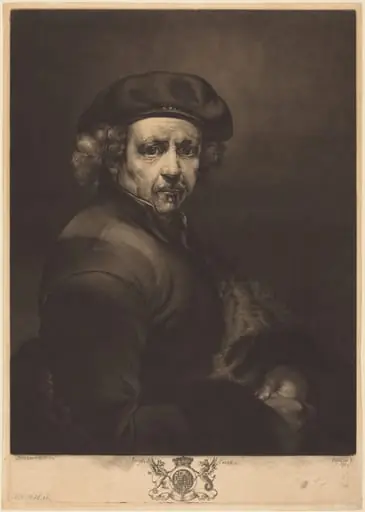
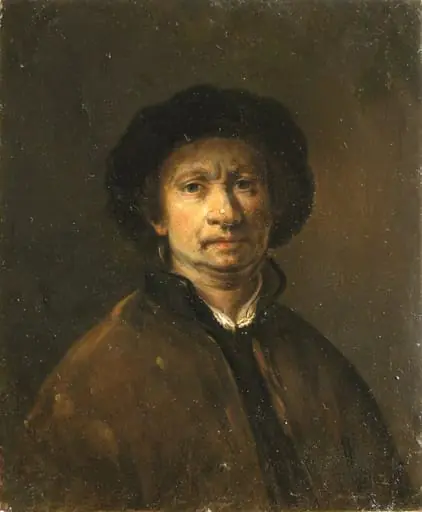
Portrait of Rembrandt is an oil painting by the Rococo painting artist Unknown. It dates from 1700 and is held in the collection of the Alte Pinakothek. This oil painting depicts Rembrandt van Rijn in a self-portrait, rendered with a restrained palette and focused composition.
About this work
Overview
Thick applications of paint emphasize texture, particularly on the fur collar and skin, suggesting a deliberate engagement with materiality.
This oil painting depicts Rembrandt van Rijn in a self-portrait, rendered with a restrained palette and focused composition. The figure faces directly, his expression calm yet introspective. The dark background isolates him, drawing attention to his features and the tactile quality of his clothing. Thick applications of paint emphasize texture, particularly on the fur collar and skin, suggesting a deliberate engagement with materiality.
Subject & Meaning
The subject is the artist himself, portrayed without adornment or narrative context. His serious gaze and slight frown convey quiet self-reflection rather than grandeur. The absence of symbolic objects or elaborate setting shifts focus to the act of looking—both the artist’s inward scrutiny and the viewer’s encounter with his presence. The portrait functions as a study of identity, not status.
Technique & Style
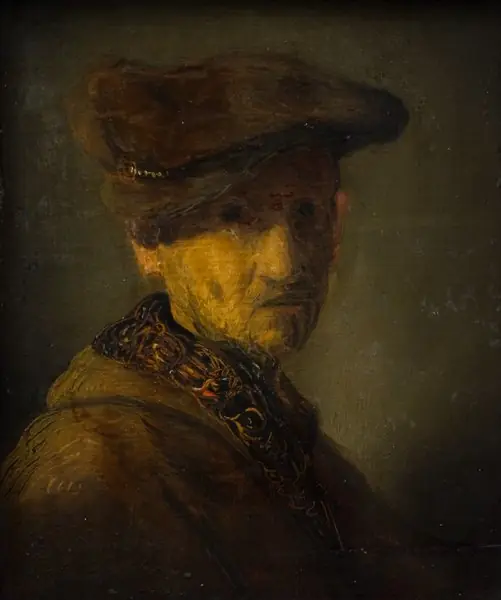
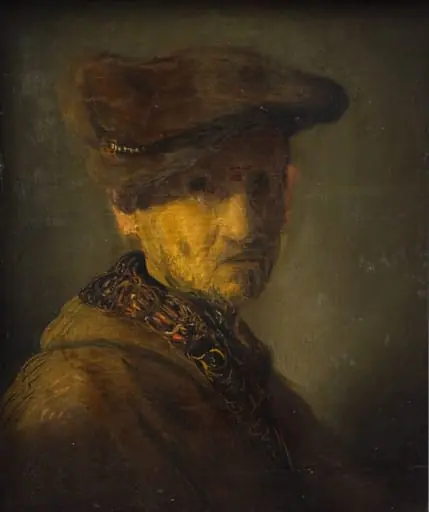
Rembrandt employed impasto to build volume and light across the face and fur collar, using dense, layered strokes that catch the eye with their physicality. The red fur is rendered with loose, expressive brushwork, contrasting with the smoother transitions in the skin. The dark, unmodeled background enhances the three-dimensionality of the figure, reinforcing the painter’s mastery of chiaroscuro and tactile surface.
History & Provenance
Painted during Rembrandt’s middle years, this work likely dates to the 1650s, a period when he increasingly turned to introspective self-representation. It remained in his possession until his death, later entering private collections before being acquired by a public institution. Its survival through financial hardship and shifting tastes underscores its personal significance to the artist.
Context
In mid-17th century Amsterdam, self-portraiture was a common practice among artists seeking to document their evolving craft and appearance. Rembrandt produced over forty such works, each a quiet record of aging and inner life. This portrait aligns with a broader trend of psychological realism, moving away from idealized depictions toward honest, unembellished self-examination.
Legacy
This portrait exemplifies Rembrandt’s enduring influence on the genre of self-portraiture. Its emphasis on texture, emotional depth, and unvarnished presence inspired later artists to prioritize authenticity over ornament. The painting’s quiet intensity continues to be studied for its technical innovation and its unspoken narrative of the artist’s relationship with his own image.
Artist & collection

 Domestic Scene
 Giacomo and Cardinal Marco, investing Andrea, Abbot of San Zeno, with his Benefice
 The Nymph of Fontainebleau
 Portrait of a Woman
 Madonna and Child with Saints in the Enclosed Garden
 Venus and Minerva
 Family Group of Four on Sofa
 Wall painting from Room H of the Villa of P. Fannius Synistor at Boscoreale