Artwork
The Crucifixion
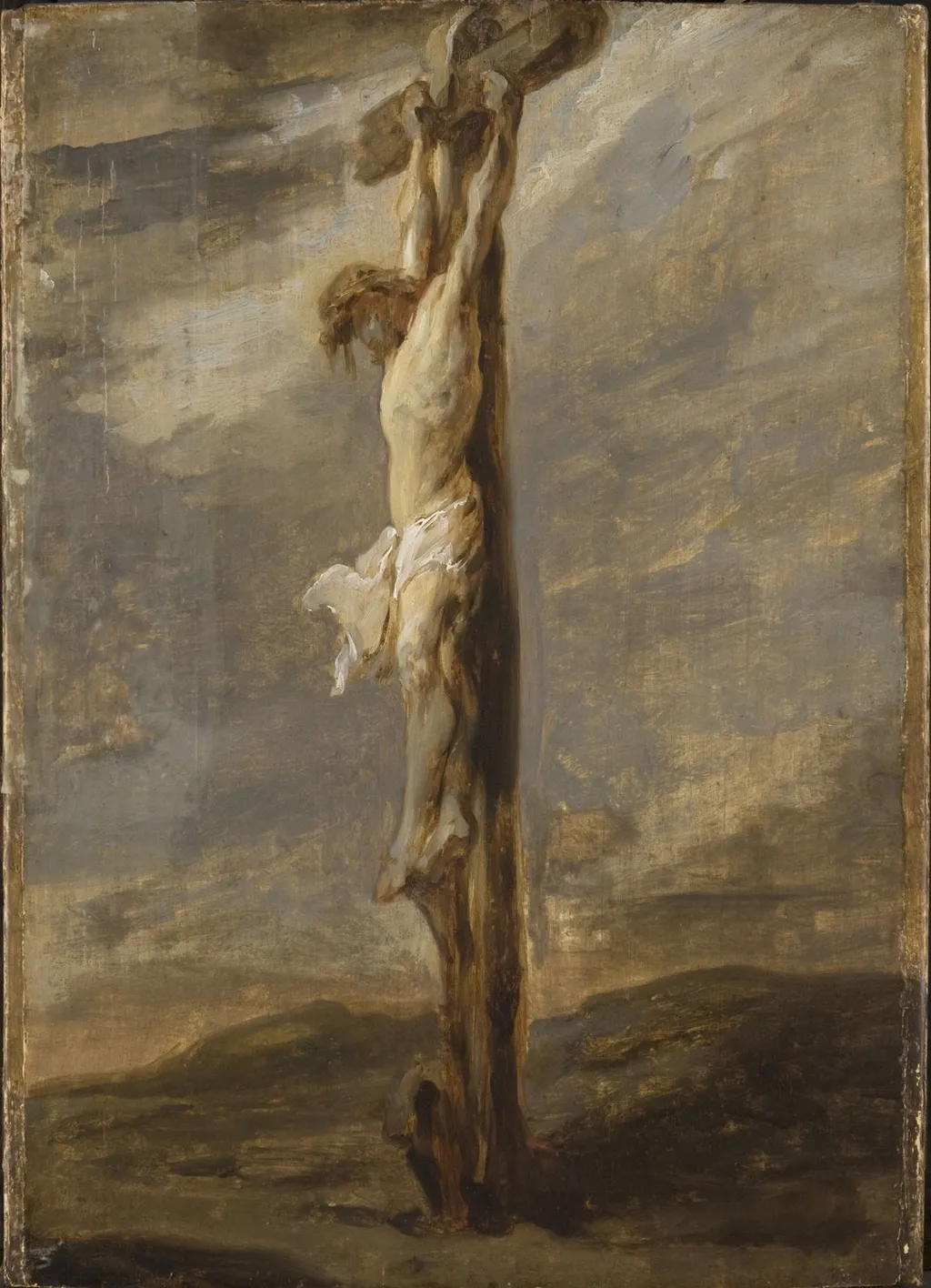
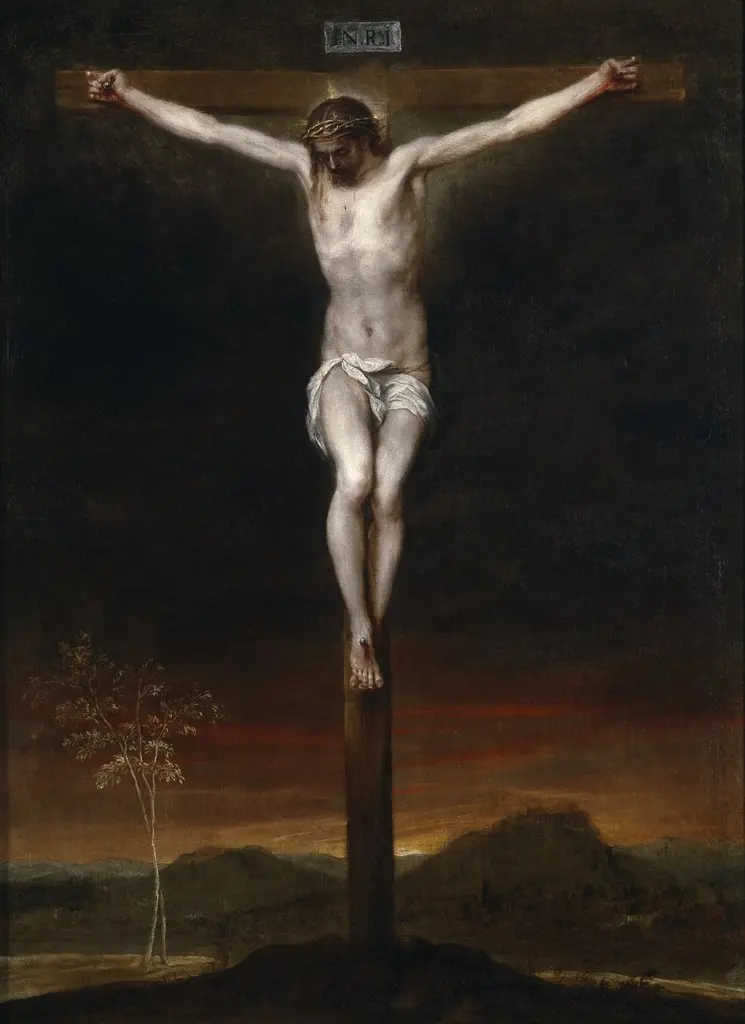
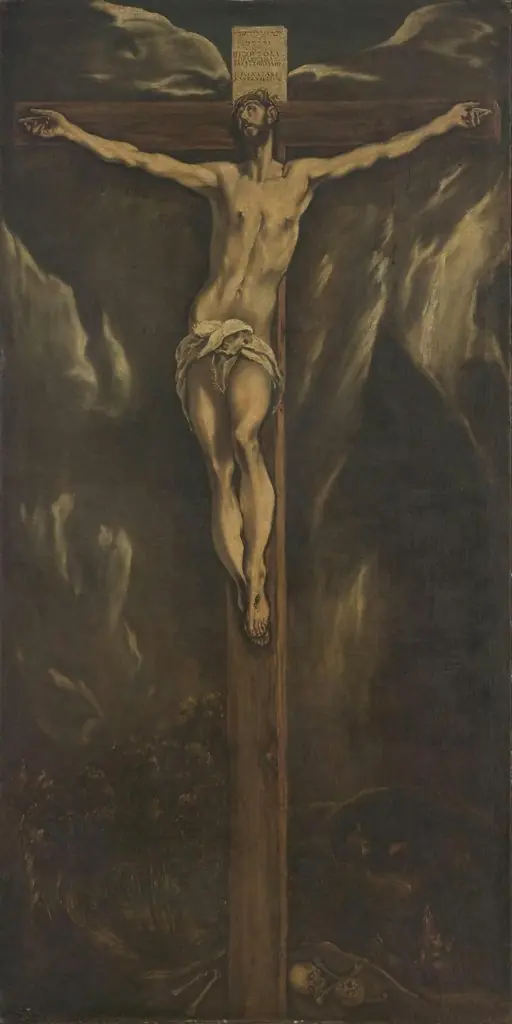
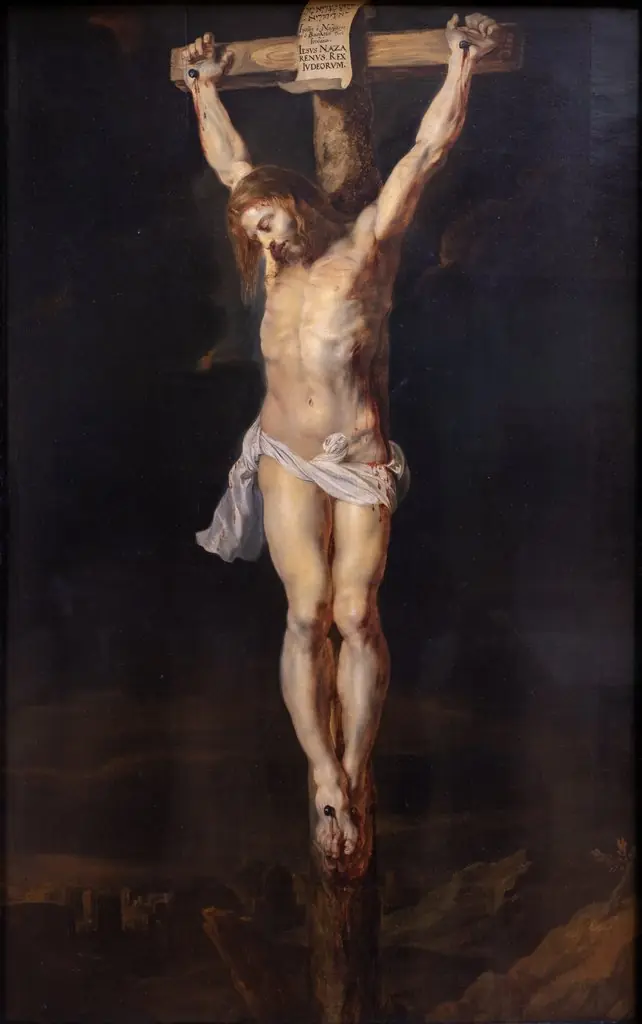
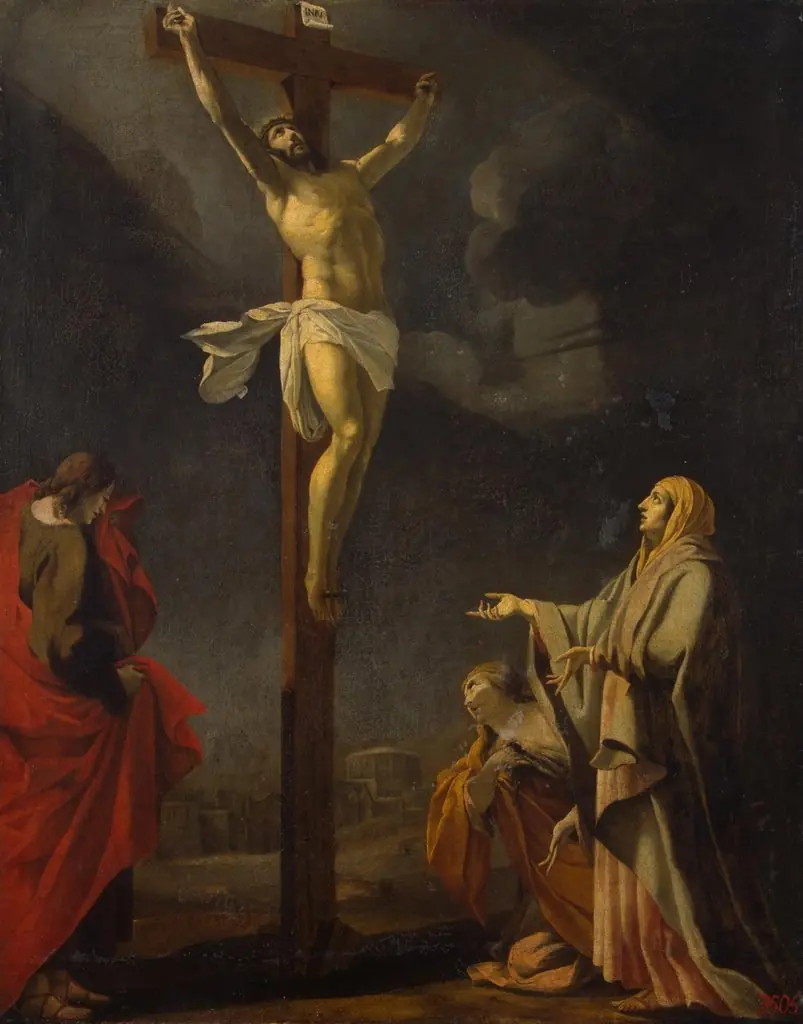
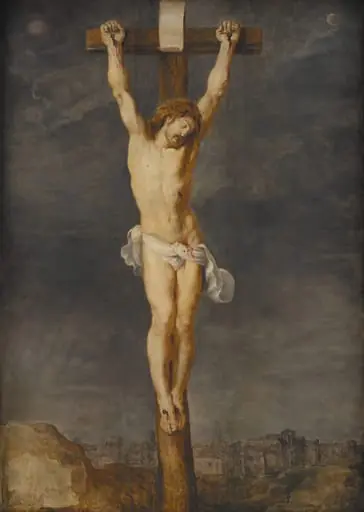
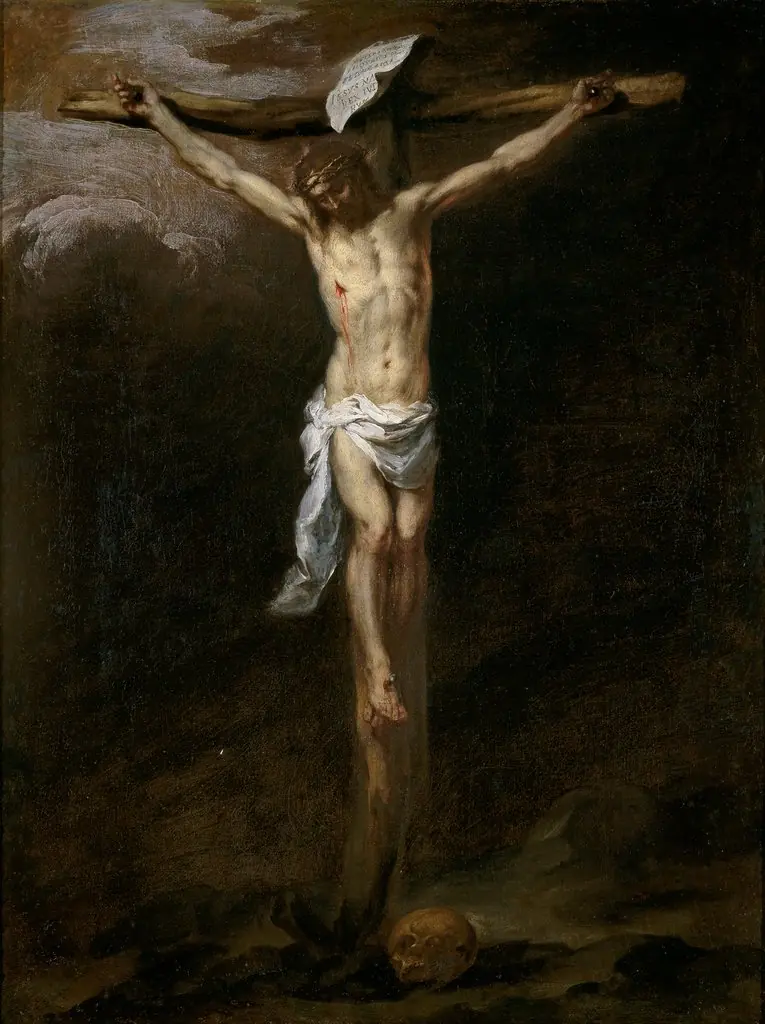
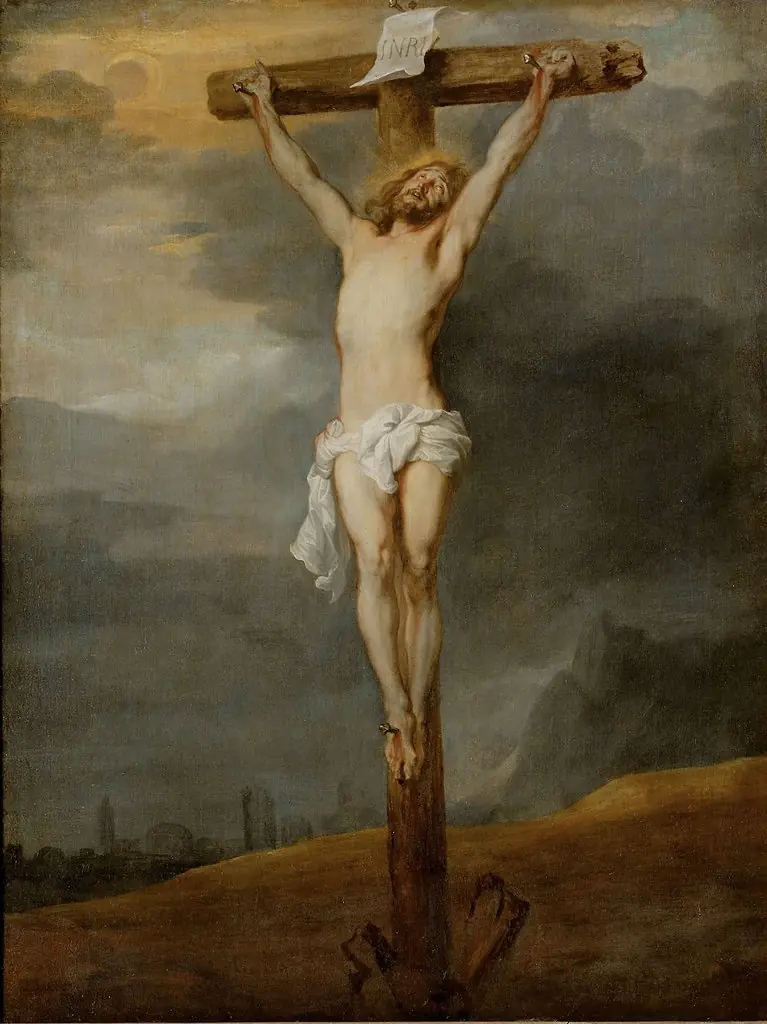
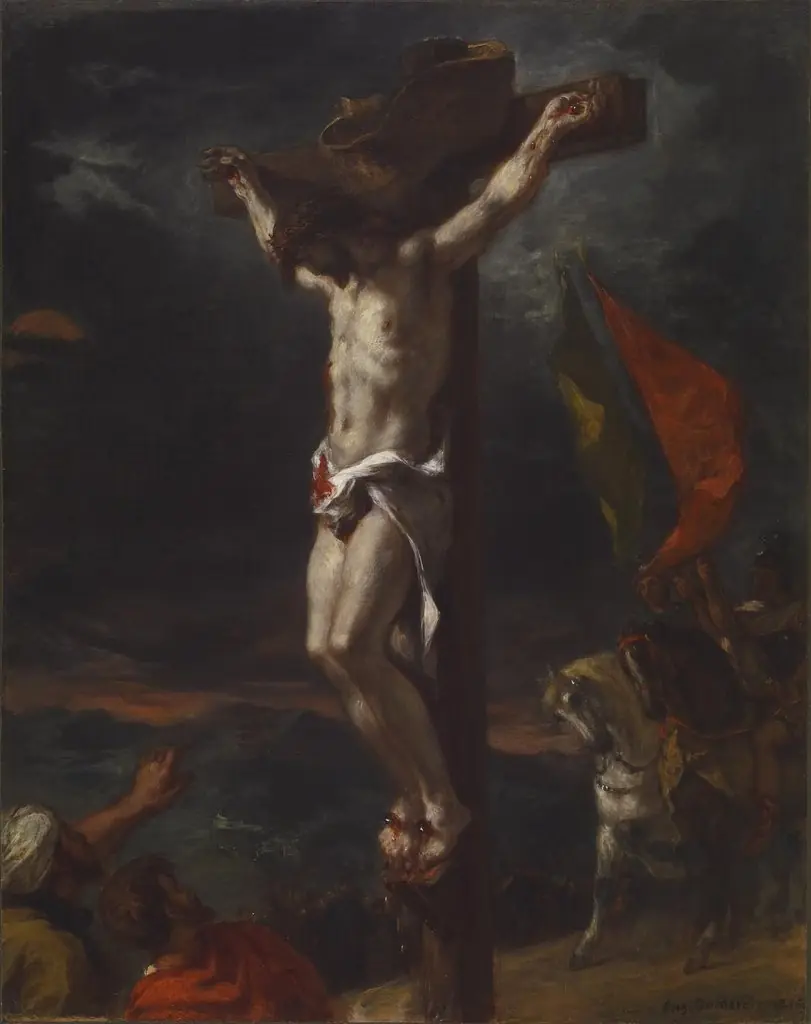
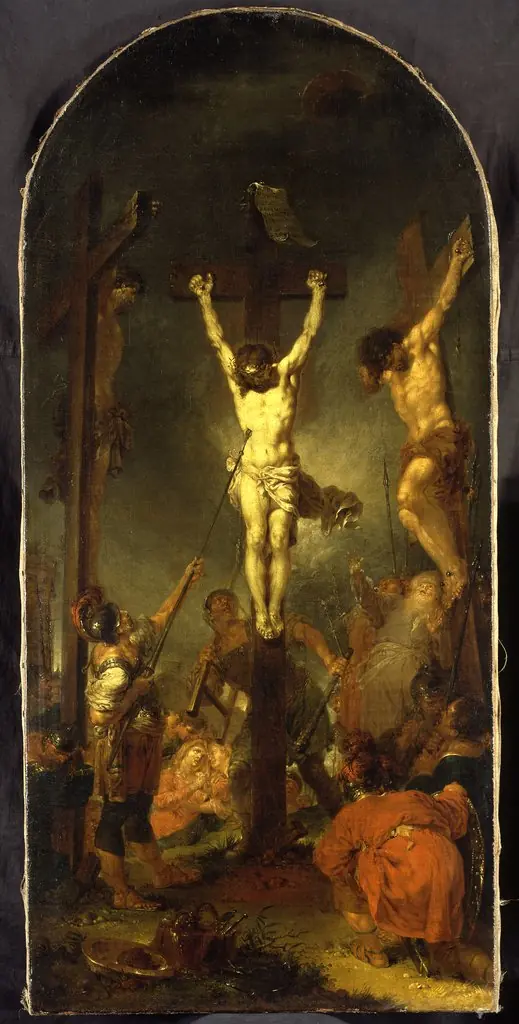
The Crucifixion is an oil painting by the Flemish Baroque painting artist Rembrandt. It dates from 1646 and is held in the collection of the Philadelphia Museum of Art.
About this work
Overview
Painted in 1646 by Rembrandt van Rijn, this oil-on-panel work presents a stark depiction of Christ’s crucifixion. Unlike many contemporary treatments, it avoids grandeur or spectacle, focusing instead on quiet physical exhaustion. The painting is part of Rembrandt’s broader engagement with biblical narratives during his mature period and is now held in the Philadelphia Museum of Art.
Subject & Meaning
The figure of Christ is rendered with minimal detail, his face obscured and limbs weighed down by gravity. This anonymity shifts focus from identity to suffering, emphasizing human vulnerability over divine triumph. The absence of onlookers or symbolic elements strips the scene of narrative context, inviting contemplation of solitude and sacrifice.
Technique & Style
Rembrandt employed thick impasto on Christ’s body, particularly along the arms and torso, to convey physical weight and texture. The background is rendered in muted browns and grays, with a stormy sky suggesting turmoil. His use of chiaroscuro heightens emotional tension, as deep shadows envelop the figure while faint light lingers on the cross and shoulders.
History & Provenance
Created during Rembrandt’s years in Amsterdam, the painting entered the Philadelphia Museum of Art’s collection in the early 20th century. It was likely acquired through private European dealers, following a trajectory common to Dutch Golden Age works. Its attribution has remained consistent, with no significant disputes over authorship.
Context
In mid-17th-century Holland, religious imagery was less common in public spaces due to Protestant sensibilities, yet private devotion persisted. Rembrandt’s approach—intimate, emotionally direct—aligned with a growing interest in personal spiritual experience. This work reflects his shift from theatrical biblical scenes toward psychological depth.
Legacy
The painting exemplifies Rembrandt’s mature style: restrained, introspective, and materially rich. It influenced later artists seeking to convey spiritual gravity without ornamentation. Its quiet power continues to resonate in discussions of religious art that prioritize human emotion over doctrinal spectacle.
Artist & collection
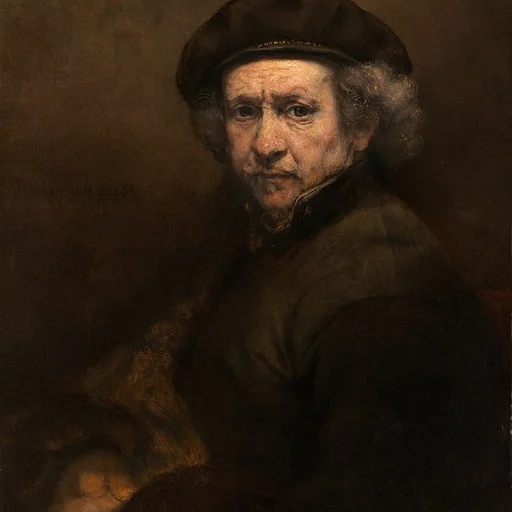
Artist
Rembrandt Harmenszoon van Rijn (15 July 1606 – 4 October 1669), known mononymously as Rembrandt, was a Dutch Golden Age painter, printmaker, and draughtsman.