Artwork
Mucius Scaevola before Lars Porsenna
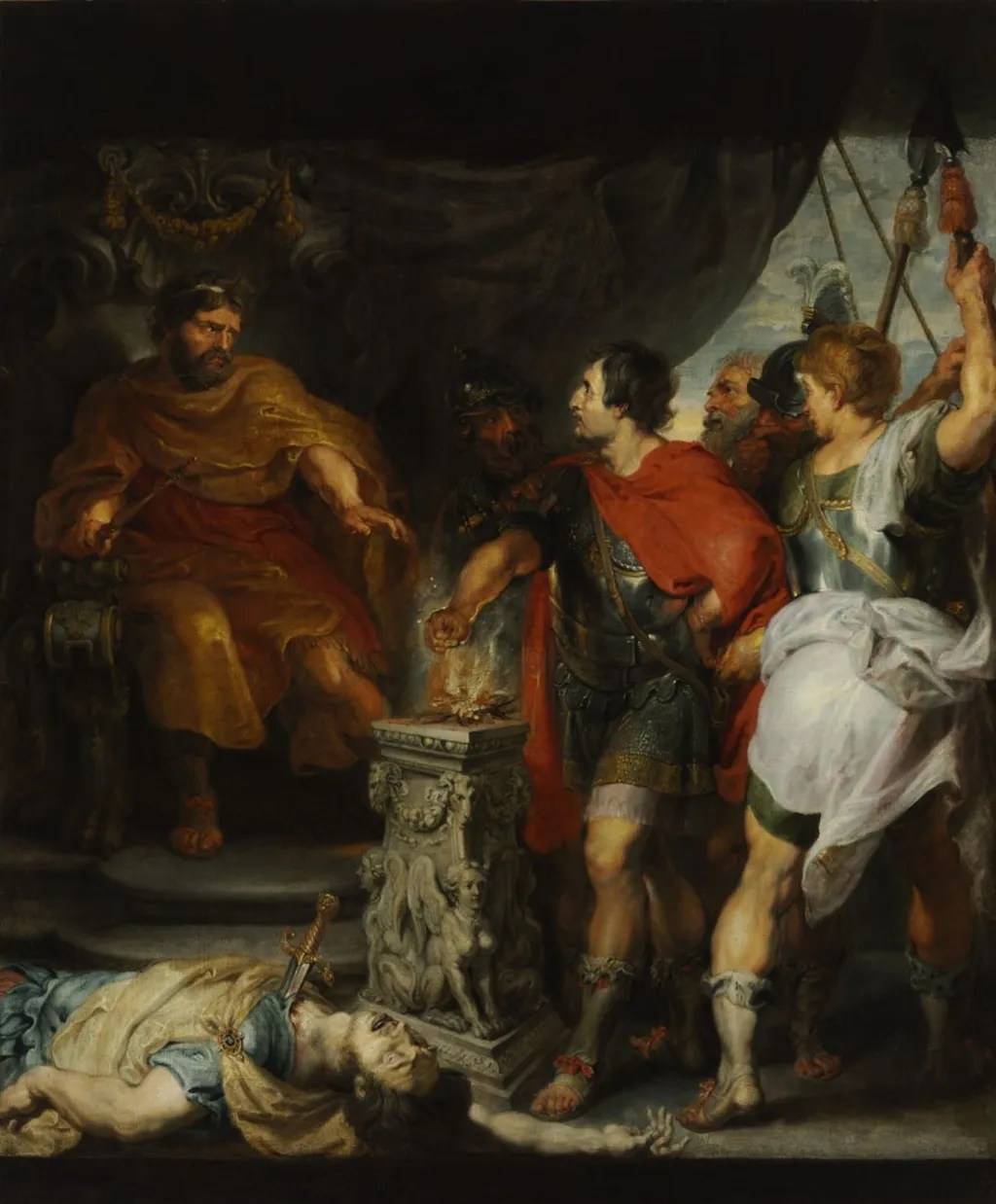
Mucius Scaevola before Lars Porsenna is an oil painting by the Flemish Baroque painting artist Unknown. It dates from 1643 and is held in the collection of the Museum of Fine Arts, Budapest. This oil on canvas painting depicts the Roman legend of Mucius Scaevola confronting the Etruscan king Lars Porsenna.
About this work
Overview
Its attribution reflects the collaborative nature of Rubens’s studio, with possible contributions from artists such as Anthony van Dyck.
This oil on canvas painting depicts the Roman legend of Mucius Scaevola confronting the Etruscan king Lars Porsenna. Executed in Rubens’s workshop between 1626 and 1628, it is not the original commissioned for the Spanish court but a studio version. The work entered the collection of the Museum of Fine Arts in Budapest, where it remains today. Its attribution reflects the collaborative nature of Rubens’s studio, with possible contributions from artists such as Anthony van Dyck.
Subject & Meaning
The scene illustrates the moment when the Roman youth Mucius Scaevola, having failed to assassinate the besieging king Porsenna, demonstrates his resolve by thrusting his right hand into a burning brazier. His stoic endurance is meant to intimidate Porsenna into negotiating peace. The fallen sword and the statue of a female figure nearby reinforce themes of civic courage and divine favor, framing the act as a moral triumph over brute force.
Technique & Style
The painting employs strong chiaroscuro to isolate the central figures against a shadowed background, heightening the drama of the moment. Rubens’s signature impasto is visible in the textures of fabric and flesh, lending physicality to the scene. The figures are arranged dynamically, with gestures and glances directing the viewer’s eye toward the burning hand and the king’s reaction, creating a narrative tension rooted in Baroque theatricality.
History & Provenance
Originally believed to be the lost painting Rubens delivered to the Spanish royal court in 1628, this version is now understood as a workshop replica produced during the same period. The original was likely destroyed in the 1735 fire at Madrid’s Royal Alcázar. The Budapest painting entered the museum’s collection in the 19th century, its provenance tracing back through aristocratic European holdings before its formal acquisition.
Context
Created during Rubens’s peak influence in Antwerp, the painting reflects the era’s fascination with classical virtue and political heroism. The story of Mucius Scaevola was popular among rulers and patrons as an allegory of steadfastness under pressure. Rubens’s workshop produced multiple versions of such subjects to meet demand across European courts, adapting mythological narratives to contemporary ideals of leadership and sacrifice.
Legacy
Though not the original commission, this studio version preserves the compositional and emotional intensity of Rubens’s design. It stands as evidence of the workshop system’s role in disseminating Baroque ideals across Europe. Today, it remains a key example of how collaborative production sustained the visual language of classical heroism in early 17th-century painting.
Artist & collection

 Domestic Scene
 Giacomo and Cardinal Marco, investing Andrea, Abbot of San Zeno, with his Benefice
 The Nymph of Fontainebleau
 Portrait of a Woman
 Madonna and Child with Saints in the Enclosed Garden
 Venus and Minerva
 Family Group of Four on Sofa
 Wall painting from Room H of the Villa of P. Fannius Synistor at Boscoreale
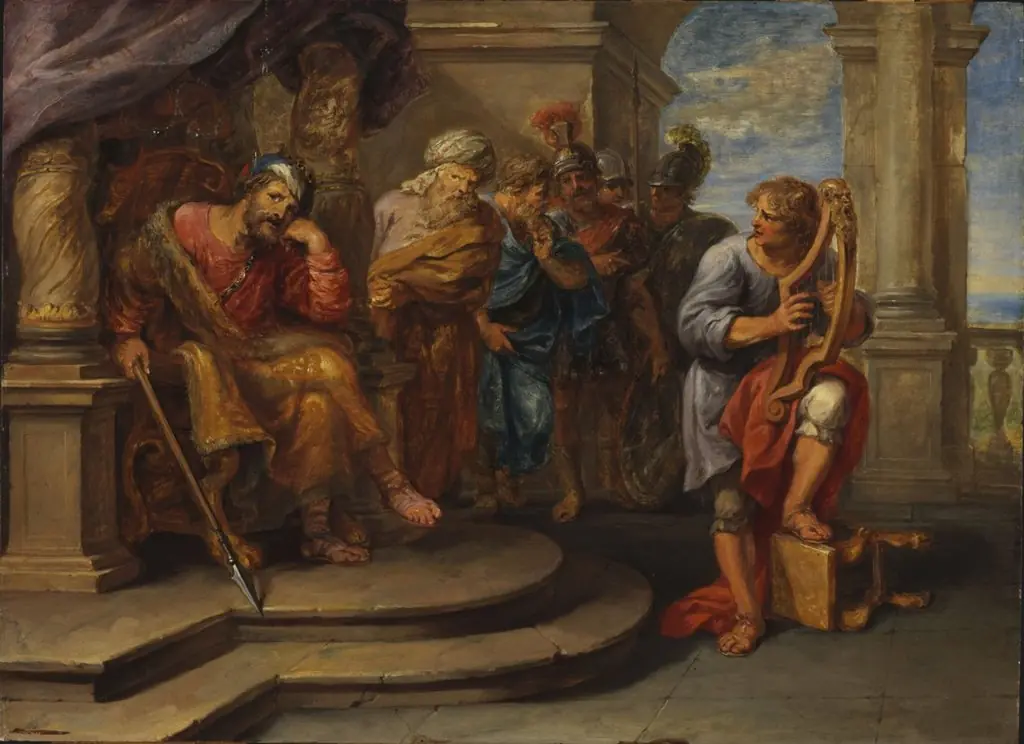 David Playing the Harp for King Saul
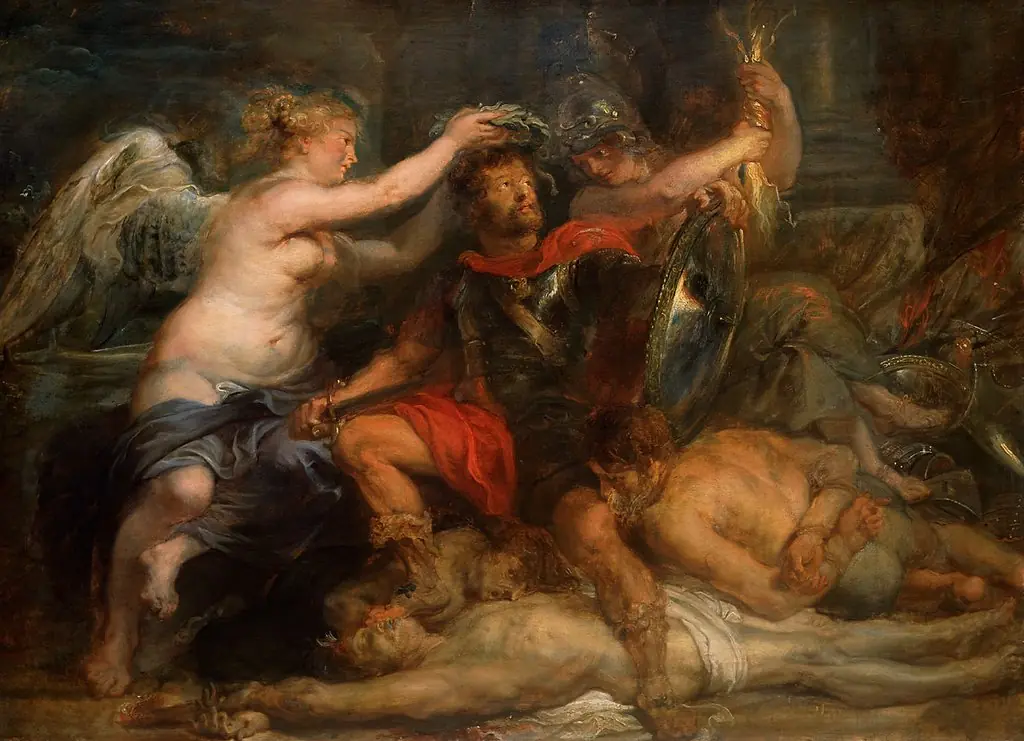 Victory crowns the Hero
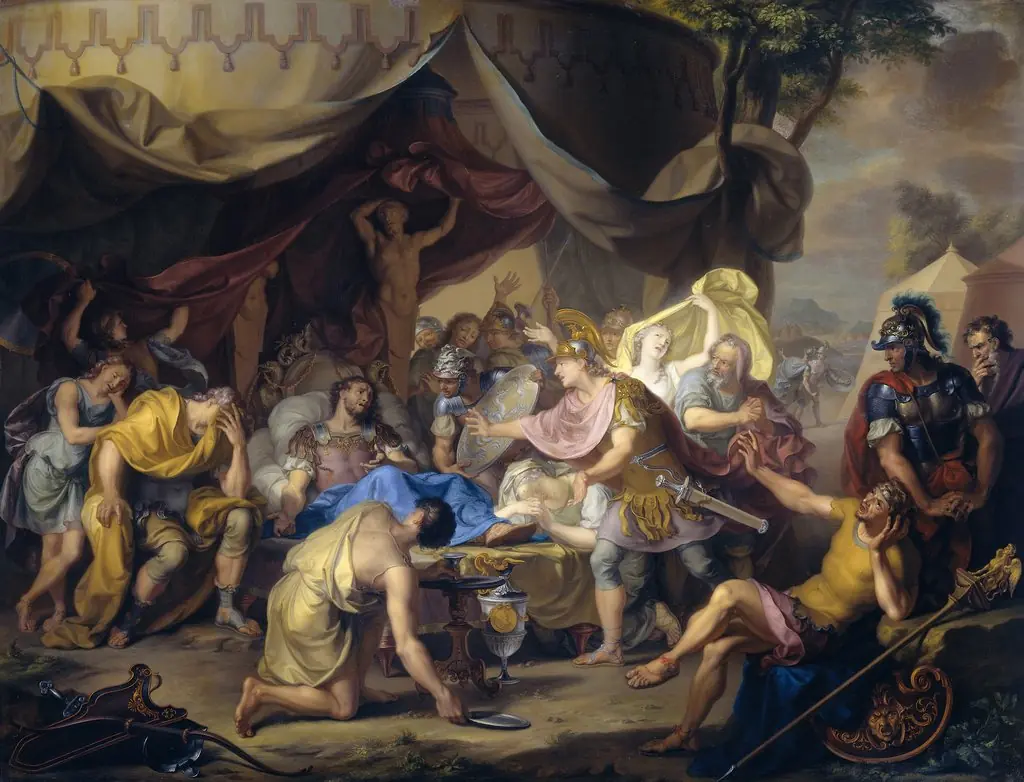 The Death of Epaminondas
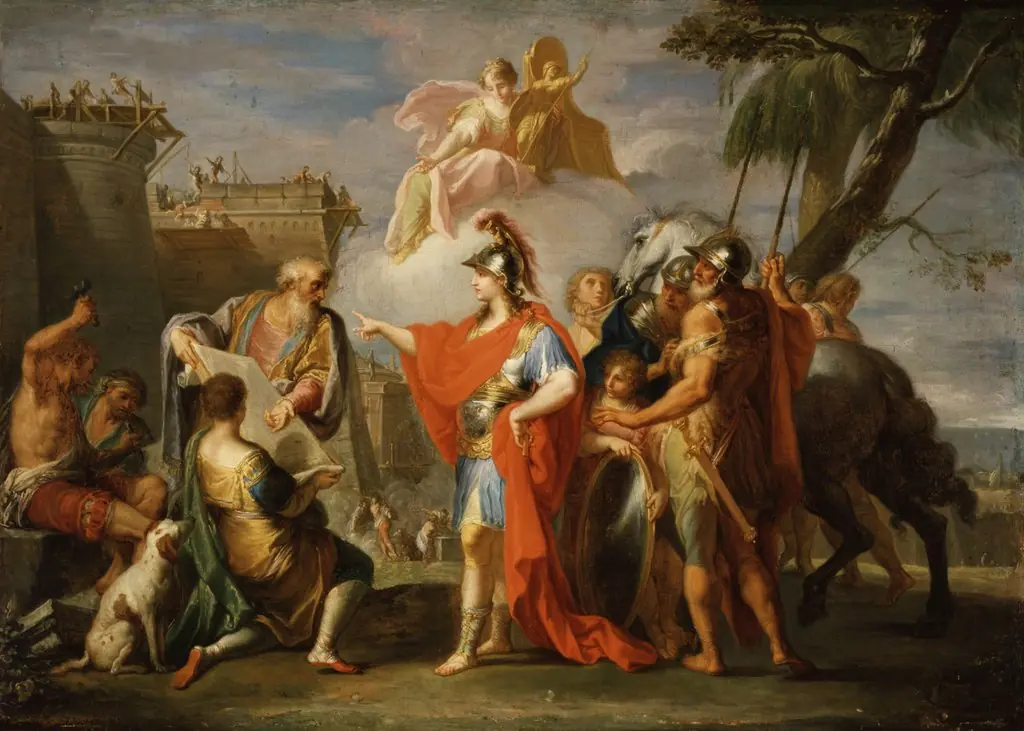 Alexander the Great Founding Alexandria
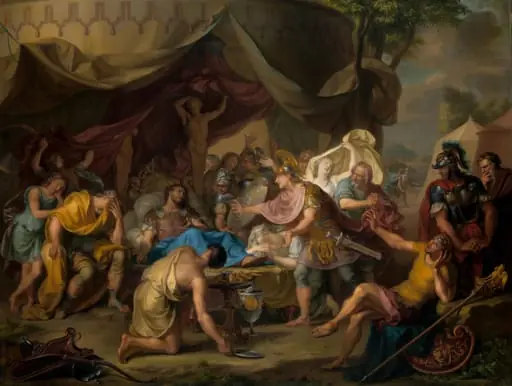 Het sterfbed van Epaminondas
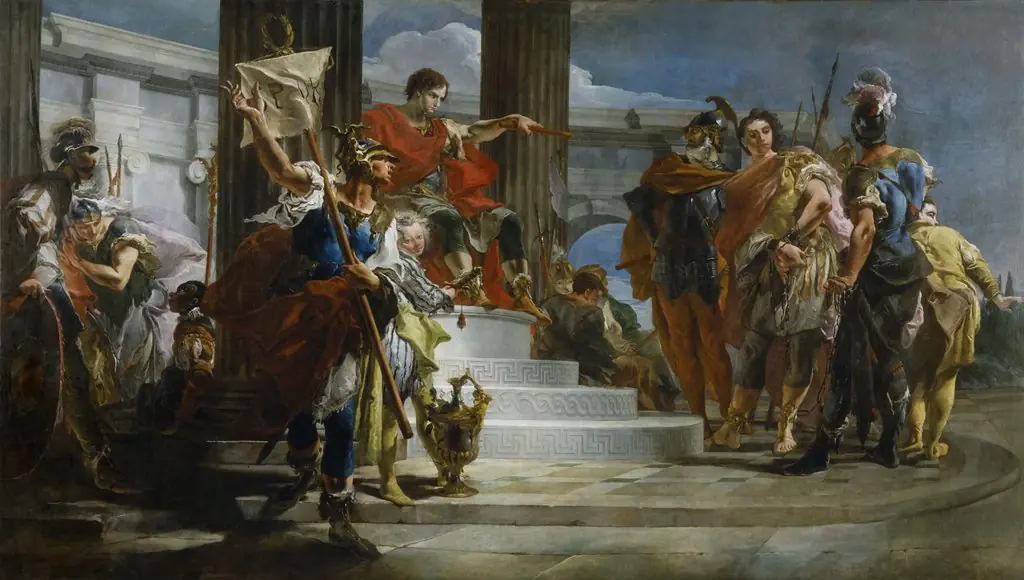 Scipio Africanus Freeing Massiva
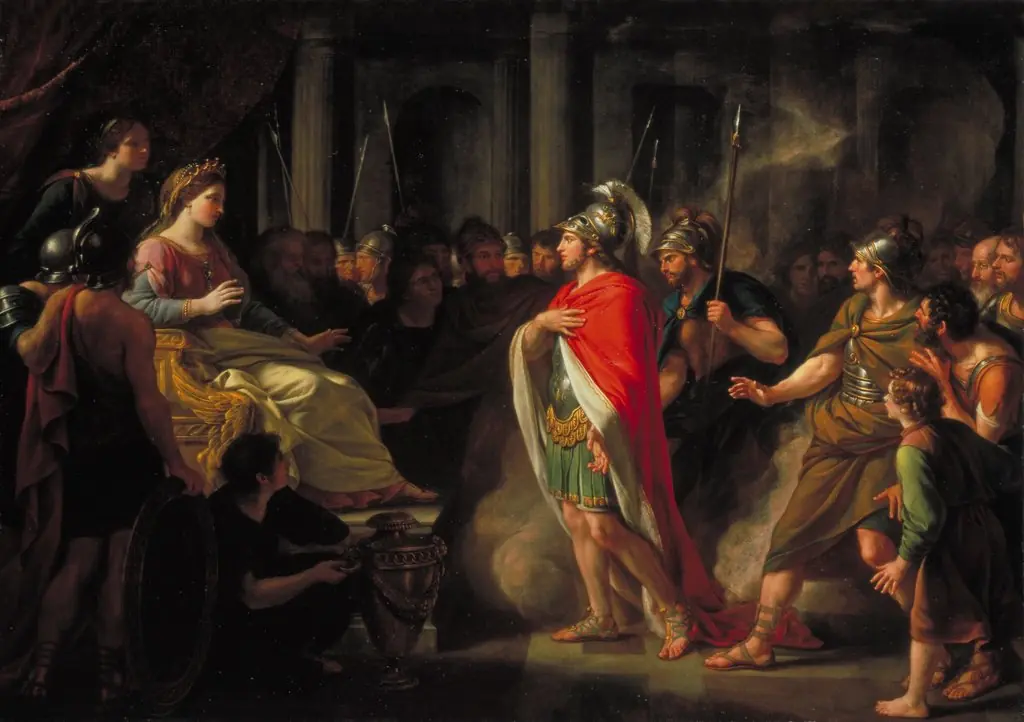 The Meeting of Dido and Aeneas
 Godofredo y el Consejo escuchan la demanda de Armida
 Alexander Condemning False Praise
 La prudente Abigail