Artwork
Page from Tales of a Parrot (Tuti-nama): text page
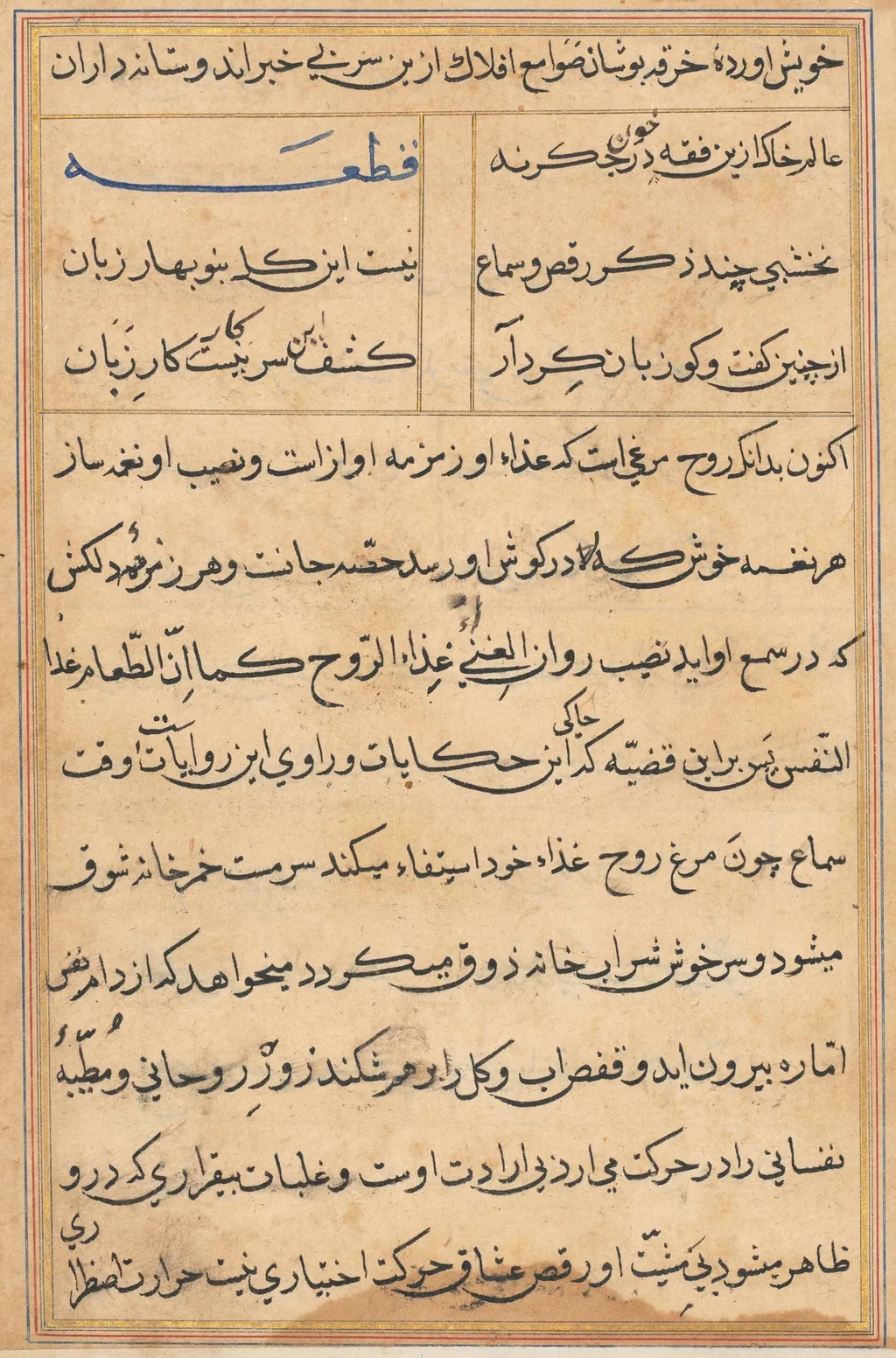
Page from Tales of a Parrot (Tuti-nama): text page is an unspecified painting. It dates from 1560 and is held in the collection of the Cleveland Museum of Art. This object is a single illustrated page from the Persian manuscript *Tales of a Parrot* (also known as *Tuti‑nama*).
About this work
Overview
This object is a single illustrated page from the Persian manuscript *Tales of a Parrot* (also known as *Tuti‑nama*).
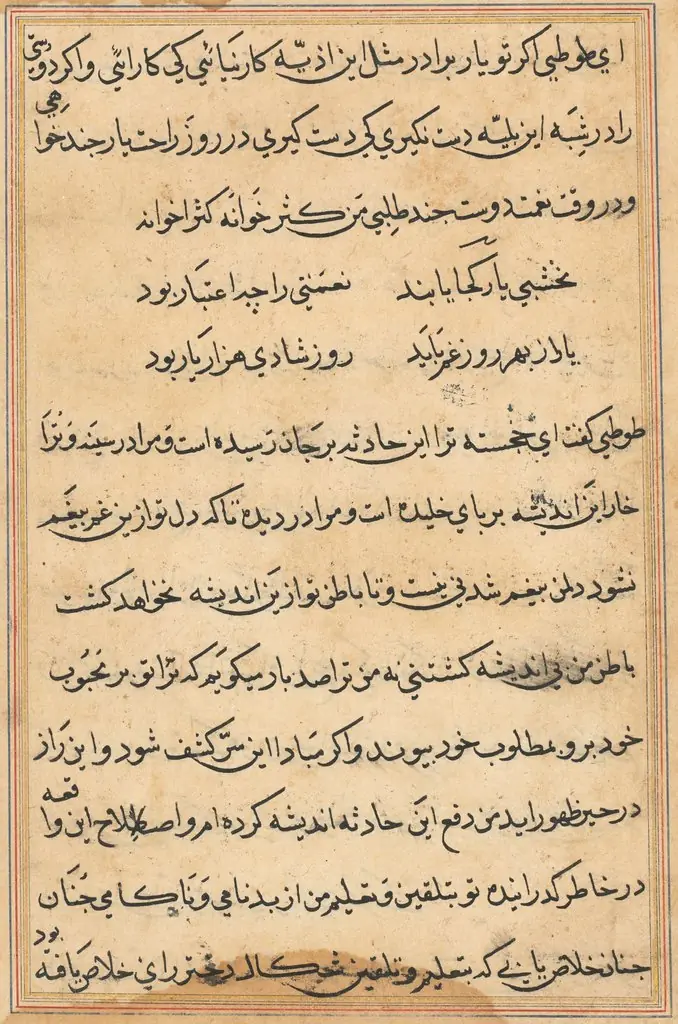
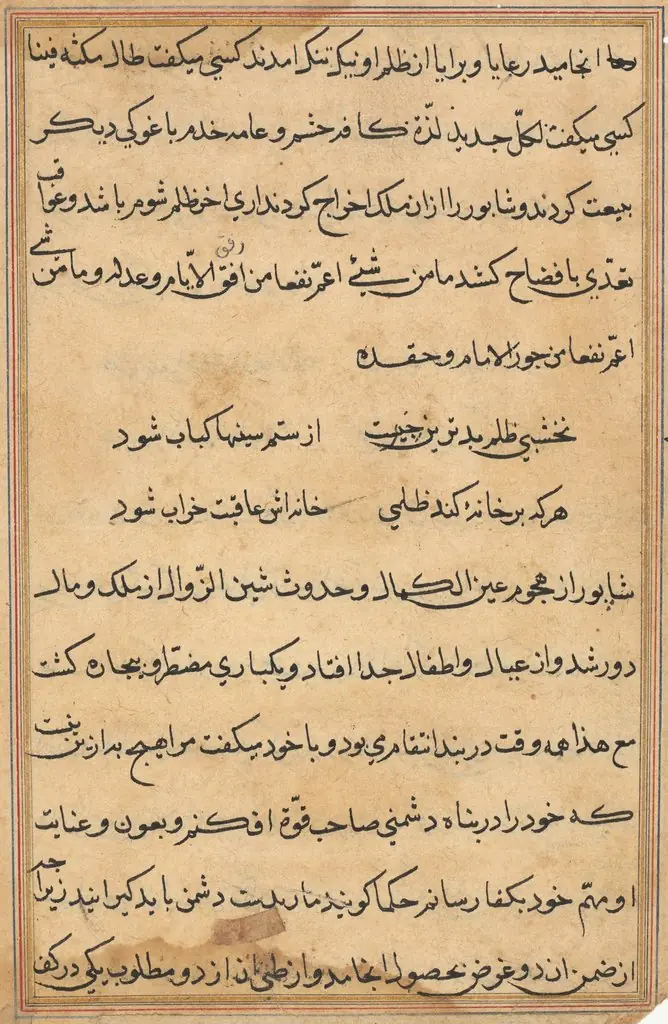
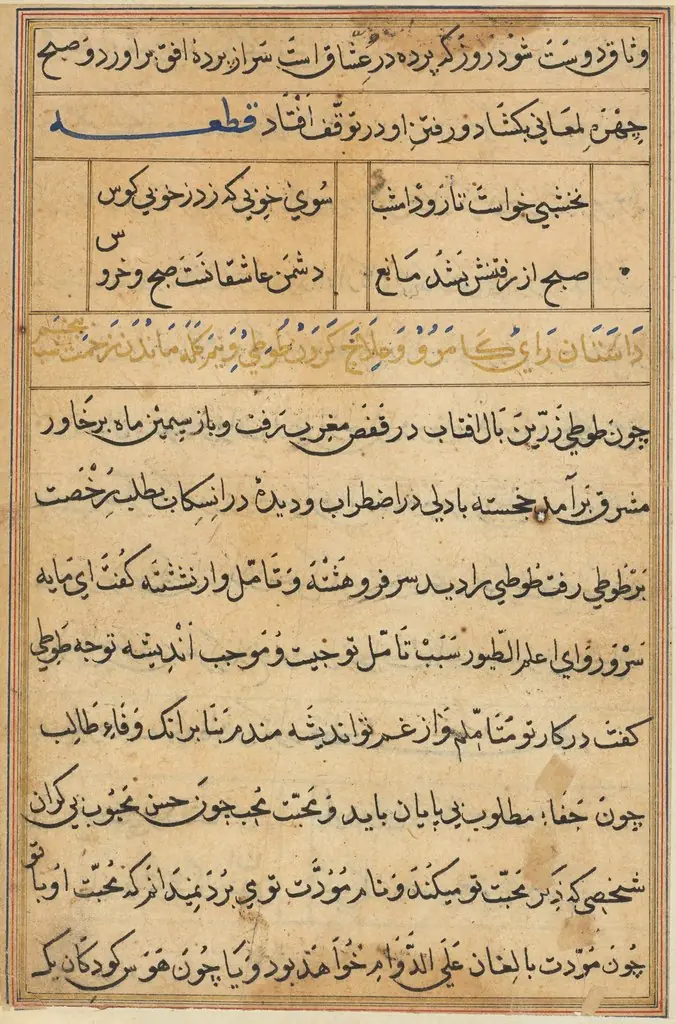
This object is a single illustrated page from the Persian manuscript *Tales of a Parrot* (also known as *Tuti‑nama*). Executed in ink on paper, the page features densely set black calligraphy against a light, slightly yellowed background, with occasional blue highlights that draw attention to specific words or phrases. The composition fills the surface almost entirely, reflecting the manuscript’s narrative function.
Subject & Meaning
The page belongs to a literary work that recounts moral and entertaining stories narrated by a parrot, a common motif in Persian storytelling. The highlighted blue passages likely indicate key passages or moral lessons within the text, guiding the reader’s focus toward pivotal moments in the tale.
Technique & Style
The calligraphic script is rendered in flowing black ink, employing a refined yet compact hand typical of Persian book production in the early modern period. The occasional use of blue pigment, applied sparingly to emphasize particular words, demonstrates a subtle decorative strategy without extensive illumination.
History & Provenance
The manuscript page is part of the collection of the Cleveland Museum of Art, which acquired it through a donation in the late 20th century. Its provenance prior to museum ownership traces back to private collections in the Middle East, though exact details of its earlier owners remain undocumented.
Context
*Tales of a Parrot* was a popular narrative genre in Persian literature, often compiled in lavishly illustrated codices for courtly and scholarly audiences. The dense script and minimal ornamentation of this page suggest it was intended for reading rather than display, aligning with the manuscript’s educational and entertainment purposes.
Artist & collection

 Page from Tales of a Parrot (Tuti-nama): text page
 Page from Tales of a Parrot (Tuti-nama): text page
 Page from Tales of a Parrot (Tuti-nama): text page
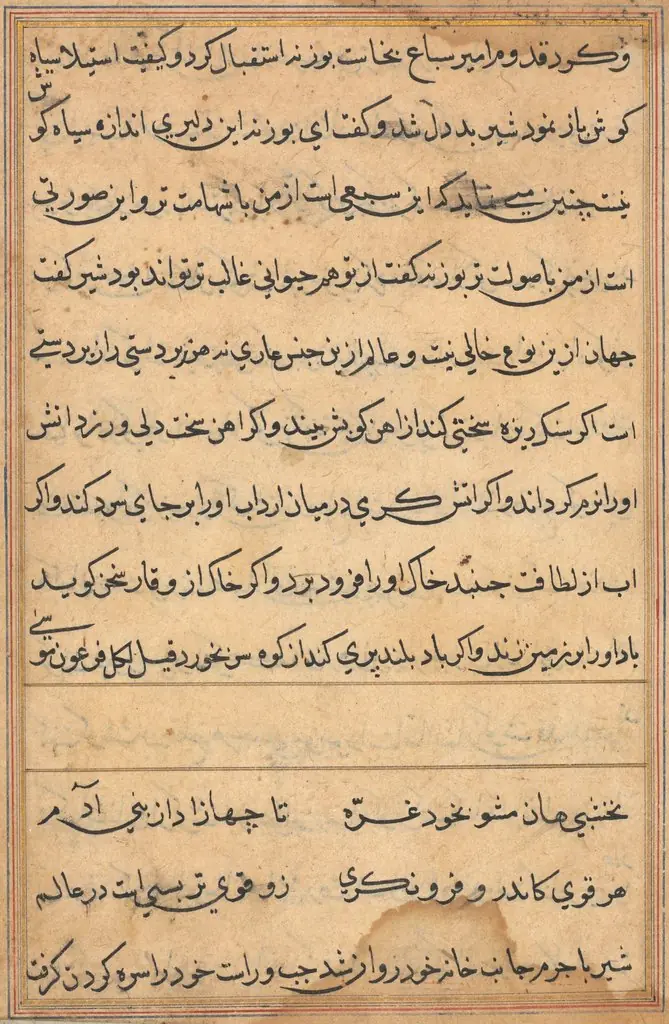 Page from Tales of a Parrot (Tuti-nama): text page
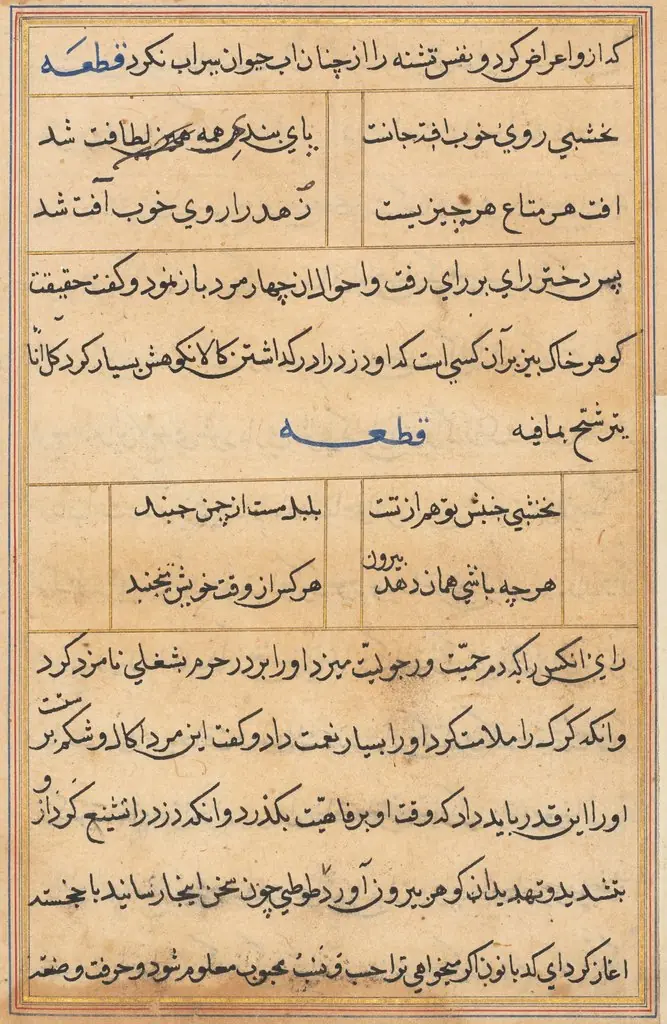 Page from Tales of a Parrot (Tuti-nama): text page
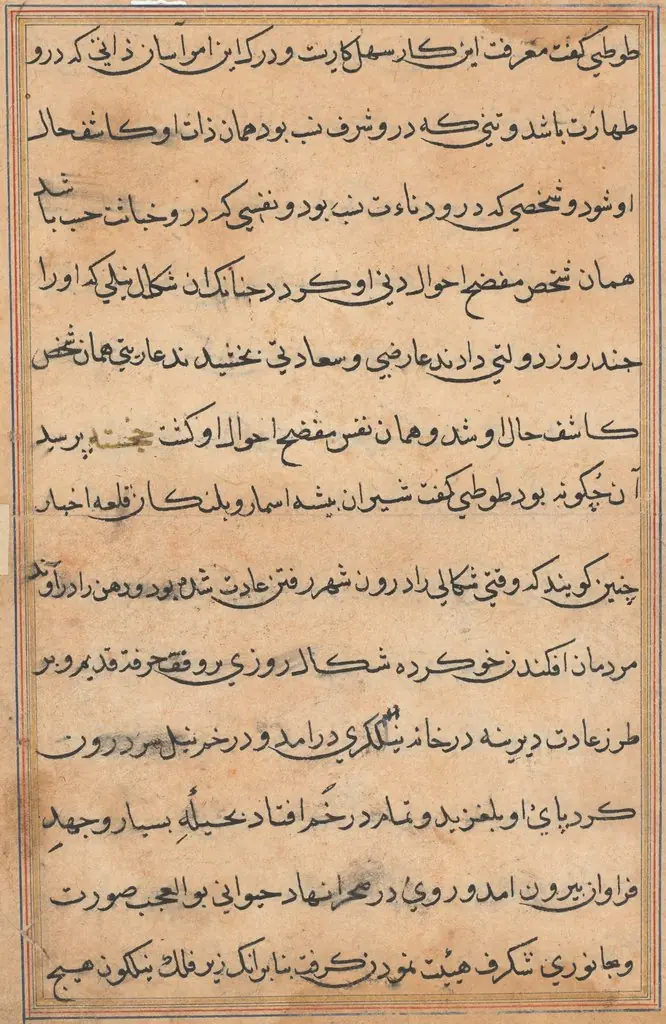 Page from Tales of a Parrot (Tuti-nama): text page
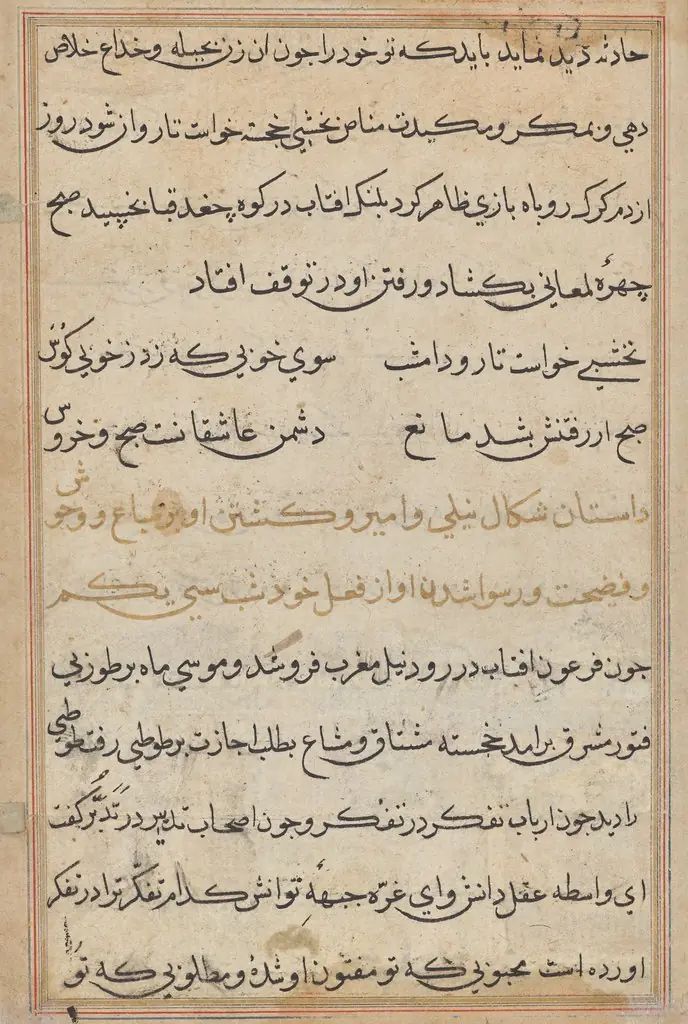 Page from Tales of a Parrot (Tuti-nama): text page
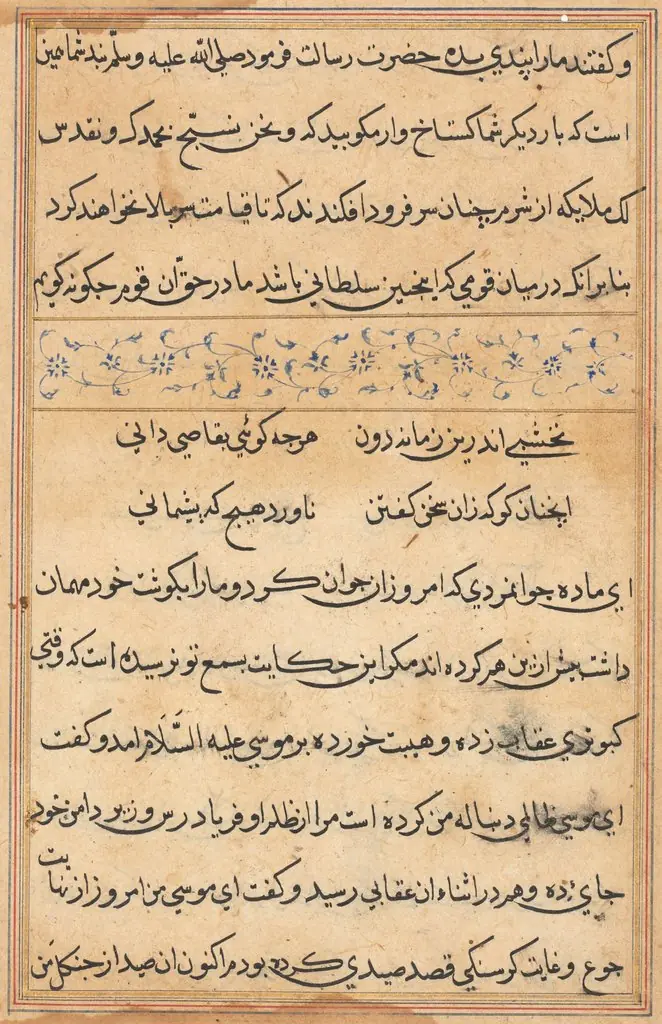 Page from Tales of a Parrot (Tuti-nama): text page
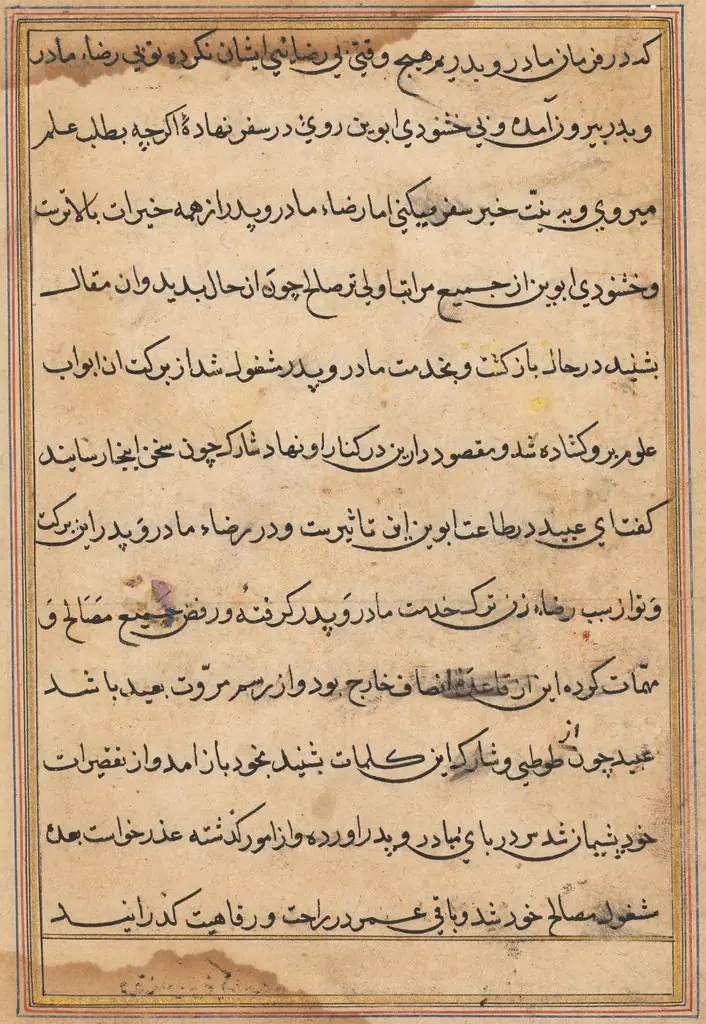 Page from Tales of a Parrot (Tuti-nama): text page
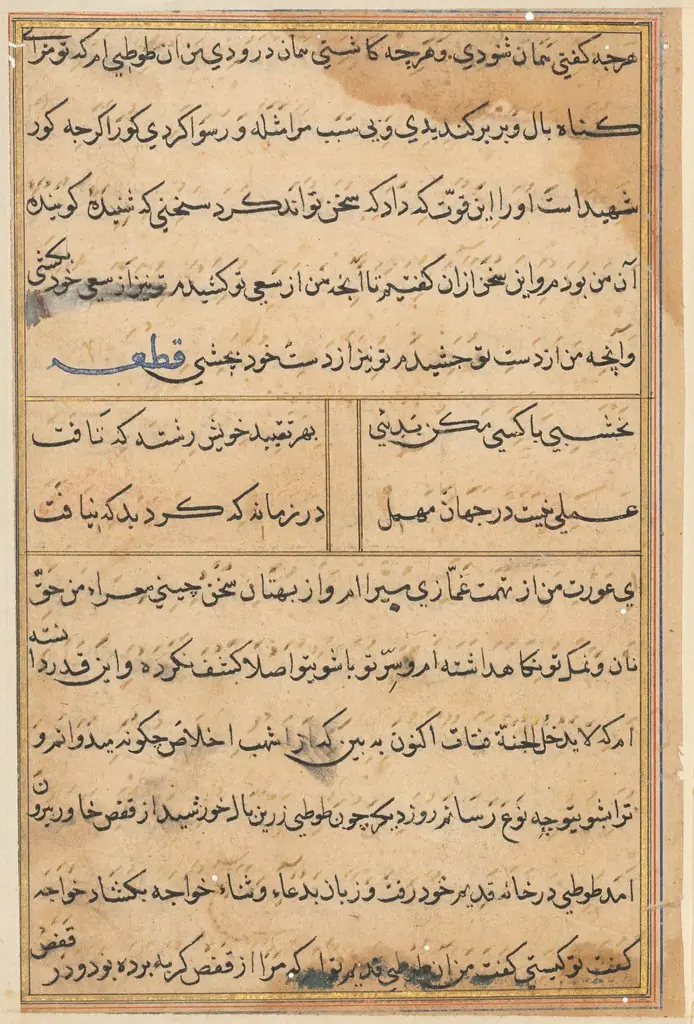 Page from Tales of a Parrot (Tuti-nama): text page