Artwork
Page from Tales of a Parrot (Tuti-nama): text page
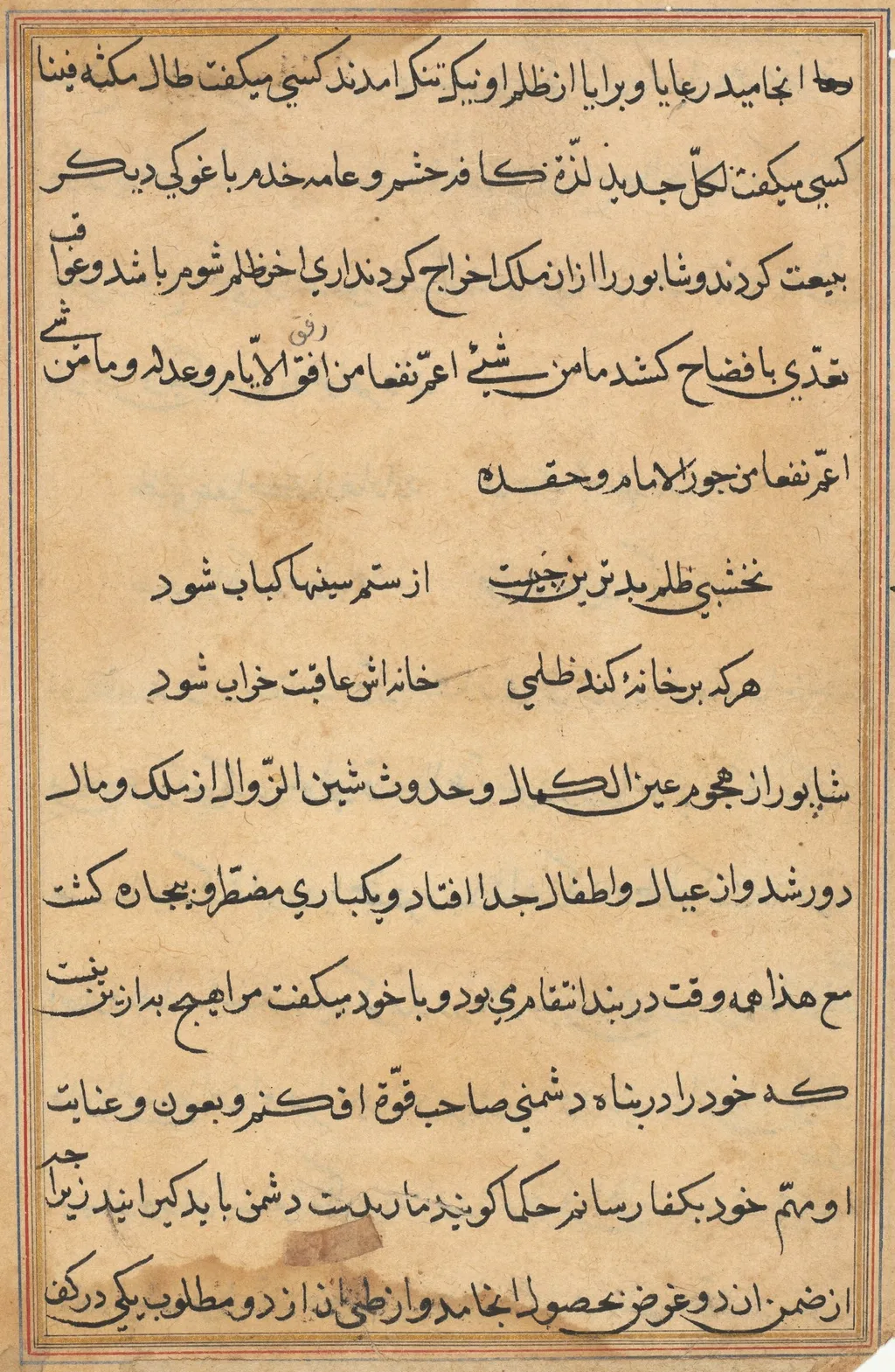
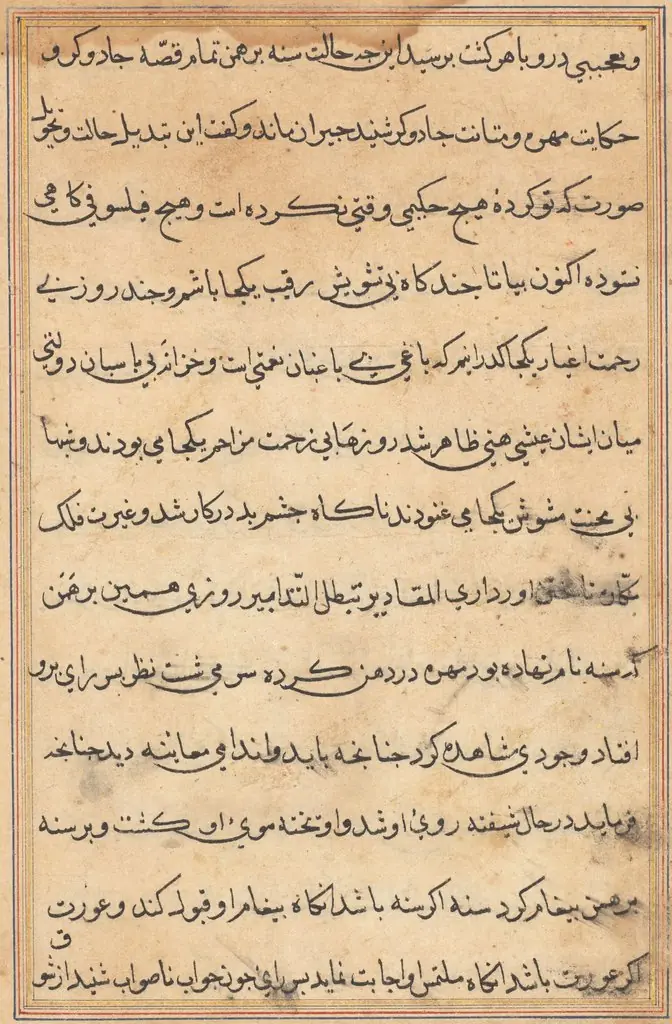
Page from Tales of a Parrot (Tuti-nama): text page is an unspecified painting. It dates from 1560 and is held in the collection of the Cleveland Museum of Art. This object is a single leaf from the illustrated manuscript known as Tales of a Parrot, or Tuti‑nama.
About this work
Overview
This object is a single leaf from the illustrated manuscript known as Tales of a Parrot, or Tuti‑nama. Rendered as a painted page, it presents a dense block of black calligraphic script arranged in tight, orderly rows across a warm‑toned paper surface. The margins are tinged brown, and a thin red line runs along the edge, giving the sheet the appearance of a page lifted from an older codex.
Subject & Meaning
The page contains narrative text, part of a larger collection of stories traditionally conveyed through a parrot’s voice. While the specific passage is not transcribed here, the work as a whole serves to preserve oral folklore in written form, reflecting the cultural practice of recording moral and entertaining tales for posterity.
Technique & Style
The script is executed in a fine black ink, applied with a brush that yields a compact, uniform line despite occasional slight wavering of the hand. The paper’s aged hue and the subtle red border suggest a deliberate decorative framing, typical of manuscript illumination where text and modest color accents coexist.
History & Provenance
The leaf originates from a manuscript tradition that flourished in the Persianate world, where illustrated books were produced for elite patrons. Though the precise date and origin of this particular page are not specified, its material qualities align with other surviving copies held in museum collections, such as those at the Cleveland Museum of Art.
Context
Manuscript pages like this were central to the transmission of literary culture before the advent of printing. The integration of dense calligraphy with modest visual elements illustrates the balance between readability and aesthetic presentation valued by scribes and patrons alike.
Artist & collection

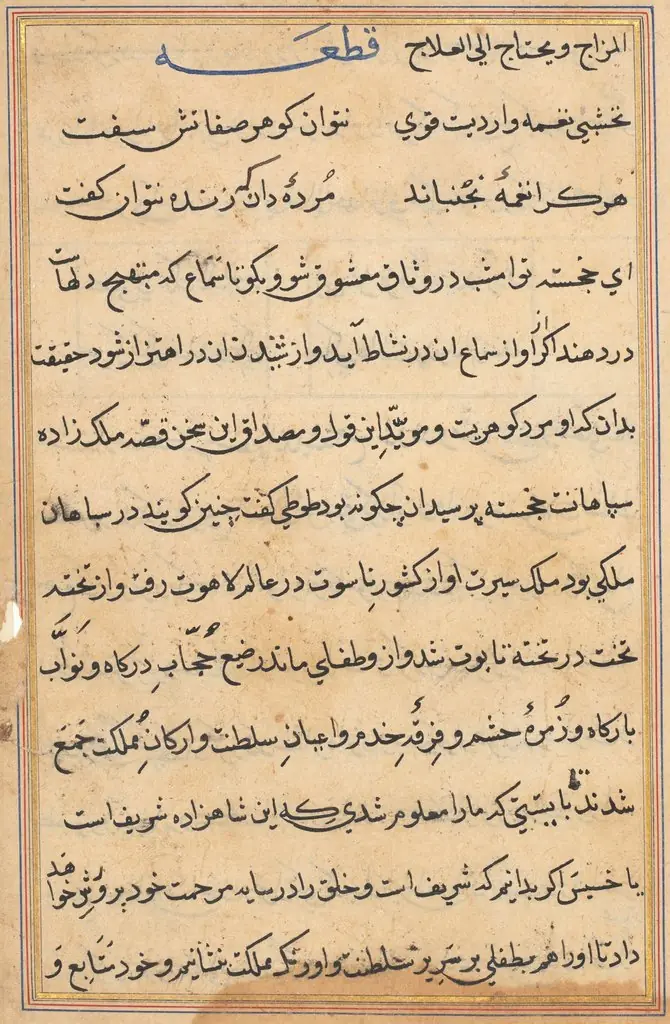 Page from Tales of a Parrot (Tuti-nama): text page
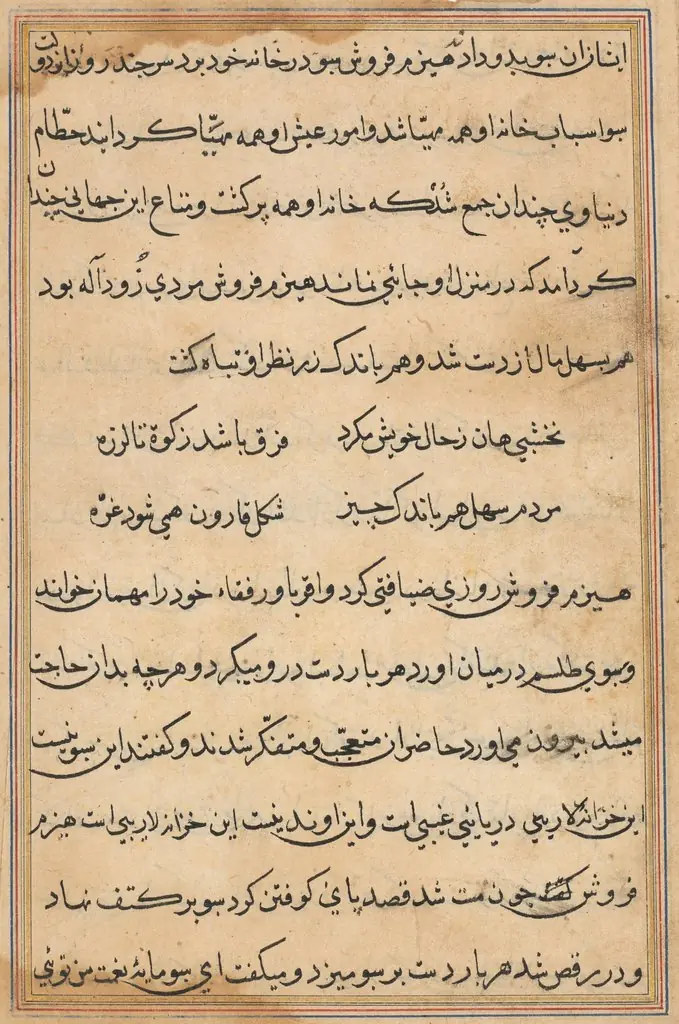 Page from Tales of a Parrot (Tuti-nama): text page
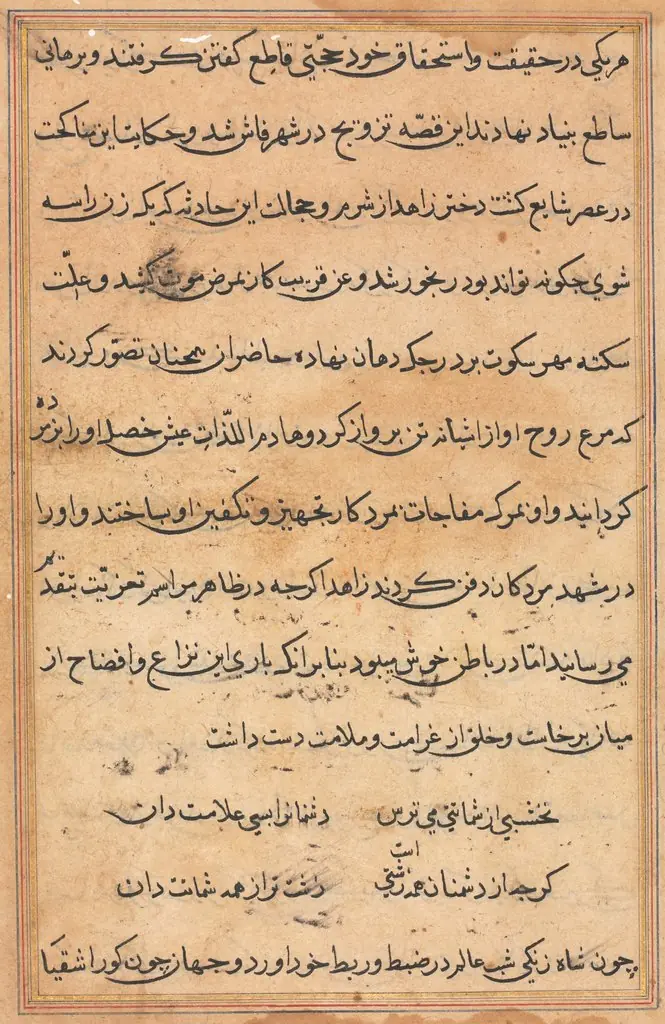 Page from Tales of a Parrot (Tuti-nama): text page
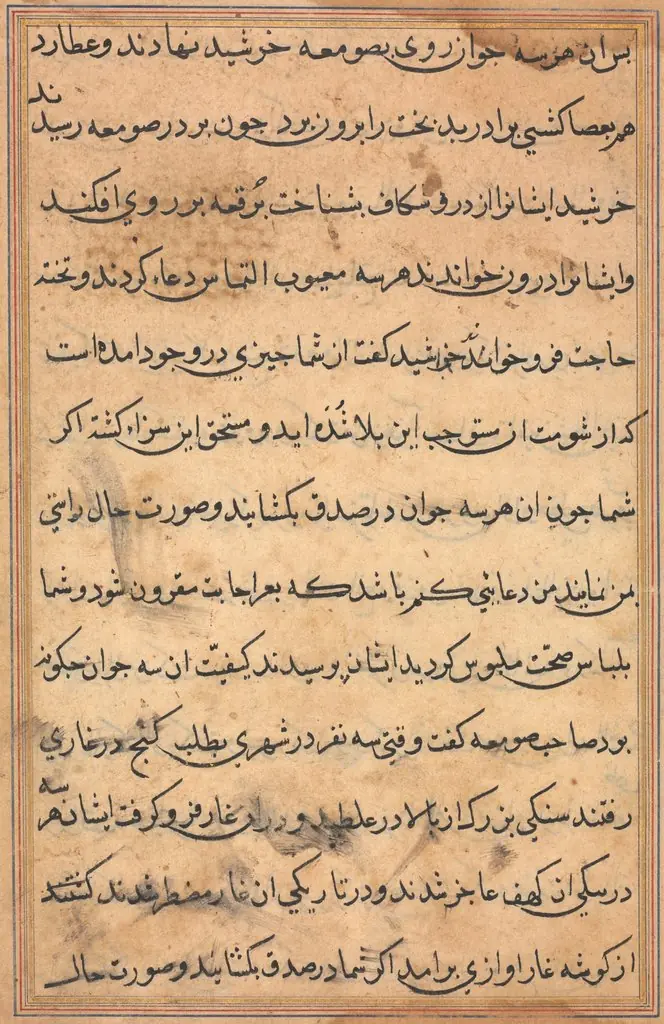 Page from Tales of a Parrot (Tuti-nama): text page
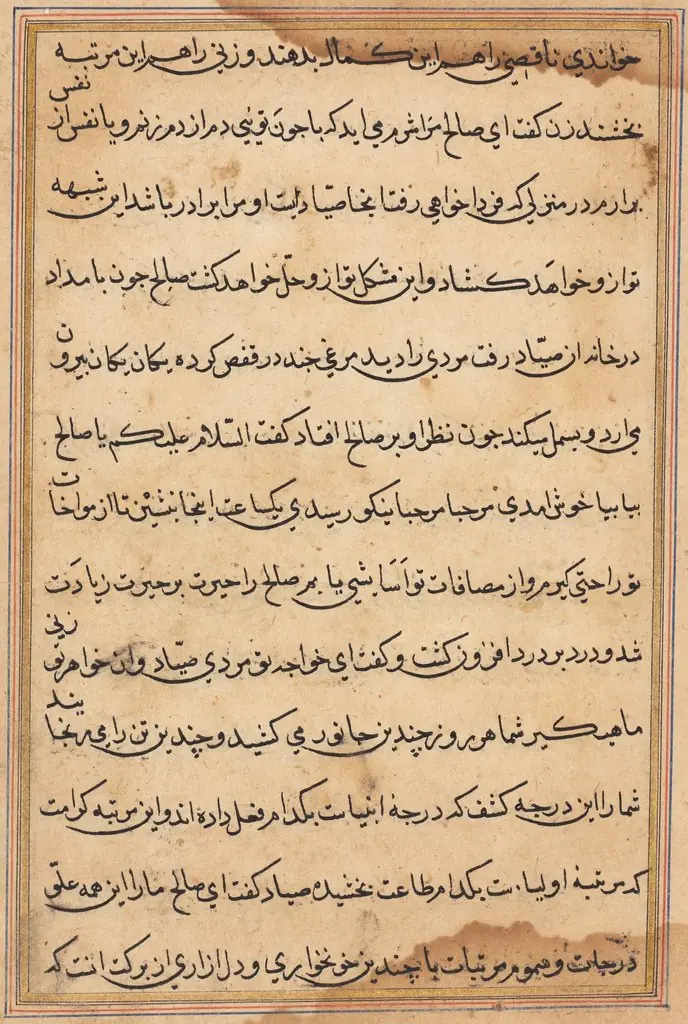 Page from Tales of a Parrot (Tuti-nama): text page
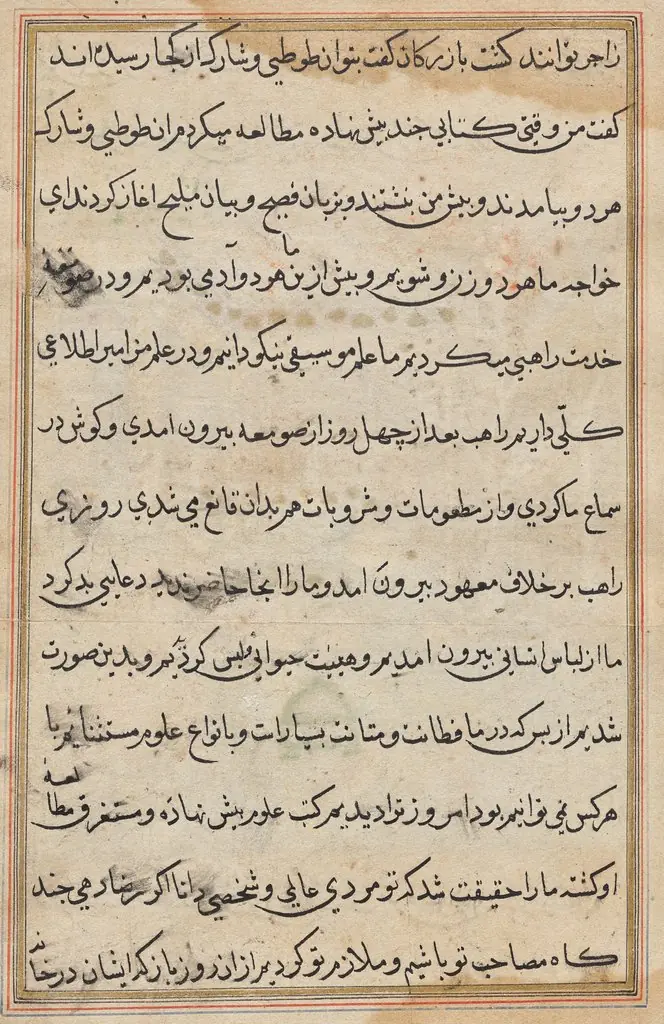 Page from Tales of a Parrot (Tuti-nama): text page
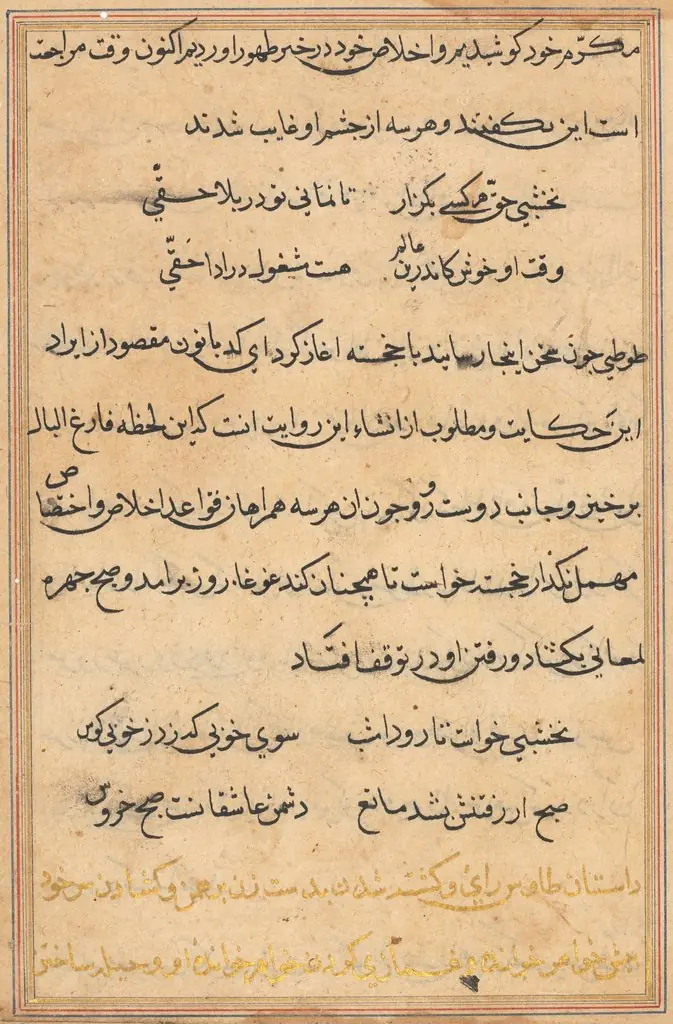 Page from Tales of a Parrot (Tuti-nama): text page
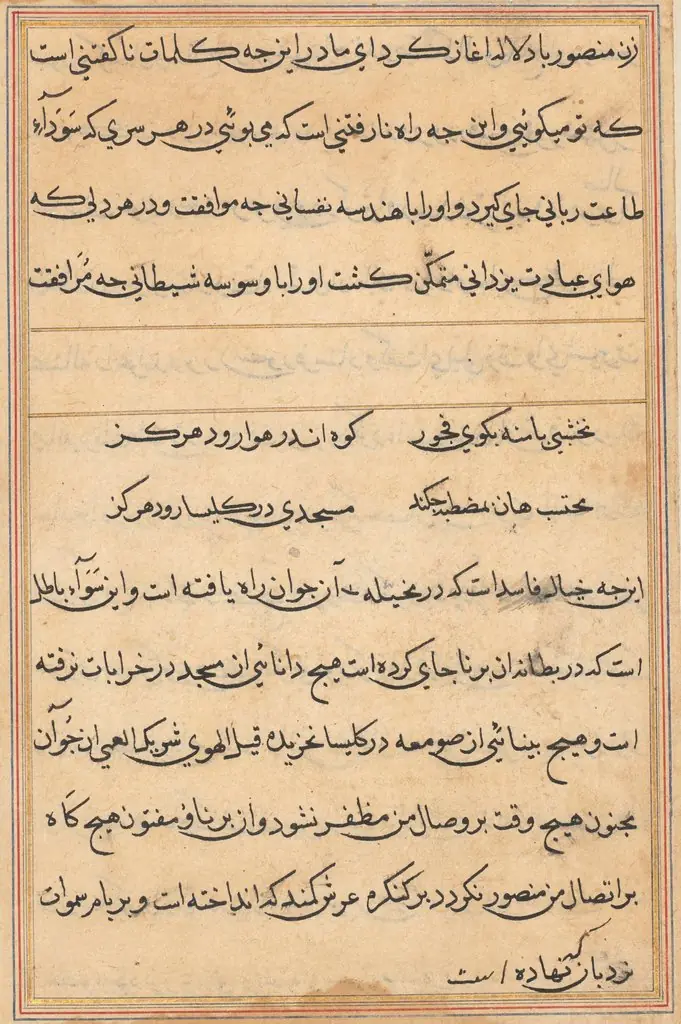 Page from Tales of a Parrot (Tuti-nama): text page
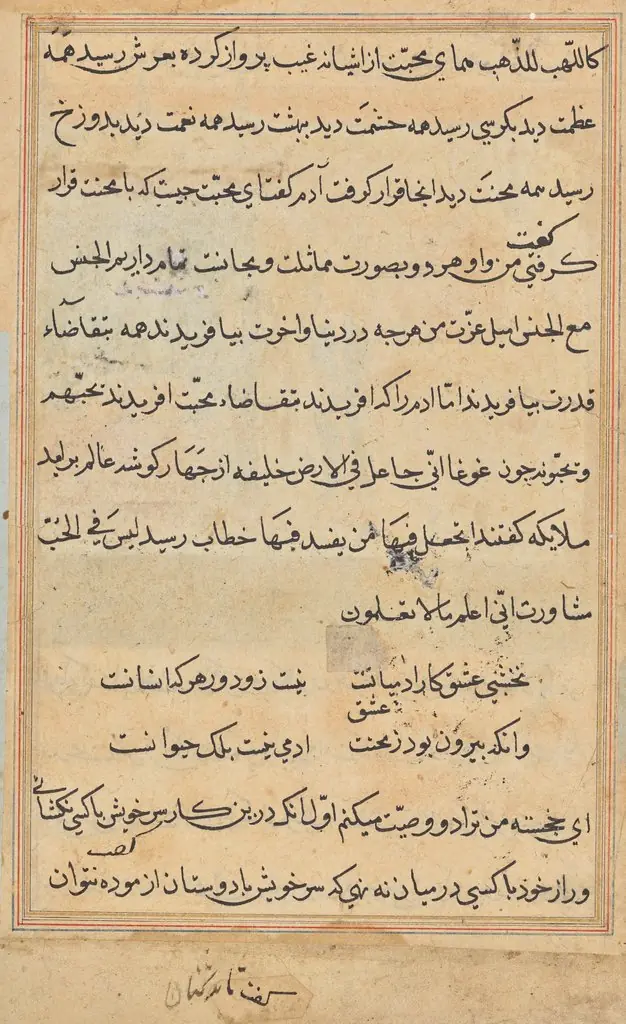 Page from Tales of a Parrot (Tuti-nama): text page
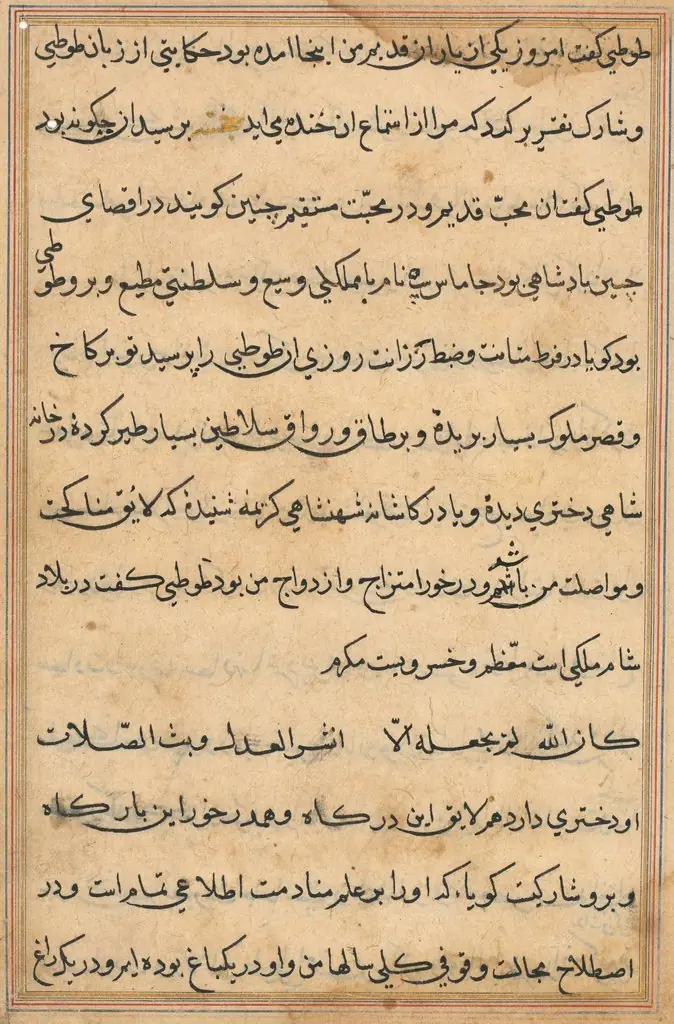 Page from Tales of a Parrot (Tuti-nama): text page
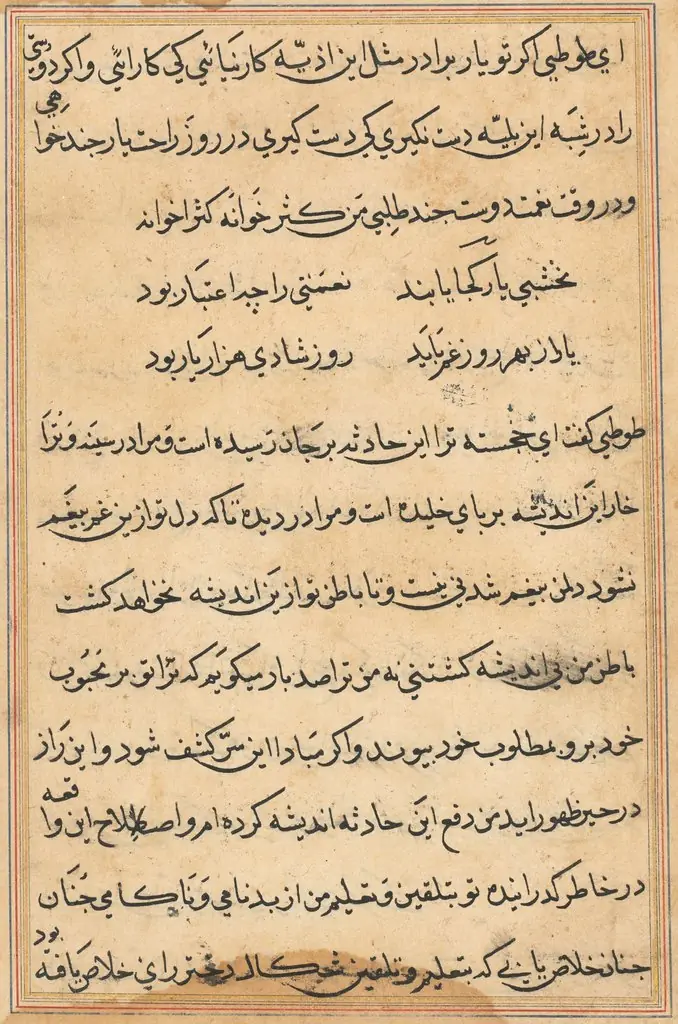 Page from Tales of a Parrot (Tuti-nama): text page
 Page from Tales of a Parrot (Tuti-nama): text page