Artwork
Page from Tales of a Parrot (Tuti-nama): text page
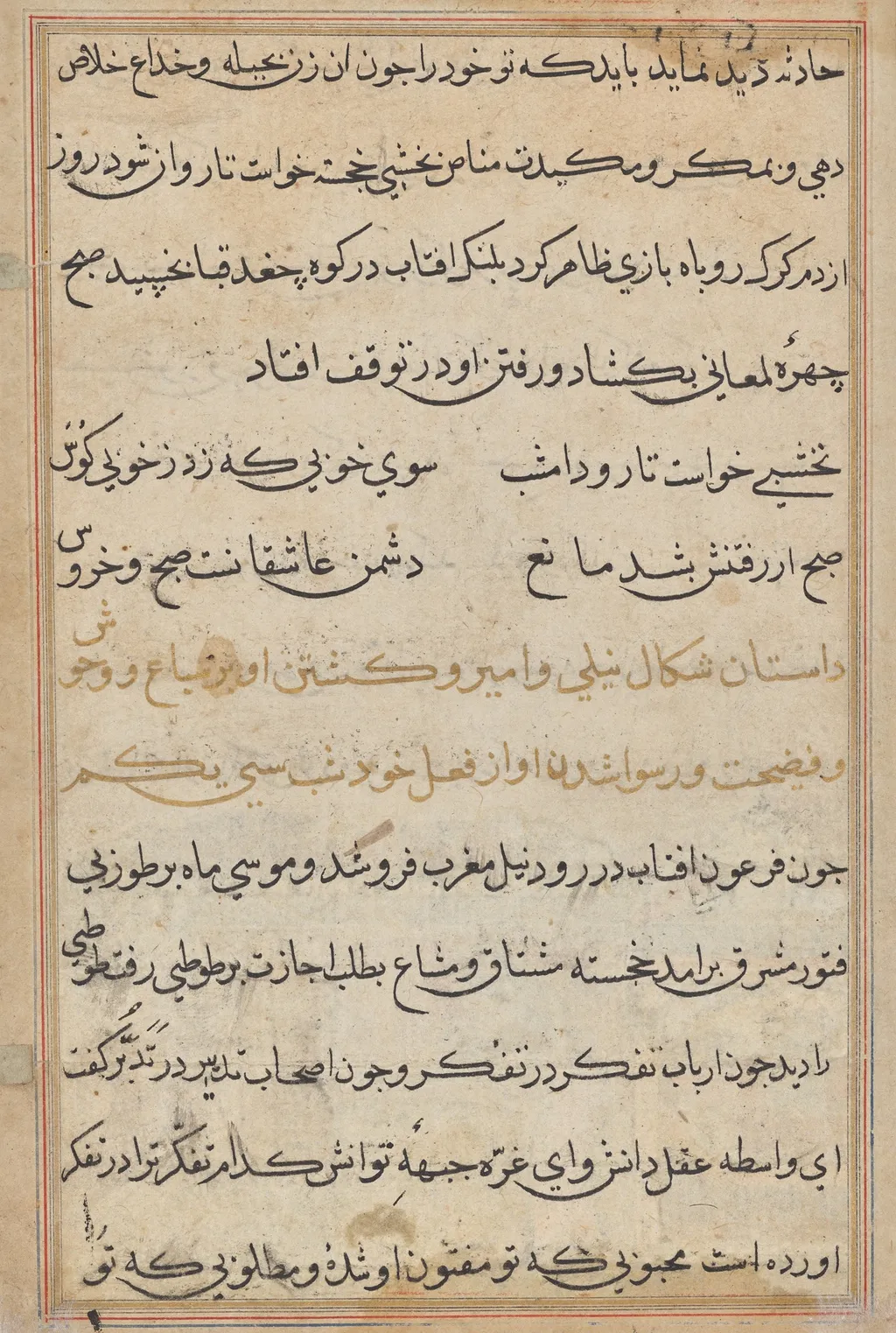
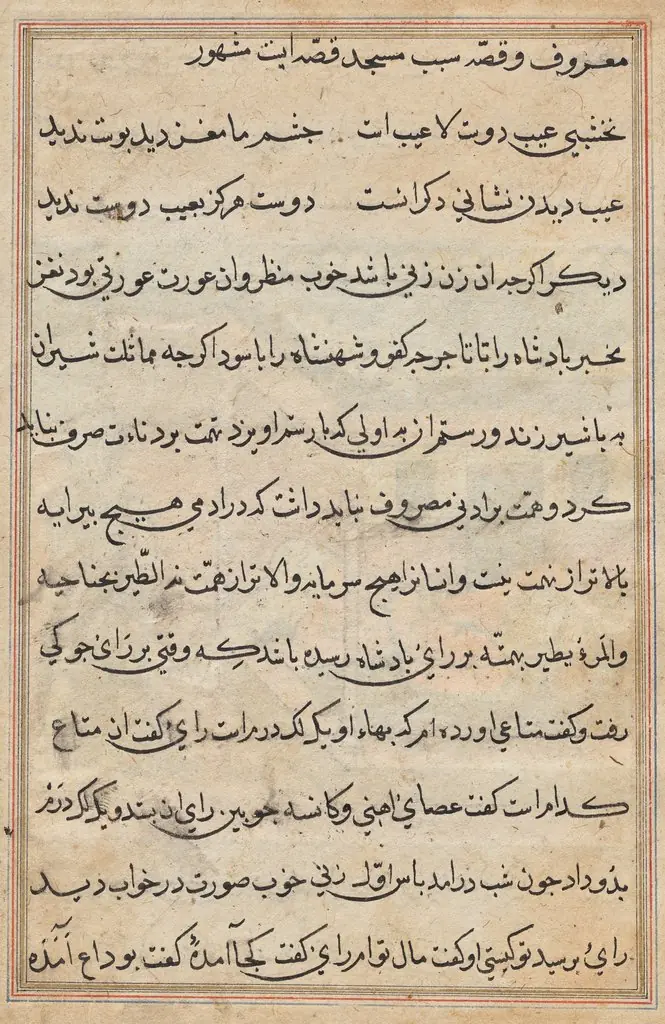
Page from Tales of a Parrot (Tuti-nama): text page is an unspecified painting. It dates from 1559 and is held in the collection of the Cleveland Museum of Art. The object is a single sheet from the illustrated manuscript known as *Tales of a Parrot* (Tuti‑nama).
About this work
Overview
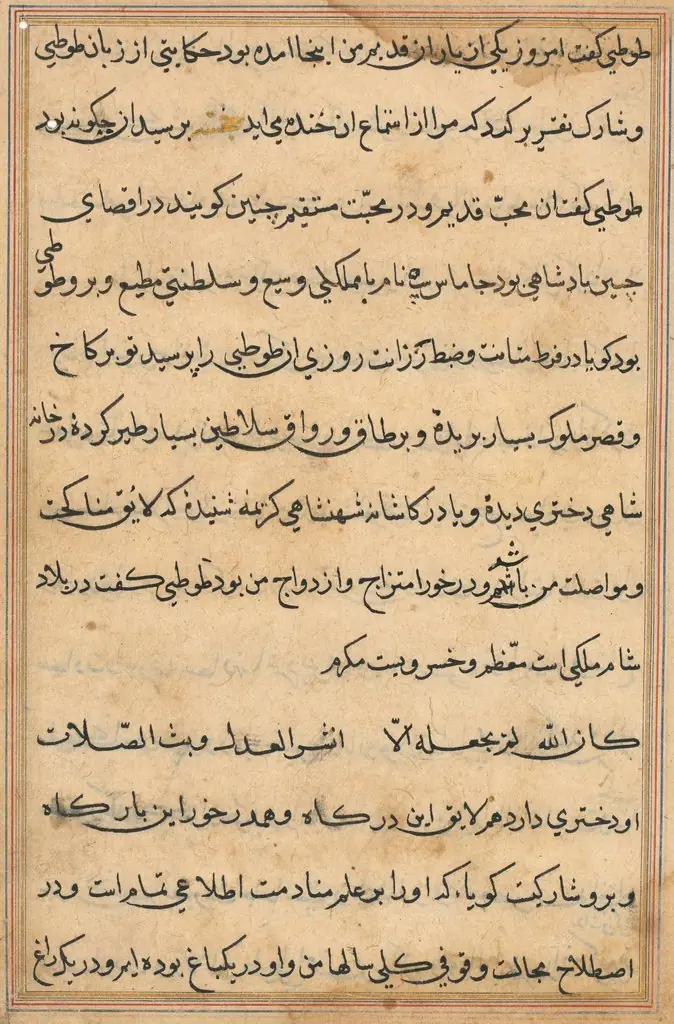
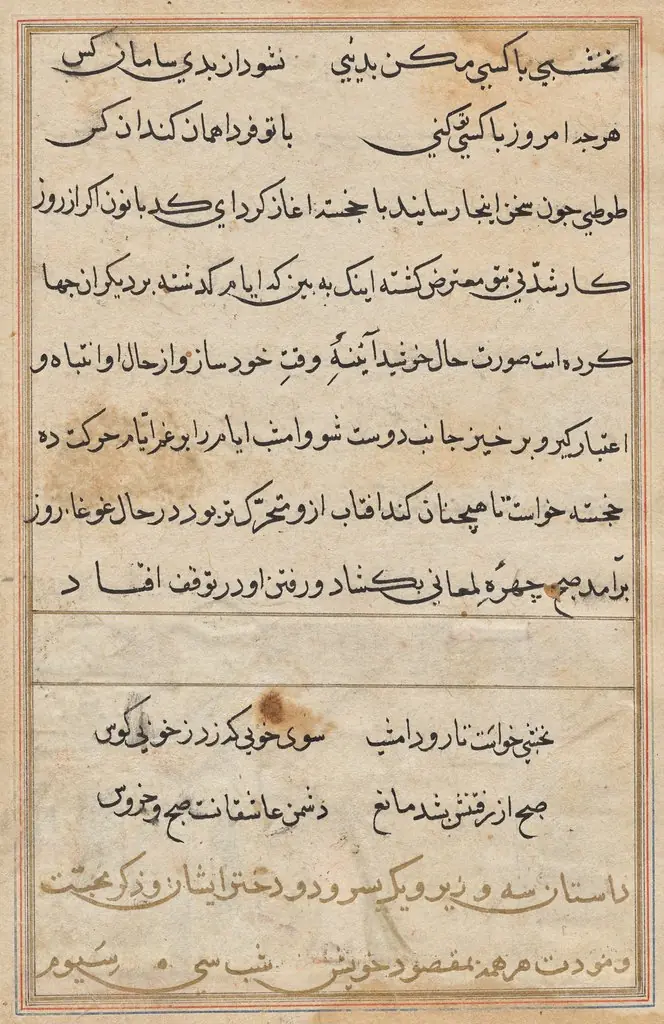
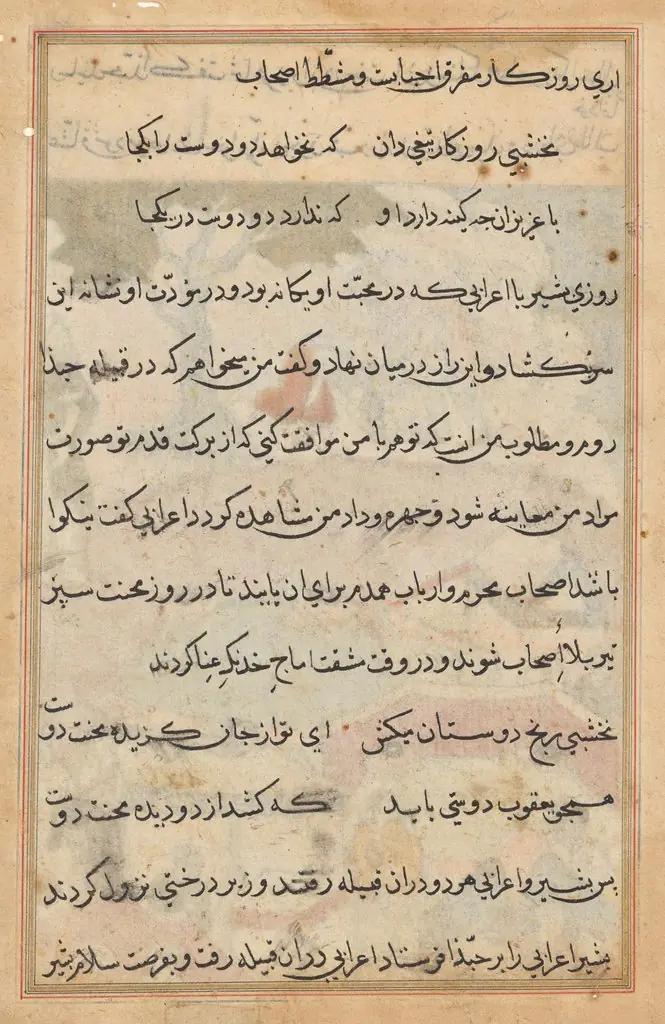
The object is a single sheet from the illustrated manuscript known as *Tales of a Parrot* (Tuti‑nama). Rendered as a painted page, it is dominated by dense black calligraphy arranged in tight, orderly rows. The paper exhibits a warm, antiquated tone with subtle brown spotting, and a slender red border outlines the perimeter.
Subject & Meaning
The script appears to convey a narrative, likely a poetic or folkloric tale, as suggested by its rhythmic, flowing lines. The lyrical quality of the text implies a storytelling function, typical of Persian literary traditions where verse and prose intertwine to entertain and instruct.
Technique & Style
Ink is applied in varying thicknesses, creating a subtle dynamism within the otherwise uniform lettering. The calligraphic style is elegant and fluid, reflecting a refined hand. The red border, painted with a thin brush, adds a decorative contrast that frames the composition without detracting from the text.
History & Provenance
The page originates from a manuscript tradition that flourished in the Islamic world, where illustrated books combined visual art with literary content. While the precise date and place of creation are not specified, such works were commonly produced in Persianate courts and later entered museum collections, including the Cleveland Museum of Art.
Context
*Tales of a Parrot* belongs to a genre of animal‑centered storytelling that uses the parrot as a narrator or moral commentator. This literary motif was popular in medieval Persian literature, serving both entertainment and didactic purposes within courtly and scholarly circles.
Legacy
Pages like this exemplify the integration of calligraphy and illustration that characterizes Persian manuscript art. Their preservation offers insight into historical narrative techniques and the aesthetic values of the period, informing contemporary scholarship on textual and visual culture.
Artist & collection

 Page from Tales of a Parrot (Tuti-nama): text page
 Page from Tales of a Parrot (Tuti-nama): text page
 Page from Tales of a Parrot (Tuti-nama): text page
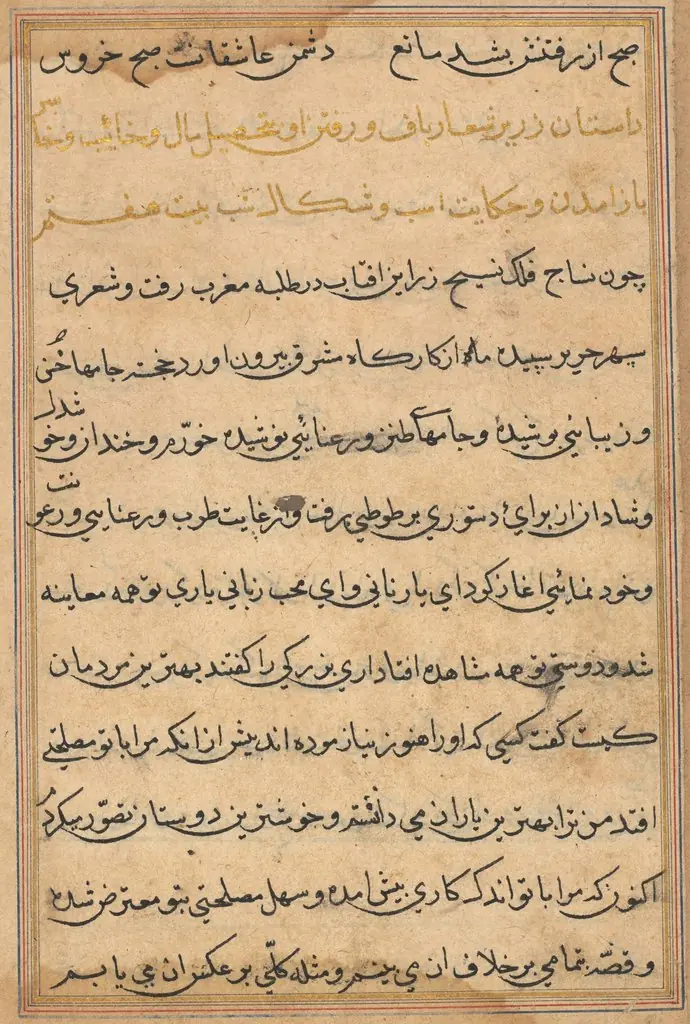 Page from Tales of a Parrot (Tuti-nama): text page
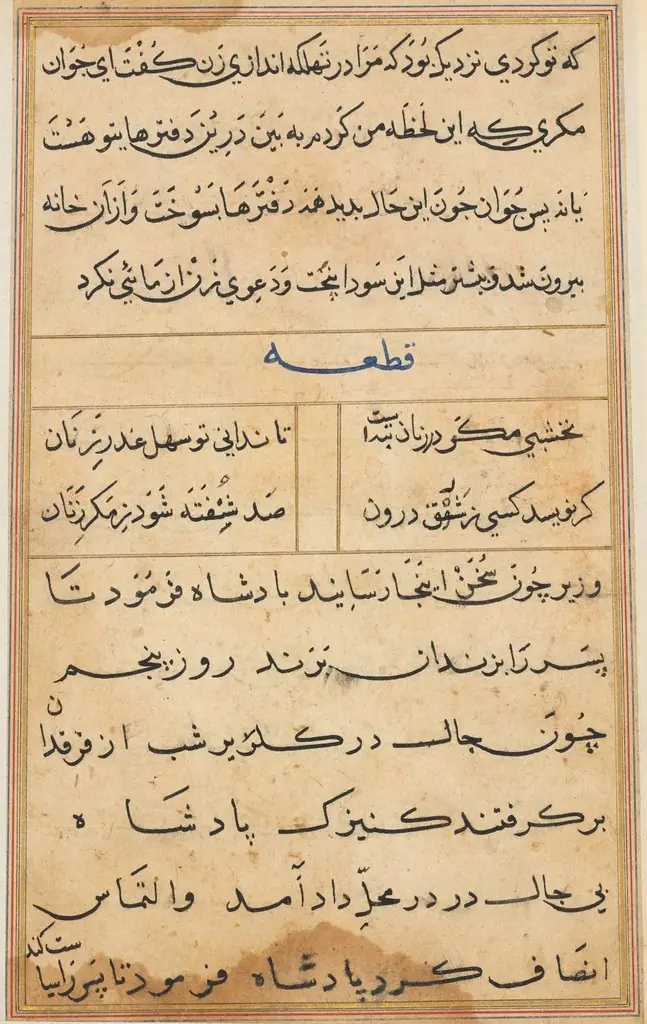 Page from Tales of a Parrot (Tuti-nama): text page
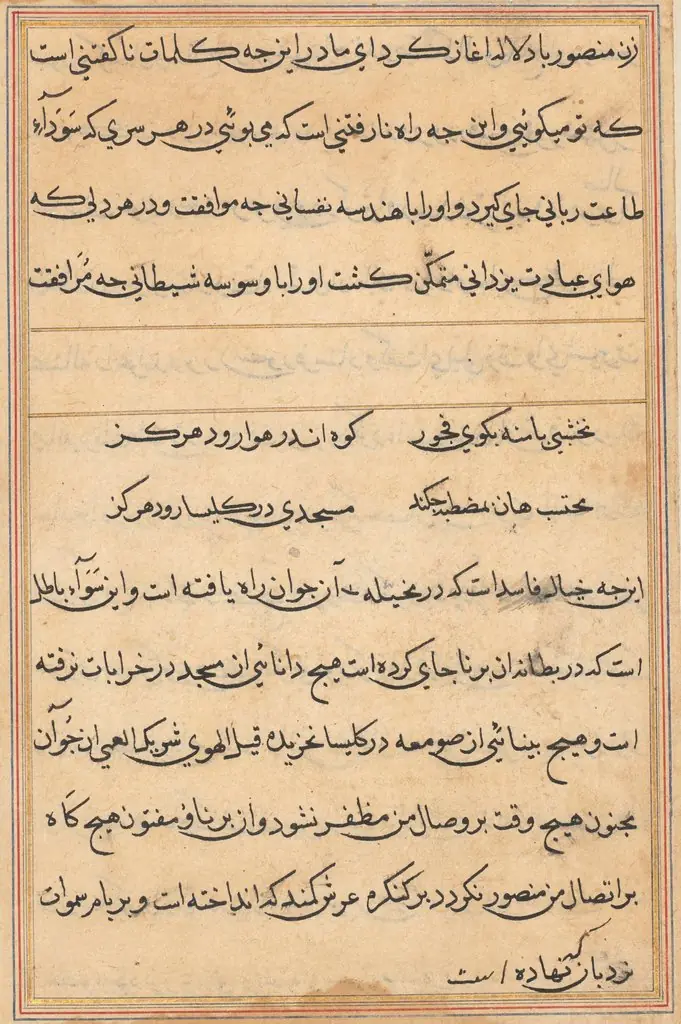 Page from Tales of a Parrot (Tuti-nama): text page
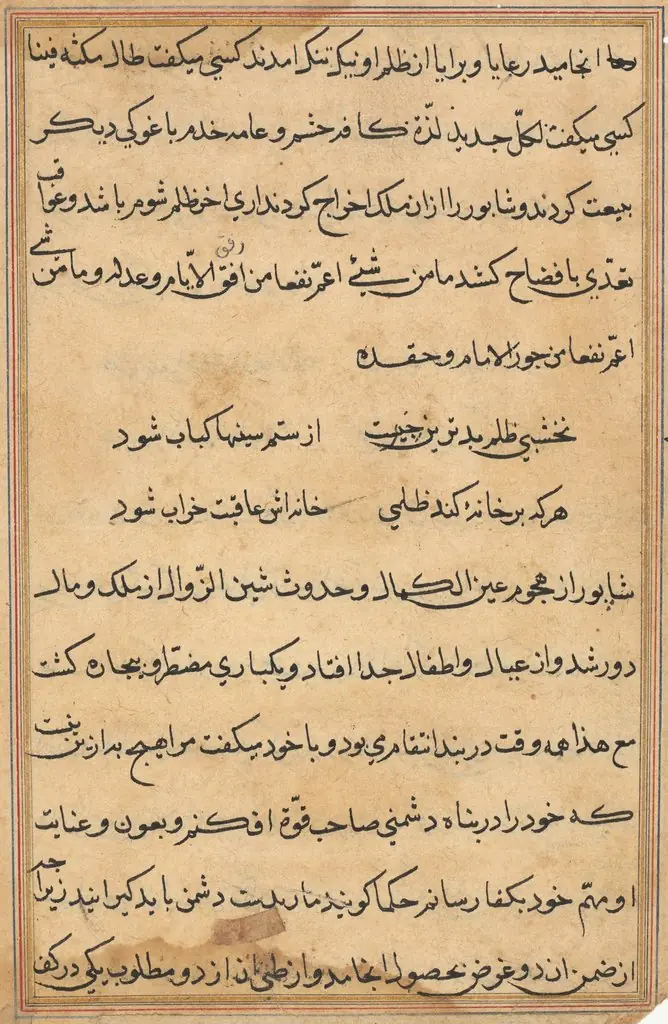 Page from Tales of a Parrot (Tuti-nama): text page
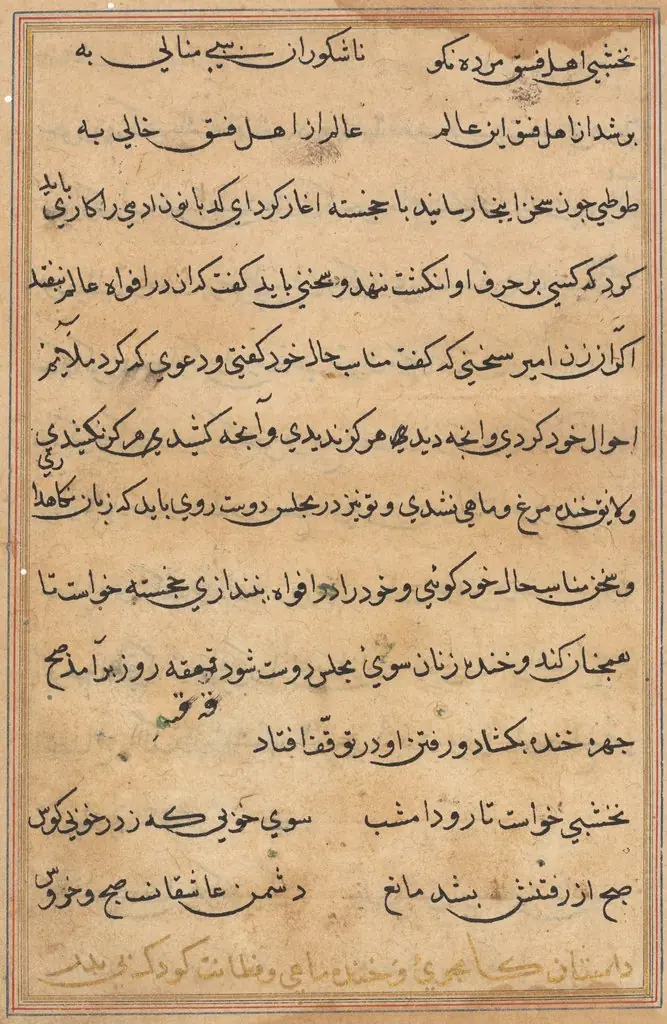 Page from Tales of a Parrot (Tuti-nama): text page
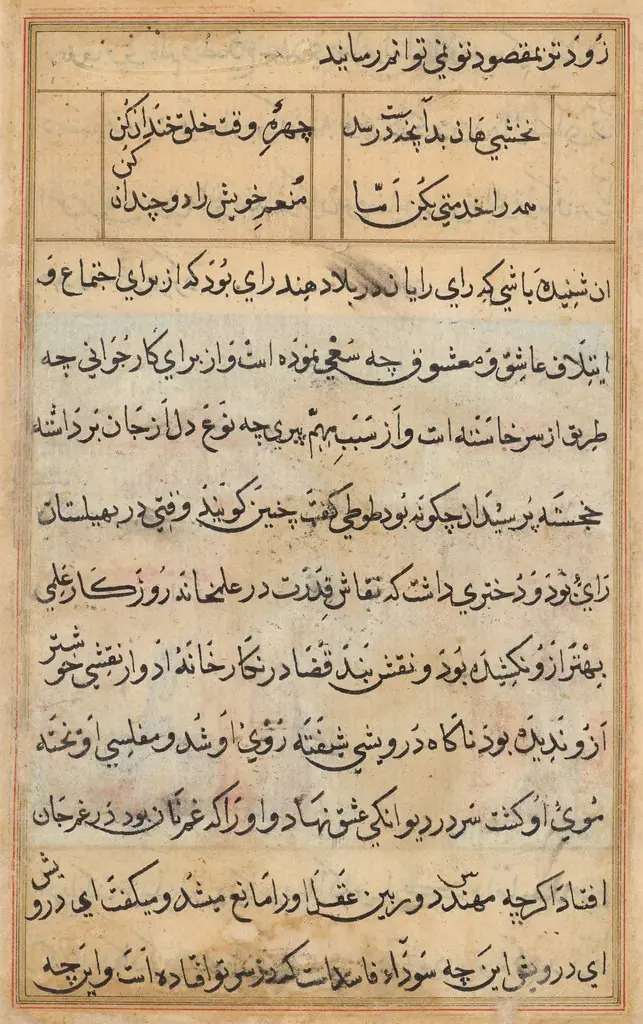 Page from Tales of a Parrot (Tuti-nama): text page
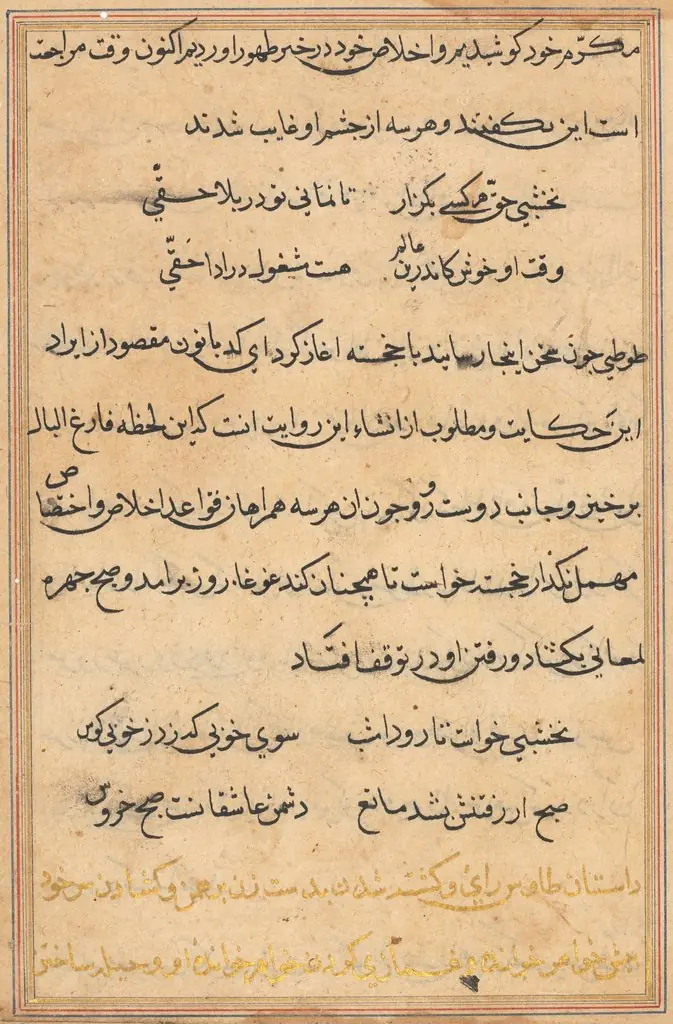 Page from Tales of a Parrot (Tuti-nama): text page
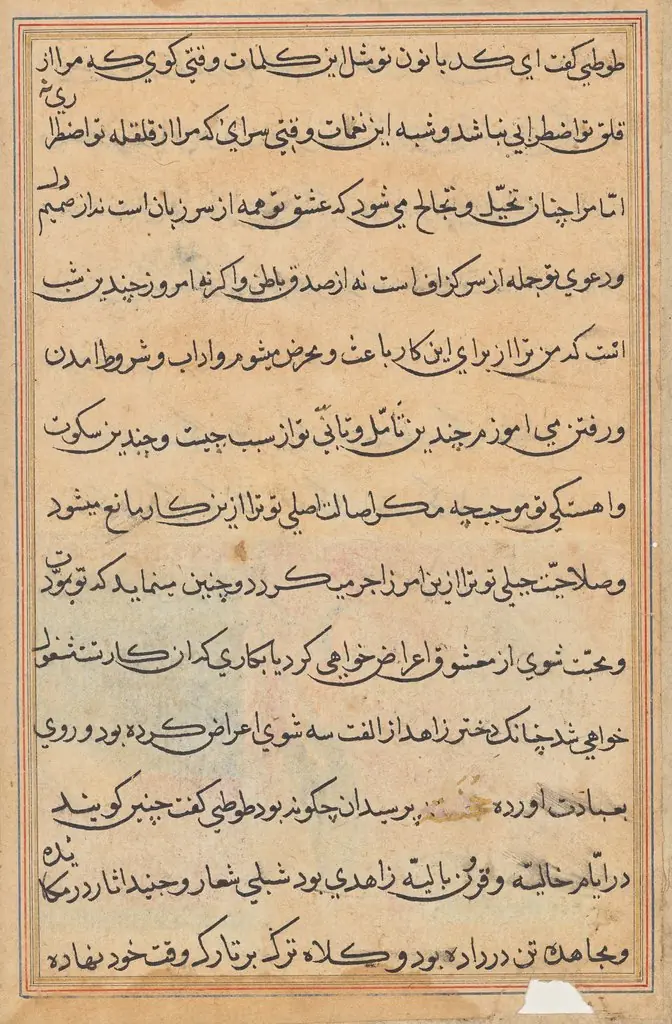 Page from Tales of a Parrot (Tuti-nama): text page
 Page from Tales of a Parrot (Tuti-nama): text page