Artwork
Holy Family with St. Elizabeth, St. John the Baptist as a child and St. Francis
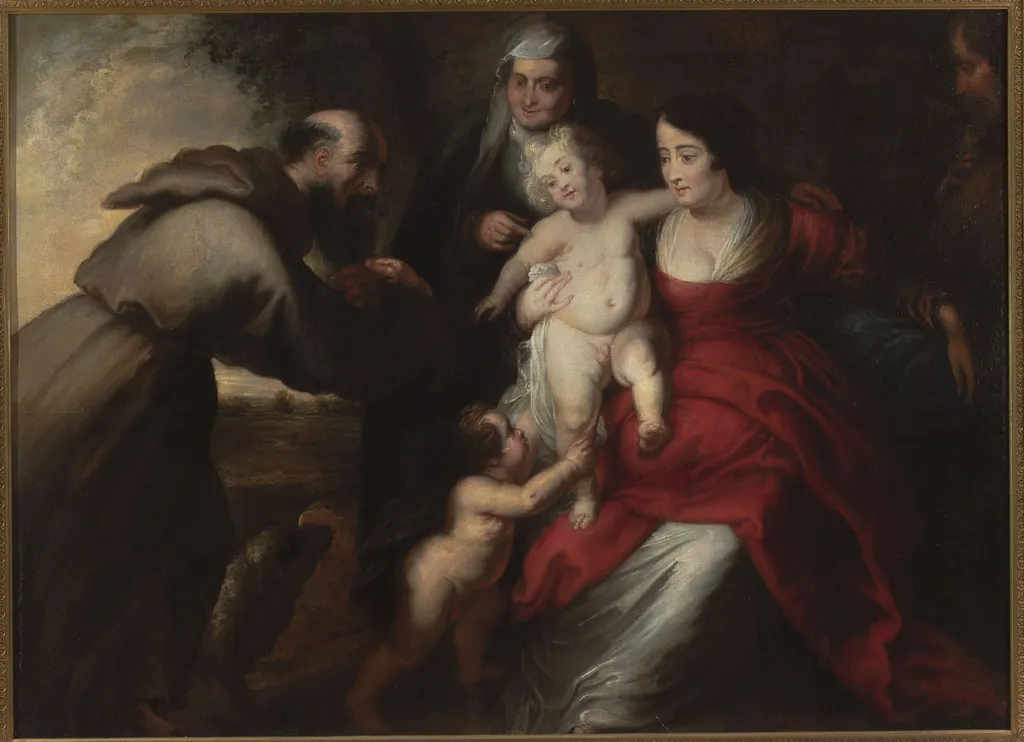
Holy Family with St. Elizabeth, St. John the Baptist as a child and St. Francis is an oil painting by Unknown. It is held in the collection of the National Museum in Warsaw. This oil painting presents a devotional grouping of sacred figures centered on the Virgin Mary holding the infant Jesus.
About this work
Overview
The interplay of light and shadow gives volume to the forms, while dynamic brushwork conveys movement and spiritual intensity.
This oil painting presents a devotional grouping of sacred figures centered on the Virgin Mary holding the infant Jesus. Surrounding them are St. Elizabeth, the young St. John the Baptist, and St. Francis of Assisi. The composition is tightly focused, with dark surroundings isolating the figures and enhancing their emotional presence. The interplay of light and shadow gives volume to the forms, while dynamic brushwork conveys movement and spiritual intensity.
Subject & Meaning
The scene captures a quiet moment of familial and spiritual connection. Mary’s tender hold on Jesus is mirrored by John’s reaching gesture, symbolizing recognition of Christ’s divine role. St. Elizabeth, as Mary’s cousin and John’s mother, anchors the familial bond. St. Francis, in his habit, observes with contemplative reverence, linking the Holy Family to the Franciscan ideal of humility and devotion. The grouping reflects theological themes of kinship, prophecy, and sacred intimacy.
Technique & Style
The artist employs strong chiaroscuro to model the figures with sculptural weight, contrasting their illuminated forms against the deep, undefined background. Brushstrokes are vigorous and visible, particularly in the drapery and hair, suggesting immediacy and emotional urgency. Color is used expressively—Mary’s red garment draws the eye without ornamental excess—while the muted tones of the saints’ robes ground the composition in quiet solemnity.
History & Provenance
The painting’s early ownership is undocumented, but its style aligns with early 16th-century Italian devotional works, possibly from a Franciscan-affiliated workshop. It may have been commissioned for private prayer or a small chapel. No records of its movement before the 19th century survive, though its condition suggests it was preserved in a religious context, avoiding major alterations or damage.
Context
Created during a period when Franciscan spirituality emphasized personal connection to Christ’s humanity, the painting reflects broader devotional trends favoring intimate, emotionally resonant religious scenes. Unlike grand altarpieces, this work invites quiet contemplation, suited to monastic or domestic settings. The inclusion of St. Francis alongside the Holy Family signals a growing identification between Franciscan ideals and the life of Christ.
Legacy
Though not widely reproduced or studied in major art histories, the painting remains a representative example of regional Italian devotional art from the early Renaissance. Its emotional directness and restrained composition influenced smaller-scale religious works in monastic circles. It survives as a testament to the quiet, personal piety that coexisted with larger artistic movements of the time.
Artist & collection

 Domestic Scene
 Giacomo and Cardinal Marco, investing Andrea, Abbot of San Zeno, with his Benefice
 The Nymph of Fontainebleau
 Portrait of a Woman
 Madonna and Child with Saints in the Enclosed Garden
 Venus and Minerva
 Family Group of Four on Sofa
 Wall painting from Room H of the Villa of P. Fannius Synistor at Boscoreale
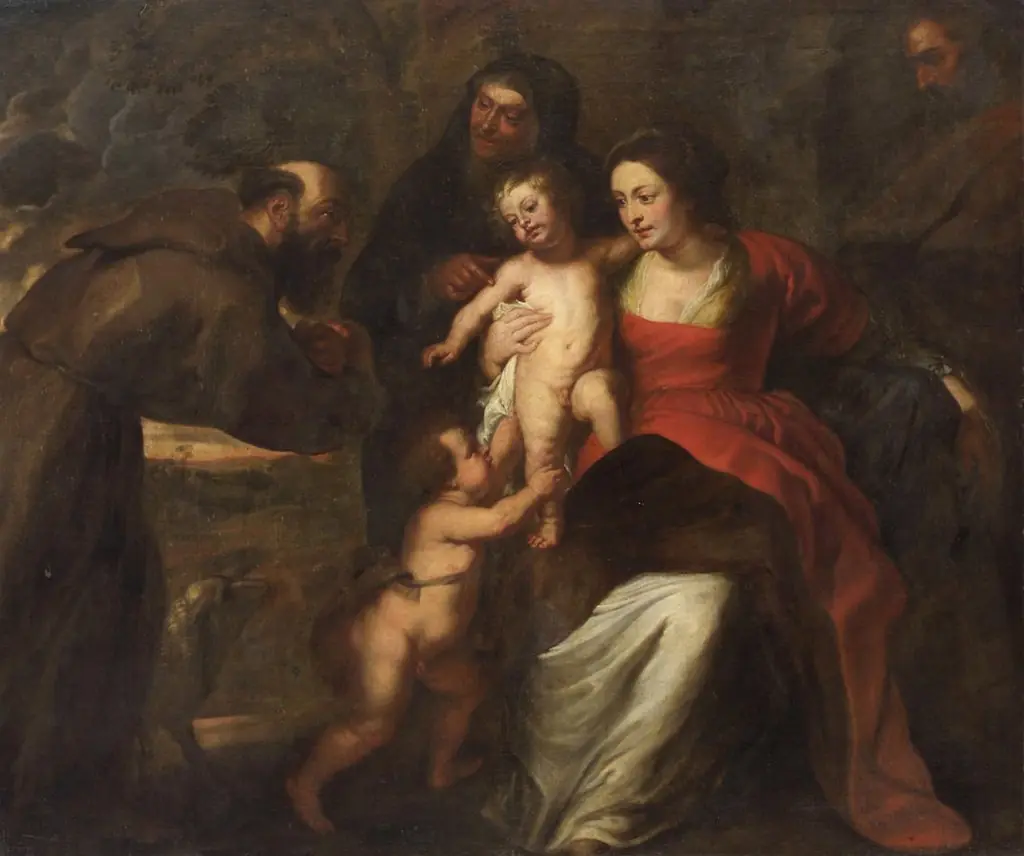 Holy Family with Saint Francis
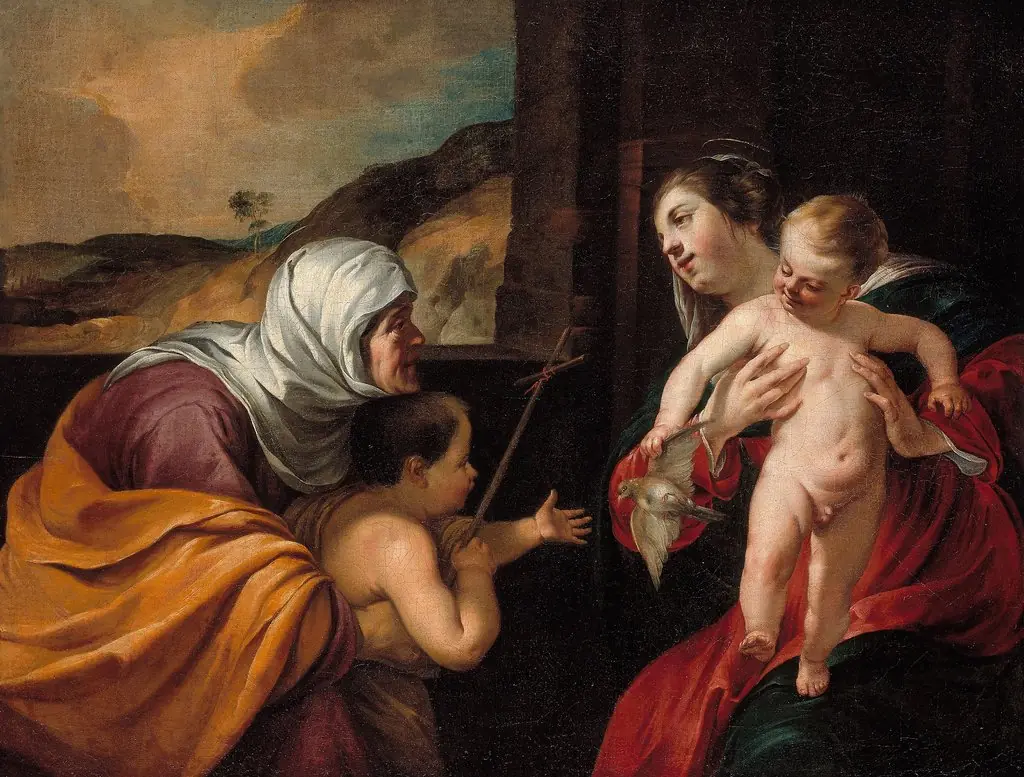 Virgin and Child with Saint Elizabeth and the Infant Saint John the Baptist
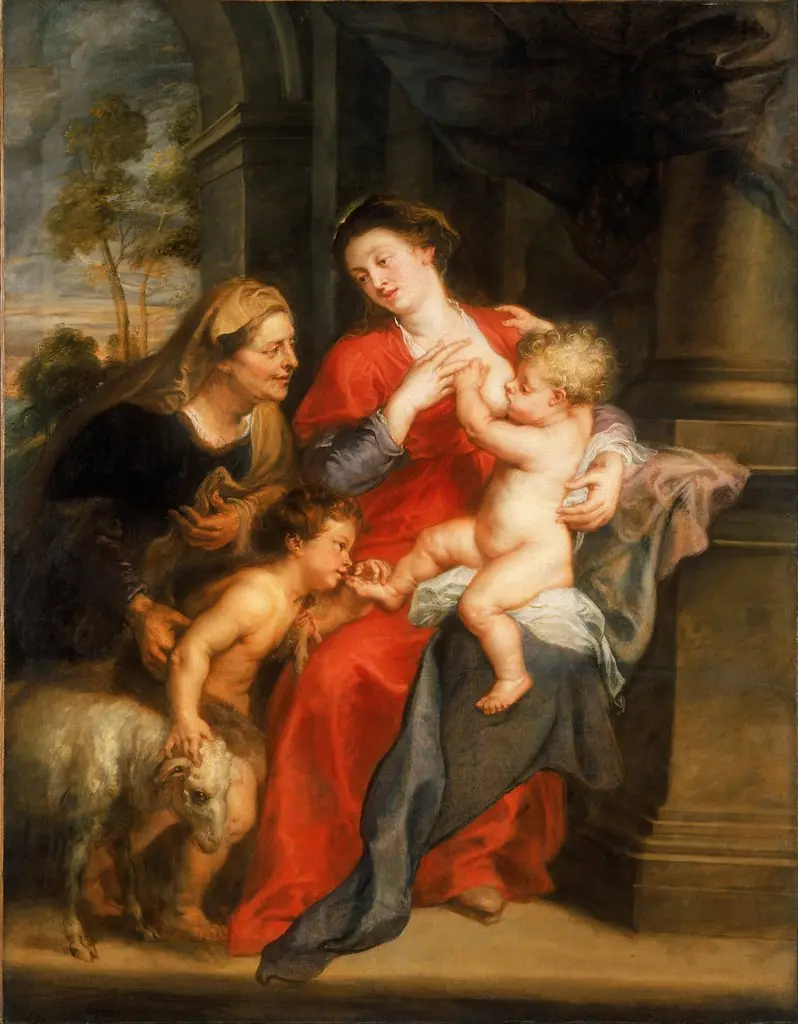 The Virgin and Child with Sts. Elizabeth and John the Baptist
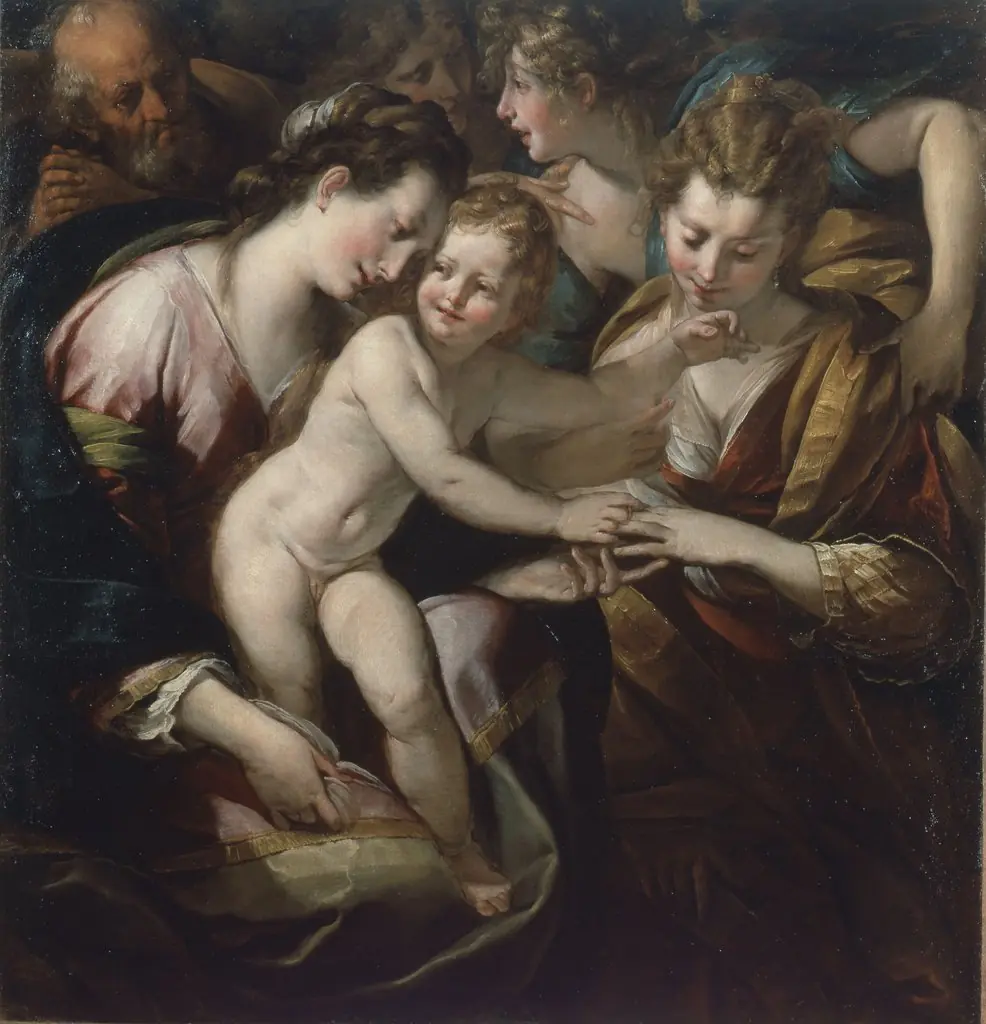 Mystic Marriage of Saint Catherine
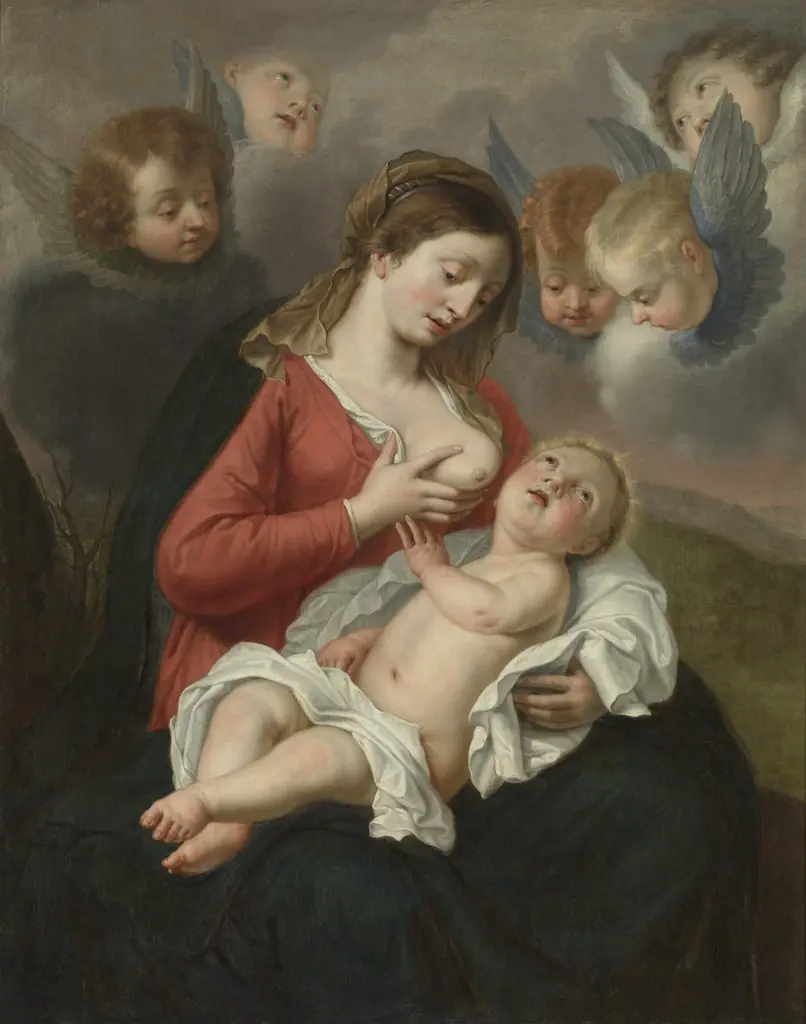 Deipara Virgo
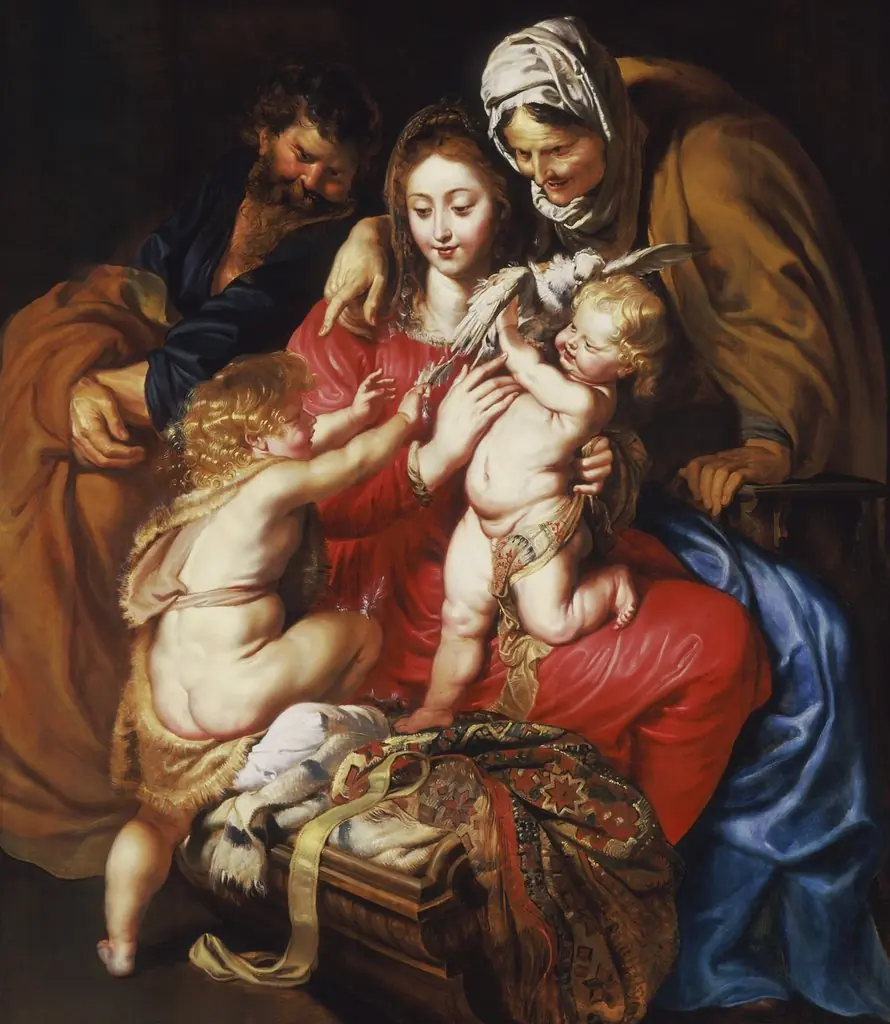 The Holy Family with St. Elizabeth, St. John, and a Dove
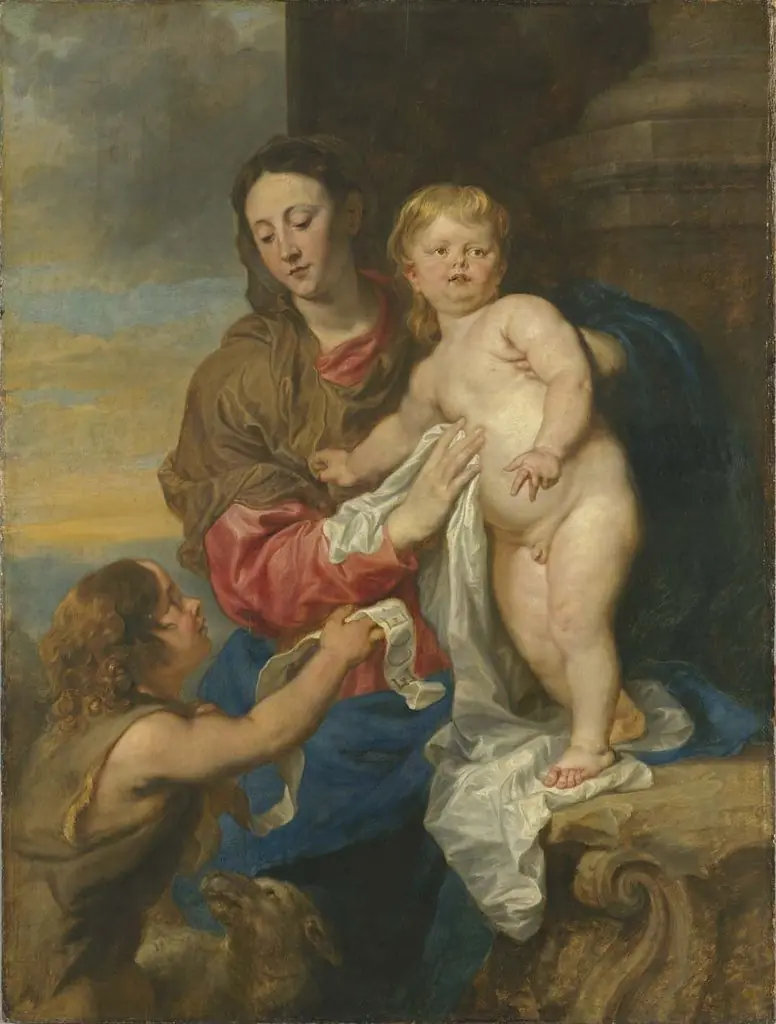 Madonna and Child with Child St John
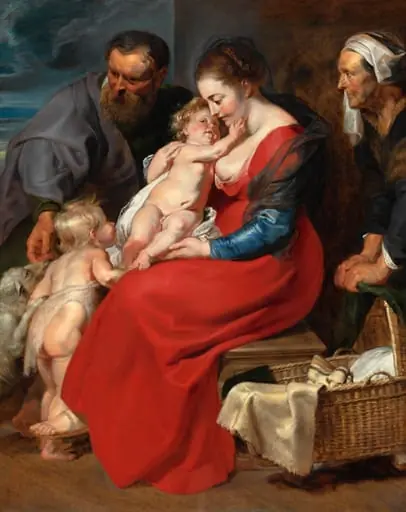 The Holy Family with Saints Elizabeth and John the Baptist
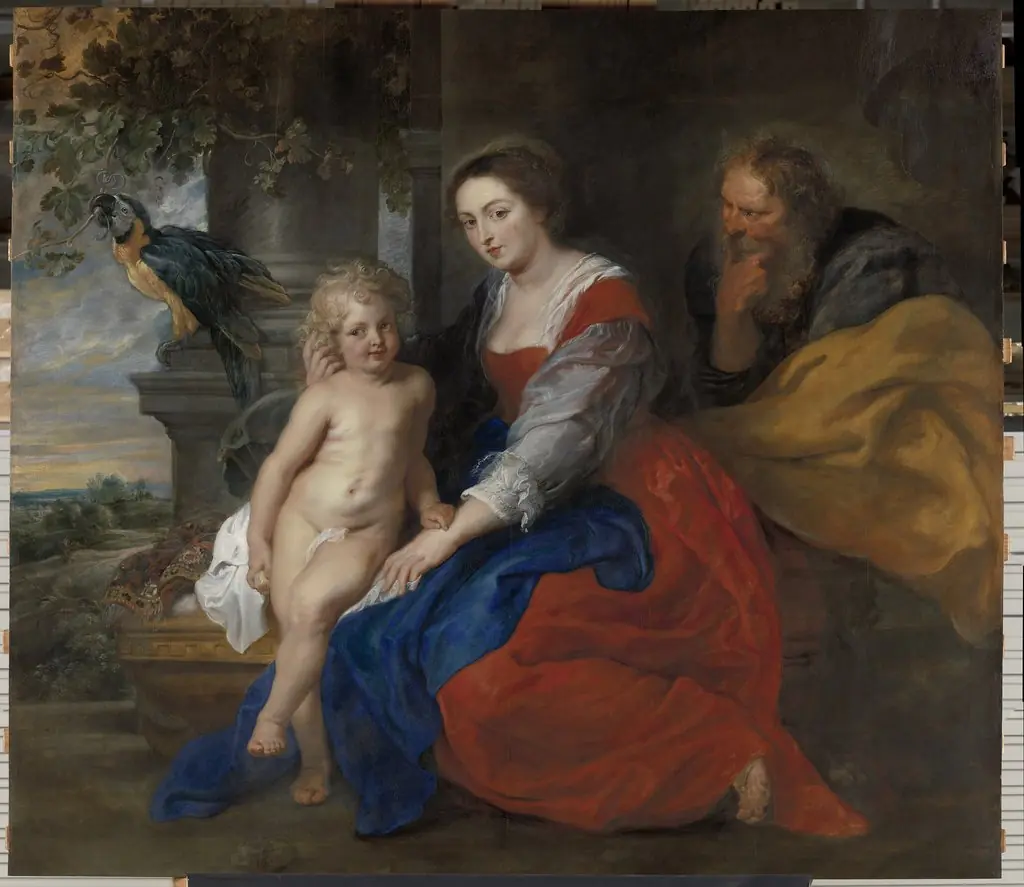 The Holy Family with the Parrot
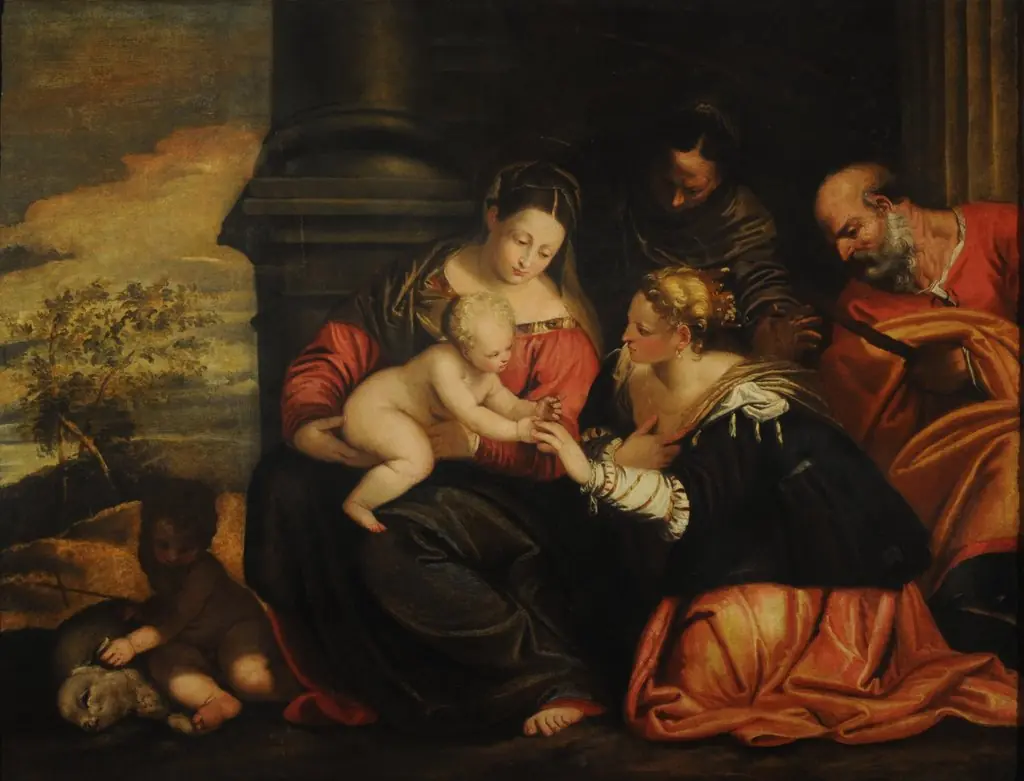 Mystic marriage of Saint Catherine of Alexandria