Artwork
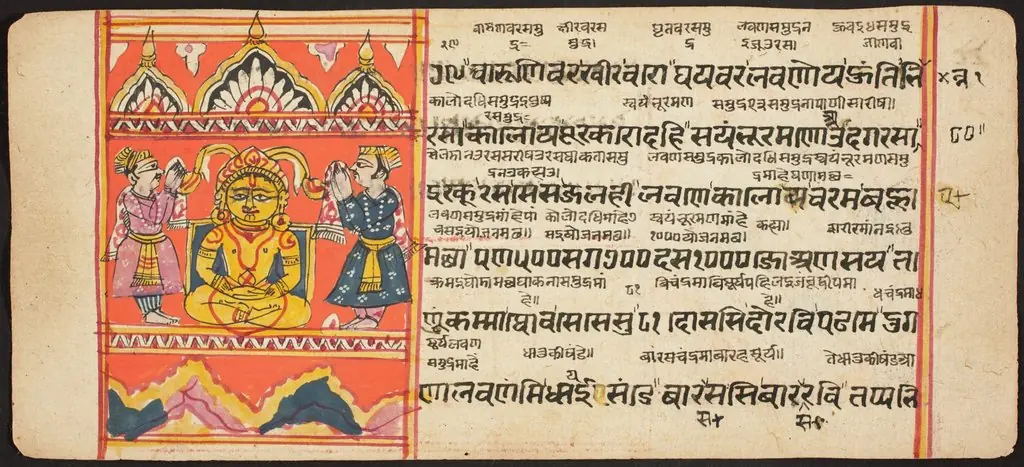
Tantric Manuscript "Sangrahani Sutra"
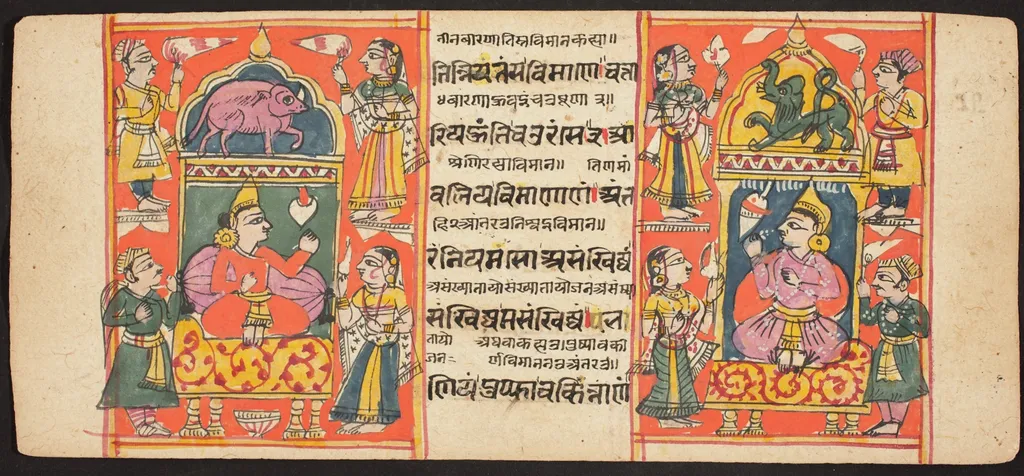
Tantric Manuscript "Sangrahani Sutra" is an unspecified painting by Unknown. It is held in the collection of the Detroit Institute of Arts. The 'Sangrahani Sutra' is a handwritten Buddhist text adorned with painted illustrations, produced in medieval India.
About this work
Overview
The 'Sangrahani Sutra' is a handwritten Buddhist text adorned with painted illustrations, produced in medieval India.
The 'Sangrahani Sutra' is a handwritten Buddhist text adorned with painted illustrations, produced in medieval India. It belongs to the tantric tradition, blending doctrinal content with visual symbolism. The manuscript was created on palm leaf, a common medium for religious texts in South Asia, and its paintings serve both devotional and instructional purposes, guiding practitioners through esoteric rituals.
Subject & Meaning
The illustrations depict deities, mandalas, and ritual implements central to tantric Buddhist practice. These images are not decorative but encode spiritual pathways, representing cosmic order and meditative states. Each figure and symbol corresponds to specific mantras, visualizations, or initiatory stages, functioning as aids for advanced practitioners seeking enlightenment through disciplined inner transformation.
Technique & Style
Paintings were executed in mineral pigments and ink on palm leaf, with fine brushwork and restrained color palettes dominated by ochres, reds, and blacks. Figures are stylized, with elongated limbs and frontal postures, adhering to regional iconographic norms. The compositions are tightly structured, emphasizing symmetry and symbolic placement over naturalism, reflecting the ritual precision of tantric cosmology.
History & Provenance
This manuscript likely originated in eastern India during the late Pala or early Sena period, around the 11th to 12th centuries. It was probably produced in a monastic scriptorium associated with a tantric Buddhist center. Its survival suggests careful preservation, possibly within a temple or monastic library, before entering modern collections through colonial-era acquisitions or private transfers.
Context
Tantric Buddhism flourished in eastern India between the 8th and 12th centuries, integrating ritual, meditation, and iconography into monastic life. Manuscripts like the 'Sangrahani Sutra' were part of a broader literary and visual culture that transmitted esoteric teachings orally and visually. They were used by initiated monks, not the general public, reinforcing the exclusivity and secrecy of tantric practice.
Legacy
The 'Sangrahani Sutra' remains a key artifact for understanding the material culture of tantric Buddhism. Its survival offers insight into how abstract doctrines were rendered tangible through art. Scholars study its iconography to reconstruct ritual practices, while its aesthetic principles influenced later Himalayan and Southeast Asian Buddhist art traditions.
Artist & collection

 Domestic Scene
 Giacomo and Cardinal Marco, investing Andrea, Abbot of San Zeno, with his Benefice
 The Nymph of Fontainebleau
 Portrait of a Woman
 Madonna and Child with Saints in the Enclosed Garden
 Venus and Minerva
 Family Group of Four on Sofa
 Wall painting from Room H of the Villa of P. Fannius Synistor at Boscoreale
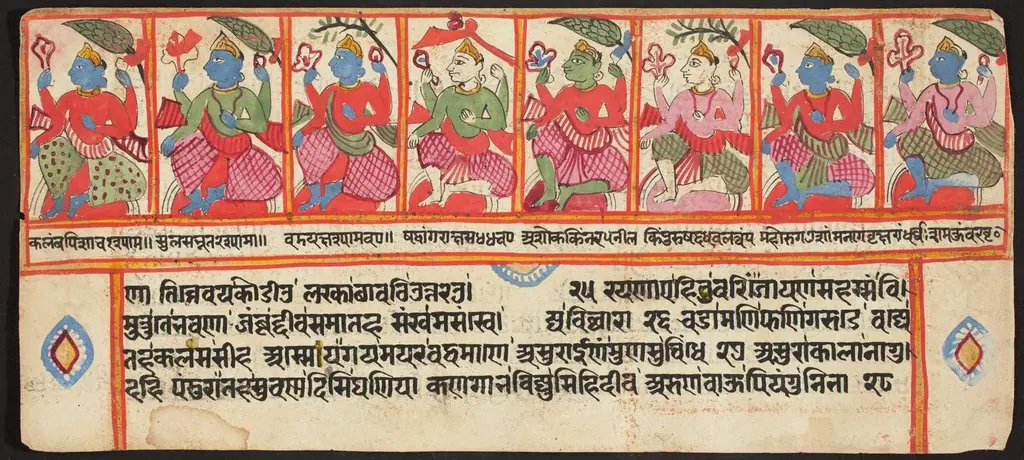 Tantric Manuscript "Sangrahani Sutra"
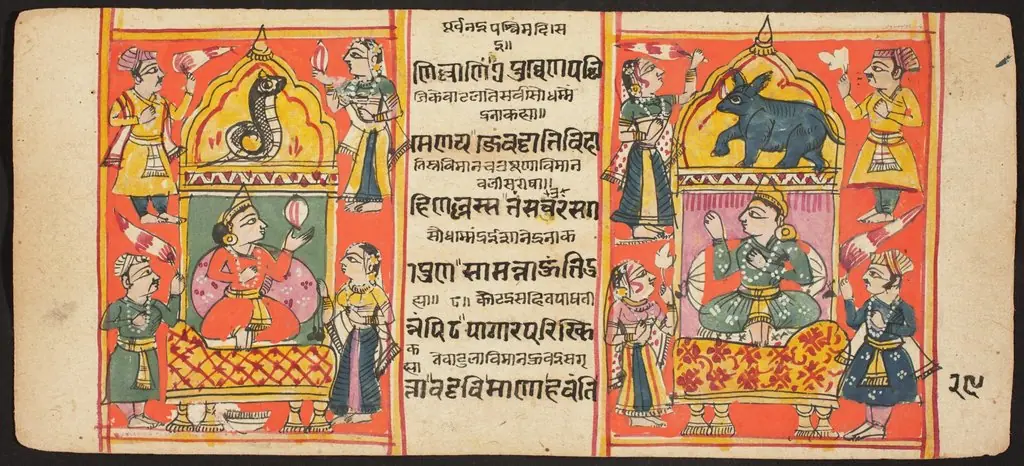 Tantric Manuscript "Sangrahani Sutra"
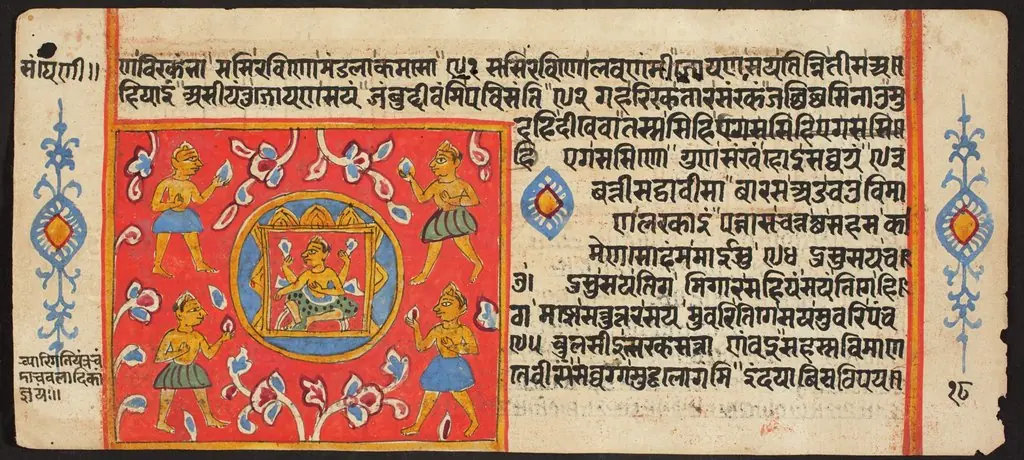 Tantric Manuscript "Sangrahani Sutra"
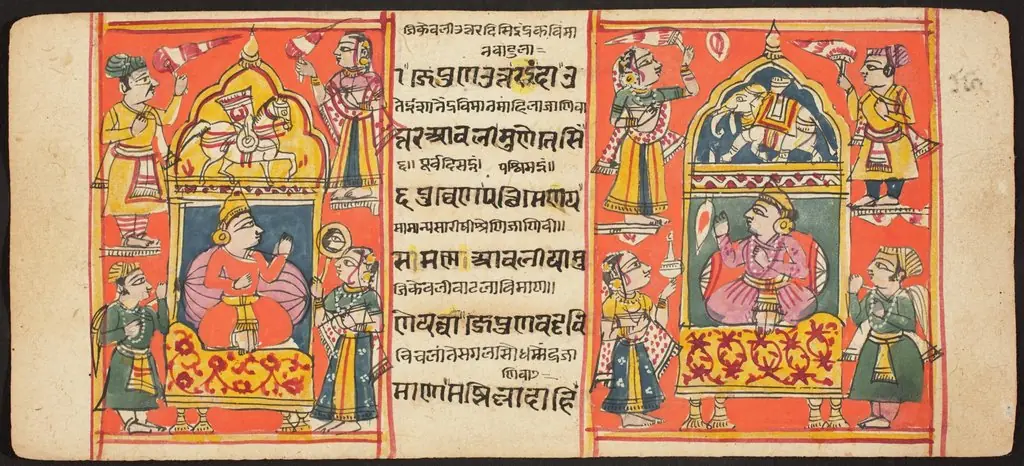 Tantric Manuscript "Sangrahani Sutra"
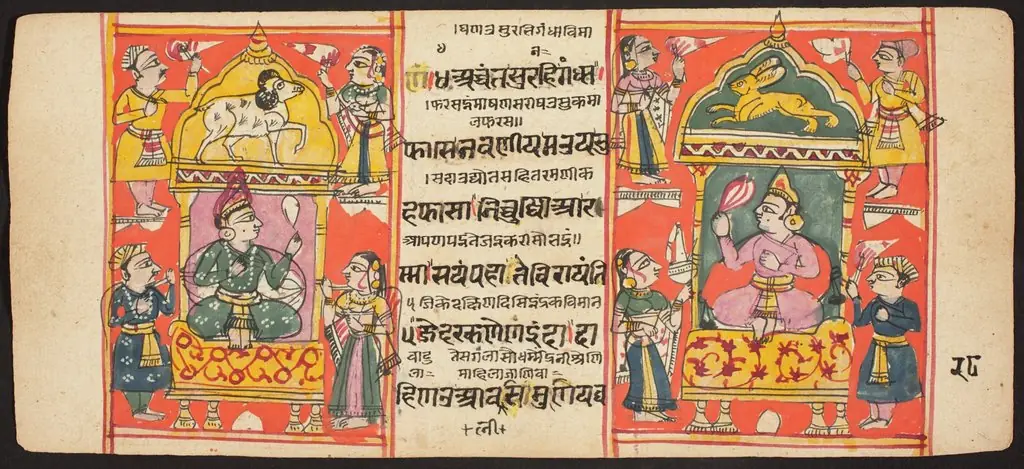 Tantric Manuscript "Sangrahani Sutra"
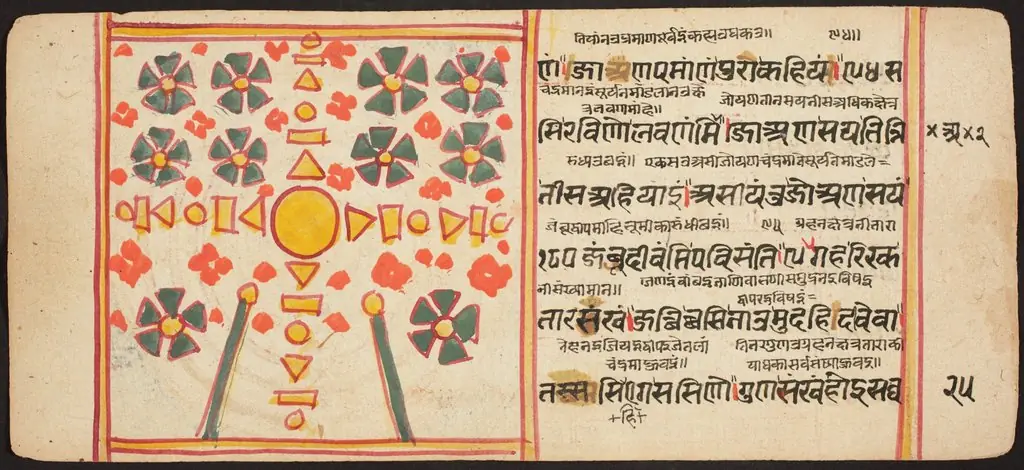 Tantric Manuscript "Sangrahani Sutra"
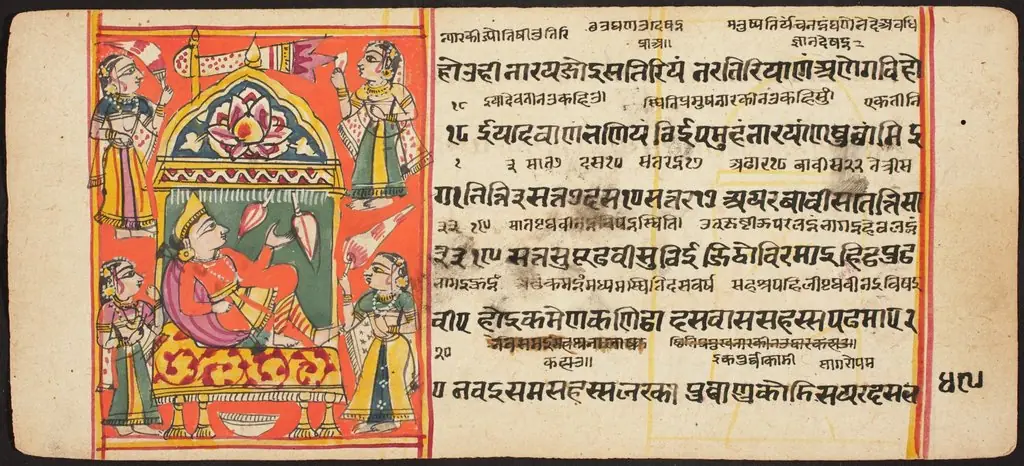 Tantric Manuscript "Sangrahani Sutra"
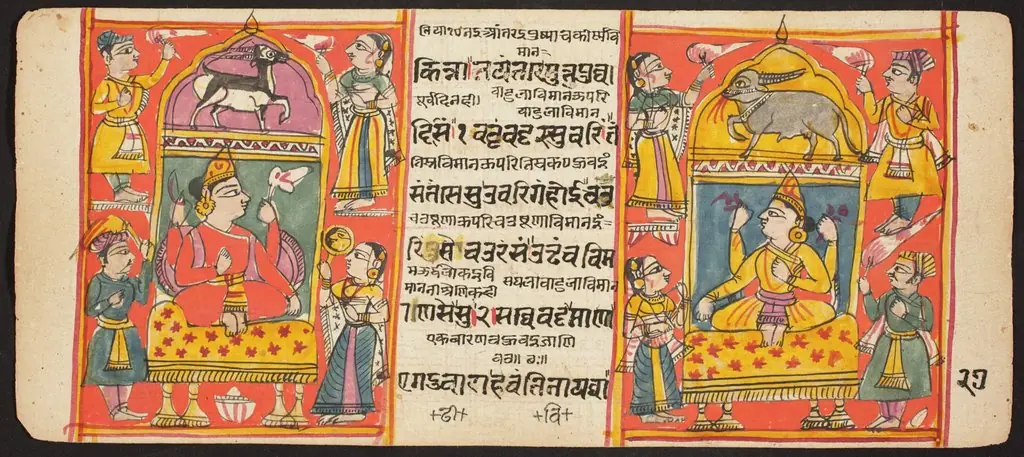 Tantric Manuscript "Sangrahani Sutra"
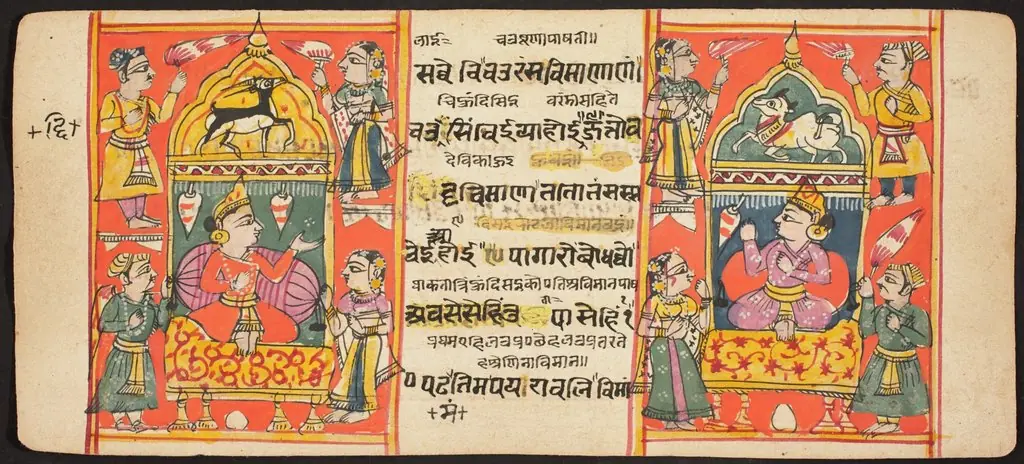 Tantric Manuscript "Sangrahani Sutra"
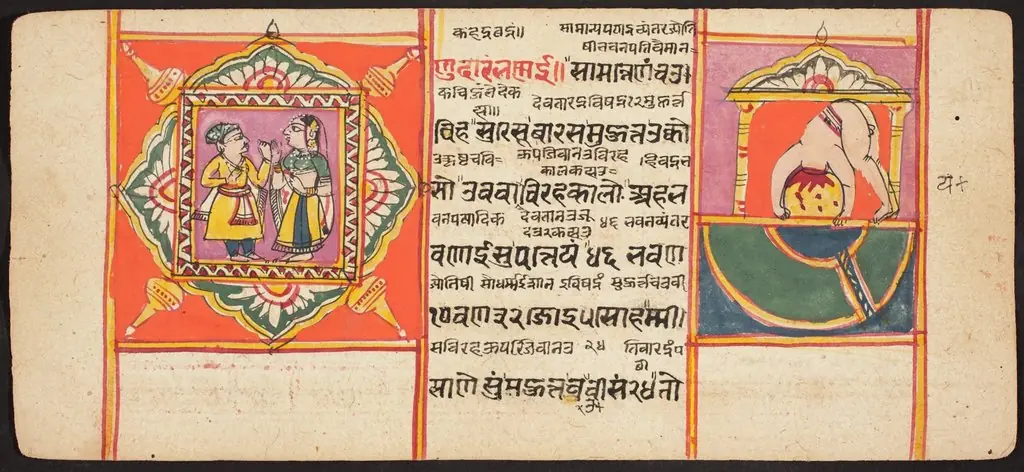 Tantric Manuscript "Sangrahani Sutra"
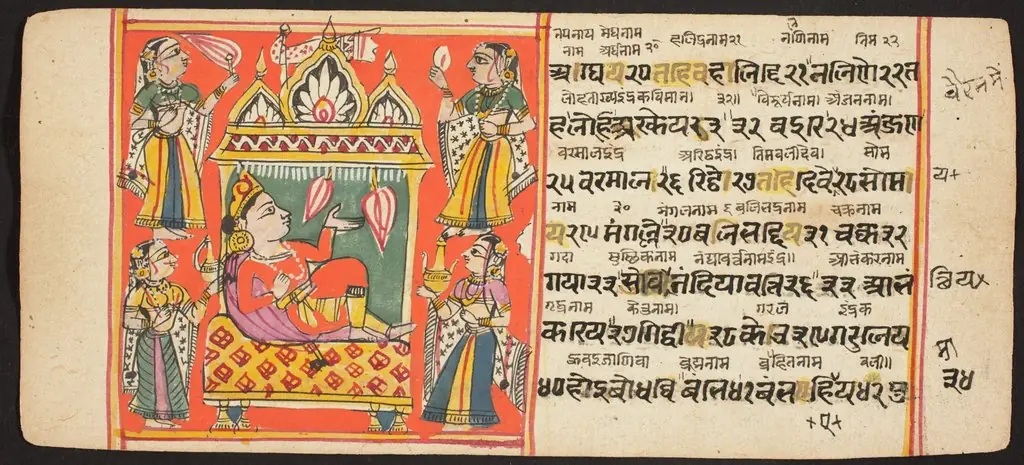 Tantric Manuscript "Sangrahani Sutra"
 Tantric Manuscript "Sangrahani Sutra"