Artwork
Tantric Manuscript "Sangrahani Sutra"
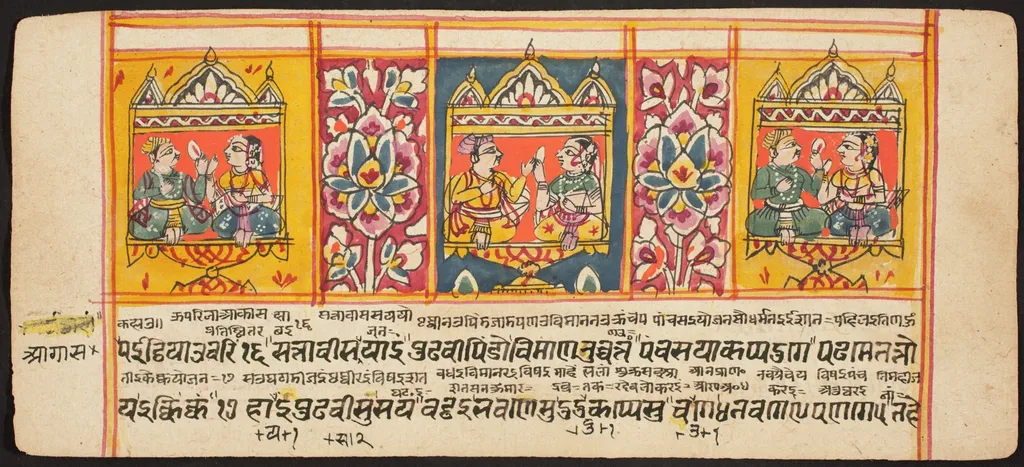
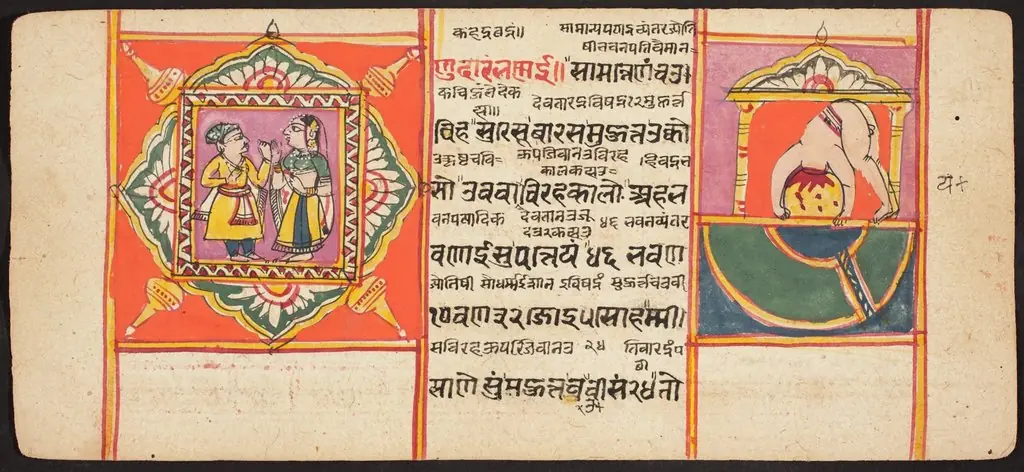
Tantric Manuscript "Sangrahani Sutra" is an unspecified painting by Unknown. It is held in the collection of the Detroit Institute of Arts. This painted folio originates from a Tantric Buddhist manuscript known as the Sangrahani Sutra.
About this work
Overview
The composition suggests a structured visual narrative, likely intended for ritual or meditative use within a devotional context.
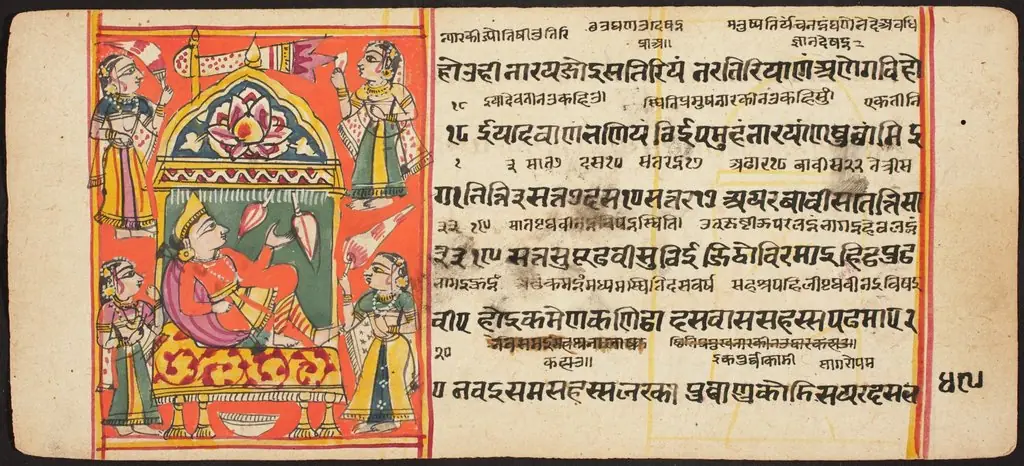
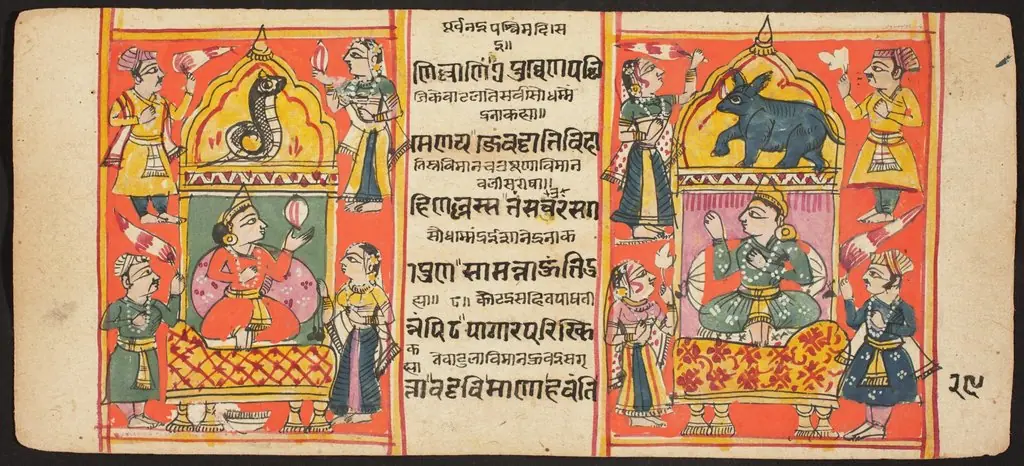
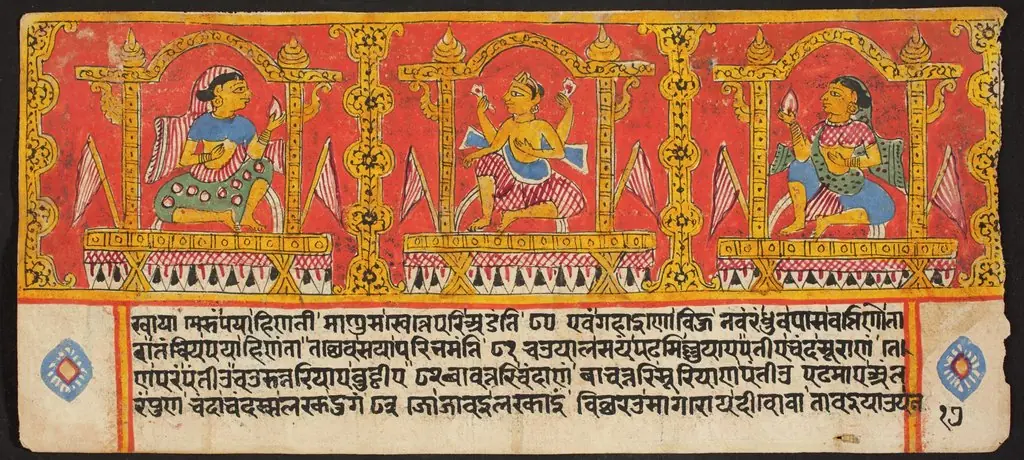
This painted folio originates from a Tantric Buddhist manuscript known as the Sangrahani Sutra. It features a sequence of rectangular compartments, each containing a figure in distinct attire and hairstyle, seated or standing within ornate, color-coded enclosures of yellow, red, and blue. The boxes are adorned with intricate patterns, and floral motifs surround them. The composition suggests a structured visual narrative, likely intended for ritual or meditative use within a devotional context.
Subject & Meaning
Each figure within the compartments represents a practitioner or deity engaged in contemplation, though the object of their gaze remains unseen. The arrangement implies a progression of spiritual states or teachings, possibly mapping stages of initiation or visualization practices central to Tantric Buddhism. The absence of a visible focal point invites inward reflection, aligning with meditative traditions that emphasize internal realization over external depiction.
Technique & Style
The painting employs mineral pigments on paper, with precise brushwork defining the elaborate borders and figures. Colors are applied in flat, saturated planes, typical of Himalayan manuscript illumination. Decorative elements—geometric patterns, floral sprays, and fine linework—demonstrate a high level of craftsmanship. The stylized figures, with elongated proportions and minimal facial detail, reflect conventions of regional Buddhist art from the 14th to 16th centuries.
History & Provenance
This folio was once part of a larger manuscript produced in the Himalayan region, likely in Tibet or a neighboring area with strong Buddhist traditions. It entered the Detroit Institute of Arts collection through documented acquisitions, though its specific pre-20th-century history remains undocumented. Its preservation suggests it was carefully stored, possibly in a monastic library or private devotional setting before its modern relocation.
Context
Created during a period of flourishing Tantric Buddhist practice in the Himalayas, such manuscripts served as visual aids for ritual and meditation. The compartmentalized format mirrors textual structures in liturgical works, allowing practitioners to sequentially engage with symbolic figures and teachings. These objects were not merely decorative but functional, integral to the transmission of esoteric knowledge within monastic communities.
Legacy
As a surviving example of Himalayan manuscript painting, this folio contributes to the understanding of how Buddhist teachings were visually encoded. Its preservation in a Western museum highlights the global interest in non-Western religious art, while also raising questions about the displacement of sacred objects. It continues to inform scholarly study of iconography, ritual practice, and the material culture of Tibetan Buddhism.
Artist & collection

 Domestic Scene
 Giacomo and Cardinal Marco, investing Andrea, Abbot of San Zeno, with his Benefice
 The Nymph of Fontainebleau
 Portrait of a Woman
 Madonna and Child with Saints in the Enclosed Garden
 Venus and Minerva
 Family Group of Four on Sofa
 Wall painting from Room H of the Villa of P. Fannius Synistor at Boscoreale
 Tantric Manuscript "Sangrahani Sutra"
 Tantric Manuscript "Sangrahani Sutra"
 Tantric Manuscript "Sangrahani Sutra"
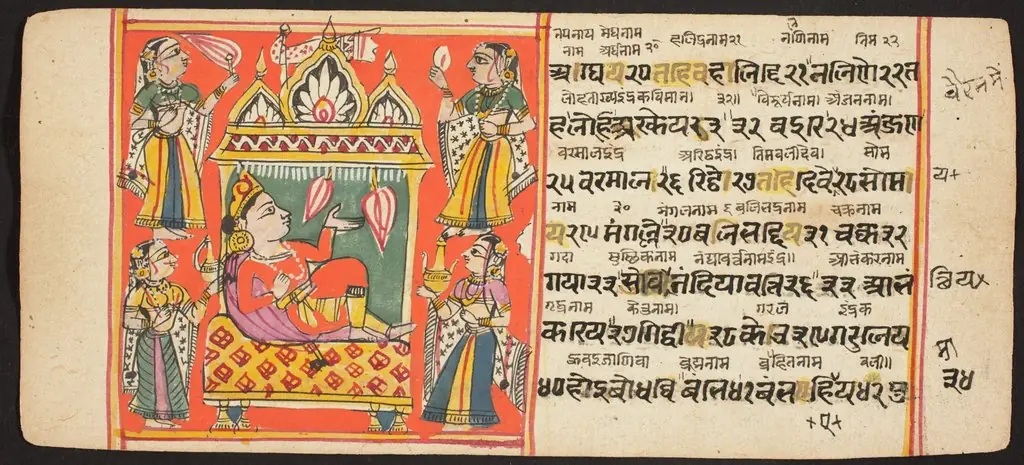 Tantric Manuscript "Sangrahani Sutra"
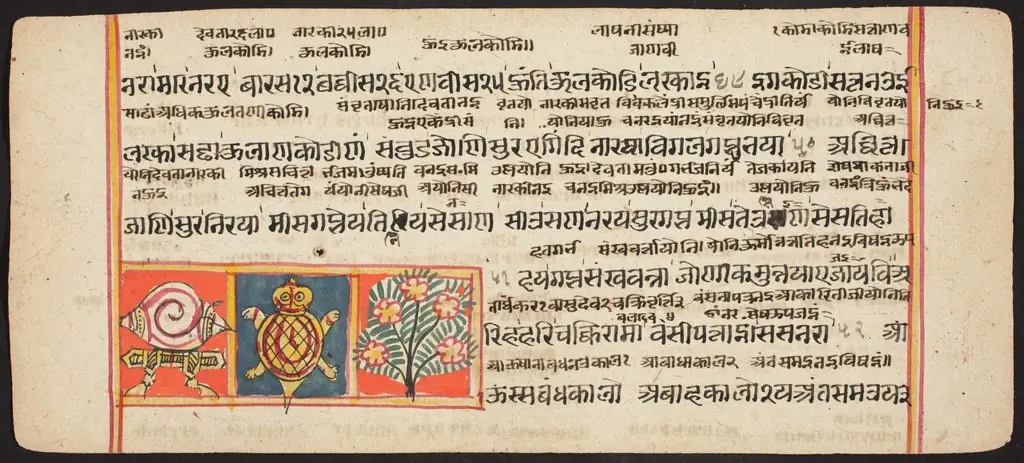 Tantric Manuscript "Sangrahani Sutra"
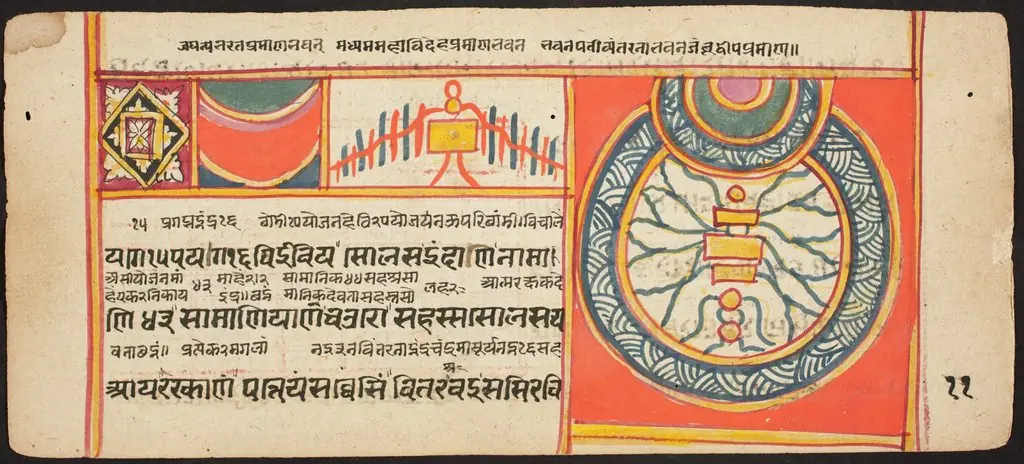 Tantric Manuscript "Sangrahani Sutra"
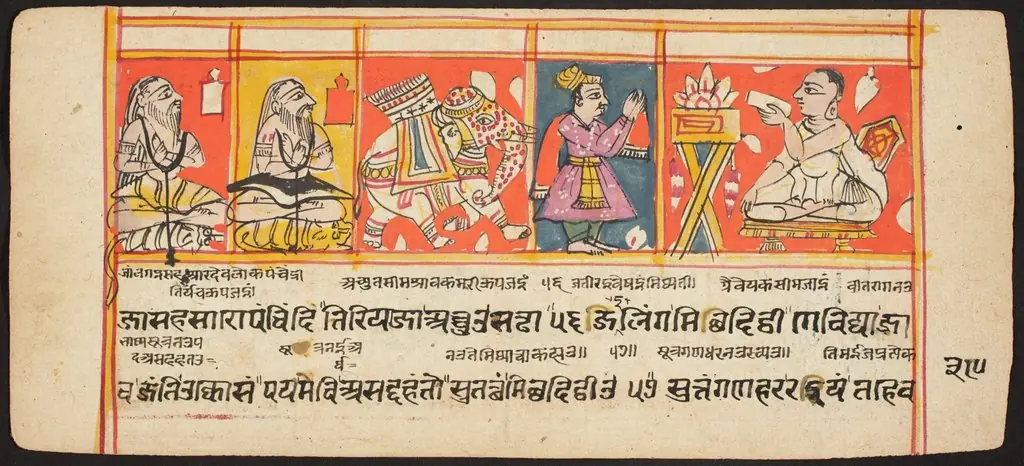 Tantric Manuscript "Sangrahani Sutra"
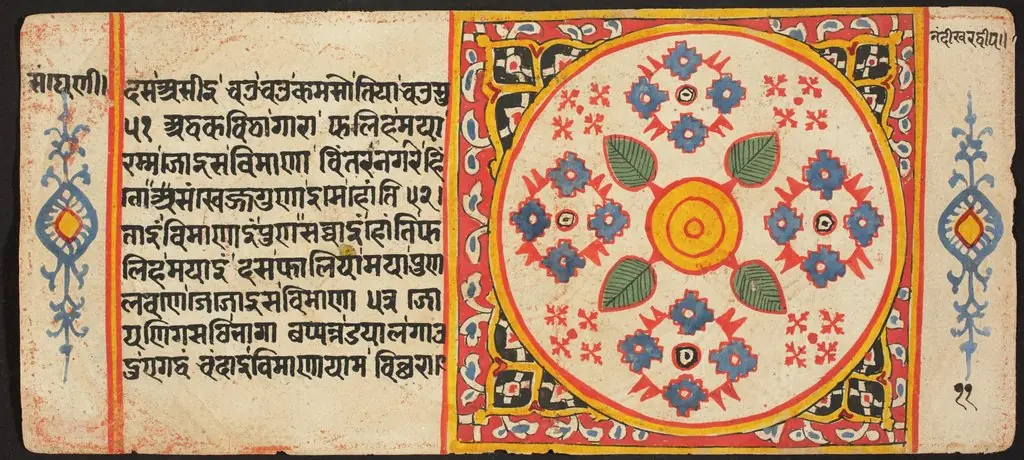 Tantric Manuscript "Sangrahani Sutra"
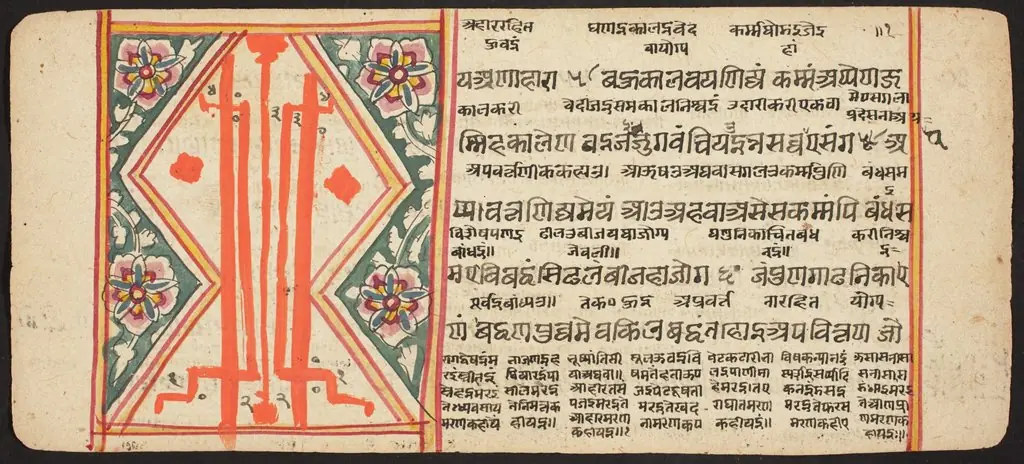 Tantric Manuscript "Sangrahani Sutra"
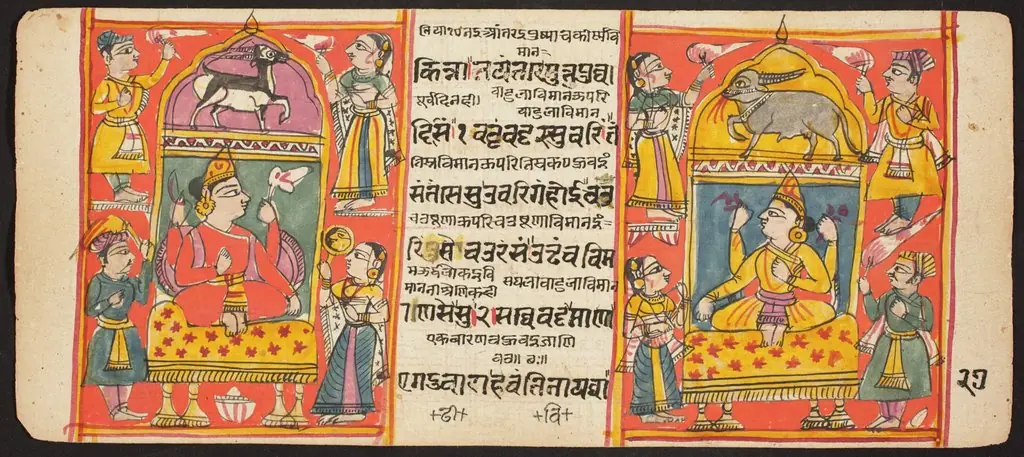 Tantric Manuscript "Sangrahani Sutra"
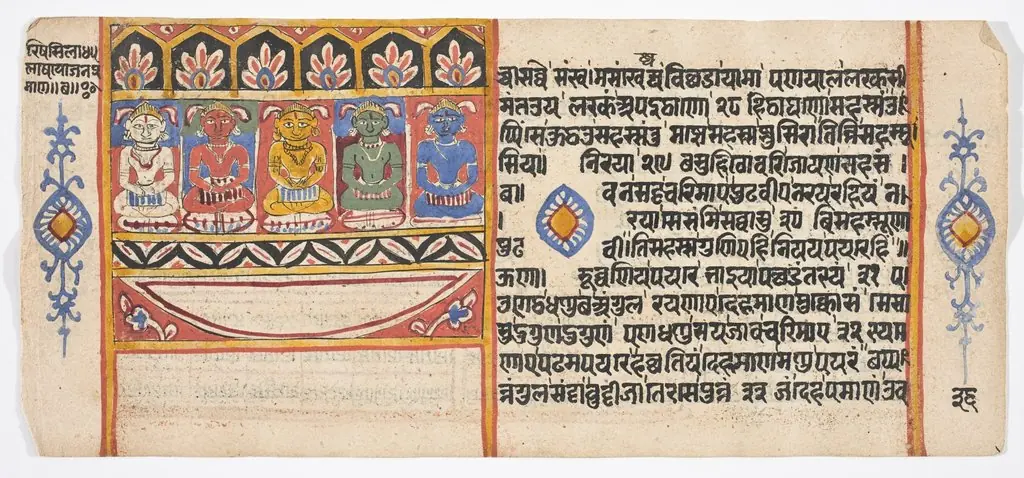 Tantric Manuscript "Sangrahani Sutra"
 Tantric Manuscript "Sangrahani Sutra"