Artwork
Portrait of an Avignon patriot
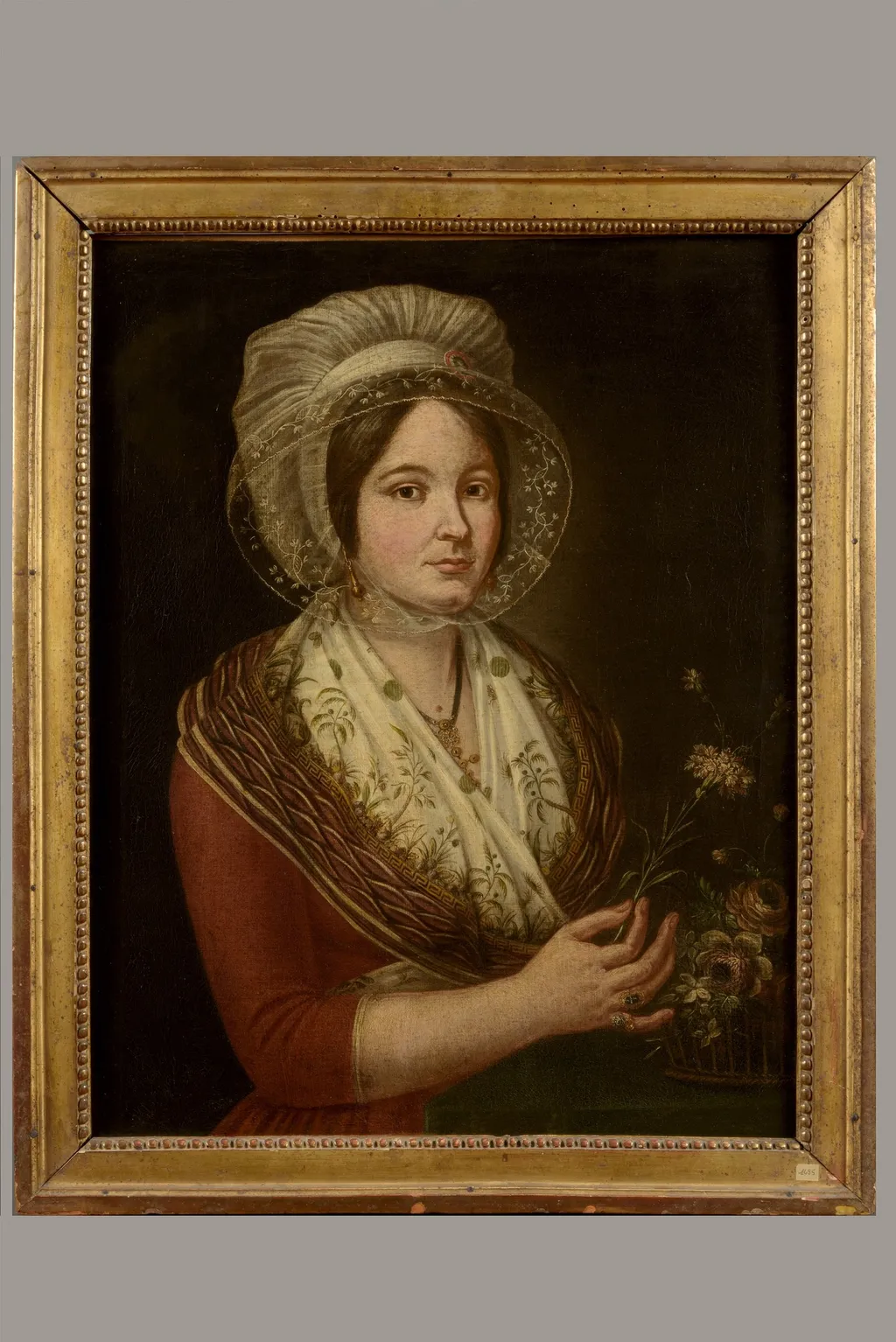
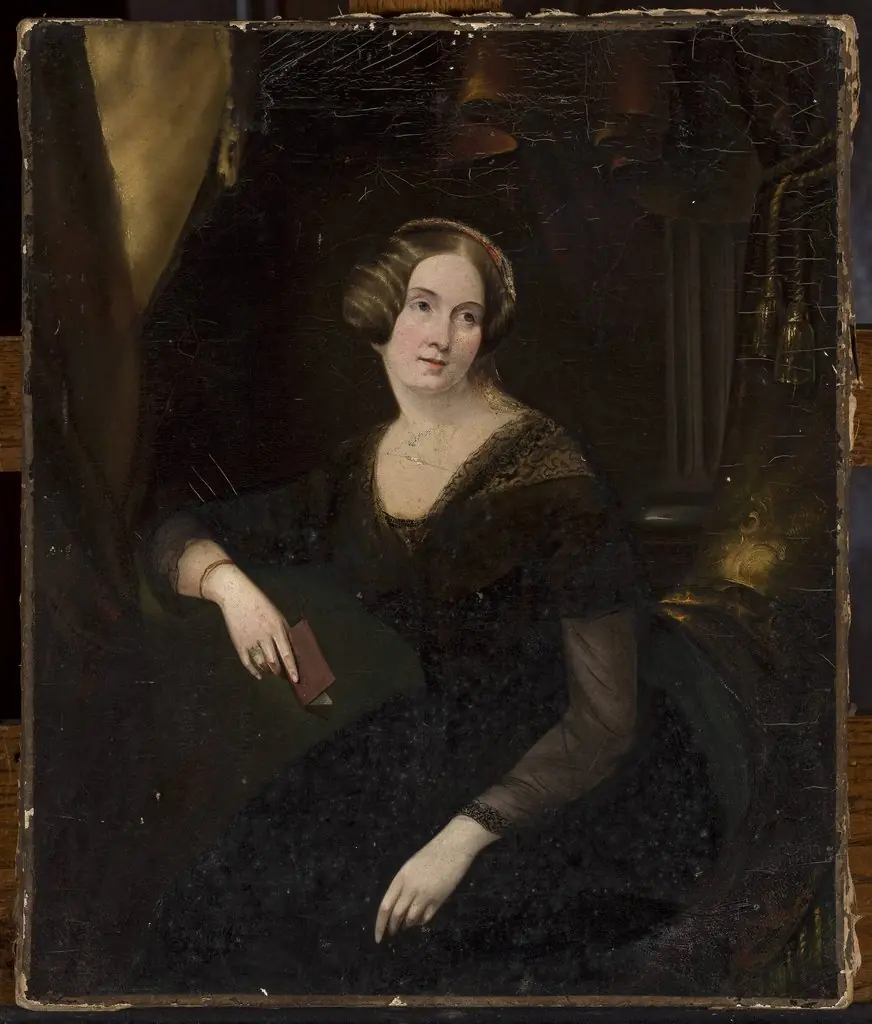
Portrait of an Avignon patriot is an oil painting by Unknown. It dates from 1800 and is held in the collection of the Palais des Papes. The work is an oil painting that presents a solitary female figure.
About this work
The use of oil paint and the dark background also indicate that the artist may have been influenced by the Romantic movement.
The painting depicts a woman wearing a white head covering with a red dress and a white shawl. She is holding a bouquet of flowers in her right hand. The background of the painting is dark, which makes the woman stand out. The woman's attire and the style of the painting suggest that it may be from the early 19th century. The use of oil paint and the dark background also indicate that the artist may have been influenced by the Romantic movement.
Overview
The work is an oil painting that presents a solitary female figure. She is dressed in a white head covering, a red gown, and a white shawl, and she holds a bouquet of flowers in her right hand. A deep, dark background frames the composition, allowing the brightly colored attire to dominate the visual field.
Subject & Meaning
The portrait likely represents a woman of local significance, perhaps connected to Avignon’s civic identity, as suggested by the title’s reference to a patriot. The inclusion of a floral bouquet may symbolize virtue, femininity, or a personal attribute associated with the sitter.
Technique & Style
Executed in oil on canvas, the painting employs a chiaroscuro effect, with strong contrasts between the illuminated figure and the surrounding gloom. The handling of color—particularly the vivid red dress against the muted backdrop—reflects the Romantic sensibility that favored emotional intensity and dramatic lighting.
Context
Stylistic cues such as the clothing, the head covering, and the overall aesthetic place the work in the early nineteenth century, a period when Romanticism influenced French portraiture. The emphasis on individual character and the moody atmosphere align with contemporary artistic trends in post‑Napoleonic France.
Artist & collection

 Domestic Scene
 Giacomo and Cardinal Marco, investing Andrea, Abbot of San Zeno, with his Benefice
 The Nymph of Fontainebleau
 Portrait of a Woman
 Madonna and Child with Saints in the Enclosed Garden
 Venus and Minerva
 Family Group of Four on Sofa
 Wall painting from Room H of the Villa of P. Fannius Synistor at Boscoreale
 Portrait of Maria Żebrowska née Cieślik
 Margaret Seton (1805-1870), född i Skottland, verksam i Sverige, g.m. friherre överste Carl Gustaf Adlercreutz, sondotter till Alexander Baron Seton
 A Woman
 Portrait of a lady in a cap
 Portrait of Józefa Machan née Layer
 Portret van Isabella van Lutsenborgh, echtgenote van Jacobus Dumery
 Portrait of Maria Sędziak née Żyżniewska
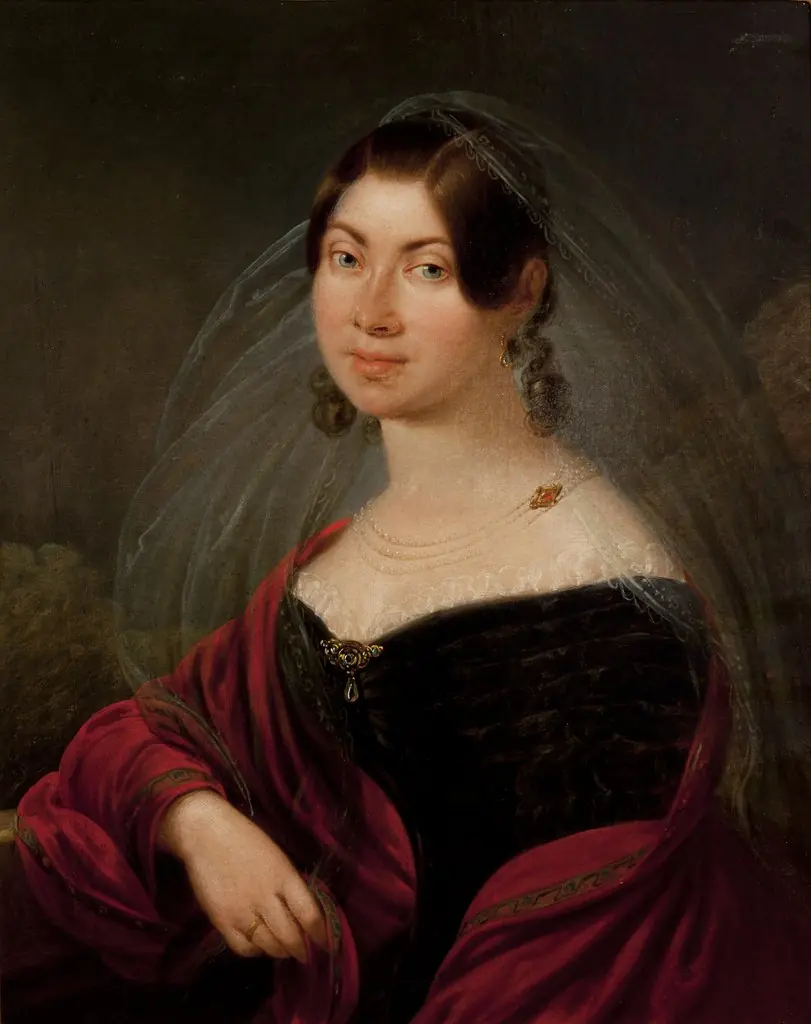 Portrait of Teresa Żebrawska née Hanowicz
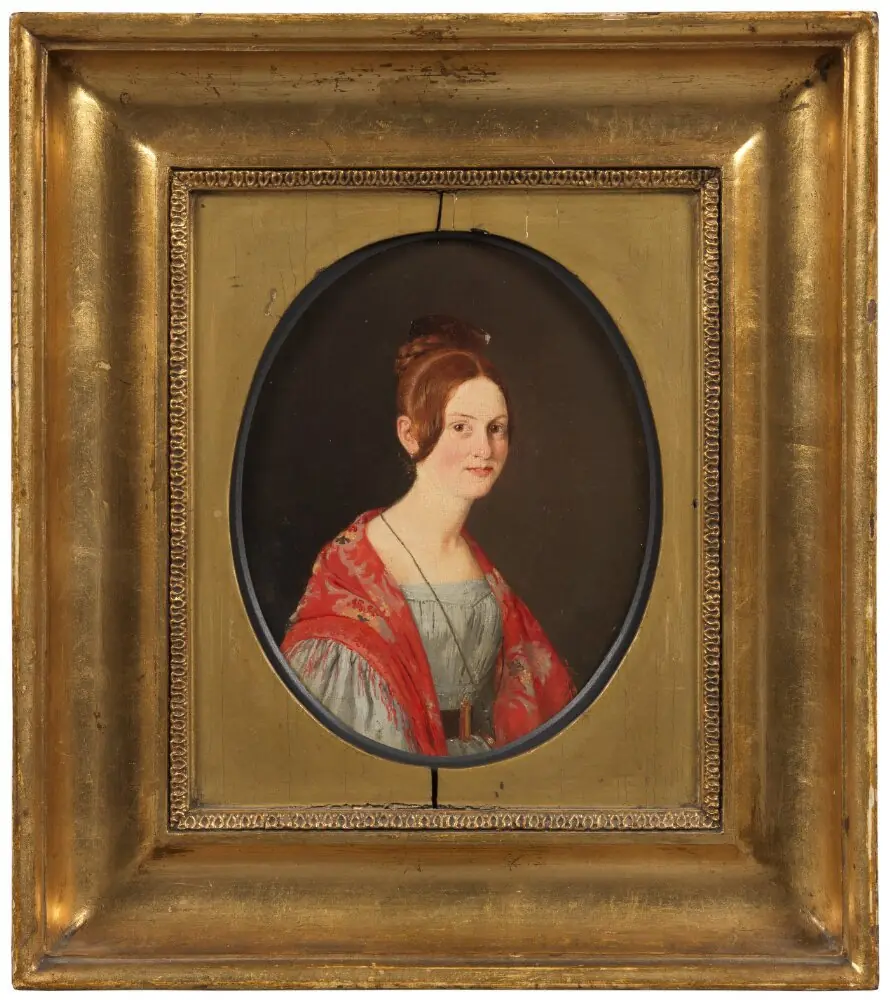 Portrait of Ane Elisabeth (Elise) Gurlitt, né Saxild (1817-39)
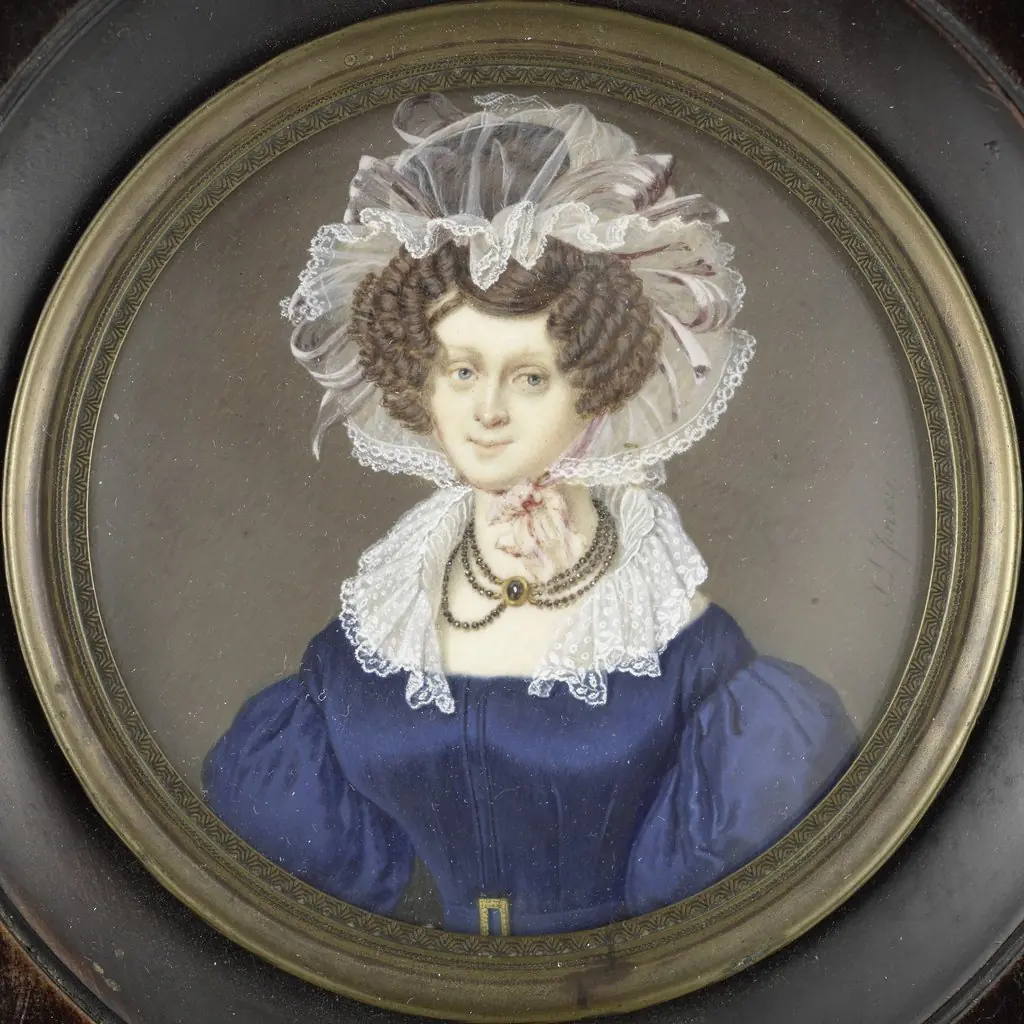 Portret van een vrouw
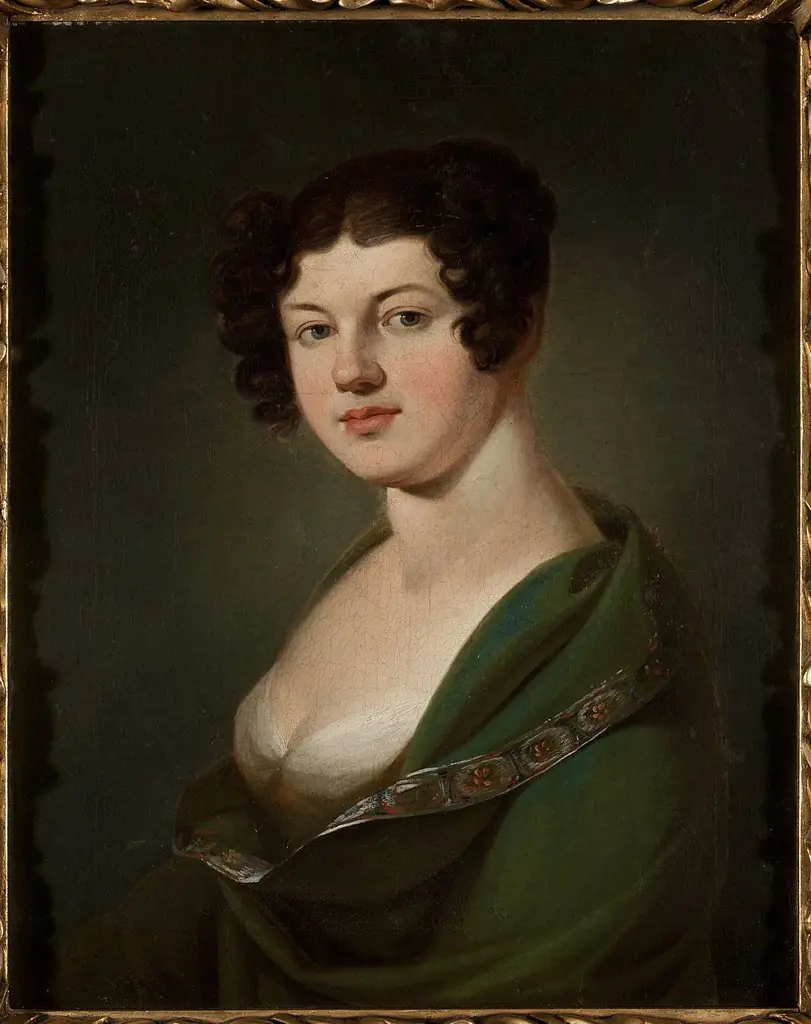 Portrait of Aniela Nowicka née Popławska
 Portrait of a woman