Artwork
Garuda-Feathered Hayagriva
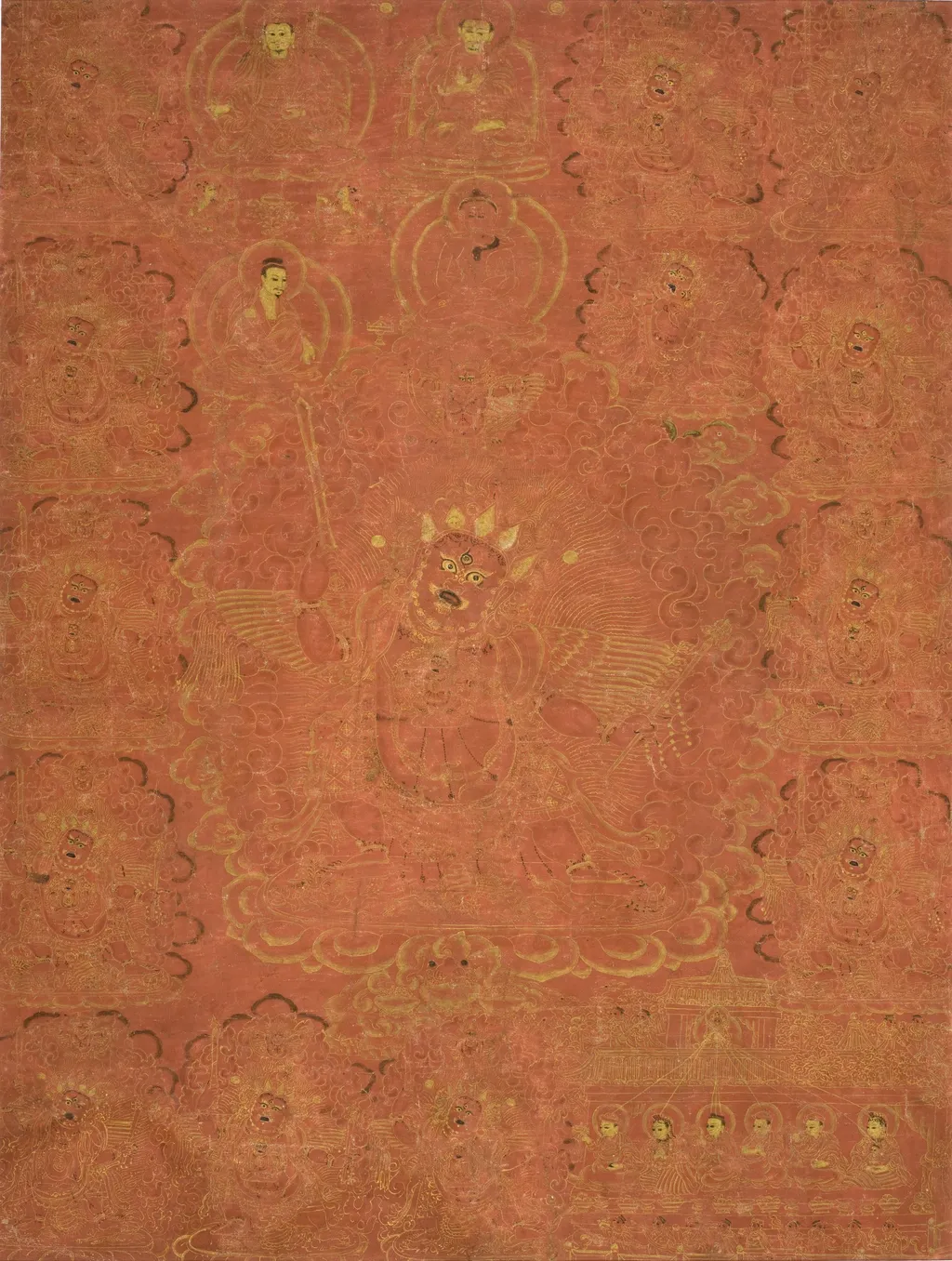
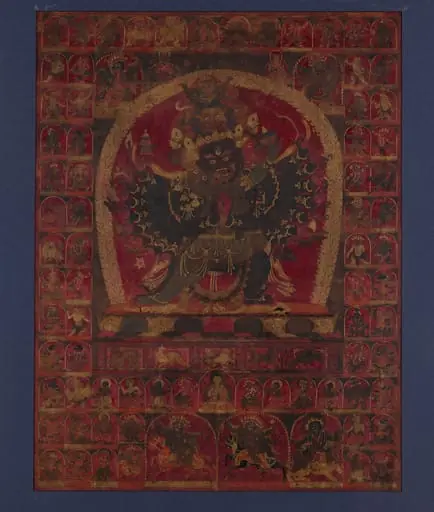
Garuda-Feathered Hayagriva is an unspecified painting by Unknown. It dates from 1800 and is held in the collection of the Los Angeles County Museum of Art. This painting depicts Hayagriva, a wrathful Buddhist deity, in a form associated with Garuda, the mythical bird.
About this work
Overview
This painting depicts Hayagriva, a wrathful Buddhist deity, in a form associated with Garuda, the mythical bird. The composition blends iconographic elements of Tibetan Buddhist tantric traditions, emphasizing transformation and protection. The figure is rendered in a detailed, symbolic style typical of Himalayan religious art, with vibrant pigments and intricate line work.
Subject & Meaning
Hayagriva, known as a destroyer of obstacles, is shown with a horse’s head emerging from his own, symbolizing the triumph of wisdom over ignorance. Garuda’s feathers adorn his form, linking him to the bird’s power and speed. This fusion represents the subjugation of negative forces through enlightened energy, a core theme in Vajrayana practice.
Technique & Style
The painting employs mineral pigments on cotton, applied with fine brushes to achieve sharp contours and luminous color fields. Gold leaf accents highlight divine attributes, while the background features stylized clouds and geometric patterns. The figure’s posture is dynamic yet rigidly symmetrical, adhering to traditional iconometric guidelines.
History & Provenance
The work likely originated in Tibet or a neighboring Himalayan region during the 17th to 18th century, a period of flourishing tantric art. It was probably created for monastic use or private devotion, possibly commissioned by a high-ranking lama. Its survival suggests careful preservation within a religious context.
Context
This image reflects the synthesis of Indian Buddhist tantra with local Himalayan aesthetics. Depictions of Hayagriva with avian features were rare but documented in esoteric lineages, often linked to specific meditation practices. Such paintings served as visual aids for ritual visualization, reinforcing doctrinal teachings through symbolic form.
Legacy
The painting contributes to the understanding of regional variations in Buddhist iconography. While not widely reproduced, its unique fusion of Garuda and Hayagriva offers insight into localized interpretations of protective deities. It remains a reference for scholars studying the evolution of tantric imagery in the Himalayas.
Artist & collection

 Domestic Scene
 Giacomo and Cardinal Marco, investing Andrea, Abbot of San Zeno, with his Benefice
 The Nymph of Fontainebleau
 Portrait of a Woman
 Madonna and Child with Saints in the Enclosed Garden
 Venus and Minerva
 Family Group of Four on Sofa
 Wall painting from Room H of the Villa of P. Fannius Synistor at Boscoreale
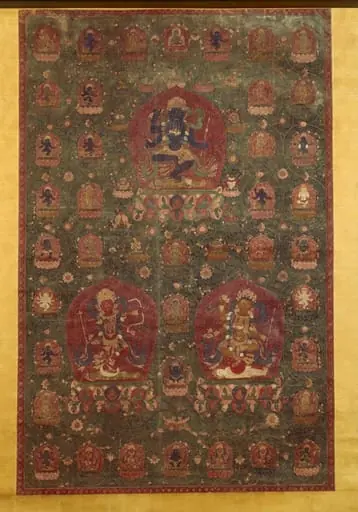 Mandala
![The Guardian Generals of the Directions (Lokapalas) Dhritarashtra (East) [top] and Virudhaka (South) [bottom], by Unknown](https://artifactworldgallery.com/img/unknown--the-guardian-generals-of-the-directions-lokapalas-dhritarash--26a8da85b3fb4c5a-w320.webp) The Guardian Generals of the Directions (Lokapalas) Dhritarashtra (East) [top] and Virudhaka (South) [bottom]
The Guardian Generals of the Directions (Lokapalas) Dhritarashtra (East) [top] and Virudhaka (South) [bottom]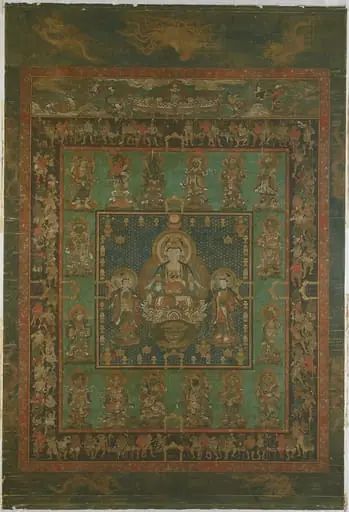 般若菩薩曼荼羅図|Mandala of the Bodhisattva Hannya (Prajnaparamita)
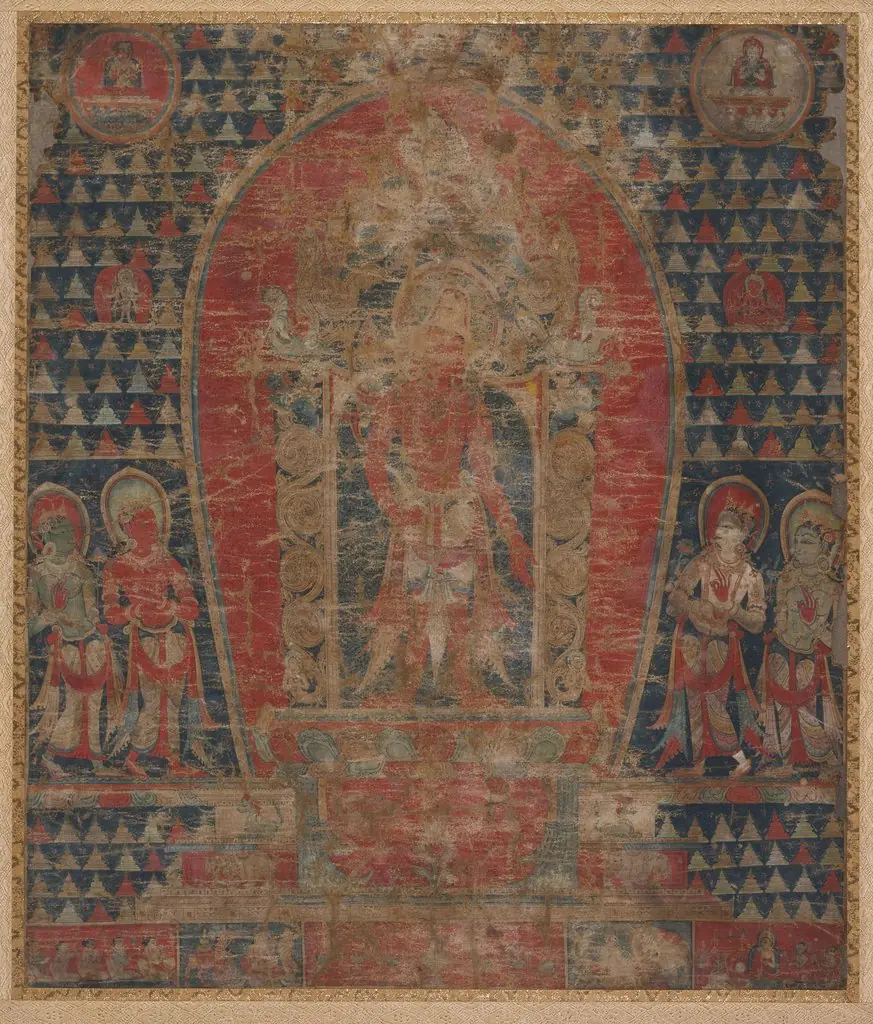 The Bodhisattva Avalokiteshvara and Four Taras
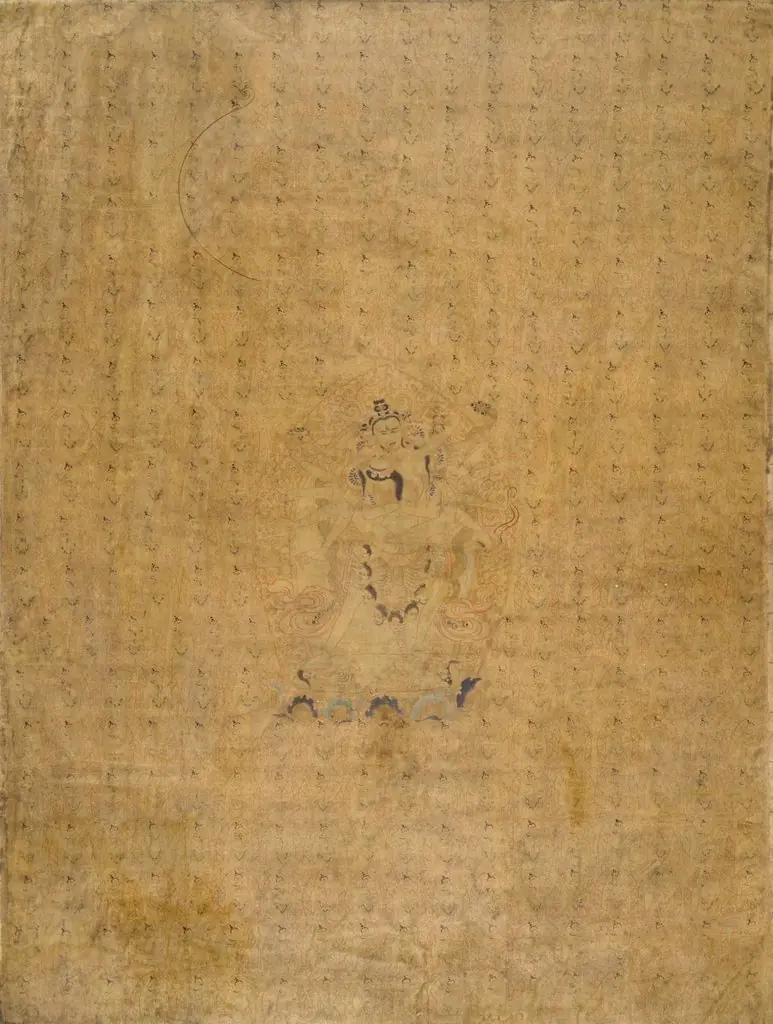 Myriad Chakrasamvara and Vajravarahi
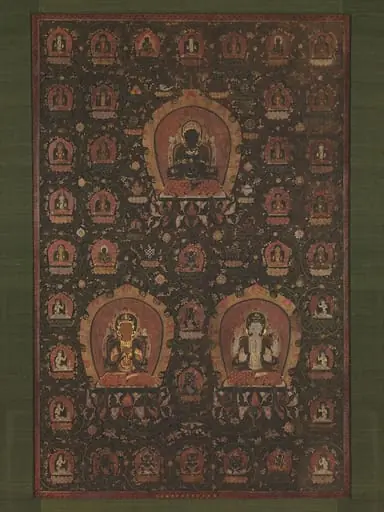 明 佚名 釋教三尊曼陀羅圖 軸|Mandala of Vajradhara, Manjushri and Sadakshari -Lokeshvara
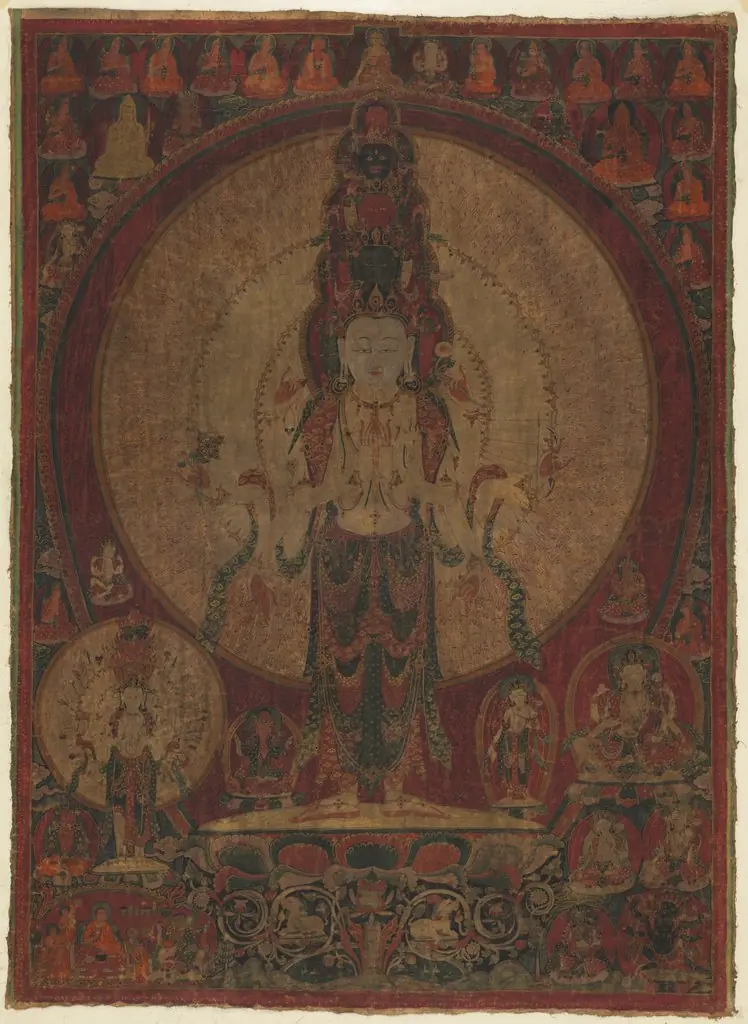 Eleven-Headed, Thousand-Armed Bodhisattva of Compassion (Avalokiteshvara)
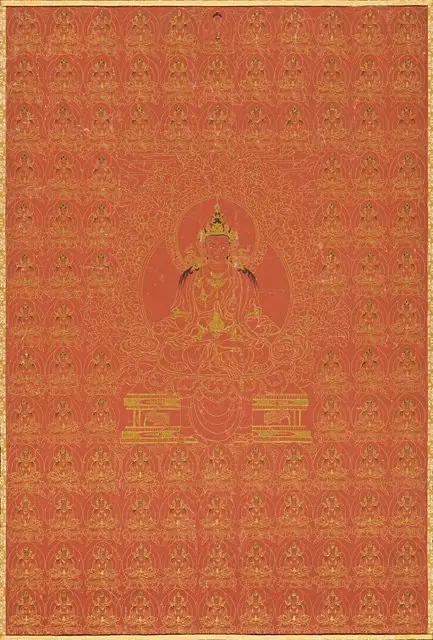 Myriad Amitayus, the Buddha of Eternal Life
 Untitled
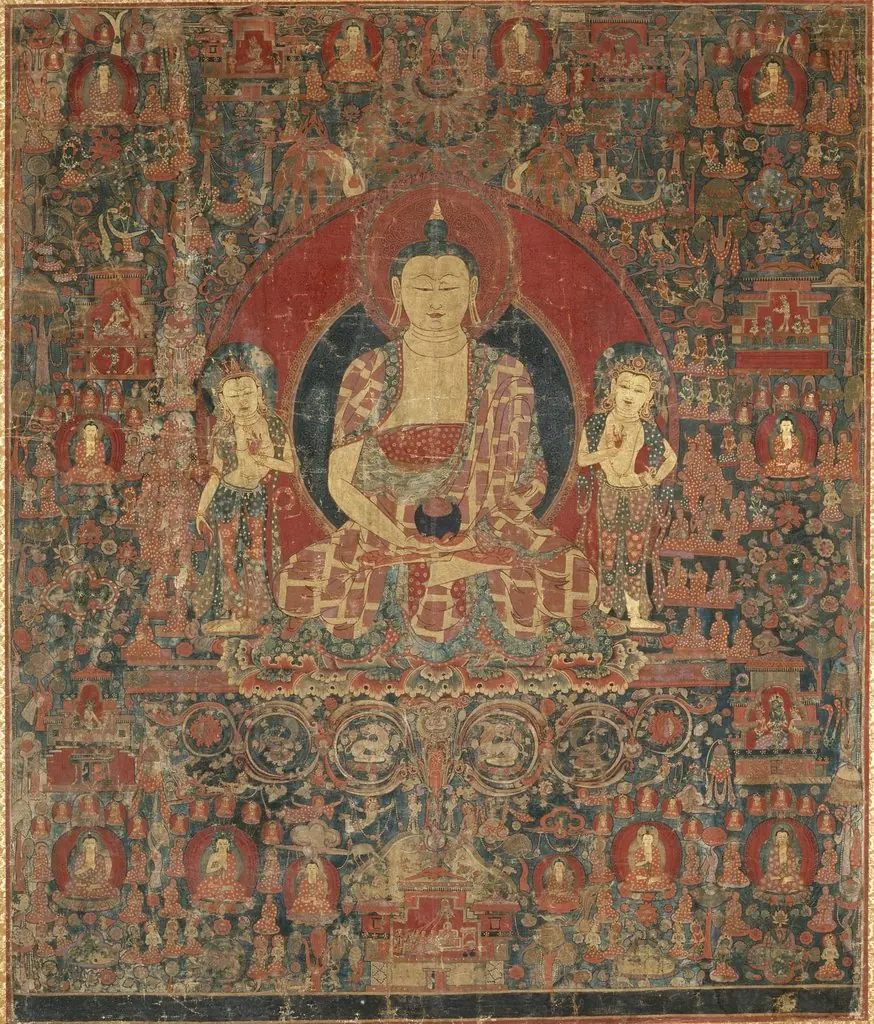 The Jina Buddha of Infinite Light (Amitabha) in His Pure Land Paradise (Sukhavati)
 Untitled
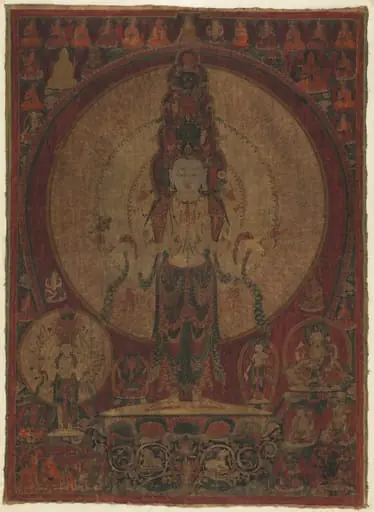 Eleven-Headed, Thousand-Armed Bodhisattva of Compassion (Avalokiteshvara)