Artwork
Tantric Manuscript, "Sangrahani Sutra"
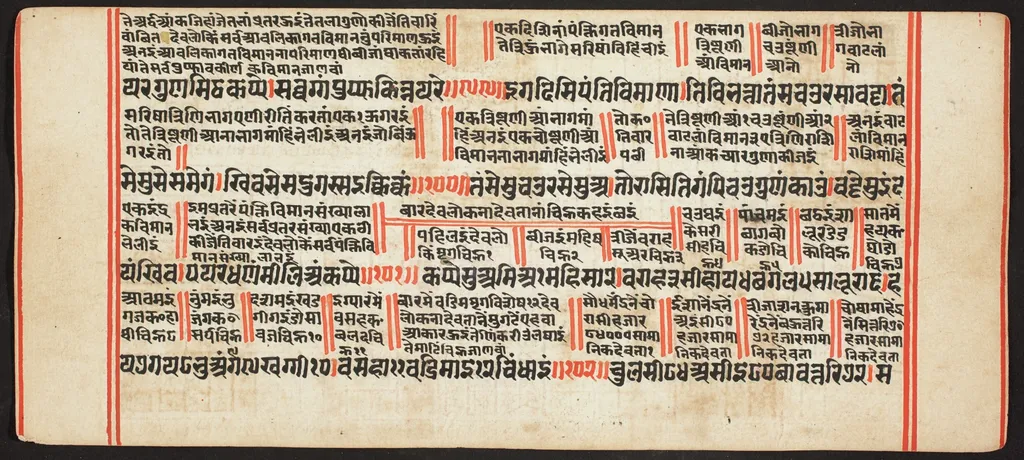
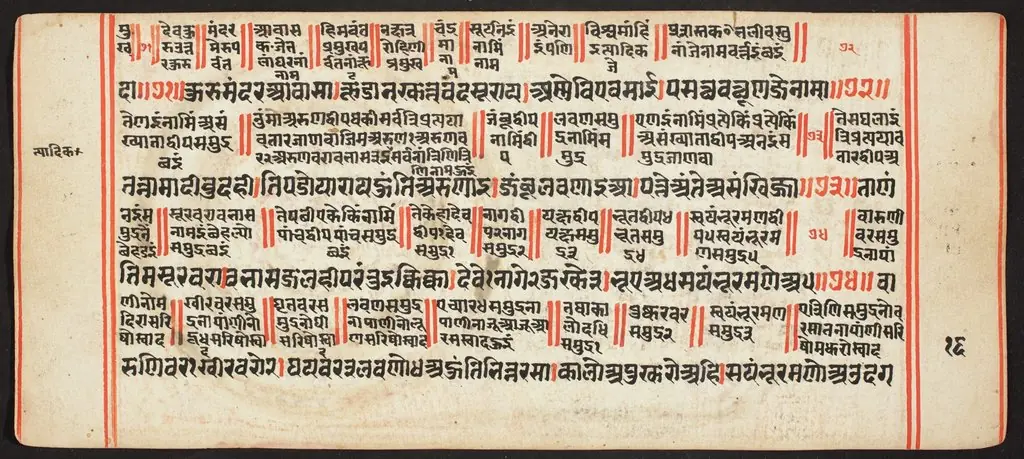
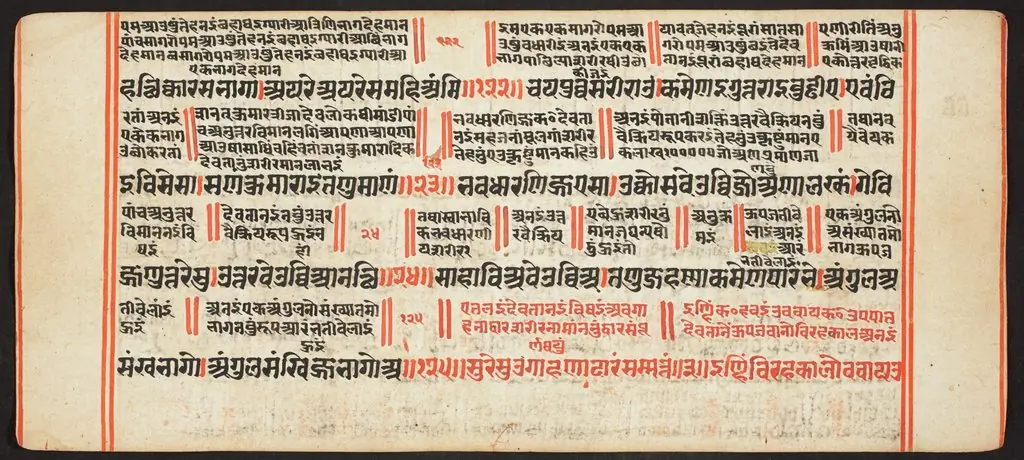
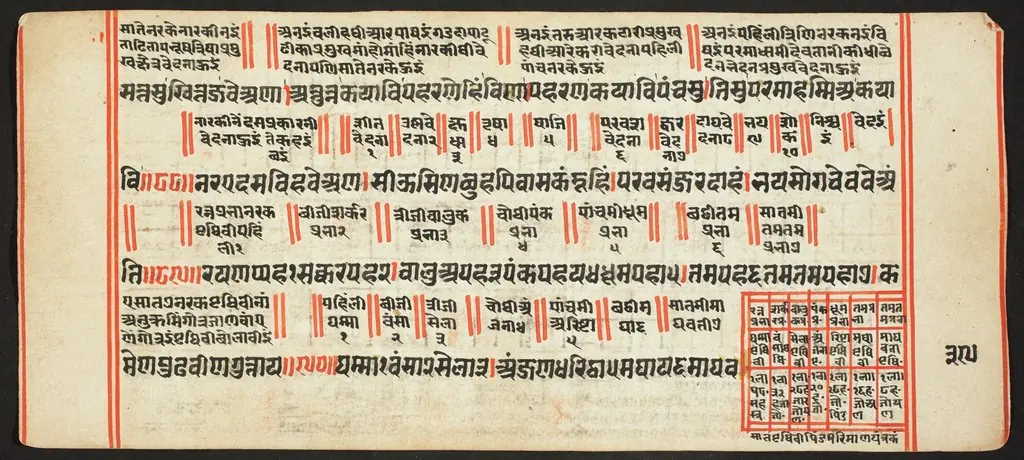
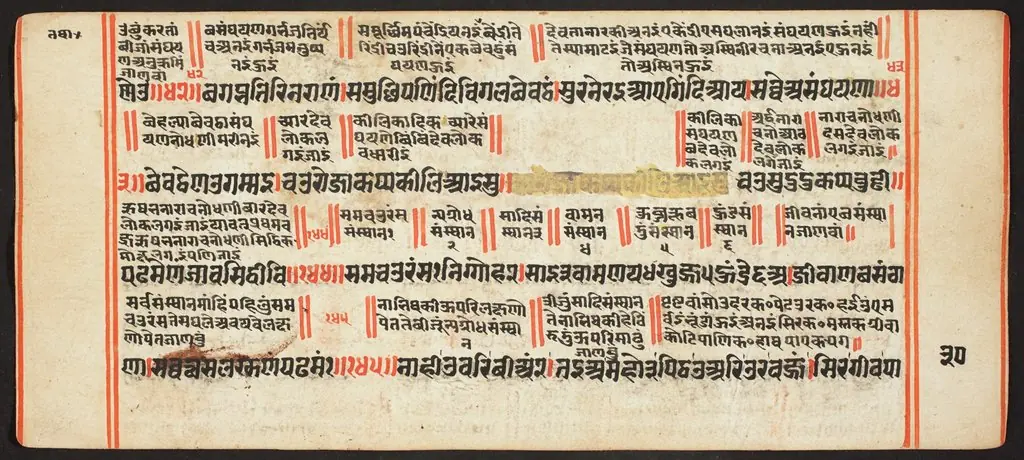
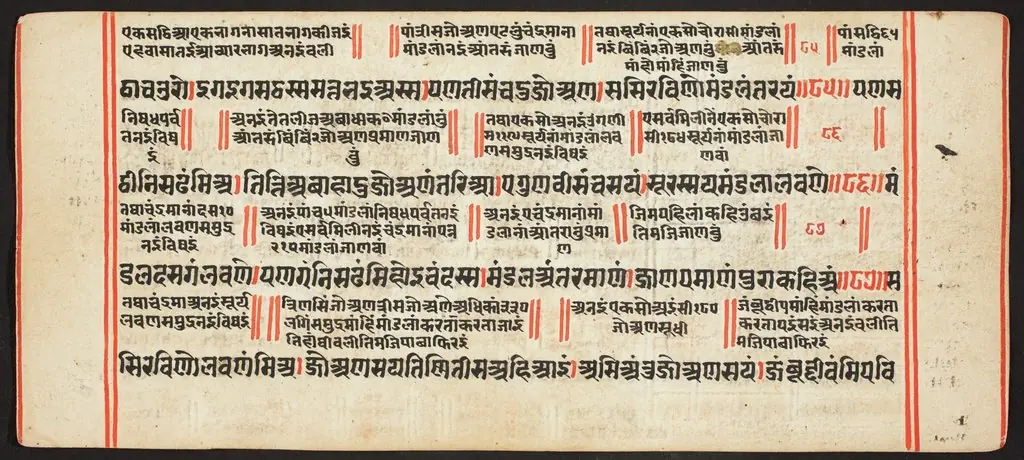
Tantric Manuscript, "Sangrahani Sutra" is an unspecified painting by Unknown. It is held in the collection of the Detroit Institute of Arts. This manuscript page contains the Sangrahani Sutra, a tantric Buddhist text rendered in a minimalist visual language.
About this work
Overview
The composition centers on black ink script arranged in a strict grid over a pale beige surface, with selective red markings emphasizing key passages.
This manuscript page contains the Sangrahani Sutra, a tantric Buddhist text rendered in a minimalist visual language. The composition centers on black ink script arranged in a strict grid over a pale beige surface, with selective red markings emphasizing key passages. The design prioritizes ritual function over decorative flourish, reflecting its use in meditative or liturgical contexts. The script remains undeciphered, preserving its esoteric character.
Subject & Meaning
The Sangrahani Sutra is a doctrinal text associated with Vajrayana Buddhist practice, likely used for recitation or contemplation. The red highlights serve as mnemonic or sacred markers, guiding the reader’s focus to spiritually potent phrases. The grid structure may symbolize cosmic order or the structured path of enlightenment, reinforcing the text’s role as a guide through tantric discipline rather than a mere literary work.
Technique & Style
Executed with precision, the script is written in an unidentified tantric script using iron-gall ink on prepared paper or palm leaf. Red pigment, possibly vermilion or cinnabar, is applied sparingly to denote emphasis, a technique common in ritual manuscripts to distinguish sacred syllables. The absence of illustration and the uniform spacing reflect a restrained aesthetic aligned with ascetic traditions, where clarity and reverence outweigh ornamental expression.
History & Provenance
The manuscript is held in the collection of the Detroit Institute of Arts, acquired as part of a broader collection of South and Southeast Asian religious artifacts. Its exact origin and date remain uncertain, though stylistic and material analysis suggest a likely provenance from the eastern Indian subcontinent between the 10th and 14th centuries. It was likely produced in a monastic scriptorium for use by practitioners within a tantric lineage.
Context
This manuscript belongs to a tradition of esoteric Buddhist texts that prioritize oral transmission and ritual use over wide dissemination. Its visual economy—lacking figural imagery and relying on textual structure—aligns with tantric practices that emphasize inner visualization and mantra recitation. Similar manuscripts were often kept in temple libraries or carried by traveling monks, treated as objects of devotion rather than scholarly study.
Legacy
Though not widely known outside specialist circles, this manuscript exemplifies the quiet power of ritual writing in Buddhist tantric traditions. Its preservation allows scholars to study the material culture of esoteric practice, particularly how sacred texts were physically structured to support spiritual discipline. It stands as a testament to the enduring role of handwritten scripture in sustaining religious continuity across centuries.
Artist & collection

 Domestic Scene
 Giacomo and Cardinal Marco, investing Andrea, Abbot of San Zeno, with his Benefice
 The Nymph of Fontainebleau
 Portrait of a Woman
 Madonna and Child with Saints in the Enclosed Garden
 Venus and Minerva
 Family Group of Four on Sofa
 Wall painting from Room H of the Villa of P. Fannius Synistor at Boscoreale
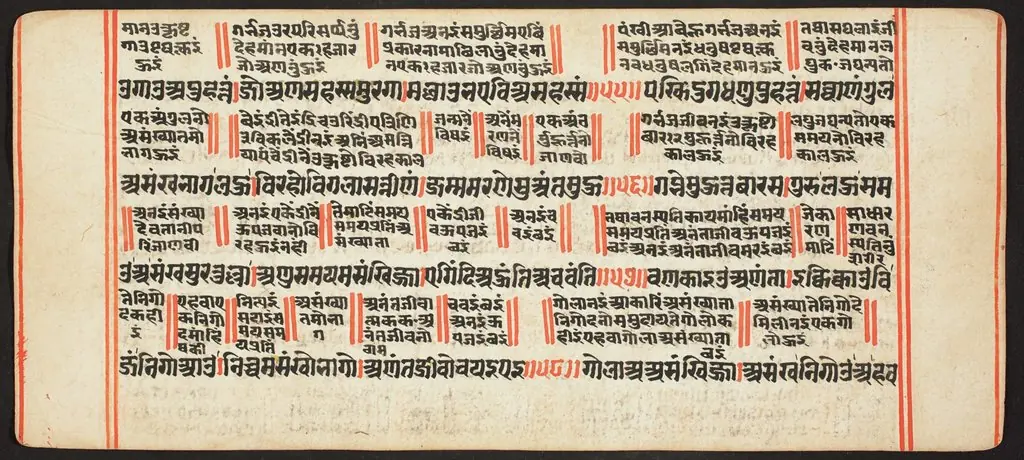 Tantric Manuscript, "Sangrahani Sutra"
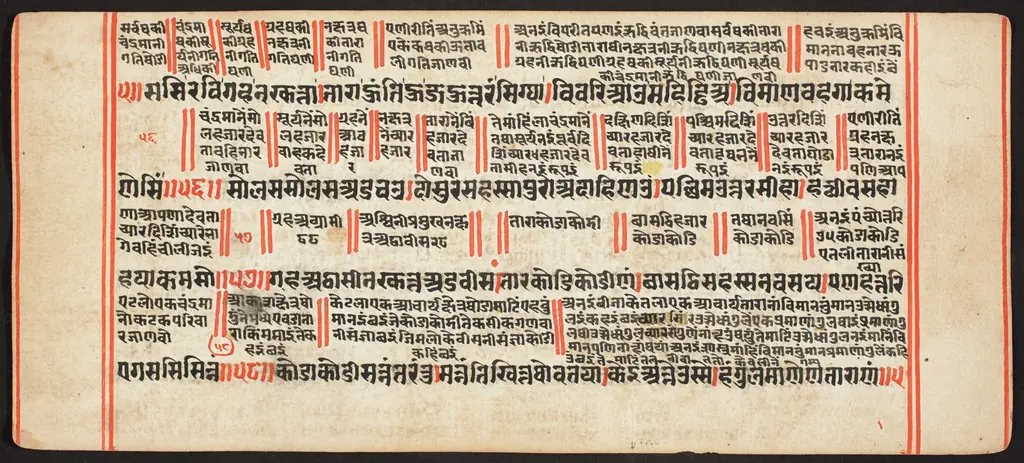 Tantric Manuscript, "Sangrahani Sutra"
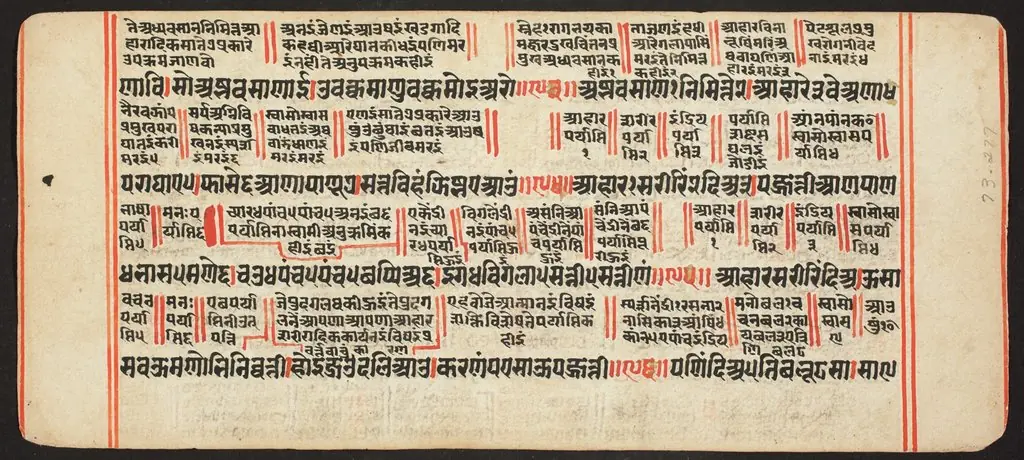 Tantric Manuscript, "Sangrahani Sutra"
 Tantric Manuscript, "Sangrahani Sutra"
 Tantric Manuscript, "Sangrahani Sutra"
 Tantric Manuscript, "Sangrahani Sutra"
 Tantric Manuscript, "Sangrahani Sutra"
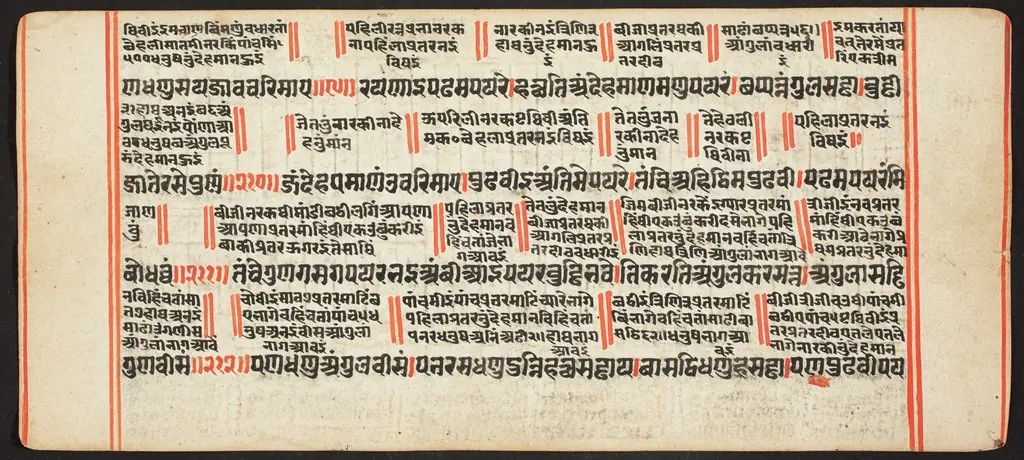 Tantric Manuscript, "Sangrahani Sutra"
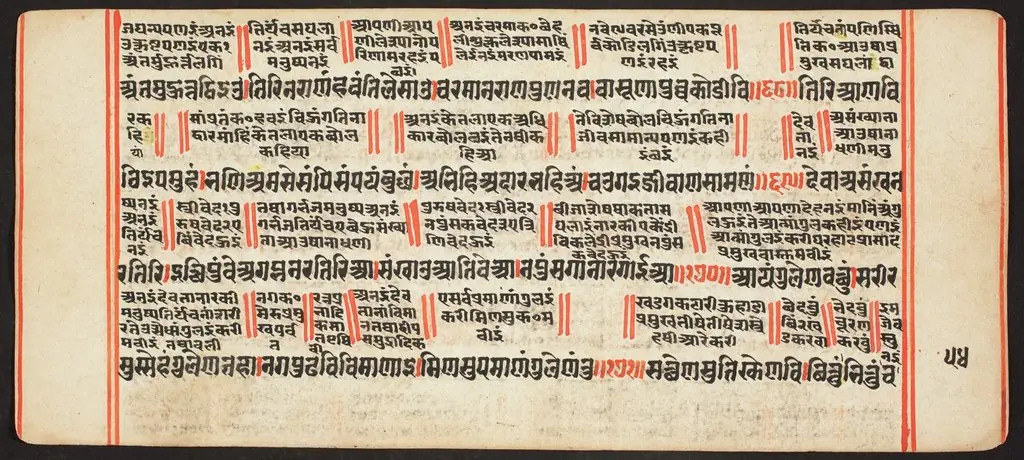 Tantric Manuscript, "Sangrahani Sutra"
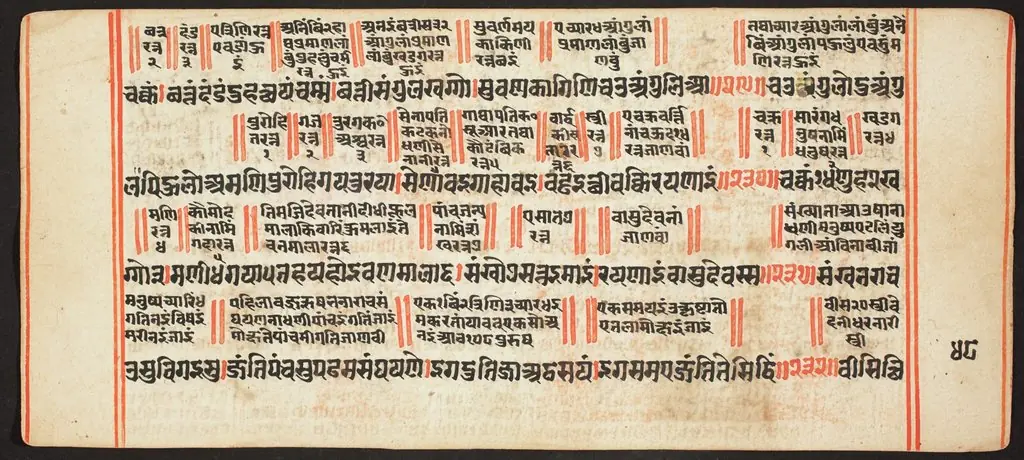 Tantric Manuscript, "Sangrahani Sutra"
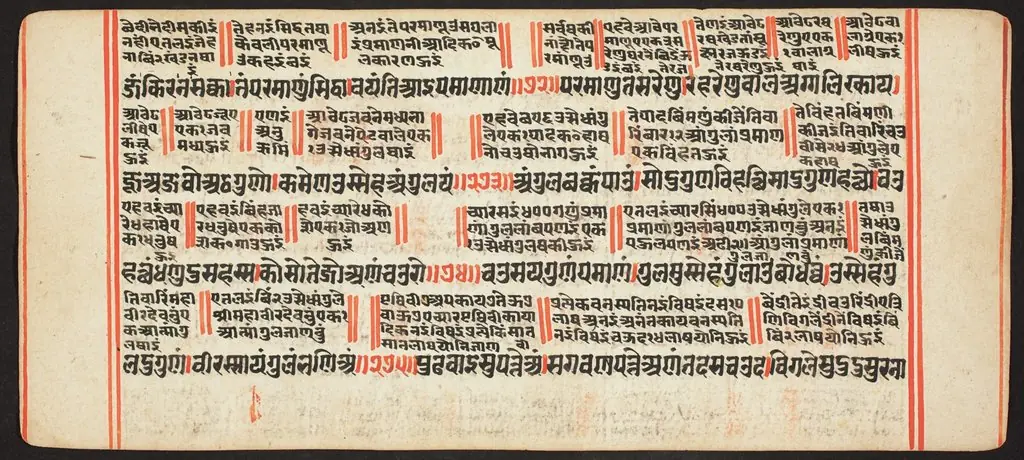 Tantric Manuscript, "Sangrahani Sutra"
 Tantric Manuscript, "Sangrahani Sutra"