Artwork
Elisabeth Farnese, Queen of Spain
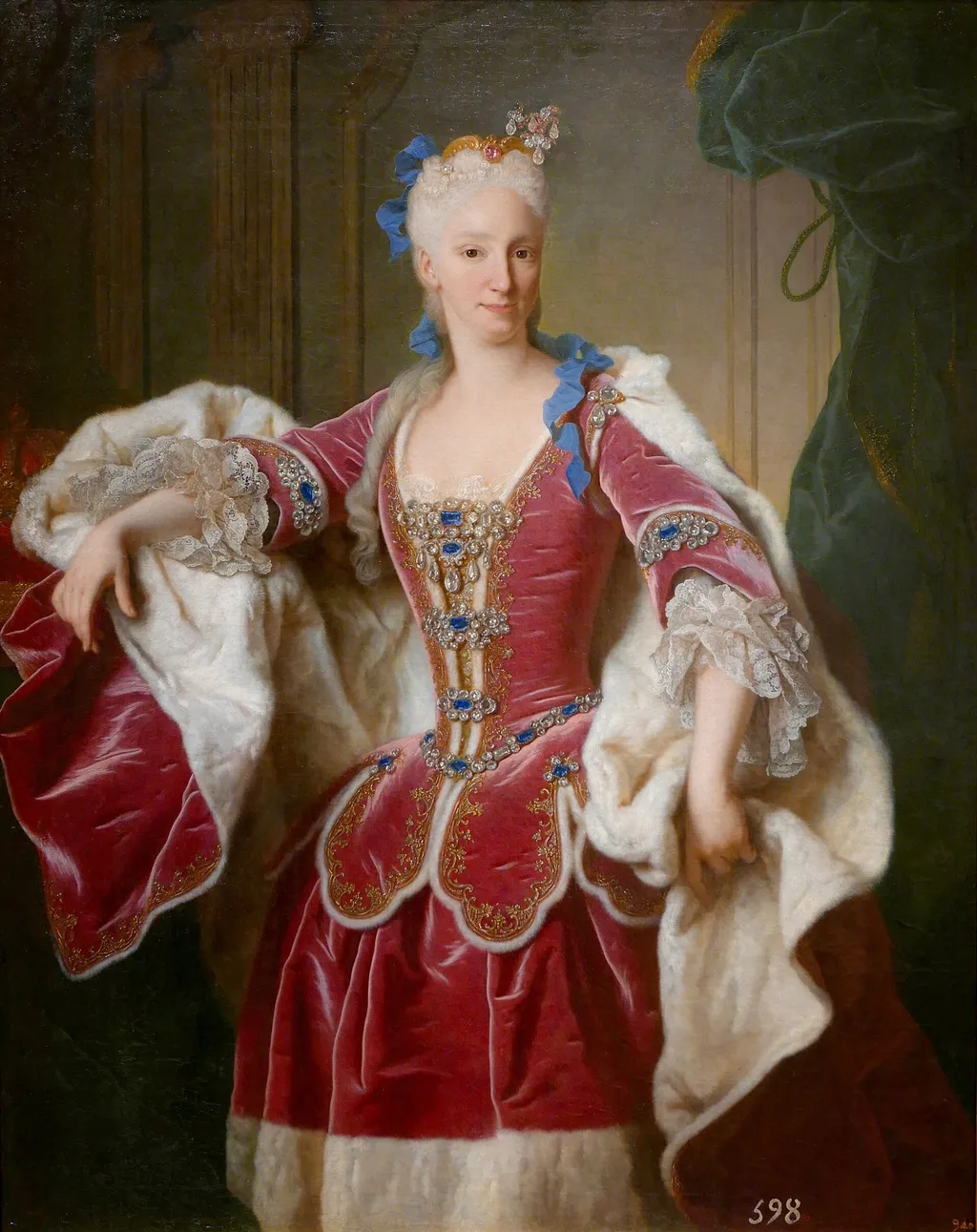
Elisabeth Farnese, Queen of Spain is an oil painting by the Rococo painting artist Jean Ranc. It dates from 1723 and is held in the collection of the Museo del Prado.
About this work
Overview
The 1723 oil portrait by French court painter Jean Ranc presents Elisabeth Farnese, queen consort of Spain. Executed in a Rococo idiom, the work is housed in the Museo del Prado and exemplifies the diplomatic portraiture typical of early‑18th‑century European monarchies.
Subject & Meaning
Elisabeth is shown standing, one hand resting on her hip while the other grasps a fur‑trimmed cloak. The confident stance and sumptuous attire convey her status and authority as queen, emphasizing both personal elegance and regal presence.
Technique & Style
Ranc employs a dark, unadorned backdrop that isolates the figure, allowing the vivid red dress, gold embroidery, and blue gemstones to dominate the composition. The painter’s handling of texture—particularly the sheen of fur and the sparkle of jewels—demonstrates his skill in rendering luxurious materials.
History & Provenance
Created shortly after Ranc’s appointment as court painter to the Spanish monarchy, the portrait entered the Spanish royal collection and later became part of the Prado’s holdings. Its provenance reflects the close artistic ties between France and Spain during the early 1700s.
Context
The portrait aligns with the broader European trend of portraying queens in elaborate dress to affirm dynastic alliances. As a French‑trained artist working for the Spanish court, Ranc blended French portrait conventions with Spanish royal iconography.
Own this work as a print
Artist & collection
Artist
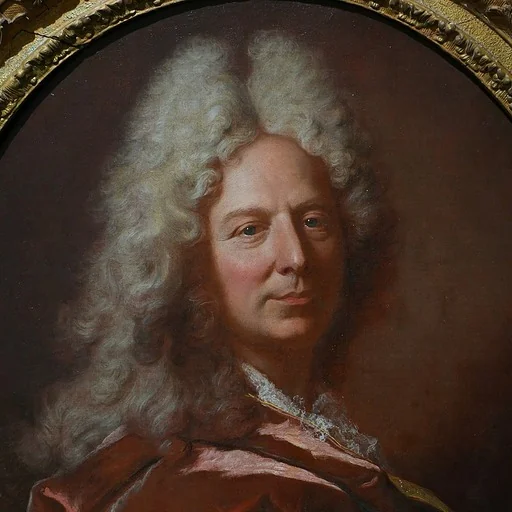
Jean Ranc (28 January 1674 – 1 July 1735) was a French painter, mainly active in portraiture.

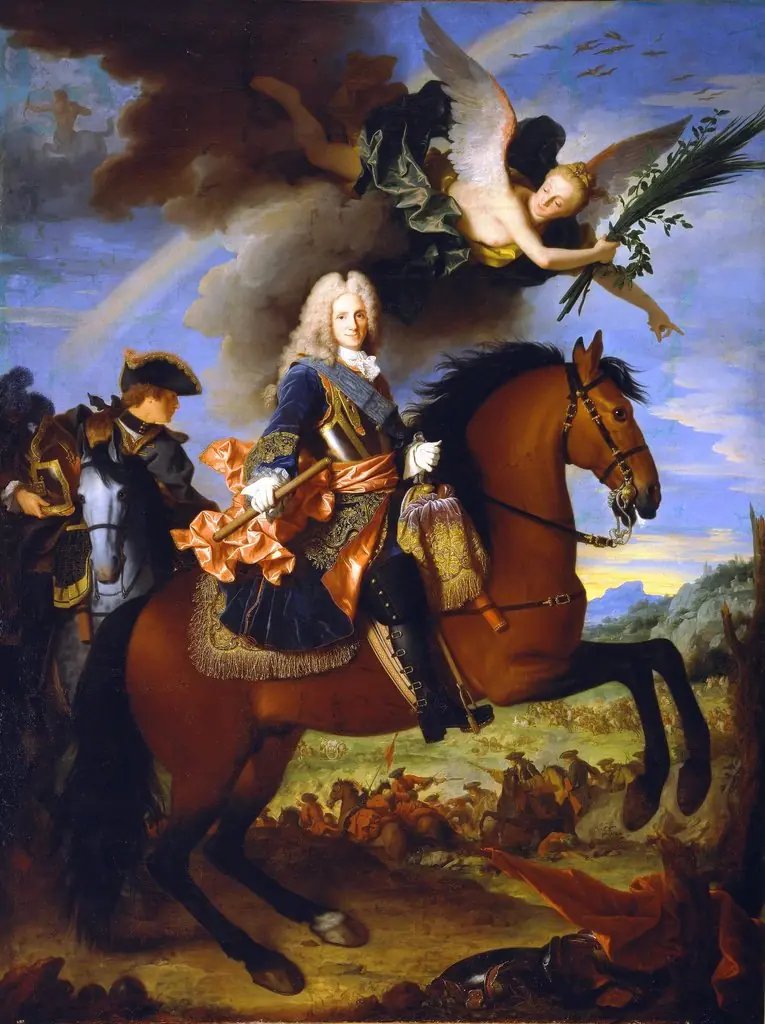 Philip V on Horseback
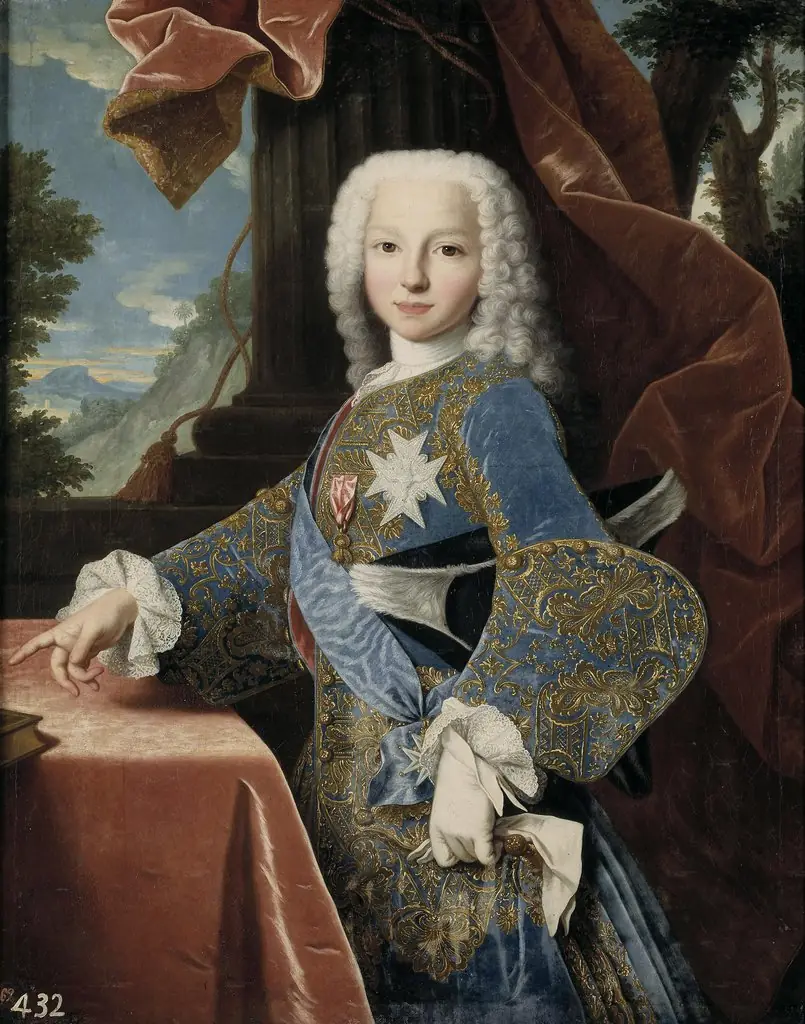 Felipe de Borbón y Farnesio, future Duke of Parma
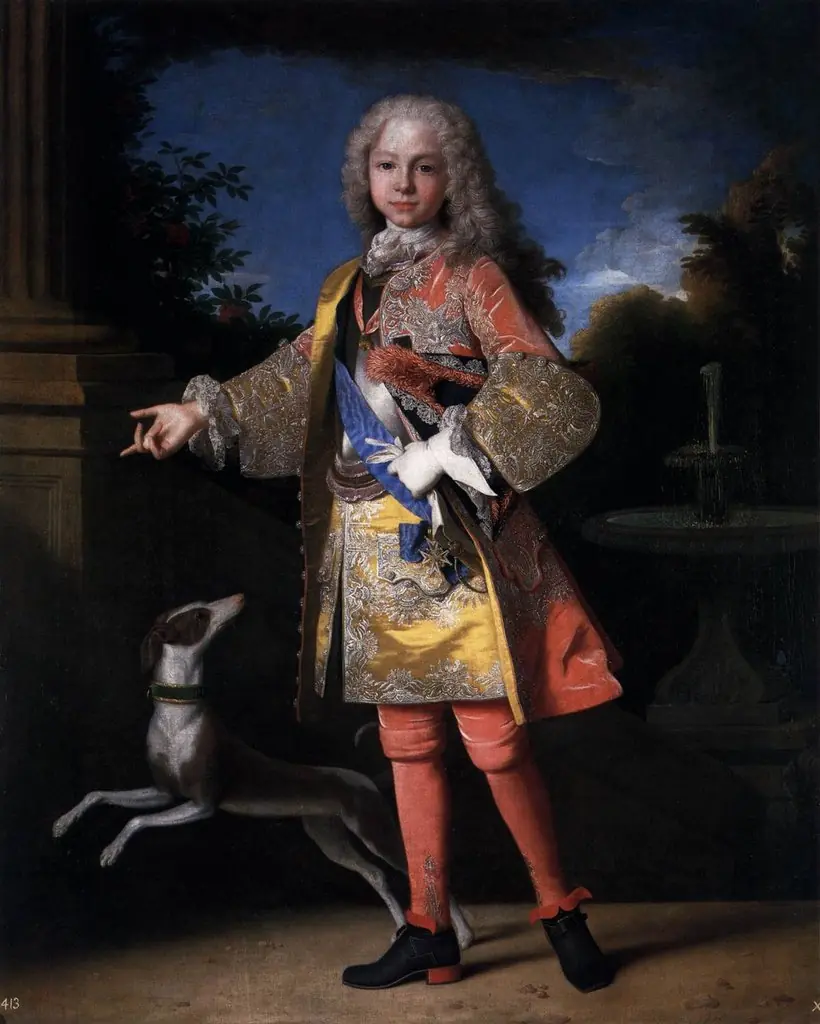 Portrait of Ferdinand VI as a Boy
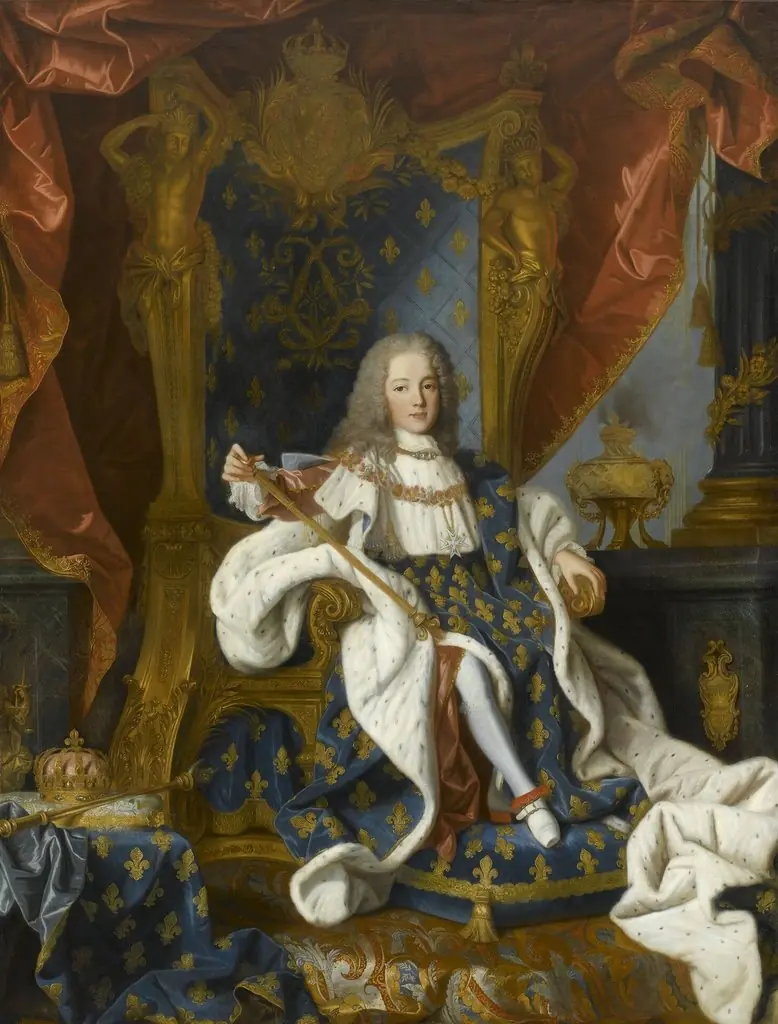 Louis XV, King of France (1710-1774)
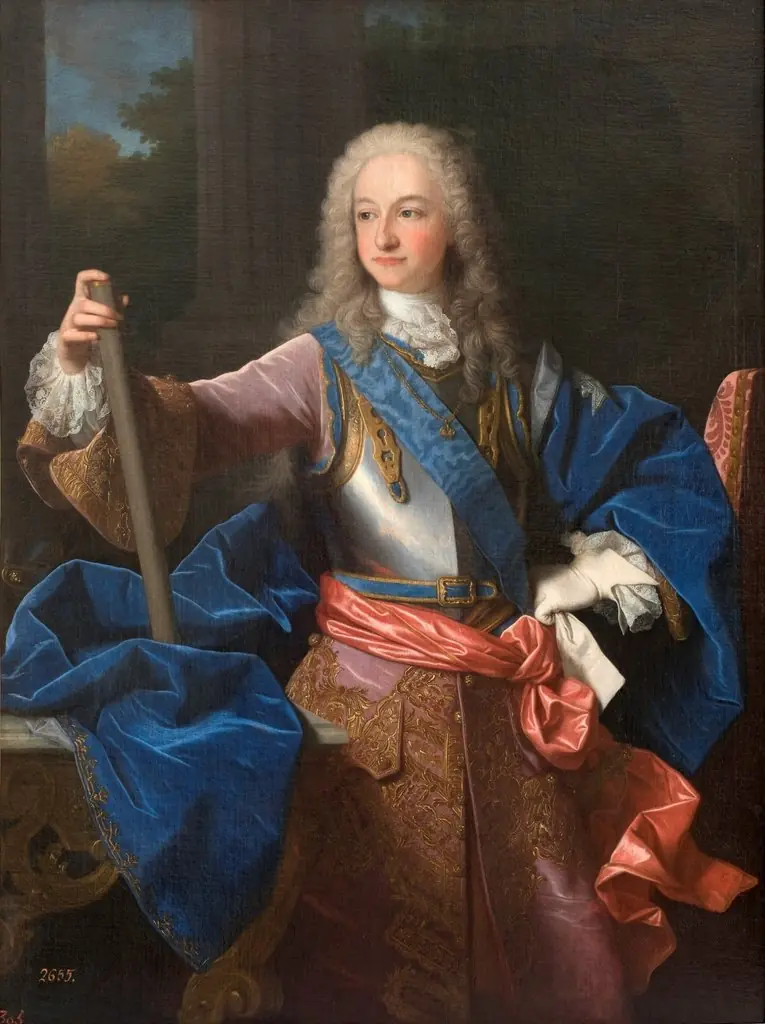 Portrait of Prince Louis of Spain
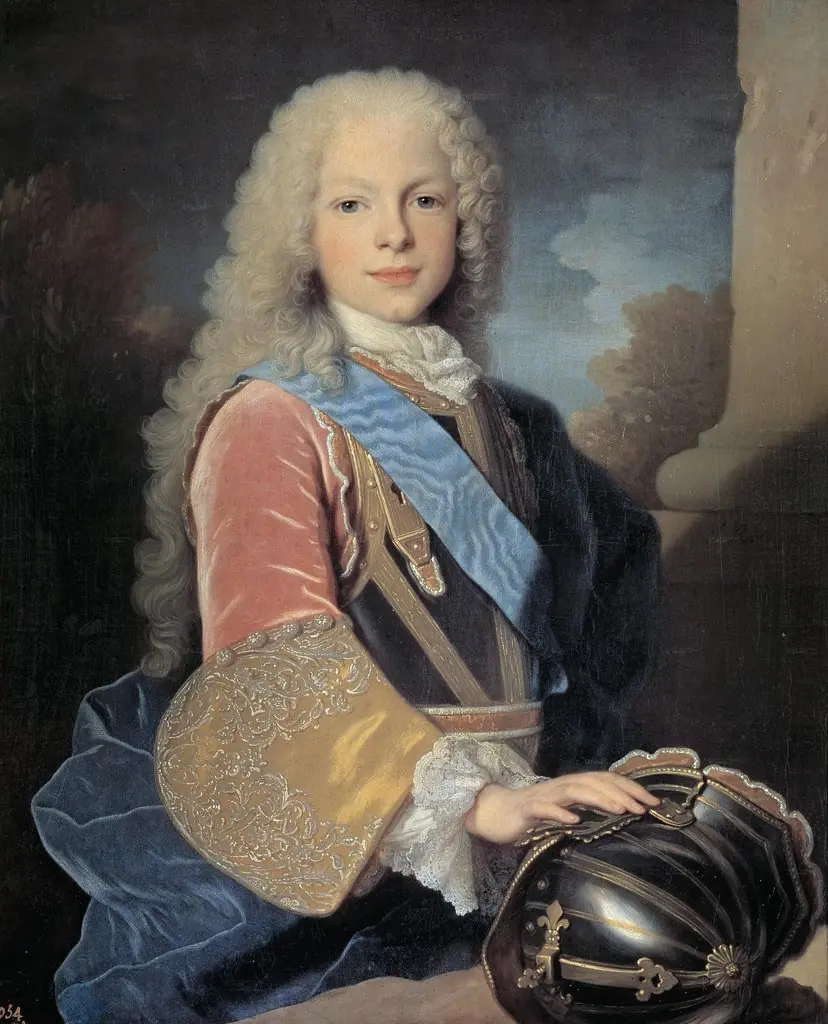 Fernando de Borbón y Saboya príncipe de Asturias (futuro Fernando VI de España)
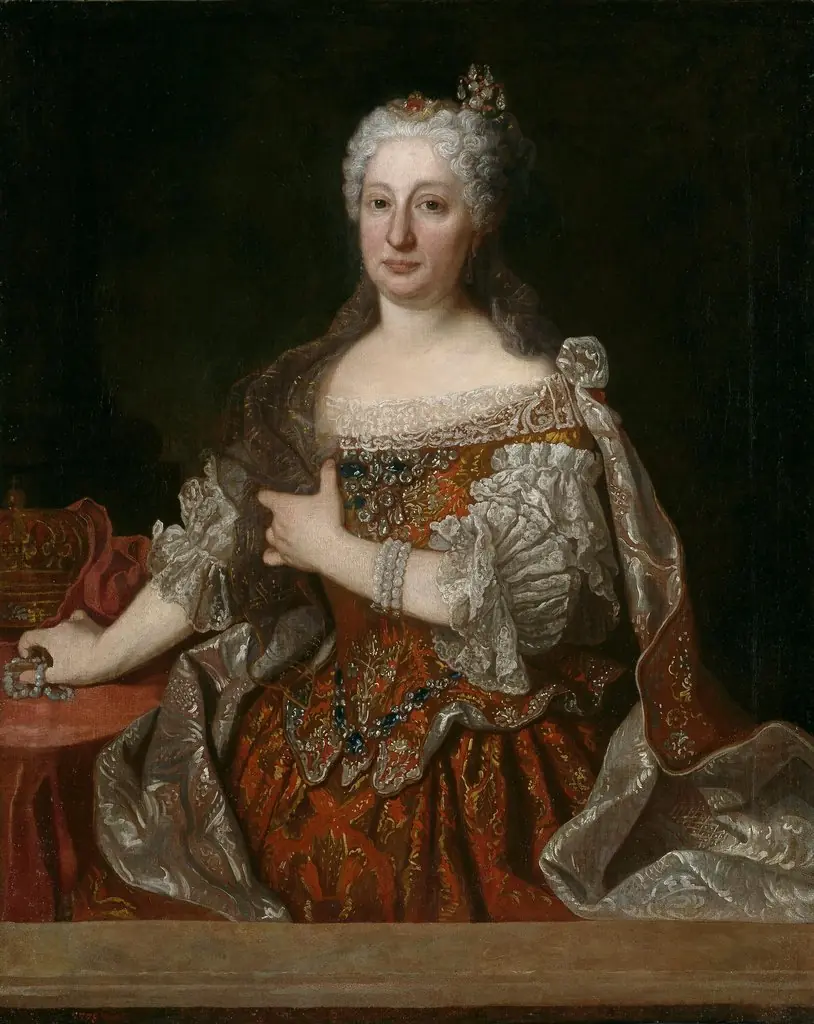 Maria Anna of Austria, Queen of Portugal
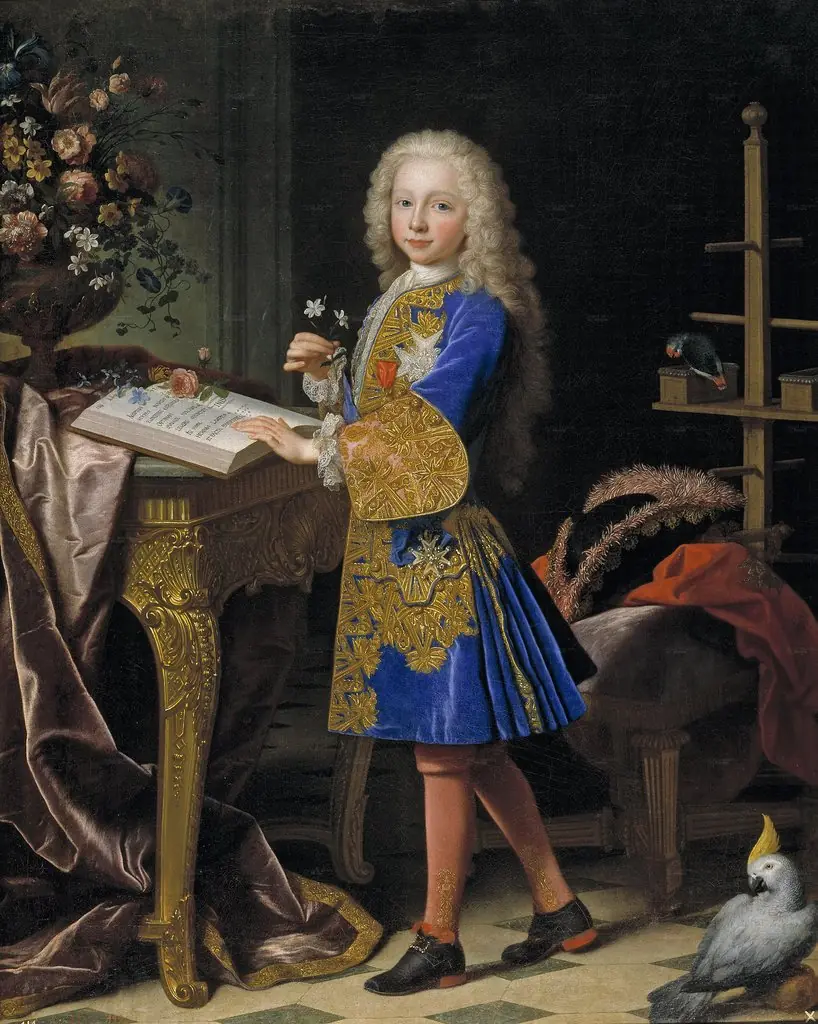 Charles III as a Child
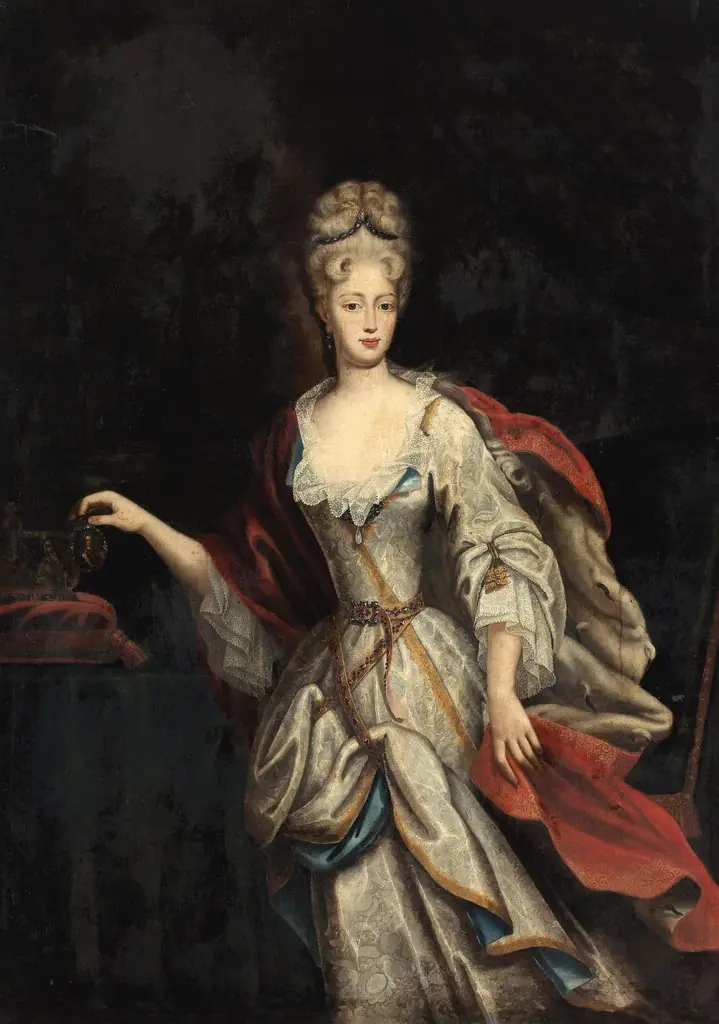 Bildnis einer Fürstin
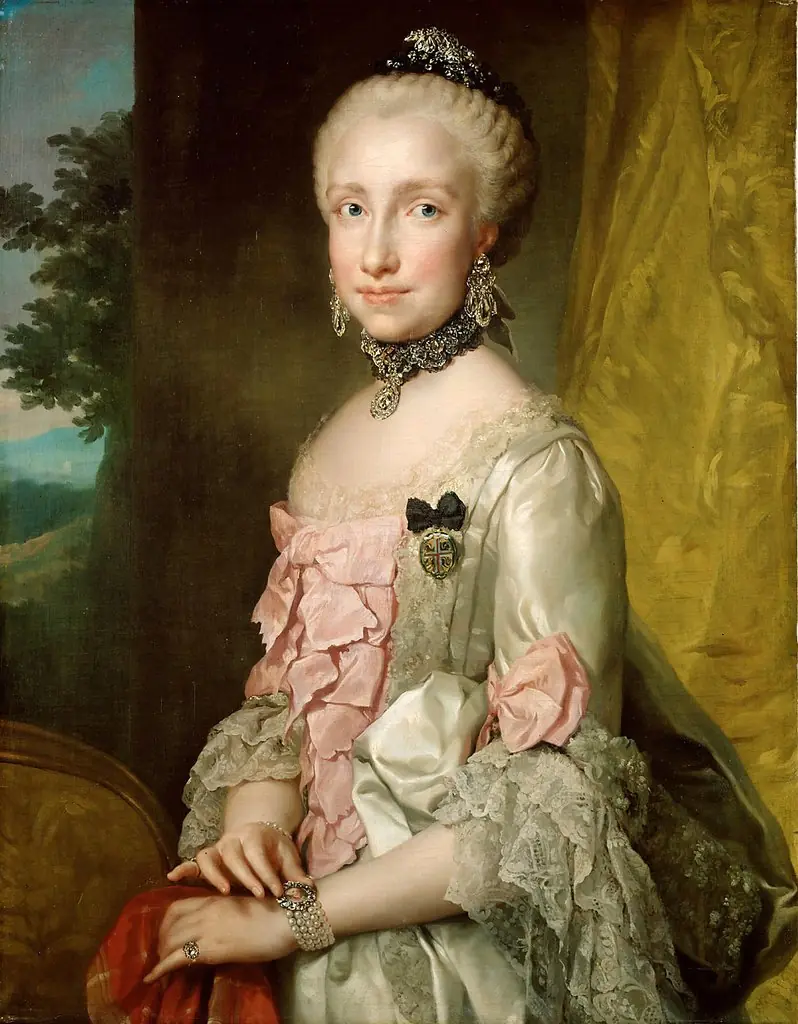 Portrait of Maria Luisa of Spain
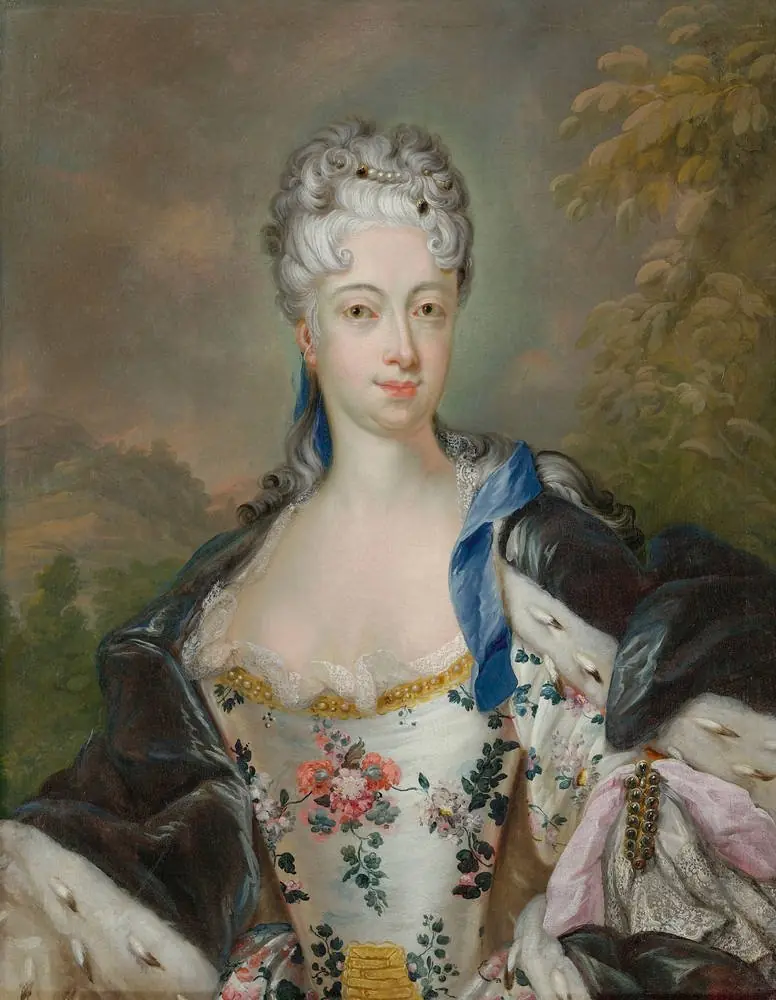 Anna Constanze Gräfin von Cosel (1680-1765)
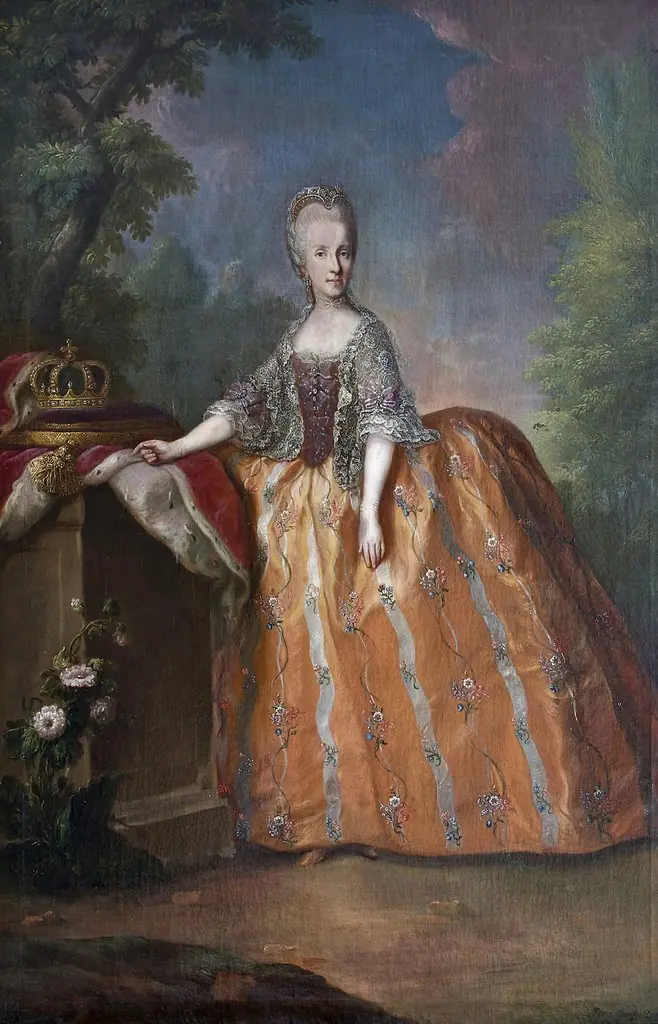 Maria Luisa of Spain, Holy Roman Empress
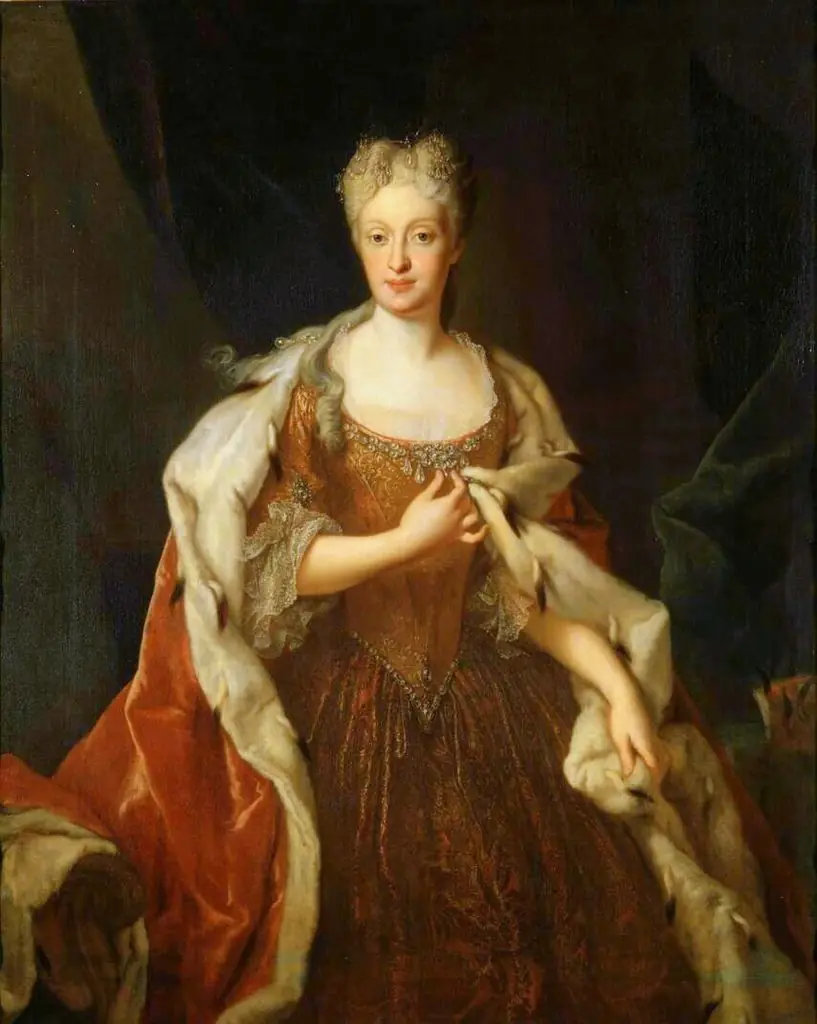 Porträt der Maria Josepha of Austria (1699-1757), Electress of Saxony and Queen of Poland
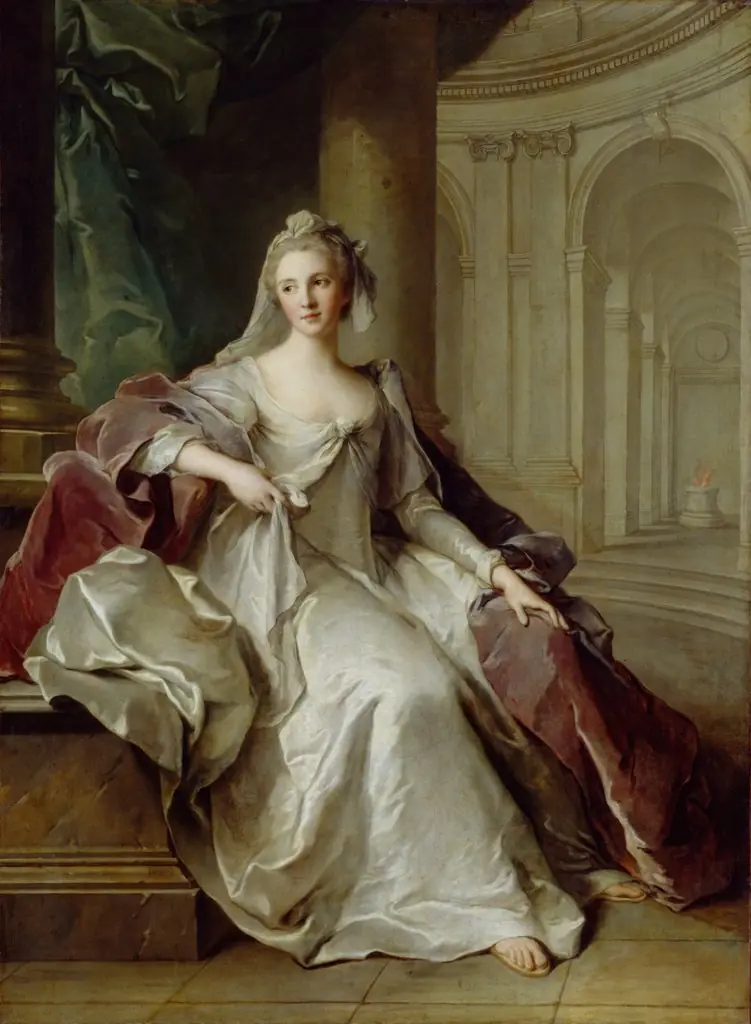 Madame Henriette de France as a Vestal Virgin
 The Queen Dowager Juliane Marie
 Naisen muotokuva
 María Luisa de Borbón y Sajonia