Artwork
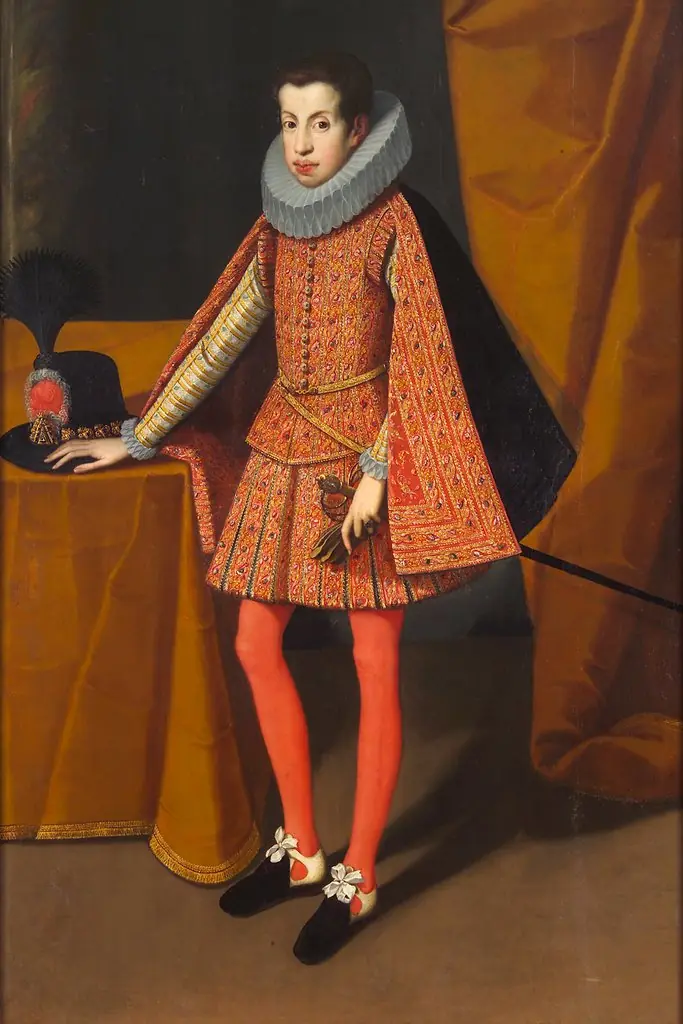
Erzherzog Albrecht VII. (1559-1621) im Alter von 14 Jahren mit einer Dogge, in ganzer Figur
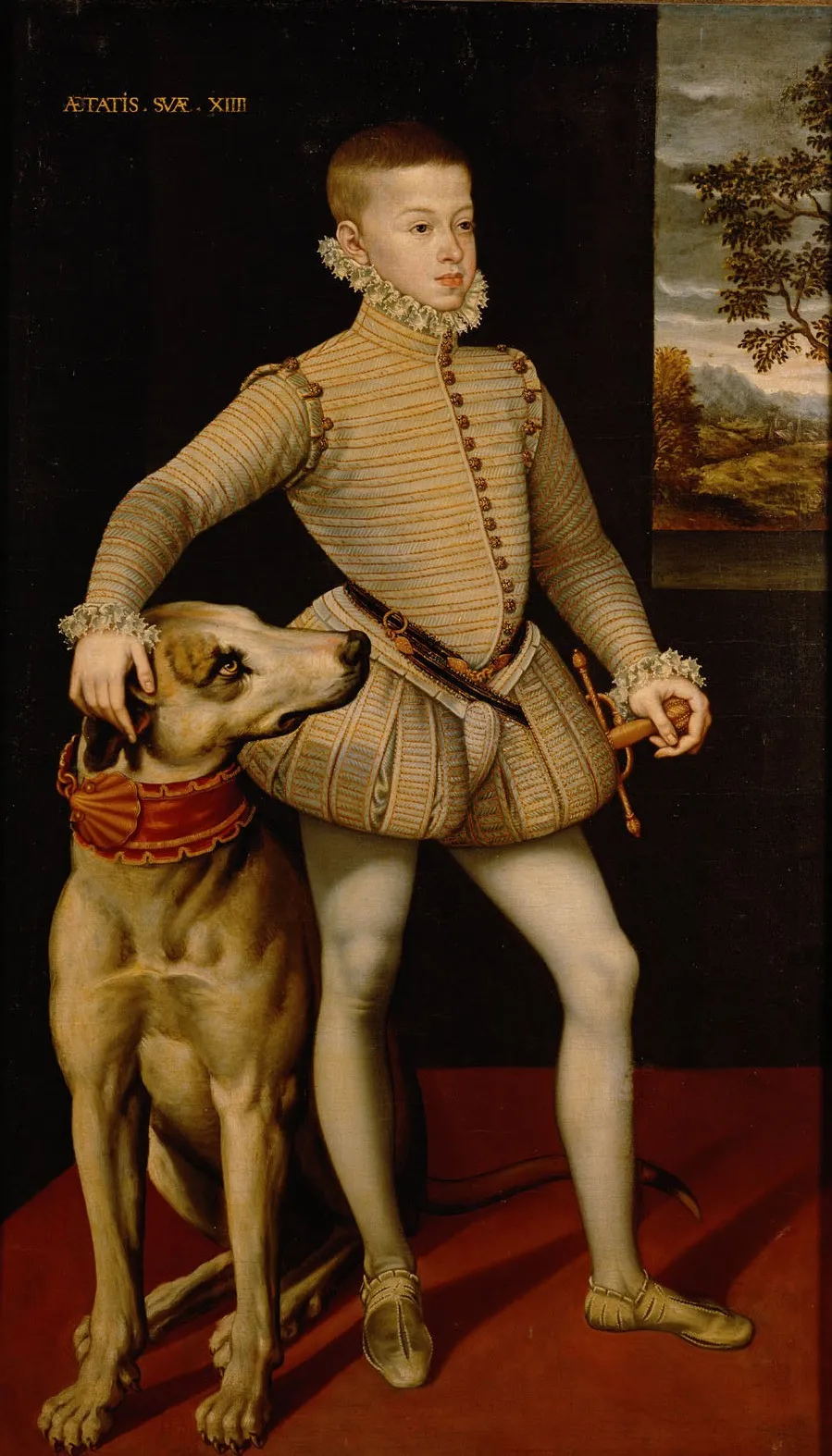
Erzherzog Albrecht VII. (1559-1621) im Alter von 14 Jahren mit einer Dogge, in ganzer Figur is an oil painting by the Mannerist artist Unknown. It dates from 1573 and is held in the collection of the Kunsthistorisches Museum.
About this work
A young man in a striped, knee-length suit stands on a red carpet, holding a leash for a light-colored dog.
A young man in a striped, knee-length suit stands on a red carpet, holding a leash for a light-colored dog. The man’s outfit has ruffled cuffs and a high collar, with a red sash around his waist. Behind him, a dark landscape painting hangs on the wall.
The dog wears a red collar with a fancy clasp, matching the man’s sash. The painting looks like it was made around 1573.
If you like this style, check out the Kunsthistorisches Museum for more works like it.
Overview
The oil painting depicts a fourteen‑year‑old Archduke Albert VII, dressed in a striped, knee‑length doublet with ruffled cuffs, a high collar, and a red sash, standing on a red carpet. He holds the leash of a light‑coloured dog that wears a matching red collar with an ornate clasp. A dark‑toned landscape is shown hanging behind the figure.
Subject & Meaning
The portrait presents the young archduke in an aristocratic pose, emphasizing his status through luxurious clothing and the inclusion of a well‑trained dog, a common symbol of loyalty and noble upbringing in 16th‑century portraiture.
Technique & Style
Executed in oil on canvas around 1573, the work displays the detailed brushwork and rich colour palette typical of Central European court portraiture of the late Renaissance, with careful attention to the textures of fabric and the animal's fur.
History & Provenance
Created when Albert was fourteen, the painting likely served as a dynastic record for the Habsburg family. It has remained within the Austrian imperial collection and is now part of the holdings of the Kunsthistorisches Museum in Vienna.
Context
The portrait reflects the practice of portraying heirs in regal attire, a convention that reinforced political legitimacy. The inclusion of a dog aligns with contemporary trends in Northern European portraiture, where animals signified personal virtues.
Artist & collection

 Domestic Scene
 Giacomo and Cardinal Marco, investing Andrea, Abbot of San Zeno, with his Benefice
 The Nymph of Fontainebleau
 Portrait of a Woman
 Madonna and Child with Saints in the Enclosed Garden
 Venus and Minerva
 Family Group of Four on Sofa
 Wall painting from Room H of the Villa of P. Fannius Synistor at Boscoreale
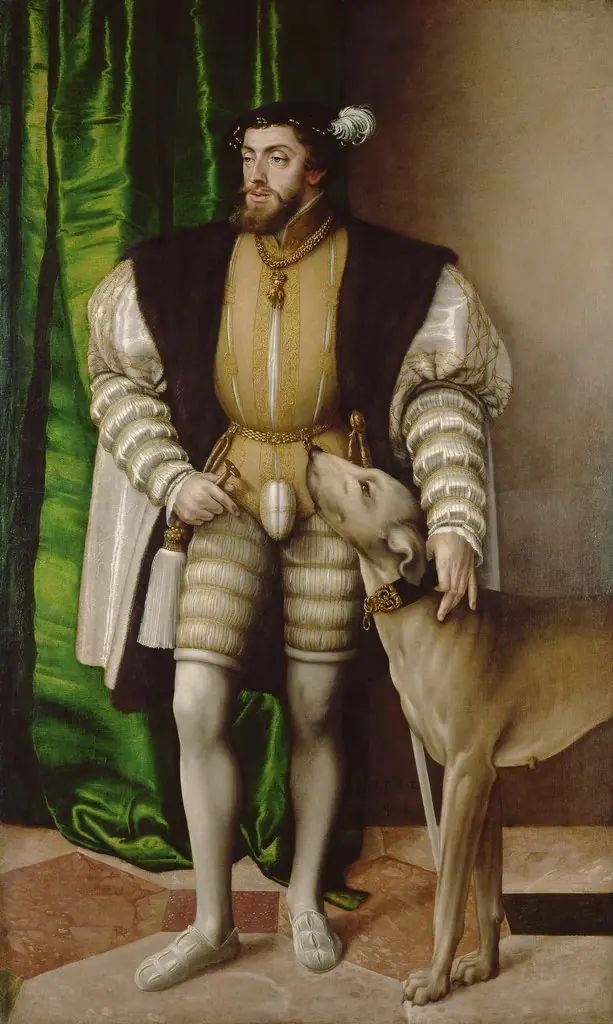 Portrait of Charles V with a Dog
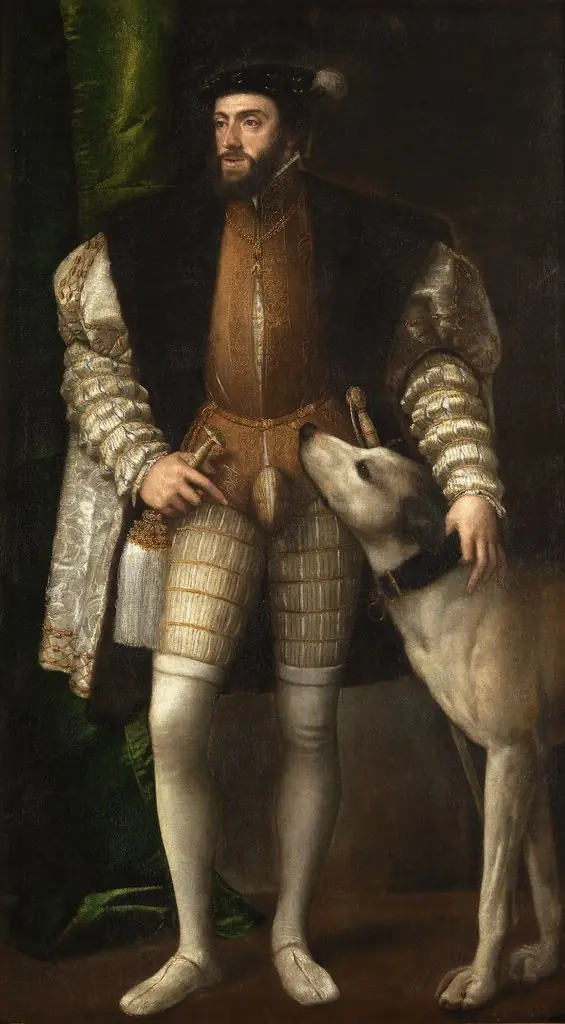 Portrait of Charles V with a Dog
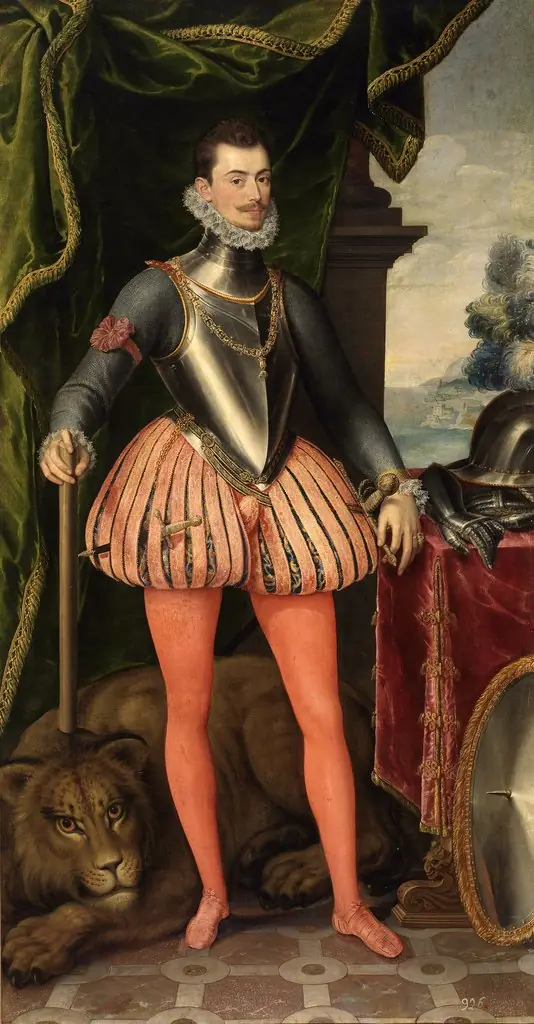 Don Juan de Austria
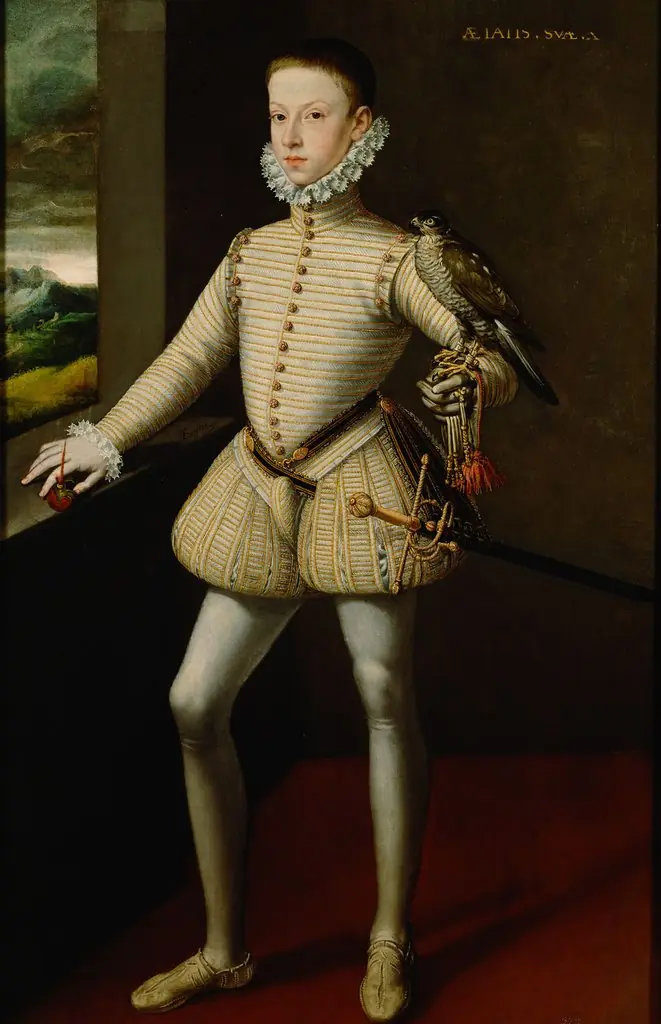 Archduke Wenceslaus of Austria (1561-1578)
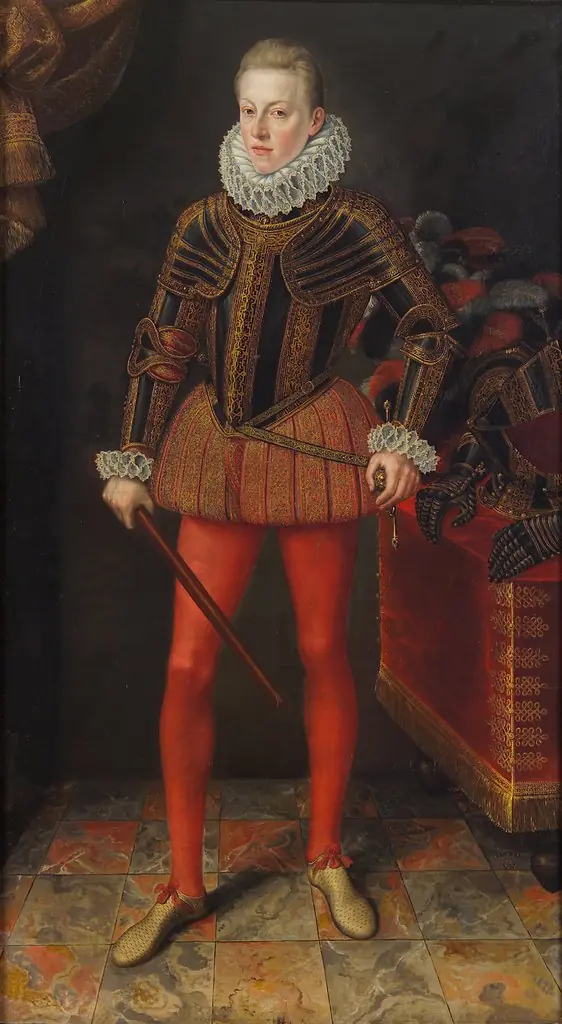 Portrait of Matthias II of Habsburg (1557-1619), the future Holy Roman Emperor
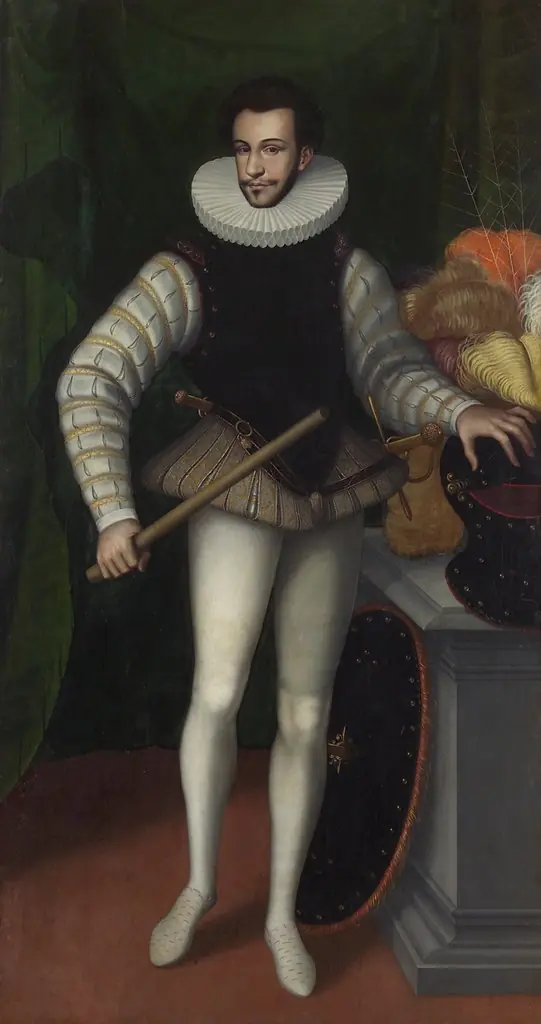 Herzog Francois von Alencon und Anjou (1555-1584)
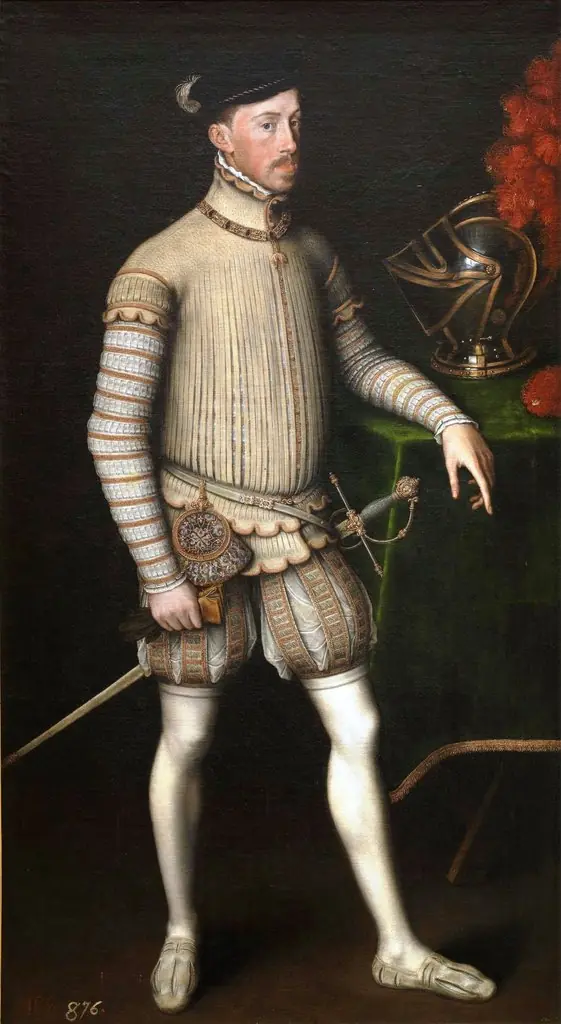 Emperor Maximilian II
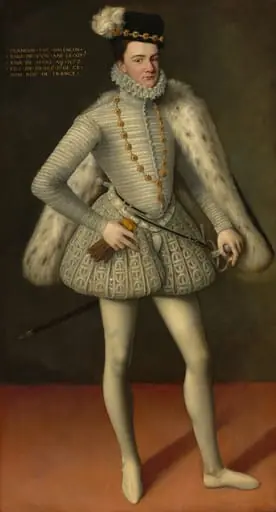 Prince Hercule-François, Duc d'Alençon
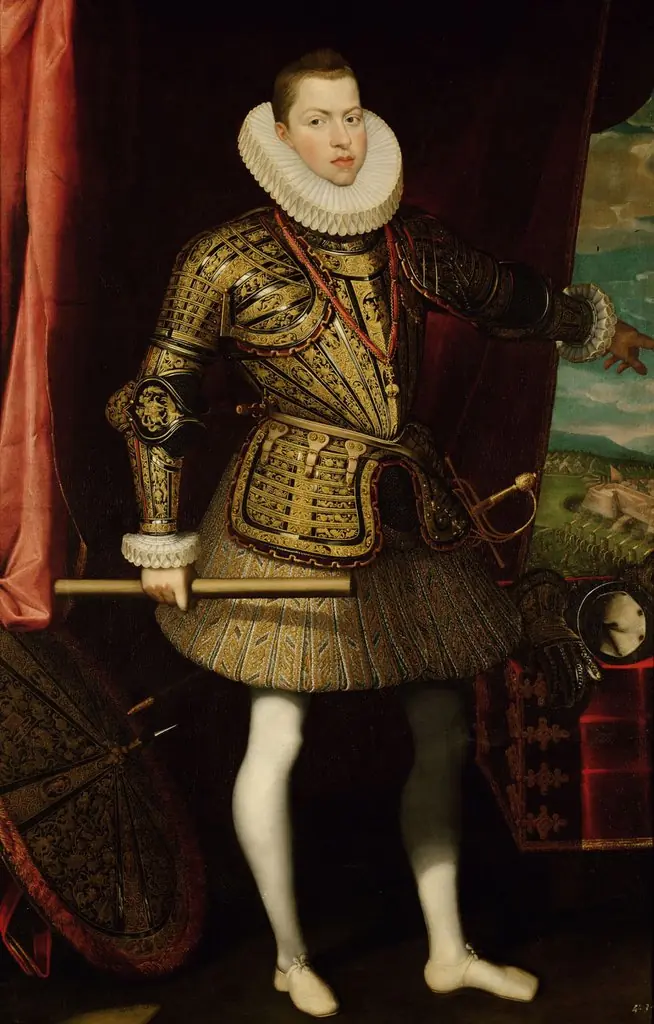 König Philipp III.(1578-1621) von Spanien, Bildnis in ganzer Figur als General der Infanterie (Im Hintergrund: Die Belagerung von Ostende 1601-1604)
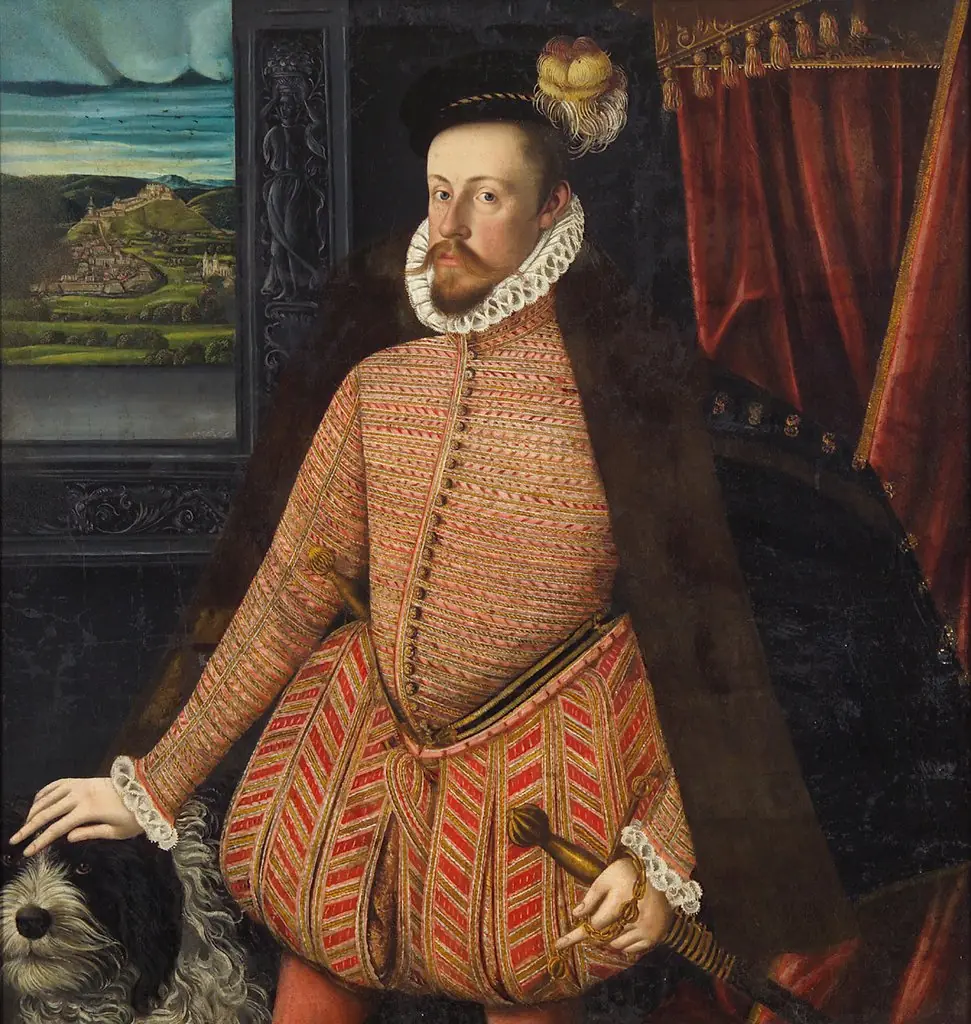 Erzherzog Karl II. (1540-1590) mit dem Blick auf Graz, Kniestück
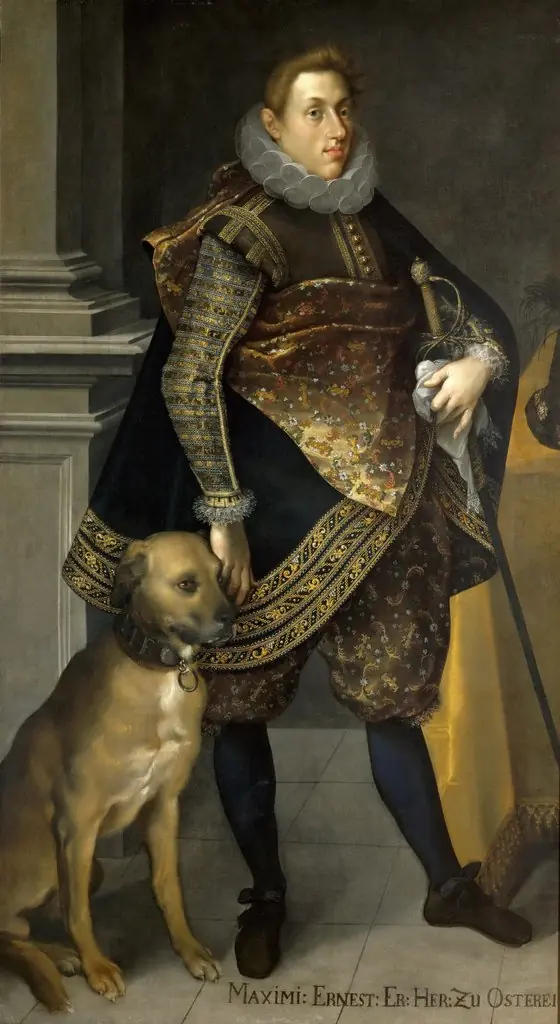 Erzherzog Maximilian Ernst (1583-1616) mit Jagdhund
 Kaiser Ferdinand III. (1608-1657)