Artwork
Erzherzog Maximilian Ernst (1583-1616) mit Jagdhund
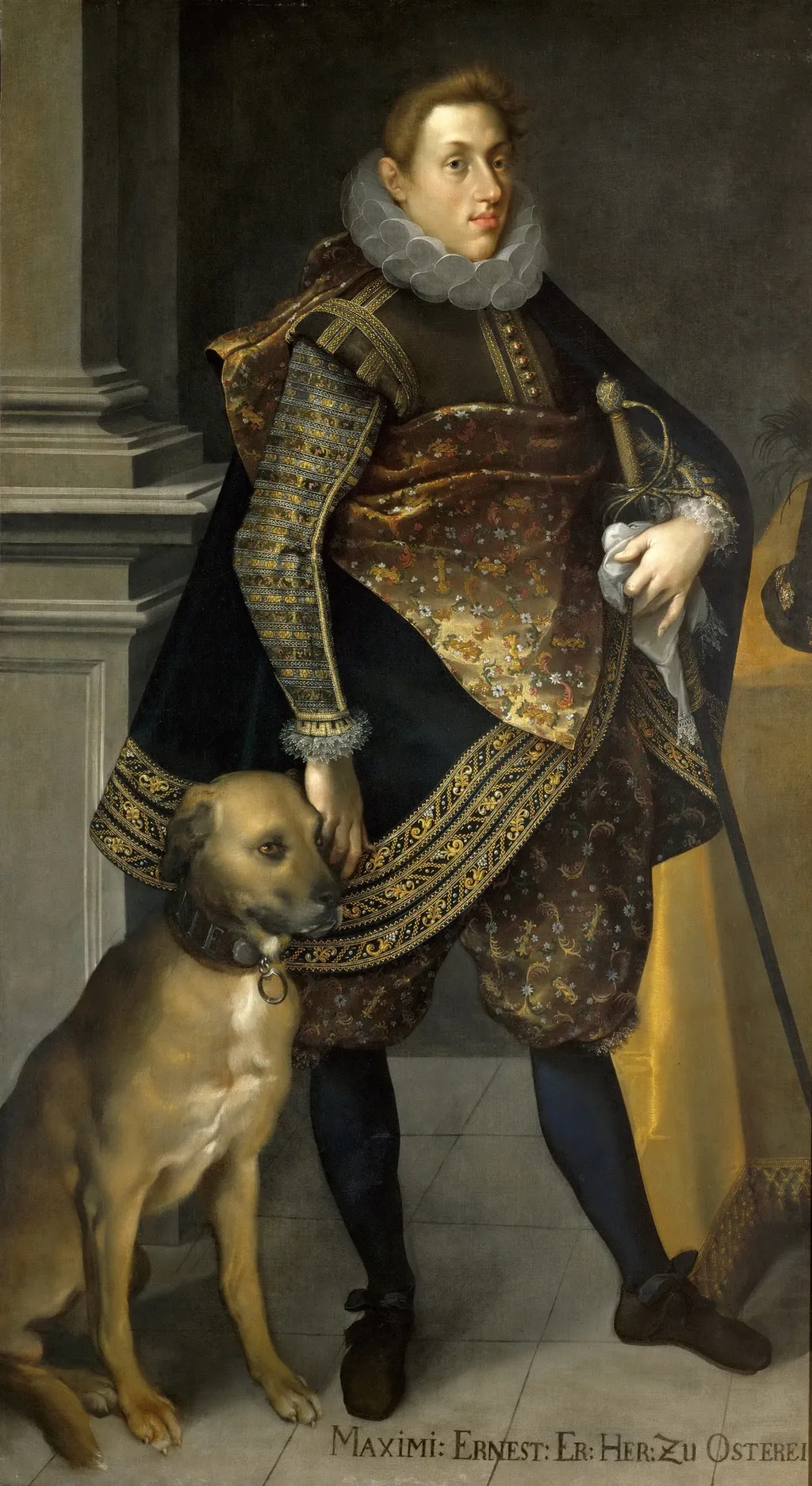
Erzherzog Maximilian Ernst (1583-1616) mit Jagdhund is an oil painting by the Early Baroque Italian artist Joseph Heintz the Elder. It dates from 1604 and is held in the collection of the Kunsthistorisches Museum.
About this work
The man's outfit is characterized by a dark-colored jacket with gold accents and a patterned cloak draped over his shoulder.
This painting features a young man dressed in ornate attire, standing alongside a dog. The man's outfit is characterized by a dark-colored jacket with gold accents and a patterned cloak draped over his shoulder. He holds a sword in his right hand, while his left hand rests on the dog's head. The dog, positioned to the man's left, wears a collar and sits on the floor.
The man's clothing and the dog's presence suggest a scene of nobility or aristocracy, possibly from the early 17th century. The artist's use of color and detail adds depth to the composition.
For more information on the artist behind this work, look up Joseph Heintz the Elder.
Overview
Erzherzog Maximilian Ernst (1583-1616) mit Jagdhund is an oil portrait by Joseph Heintz the Elder, created in 1604. The painting is part of the Kunsthistorisches Museum's collection.
Subject & Meaning
The portrait depicts a young nobleman, identified as Archduke Maximilian Ernst, standing with a hunting dog. His ornate attire, including a dark jacket with gold accents and a patterned cloak, signifies his aristocratic status. The presence of a sword and the dog reinforces this interpretation.
Technique & Style
The artist's use of color and attention to detail create a rich and layered composition. The subject's elaborate clothing is rendered with precision, while the dog's presence adds a sense of depth to the scene.
Artist & collection

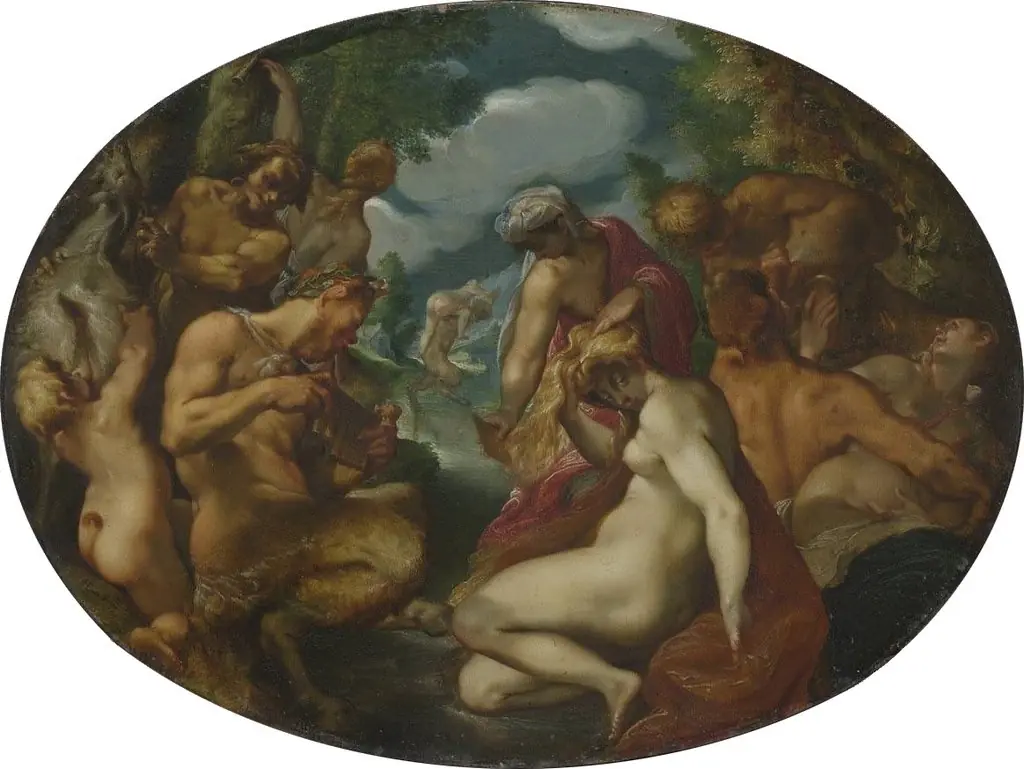 Satyrs and nymphs
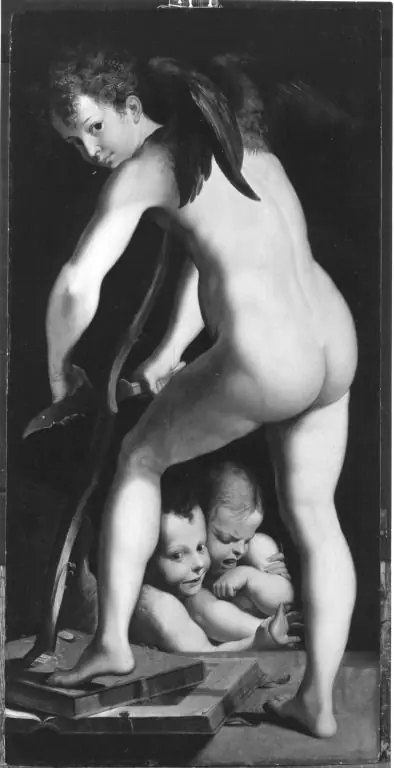 Cupid carves the bow
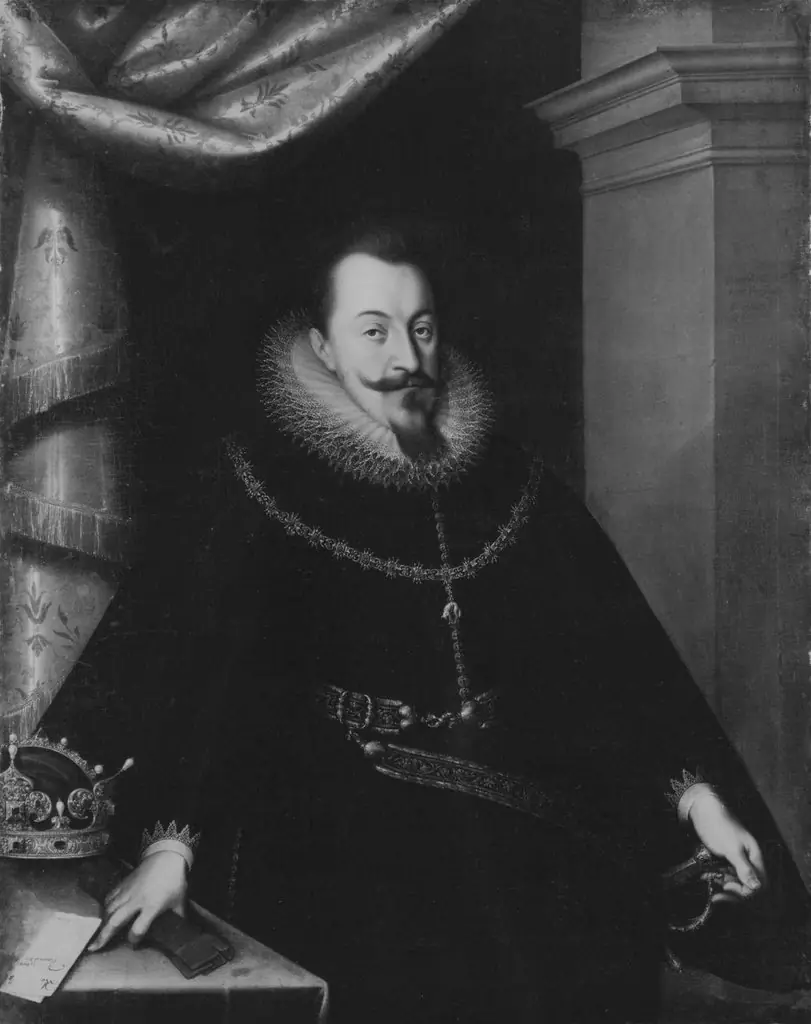 Bildnis des Königs Sigismund III. Vara von Polen und Schweden
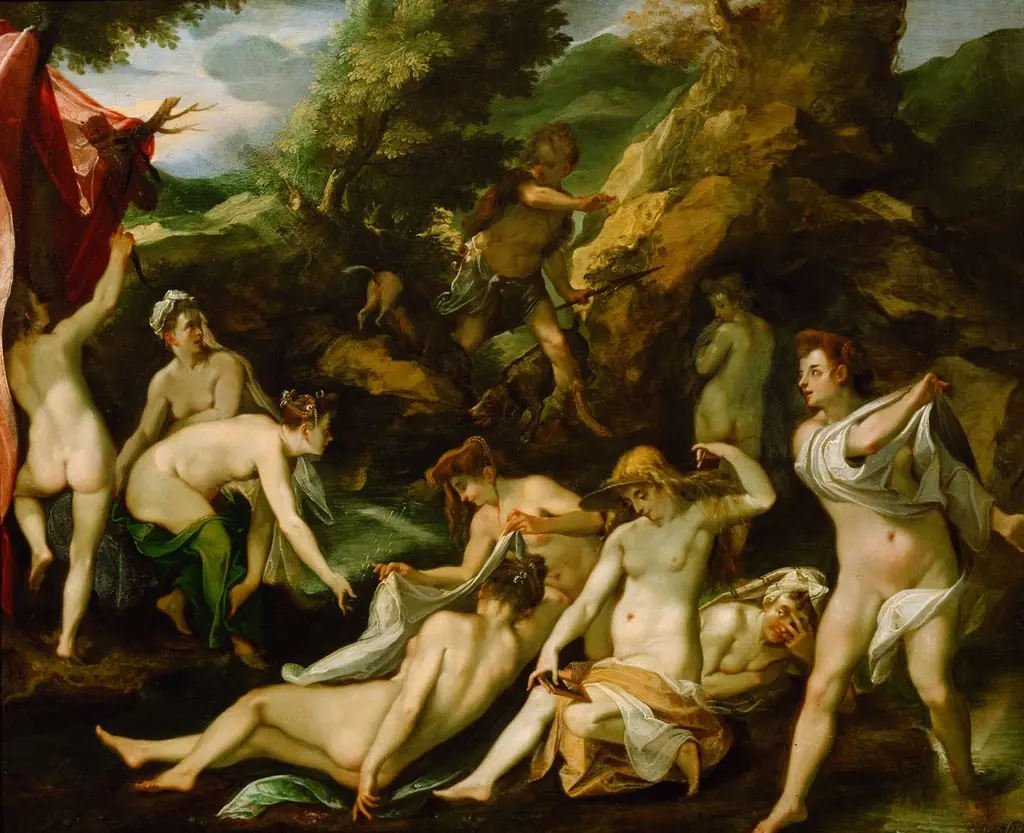 Diana and Actaeon
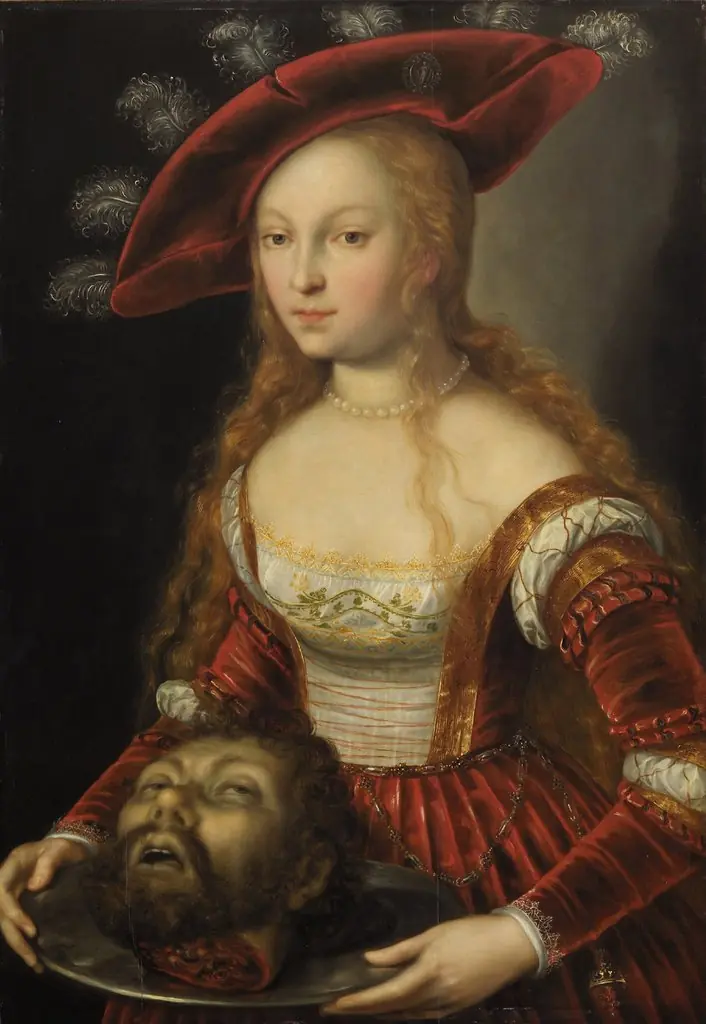 Salome with the head of John the Baptist
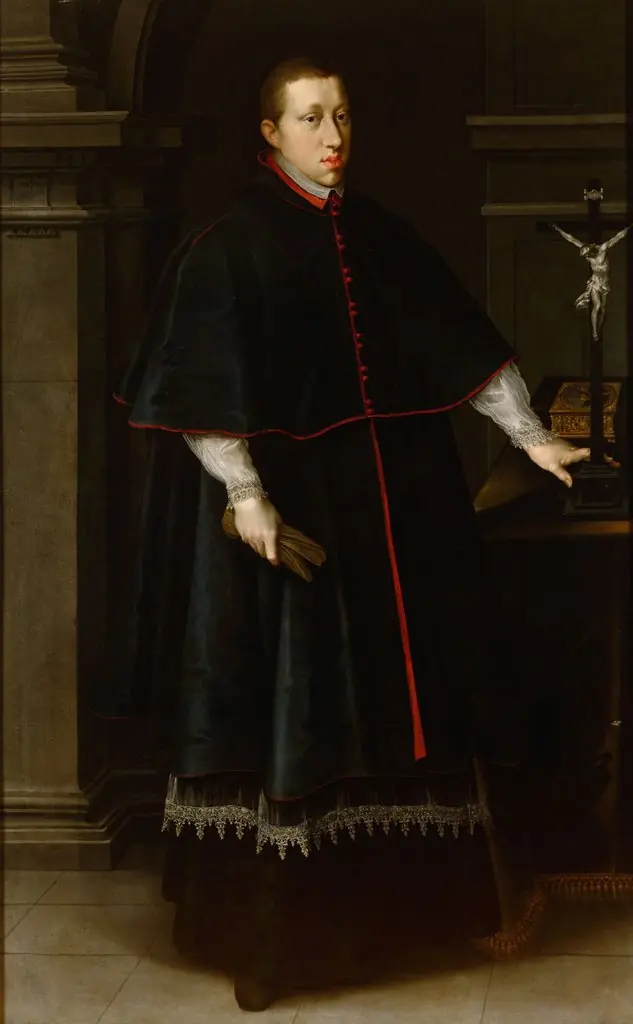 Archduke Leopold V (1586-1632) in the Spiritual Garment
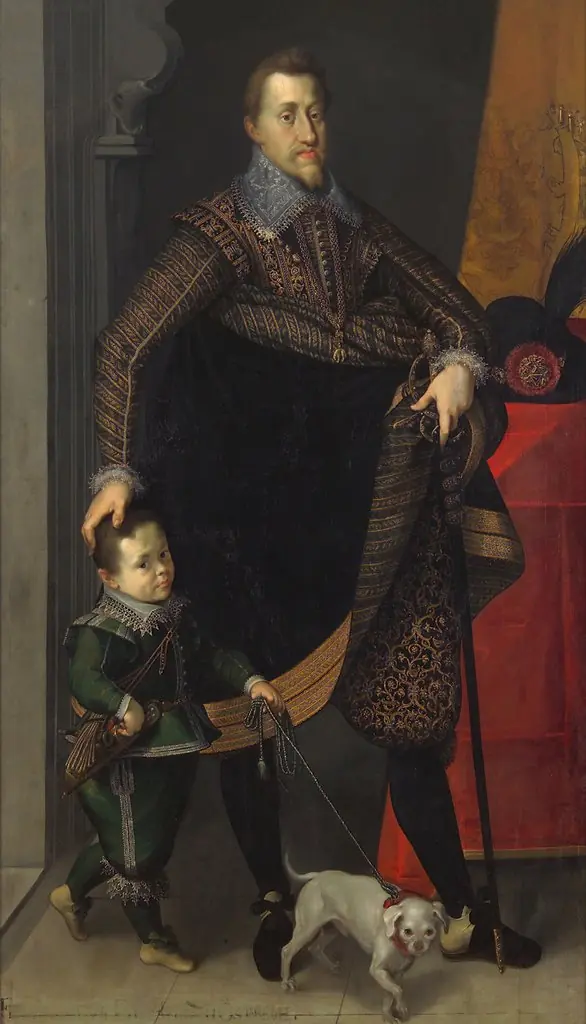 Emperor Ferdinand II (1578-1637) in Full Figure with a Court Dwarf
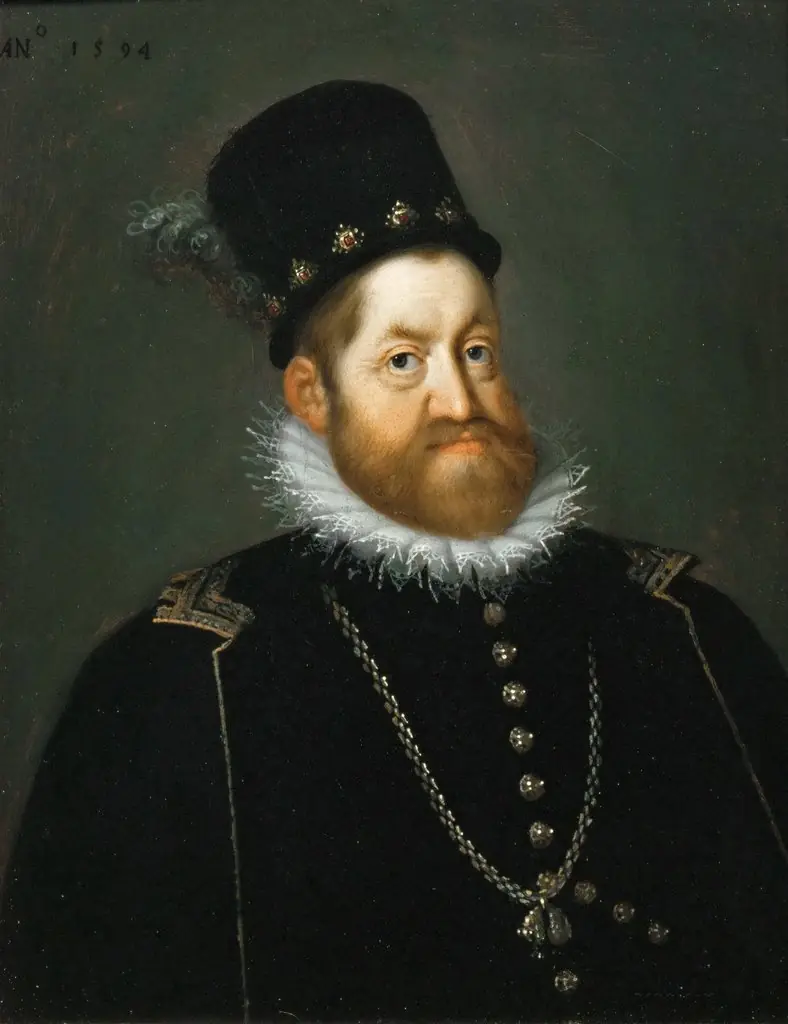 Porträt des Kaisers Rudolf II.
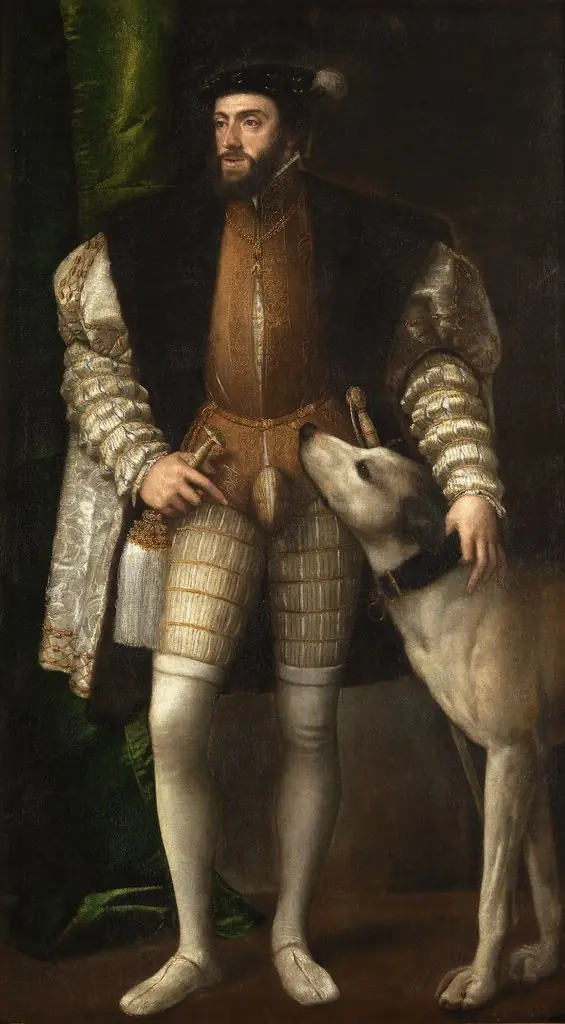 Portrait of Charles V with a Dog
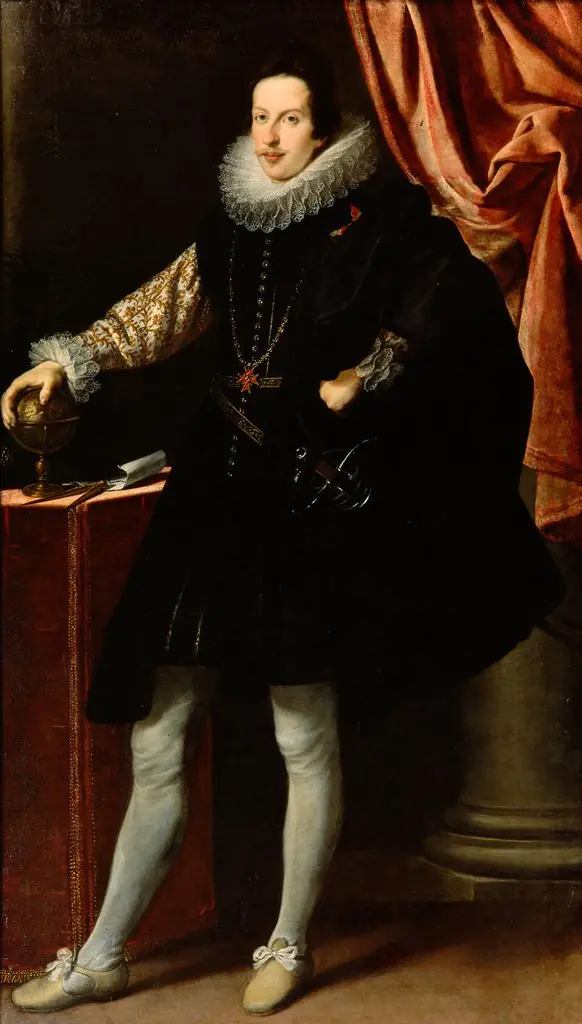 Portrait of Cosimo II de' Medici, Grand Duke of Tuscany
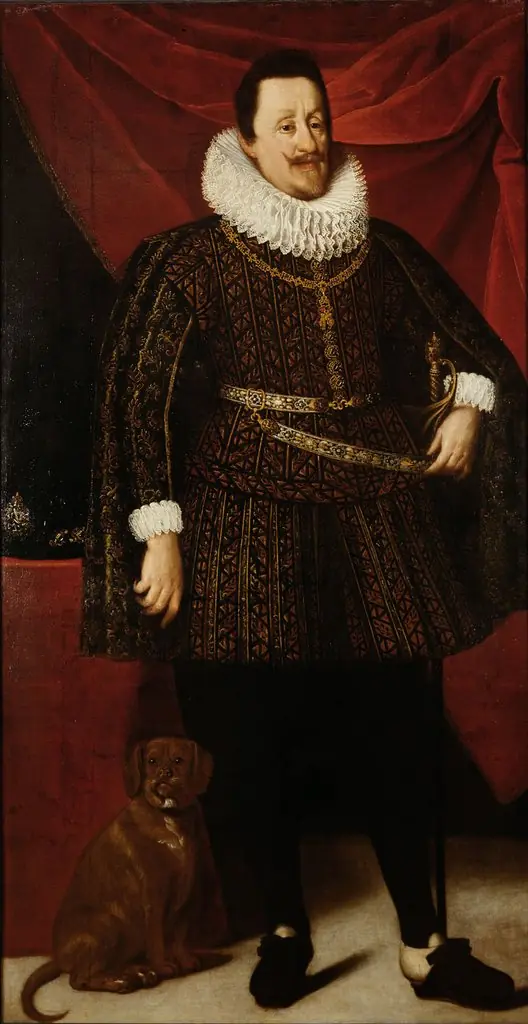 Portrait of Ferdinand II of Habsburg (1578-1637, Holy Roman Emperor
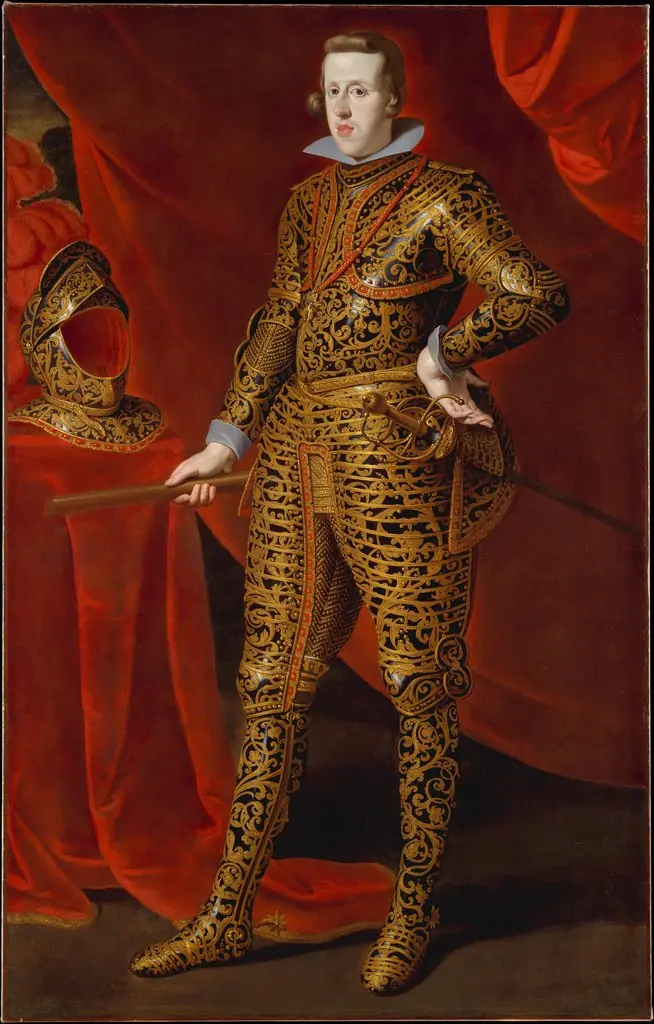 Philip IV (1605–1665) in Parade Armor
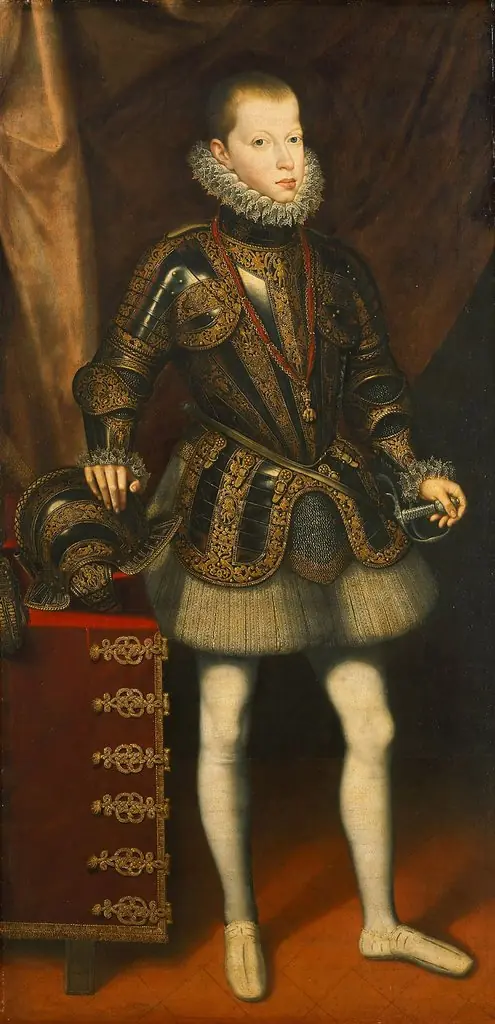 Infant Philipp in einem Harnisch
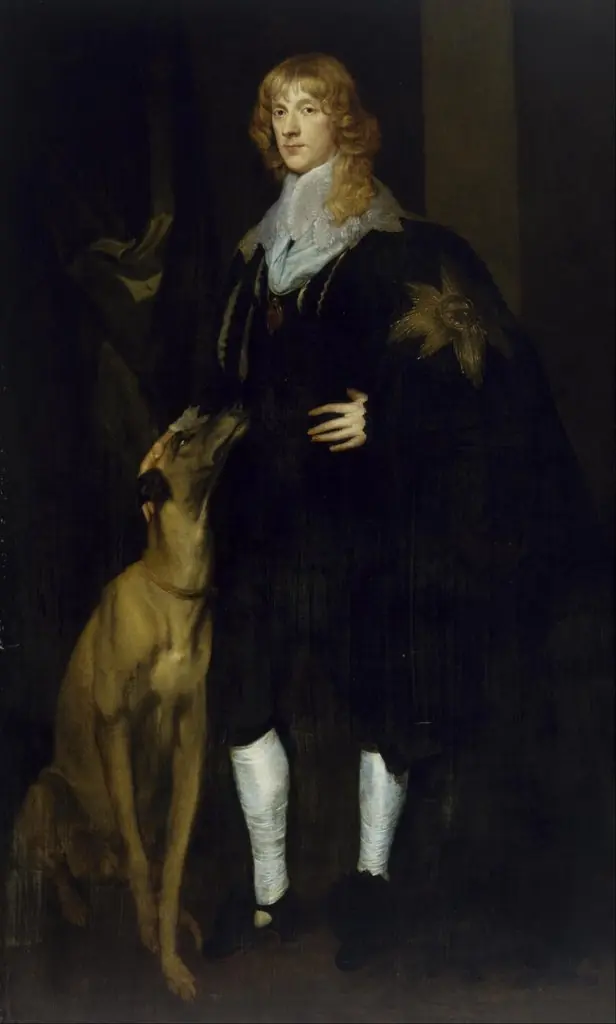 James Stuart, Duke of Lenox and Richmond
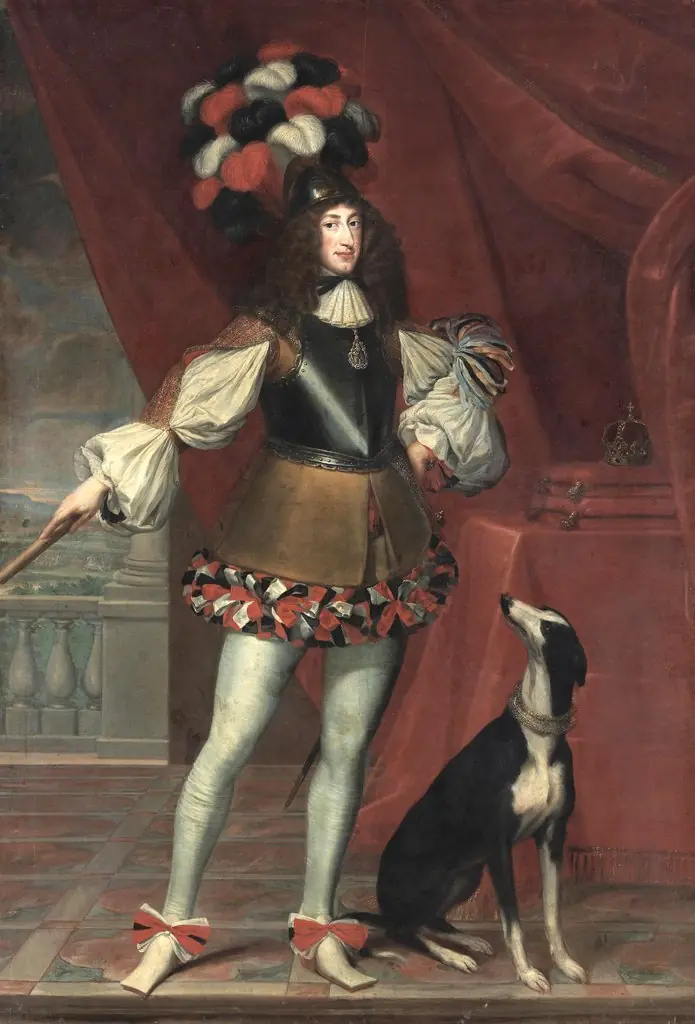 Karl Emanuel II., Herzog von Savoyen (?)
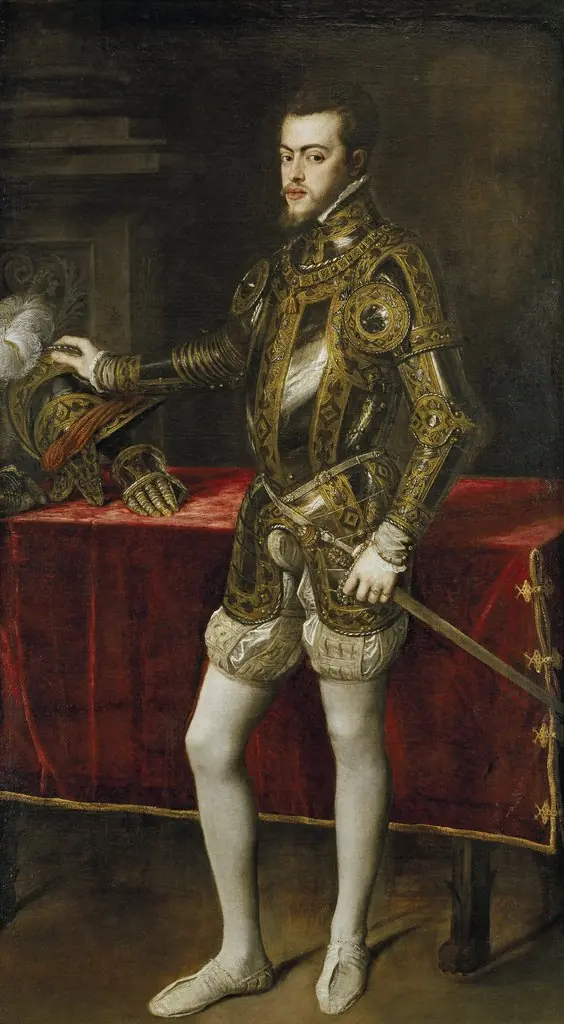 Philip II in Armour
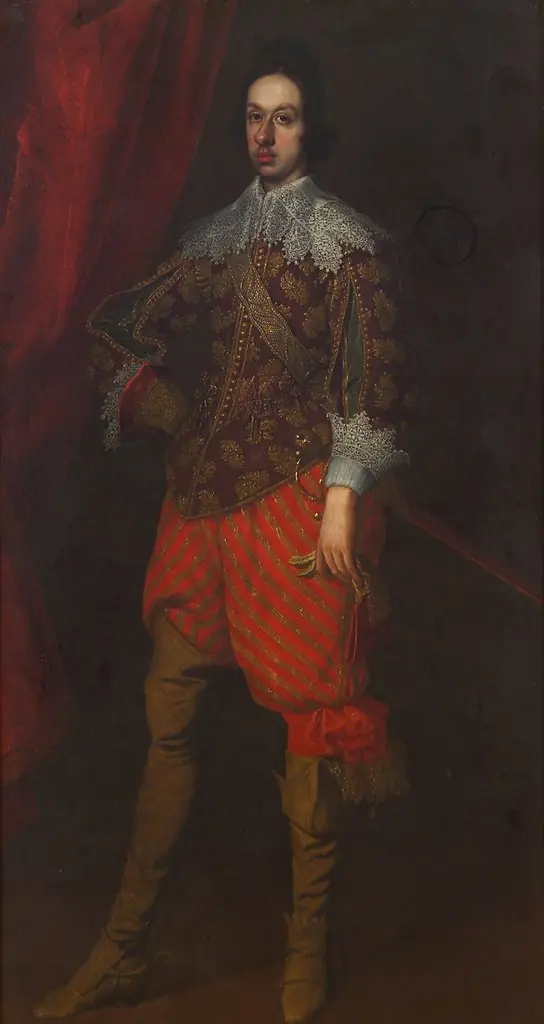 Grand Duke Ferdinando II. (1610-1670) of Tuscany
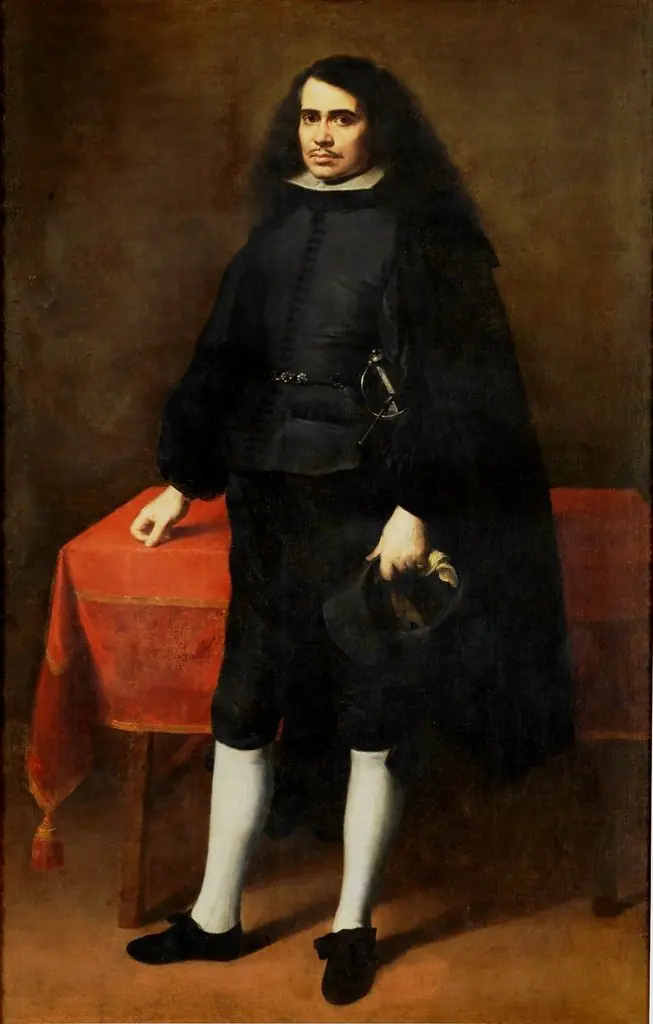 Portrait of a Man
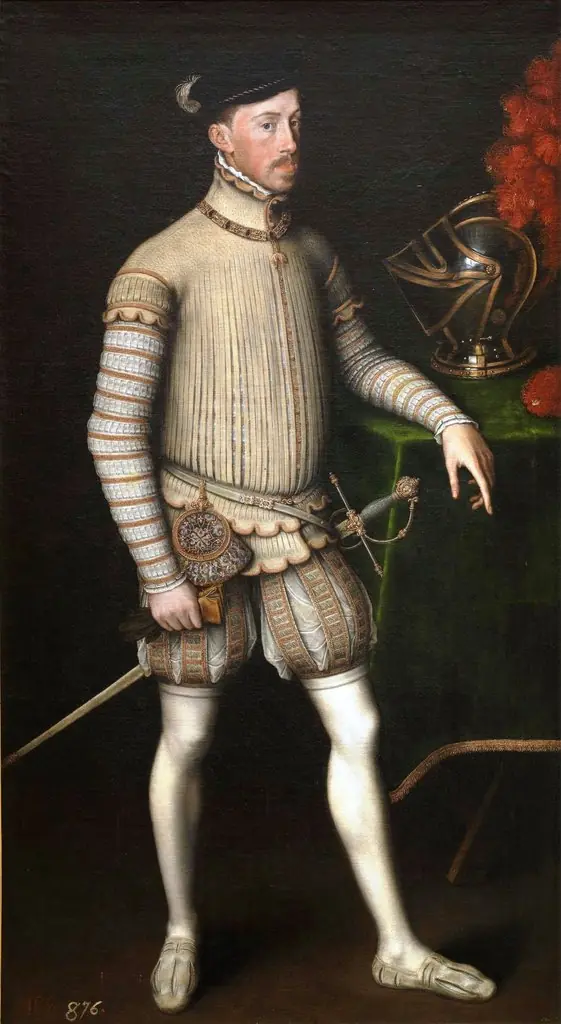 Emperor Maximilian II