Artwork
Portrait of Elżbieta Zofia Radziwiłł née Ostrogska (ca. 1560–1599)
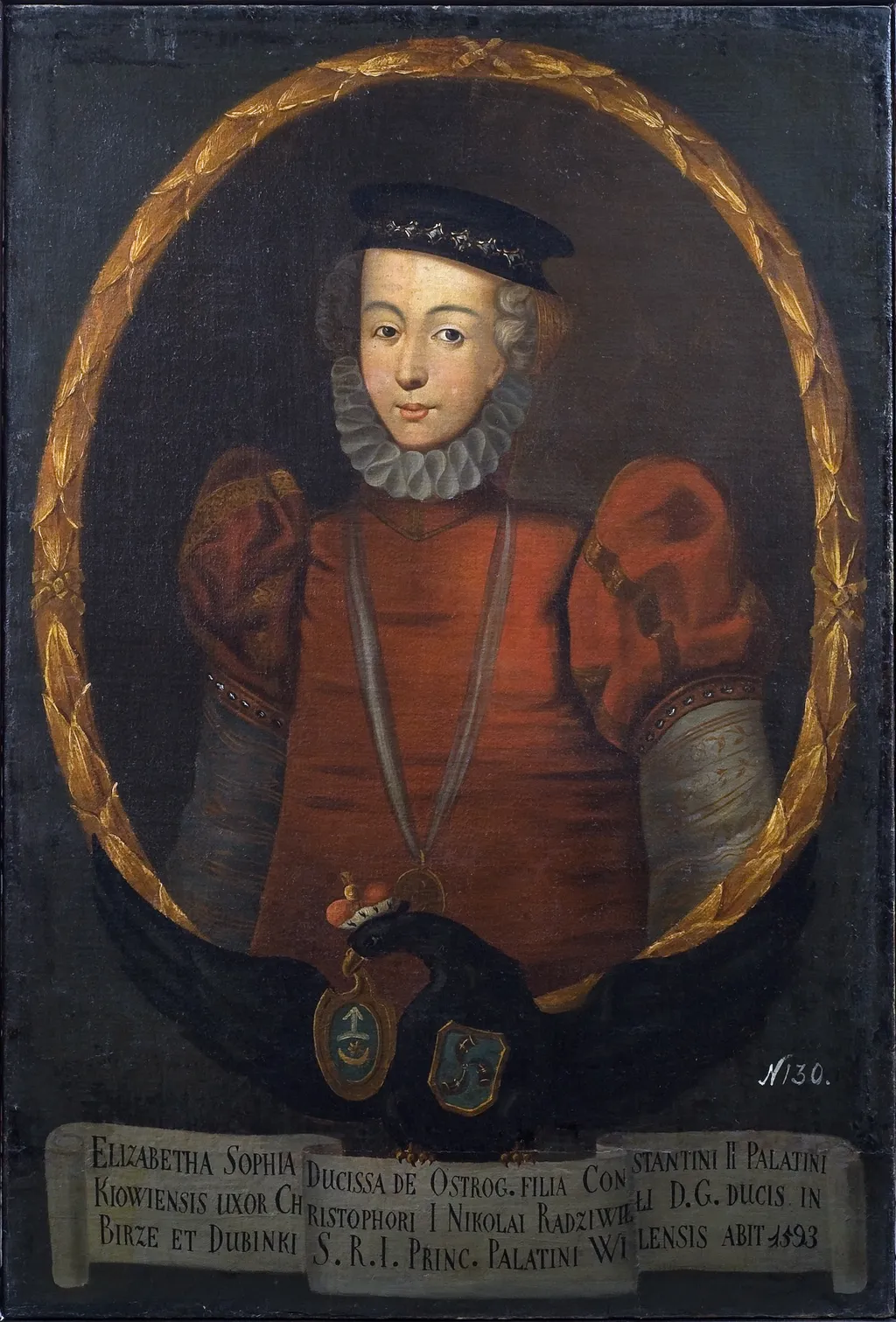
Portrait of Elżbieta Zofia Radziwiłł née Ostrogska (ca. 1560–1599) is an oil painting by the Rococo painting artist Unknown. It dates from 1735 and is held in the collection of the National Museum in Warsaw. The oil painting depicts a woman framed in a dark oval, dressed in a red doublet with black sleeves, a white ruff, and a black hat.
About this work
Overview
The oil painting depicts a woman framed in a dark oval, dressed in a red doublet with black sleeves, a white ruff, and a black hat. She holds a small shield bearing a coat of arms, wears two medals on her belt, and a gold chain crosses her chest. The inscription at the bottom reads *Elżbieta Zofia*.
Subject & Meaning
The sitter is identified as Elżbieta Zofia Radziwiłł, née Ostrogska, a Polish noblewoman who lived between roughly 1560 and 1599. The inclusion of heraldic symbols and medals underscores her aristocratic status and family connections, while the gold chain may allude to wealth or marital alliances.
Technique & Style
The work employs chiaroscuro, creating pronounced contrasts between illuminated areas and deep shadows, which model the figure’s features and clothing. The rendering of textures—fabric, metal, and fur—shows careful attention, and the overall composition echoes portrait conventions of earlier centuries despite a later execution date.
History & Provenance
Although the portrait bears the name of a 16th‑century figure, stylistic analysis indicates it was painted well after her death, likely in a retrospective style intended to evoke an older aesthetic. The gold frame and meticulous details support the notion of a later, possibly commemorative, creation.
Context
Elżbieta Zofia belonged to two prominent noble families, the Radziwiłłs and the Ostrogskis, both influential in the Polish–Lithuanian Commonwealth. Portraits of such lineage often served to reinforce dynastic prestige and were sometimes commissioned posthumously to honor ancestors.
Artist & collection

 Domestic Scene
 Giacomo and Cardinal Marco, investing Andrea, Abbot of San Zeno, with his Benefice
 The Nymph of Fontainebleau
 Portrait of a Woman
 Madonna and Child with Saints in the Enclosed Garden
 Venus and Minerva
 Family Group of Four on Sofa
 Wall painting from Room H of the Villa of P. Fannius Synistor at Boscoreale
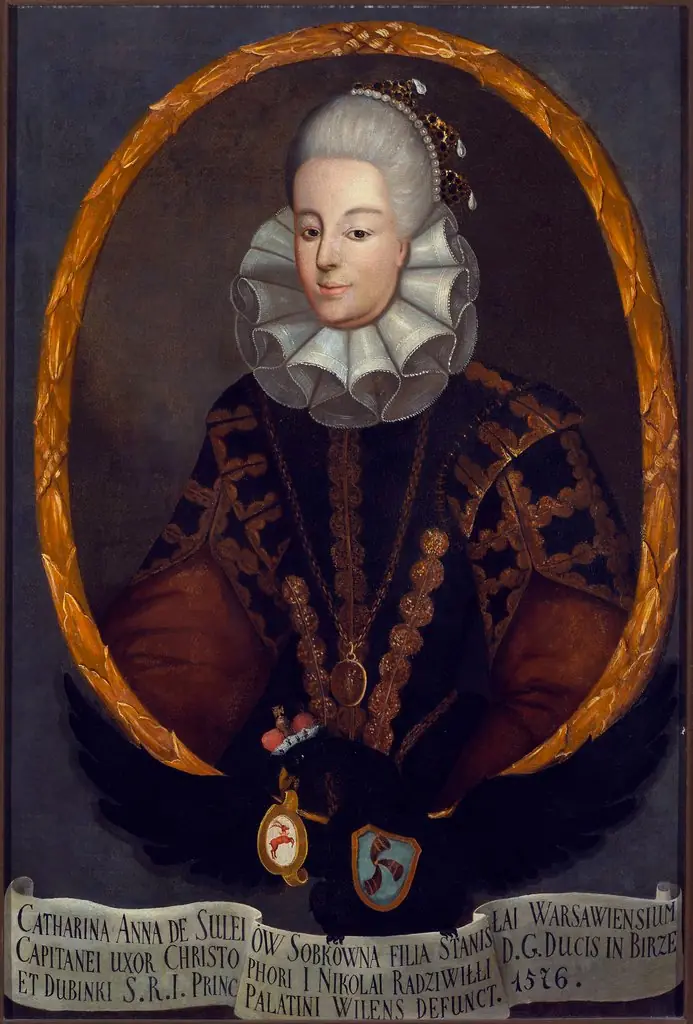 Portrait of Anna Radziwiłł née Sobek (?–1578)
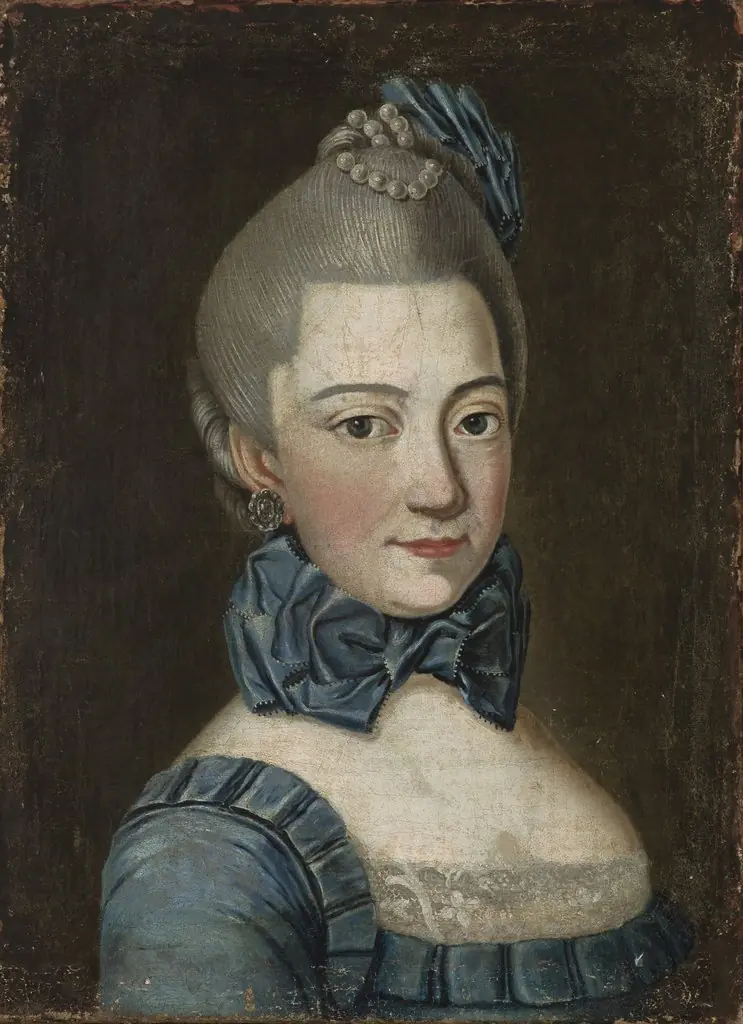 Portrait of Elżbieta Potocka née Wielopolska
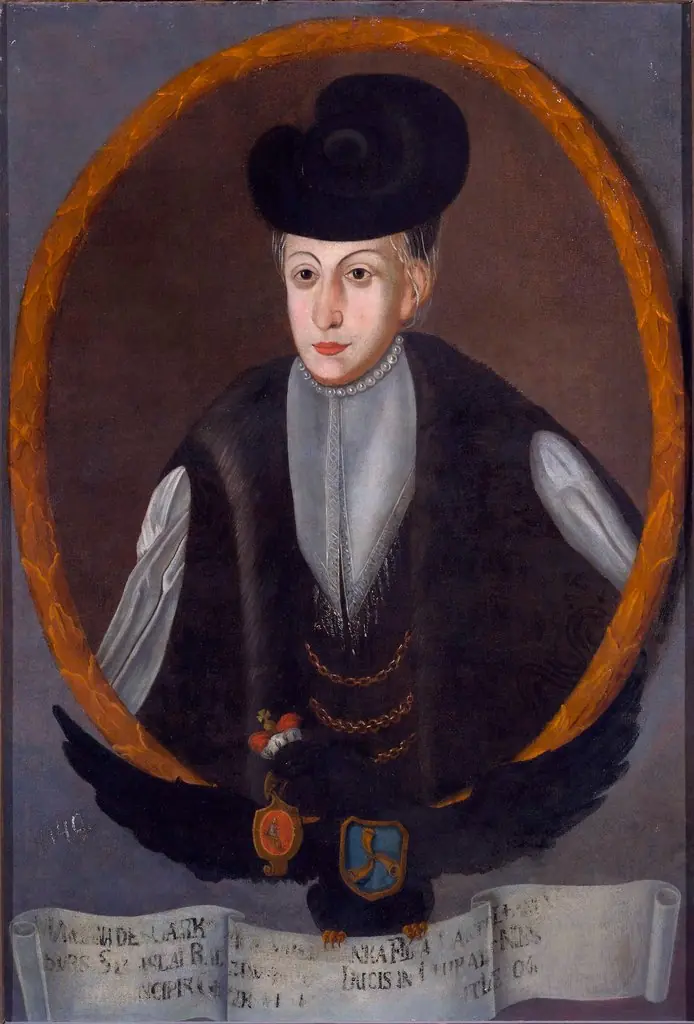 Portrait of Marianna Radziwiłł née Myszka (1563–1600)
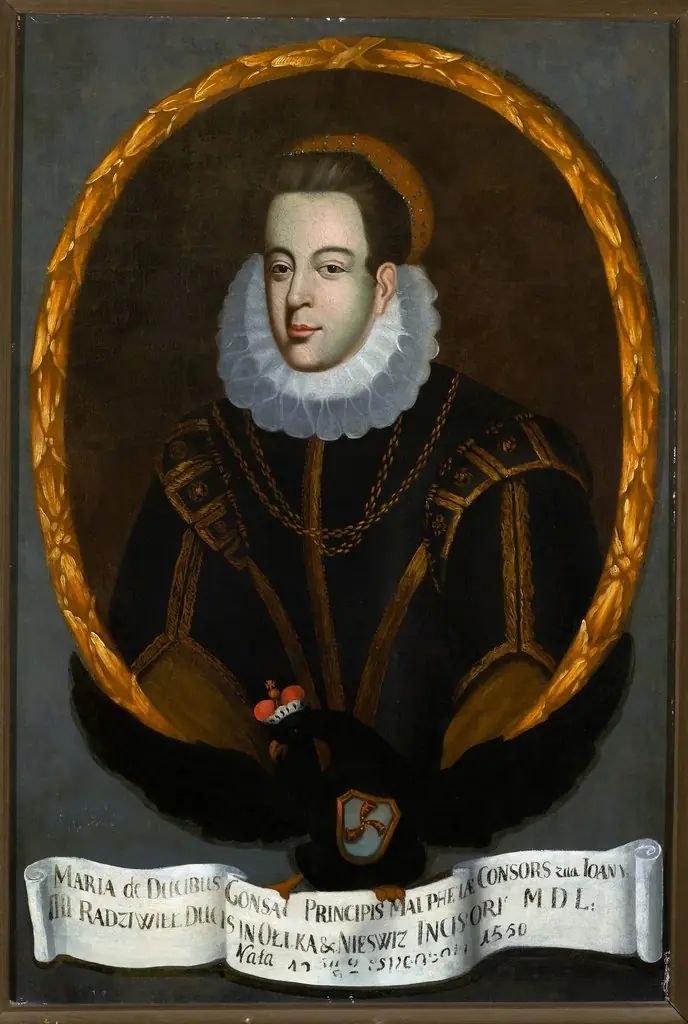 Portrait of Maria Hippolita née Gonzaga (1534–?) Radziwiłł ?
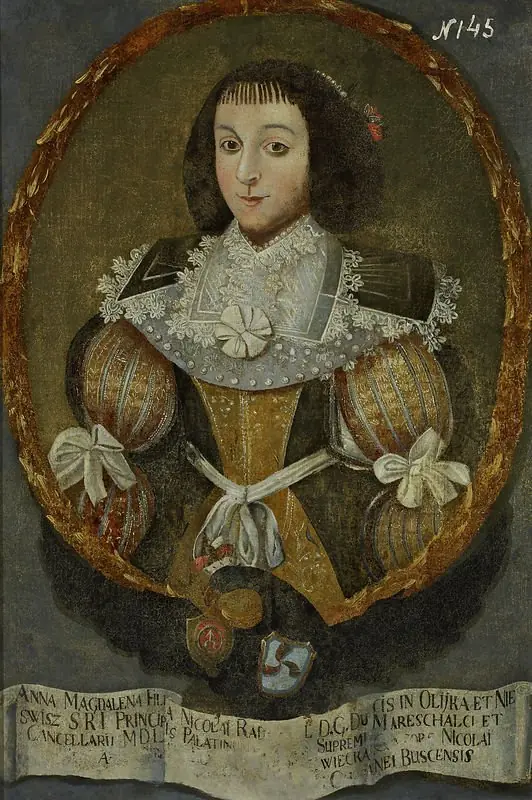 Portrait of Anna Magdalena Tworowska née Radziwiłł (1553–1590)
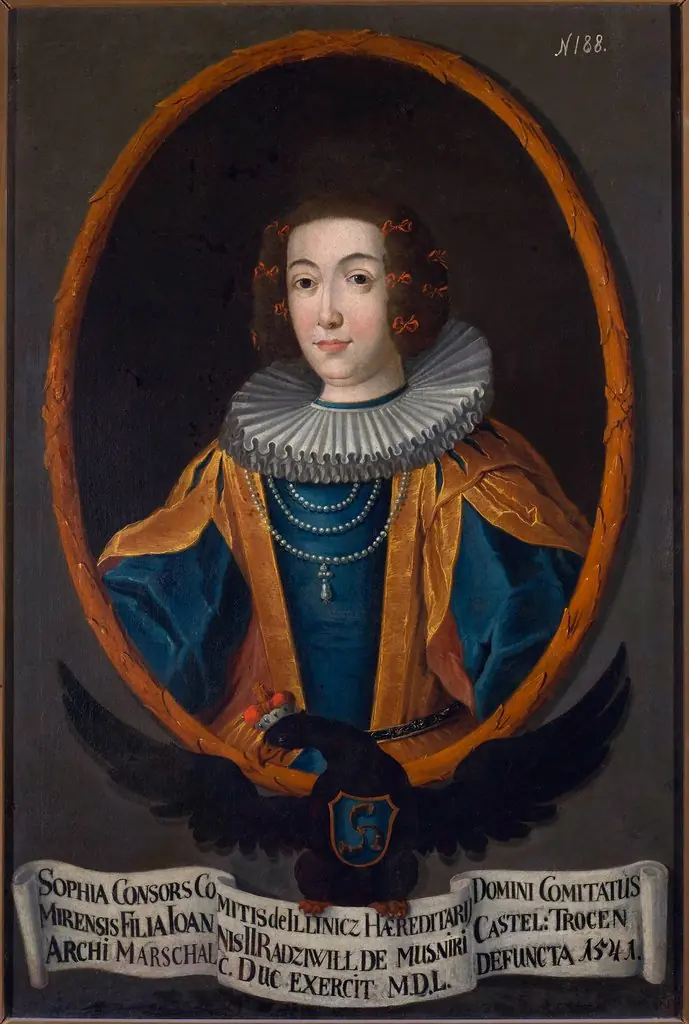 Portrait of Zofia Illinicz née Radziwiłł (?–1541)
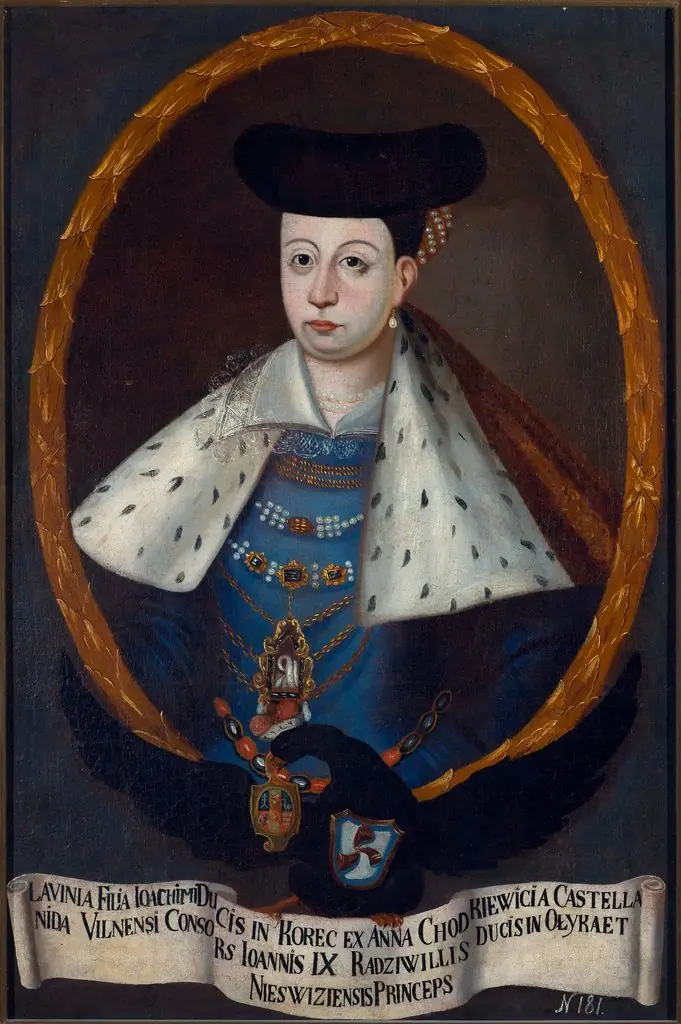 Portrait of Lawinia Radziwiłł née princess Korecka (ca. 1587–ca. 1641)
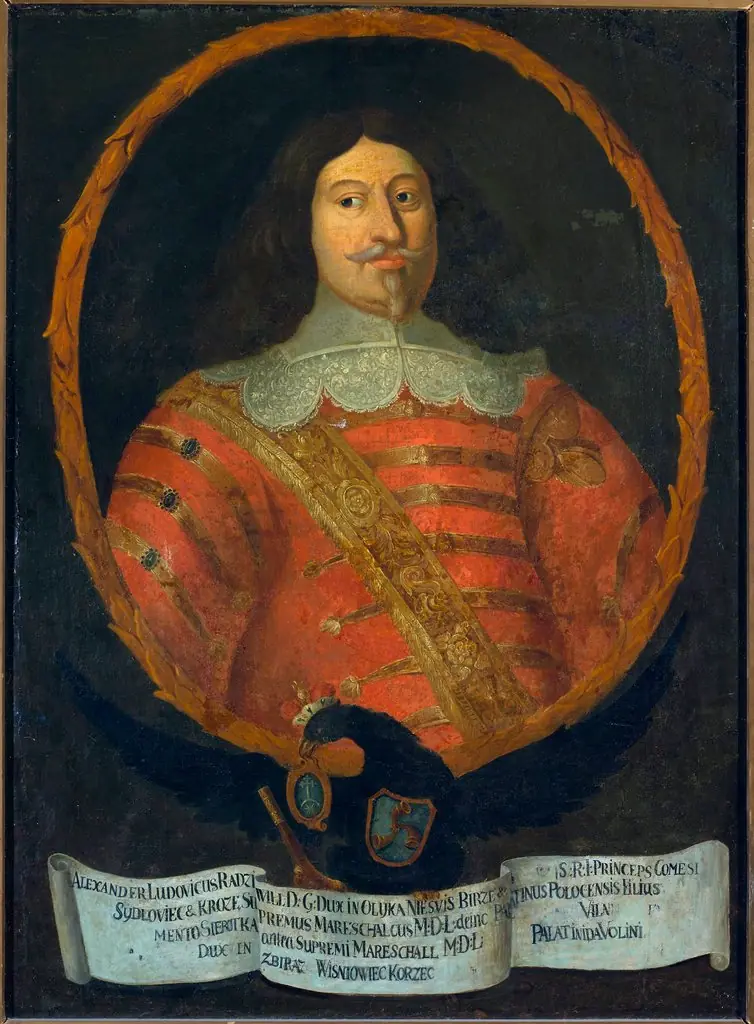 Portrait of Aleksander Ludwik Radziwiłł (1594–1654)
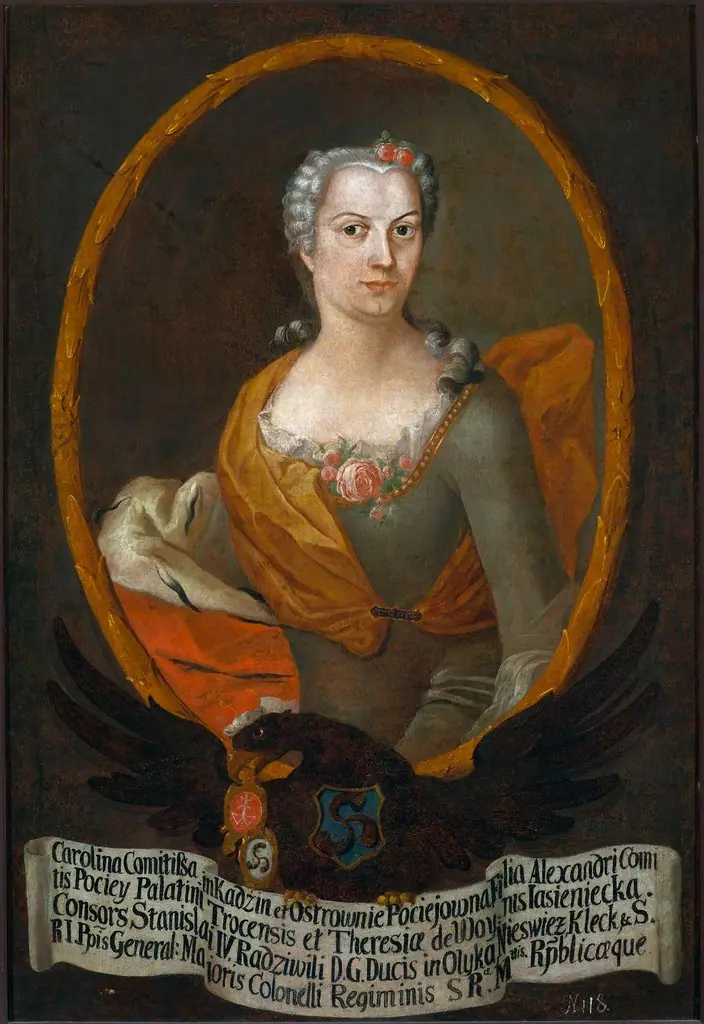 Portrait of Karolina Radziwiłł née Pociej (1732–1776)
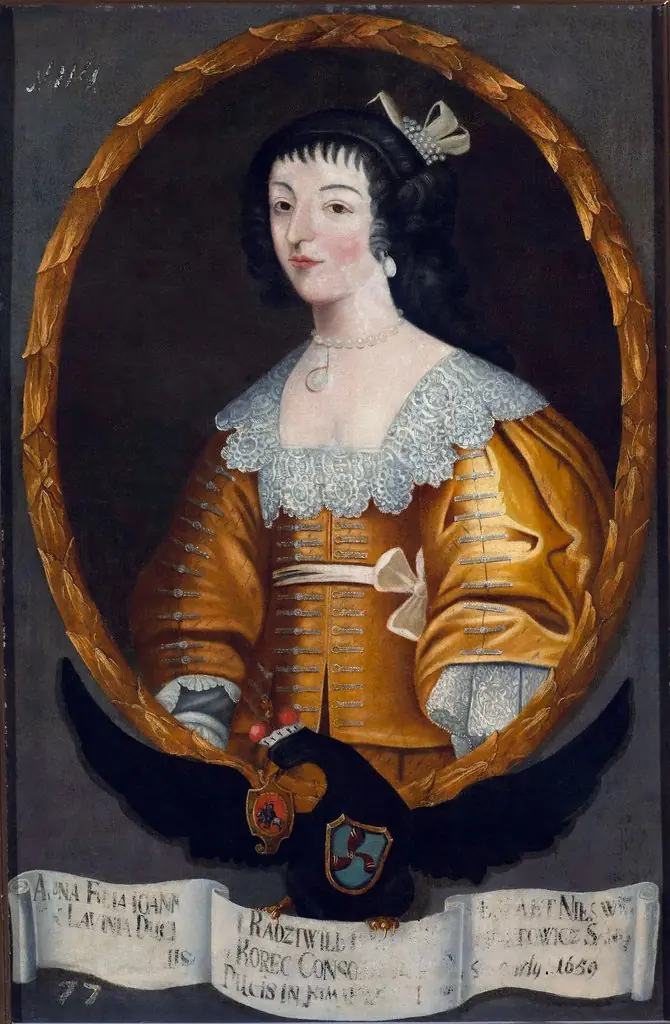 Portrait of Anna Sanguszko née Radziwiłł (?–1659)