Artwork
Boy with an Arrow (dummy board)
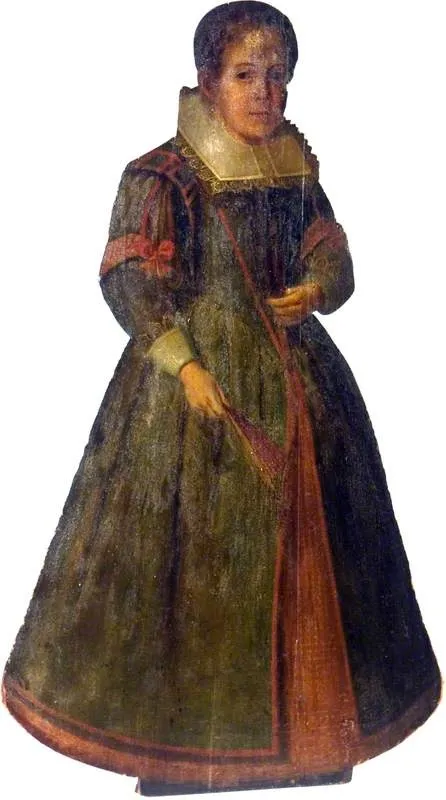
Boy with an Arrow (dummy board) is an unspecified painting by Unknown. It dates from 1617 and is held in the collection of the Victoria and Albert Museum. This small panel painting portrays a young boy holding an arrow, rendered in a manner that emphasizes texture and partial concealment.
About this work
Overview
This small panel painting portrays a young boy holding an arrow, rendered in a manner that emphasizes texture and partial concealment.
This small panel painting portrays a young boy holding an arrow, rendered in a manner that emphasizes texture and partial concealment. The figure is set against an indistinct background, with no contextual elements to anchor the scene. The attire—dark green with white collar and red detailing—suggests aristocratic or ceremonial dress from the late Renaissance or early Baroque period, though the work lacks definitive attribution or provenance.
Subject & Meaning
The boy’s pose and the arrow he holds may allude to Cupid or a symbolic figure of love or war, common in allegorical portraiture of the era. The blurred facial features and absence of narrative context suggest the image was not intended as a literal portrait but as a study in expression, costume, or idealized youth. The arrow, as a solitary object, invites interpretation without explicit narrative guidance.
Technique & Style
The painting employs soft transitions between light and shadow, hinting at sfumato, though without the depth seen in Leonardo’s works. Brushwork is loose in places, particularly around the edges of the garment, suggesting a focus on surface texture over anatomical precision. The dark green fabric is built up with layered pigments, while the white collar and red accents provide contrast, drawing attention to the figure’s form.
History & Provenance
The painting’s origin remains undocumented. It was likely produced as a preparatory study or decorative panel, possibly part of a series of allegorical figures. No records link it to a known artist or collection prior to its modern appearance. Its designation as a 'dummy board' implies it may have been used as a model for other works or as a display piece in a studio or private collection.
Context
During the late 16th and early 17th centuries, small-scale figure studies were common among artists training in portraiture or allegory. Such panels often served as references for larger compositions or as standalone decorative objects in elite interiors. The boy’s attire reflects contemporary fashion among European nobility, though the stylized rendering indicates artistic interpretation rather than strict realism.
Legacy
Though unattributed and obscure, the painting contributes to the broader understanding of how artists explored identity and symbolism in intimate formats. Its ambiguity reflects a period when the boundaries between portraiture, allegory, and study were fluid. It remains a quiet example of how minor works can preserve the visual language of an era without claiming fame.
Artist & collection

 Domestic Scene
 Giacomo and Cardinal Marco, investing Andrea, Abbot of San Zeno, with his Benefice
 The Nymph of Fontainebleau
 Portrait of a Woman
 Madonna and Child with Saints in the Enclosed Garden
 Venus and Minerva
 Family Group of Four on Sofa
 Wall painting from Room H of the Villa of P. Fannius Synistor at Boscoreale
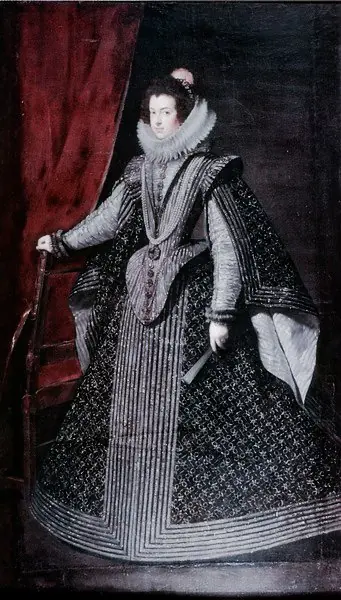 Isabella of Bourbon. First Queen of King Philip IV
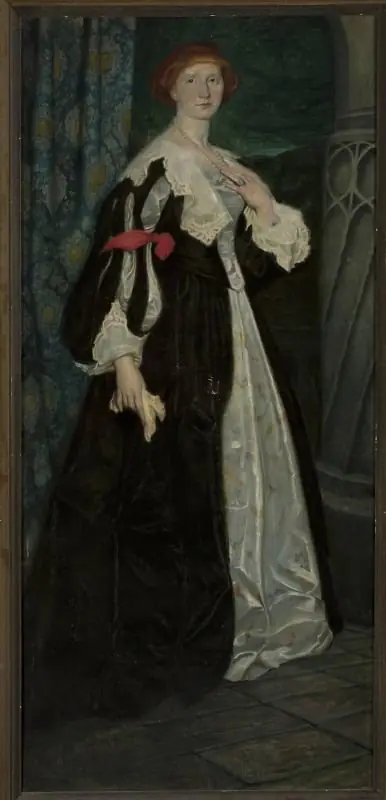 Portrait of Irena Solska
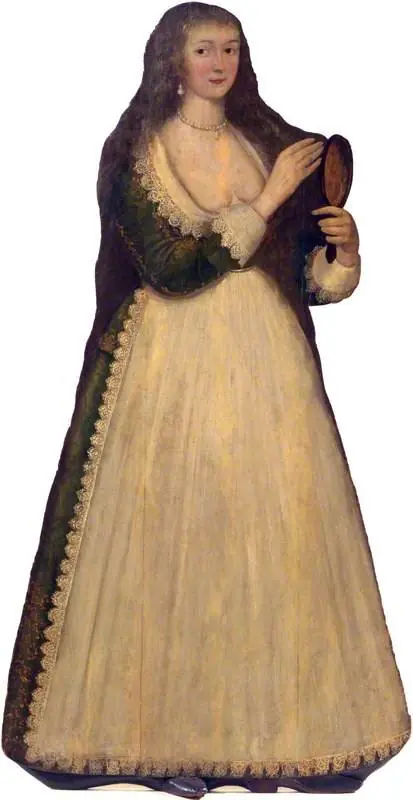 Woman with a Mirror (dummy board)
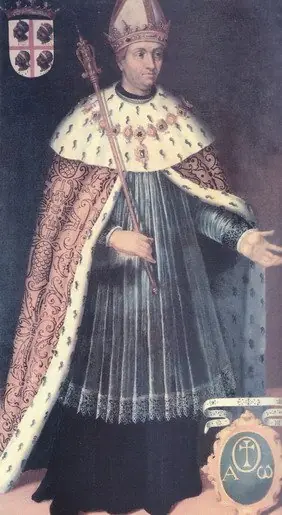 Ramiro Sánchez II El Monje
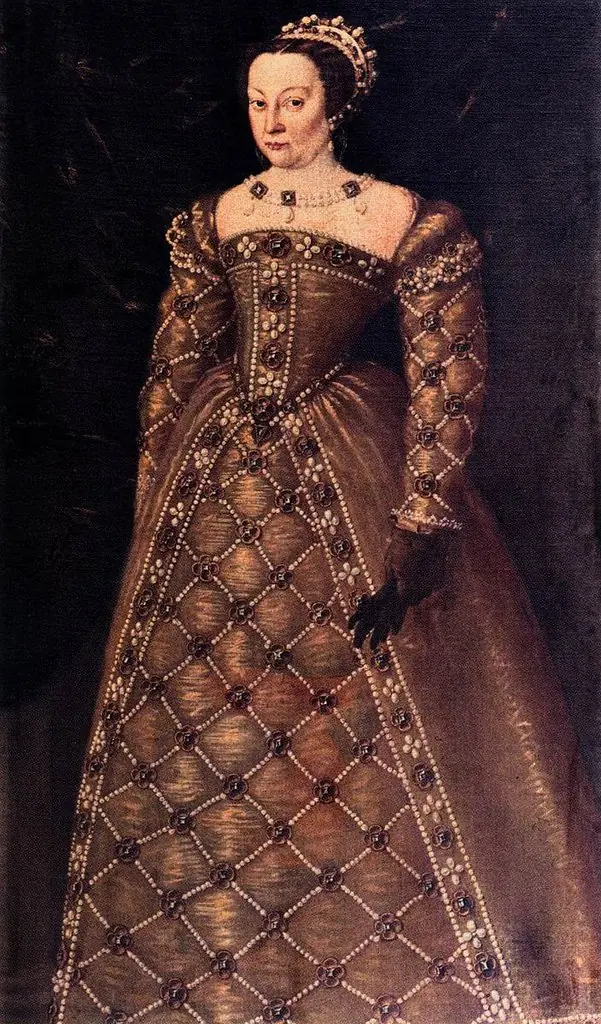 Portrait of Catherine de’ Medici
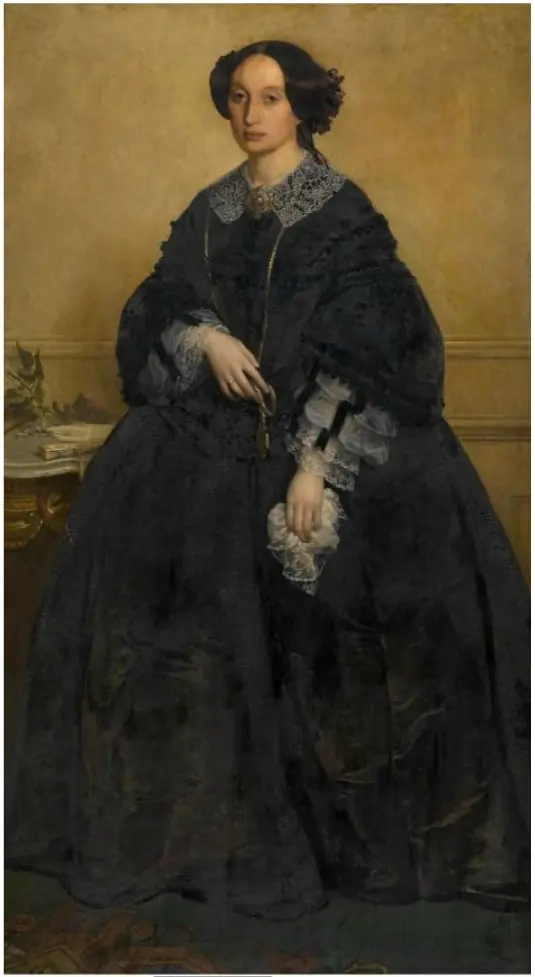 Mrs. Henri Leys-Van Haren
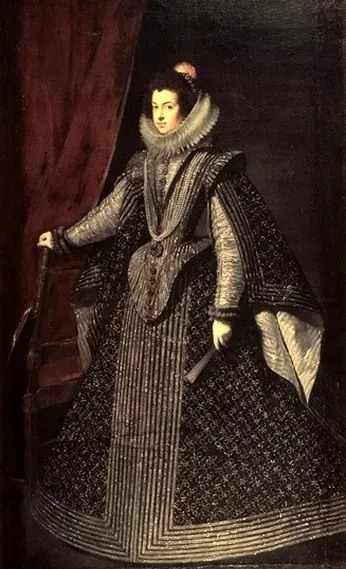 Isabella of Bourbon
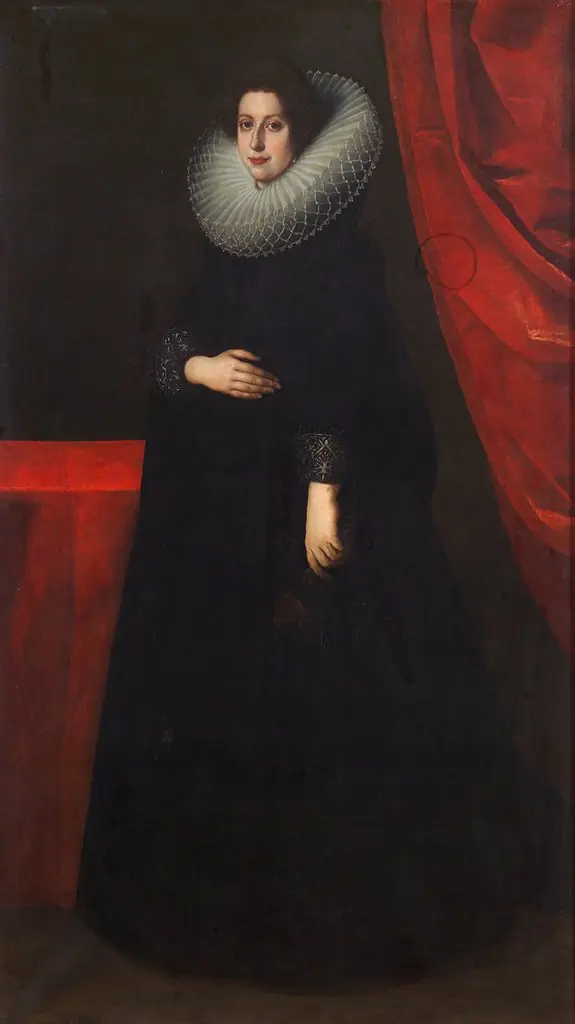 Catarina de' Medici (1593-1629)
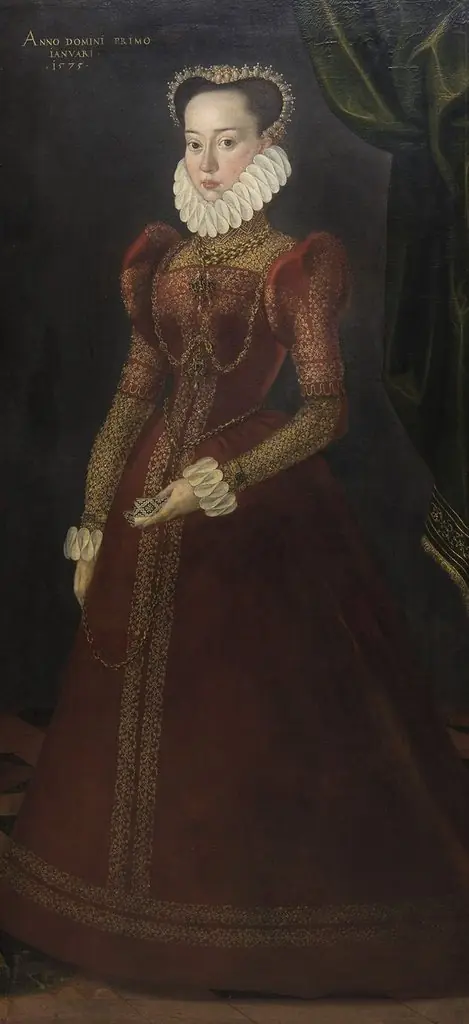 Anna, Tochter des Pfalzgrafen Wolfgang von Zweibrücken-Veldenz
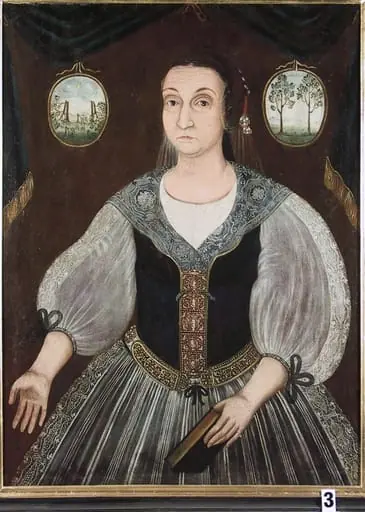 Susanna Klausenburger, născută Adammi
 Susanna von Klausenburger născută Adami (În Registrul inventar: Susanna Klausenburger, născută Adamm).
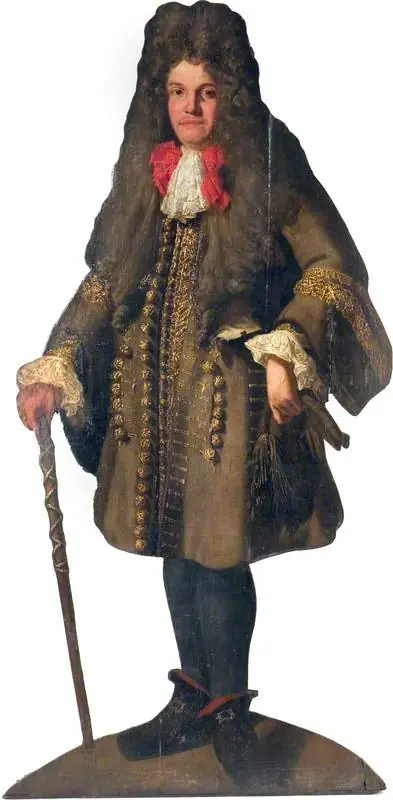 Man with a Cane (dummy board)