Artwork
Sophie Birgitta Mathiesen
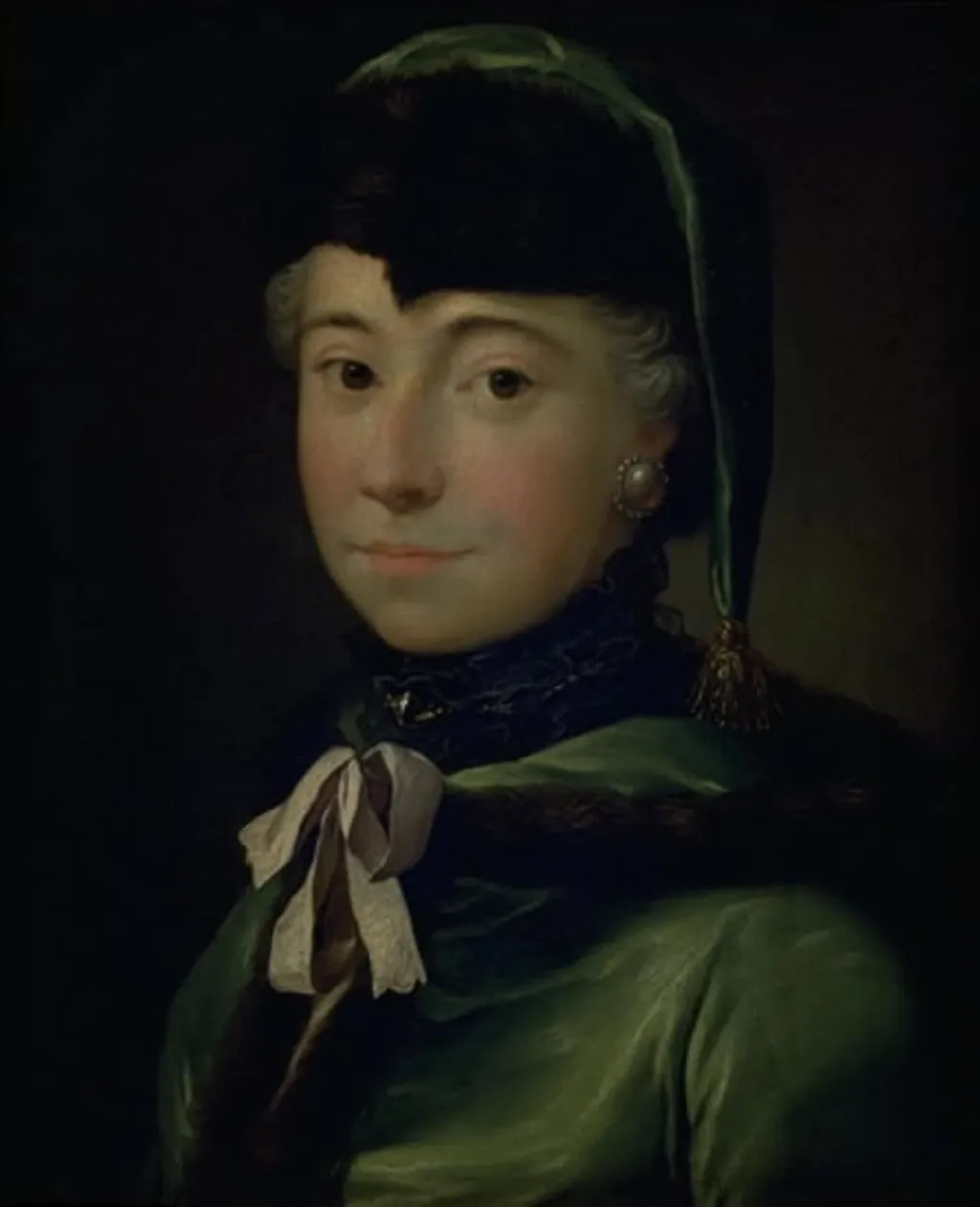
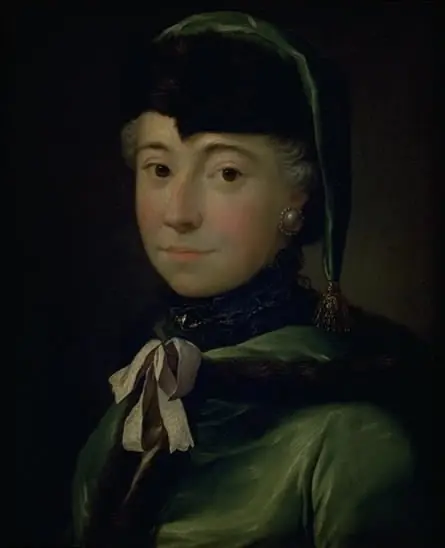
Sophie Birgitta Mathiesen is a photography by Unknown. It dates from 1750 and is held in the collection of the Statens Museum for Kunst.
About this work
Overview
This portrait, dated around 1750, depicts Sophie Birgitta Mathiesen, a woman of likely modest aristocratic standing. Executed in a quiet, intimate style, the image captures her in a moment of stillness. The work is part of the collection at the Museum of Ethnography, where it serves as a record of personal appearance and dress in mid-18th-century Scandinavia.
Subject & Meaning
Sophie Birgitta Mathiesen is portrayed with restrained dignity, her expression calm and composed. The absence of overt symbols of status suggests a preference for personal authenticity over public display. The single pearl earring and feather hint at subtle individuality, reflecting a cultural moment where personal identity began to emerge within formal portraiture.
Technique & Style
The artist employed soft, diffused lighting to model the face against a dark, undefined background, drawing focus to the subject’s features. Brushwork is delicate, with attention to texture in fabric and hair. The palette is muted—dark green, brown, and pale skin tones—creating a sense of quiet intimacy rather than grandeur, typical of private portraiture of the period.
History & Provenance
The portrait entered the Museum of Ethnography’s collection as part of a broader effort to document regional dress and personal identity in Nordic societies. Its origins before institutional acquisition remain undocumented, but its preservation suggests it was kept within the family or local community for generations before being donated or transferred.
Context
In mid-18th-century Scandinavia, portraiture was increasingly accessible beyond the highest nobility. This image reflects a growing middle and lower aristocracy’s interest in recording personal likeness. The simplicity of attire and setting aligns with emerging ideals of naturalness and modesty, contrasting with the opulence of courtly portraiture elsewhere in Europe.
Legacy
The portrait endures as a quiet testament to individual presence in an era when such personal records were still uncommon outside elite circles. It contributes to scholarly understanding of everyday aesthetics and gendered self-representation in Nordic communities, offering insight into how identity was visually constructed beyond formal institutions.
Artist & collection

 Domestic Scene
 Giacomo and Cardinal Marco, investing Andrea, Abbot of San Zeno, with his Benefice
 The Nymph of Fontainebleau
 Portrait of a Woman
 Madonna and Child with Saints in the Enclosed Garden
 Venus and Minerva
 Family Group of Four on Sofa
 Wall painting from Room H of the Villa of P. Fannius Synistor at Boscoreale
 Portrait of a Woman
 Portrait of an unknown woman in a Blue Dress with Yellow Trimmings
 Portrait of Countess Caroline Schimmelmann(?)
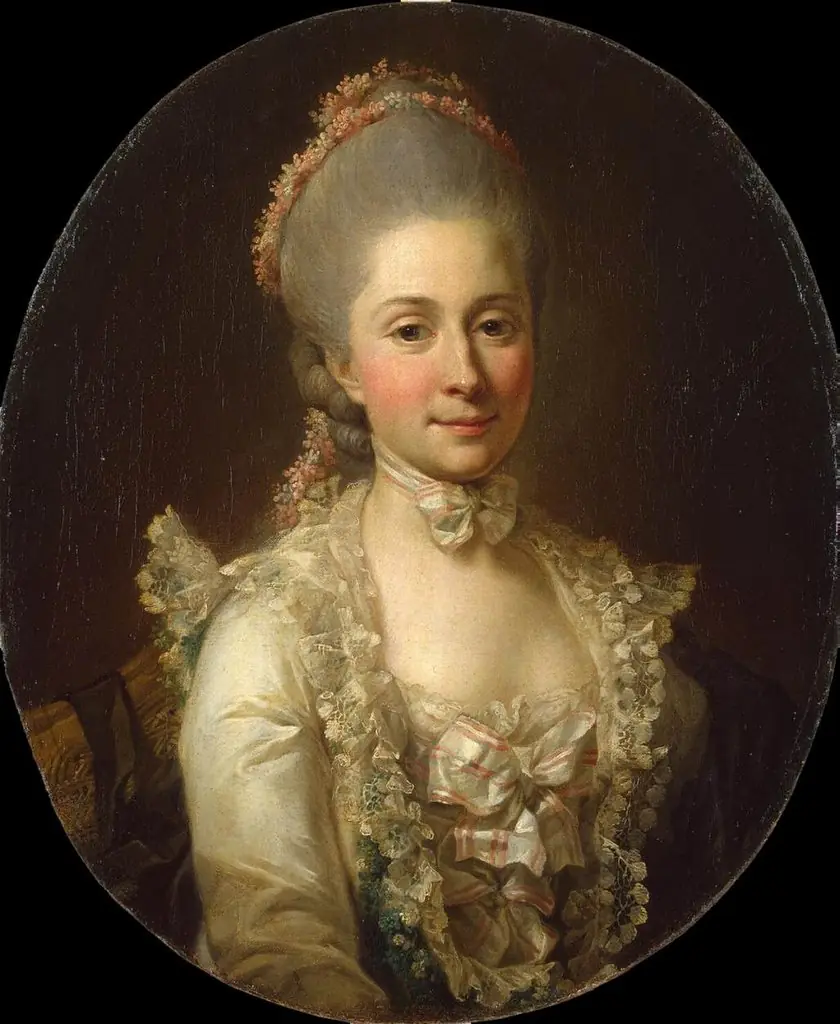 Portrait of a Woman
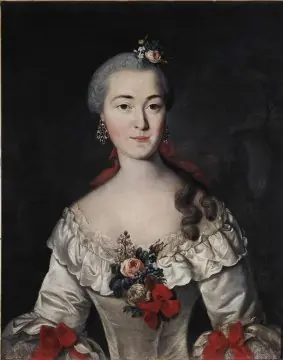 Portrait of M.I. Tatischeva
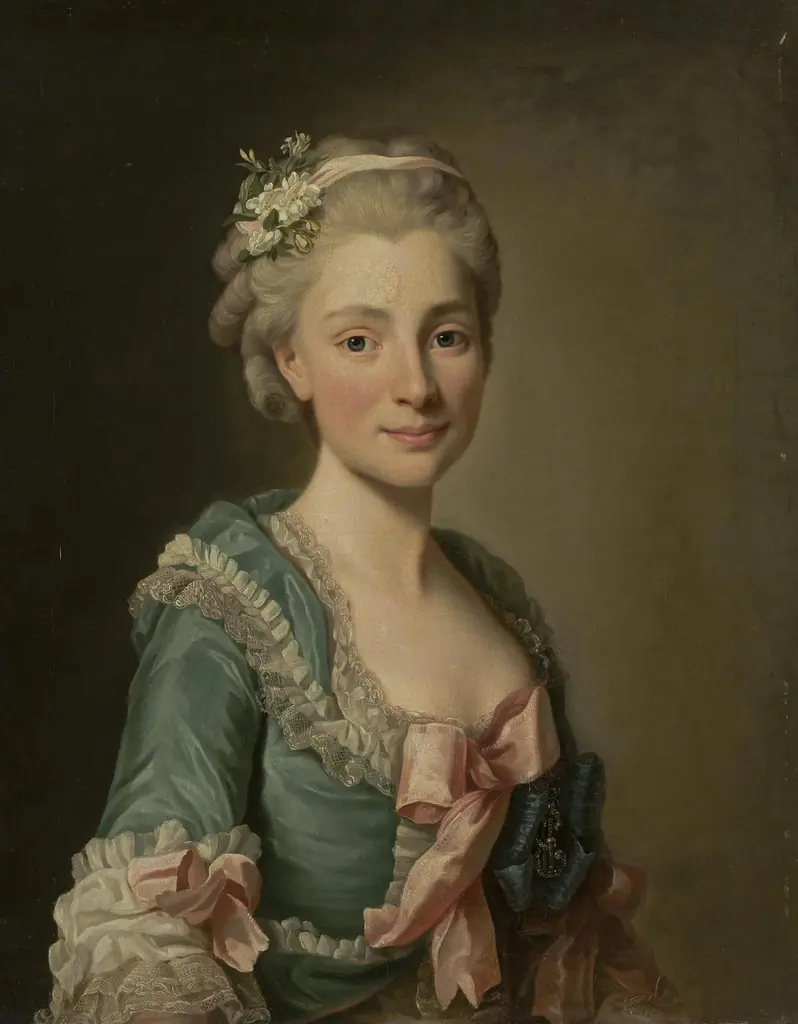 Portrait of Countess Yekaterina P. Stroganova (1744-1815) (copy)
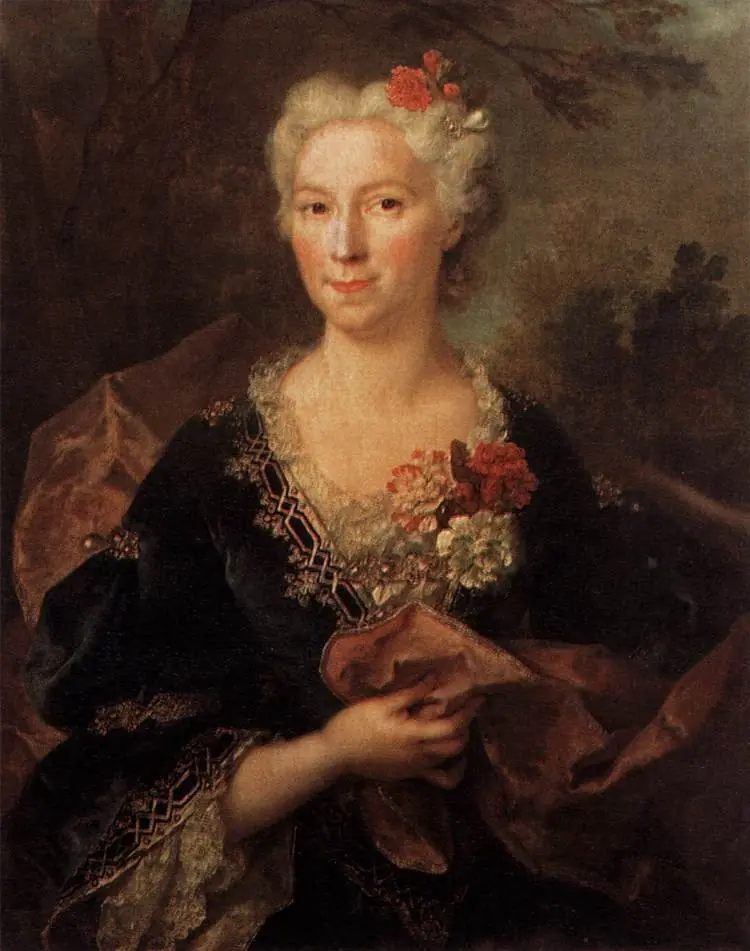 Portrait of a Lady
 Portert de femeie
 Portret van een vrouw
 Portrait of Countess Caroline Schimmelmann(?)
 Caroline Mathilde, Christian VII's Queen
 Sophie Birgitta Mathiesen