Artwork
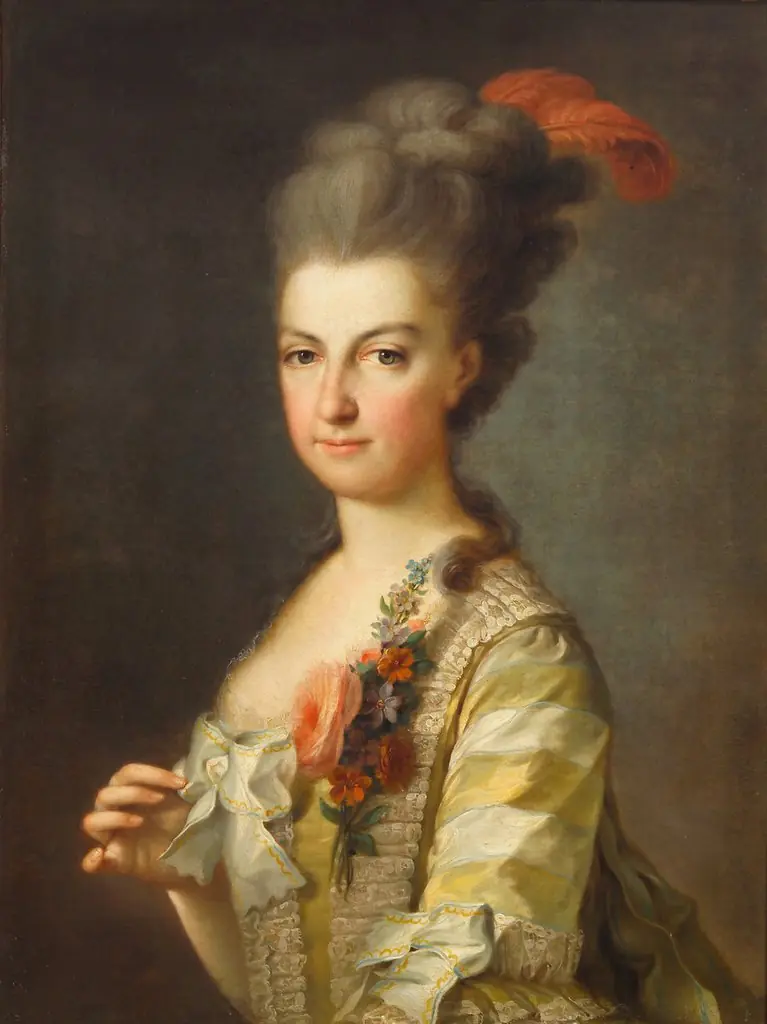
Portretul arhiducesei Maria Christina
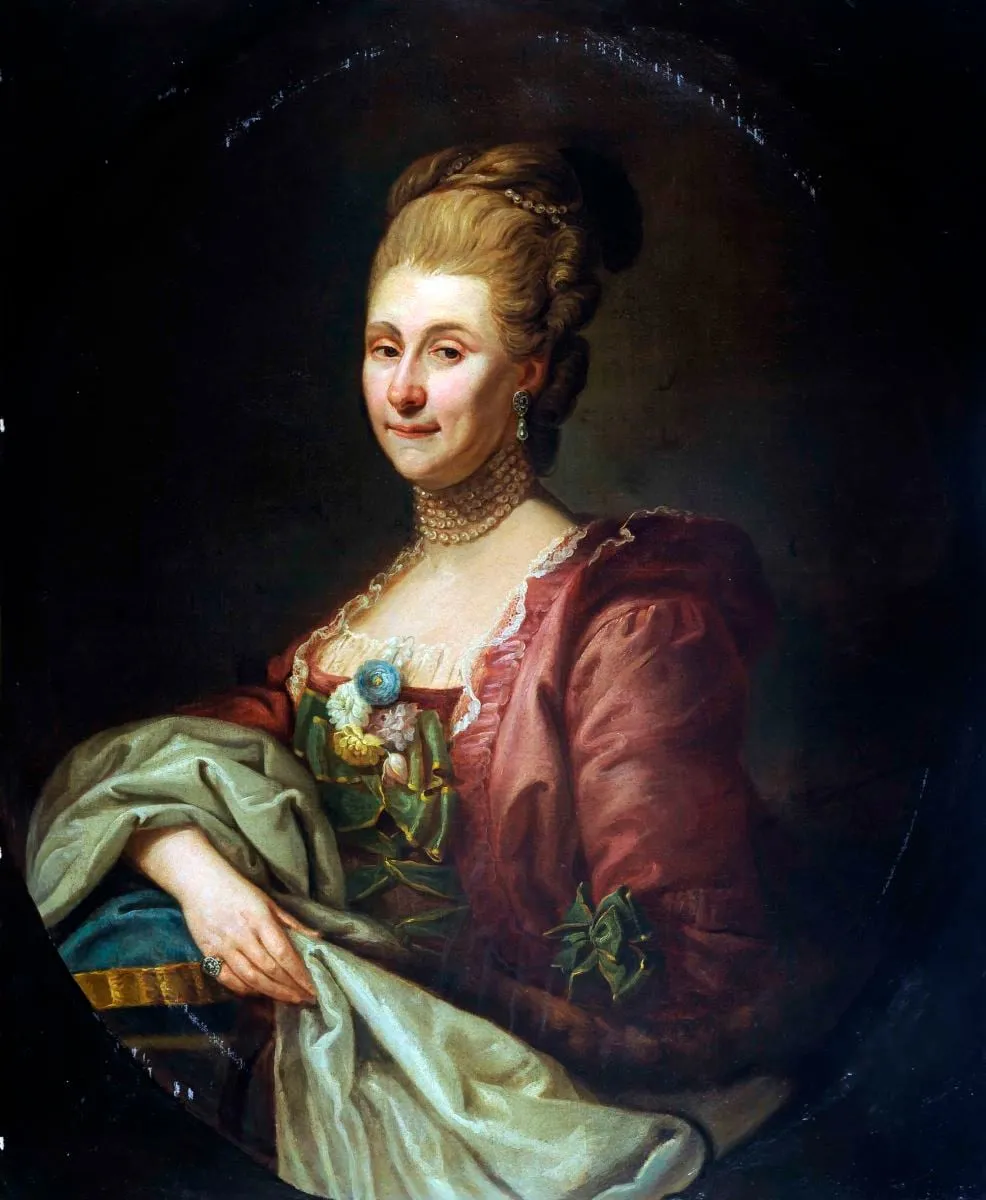
Portretul arhiducesei Maria Christina is a print by the Rococo painting artist Alexander Roslin. It dates from 1765 and is held in the collection of the National Museum of Art of Romania.
About this work
Overview
Painted around 1765 by Swedish artist Alexander Roslin, this portrait depicts Archduchess Maria Christina of Austria.
Painted around 1765 by Swedish artist Alexander Roslin, this portrait depicts Archduchess Maria Christina of Austria. Executed in oil on canvas, the work captures the aristocrat in a poised, intimate setting. Roslin’s attention to texture and subtle lighting reflects his training in French and Italian court portraiture, positioning the subject as both noble and approachable within the conventions of 18th-century European elite representation.
Subject & Meaning
Maria Christina, a daughter of Empress Maria Theresa, is portrayed not as a ruler but as a refined noblewoman. Her gentle gaze and relaxed posture suggest personal dignity rather than political authority. The pearl necklace and gold ring signify wealth and marital status, while the blue flower pin may allude to personal sentiment or Habsburg symbolism. The fan and draped fabric imply leisure, reinforcing her role within courtly femininity rather than governance.
Technique & Style
Roslin employed fine, blended brushwork to render the softness of skin and the sheen of silk, creating a tactile realism. The pink dress and lace trim are rendered with delicate precision, contrasting with the dark, undefined background that isolates the figure. Subtle chiaroscuro enhances the three-dimensionality of her face and hands, while the glint of the ring and the texture of the fan’s ribs add quiet detail without distraction.
History & Provenance
Commissioned during Maria Christina’s time in the Habsburg court, the portrait likely served as a diplomatic or familial keepsake. It remained within Austrian imperial circles before entering a public collection in the 19th century. Its preservation reflects its value as a record of aristocratic identity and Roslin’s reputation as a sought-after portraitist among European royalty.
Context
In mid-18th-century Europe, portraiture functioned as both personal memento and political statement. Roslin, working across Sweden, France, and Austria, synthesized Rococo elegance with emerging neoclassical restraint. This portrait aligns with trends favoring naturalism and psychological nuance over rigid formality, reflecting broader shifts in how aristocratic women were visually represented beyond ceremonial roles.
Legacy
The portrait endures as a representative example of Roslin’s ability to merge psychological presence with material luxury. It contributes to scholarly understanding of how Habsburg women navigated public image through visual culture. While not widely exhibited, it remains a key reference in studies of Nordic and Central European portraiture of the Enlightenment era.
Artist & collection
Artist
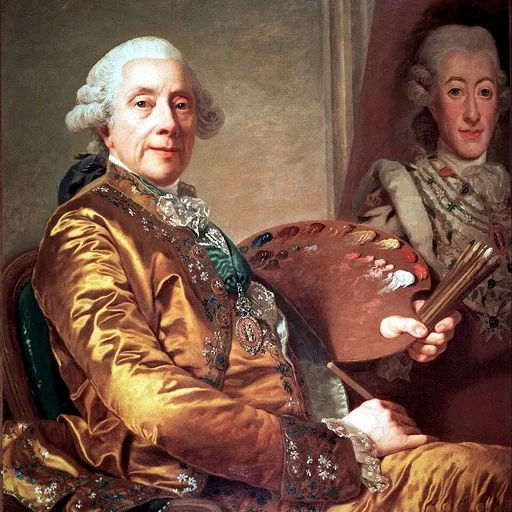
Alexander Roslin (pronounced ; spelled Alexandre in French, pronounced ; 15 July 1718 – 5 July 1793) was a Swedish painter who worked in Scania, Bayreuth, Paris, Italy, Warsaw and St.

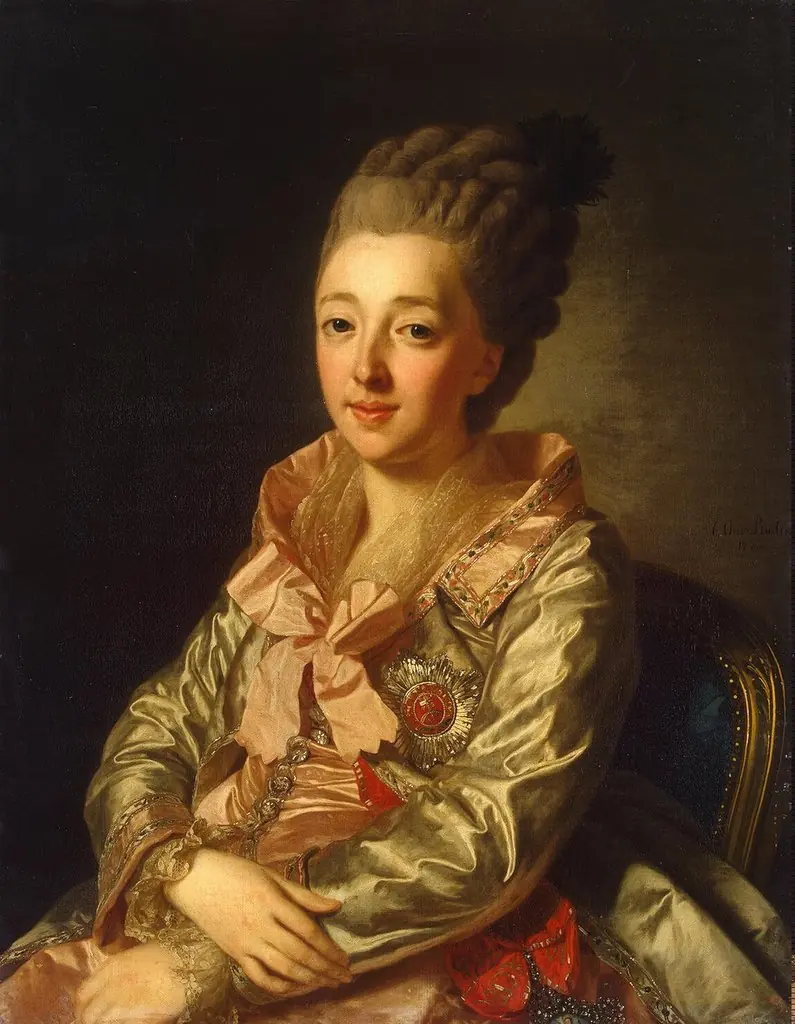 Portrait of Grand Duchess Natalia Alexeyevna
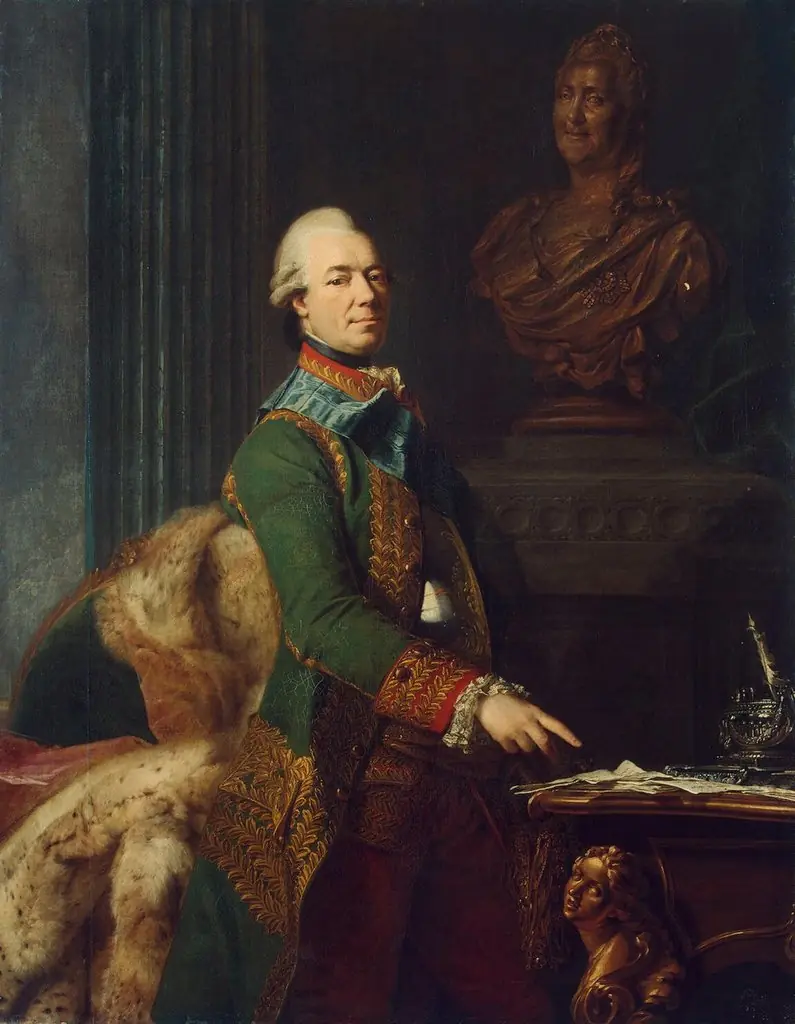 Portrait of Count Zakhar Chernyshev
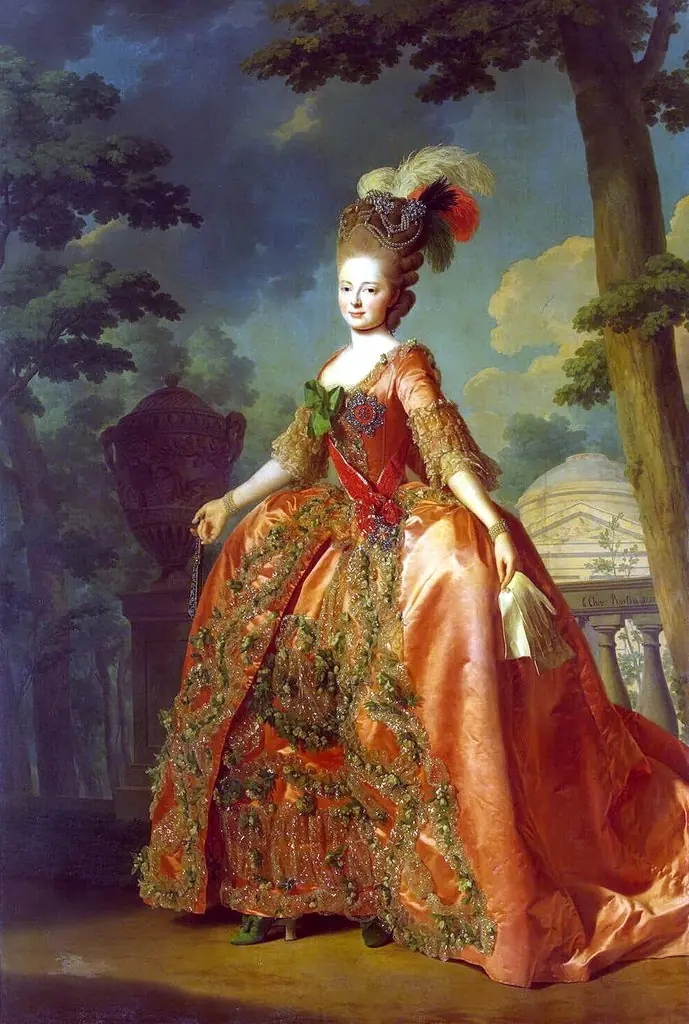 Portrait of Grand Duchess Maria Fiodorovna
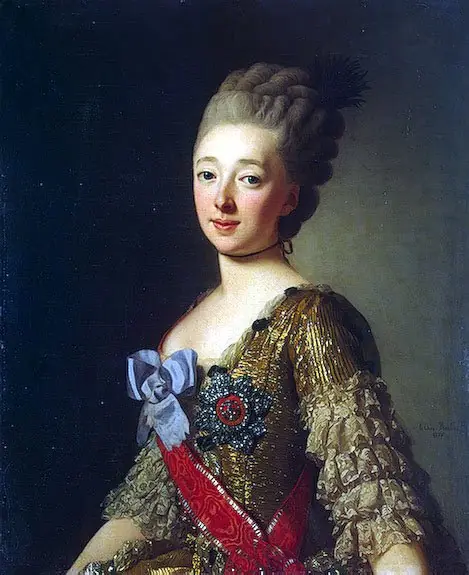 Portrait of Grand Duchess Natalia Alexeievna (Wilhelmina Louisa of Hesse-Darmstadt)
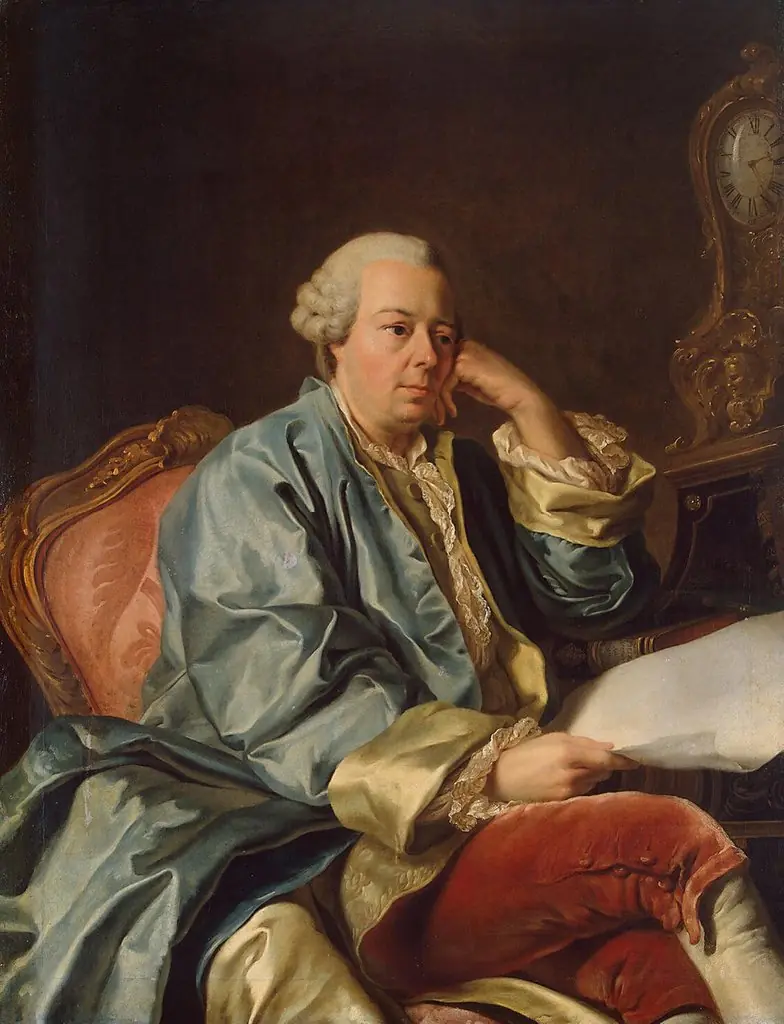 Portrait of Ivan Ivanovich Betskoi Wearing a Dressing Gown (copy)
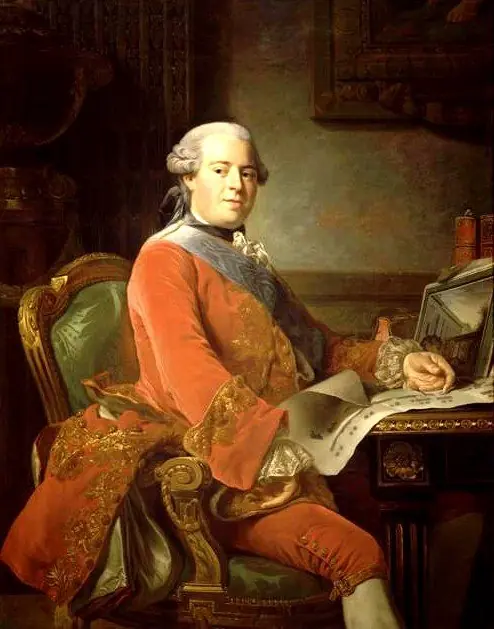 Portrait of Abel-François Poisson, marquis de Marigny
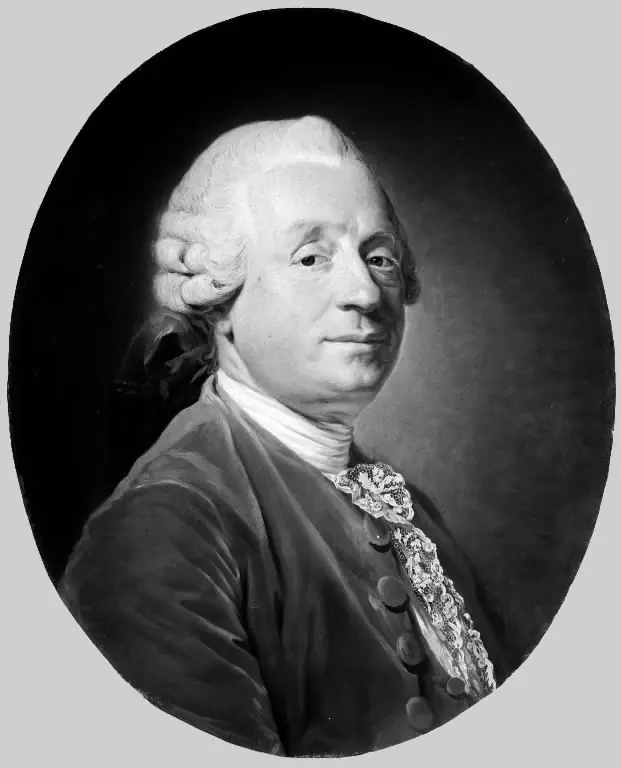 Portrait of Charles Auguste Bourlet de Vauxelles
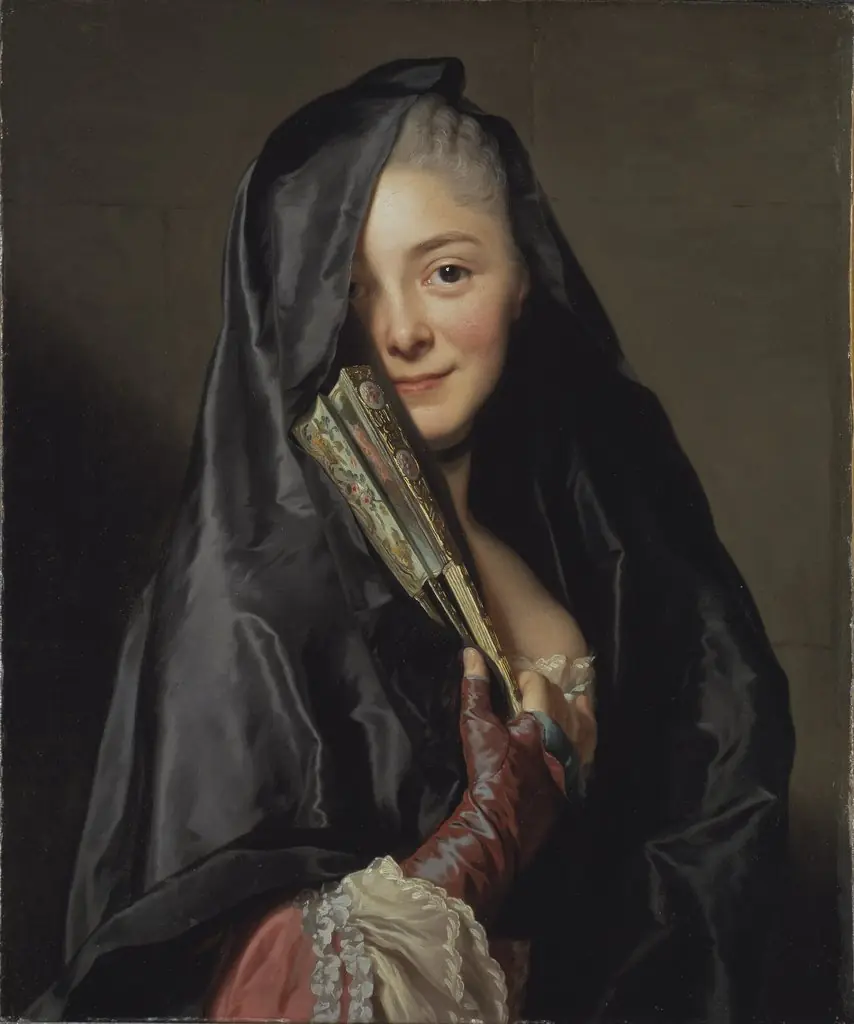 The Lady with a Fan, The Artist's Wife
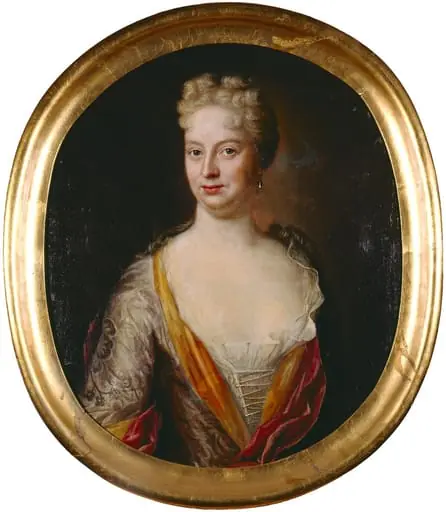 Piispatar Elisabet Wallin
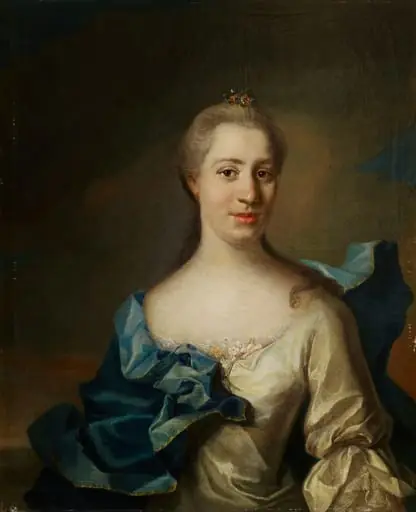 Maria Charlotta Silfverstjerna
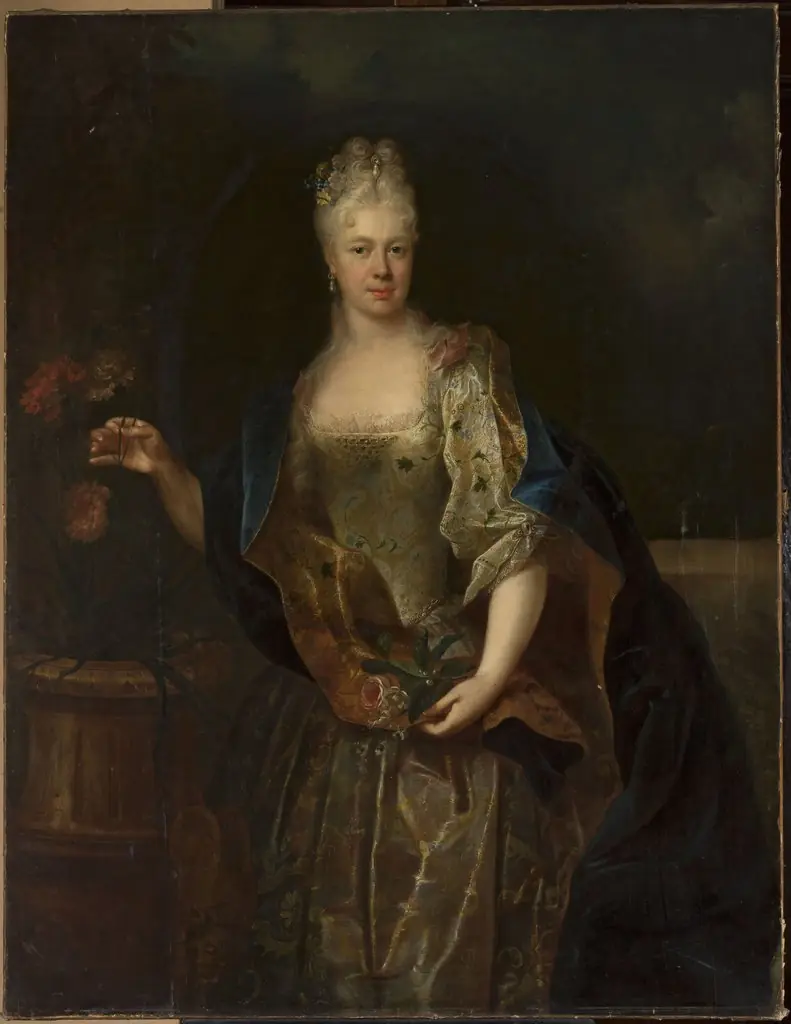 Portrait of Ludwika Amalia Lubomirska (1722–1778)
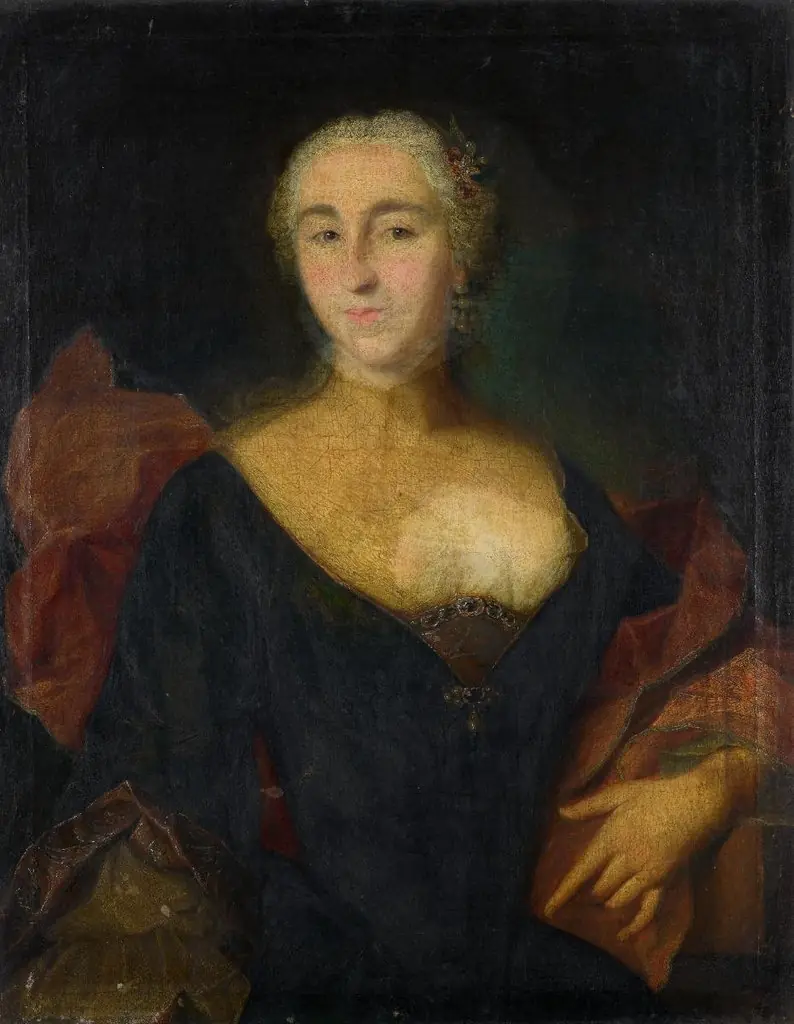 Bildnis einer jüngeren Dame
 Ana Maria de Orleans, soția regelui Victor Amedeu al II-lea de Savoia (în registrulinventar: „Soția regelui Emanuel al Sardiniei”); pandant: Victor Amedeu al II-lea, regele Savoiei
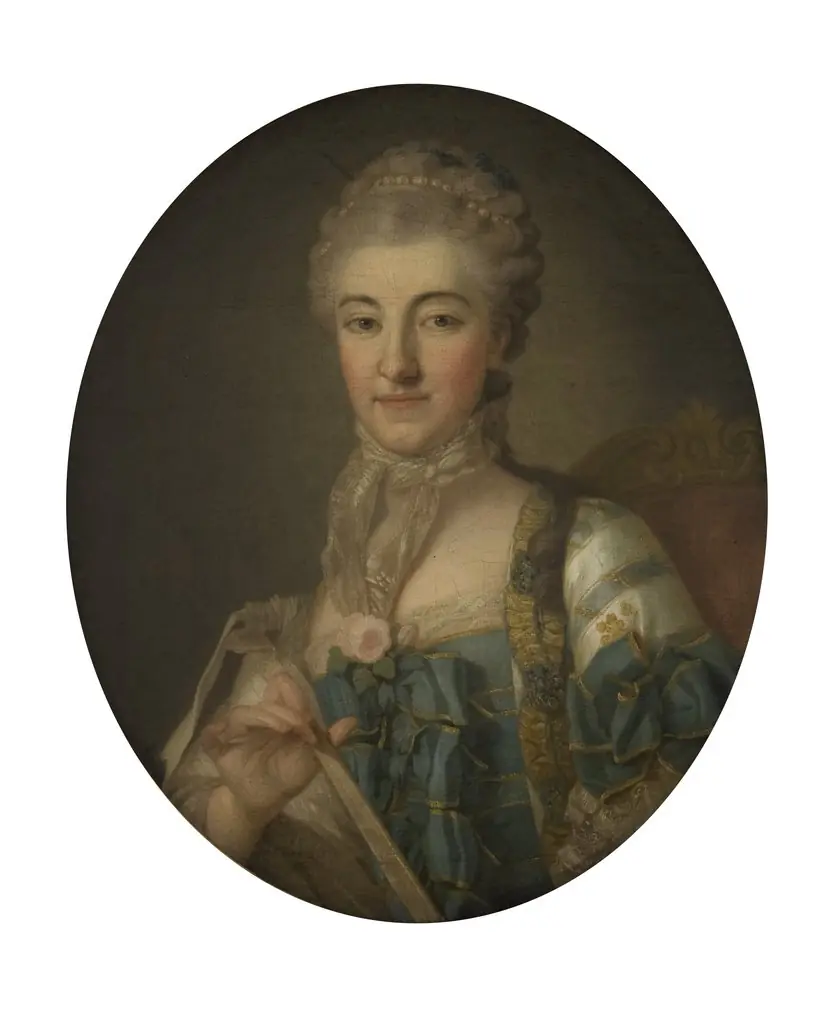 Portrait of Izabela Branicka née Poniatowska
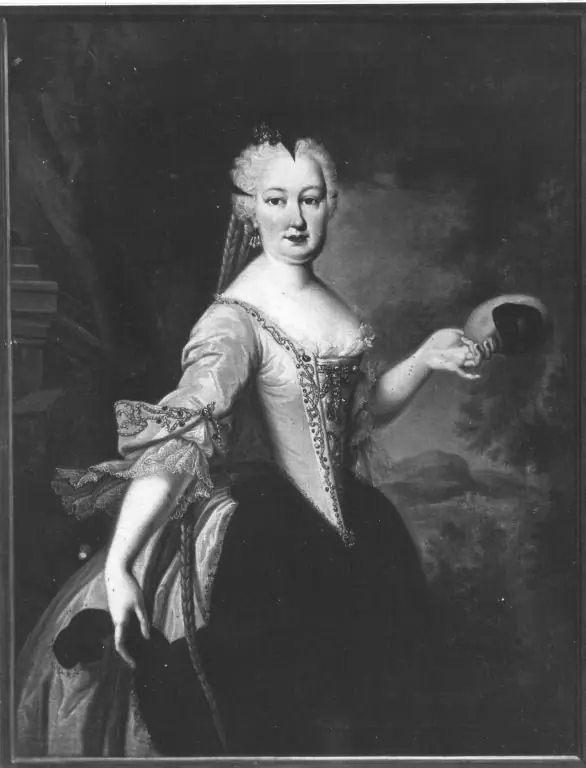 Bildnis der Maria Franziska Dorothea von Pfalz-Sulzbach, Herzogin von Zweibrücken-Birkenfeld (1724-1794)
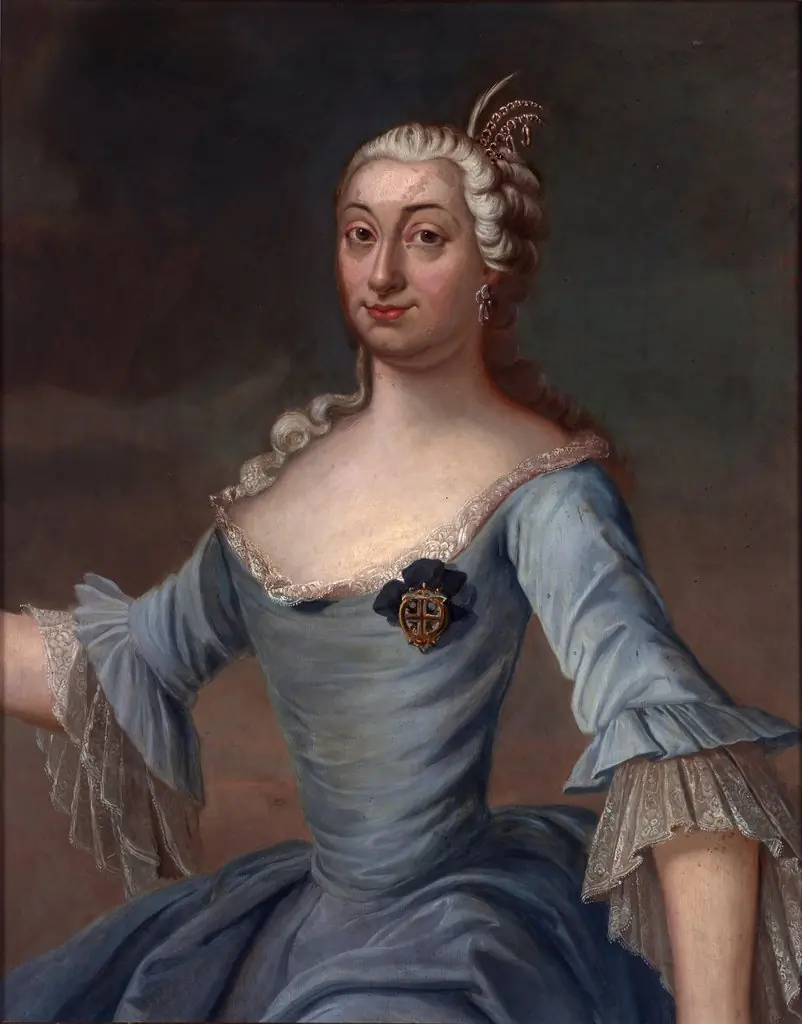 Portret Anny Ludwiki z Mycielskich Radziwiłłowej (1729-1771), żony Michała Kazimierza Radziwiłła "Rybeńki", hetmana wielkiego litewskiego i wojewody wileńskiego
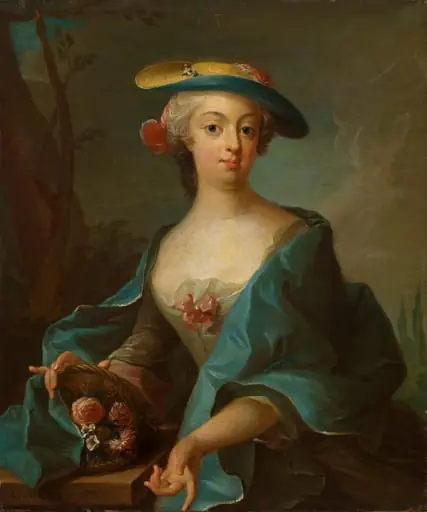 Naisen muotokuva
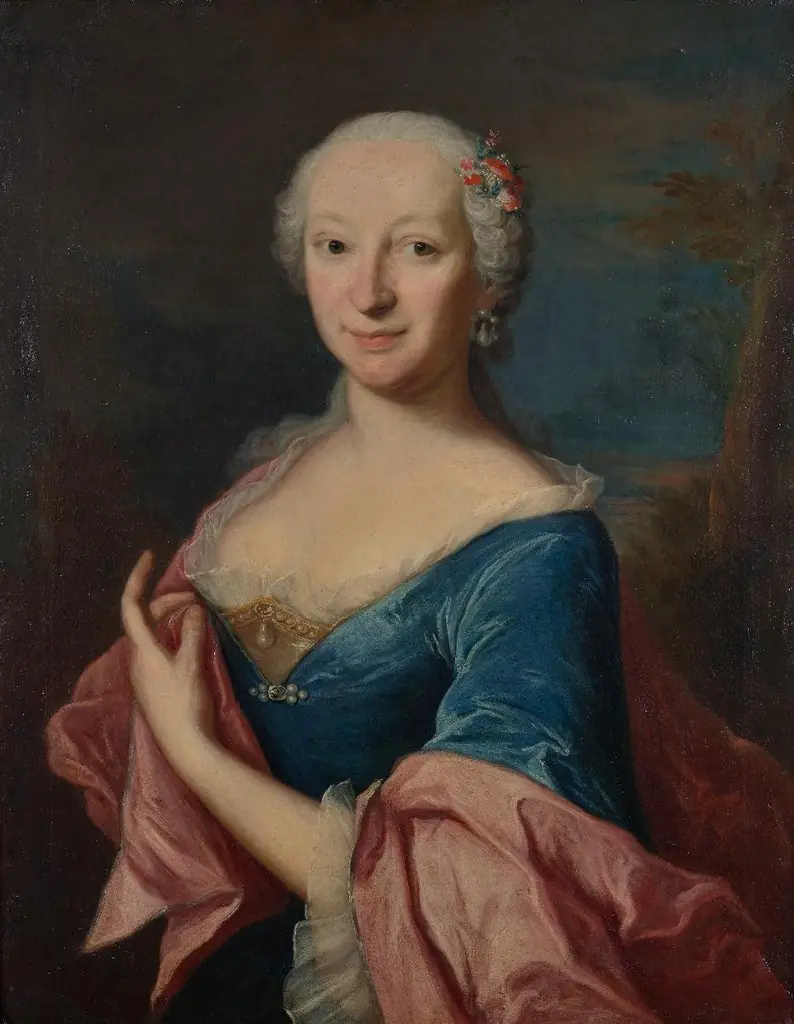 Bildnis Frau Regula Ott
 Erzherzogin Maria Christine (1742-1798), Herzogin von Sachsen - Teschen, in gestreiftem Seidenkleid, Halbfigur
 Portrait of Urszula Dembińska née Morsztyn (1746–1825)