Artwork
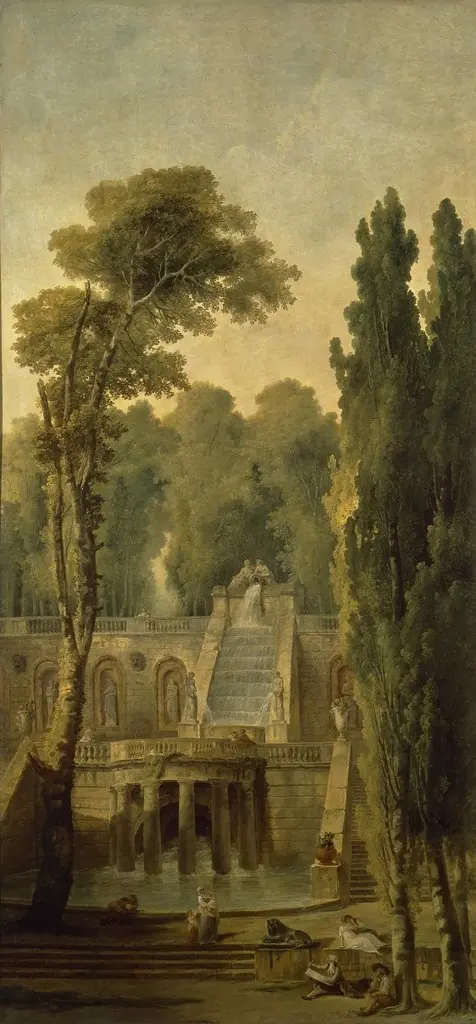
The Terrace of Marly
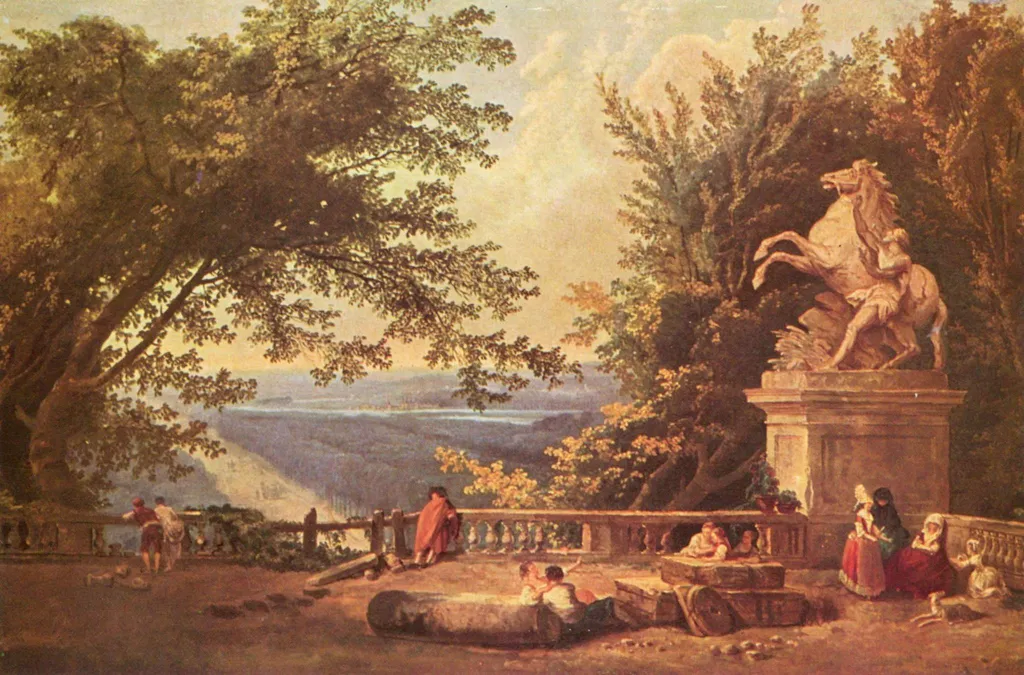
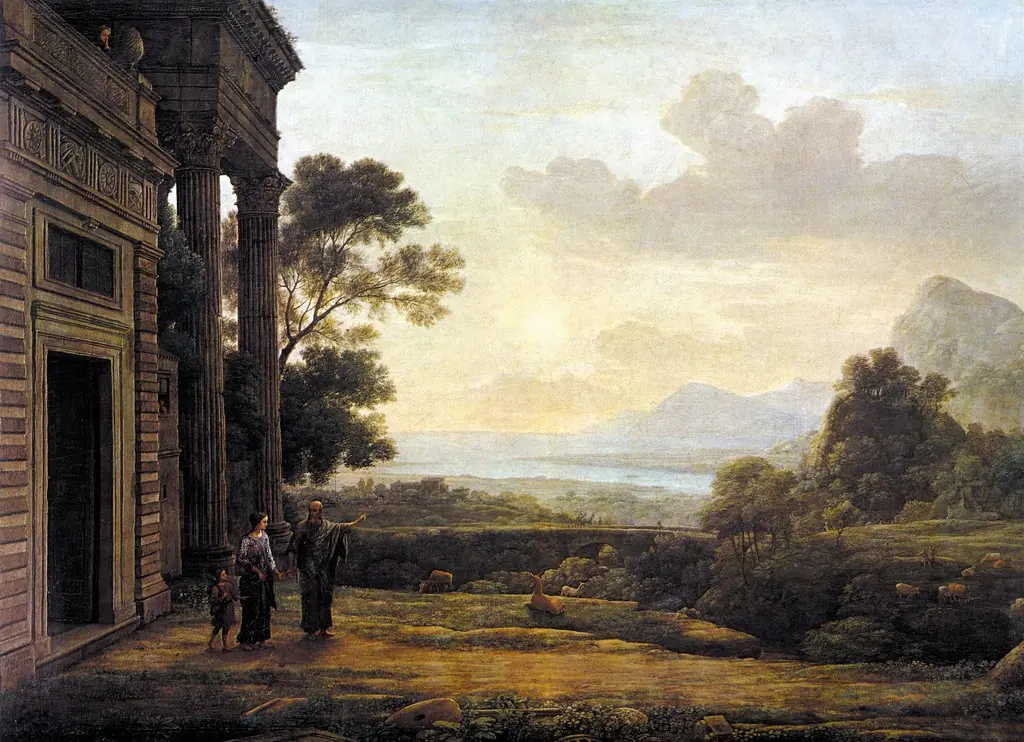
The Terrace of Marly is an oil painting by the Rococo painting artist Hubert Robert. It dates from 1750 and is held in the collection of the Hermitage Museum.
About this work
Overview
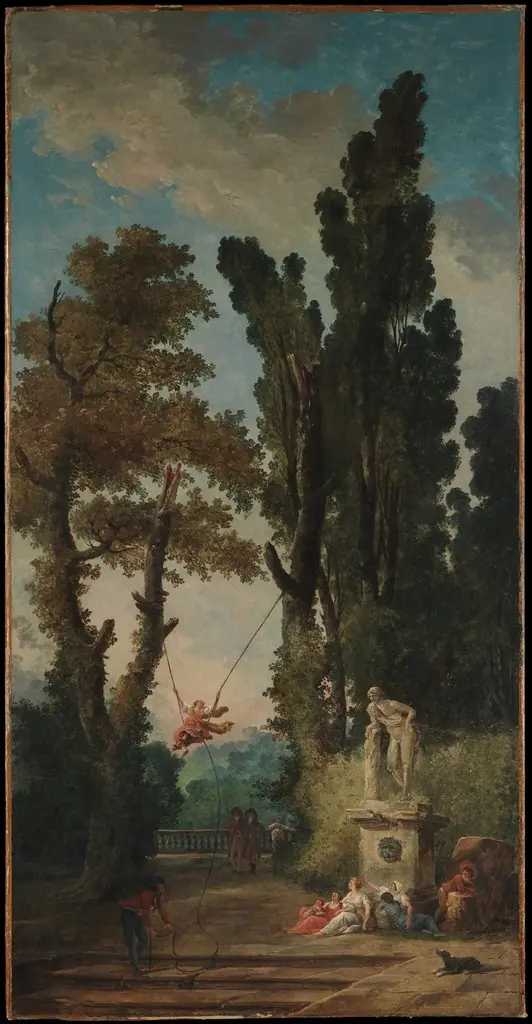
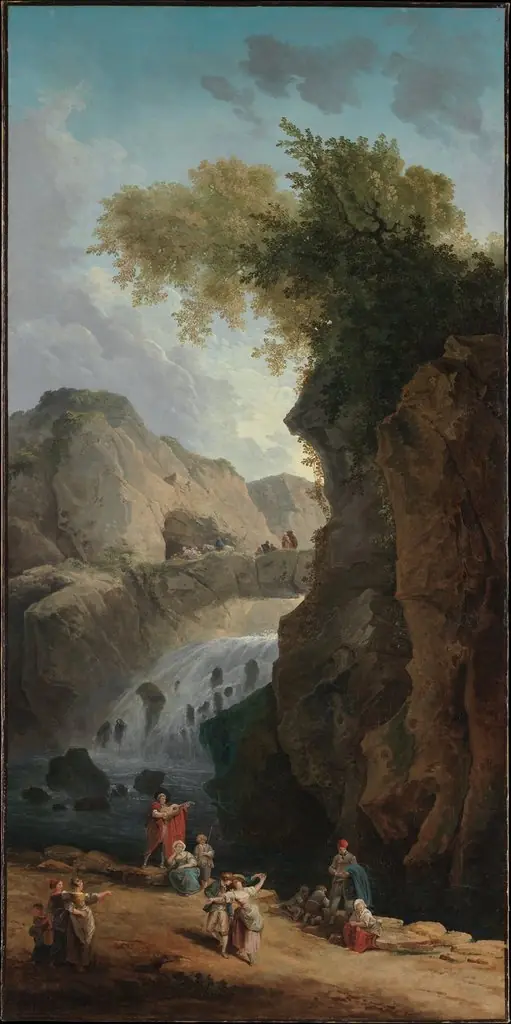
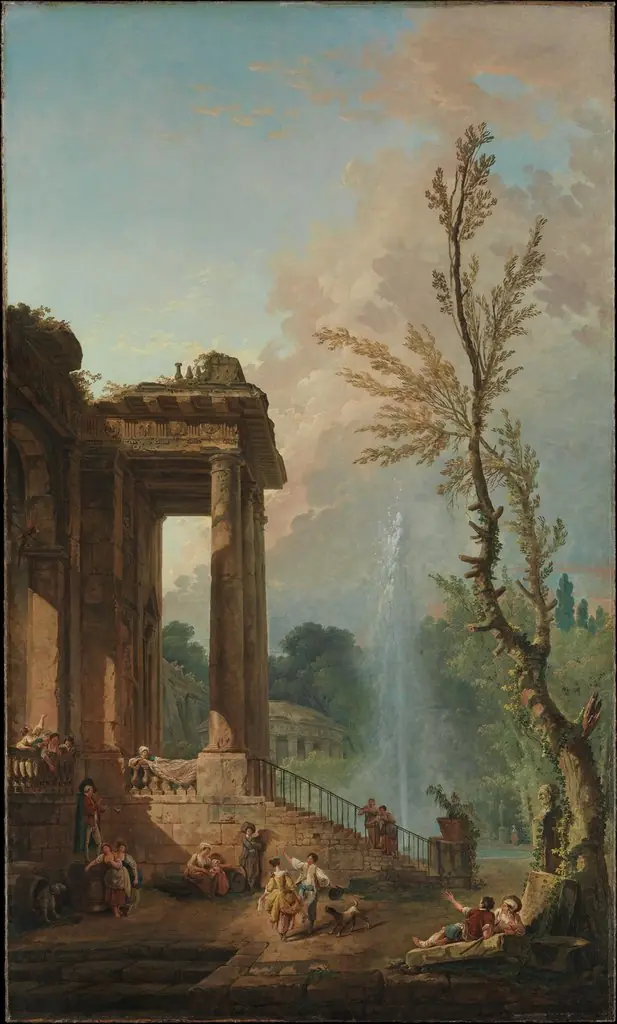
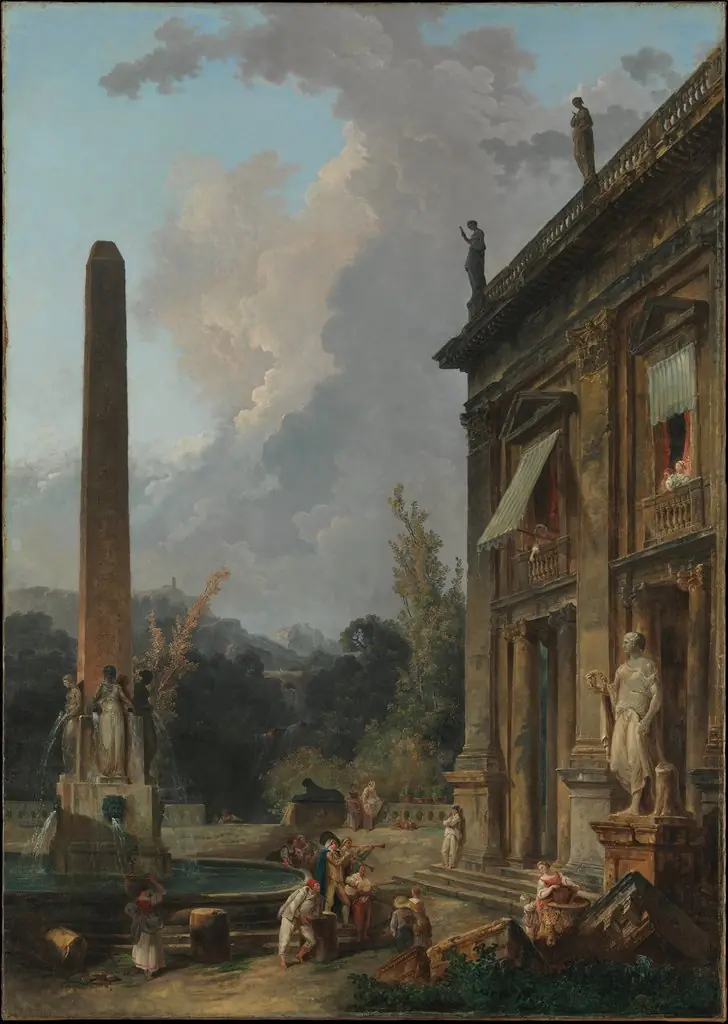
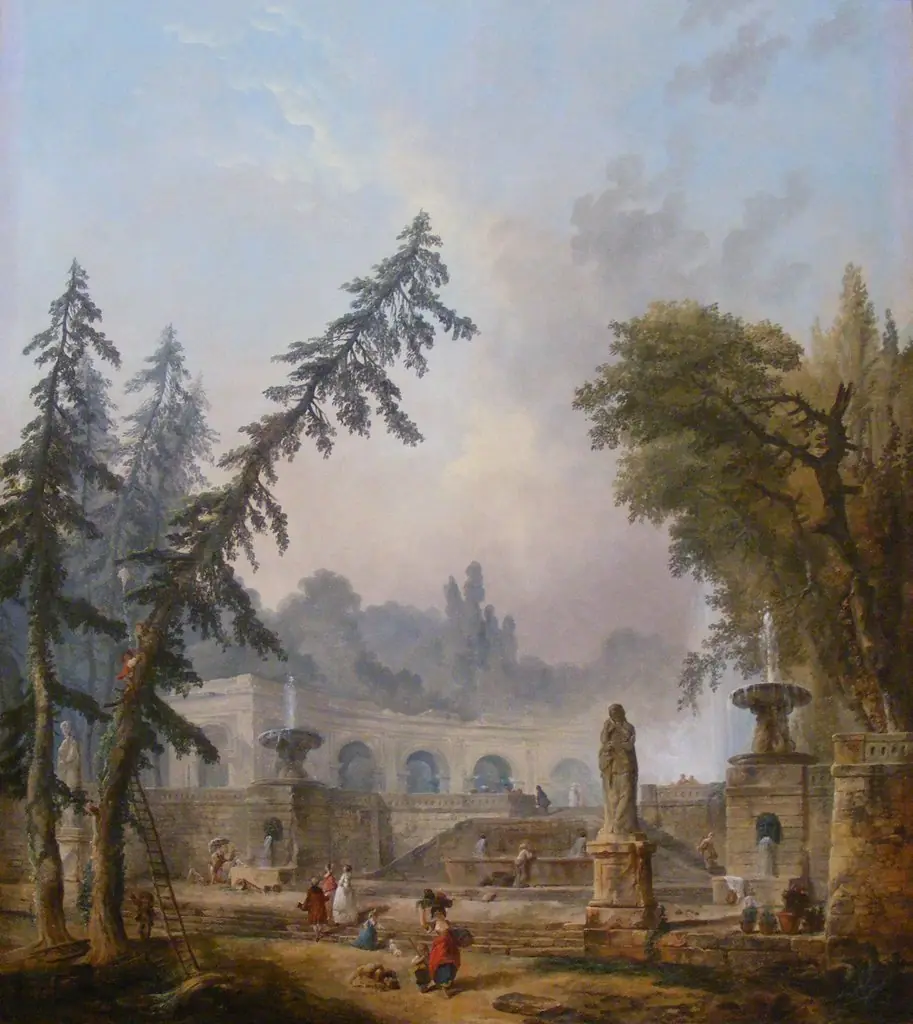
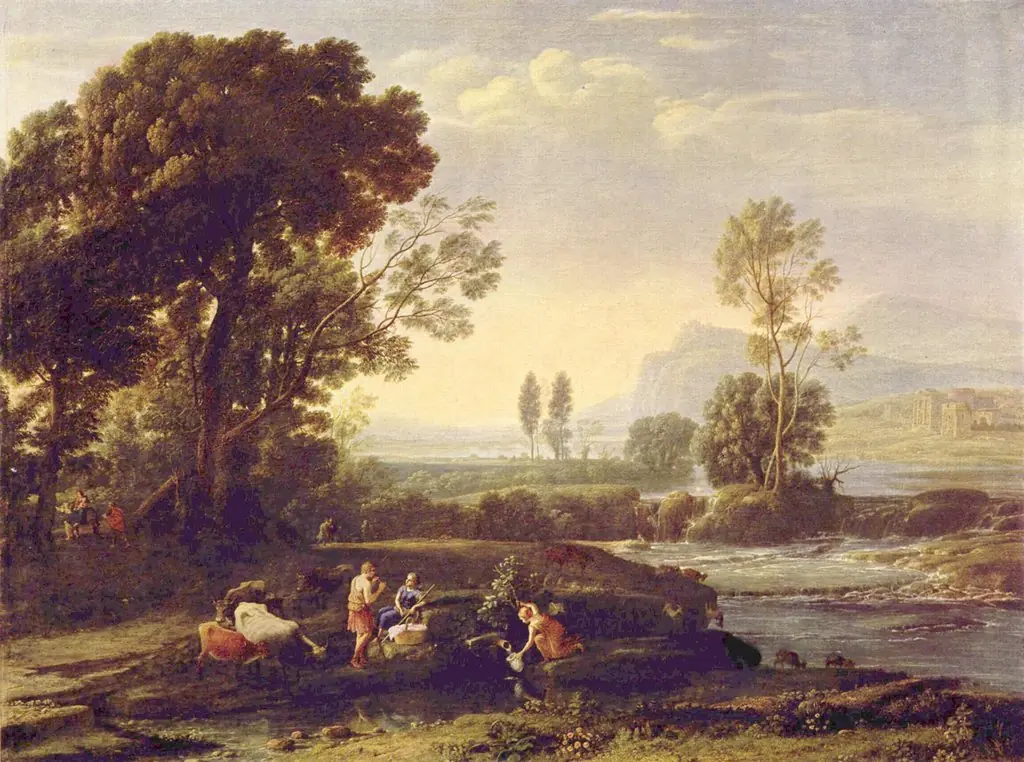
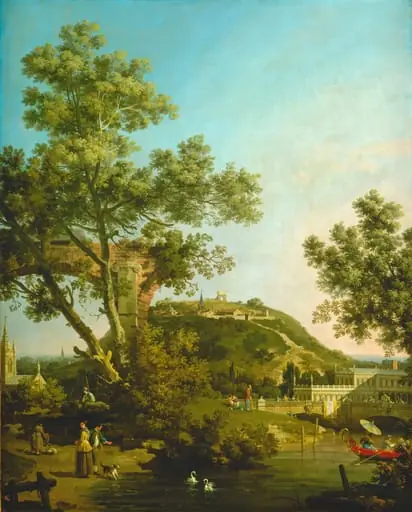
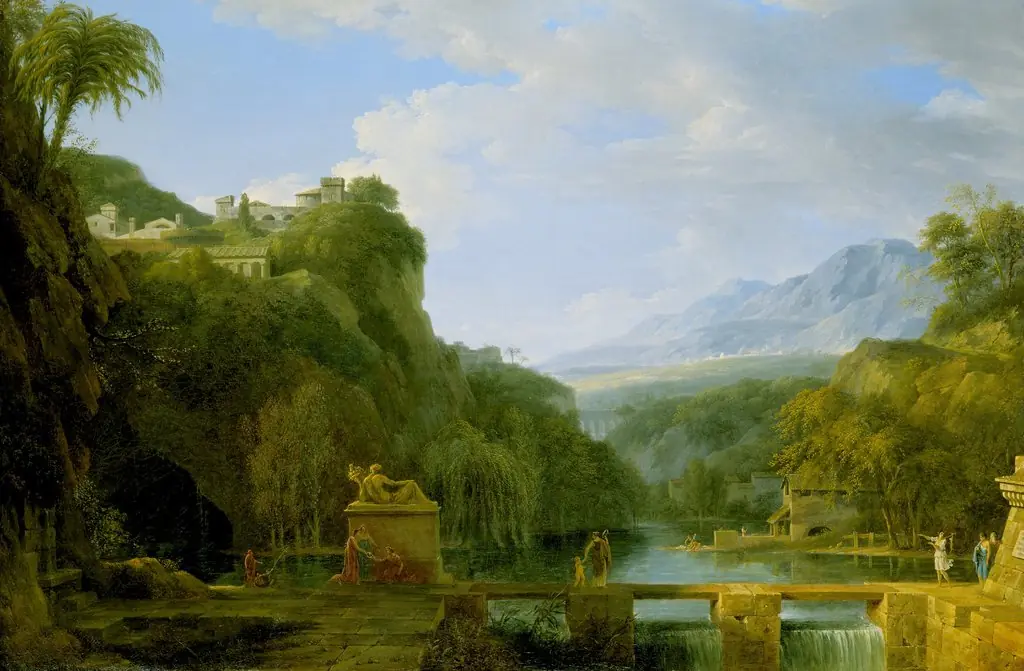
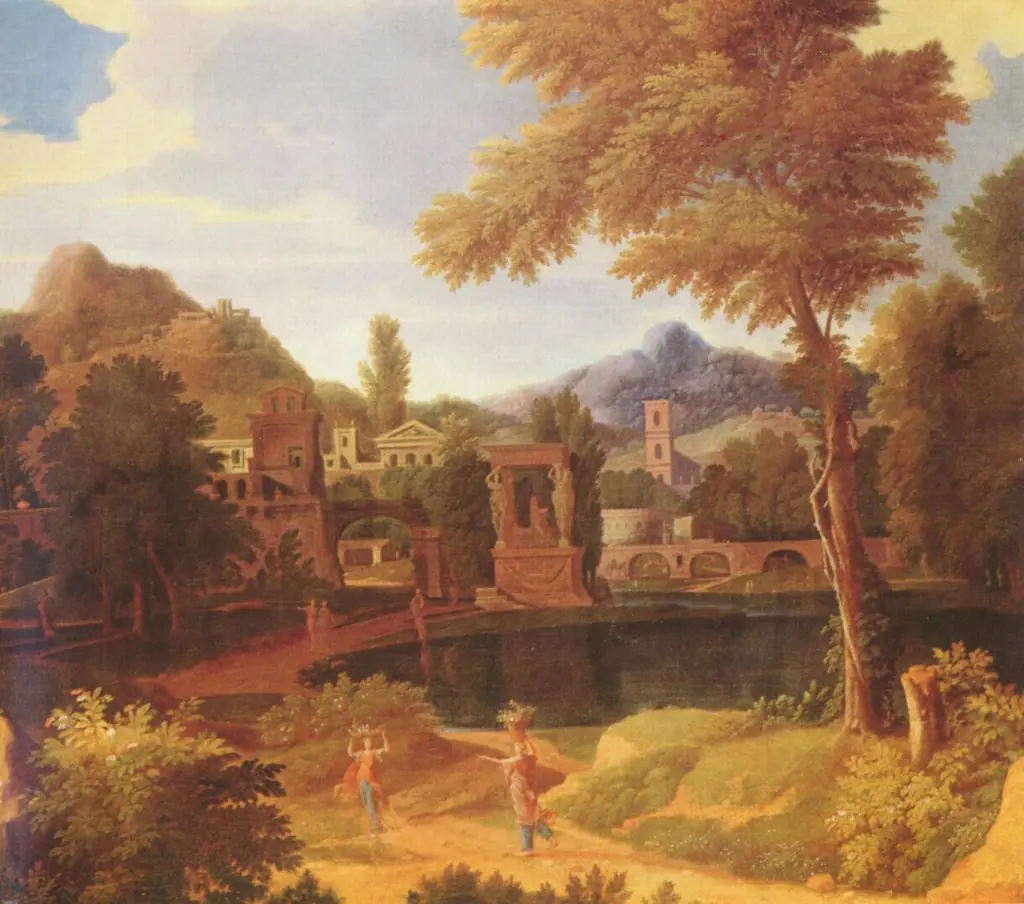
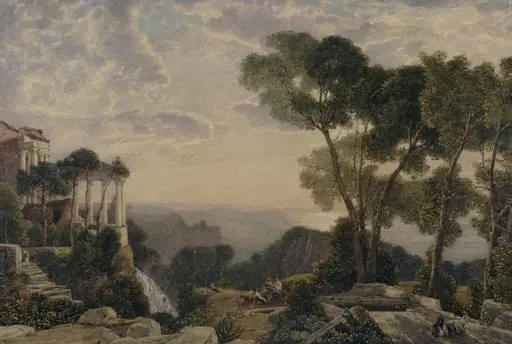
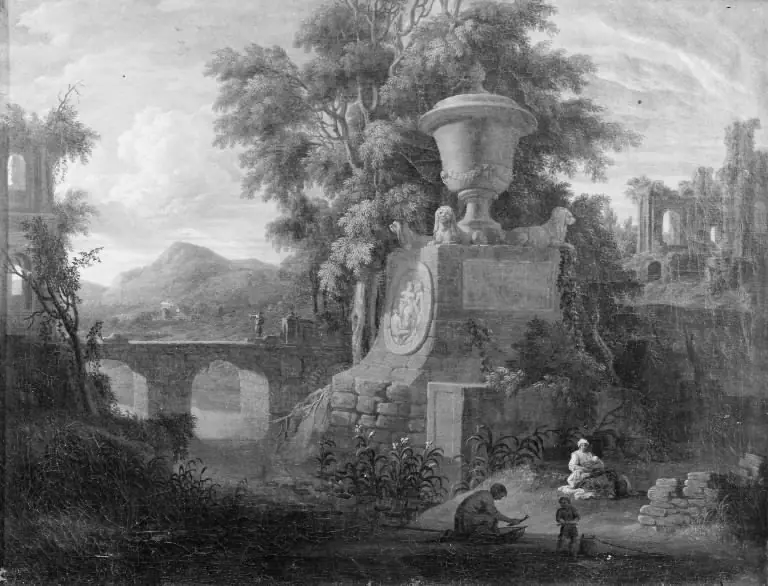
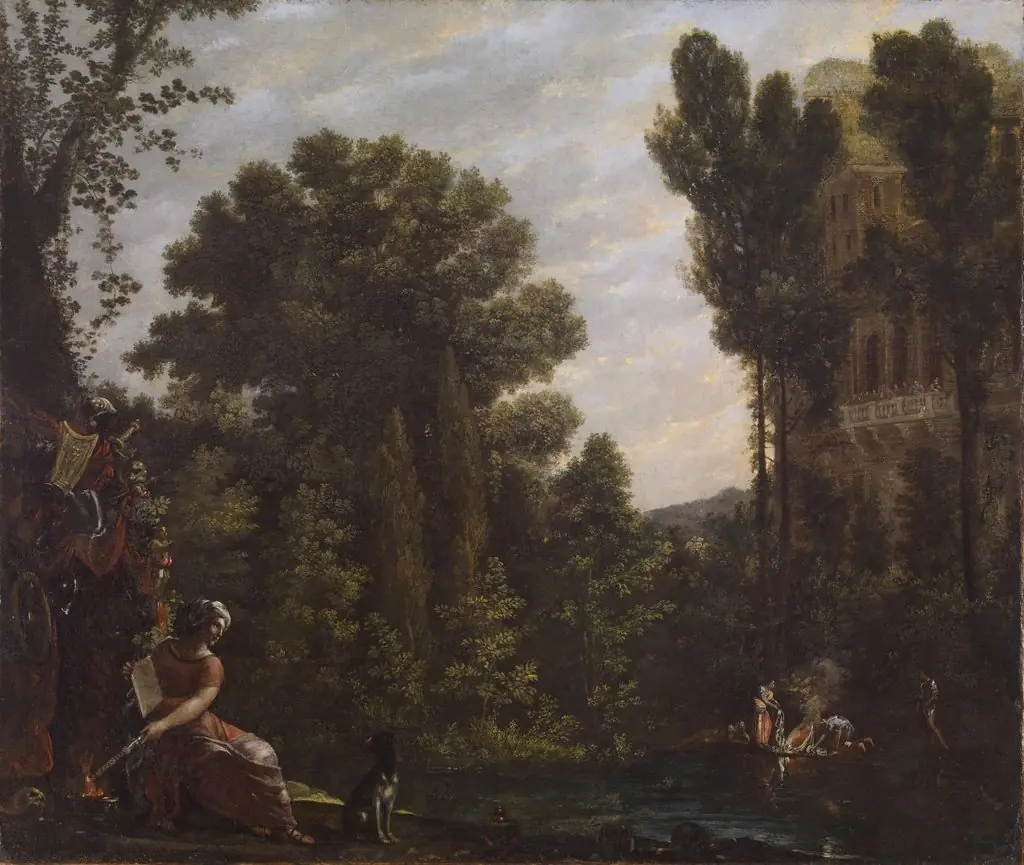
Created circa 1750 by French painter Hubert Robert, *The Terrace of Marly* is an oil on canvas that presents an imagined pastoral setting. The composition balances a leafy foreground with a distant horizon of gentle hills and water, inviting the eye to wander through a tranquil, idealized landscape.
Subject & Meaning
The scene gathers a group of figures—some seated, others standing—engaged in leisurely pursuits beneath a large tree, while a stone equestrian statue stands to the right. The arrangement suggests a harmonious interaction between humanity, nature, and classical motifs, reflecting the Romantic fascination with idyllic, semi‑fictional vistas.
Technique & Style
Robert employs a warm palette and soft, fluid brushwork characteristic of Rococo sensibilities, rendering foliage and sky with delicate transitions of light. The rendering of the statue and figures demonstrates a careful attention to form, yet the overall effect remains atmospheric, emphasizing mood over precise detail.
History & Provenance
The painting entered the collection of the State Hermitage Museum, where it remains on display. Its acquisition reflects the museum’s broader interest in 18th‑century French landscape painting and the artist’s reputation for capriccio works that blend real and imagined architectural elements.
Own this work as a print
Artist & collection
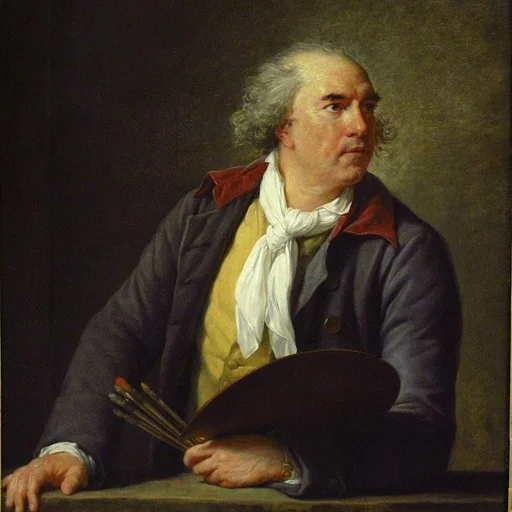
Artist
Hubert Robert (French pronunciation: ; 22 May 1733 – 15 April 1808) was a French painter in the school of Romanticism, noted especially for his landscape paintings and capricci, or semi-fictitious picturesque depictions of ruins in Italy…